
Review · TOURS
Kailash Mansoravar Overland Tour
Kailash and Manasarovar feel different from the road. This overland route ties together Mount Kailash sighting days, Lake Mansarovar visits, and a guided kora trek, with the serious part handled by a Tibetan guide and a thoughtful pace.
I also like the built-in Kathmandu buffer before you head toward altitude, plus the practical private transfers that keep the first and last hours from turning into chaos. The one real consideration is the physical demand: you’re doing a kora trek with a high point at Drolma La Pass, and the long driving days mean you need patience, not just good legs.
In This Review
- Key things to know before you go
- Kathmandu first: easy starts, big spiritual sights
- Day trips to the border: Kerung and the Nepal-to-Tibet pivot
- Across Tibet: Saga and Taqing days that set your pace
- Darchen and Lake Mansarovar: why these days matter
- The kora trek: Dirapuk to Zuthul Puk and crossing Drolma La Pass
- Reversing the route: Saga back to Kerung, then home to Kathmandu
- Price and value: what you’re really paying for at $3,500
- Who should book this Kailash Mansarovar overland route
- Practical tips to make the trip feel smoother
- Should you book this tour?
- FAQ
- How long is the Kailash Mansarovar Overland Tour?
- Where does the tour start and what time is the meeting point?
- Do you get airport transfers in Kathmandu?
- What Kathmandu sights are included before you go toward Tibet?
- Is the trek portion part of the itinerary?
- Are admissions included for all stops?
- What permits and visas are included?
- What meals are included?
- What costs are not included?
- Can I cancel and get a refund?
Key things to know before you go
- Private A/C coach transfers in Kathmandu so arrival and departure feel organized from the start.
- Kerung acclimatization days built in before the higher-altitude push.
- Tibetan land travel with a qualified guide to help you handle permits and timing smoothly.
- Kailash Kora on foot from Dirapuk with key spiritual stops and a pass crossing at Drolma La Pass.
- Meals included for most days (breakfast 13, lunch 8, dinner 9), which matters when you’re far from options.
Not sure yet? Here are other Kathmandu tours worth a side-by-side look.
- Everest Base Camp Trek – 14 Days★ 5.0 · 1,499 reviews
- Everest Base Camp Trek★ 5.0 · 842 reviews
- Private Kathmandu Sightseeing Tour | UNESCO World Heritage sites★ 5.0 · 756 reviews
- Kathmandu: 7 UNESCO Sites with Lunch★ 4.8 · 744 reviews
Kathmandu first: easy starts, big spiritual sights
Most tours start once you’re already tired. This one starts with a proper greeting at Tribhuvan International Airport. When you arrive, a team member meets you and escorts you to your hotel using a private vehicle. That small detail matters because the first day’s job is simple: get your bearings, eat well, and sleep.
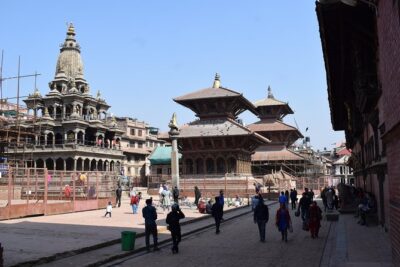
Later, you get two full-day Kathmandu sightseeing tours by private A/C coach. The itinerary is built around places that feel central to Nepal’s spiritual and cultural rhythm. You’ll visit Swayambhunath Stupa (Monkey Temple) for panoramic views, then Kathmandu Durbar Square for Nepalese art and architecture. After that, you’ll shift to Boudhanath Stupa, then Pashupatinath Temple, followed by Budanilkantha’s Sleeping Vishnu statue.
Here’s the practical part: some admissions aren’t included (notably on the Kathmandu sightseeing days). You should budget for small entry fees and carry a bit of cash just in case. Also, since you’re in private vehicle mode, you’ll spend less time coordinating taxis and more time actually seeing.
If you care about atmosphere, Kathmandu is a good warm-up. You get temples and courtyards, yes, but you also get the sense of how people here live with religion in daily sightlines—useful context before the more solemn Tibetan days.
Day trips to the border: Kerung and the Nepal-to-Tibet pivot
The trip becomes a different kind of travel on Day 4, when you journey toward Kerung and cross the Nepal–Tibet border. That drive is scheduled as an 8-hour day, and even if nothing “exciting” happens on the road, the day has value: it moves you from the familiar rhythm of Nepal into a landscape that runs on Tibetan logistics and Tibetan timing.
Then comes Day 5 at Kerung, with acclimatization and relaxation. Two things stand out in this design.
First, you’re not thrown into altitude immediately after the border. You get a full day to adjust and rest. That’s not just comfort; it’s risk management. When you’re later heading toward the Drolma La Pass area, your body will thank you for every calm hour you earn now.
Second, staying at Kerung Himalayan Guest House keeps you from burning the day “in transit.” It’s a setup day. You can eat, hydrate, and keep your schedule low-stress, which makes it easier to do the next long drives without feeling crushed.
A minor planning note: the itinerary has long driving segments multiple days in a row. You’ll want to bring what helps you sit for hours—comfortable layers, a small pillow or neck support, and a way to manage dryness or temperature swings.
Across Tibet: Saga and Taqing days that set your pace
After Kerung, your itinerary stretches through Tibetan scenery toward Saga (Day 6) and onward to Darchen/Taqing (Days 7–8). These aren’t “tourist stops” in the typical sense. They’re road days with viewpoint breaks and a steady increase in altitude pressure as you go.
On Day 6, you travel through Tibetan landscape and stop to admire mountain views and lakes en route to Saga. That’s the moment when the trip starts to look and feel like the real story—big distances, fewer services, and the kind of quiet that only happens when roads thin out.
Then Day 7 shifts toward Darchen with views of Mount Kailash and Lake Mansarovar. You get drive time plus a spiritual viewpoint payoff. That’s a smart pairing: you’re not only “moving forward,” you’re arriving with a mental reward that makes the time in the vehicle feel less like waiting.
On Day 8, you visit Lake Mansarovar and Chiu Monastery. It’s another day that mixes sightseeing with spiritual focus, and the timing gives you a strong sense of place before the kora trek begins.
The biggest practical takeaway: these drive-heavy days require good hydration habits and a calm routine. If you’re the type who gets tense during long transfers, practice staying patient now. It’s not about willpower; it’s about preventing discomfort from turning into fatigue.
Darchen and Lake Mansarovar: why these days matter
Days 7 and 8 are often what people remember most, but not because they’re flashy. They matter because they place you physically and mentally near the center of the journey.
When you’re seeing Mount Kailash from the road and then visiting Lake Mansarovar, you’re not just ticking off a sight. You’re training your attention. The spiritual sites here don’t ask for speed or hype. They reward stillness: you watch the light, you notice how conditions change, and you start to understand why people plan entire pilgrimages around these exact locations.
Chiu Monastery adds another layer. It’s part of that same spiritual map—so when you later join the kora route, you’ll feel like you’re not wandering randomly. You’re following a sequence that makes cultural and spiritual sense.
One small drawback to plan for: admission fees aren’t listed as included on some days in Kathmandu, and while Tibet-specific admission details aren’t spelled out in the itinerary notes, the tour does include major logistics like permits and group visa. Still, expect that not everything will be free on-site unless the operator confirms it in writing.



The kora trek: Dirapuk to Zuthul Puk and crossing Drolma La Pass
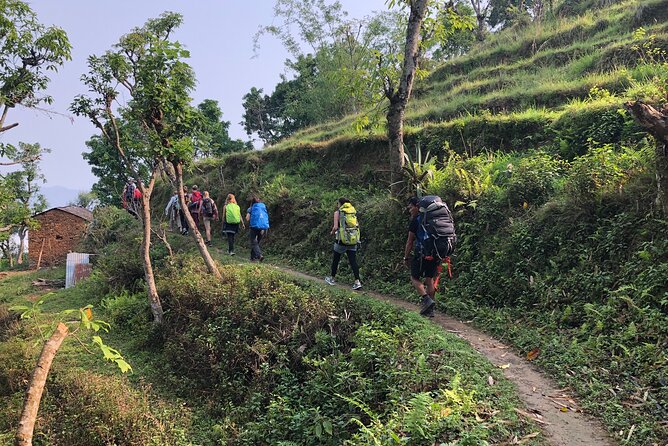
This is the heart of the itinerary.
Day 9 starts the Kailash Kora with a trek to Dirapuk. Along the way you pass Yamadwar and you get views of Mount Kailash. This is where the journey moves from road travel to on-foot pilgrimage. Even if you don’t treat it as a religious quest, you’ll likely feel the “in your body” nature of it: walking at steady effort, noticing the rhythm of altitude, and watching how the group moves together.
Then Day 10 is the highest point story. You cross Drolma La Pass, described as the highest point of the kora, and then descend to Zuthul Puk. That sequence matters. Climbing to a pass is one challenge; descending brings its own physical stress on legs and balance, especially after altitude. This is where having moderate physical fitness is important, and the tour explicitly calls for it.
The itinerary lists the day with admission ticket included on Day 10, but the bigger point is how the day is structured: summit-to-descend, no mystery detours. A guide is also present throughout with experience in the region, which helps keep you aligned with the route and timing.
About the horse riding option: horse riding expenses during the kora aren’t included. That suggests you might have choices depending on conditions, your comfort level, and local practice. If you think you might want assistance for parts of the trek, plan money for it rather than assuming it’s covered.
Reversing the route: Saga back to Kerung, then home to Kathmandu
After the trek, your itinerary returns by road. Day 11 begins with breakfast, then a 6–7 hour drive back to Kathmandu through small villages and landscapes, with a far-off mountain peek. You end the millennium trek section there, and you spend the night in a hotel in Kathmandu.
This is a smart move: you’re not immediately thrown into another overnight travel push after hiking. You get recovery time and a return to city comfort. The itinerary then continues with the return drive to Kerung on Day 12, retracing the Tibetan scenery.
Day 13 is another drive back to Kathmandu, ending with a farewell dinner at a traditional Nepalese restaurant. That’s a good finishing touch because after days of logistics and walking focus, it gives you a place to reset: eat something familiar, talk through the best moments, and handle any last-minute questions before departure.
Day 14 wraps with a transfer to Tribhuvan International Airport for your flight. The start and end being included with private transfers is one of those “small” values that turns into big peace of mind.
Price and value: what you’re really paying for at $3,500
At $3,500 per person for a roughly 14-day overland trek route, the price is serious. But this isn’t just a sightseeing package.
Here’s what you’re getting that reduces hidden costs and stress:
- Private Kathmandu arrival and departure transfers by A/C coach
- Two full-day private Kathmandu sightseeing tours by A/C coach
- Kathmandu to Syabrubeshi to Rasuwa Gadhi to Kerung and back to Kathmandu by private coach
- Private land transfer in Tibet
- Highly qualified and experienced Tibetan guide throughout
- Tibet permit and Tibet Group Visa
- Meals included for many days: breakfast (13), lunch (8), dinner (9)
When a trip includes permits and group visa handling, that’s not a minor add-on. It’s usually a major time sink to manage on your own, especially when you’re dealing with border routes. The presence of a Tibetan guide matters too. Even if you’re well organized, navigating the logistics of Tibet travel typically needs local experience.
What’s not included is equally important to factor into your budget: international flights and the Nepalese visa fee, alcoholic beverages, personal expenses, and horse riding costs during the kora if you use them. If you want more meals outside the included schedule or add drinks on top, you’ll pay extra.
For value, the biggest question isn’t whether you get “enough.” It’s whether you get the right help for a complex route. This itinerary is structured around that idea.
Who should book this Kailash Mansarovar overland route
You should consider booking if you want a guided, higher-structure pilgrimage-style trip that mixes road travel with a real walking segment. This fits best if you can handle long driving days and you’re willing to prepare for altitude and trekking days with steady effort.
This is also a good option if you prefer private logistics rather than trying to piece together transport. The tour is private, meaning only your group participates, and that can make a big difference for timing and comfort.
You might think twice if:
- You’re very sensitive to sitting for long hours in transit.
- You have concerns about trekking at altitude or crossing a high pass at Drolma La Pass.
- You want a fully low-effort vacation style without the hiking component.
The tour does mention moderate physical fitness, not elite training. Still, the kora part is the part you can’t treat casually.
Practical tips to make the trip feel smoother
Based on how this kind of itinerary works, I’d plan around three realities: travel time, altitude, and comfort.
First, pack for long sitting and changing weather. Even when the days are scheduled, road travel can bring temperature swings. Layers help more than one bulky jacket.
Second, treat acclimatization seriously. The Kerung days are there for a reason. Don’t try to “prove” you’re fine by pushing too hard those days.
Third, keep your money plan flexible. Alcohol and personal items are not included, and horse riding during the kora has extra cost if you choose it.
Finally, bring documents and keep them easy to access. This tour handles permits and group visa, but you’ll still want quick access if you’re asked for paperwork during border or checkpoints.
Should you book this tour?
If you want Kailash and Mansarovar with a guided plan that reduces uncertainty—private transfers in Kathmandu, a Tibetan guide in Tibet, permits handled, built-in acclimatization—you’ll likely feel satisfied with the structure for the price.
I’d book it if you’re comfortable with moderate fitness trekking and you see the long road days as part of the pilgrimage, not an interruption.
Skip it (or ask lots of questions first) if you want a purely sightseeing trip with minimal hiking, or if crossing Drolma La Pass and doing the kora trek sounds like too much physically or logistically.
If your goal is a serious, meaningful journey with fewer logistics headaches, this itinerary is designed for that.
FAQ
How long is the Kailash Mansarovar Overland Tour?
The tour is listed as 14 days (approx.).
Where does the tour start and what time is the meeting point?
It starts at Tribhuvan International Airport in Kathmandu, Nepal, with a start time of 5:45 am.
Do you get airport transfers in Kathmandu?
Yes. Kathmandu arrival and departure transfers are included by private A/C coach.
What Kathmandu sights are included before you go toward Tibet?
You’ll visit Swayambhunath Stupa (Monkey Temple), Kathmandu Durbar Square, Boudhanath Stupa, Pashupatinath Temple, and Budanilkantha’s Sleeping Vishnu statue.
Is the trek portion part of the itinerary?
Yes. The kora trek starts from Dirapuk (Day 9) and includes crossing Drolma La Pass and descending to Zuthul Puk (Day 10).
Are admissions included for all stops?
Not all admissions are included. For example, Days 2 and 3 list admission ticket not included, while Day 10 lists admission ticket included.
What permits and visas are included?
The tour includes Tibet permit and Tibet Group Visa, plus private land transfer in Tibet.
What meals are included?
Breakfast is included for 13 days, lunch for 8 days, and dinner for 9 days.
What costs are not included?
Not included are international flights, the Nepalese visa fee, alcoholic beverages, personal expenses, and horse riding expenses during the kora.
Can I cancel and get a refund?
Yes. Free cancellation is offered, and you can cancel up to 24 hours in advance for a full refund.
More Tours in Kathmandu




More Tour Reviews in Kathmandu




Just Reviewed in Kathmandu
- Mountain Bike Tour
★ 5.0 · 3 reviews - Annapurna Panaroma
★ 5.0 · 3 reviews - Mount Everest Scenic Flight 50 Minutes
★ 5.0 · 3 reviews - Kathmandu : Swambhunath & Durbar Square Guided Half Day Tour
★ 3.3 · 3 reviews - Chandragiri Cable Car & Monkey Temple Tour – Private/Group
★ 5.0 · 3 reviews - Kathmandu: Shivapuri National Park Hiking Day Trip
★ 3.3 · 3 reviews
Tours, compared.
 ★ 5.0Everest Base Camp Helicopter Tour landing at Everest View HotelFrom $1,575668 reviews
 ★ 5.0Full Day 7 UNESCO Tour with Lunch – Private/GroupFrom $10415 reviews
 ★ 5.0Private Bhaktapur and Nagarkot Day Tour From KathmanduFrom $20305 reviews
 ★ 4.9Food and Drink Walking TourFrom $34292 reviews
 ★ 5.0Full Day Top 4 UNESCO Tour with Lunch – Private/GroupFrom $10269 reviews
★ 5.0Kathmandu Food and Drink Walking TourFrom $36266 reviews
 ★ 5.0UNESCO Seven World Heritage Tour in KathmanduFrom $180253 reviews
★ 4.9Full-Day 7 UNESCO Tour with Lunch – Private/GroupFrom $5247 reviews