
Review · POKHARA TOURS & SIGHTSEEING
Kathmandu and Pokhara: A Journey Through Nepal’s Cultural and Natural Wonders
Two cities can change your whole Nepal mindset. This Kathmandu-and-Pokhara route strings together temples, water, and big Himalayan viewpoints fast, with Kathmandu Valley culture early and Pokhara mountain drama in the middle. You’ll see how the country feels in two different moods: stone-and-prayer in Kathmandu, then lake-and-sunrise in Pokhara.
I really like the way the day-by-day flow is built for momentum. The sightseeing rhythm is tight, with morning starts that help you catch the best light and move before crowds. I also like the balance of water + mountains in Pokhara, especially the Sarangkot sunrise setup and time on Phewa Lake.
The one tradeoff: you’re spending a lot of time on the road between Kathmandu and Pokhara, so plan for long stretches in the car. Also, while breakfast is included, entrance fees are not, listed at about US$35 per person, and that adds up.
In This Review
- Key things to know before you go
- Kathmandu and Pokhara by Road: The big idea
- Thamel at the start: a simple Kathmandu warm-up
- Pokhara Day Trip style: Devi’s Fall, Gupteshwor Cave, and the Pagoda sunset
- Devi’s Fall: water with a mystery vibe
- Gupteshwor Mahadev Cave: calm interior, different feel
- World Peace Pagoda: the big-sky payoff
- Sarangkot sunrise and Phewa Lake: your morning hits the hardest
- Sarangkot sunrise: worth the alarm
- Phewa Tal and Tal Barahi Temple: boat time with a view
- Pokhara’s temples and Seti river gorge: more than just postcards
- Mountain Museum: a steady stop for context
- Bindabasini Temple: a local spiritual moment
- Seti river gorge: a moving natural detail
- Back to Kathmandu: Durbar Square with the right sense of place
- Price and logistics: is $923 good value?
- Who this Kathmandu–Pokhara route fits best
- Practical tips for weather, timing, and comfort
- Should you book this Kathmandu and Pokhara journey?
- FAQ
- What is the total price per person?
- What’s included in the price?
- Are entrance fees included?
- How long is the trip?
- Where is the meeting point in Kathmandu?
- Does the tour depend on weather?
Key things to know before you go
- A five-day Kathmandu–Pokhara sampler: temples and market streets in Kathmandu, then lakeside views and mountain lookouts in Pokhara.
- Sunrise gets top billing: an early drive toward Sarangkot is designed to maximize morning light.
- Multiple Pokhara signature stops: Devi’s Fall, Gupteshwor Mahadev Cave, World Peace Pagoda sunset, and Phewa Lake boating.
- Sightseeing is scheduled efficiently: the itinerary focuses on getting you to the main viewpoints without long wandering.
- Breakfast included, meals mostly on you: four breakfasts are covered; lunch and dinner are not.
- Entrance fees extra: you should budget around US$35 per person for paid sites.
Not sure yet? Here are other Kathmandu tours worth a side-by-side look.
- Everest Base Camp Trek – 14 Days★ 5.0 · 1,499 reviews
- Everest Base Camp Trek★ 5.0 · 842 reviews
- Private Kathmandu Sightseeing Tour | UNESCO World Heritage sites★ 5.0 · 756 reviews
- Kathmandu: 7 UNESCO Sites with Lunch★ 4.8 · 744 reviews
Kathmandu and Pokhara by Road: The big idea
This experience is built around one simple goal: cover two of Nepal’s most famous regions in about five days without turning the trip into a logistics headache. You start in Kathmandu with a quick intro to daily life in Thamel, then shift west to Pokhara, where the program leans heavily into natural highlights—waterfalls, caves, lake time, and mountain sunsets.
You’ll also get a practical advantage: it’s set up as a private experience for your group. That matters in Nepal, where a shared tour can sometimes mean waiting around. With a private setup, you tend to keep a cleaner schedule and waste less time, which lines up with what many people value about this kind of trip.
And because the route is weather-dependent, the plan is best when skies cooperate. If clouds and rain roll in, you may need to adjust expectations for mountain views, even with careful timing.
Thamel at the start: a simple Kathmandu warm-up
Thamel is the easy entry point for your Kathmandu days. This stop is short—about one hour—but it’s the right kind of warm-up: a dense little maze of shops, travel services, and small street energy. Even if you don’t plan to shop, it helps you get your bearings fast—where you can refill water, find a snack, and understand the pace of the city.
This is also a good time to mentally switch from airport mode to street mode. Nepal works better when you’re not just looking at landmarks from a distance. Thamel nudges you into the rhythm: people moving, motorcycles weaving, and small businesses calling out.
Admission is free for this stop, so it’s an efficient way to start. If you want to do anything extra—like pick up a light daypack or a cheap umbrella—this is where that tends to work.
Pokhara Day Trip style: Devi’s Fall, Gupteshwor Cave, and the Pagoda sunset
Pokhara is where this itinerary starts flexing its “nature + wonder” muscles. After breakfast, you’ll head toward Pokhara by road, with lunch scheduled along the way and an afternoon filled with iconic sights.
Devi’s Fall: water with a mystery vibe
Devi’s Fall is one of those places where you stand back for a moment, then realize the water is doing its own thing in a dramatic setting. This is not a museum-style stop—it’s a real-world flow-and-rock moment. It’s also a good “first Pokhara highlight” because it’s memorable even if you’re tired from the drive.
Practical tip: bring a little caution in how you move around the area. Water sites can be slick, and the terrain can be uneven. Wear shoes you trust.




Gupteshwor Mahadev Cave: calm interior, different feel
From Devi’s Fall, the schedule takes you to Gupteshwor Mahadev Cave. The experience here is less about wide outdoor views and more about atmosphere. Caves create a strong change in temperature and sound, and that contrast often makes the stop feel worth it even when you’re moving through quickly.
If you’re hoping for photos, you might find lighting is the limiting factor. Keep expectations realistic, and focus on enjoying the place rather than forcing perfect pictures.
World Peace Pagoda: the big-sky payoff
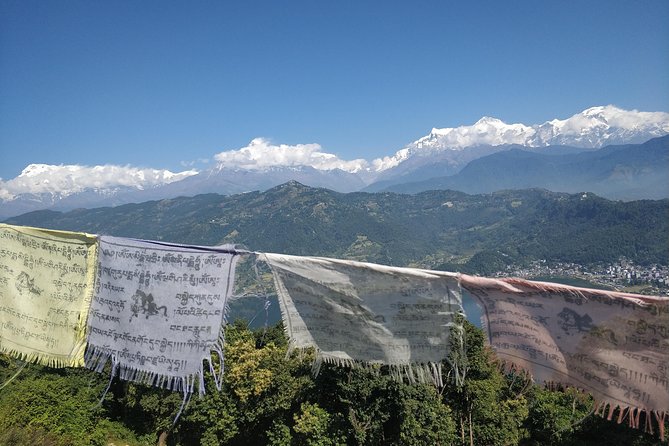
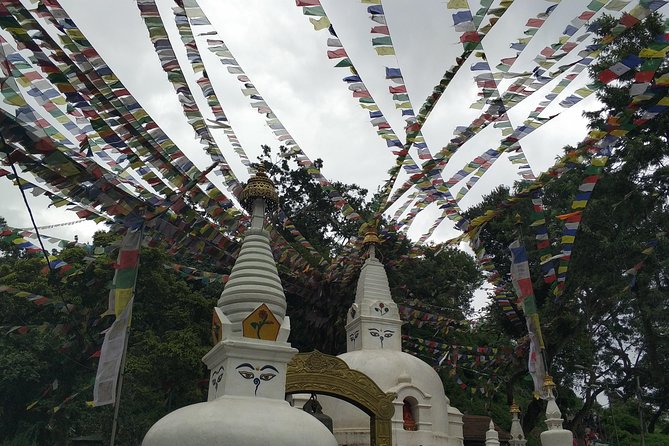
As the day turns toward sunset, you’ll go to the World Peace Pagoda area. This stop is timed for late afternoon—around 4:30 pm—so the viewpoint is set up for that last-hour glow. If you’ve ever wanted a “Himalayas at golden hour” moment, this is the program’s answer.
This is where weather matters most. If the mountains are hidden, the pagoda still gives you a hillside pause, but the iconic view won’t land the same. The good news: even in less-than-perfect conditions, the place tends to feel peaceful.
Sarangkot sunrise and Phewa Lake: your morning hits the hardest
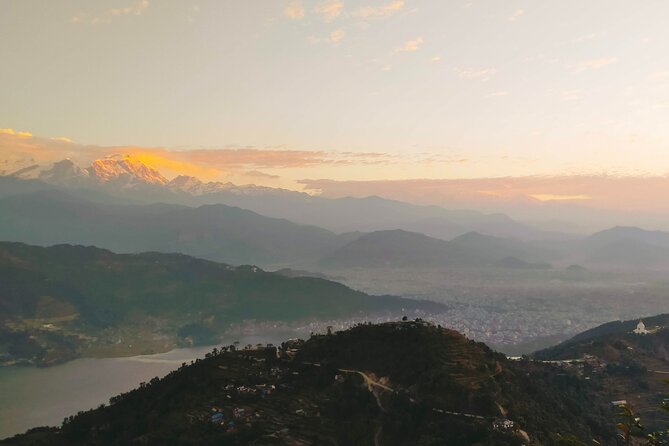
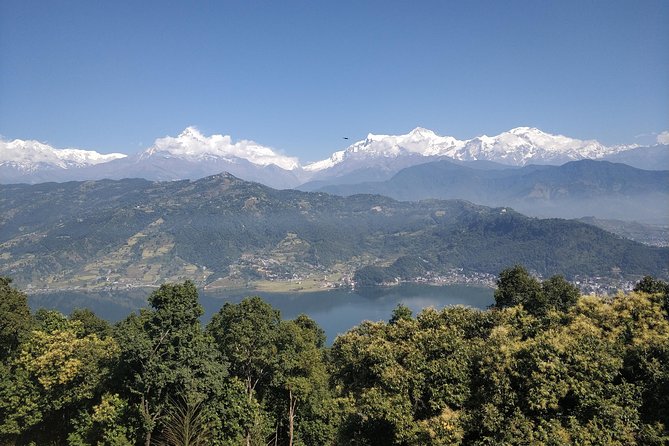
Day 3 is the itinerary’s early riser. Around 4:30 am, you’ll drive to Sarangkot for sunrise. That matters because mountain light changes fast. The earlier you’re in position, the more likely you are to see the range clearly and catch soft colors before the day gets harsh.
Sarangkot sunrise: worth the alarm
Sarangkot is one of those lookouts people travel for because it’s all about timing. The itinerary then brings you back for breakfast afterward, which is smart: you get the view without sacrificing a proper meal.
If you’re sensitive to early mornings, this part can be a shock. But it’s also the part many people remember most, because the mountains look completely different at sunrise than they do later.
Phewa Tal and Tal Barahi Temple: boat time with a view
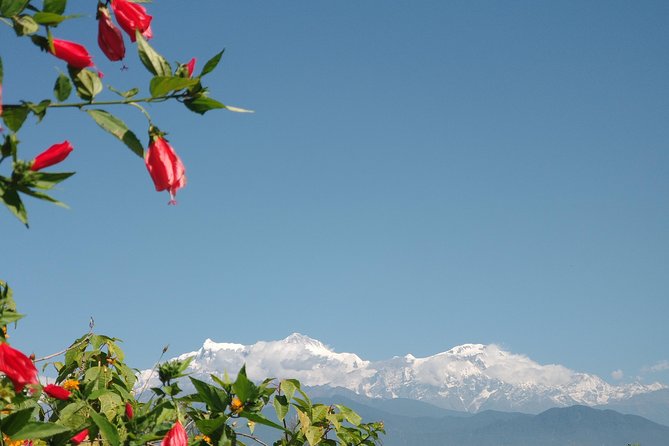
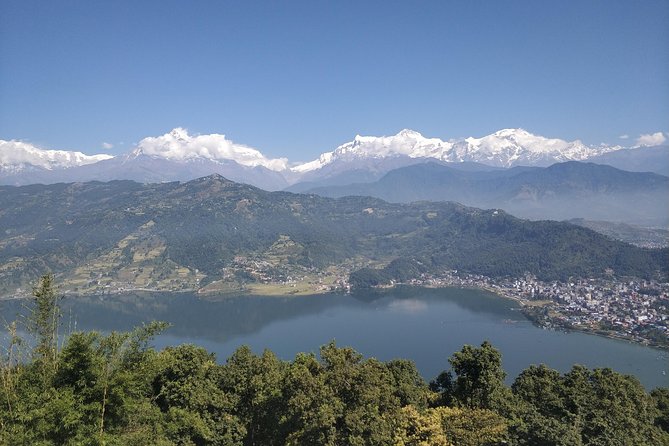
After breakfast, you’ll spend about an hour boating on Phewa Lake, with time around Tal Barahi Temple. Phewa Lake is not just pretty—it’s a reflection machine. One of the best ways to understand Pokhara is to see how the Annapurna region shows up on water. In particular, people often connect this lake time with views of peaks like Machhapuchhre, because the reflection effect can be striking when skies are clear.
Practical tip: bring a layer. Early hours near water can feel cooler than you expect, especially before sunrise warms things up.
Pokhara’s temples and Seti river gorge: more than just postcards
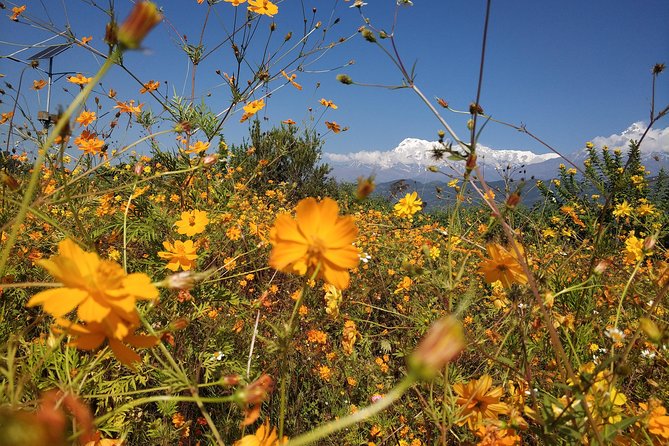
The afternoon in Pokhara mixes culture and smaller-scale nature features. You’ll do a visit to the Mountain Museum, then head to Bindabasini Temple and the Seti river gorge, with free time after.
Mountain Museum: a steady stop for context
The Mountain Museum gives you a calmer pace compared to outdoor viewpoints. It’s a good break when you don’t want to chase the next viewpoint immediately. Even if you don’t read every display, it helps you understand what you’re looking at in the distance—why the mountains matter here, and how the region fits into Nepal’s broader mountain identity.
If you’re short on time, treat it as a context stop. If you enjoy learning, you’ll probably appreciate it more.
Bindabasini Temple: a local spiritual moment
Bindabasini Temple brings you back to Nepal’s spiritual everyday life. This isn’t about checking a box. It’s about witnessing how belief shows up in public space. If you keep your expectations human—quiet, respectful, and present—you’ll get more out of this stop.
A small note: religious sites often have local rules for dress and behavior. You’ll usually figure it out on the spot, but it’s smart to keep shoulders covered and stay mindful of where you walk and when you take photos.
Seti river gorge: a moving natural detail
Seti river gorge adds the last layer: water carving through the terrain. It’s not the kind of stop that dominates your memory as “the biggest view,” but it helps the trip feel grounded and real, like Pokhara isn’t only about one scenic angle.
Back to Kathmandu: Durbar Square with the right sense of place
On Day 4, the program drives back toward Kathmandu, with lunch scheduled along the way. You arrive in the afternoon and then visit Kathmandu Durbar Square at about 4:00 pm.
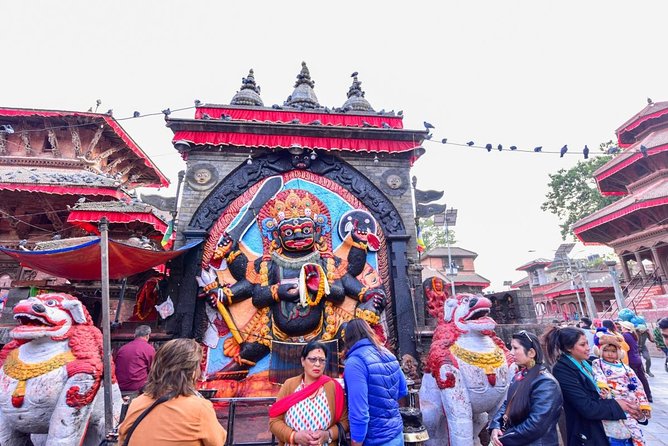
Durbar Square is where Kathmandu’s temple-and-royal heritage energy is easiest to feel. It’s a dense, historic urban space—busy in the way old cities are busy, full of stonework, courtyards, and architecture that rewards slow attention.
The timing is a plus. An afternoon visit gives you softer light than midday and more breathing room than first thing in the morning. You also get a sense of how the Kathmandu Valley’s older heart functions alongside modern life.
If you’re sensitive to crowds, you might still find parts of the square lively. The solution is simple: take your time, step back for wider views, and don’t try to see everything in one frantic sweep.
Price and logistics: is $923 good value?
At $923 per person, this package isn’t a budget deal. It’s closer to a mid-range “let me get this done properly” option, mainly because you’re paying for the structure: a private group setup, transfers between key areas, and breakfasts included.
Here’s how I see the value:
- You get four breakfasts included, which helps reduce daily food decisions.
- Pickup is offered, so you’re not scrambling to start each day.
- Group discounts are mentioned, so if you’re traveling with friends or family, the per-person cost can feel more justified.
- The itinerary is designed to prevent idle time. When timing works, you feel like you actually used the days instead of spending them waiting.
What’s not included matters:
- Lunch and dinner aren’t included, so you’ll be choosing meals on your own most evenings.
- Entrance fees are extra at about US$35 per person. Paid sites may include caves, waterfalls, temples, and the kinds of heritage spaces where entry costs are common.
So who does this suit best? People who want a clear plan, minimal stress, and a mostly “main sights” route that still leaves room for a little free time.
Who this Kathmandu–Pokhara route fits best
This is a good fit if you want:
- Big highlight coverage without planning every leg yourself.
- A mix of morning nature moments (sunrise, lake boating) and human-scale Kathmandu culture (temple areas and Durbar Square).
- A private-group experience where your schedule stays yours.
It may feel less ideal if:
- You dislike early mornings. The Sarangkot sunrise means waking up early and getting back into daylight planning right after.
- You’re extremely budget-driven once you add entrance fees and most meals.
- You’re traveling during a stretch of bad weather when mountain views are less reliable.
Practical tips for weather, timing, and comfort
This route is efficient, but Nepal has its own pace. A few practical habits will make the trip smoother:
- Pack a layer for early mornings. Sarangkot sunrise and mornings near water can be cooler than you expect.
- Wear supportive shoes. Cave and water-area stops can involve uneven surfaces.
- Keep a flexible mindset about mountain views. The experience requires good weather; if conditions are poor, you may be offered a different date or a full refund.
- Plan for cash for meals and small fees. Since lunch/dinner and entrance fees aren’t included, it helps to have spending money ready.
- Use Thamel as your “supplies base.” If you need small items for a day (snacks, water, a light rain layer), starting there makes life easier.
Should you book this Kathmandu and Pokhara journey?
If you want a five-day trip that hits both the cultural heart of Kathmandu and the scenic highlights of Pokhara, this plan makes sense. The strongest selling points are the sunrise timing at Sarangkot, the Phewa Lake boating + Tal Barahi Temple segment, and the mix of nature stops like Devi’s Fall and Gupteshwor Mahadev Cave, capped by the World Peace Pagoda sunset idea.
I’d book it if you value an organized schedule, hate wasting time, and prefer your Nepal route to be straightforward rather than DIY-heavy. I’d hesitate if early mornings, long road drives, or extra on-the-ground costs (entrances and most meals) would stress you out.
If you’re ready for a practical, highlight-focused route that still feels like you touched real Nepal—this one is worth a serious look.
FAQ
What is the total price per person?
The tour price is $923.00 per person.
What’s included in the price?
Breakfast is included for 4 days. Pickup is offered, and the experience is private for your group.
Are entrance fees included?
No. Entrance fees are not included and are listed as about US$35 per person.
How long is the trip?
The duration is approximately 5 days.
Where is the meeting point in Kathmandu?
The ticket redemption/meeting point is Kathmandu 44600, Nepal.
Does the tour depend on weather?
Yes, the experience requires good weather. If it’s canceled due to poor weather, you’ll be offered a different date or a full refund.
More Tour Reviews in Kathmandu






Just Reviewed in Kathmandu
- Mountain Bike Tour
★ 5.0 · 3 reviews - Annapurna Panaroma
★ 5.0 · 3 reviews - Mount Everest Scenic Flight 50 Minutes
★ 5.0 · 3 reviews - Kathmandu : Swambhunath & Durbar Square Guided Half Day Tour
★ 3.3 · 3 reviews - Chandragiri Cable Car & Monkey Temple Tour – Private/Group
★ 5.0 · 3 reviews - Kathmandu: Shivapuri National Park Hiking Day Trip
★ 3.3 · 3 reviews
Pokhara Tours & Sightseeing, compared.
 ★ 4.63-Day All-Inclusive Chitwan SafariFrom $149133 reviews
 ★ 4.73 Day Chitwan Jungle Safari TourFrom $12987 reviews
 ★ 5.06 Days Special Kathmandu Pokhara Tour in NepalFrom $1,00028 reviews
 ★ 4.52 Days Chitwan Jungle Safari Tour from Pokhara/KathmanduFrom $11727 reviews
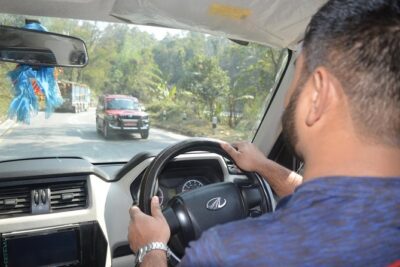 ★ 5.0Kathmandu to Pokhara drop-off service by private vehiclesFrom $22527 reviews
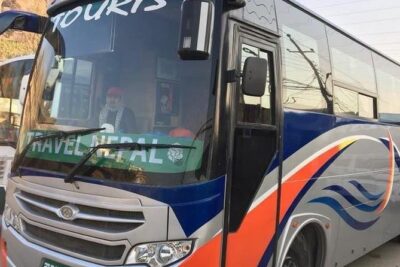 ★ 4.0Kathmandu to Pokhara Tourist Bus Tickets reservationFrom $2225 reviews
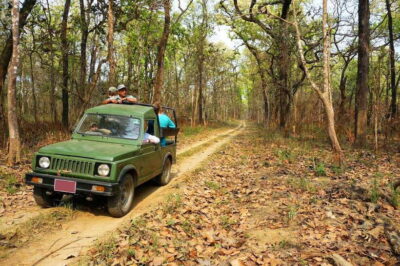 ★ 4.82, 3, or 4-Day Chitwan Jungle SafariFrom $3524 reviews
 ★ 4.0Kathmandu to Pokhara Bus Ticket- SofaFrom $2124 reviews
Browse the lists this tour appears in