
Review · POKHARA TOURS & SIGHTSEEING
From Kathmandu/Pokhara: 3-Day All-Inclusive Chitwan Safari
Chitwan hits fast. This 3-day safari from Kathmandu or Pokhara strings together Chitwan National Park game drives, a Rapti River canoe ride, and a Tharu cultural night—so you’re never bored between wildlife sightings.
I love how much attention you get for animal-spotting, especially when guides like Laxman and Som help you read the jungle and notice what you’d otherwise miss. I also like that the schedule isn’t just about wildlife: you’ll meet the Tharu people and see a traditional dance show that explains daily life around the park.
The main drawback to plan for is the travel grind. The round-trip bus takes about 6–7 hours each way, with reports of bumpy roads and limited ability to charge devices during the ride.
In This Review
- Key things to know before you go
- Chitwan in 3 days: why this package works
- Price and value at about $149 per person
- Getting there from Kathmandu or Pokhara: 6–7 hours of bus reality
- Day 1: Sauraha arrival, hotel downtime, and Tharu cultural night
- Day 2 morning: Rapti River canoe ride and wildlife watching
- Elephant breeding center: conservation learning with a welfare reality check
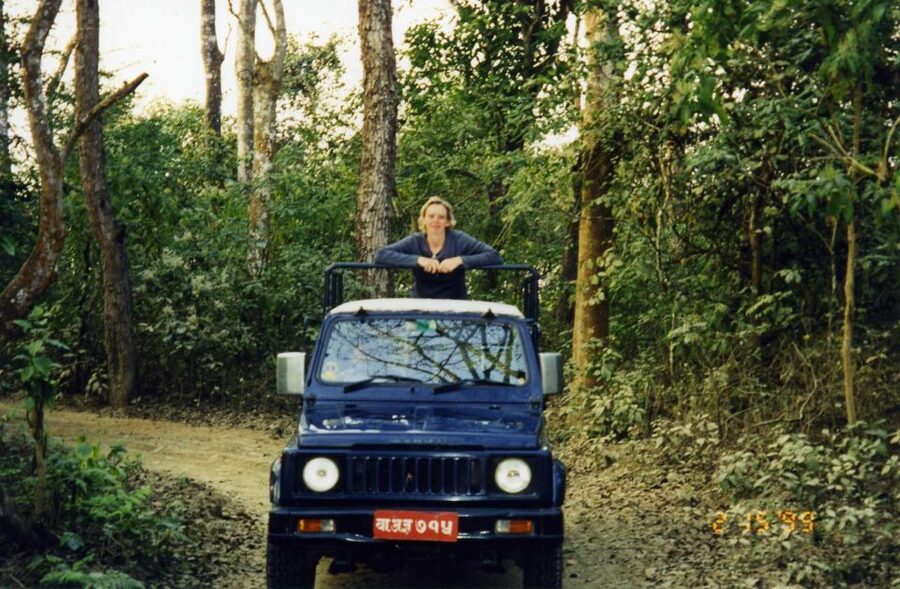
- Day 2 afternoon: the 4-hour jeep safari in Chitwan National Park
- Day 3: a final morning and then the long ride home
- Wildlife expectations: rhinos, elephants, birds, and the tiger question
- Accommodation and meals: what comfort looks like in Sauraha
- What to pack (and what to leave behind)
- Who should book this Chitwan safari—and who should skip
- Should you book this 3-day all-inclusive Chitwan safari?
- FAQ
- How long is the Chitwan safari?
- What’s the price per person?
- Where does the tour start from?
- How long is the bus transfer?
- What activities are included?
- Are meals included?
- Is there a hotel included?
- How big is the group?
- What should I bring?
- What’s not allowed during the tour?
Key things to know before you go
- 4-hour jeep safari time in Chitwan National Park, guided and focused on sightings
- Rapti River canoe ride for birds and crocodiles (plus that calm-before-the-wild feeling)
- Tharu village + cultural dance show to understand the human side of this region
- Elephant breeding center visit as part of the conservation theme (with welfare details you should be ready to see)
- Small group size (10 max) with an English-speaking guide and an unhurried pace between activities
- Strong value at about $149 because park fees, meals, and transfers are included
More time out in the wild
- 3-Day Chitwan National Park Jungle Safari Tour Package with Pick Up★ 5.0 · 184 reviews
- Kathmandu: 3-Day Chitwan Safari Tour with Hotel Transfers★ 4.6 · 127 reviews
- Kathmandu/Pokhara: 3 Day Chitwan Jungle Safari Tour★ 4.7 · 87 reviews
- 2 Days Chitwan Jungle Safari Tour from Pokhara/Kathmandu★ 4.5 · 27 reviews
Chitwan in 3 days: why this package works
This isn’t a long, slow safari. It’s a tight program built around three big “chunks” of Chitwan: river time, jeep time, and cultural time. That structure matters, because in Chitwan you can spend hours just getting your bearings—this plan gets you there and keeps you moving.
Also, the timing of the activities is designed to hit different animal habits. River rides tend to reward patient watching, while jeep safaris are better for scanning open areas and spotting animals that use clear trails and edges. Then the evening cultural events give your brain a break without losing momentum.
You’ll base yourself in the Sauraha area in between park outings, with two nights of hotel included. For many people, that’s the real win: you’re not juggling hotels, tickets, and separate tours while your time is short.
Price and value at about $149 per person
At around $149, this package is priced like a budget-friendly route to do the full Chitwan circuit. What makes it feel like good value is that the big costs are bundled: national park fees, entry fees, guide service, a 4-hour jeep safari, a canoe ride, cultural programming, and meals across the two full safari days.
The meals are also not a tiny add-on. You get two breakfasts, two lunches, and two dinners, which helps when you’re tired after the bus and don’t want to spend energy hunting for food in Sauraha.
One more value point: the group is limited to 10 participants, so you’re not being herded into a huge vehicle with zero attention. In places like Chitwan, that attention shows up most during spotting—when the guide points out tracks, calls, and likely sightings long before you’d notice anything.
Getting there from Kathmandu or Pokhara: 6–7 hours of bus reality
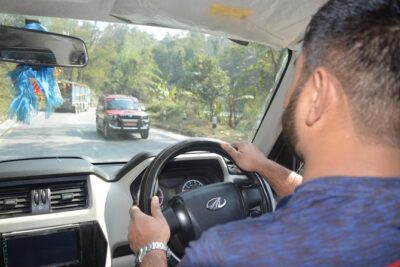
This experience runs on long-distance logistics. You’ll travel by tourist bus (or private car depending on your option), typically around 7 hours from Kathmandu or 6 hours from Pokhara, with stops and variable road conditions.
Here’s what I think you should expect: seats can be comfortable, but the ride may be bumpy and feel intense. Some guests also note there’s no electricity on the bus, so don’t count on charging your phone or keeping everything topped up.
It’s smart to pack like you’re doing a day-long transfer. Bring a hat, sunscreen, a light layer, and a way to pass time. Also plan your expectations: this is not a scenic drive tour—this is the price you pay for getting into Chitwan quickly and having a full two days for wildlife and culture.
Pickup is included, and you can choose from multiple spots such as Thamel and the tourist bus area in Kathmandu, plus pickup options on the Pokhara side. When you return, you’re dropped back near the same bus points (Kathmandu around Balaju near Thamel, or Pokhara bus park), and you’ll likely need a short taxi ride to your hotel.
Day 1: Sauraha arrival, hotel downtime, and Tharu cultural night
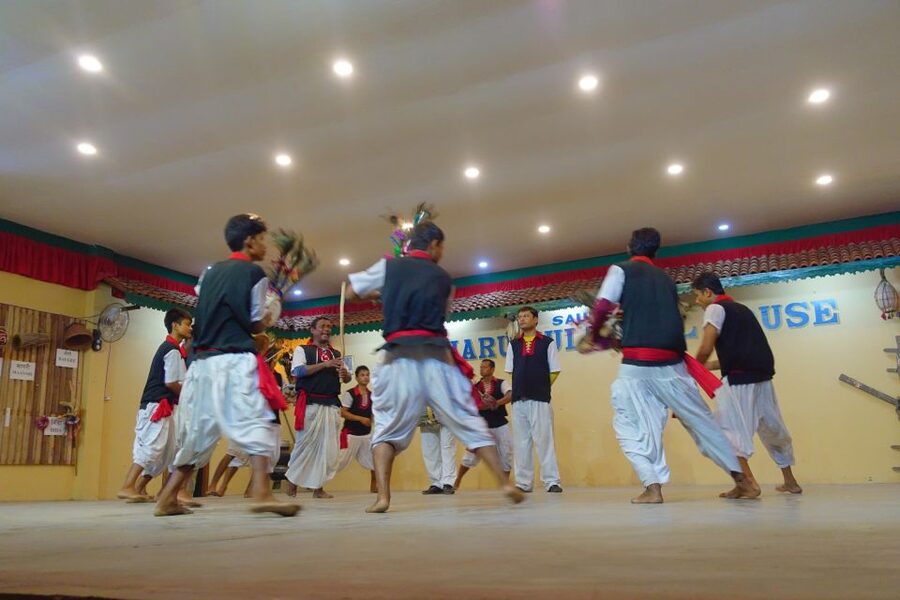
After the bus ride, you arrive in the Sauraha area, where your representative meets you with a name sign and escorts you to your hotel. That handoff matters because Sauraha can feel like a blur when you’re arriving tired.
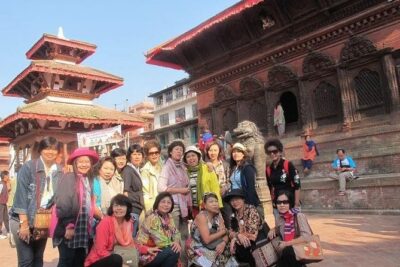
Your first afternoon/evening is built around reset time and local context. You’ll have lunch and dinner included, and then you’ll head to a Tharu Cultural Dance Show in the evening. This isn’t just entertainment for the sake of entertainment. The dances, songs, and colorful costumes are a window into how the Tharu community expresses identity and history in daily life here.
If you’ve ever done safari-only tours, this is the part that changes your understanding. It frames why people live alongside a protected landscape and what “conservation” means to the community, not just the wildlife department.
Before you lock this one in, a few Kathmandu alternatives:
Day 2 morning: Rapti River canoe ride and wildlife watching
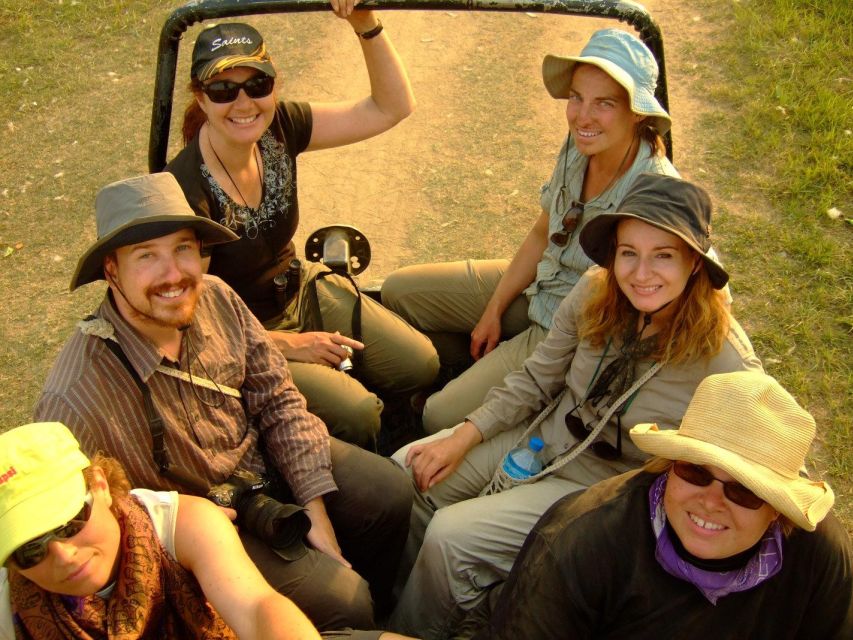
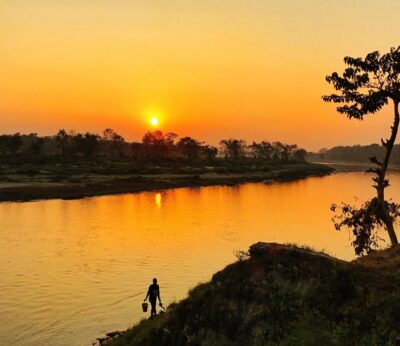
Day 2 starts with breakfast, and then you’ll switch gears to water-based wildlife time on the Rapti River. You ride a traditional dugout canoe, which gives you a quieter perspective than a land vehicle.
This is the part that tends to catch people off guard—in a good way. When you’re on a river, your job is to watch slow movement and small signals. That’s where birdlife can show up, and where your guide can help you scan edges for crocodiles and other animals that may surface or linger just out of your first glance.
I like this canoe segment because it stretches your attention. A jeep safari can feel like constant scanning. The canoe makes you practice patience, and then you’re better prepared mentally when the jeep time begins.
Elephant breeding center: conservation learning with a welfare reality check
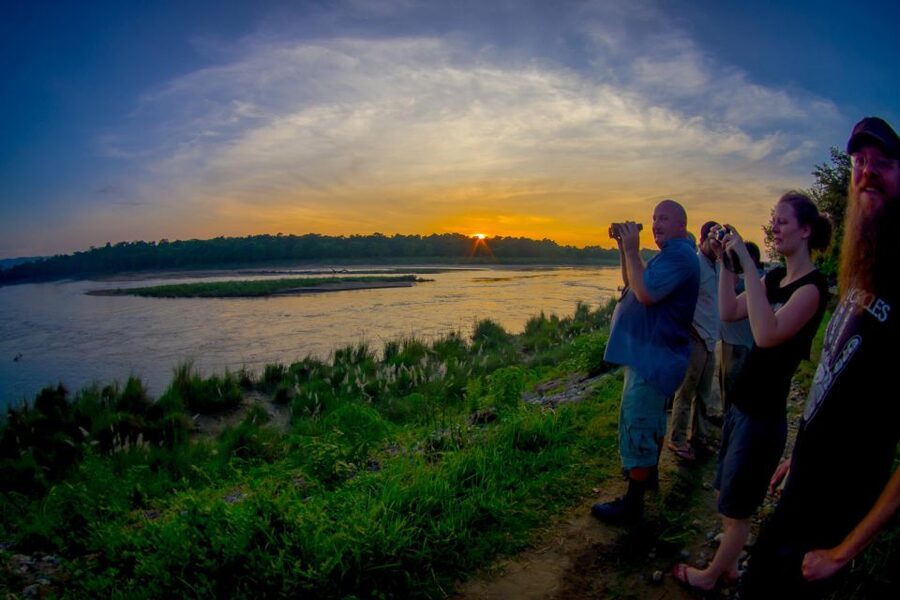
After the canoe, the program includes a visit to an elephant breeding center. The stated theme is conservation, and you’ll see baby elephants and learn about the work involved in caring for elephants.
Now the practical part: elephant facilities vary widely, and you should go in with your eyes open. One guest was very upset after describing elephants being chained and separated, and staff using sticks when elephants wouldn’t eat. That kind of report doesn’t mean the entire center is identical everywhere, but it does mean you should be prepared for what you might witness during your visit.
If animal welfare is your top priority, I’d treat this stop as the one where you’ll need to stay emotionally grounded. Bring a thoughtful mindset, and don’t let the conservation framing erase what you might actually see in front of you.
Day 2 afternoon: the 4-hour jeep safari in Chitwan National Park
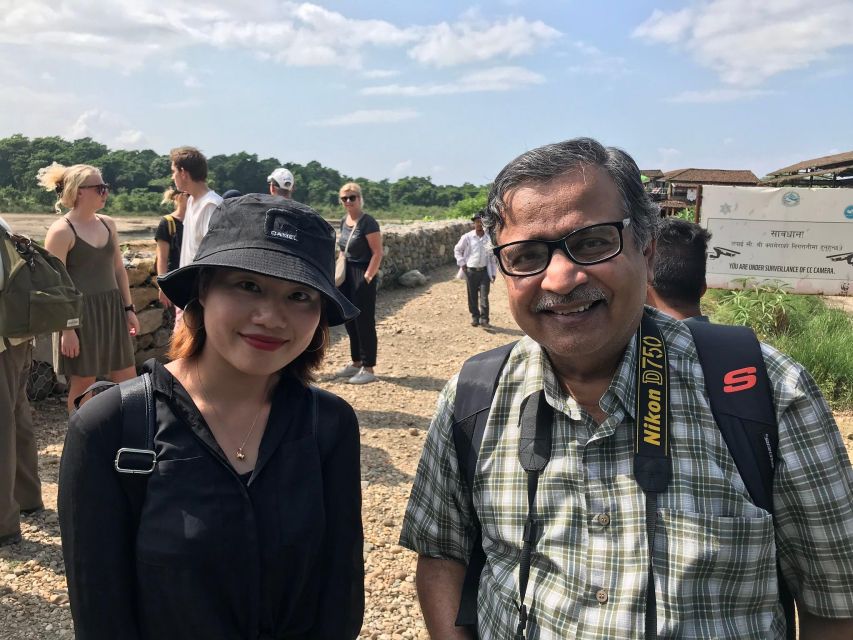
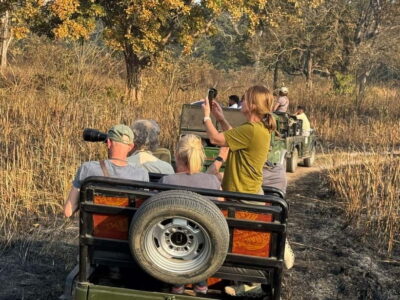
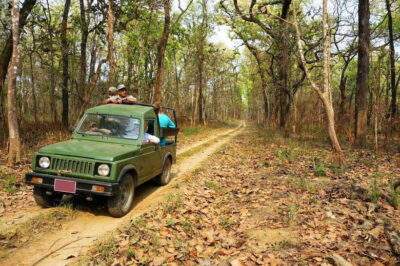
The core wildlife event is a 4-hour jeep safari inside Chitwan National Park. This is where the guide’s spotting skills become the difference between a “good day” and a “wow, that’s close” day.
Guides on this route are often praised for noticing wildlife at distance and explaining what’s happening in the moment. Many guests specifically mention guide Laxman (and sometimes Som) as the person who can read the jungle fast and guide your eyes to the right spot before the animal is obvious.
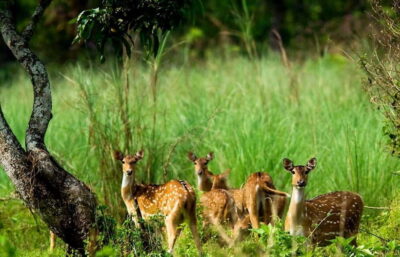
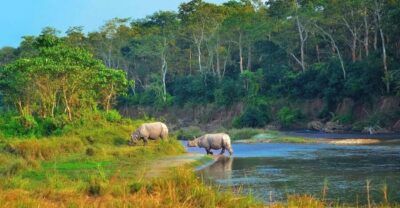
What you might see depends on season and luck. Rhinos and elephants are the common wins in the reports you have here, along with crocodiles and lots of birds. Tigers are possible but not guaranteed, and at least one guest noted tiger sightings didn’t happen during the off-season.
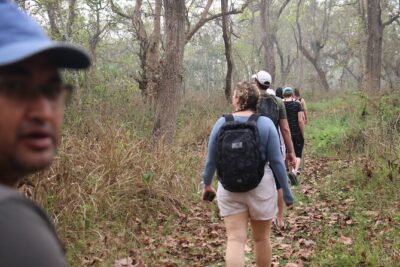
I also want to mention an additional type of wildlife time that comes up in reports: some visitors talk about a short walking safari. That can bring you closer to signs of animals (tracks, calls, and other cues), but it also means you’re in the jungle on foot. If you’re the type who worries about safety, treat walking time as something to discuss with your guide in clear terms before it happens.
Day 3: a final morning and then the long ride home
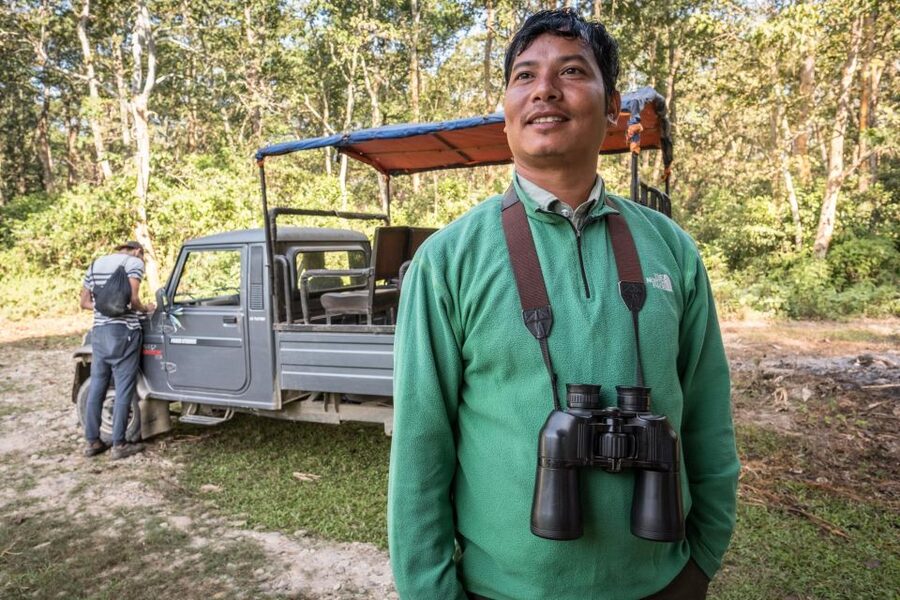
Day 3 keeps things lighter. You’ll have breakfast, then you’ll board the bus back to either Kathmandu or Pokhara.
This structure is smart. After two active days, the body usually needs a quieter start. You also avoid the hardest scenario: getting rushed for one last animal hunt before you leave.
When you arrive back at the bus drop-off area, you’ll need to arrange your own taxi to your hotel. It’s worth confirming your destination with the hotel reception so onward travel is smoother.
Wildlife expectations: rhinos, elephants, birds, and the tiger question
Here’s the honest truth about safari planning: wildlife watching is chance plus preparation. The guide’s job is to stack the odds, not promise outcomes. In the reports connected to this tour, rhino sightings show up more than once for many guests, and elephants are frequently seen too.
Crocodiles and a lot of birdlife also pop up in sightings, especially when you’re using the canoe and scanning for movement along the river. Tigers, though, are the wildcard. At least one guest linked the lack of tiger sightings to off-season conditions, which tells you that seasonality matters.
So if you’re coming with a tiger dream, go in knowing the park rewards many animals even when the big cat doesn’t show. And if your goal is rhino, elephant, and a strong introduction to the park, this tour style is built for that.
Accommodation and meals: what comfort looks like in Sauraha
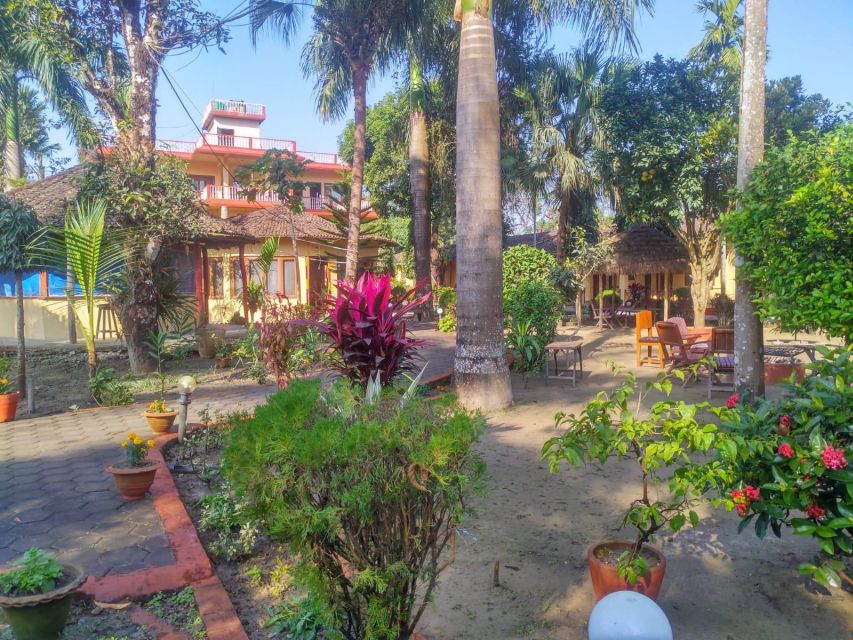
You get two nights of hotel accommodation. Several guests praised the stay as comfortable, especially for cool winter conditions, and described attentive staff and solid food.
Not every room is described the same way. One guest called rooms basic and noted repetitive meals, while others said meals were generous and delicious. My practical advice: don’t treat hotel comfort as the main attraction here. Treat it as a clean base with good enough sleep so you can wake up ready for wildlife.
One small detail that comes up: tea and coffee were included for some guests. Even if you’re not relying on it, having that available helps on early starts and long bus travel days.
What to pack (and what to leave behind)
For Chitwan, pack for heat and insects. A hat and breathable, lightweight clothes are key. Neutral colors like khaki and green are recommended so you don’t stand out too much.
You’ll also want long sleeves and pants to protect your skin, plus closed-toe walking shoes. Camera gear is obviously useful here, since spotting can happen at distance and your guide may point out animals before you see them clearly.
You’re also asked to bring your passport (a copy is accepted). For items not allowed, the rules are straightforward: no weapons or sharp objects, and there are restrictions like no feeding animals and no loud speakers. Jewelry and baby strollers/carriages are also listed as not allowed.
Who should book this Chitwan safari—and who should skip
This tour fits well if you want a complete, organized introduction to Chitwan without wrestling with logistics. The small group size, included meals, and guided activities are ideal for solo travelers too—especially when your guide helps you spot wildlife efficiently.
It’s not suitable for everyone. The tour data lists children under 5, people with mobility impairments, and people over 95 as not suitable. And since parts of the program can include walking time in the jungle, if you have health concerns or anxiety about being on foot, ask questions before you commit.
If you’re traveling with kids, this one doesn’t meet the age criteria, so look for a different option designed for families.
Should you book this 3-day all-inclusive Chitwan safari?
If you want big wildlife time plus Tharu culture in three days, this package is a strong choice for the money. The included park fees, meals, guide, jeep safari, canoe ride, and two nights of lodging reduce hassle and cost surprises, which is rare at this price point.
I’d especially recommend it if your priorities are:
- strong guidance during spotting (many guests highlight guides like Laxman and Som)
- a mix of canoe and jeep time for better chances
- an evening cultural experience so you understand the region beyond animals
Skip or reconsider if you’re very sensitive to animal welfare issues at captive-care facilities, because the elephant center stop can be upsetting for some visitors depending on what they observe.
If you’re ready for a slightly chaotic transport day and a wildlife experience that depends on conditions, book it. Chitwan has a way of turning the hours you thought you’d wait into the moments you’ll remember.
FAQ
How long is the Chitwan safari?
It’s a 3-day experience.
What’s the price per person?
The price is listed at $149 per person.
Where does the tour start from?
You can start from Kathmandu or Pokhara.
How long is the bus transfer?
The travel time is approximately 6 hours from Pokhara and 7 hours from Kathmandu (road and traffic conditions can change this).
What activities are included?
Key activities include a canoe ride on the Rapti River, an elephant breeding center visit, and a 4-hour jeep safari, plus a Tharu cultural dance show and guided touring.
Are meals included?
Yes. The package includes 2 breakfasts, 2 lunches, and 2 dinners.
Is there a hotel included?
Yes, there are 2 nights of hotel accommodation included.
How big is the group?
It’s a small group limited to 10 participants.
What should I bring?
Bring a hat, a camera, and your passport (a copy is accepted).
What’s not allowed during the tour?
Weapons or sharp objects are not allowed, and feeding animals and making noise are also listed as not allowed.
More 3-Day Experiences in Kathmandu
More Days in the Wild
More Tour Reviews in Kathmandu
Just Reviewed in Kathmandu
- Mountain Bike Tour
★ 5.0 · 3 reviews - Annapurna Panaroma
★ 5.0 · 3 reviews - Mount Everest Scenic Flight 50 Minutes
★ 5.0 · 3 reviews - Kathmandu : Swambhunath & Durbar Square Guided Half Day Tour
★ 3.3 · 3 reviews - Chandragiri Cable Car & Monkey Temple Tour – Private/Group
★ 5.0 · 3 reviews - Kathmandu: Shivapuri National Park Hiking Day Trip
★ 3.3 · 3 reviews
Pokhara Tours & Sightseeing, compared.
 ★ 4.73 Day Chitwan Jungle Safari TourFrom $12987 reviews
 ★ 5.06 Days Special Kathmandu Pokhara Tour in NepalFrom $1,00028 reviews
 ★ 4.52 Days Chitwan Jungle Safari Tour from Pokhara/KathmanduFrom $11727 reviews
 ★ 5.0Kathmandu to Pokhara drop-off service by private vehiclesFrom $22527 reviews
 ★ 4.0Kathmandu to Pokhara Tourist Bus Tickets reservationFrom $2225 reviews
 ★ 4.0Kathmandu to Pokhara Bus Ticket- SofaFrom $2124 reviews
 ★ 4.82, 3, or 4-Day Chitwan Jungle SafariFrom $3524 reviews
 ★ 5.08 Days Tour in Nepal – Kathmandu, Chitwan & Pokhara (3 & 4 Star)From $29923 reviews
Browse the lists this tour appears in