
Review · POKHARA TOURS & SIGHTSEEING
Kathmandu/Pokhara: 3 Day Chitwan Jungle Safari Tour
A Chitwan safari gives you wildlife plus stories. In just 3 days, you’ll pair jeep drives for bigger sightings with quiet Rapti River canoe rides for birds and crocodiles, then top it off with Tharu village life and dance. The park sits in Nepal’s subtropical lowlands, and the whole rhythm of the trip is built around early wildlife hours and slow, scenic breaks.
I really like the all-inclusive setup: pickup, lodging at a jungle resort, meals, park fees, and guided activities are all bundled so you’re not constantly re-planning. I also like that you get a real naturalist-style guide and multiple ways to hunt for wildlife, not just one quick safari stop.
One thing to consider: the overland transfer can be tiring. You’ll often ride a bus from Kathmandu toward Chitwan for 6–7 hours, and in some situations that stretch has run longer after pick-up logistics, with a drop-off area that can feel hectic.
In This Review
- Key points to know before you go
- Chitwan National Park: Why This 3-Day Mix Works
- Getting From Kathmandu or Pokhara: Pickup at 6:30 AM and the Bus Reality
- Day 1 in Chitwan: Tharu Village, Sunset Views, and a Dance Night
- Day 2: Rapti River Canoe, Jungle Walk, Birding, and the Big Jeep Safari
- Day 2’s Elephant Breeding Center Stop: What It Adds to the Day
- Wildlife Expectations: How to Think About Rhinos, Tigers, and Crocodiles
- Staying at the Jungle Resort: Comfort, Food, and the Tiny Practical Stuff
- Price and Value: What $129 Buys You in the Real World
- Who This Tour Suits Best (and Who Should Rethink It)
- Should You Book This 3-Day Chitwan Safari Tour?
- FAQ
- What cities can I be picked up from?
- Where do I get dropped off at the end?
- How long is the tour?
- What’s included in the price?
- What wildlife and activities are part of the safari?
- Are there any optional parts?
- What should I bring?
- Are drones allowed?
- What if I need to cancel?
- FAQ (more)
- What language will the guide speak?
- Is this a private group?
- Is the tour suitable for families?
- Is there anything that makes it not suitable?
Key points to know before you go
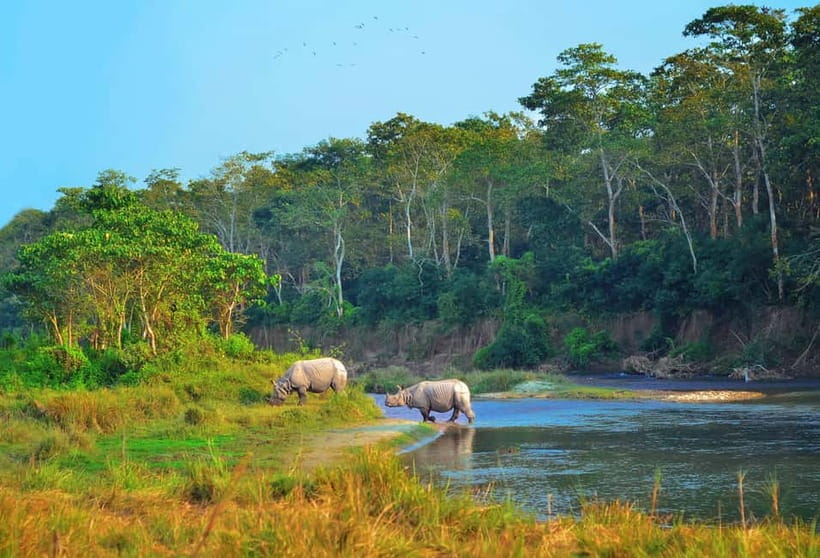
- Rhino and tiger habitat focus: Chitwan’s UNESCO setting is built for high-probability wildlife days
- Two safari styles: jeep safari for the main action, plus dugout-style canoe time on the Rapti River
- Tharu village + culture night: customs by day, then drumming and dance (including peacock dance)
- Birding is part of the schedule: you’ll get birdwatching time, with an optional early walk on Day 3
- Lodging you’ll actually want after long hours: jungle resort stays with meals between activities
More time out in the wild
- 3-Day Chitwan National Park Jungle Safari Tour Package with Pick Up★ 5.0 · 184 reviews
- Kathmandu: 3-Day Chitwan Safari Tour with Hotel Transfers★ 4.6 · 127 reviews
- Kathmandu/Pokhara: 3 Day Chitwan Jungle Safari Tour★ 4.7 · 87 reviews
- 2 Days Chitwan Jungle Safari Tour from Pokhara/Kathmandu★ 4.5 · 27 reviews
Chitwan National Park: Why This 3-Day Mix Works
Chitwan National Park is one of Nepal’s big wildlife targets, and the main reason this tour feels practical is simple: it spreads your “search time” across the places animals use every day. You’re not just doing one drive and hoping for the best.
The tour’s structure makes wildlife spotting more realistic. You get a jeep safari for scanning through grassland edges and forest corridors, and you also get river time on the Rapti. That second element matters. Riverbanks and waterways change the whole vibe of a safari day. You slow down, listen more, and you often see different species types than you would from a road.
Then there’s the cultural piece. The Tharu village stop and evening dance aren’t a random add-on. They help explain how people live alongside this ecosystem. And honestly, after a day of dust and sun, it’s a welcome shift to drumming, costumes, and a guided look at local traditions.
Getting From Kathmandu or Pokhara: Pickup at 6:30 AM and the Bus Reality
This is a pickup-included tour, with pickup time listed as 6:30 AM, and you choose either Kathmandu or Pokhara as your starting city. Plan your morning like you would for a long day hike: wake up early, keep water handy, and expect that travel time eats part of your Day 1.
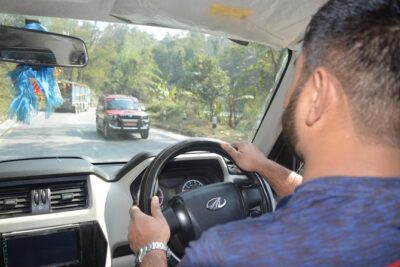
The main transfer is by ground transport toward Chitwan, and you should expect roughly 6–7 hours in the bus from Kathmandu in typical circumstances. Some people have reported longer timing when the bus needed extra waiting for additional guests and when the overall departure flow took time. That means you should mentally budget extra margin if you’re sensitive to long rides.
Also note the drop-off details. The tour includes drop-off at the bus stand, and the return also takes time back to Kathmandu or Pokhara. One practical tip: bring a light layer. Even when it’s warm outside, buses can swing chilly once you’re inside.
Day 1 in Chitwan: Tharu Village, Sunset Views, and a Dance Night
Day 1 is all about easing into Chitwan life. After arrival and check-in at your jungle resort, the day turns toward community and timing.
First up is the Tharu village tour. This is where you learn how the indigenous Tharu community lives with the rhythms of the area—what they value, how traditions are kept, and how daily life connects with the land. This part works well even if you’re mainly there for wildlife, because it gives context. When you understand what locals pay attention to, your safari observations feel less random.
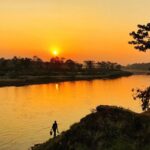
Next comes the sunset tour. Chitwan is one of those places where the light changes everything. Even if you don’t get a huge animal sighting at that moment, you’ll see the park “wake up” at the edges. It also helps you adjust from city travel mode into jungle mode without burning your entire energy right away.
Then you finish with the cultural dance show, including live drumming and colorful performances. One detail that stood out in feedback is how memorable the peacock dance can be. It’s not just entertainment; it’s a structured performance that helps you connect the culture to place.
Day 2: Rapti River Canoe, Jungle Walk, Birding, and the Big Jeep Safari
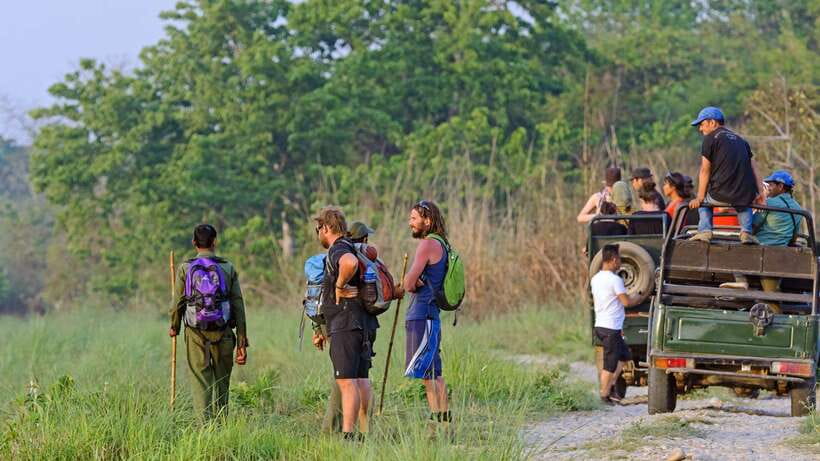
Day 2 is where this tour feels most “Chitwan.” You’ll start with a canoe ride on the Rapti River, then move into nature walk time, birdwatching, and finish with a jungle jeep safari.
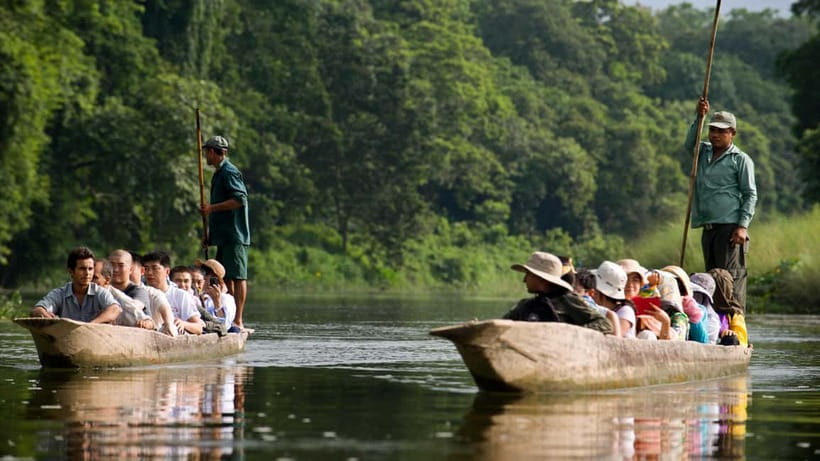
The canoe portion is a highlight for many reasons. You travel by dugout canoe style and move slower, which often means you can actually spot motion and sounds instead of rushing past them. The river setting also tends to bring a different cast of animals into view. Some wildlife encounters mentioned include crocodiles, and that makes sense with river habitats.
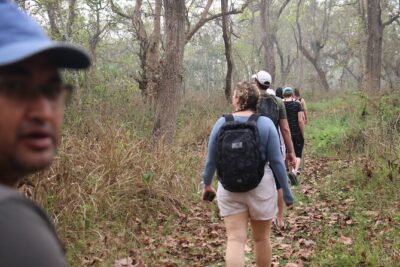
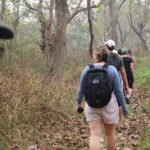
Next is the nature walk with a guide. The advantage here is detail. From a vehicle, you get quick glimpses; on foot, you notice tracks, plant patterns, and how the jungle is layered. The trade-off is that it can be hot and slow-going, so plan for breathable clothing and comfortable shoes.
Then you get birdwatching time. Chitwan is known for serious birding, and this isn’t just a casual glance. You’ll have guided time to look for different species while the day is still fresh. If birds are your thing, this is the day to lean in.
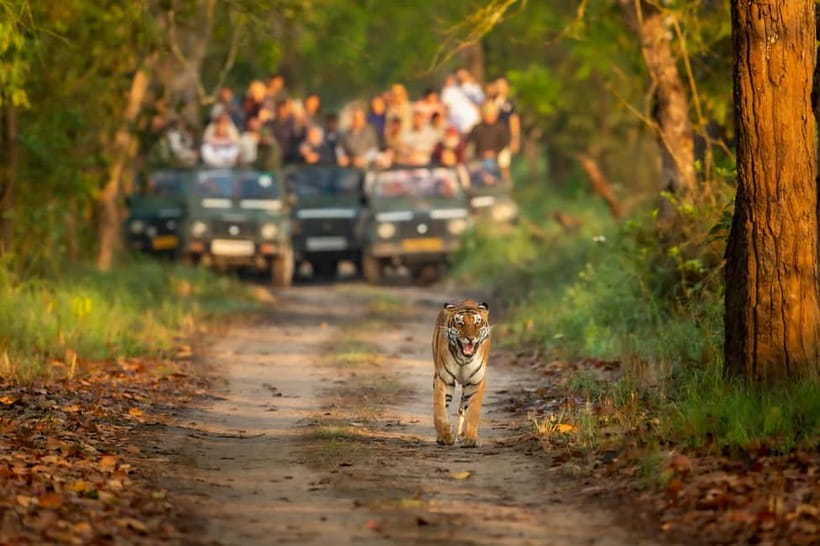
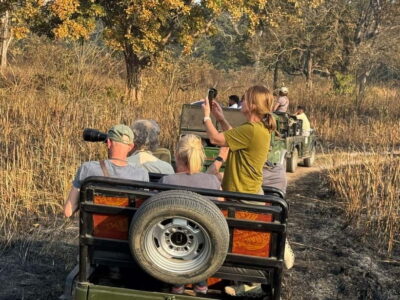
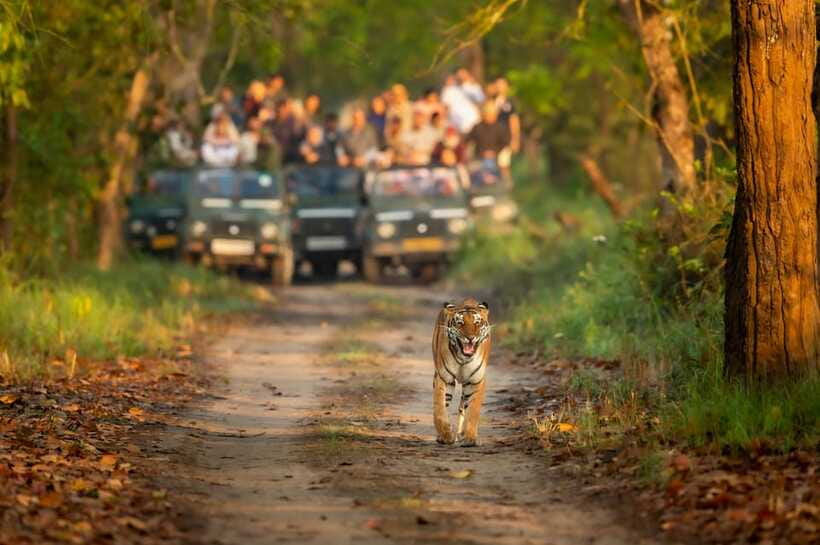
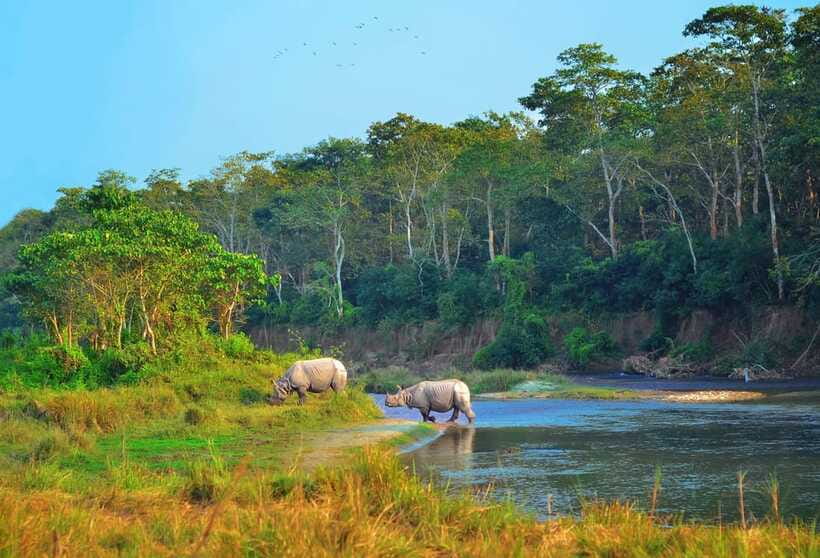
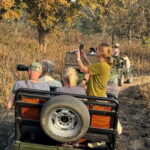
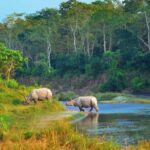
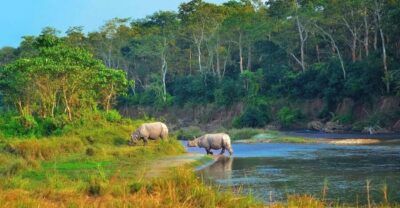
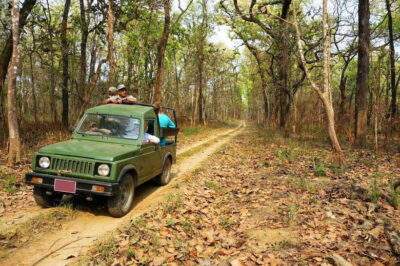
Finally, the jeep safari is the main event. This is where you’re scanning for larger animals—think one-horned rhinos and other wildlife possible in the park. The best advice is to sit ready mentally for “long looking.” Wildlife sightings often come from patience, not speed.
Before you lock this one in, a few Kathmandu alternatives:
Day 2’s Elephant Breeding Center Stop: What It Adds to the Day
The itinerary includes an elephant breeding center visit. This is one of those stops that changes the tone from pure sightseeing to conservation-focused learning.
I like having it in the middle of the day, between the slower nature and bird time and the main jeep safari. It gives you a break from heat and lets you shift gears. It also helps you understand why Chitwan’s wildlife program exists in the first place.
One practical caution: this kind of visit often means you’ll be walking around and standing in sun at least some portion of the time. Wear breathable clothes and sunglasses, and don’t plan to treat it like an indoor museum stop. It’s outdoors and active.
Wildlife Expectations: How to Think About Rhinos, Tigers, and Crocodiles
Chasing rhinos and tigers in Chitwan is thrilling, but it’s still a safari—meaning nature decides the schedule. This tour is built around good odds: multiple activity types, guided searching, and time at key parts of the day.
If you’re serious about wildlife photos, do two things. First, keep your camera accessible during both canoe and jeep time so you aren’t fumbling. Second, accept that sightings can be brief. A great guide can spot movement or clues fast, and the tour’s feedback highlights this. One guide named Babu gets praise specifically for spotting animals that look almost invisible until they move.
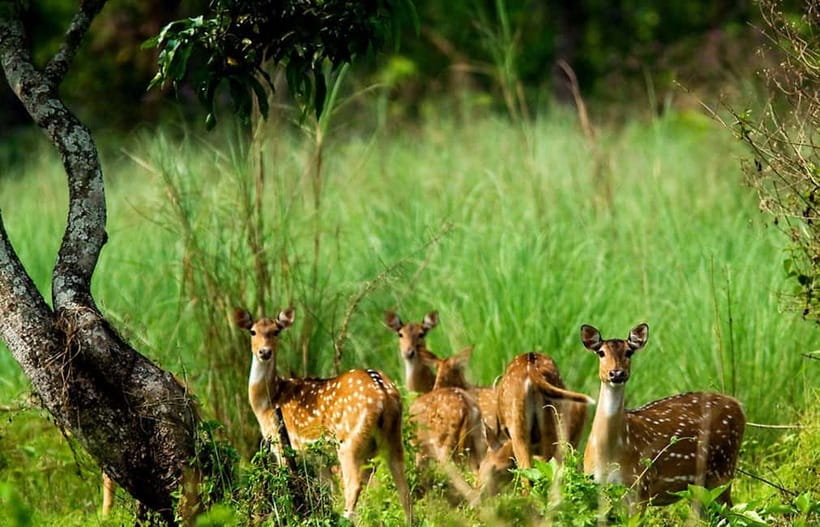
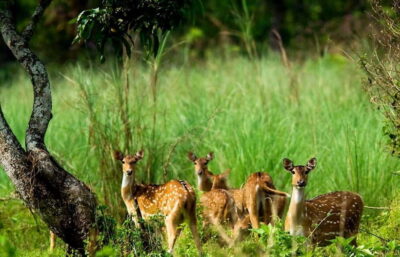
Crocodiles are a reasonable “river safari expectation,” especially during canoe time, since you’re actively looking along the waterline. For other animals—deer, monkeys, and more—your chances come from doing all the scheduled modes, not just one.
Also, don’t ignore the bird side. Many people go to Chitwan for mammals, but the birdwatching time is part of why the day doesn’t become one long waiting game. Birds keep your attention busy even when bigger animals stay out of sight.
Staying at the Jungle Resort: Comfort, Food, and the Tiny Practical Stuff
Your accommodation is included, and it’s a jungle lodge / eco-resort style stay. Based on feedback, the stay is often associated with the Rainbow Safari Resort/Rainbow Hotel in the Sauraha area, and the recurring theme is that the team is friendly and the food is solid.
After safari days, food timing matters. You get breakfast, lunch, and dinner included, so you’re not searching for meals while everyone else is already settled into the park routine. The food is often praised as tasty and filling, including desserts in particular.
A few practical notes to keep it smooth:
- Room cleanliness can vary in any lodge model, so do a quick check when you arrive (sheets, towels, and basic cleanliness).
- Power cuts have been mentioned by some people, so don’t rely on constant electricity for charging everything instantly.
- Hot showers are possible, and after a day in sun and dust, that alone can make the whole trip feel easier.
Price and Value: What $129 Buys You in the Real World
At $129 per person for 3 days, the value comes from how much is included. You’re not just paying for “two safaris.” You’re paying for:
- hotel pickup from Kathmandu or Pokhara and ground transport
- the jungle resort stay
- all meals during the trip
- trained naturalist-style guidance
- national park entrance fees
- jeep safari, canoe ride, jungle walk, birdwatching time, and the Tharu village/culture program
In practical terms, it’s a good deal if you hate the messy part of travel: figuring out transport, entrance fees, and meal plans while coordinating multiple activity providers. Here, you’re buying a schedule with meals and guiding bundled in.
Where value can wobble is transport comfort and timing. Some people reported bus discomfort or longer-than-expected return travel, which can affect how much energy you feel like you’re “getting back” from the day’s price. Still, the core package cost includes so many moving pieces that it’s hard to beat if you want everything planned.
Who This Tour Suits Best (and Who Should Rethink It)
This trip fits well if you want a balanced mix of wildlife and culture in a short time. It’s also a good fit for couples and families since the activities are organized and you’re not scrambling for independent bookings.
I’d be cautious if you:
- have animal allergies, since the program focuses on wildlife encounters and open-air nature time
- hate long bus days and are very picky about comfort and seating
- need very early mornings to be extremely flexible (pickup is at 6:30 AM)
If you’re the type who likes to watch for clues—tracks, bird calls, river movement—this tour rewards you. If you only want one big action hit and you hate waiting, you may find safari pacing tests your patience.
Should You Book This 3-Day Chitwan Safari Tour?
I think you should book it if you want a structured Chitwan trip where wildlife time and Tharu culture both matter. The schedule is built to give you multiple looks: canoe plus jeep plus walking plus bird time. And the included resort stay with full meals makes it easier to stay focused on the park.
I’d only hesitate if the idea of a long bus transfer will drain you, or if you’re sensitive to the realities of wildlife viewing where sightings aren’t guaranteed on a schedule. In that case, you might prefer a version that prioritizes comfort over activity intensity.
If you’re ready for a true jungle rhythm—early mornings, quiet river watching, then jeep drives—this is a strong package for the money.
FAQ
What cities can I be picked up from?
You can choose pickup from Kathmandu or Pokhara, and the tour includes pickup from your hotel.
Where do I get dropped off at the end?
The tour includes drop-off at the bus stand, and the itinerary indicates you return to Kathmandu or Pokhara.
How long is the tour?
The experience is 3 days.
What’s included in the price?
It includes pickup and transportation, all meals (breakfast, lunch, dinner), accommodation at the jungle resort, trained naturalist guide for the jungle tour, all jungle activities, and national park entrance fees.
What wildlife and activities are part of the safari?
You’ll do jungle jeep safari, jungle walks, a Rapti River canoe ride, and birdwatching. The program also includes a Tharu village tour and a cultural dance show.
Are there any optional parts?
An early morning birdwatching walk is listed as optional on Day 3.
What should I bring?
Bring comfortable shoes, sunglasses, a sun hat, and breathable comfortable clothes.
Are drones allowed?
No, drones are not allowed.
What if I need to cancel?
The tour offers free cancellation up to 24 hours in advance for a full refund.
FAQ (more)
What language will the guide speak?
Live tour guidance is available in English, Hindi, and Chinese.
Is this a private group?
Yes, it’s listed as a private group.
Is the tour suitable for families?
The overview says it’s ideal for adventure seekers, couples, families, and nature lovers.
Is there anything that makes it not suitable?
People with animal allergies are listed as not suitable for this tour.
If you tell me whether you’re starting from Kathmandu or Pokhara (and your month of travel), I can help you fine-tune what to prioritize each day—wildlife odds, birding time, and how to pace your safari energy.
More Days in the Wild
More Tours in Kathmandu


More Tour Reviews in Kathmandu
Just Reviewed in Kathmandu
- Mountain Bike Tour
★ 5.0 · 3 reviews - Annapurna Panaroma
★ 5.0 · 3 reviews - Mount Everest Scenic Flight 50 Minutes
★ 5.0 · 3 reviews - Kathmandu : Swambhunath & Durbar Square Guided Half Day Tour
★ 3.3 · 3 reviews - Chandragiri Cable Car & Monkey Temple Tour – Private/Group
★ 5.0 · 3 reviews - Kathmandu: Shivapuri National Park Hiking Day Trip
★ 3.3 · 3 reviews
Pokhara Tours & Sightseeing, compared.
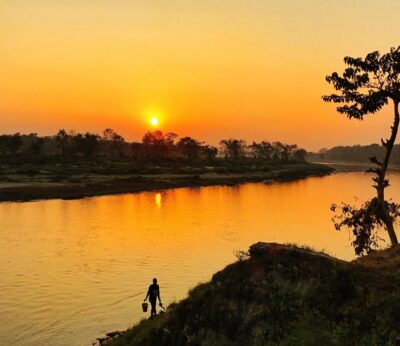 ★ 4.63-Day All-Inclusive Chitwan SafariFrom $149133 reviews
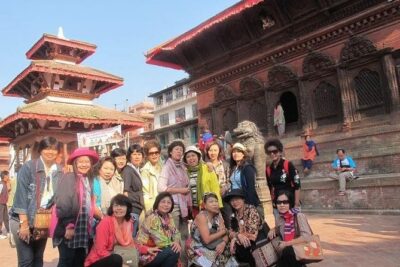 ★ 5.06 Days Special Kathmandu Pokhara Tour in NepalFrom $1,00028 reviews
 ★ 4.52 Days Chitwan Jungle Safari Tour from Pokhara/KathmanduFrom $11727 reviews
 ★ 5.0Kathmandu to Pokhara drop-off service by private vehiclesFrom $22527 reviews
 ★ 4.0Kathmandu to Pokhara Tourist Bus Tickets reservationFrom $2225 reviews
 ★ 4.0Kathmandu to Pokhara Bus Ticket- SofaFrom $2124 reviews
 ★ 4.82, 3, or 4-Day Chitwan Jungle SafariFrom $3524 reviews
 ★ 5.08 Days Tour in Nepal – Kathmandu, Chitwan & Pokhara (3 & 4 Star)From $29923 reviews
Browse the lists this tour appears in