
Review · KATHMANDU CITY SIGHTSEEING TOURS
Kathmandu City Tour
Temple hills and big stupa vibes in one route. This Kathmandu City Tour packs UNESCO World Heritage sites into one practical loop, so you can bounce between Buddhist and Hindu Kathmandu without building your own day plan. The standout magic is how each stop feels different, from the monkey-filled hilltop at Swayambhunath to the calm focus of a stupa ringed by pilgrims.
I love the straightforward comfort: an air-conditioned vehicle and bottled water keep the day sane in Kathmandu traffic. I also like the human support side of the tour, where guides (names like Ramesh show up in past customer experiences) can help you time your visits and avoid common confusion around what to see and where to go.
One key drawback: entrance fees and lunch are not included, and admission tickets aren’t included at the main stops. So plan for extra cash beyond the $100 group price.
In This Review
- Key highlights worth planning around
- How this Kathmandu tour actually feels: four UNESCO stops, one smooth day
- Getting picked up and transported in air-conditioning
- Stop 1: Swayambhunath Monkey Temple up the hill
- The practical downside here
- Stop 2: Boudhanath Stupa and the best time for the kora
- What makes this stop worth your time
- The practical consideration
- Stop 3: Kathmandu Durbar Square (Hanuman Dhoka) and the royal palace courts
- How much you can really do in 1.5 hours
- The practical downside
- Stop 4: Patan Durbar Square for Newari art, temples, and the Patan Museum
- Timing note
- Price and value: $100 per group, and what you may still pay
- The guide support that makes temples easier, not harder
- Who this tour is best for (and who should consider a different plan)
- Small-group pacing: maximum 4 travelers changes the whole vibe
- Should you book this Kathmandu City Tour?
- FAQ
- What is the duration of the Kathmandu City Tour?
- What time does the tour start?
- What is included in the price?
- Are entrance fees and lunch included?
- Which UNESCO World Heritage sites are visited?
- How many travelers are in the group?
- Is there free cancellation?
Key highlights worth planning around
- Swayambhunath (Monkey Temple): a hilltop mix of Buddhist and Hindu iconography with major photo energy
- Boudhanath Stupa: morning and evening kora (circumambulation) for a real sense of local rhythm
- Kathmandu Durbar Square / Hanuman Dhoka: palace courtyards and temples tied to the Malla and Shah kings
- Patan Durbar Square: a strong art-and-craft feel, plus time to visit the Patan Museum
- Small-group feel: maximum 4 travelers, which usually means less waiting and more flexible pacing
Bigger sweeps across the valley
- Kathmandu: Private City Guided Tour★ 4.9 · 174 reviews
- Kathmandu City Tours★ 5.0 · 66 reviews
- Kathmandu Valley City Day Tour★ 5.0 · 40 reviews
- Full Day Kathmandu City Sightseeing Tour of UNESCO Heritage Sites★ 5.0 · 36 reviews
How this Kathmandu tour actually feels: four UNESCO stops, one smooth day
This tour is built like a greatest-hits walking-and-looking circuit. You’re not just seeing temples; you’re stepping into Kathmandu’s layered identity, where royal palaces, living religious practice, and UNESCO recognition all sit close together.
The schedule is also unusually balanced for a single day. You’ll spend about 1 hour 30 minutes at each stop, which is enough time to find a viewpoint, notice details, and still keep your energy for the next place. That matters, because Kathmandu can go from cool morning light to afternoon heat faster than you expect.
And since you’re moving between different religious spaces, you get variety without needing to fight for transit or figure out complicated routes on your own. Think of it as a guided shortcut to the city’s big cultural anchors.
Getting picked up and transported in air-conditioning
You start at 9:00 am, and pickup is offered. That first leg is more than convenience. In Kathmandu, a calm ride gets you into the mood before you hit the crowded, noisy zones around major monuments.
The tour includes an air-conditioned vehicle and bottled water, which you’ll appreciate after time outdoors near temples and stupa areas. It also helps you keep the day comfortable if you’re traveling with older family members or anyone who doesn’t want to drag through traffic in the middle of the heat.
Two small practical notes. The tour uses a mobile ticket, so you’ll want your phone ready. And since it’s near public transportation, the plan can be flexible if you need to adjust where you meet, but you’ll still get the organizer’s structure.
Stop 1: Swayambhunath Monkey Temple up the hill
Swayambhunath is one of those places where the approach sets the tone. You’re heading up a hill toward the UNESCO World Heritage site known as the Monkey Temple, and the vibe starts before you even reach the top.
What to look for once you’re there:
- The overall layout: a jumble of Buddhist and Hindu iconography mixed in one climb
- The views: you rise above the city, so it’s a great place for orientation
- The atmosphere: monkeys around the complex are part of the experience, and that means you’ll want to keep your belongings close
The practical downside here
The hilltop is active and the ground can feel busy and uneven. If you’re sensitive to crowds or have mobility limits, plan to go slower and be ready to pause. Also, since admission tickets aren’t included, you’ll want to budget for entry on the day.




Stop 2: Boudhanath Stupa and the best time for the kora
Boudhanath is the counterpoint to Swayambhunath. Where the hilltop temple is lively and visual, Boudhanath is a wide, focused spiritual space dominated by the stupa’s proportions.
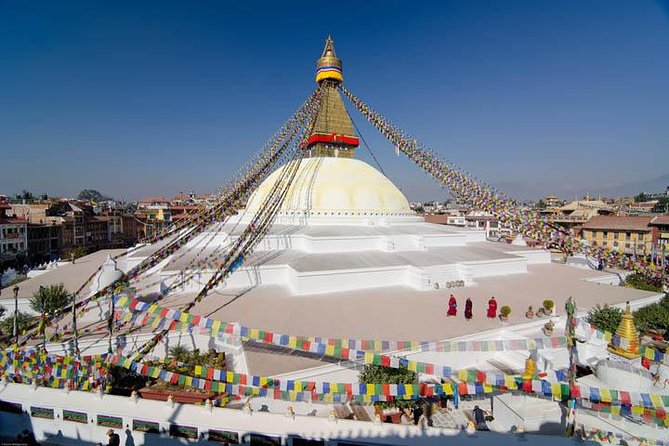
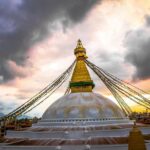
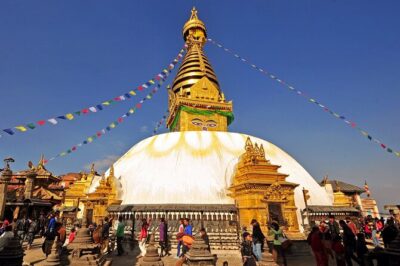
This stupa traces its beginnings to after AD 600, linked to the Tibetan king Songtsen Gampo’s conversion to Buddhism. And regardless of how much background you know, the monument reads clearly on arrival: the whitewashed dome, a gilded tower, and the all-seeing eyes painted on the structure.
The big win is the chance to see a kora—Tibetan pilgrims walking around the stupa in devotion. Morning and evening are often the most atmospheric times, and this tour’s timing gives you a real shot at that communal rhythm.
What makes this stop worth your time
Boudhanath doesn’t just look impressive. It’s a place where you can slow down. You can watch how people move, where they pause, and how the space shapes their pace. That’s a different experience than snapping pictures and moving on.
The practical consideration
Just like the other major sites, entrance fees aren’t included, so the cost isn’t just the tour price. Also, it’s a popular pilgrimage area, so expect crowds.
Stop 3: Kathmandu Durbar Square (Hanuman Dhoka) and the royal palace courts
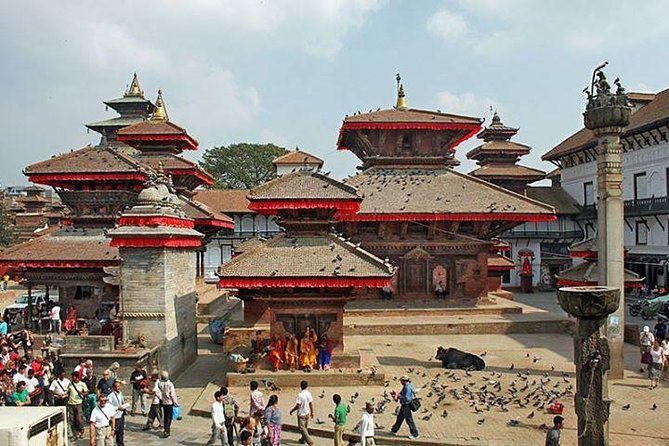
Kathmandu Durbar Square—also called Hanuman Dhoka Durbar Square—is where the city’s royal and religious worlds tangle together. This plaza sits in front of the old royal palace of the Kathmandu Kingdom, and it’s also a UNESCO World Heritage site.
One reason this stop hits is the setting. You’re not looking at a single building; you’re exploring the square’s courtyards and temple clusters around the former palace complex. The area is tied to the Malla and Shah kings, so you get a sense of Kathmandu as a place that was shaped by dynasties, not just modern tourism.
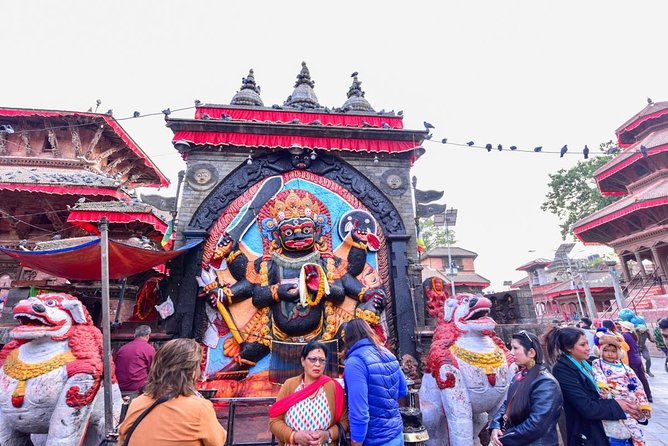
The name Hanuman Dhoka comes from a statue of Hanuman at the entrance—so even the naming has a story that blends myth and architecture. If you like details, this is a good stop for noticing how symbols show up everywhere.
How much you can really do in 1.5 hours
This is one of the reasons I like the tour structure. 1 hour 30 minutes at Durbar Square is enough to walk the core circulation paths, spot key temples and courtyards, and still keep momentum. If you’re the type who wants to read every inscription, you might feel rushed, but for most people it’s a solid overview.
The practical downside
Again: admission fees aren’t included, and the square can involve some uneven surfaces. Wear shoes you trust.
Stop 4: Patan Durbar Square for Newari art, temples, and the Patan Museum
Patan is often described with one simple label: the city of art. In this tour, you get to experience that through the Patan Durbar Square area, which is also a UNESCO World Heritage site.
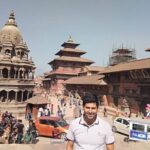
Here, the royal palace and surrounding temples create a dense, craft-heavy feel. Patan’s Newari tradition is known for artistic ability, and the way the temples and palace spaces are arranged makes that visible. You can also add context by visiting the Patan Museum, which focuses on rare works of art associated with Newari craftsmanship.
What I like about ending here is that it gives you a different flavor from the stupa-heavy morning. You shift from religious practice you can watch from the outside to a more structured, art-focused set of indoor and temple experiences.
Timing note
You get the same 1 hour 30 minutes at Patan Durbar Square. That usually works if you plan your priorities ahead of time: either focus on the best temple viewpoints and palace courtyards, or split attention with the museum.
Price and value: $100 per group, and what you may still pay
At $100 per group (up to 10), the tour price is positioned as a value deal—especially if you’re traveling with friends and can share costs. The ride includes air-conditioning and bottled water, so you’re paying for more than just a checklist of sights.
But the trade-off is clear: entrance fees and lunch are not included. The tour also lists that admission tickets are not included at each stop. That means your final day cost depends on what you choose to pay for once you arrive.
A quick value way to think about it:
- If you want a guided route through the big UNESCO sites without figuring out transport, this price can feel fair.
- If you were already planning to pay for multiple entrances anyway, the tour becomes a cheap way to remove decision fatigue.
One more detail to confirm when booking: the listing mentions price per group up to 10, but the maximum size shown is 4 travelers. That’s a big difference in comfort and pace, so it’s worth asking which number applies to your exact departure.
The guide support that makes temples easier, not harder
This tour isn’t just about moving from point A to point B. It’s about how you handle the day once you’re in Kathmandu’s real-world complexity: crowds, signage confusion, and the small decisions that eat time.
Past experiences linked to this operator highlight a guide-and-organization style that focuses on support. People mention full support during the tour and advice for what to do once you’re at the sites—like how to approach darshan (religious viewing), what to watch for, and even help with shopping or entertainment choices afterward.
That kind of guidance matters most when you’re not trying to turn a holy place into a scavenger hunt. A good guide helps you slow down at the right moments and keep the day flowing.
And there’s a practical comfort element here: one review mentions care for seniors, including check-ins and problem-solving. Even if you’re not traveling with seniors, that tells you the service has a human, attentive approach.
Who this tour is best for (and who should consider a different plan)
This Kathmandu City Tour is a great fit if you want:
- A guided UNESCO-heavy day without building logistics yourself
- A comfortable transport setup with air-conditioning and bottled water
- A plan that hits major sites in a way that doesn’t drag on forever (about 7 hours total)
You might consider a different option if:
- You’re hoping for long, slow exploration at just one site. The schedule is designed for breadth.
- You dislike crowd flow around major pilgrimage spots. Swayambhunath and Boudhanath can get busy.
- You don’t want to pay separate entrance fees and prefer a fully bundled price.
Small-group pacing: maximum 4 travelers changes the whole vibe
A maximum of 4 travelers is a quality-of-life upgrade. It tends to mean fewer stops where people get left behind, less waiting around corners, and easier conversation with your guide.
Small-group pacing is also helpful at religious sites, where you might want a moment to catch your breath without feeling like you’re holding up a big bus group. You still get the guided flow, but it feels more like a shared walk than a timed cattle line.
Should you book this Kathmandu City Tour?
I’d book it if you want a smart first look at Kathmandu’s most famous UNESCO anchors, especially if you’re short on time and don’t want to figure out routes and entry planning.
It’s also a solid pick for groups who want comfort and real help. The included air-conditioned vehicle and water cut down on the day fatigue, and the guide support style described in customer experiences can make temple visits feel calmer.
Skip it only if you want deep, unhurried study at one monument. This is a “see the essentials and understand how they connect” kind of tour. For a single day in Kathmandu, that’s a good trade.
If you do book, go in with one mindset: save your energy for the climbs and crowded prayer areas, then let the guide’s timing do the heavy lifting. And yes, budget for entrances and lunch so you don’t get surprised mid-day.
FAQ
What is the duration of the Kathmandu City Tour?
The tour runs for about 7 hours.
What time does the tour start?
The start time is 9:00 am.
What is included in the price?
The tour includes an air-conditioned vehicle and bottled water, with a mobile ticket and pickup offered.
Are entrance fees and lunch included?
No. Entrance fees are not included, and lunch is not included.
Which UNESCO World Heritage sites are visited?
The tour includes Swayambhunath, Boudhanath, Kathmandu Durbar Square (Hanuman Dhoka), and Patan Durbar Square.
How many travelers are in the group?
The tour has a maximum of 4 travelers.
Is there free cancellation?
Yes. You can cancel up to 24 hours in advance for a full refund.
The Valley, End to End
More Tours in Kathmandu




More Tour Reviews in Kathmandu




Just Reviewed in Kathmandu
- Mountain Bike Tour
★ 5.0 · 3 reviews - Annapurna Panaroma
★ 5.0 · 3 reviews - Mount Everest Scenic Flight 50 Minutes
★ 5.0 · 3 reviews - Kathmandu : Swambhunath & Durbar Square Guided Half Day Tour
★ 3.3 · 3 reviews - Chandragiri Cable Car & Monkey Temple Tour – Private/Group
★ 5.0 · 3 reviews - Kathmandu: Shivapuri National Park Hiking Day Trip
★ 3.3 · 3 reviews
Kathmandu City Sightseeing Tours, compared.
 ★ 5.0Kathmandu Private Sightseeing Tour | UNESCO World Heritage SitesFrom $35109 reviews
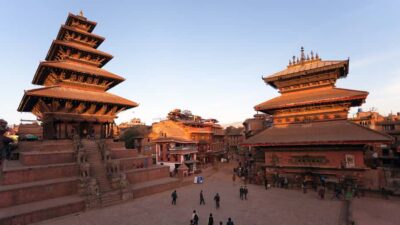 ★ 4.7Private Patan and Bhaktapur Sightseeing TourFrom $4964 reviews
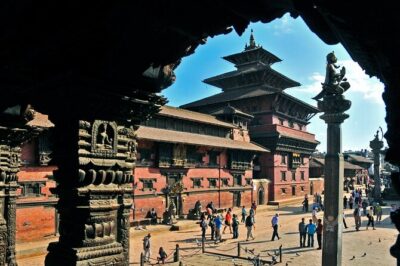 ★ 5.0Kathmandu Highlights: Private UNESCO World Heritage Sites TourFrom $4950 reviews
 ★ 5.01 Day Kathmandu Valley Sightseeing TourFrom $3537 reviews
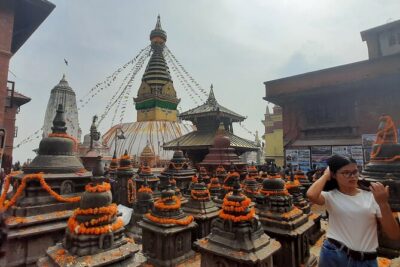 ★ 5.0Explore Kathmandu in 2 Days: UNESCO Sites & Nagarkot Sunrise TourFrom $10037 reviews
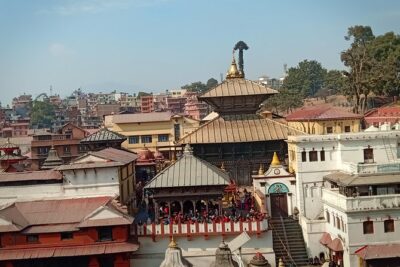 ★ 5.04 UNESCO City Sightseeing in KathmanduFrom $5036 reviews
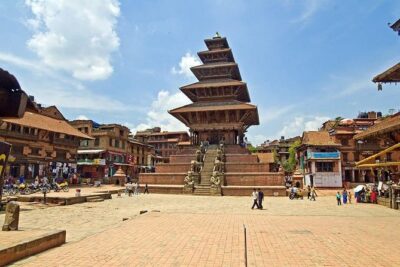 ★ 5.0Full Day Kathmandu City Sightseeing Tour of UNESCO Heritage SitesFrom $5036 reviews
 ★ 5.0Private Full-Day Kathmandu All 7 UNESCO World Heritage Sites TourFrom $8030 reviews
Browse the lists this tour appears in