
Review · KATHMANDU UNESCO HERITAGE TOURS
4 UNESCO City Sightseeing in Kathmandu
Four UNESCO sites in one day. That’s the core idea, and it’s a smart way to see the Kathmandu Valley without spending your whole trip on logistics. I like that it’s a small-group circuit, so you’re not lost in a crowd when the streets get busy and the sites are spread out.
I also like the hotel pickup and drop-off, because getting around Kathmandu on your own can turn into a day of route-planning. One consideration: it runs about 6 to 7 hours, and admission tickets aren’t included, so you’ll want a little extra cash in mind.
In This Review
- Key points to know before you go
- One-day UNESCO circuit: saving your time in Kathmandu Valley
- Price and what you’re really paying for ($50.50)
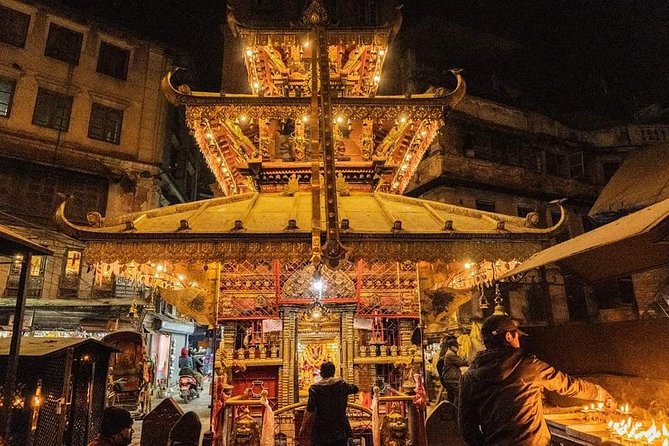
- Kathmandu Durbar Square: royal power in the middle of the city
- Swayambhunath Stupa: hilltop views and a lotus-flower legend
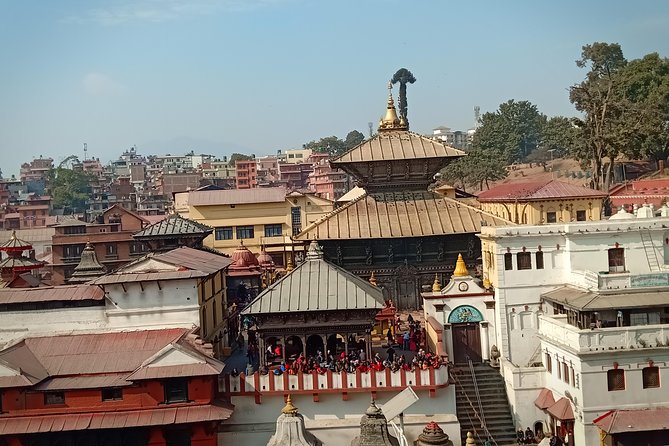
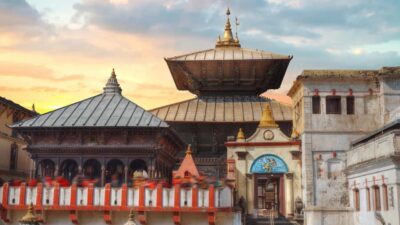
- Pashupatinath Temple: the weight of Shiva’s sacred site
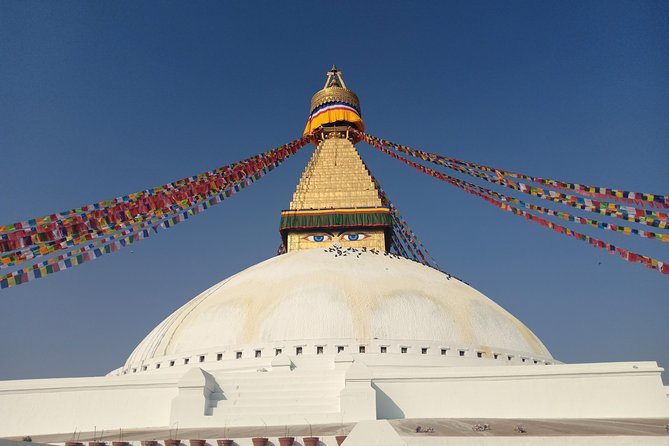
- Boudhanath Stupa: Tibetan Buddhism after the 5th-century start
- How the guide turns monuments into meaning (and why Saru matters)
- A practical rhythm for your full-day plan
- Who should book this Kathmandu UNESCO day tour?
- Should you book 4 UNESCO City Sightseeing in Kathmandu?
- FAQ
- What is the duration of the 4 UNESCO city sightseeing tour in Kathmandu?
- Does the tour include hotel pickup and drop-off?
- Which UNESCO sites are included?
- Are admission tickets and lunch included?
- What is the group size?
- How far in advance is this tour typically booked?
- Do I receive a mobile ticket?
- What is the cancellation policy?
Key points to know before you go
- A focused full-day loop: cover four UNESCO highlights in one outing, not four separate half-days
- Small group, max 15: more back-and-forth with your guide and less time waiting around
- Hotel-to-hotel transfers in an A/C vehicle: saves time in a city where travel time can be unpredictable
- A guide who connects the dots: you get cultural background, not just a list of what you’re seeing
- Durbar Square gets the most time: 2 hours where it matters
- Admissions and lunch aren’t included: budget for tickets and plan your meal separately
Bigger sweeps across the valley
- Kathmandu: Private City Guided Tour★ 4.9 · 174 reviews
- Kathmandu City Tours★ 5.0 · 66 reviews
- Kathmandu Valley City Day Tour★ 5.0 · 40 reviews
- Full Day Kathmandu City Sightseeing Tour of UNESCO Heritage Sites★ 5.0 · 36 reviews
One-day UNESCO circuit: saving your time in Kathmandu Valley
Kathmandu’s big sites aren’t all in one tight neighborhood. They’re scattered, and that means independent sightseeing can quickly become a shuffle of taxis, walking, and trying to line up the right entrances and times. This tour solves that by bundling the key stops into one day, using private transportation and a single flow.
The pace feels built for “first visit” mode. You’ll start with Kathmandu Durbar Square, then head up toward Swayambhunath, then move into the temple atmosphere at Pashupatinath, and finish at Boudhanath. With hotel pickup and a return drop-off, you’re not stuck finding your own ride back when you’re tired and temples have your shoes feeling sandpaper-ish.
The tour is designed for comfort, too. You’re riding in an air-conditioned vehicle with round-trip transfers. It’s not just about convenience—when you’re moving between areas of the valley, a driver and guide handling routing keeps the day from stretching into chaos.
Group size is capped at 15, and that’s a big deal for value. A smaller group usually means you don’t spend your time “catching up” with people who move at a different speed, and it’s easier to ask questions when your guide is still close by. If you’re the type who likes explanations while you walk, this format fits.
Price and what you’re really paying for ($50.50)
At $50.50 per person, this isn’t a “cheapest possible” option. It’s closer to paying for structure: a professional guide, private transportation, and full hotel transfers. For me, that’s the point. In Kathmandu, the time cost of getting around independently can be huge—especially if you don’t already know where you’re going.
Here’s what’s included that justifies the price:
- Professional guide
- Private transportation (air-conditioned vehicle)
- Round trip transfer from your hotel and back
- Mobile ticket
- Group discounts are part of the deal
What’s not included is equally important:
- Lunch
- Personal expenses
- Admission tickets for the stops
So the best way to think about value is this: you’re paying to avoid turning your day into a coordination project. The guide adds context at each UNESCO site, and the vehicle removes the stress of travel between scattered landmarks. If you were doing four separate sites on your own, the cost of rides, time wasted, and the effort of planning would likely eat into what feels like savings.
If you want a one-day overview that still feels guided, this price can make sense. If you’re expecting a free-food, ticket-included day, you’ll need to adjust your expectations.
Kathmandu Durbar Square: royal power in the middle of the city
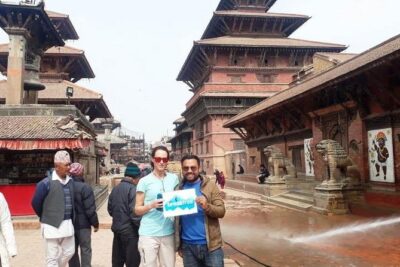
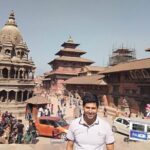
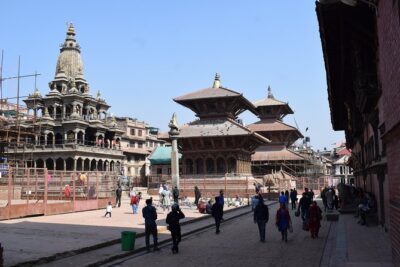
Kathmandu Durbar Square is the starting point for a reason: it’s where you get the sense of Kathmandu as a historic seat of power. This complex has roots going back to the 12th century, and it served as the royal palace of the Malla kings and later the Shah dynasty. Even if you’re not a genealogy person, you’ll feel the significance when you see how the space functioned as a center of rule and ceremony.
You’ll spend about 2 hours here, which is the longest stop on the route. That extra time matters because Durbar Square isn’t a “blink and you’re done” place. It’s a layered site, and the guide’s job is to help you understand what you’re looking at and why it mattered.
Admission tickets aren’t included, so factor that into your planning. Also, expect a bit of street-level chaos around any major square in Kathmandu—keep your timing flexible and don’t treat the visit like a museum with a single aisle.
One more practical note: this is the stop where you’ll likely do the most walking during the day. If you’re picky about comfortable footwear, this is your moment to wear it. You want your feet to feel steady before you move on to the hilltop atmosphere later.
Swayambhunath Stupa: hilltop views and a lotus-flower legend
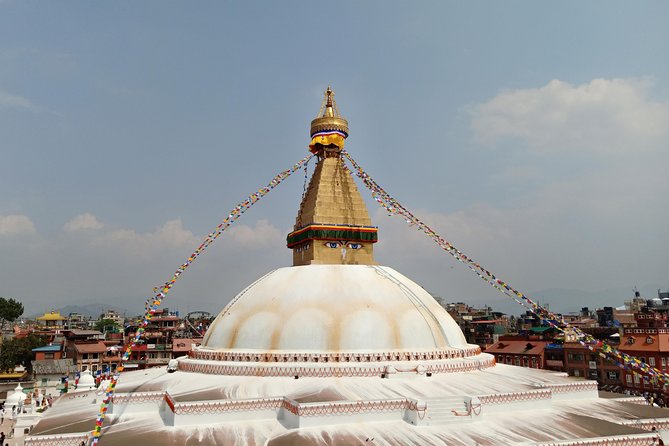
Next up is Swayambhunath, the stupa set on its hill. This one is famous not only for what it is, but for the story that surrounds it. It’s believed to have been founded over 2,000 years ago, and local legend says the stupa emerged spontaneously from a lotus flower.
You’ll have about 1 hour here. That’s enough time to get your bearings, take in the stupa presence, and soak up the setting without feeling rushed into a “quick photo then leave” routine. The guide’s cultural background is key at this stop; otherwise, you might just see a great viewpoint and miss what makes it spiritually significant.
As with the other stops, admission tickets aren’t included, so don’t let that surprise you mid-day.
Also, this is the kind of location where your day can feel like it’s on a timer, since hilltop sightseeing always involves stairs and short stretches of walking. I’d treat your one hour here as “watch + listen + look around,” not “complete everything” mode.
Swayambhunath is a nice tonal shift in the itinerary. After Durbar Square’s royal civic feel, Swayambhunath brings a different energy—more devotional, more symbolic, more about the long view.
Pashupatinath Temple: the weight of Shiva’s sacred site
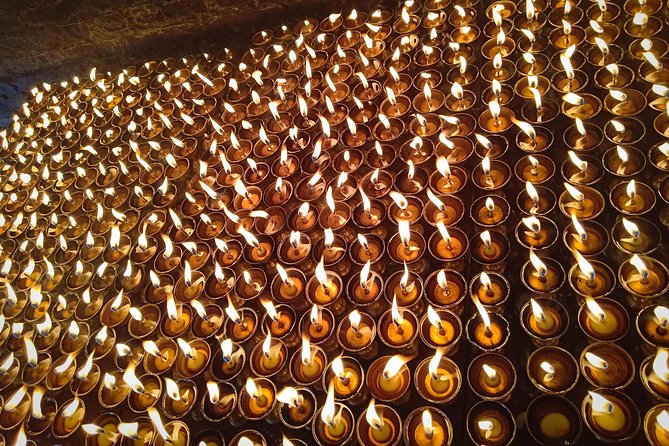
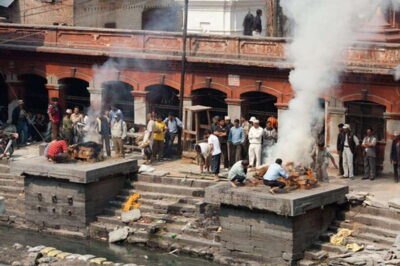
Pashupatinath Temple is dedicated to Lord Shiva and is considered one of the oldest and most sacred Hindu temples in the world, dating back to 400 A.D. The site has gone through major changes over time, including a rebuilding by King Bhupatindra Malla in the 17th century.
You’ll spend about 1 hour here. That time window is enough to understand the place as more than a landmark. It’s sacred space, so the guide’s framing helps you notice what you might otherwise overlook—how the site functions within Hindu religious life and why the age of the temple matters to people today.
Admission tickets aren’t included, so budget accordingly.
One consideration: temple sites can feel intense, especially when you’re there during busy periods. Keep your pace calm and respectful. This is a good stop for those who like to connect architecture and religion, rather than only hunting for photo angles.
If you’re hoping for a deep, slow spiritual visit, this may feel more like an introduction than a full experience. But if your goal is a guided overview of Kathmandu’s UNESCO core, it fits the day well.
Boudhanath Stupa: Tibetan Buddhism after the 5th-century start
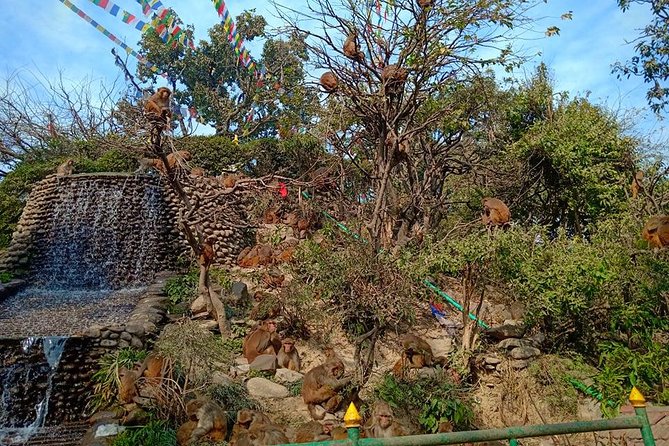
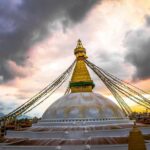
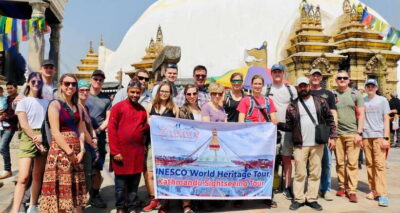
Boudhanath Stupa is the final heritage stop, and it brings in Tibetan Buddhism in a major way. The stupa was built in the 5th century, and after Mughal invasions, it became tied to Tibetan Buddhist traditions. Refugees fleeing to Nepal helped shape Boudhanath’s role as a spiritual hub, and today it’s one of the largest stupas in the world and a key pilgrimage destination.
You’ll have about 1 hour here. In that time, you should be able to appreciate the scale and understand why so many people come. This is also the stop where cultural context from your guide really pays off. It’s easier to grasp what you’re seeing—religion, community, history—when someone explains how this place developed into the Buddhist center it is.
Like the other sites, admission tickets aren’t included, so plan for that.
Boudhanath also tends to feel a bit more “hang out and watch” than purely “walk and inspect.” If your energy is dropping late in the day, this is a good way to end: you can still take everything in without needing to sprint from point to point.
How the guide turns monuments into meaning (and why Saru matters)
A huge part of the value here is the guide. This isn’t just sightseeing with a driver. You’re listening to cultural background as you go, which matters because Kathmandu can be confusing if you’re trying to decode everything on your own.
One name that stands out from the experience is Saru, described as excellent, friendly, and compassionate. That kind of guide presence changes the day. Instead of feeling like you’re ticking off UNESCO stamps, you’re more likely to understand why each site exists and how they connect to the bigger story of the Kathmandu Valley.
The tour is also structured for intimate attention. With a maximum of 15 people, you’re less likely to get stuck listening from the far edge of the group. Questions are easier to handle, and your guide can keep everyone pointed in the same direction.
If you like walking tours where the guide actually explains what you’re looking at, you’ll probably feel this tour’s strongest advantage right away—especially at places like Durbar Square and Pashupatinath, where meaning is not always obvious from the outside.
A practical rhythm for your full-day plan
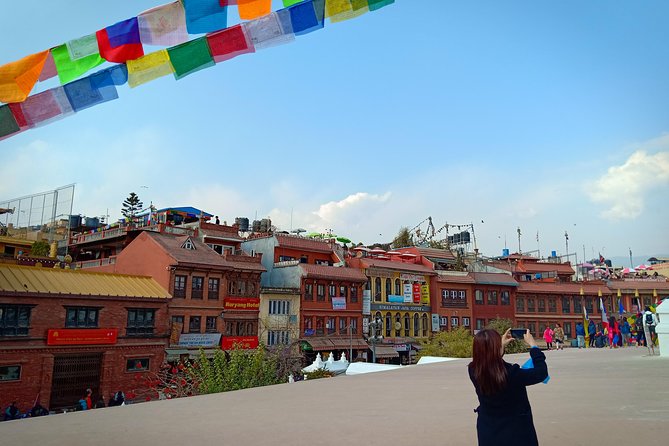
This outing runs about 6 to 7 hours, with roughly:
- Kathmandu Durbar Square: 2 hours
- Swayambhunath: 1 hour
- Pashupatinath: 1 hour
- Boudhanath: 1 hour
Lunch is not included, so plan your meal timing. If you’re the type who gets cranky when hungry, treat food as part of the schedule, not an afterthought. A simple strategy is to plan lunch either before you start or after you’re back, rather than trying to guess what’s convenient during the tight flow between sites.
Because it’s a full-day circuit, bring patience for the in-between moments. You’ll be moving by private vehicle and then stepping out at each stop. That’s normal. What you want is for the day to feel organized, not rushed—and the included transfers help keep it that way.
The day also assumes you can handle a bit of walking at heritage sites, including hilltop terrain at Swayambhunath. If your mobility is limited, you might find a one-day loop of multiple heritage sites too much.
The mobile ticket is another small convenience. It helps reduce paperwork clutter and keeps the handoff simple once you arrive.
Who should book this Kathmandu UNESCO day tour?
This tour is a strong fit for:
- First-time visitors who want a clear overview without building a route from scratch
- Anyone short on time who still wants guided context at the main heritage sites
- People who prefer small-group attention over big-bus sightseeing
- Travelers who appreciate cultural explanation rather than only viewing from a distance
It may not be ideal for you if:
- You want lots of free time to explore each site at your own pace without a schedule
- You’re hoping lunch and admission tickets are included in the base price
- You dislike structured itineraries and prefer to wander independently all day
If you’re trying to get your bearings quickly and see Kathmandu’s big icons in one shot, this is exactly the kind of day that helps.
Should you book 4 UNESCO City Sightseeing in Kathmandu?
If you want the Kathmandu Valley’s top UNESCO sites in one guided day, this tour is a practical choice. The private A/C vehicle, hotel pickup and drop-off, and a guide like Saru (friendly, compassionate, and helpful with context) are the heart of the value. Yes, you’ll budget for admissions and your own lunch, and the day is long enough that you’ll feel it by the end.
But if your goal is a clean, structured introduction with less stress, I think it’s worth booking—especially since the circuit approach avoids the hardest part of independent sightseeing: getting between scattered landmarks without losing time.
FAQ
What is the duration of the 4 UNESCO city sightseeing tour in Kathmandu?
The tour lasts about 6 to 7 hours.
Does the tour include hotel pickup and drop-off?
Yes. It offers pickup from your hotel and includes round-trip transfer back to your hotel.
Which UNESCO sites are included?
You’ll visit Kathmandu Durbar Square, Swayambhunath, Pashupatinath Temple, and Boudhanath Stupa.
Are admission tickets and lunch included?
Lunch is not included, and admission tickets are not included for the stops.
What is the group size?
The tour has a maximum of 15 travelers.
How far in advance is this tour typically booked?
On average, it’s booked about 28 days in advance.
Do I receive a mobile ticket?
Yes, the tour includes a mobile ticket.
What is the cancellation policy?
You can cancel for a full refund up to 24 hours before the experience starts. If you cancel less than 24 hours before the start time, you won’t be refunded.
The Valley, End to End

More Tour Reviews in Kathmandu


Just Reviewed in Kathmandu
- Mountain Bike Tour
★ 5.0 · 3 reviews - Annapurna Panaroma
★ 5.0 · 3 reviews - Mount Everest Scenic Flight 50 Minutes
★ 5.0 · 3 reviews - Kathmandu : Swambhunath & Durbar Square Guided Half Day Tour
★ 3.3 · 3 reviews - Chandragiri Cable Car & Monkey Temple Tour – Private/Group
★ 5.0 · 3 reviews - Kathmandu: Shivapuri National Park Hiking Day Trip
★ 3.3 · 3 reviews
Kathmandu UNESCO Heritage Tours, compared.
 ★ 4.87 UNESCO Sites with LunchFrom $2744 reviews
 ★ 5.0Full Day 7 UNESCO Tour with Lunch – Private/GroupFrom $10415 reviews
 ★ 5.0Full Day Top 4 UNESCO Tour with Lunch – Private/GroupFrom $10269 reviews
 ★ 5.0UNESCO Seven World Heritage Tour in KathmanduFrom $180253 reviews
★ 4.9Full-Day 7 UNESCO Tour with Lunch – Private/GroupFrom $5247 reviews
★ 5.0UNESCO Seven World Heritage Tour in KathmanduFrom $180253 reviews
★ 4.9Full-Day 7 UNESCO Tour with Lunch – Private/GroupFrom $5247 reviews
 ★ 4.97 UNESCO Sites Tour in 1 Day (Private Tour)From $4204 reviews
 ★ 4.9Top 4 UNESCO Tour with Lunch – Private/GroupFrom $5181 reviews
 ★ 5.0Kathmandu Private Sightseeing Tour | UNESCO World Heritage SitesFrom $35109 reviews
Browse the lists this tour appears in