
Kathmandu is a city of temples layered on temples, and this private-car loop keeps you moving without the hassle. I like how the route targets UNESCO World Heritage landmarks across both Buddhist and Hindu sites, and I also appreciate the English-speaking guide angle that helps you make sense of what you’re seeing. The main thing to consider is that some of the bigger stops have entrance fees that are not included in the tour price.
This tour is built for comfort and flow: hotel pickup and drop-off, a private vehicle, and enough time at each site to actually look around instead of rushing like you’re chasing a bus. Just don’t forget to budget for admissions at Pashupatinath, Kathmandu Durbar Square, and Narayanhiti Palace Museum, since the tour plan lists those as not included.
In This Review
- Key Points You’ll Care About
- Kathmandu Valley in One Day by Private Car
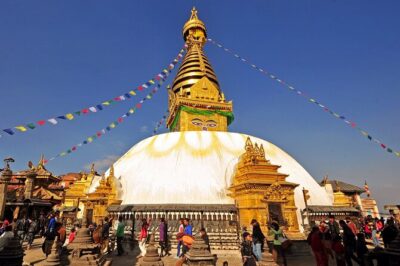
- Swayambhunath: A Hilltop Buddhist Temple With Big Views
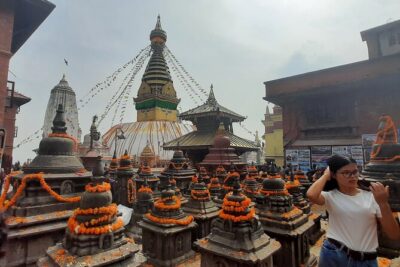
- Boudhanath: Where You Get a Real Sense of Stupa Energy
- Pashupatinath Temple: The Famous Hindu Site You Can’t Skip
- Kathmandu Durbar Square: Royal Power in Stone
- Narayanhiti Palace Museum: The Latest Royal Palace, Now a Museum
- Price and Value: What $80 Buys You, and What It Doesn’t
- Who This Tour Fits Best
- Should You Book This Kathmandu City Tour?
- FAQ
- How long is the Kathmandu City Tour by Private Car?
- What does the tour include?
- Are entrance fees included?
- What sites will I visit?
- Is this tour private or shared?
- Do you provide pickup from my hotel?
- Is there a mobile ticket?
- Is an English-speaking guide provided?
- Are meals included?
- Is there free cancellation?
- Can most people participate?
Key Points You’ll Care About
- Hotel pickup and drop-off so you start and end right from your door in Kathmandu
- English-speaking guides who explain what you’re looking at, including guides such as Mr. Subham and Bisham
- UNESCO-heavy route across major Buddhist stupas and major Hindu temples
- Time-managed visits (about 1 hour at Swayambhunath, 40 minutes at Boudhha, 1.5 hours at Pashupatinath, 1 hour at Durbar Square, 40 minutes at Narayanhiti)
- Entrance fees split between stops: some are free in the plan, others you pay separately
- Comfort basics handled with bottled water and a private car for your group
Bigger sweeps across the valley
- Kathmandu: Private City Guided Tour★ 4.9 · 174 reviews
- Kathmandu City Tours★ 5.0 · 66 reviews
- Kathmandu Valley City Day Tour★ 5.0 · 40 reviews
- Full Day Kathmandu City Sightseeing Tour of UNESCO Heritage Sites★ 5.0 · 36 reviews
Kathmandu Valley in One Day by Private Car
If you only have one day in Kathmandu, getting around can make you tired before you even start sightseeing. This experience solves that the practical way: you get picked up from your hotel and you’re returned there at the end, with round-trip private car transfer in between. The “private” part matters because it keeps the timing in your control, especially when you’re moving between hilltop temples, sprawling temple squares, and museum space in the same day.
You’re also not stuck trying to figure out sights on your own. An English-speaking tour guide is included, and the guides listed by name in the service team (like Mr. Subham and Bisham) are described as polite and focused on explaining things clearly. That’s a big deal in Kathmandu Valley, where a lot of the power comes from symbolism, layout, and small details you’d otherwise miss.
The duration is listed as about 6 to 7 hours, which is a sweet spot: long enough to see the major highlights, not so long that your feet and patience completely give up. You’ll still want to plan for a full, active day. But it’s the kind of active that stays comfortable because the car does the hard work.
Swayambhunath: A Hilltop Buddhist Temple With Big Views
Swayambhunath is the kind of stop that instantly changes your perspective on Kathmandu. You’re going up to a Buddhist temple complex on a hill, and that elevation is part of the experience. Even without chasing perfect photos, you’ll feel the shift from street-level life to a more temple-focused, lookout-style atmosphere.
Your visit is about 1 hour, which is a realistic amount of time to walk the main areas at a slow-to-medium pace and actually read the atmosphere. The plan lists admission ticket as free here, so this is a good place to get one major UNESCO-area highlight without adding extra costs.
What I like about making Swayambhunath early is that it sets the tone for the whole valley day. You start with Buddhism and viewpoints, then you continue into other sacred spaces that represent different traditions and styles. It’s not just a checklist; it’s a contrast lesson.
One consideration: hilltop temple complexes typically mean steps and uneven surfaces. If you have mobility limits, you’ll want to go slowly and take breaks, even though the tour itself is comfortable thanks to private transport.
Boudhanath: Where You Get a Real Sense of Stupa Energy
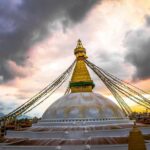
After Swayambhunath, Boudhanath gives you a different kind of spiritual landmark: a Buddhist stupa that’s known for its presence and scale. This is the stop that tends to feel more open and contemplative, the sort of place where you can slow down and watch how people move around the monument.
You’ll spend about 40 minutes here. That’s not a lot of time, but it’s enough to circle key areas, look closely at details, and absorb the fact that religious practice is visible, not abstract. The tour plan lists admission ticket as free for this stop, which makes Boudhanath one of the best “value per minute” sights on the route.
If your goal is to understand Kathmandu Valley’s religious mix, Boudhanath is a smart bridge. It’s clearly Buddhist, and it shows a different visual language than Swayambhunath’s hilltop setting. The guide’s explanations help you connect what you’re seeing to why it matters.
Small practical note: stupa areas can be busy depending on the time of day. With a private car itinerary, your schedule is more controlled than random sightseeing, but you should still expect some crowds around major monuments.
Pashupatinath Temple: The Famous Hindu Site You Can’t Skip
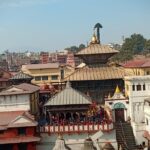
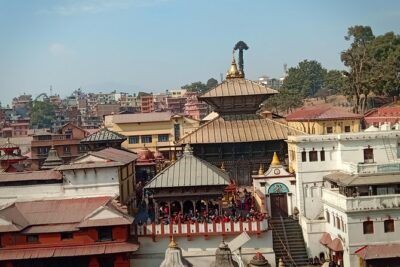
Pashupatinath is one of Nepal’s best-known Hindu temples, and this stop is long enough to feel like a real visit instead of a quick photo stop. You’ll have about 1 hour 30 minutes, which is the most time allocated to any single location on the loop.
The temple itself is described as very famous and central to Hindu life in Nepal, and the tour plan notes that the admission ticket is not included. That means you should plan for extra spending here, even if the rest of the day is fairly budget-friendly.
Why this stop matters in your overall day: it’s the moment when the tour becomes about more than UNESCO architecture. Pashupatinath is about devotion, temple practice, and the scale of sacred space. With a guide, you’ll get help spotting what’s important in the setting and understanding how to approach the site respectfully.
One drawback to keep in mind is cost and timing. You’re paying entrance here (separately), and you’re also committing a big chunk of your day. If you hate long temple days, you might want to ask for a slightly more relaxed pace within the allotted time, but the itinerary is designed to give this site real weight.
Just your group, at your own pace
Kathmandu Durbar Square: Royal Power in Stone
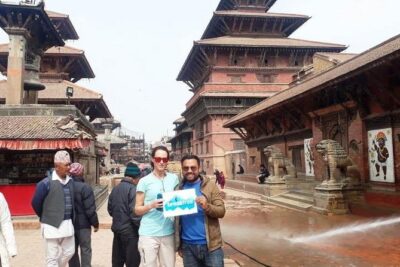
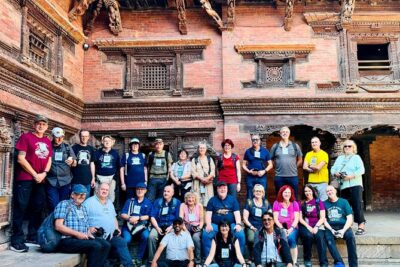
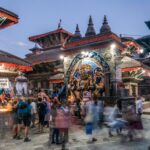
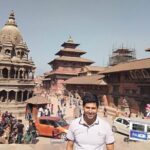
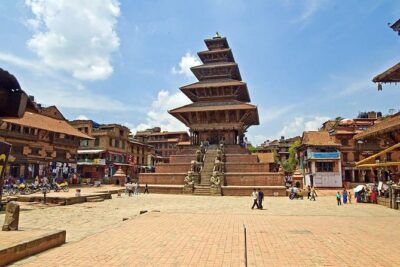
Next up is Kathmandu Durbar Square, described as an ancient royal palace area of Nepal. This is where Kathmandu feels less like a city of isolated monuments and more like a place built around palace and courtyard life. You’ll spend about 1 hour here.
The plan lists admission ticket as not included, so again, budget for entrances. But the reason Durbar Square is worth it is simple: it’s not just one building. It’s an area where royal-era architecture and public space overlap, and that tends to make it more interesting than a single stop with limited time.
If you want to understand Kathmandu’s identity beyond modern streets, Durbar Square is a key. A good guide helps you look past the obvious and notice how the space was designed for power, ceremony, and everyday use.
A practical consideration: squares and palace zones often involve walking over stone surfaces and moving through crowds. You’ll get a clean itinerary structure, but your feet should be ready.
Narayanhiti Palace Museum: The Latest Royal Palace, Now a Museum
To close the loop, you’ll visit Narayanhiti Palace Museum, described as the latest royal palace of Nepal that has been turned into a museum. You’ll have about 40 minutes, and the tour plan lists admission ticket as not included.
This is a strong final stop because it gives context. After temples and royal squares, a museum format helps you translate what you just saw into a bigger story. You get to slow down, look at exhibits, and understand how Nepal’s royal era connects to the places you visited earlier.
Forty minutes is enough for the essentials, especially when a guide helps point out what’s most relevant. If you love museum-style learning, you’ll probably wish for more time. But with a full day already planned, this slot seems designed to keep your energy steady while still ending on something that feels thoughtful.
As with the other paid-entry stops, your total tour cost will depend on how those museum and temple admissions add up.
Price and Value: What $80 Buys You, and What It Doesn’t
Let’s talk value in plain terms. The price is $80.00 per person, and the experience includes hotel pickup and drop-off, round-trip private car transfer, an English-speaking tour guide, bottled water, and a private trip for your group.
That mix is the real value. Paying for a private car in Kathmandu is often what turns a day from stressful to manageable. The guide is the second key value element. Without help, sacred sites can feel like a blur of buildings and crowds. With help, you can actually understand why specific spaces exist and what you should notice while you’re there.
What’s not included is where you should plan ahead. The tour lists entrance fees as not included, plus meals and personal expenses. The plan does include two stops marked as free for admission in the route (Swayambhunath and Boudhha), so not every ticket will add cost. But Pashupatinath, Kathmandu Durbar Square, and Narayanhiti Palace Museum are listed as not included, so those are likely your main admission expenses.
If you’re comparing options, think about this way: you’re not just paying to see sights. You’re paying to remove transportation friction and get guide-led context across multiple major UNESCO-related sites. For many first-time visitors, that’s worth it even when entrance fees are extra.
Who This Tour Fits Best
This one-day private car loop is a great fit if you want the highlights without losing hours to transportation confusion. It’s especially suitable if you:
- want a mix of Buddhist and Hindu sacred sites in the same day
- prefer a structured plan with time allocations rather than wandering all day
- travel with family or a small group that benefits from privacy and a tailored pace
The experience is also described as something most people can participate in, which suggests it’s not designed for extreme athletic conditions. Still, temple areas can involve walking and stairs, so I’d treat it as moderately active.
One more note: group discounts are mentioned, even though the trip is private. If you’re traveling with more than one person, it can be worth checking whether splitting into a small group improves your per-person value.
Should You Book This Kathmandu City Tour?
I’d book it if you want a clean, comfortable way to cover Kathmandu Valley’s major highlights in a single day. The combination of private vehicle, hotel pickup/drop-off, and an English-speaking guide gives you a far smoother experience than piecing it together on your own.
Skip it or rethink it only if you’re trying to minimize total spending and don’t want to handle separate entrance fees at the bigger sites. If budget is tight, you can still enjoy the free-admission stops, but your overall costs will likely rise once Pashupatinath, Durbar Square, and Narayanhiti are added.
If your priority is getting your bearings fast and understanding what you’re looking at while you’re there, this is a solid choice.
FAQ
How long is the Kathmandu City Tour by Private Car?
It’s listed as about 6 to 7 hours.
What does the tour include?
Hotel pickup and drop-off, round trip transfer by private car, an English speaking tour guide, bottle of water, and a private trip.
Are entrance fees included?
No. Entrance tickets are not included, with the tour plan listing admission as free for Swayambhunath and Boudhha, and not included for Pashupatinath, Kathmandu Durbar Square, and Narayanhiti Palace Museum.
What sites will I visit?
The tour includes Swayambhunath, Boudhha, Pashupatinath Temple, Kathmandu Durbar Square, and Narayanhiti Palace Museum.
Is this tour private or shared?
This is a private tour/activity, so only your group participates.
Do you provide pickup from my hotel?
Yes, hotel pickup and drop-off are included.
Is there a mobile ticket?
Yes, the experience includes a mobile ticket.
Is an English-speaking guide provided?
Yes, an English speaking tour guide is included.
Are meals included?
No. Meals and personal expenses are not included.
Is there free cancellation?
Yes. You can cancel up to 24 hours in advance for a full refund.
Can most people participate?
The tour information says most travelers can participate.
The Valley, End to End
More Tours in Kathmandu


More Tour Reviews in Kathmandu

Just Reviewed in Kathmandu
- Mountain Bike Tour
★ 5.0 · 3 reviews - Annapurna Panaroma
★ 5.0 · 3 reviews - Mount Everest Scenic Flight 50 Minutes
★ 5.0 · 3 reviews - Kathmandu : Swambhunath & Durbar Square Guided Half Day Tour
★ 3.3 · 3 reviews - Chandragiri Cable Car & Monkey Temple Tour – Private/Group
★ 5.0 · 3 reviews - Kathmandu: Shivapuri National Park Hiking Day Trip
★ 3.3 · 3 reviews
Kathmandu City Sightseeing Tours, compared.
 ★ 5.0Kathmandu Private Sightseeing Tour | UNESCO World Heritage SitesFrom $35109 reviews
 ★ 4.7Private Patan and Bhaktapur Sightseeing TourFrom $4964 reviews
 ★ 5.0Kathmandu Highlights: Private UNESCO World Heritage Sites TourFrom $4950 reviews
 ★ 5.01 Day Kathmandu Valley Sightseeing TourFrom $3537 reviews
 ★ 5.0Explore Kathmandu in 2 Days: UNESCO Sites & Nagarkot Sunrise TourFrom $10037 reviews
 ★ 5.04 UNESCO City Sightseeing in KathmanduFrom $5036 reviews
 ★ 5.0Full Day Kathmandu City Sightseeing Tour of UNESCO Heritage SitesFrom $5036 reviews
 ★ 5.0Private Full-Day Kathmandu All 7 UNESCO World Heritage Sites TourFrom $8030 reviews
Browse the lists this tour appears in