

Review · KATHMANDU CITY SIGHTSEEING TOURS
Kathmandu City Tour: TOP Highlights of the Kathmandu Valley
Three sacred stops in six hours feels intense. This Kathmandu Valley private tour is interesting because it strings together Boudhanath Stupa, Pashupatinath Temple, and Bhaktapur Durbar Square with a real human guide explaining what you’re seeing. I especially like the calm rhythm at Boudhanath and the close-up craftsmanship at Bhaktapur. One possible drawback: you’ll walk some distance (with stairs) and you’ll need to dress modestly at religious sites.
I also like that the experience is described as relaxed and not rushed, with guides ready to answer questions at your pace. If you’re short on time in Kathmandu, this is a good way to see a lot without feeling like you’re sprinting from one place to the next.
In This Review
- Key highlights you’ll actually care about
- Kathmandu Valley’s Big Three: what the 6-hour route covers
- Pickup and pacing: private means you won’t feel chased
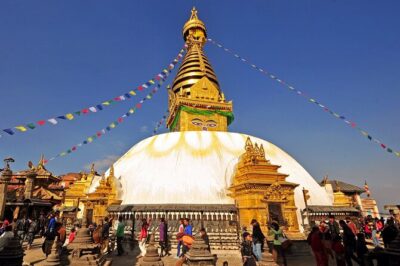
- Boudhanath Stupa: prayer wheels, white dome scale, and daily devotion
- Pashupatinath Temple on the Bagmati: pagoda craft and river rituals
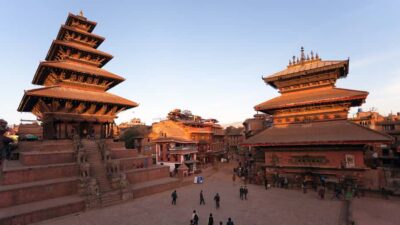
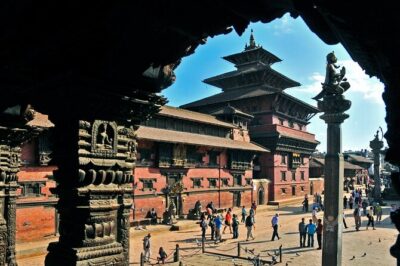
- Bhaktapur Durbar Square: Newari streets, the 55-Window Palace, and Nyatapola’s stairs
- Price and entrance fees: is it good value at $39?
- Timing and weather: what to plan for in Kathmandu
- What to bring and how to dress for temple sites
- Who this private Kathmandu City Tour suits best
- Should you book this Kathmandu City Tour?
- FAQ
- How long is the Kathmandu City Tour?
- What’s included in the price?
- What entrance fees should I expect?
- Are meals and drinks included?
- Will I be picked up from my hotel?
- What language is the tour guide?
- What should I wear and bring?
- Is the tour suitable for pregnant women?
Key highlights you’ll actually care about
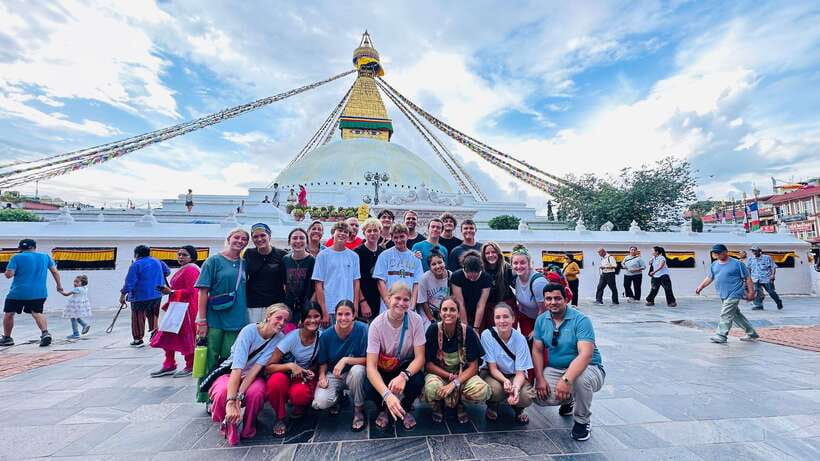
- UNESCO trio in one outing: Boudhanath, Pashupatinath, and Bhaktapur Durbar Square on a single route
- Prayer wheels at Boudhanath: You’ll see pilgrims doing daily devotions around the stupa
- Bagmati River rituals at Pashupatinath: Expect Hindu temple life and cremation ceremonies by the riverbank
- Newari architecture in Bhaktapur: Including the 55-Window Palace and the Nyatapola Temple
- A guide who sets a comfortable pace: Several past visitors praised a calm, question-friendly tour
- Weather-ready planning: The tour runs in all weather, so bring rain gear
Bigger sweeps across the valley
- Kathmandu: Private City Guided Tour★ 4.9 · 174 reviews
- Kathmandu City Tours★ 5.0 · 66 reviews
- Kathmandu Valley City Day Tour★ 5.0 · 40 reviews
- Full Day Kathmandu City Sightseeing Tour of UNESCO Heritage Sites★ 5.0 · 36 reviews
Kathmandu Valley’s Big Three: what the 6-hour route covers
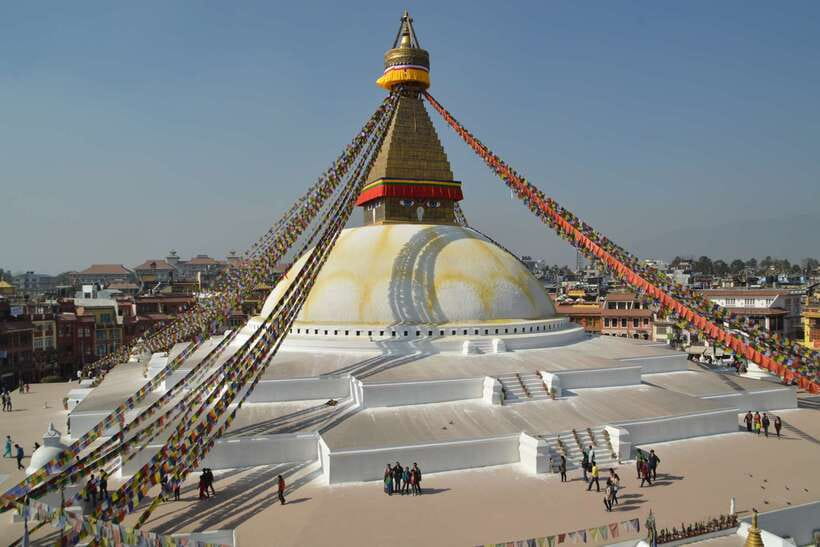
This is a classic Kathmandu Valley highlight loop: three landmarks, one day, and a guide who connects the dots between Buddhism, Hinduism, and Newari culture.
You start with Boudhanath Stupa, one of the largest Buddhist stupas in the world. Then you head to Pashupatinath Temple, often described as Nepal’s most sacred Hindu temple dedicated to Lord Shiva. Finally, you finish at Bhaktapur Durbar Square, a well-preserved medieval city space where Newari architecture is front and center.
The duration is listed as 6 hours, and the real-world timing is typically 5–7 hours because traffic can change the schedule. That window matters in Kathmandu. It’s enough time to see each place properly, but you’re still moving through multiple neighborhoods, not staying put for a whole day of wandering.
Pickup and pacing: private means you won’t feel chased
This is a private group tour, and that makes a noticeable difference in a city where traffic and footpaths can turn your day into a timing puzzle. Hotel pickup and drop-off are included, and you’ll travel by car, van, or bus depending on group size.
A few practical points:
- Pickup is included, but it should be within Kathmandu’s Ring Road area. If your hotel is outside that zone, an additional fee may apply.
- The walk is not extreme, but it’s real. Expect some walking and stairs throughout the day.
From what I’ve been able to learn about the guide experience, the top praise is for a calm pace and plenty of answers. People specifically mentioned not being rushed and moving at their own speed. That’s the kind of travel style that keeps temples from turning into a check-the-box race.
If you’re someone who likes photos but also likes hearing the stories behind them, this pacing can work well.
Boudhanath Stupa: prayer wheels, white dome scale, and daily devotion
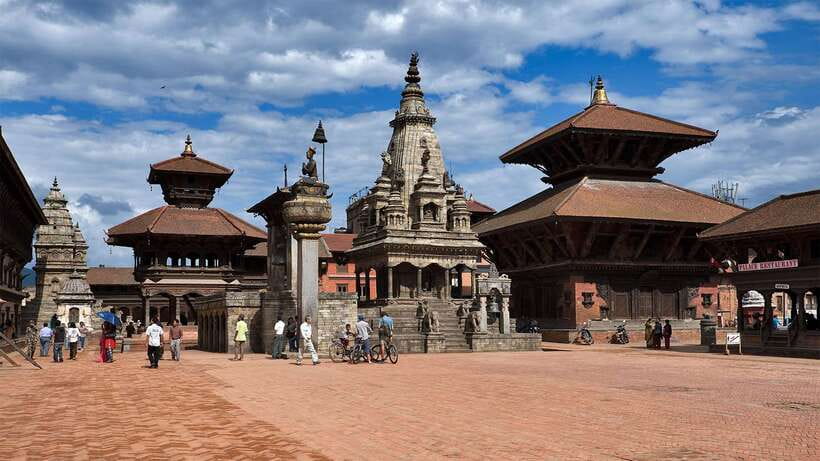
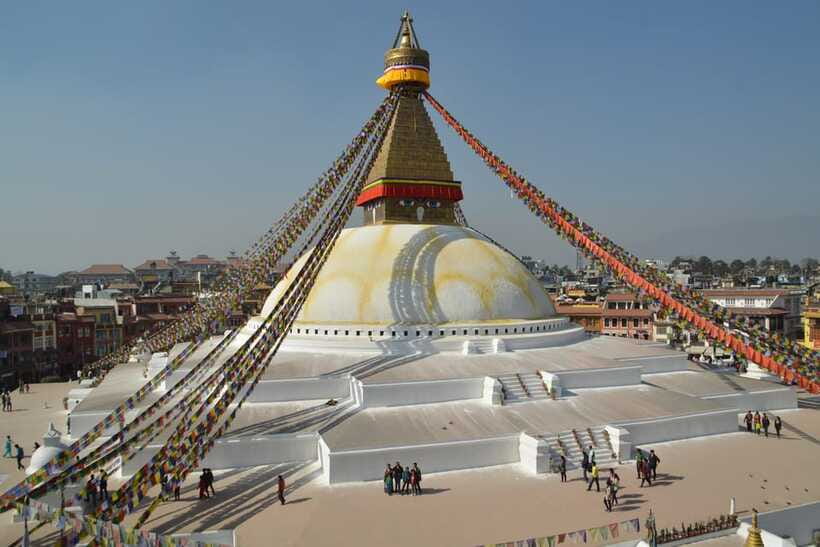
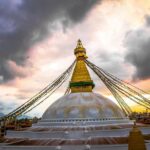
Boudhanath is the kind of place that slows your mind down—at least a little—because it’s built for ritual. The stupa’s massive white dome with a golden spire is the headline, but what really makes it feel alive is what’s happening around it.
Here’s what you’re set up to experience:
- You’ll walk around the stupa and see everyday devotion.
- Pilgrims may spin prayer wheels as part of their practice.
- The area has monasteries and local life, so you’re not just staring at a monument—you’re watching a functioning sacred space.
This is also one of those stops where your guide’s context matters. If you know what you’re looking at—what the stupa represents, why the walking route matters, and what rituals are taking place—you’ll get more than a few great pictures.
One practical caution: photos can be restricted inside temples. For Boudhanath, keep your expectations flexible and ask your guide before taking photos so you don’t waste time guessing.
Pashupatinath Temple on the Bagmati: pagoda craft and river rituals
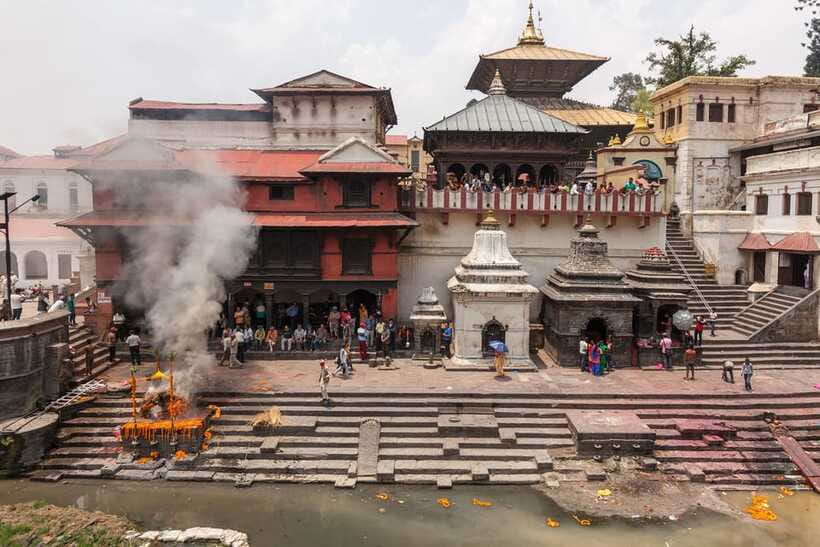
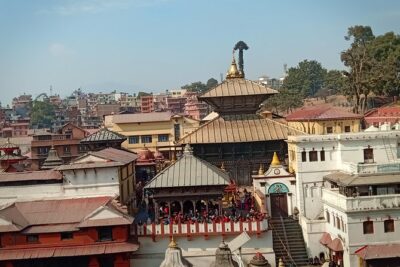
Next comes Pashupatinath Temple, described as Nepal’s most sacred Hindu temple dedicated to Lord Shiva. It sits on the banks of the Bagmati River, so the temple and the riverfront are tied together in daily spiritual life.
What makes this stop powerful (and also a bit intense) is that it’s not a museum setting. It’s a working religious site, and you may witness:
- Daily spiritual rituals
- Cremation ceremonies along the riverbanks
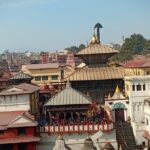
The architecture is worth your attention too. The temple has pagoda-style features with intricate wood carvings and golden roofs, showcasing Nepalese craftsmanship. Even if you’re not a temple person, you’ll likely notice the details once your guide points them out.
A key reality check: the sights here can be emotional and very real. If you’re sensitive to rituals around death, you should mentally prepare for that. Also, photography restrictions can apply in temple areas—so treat it as a learn-first, look-with-care stop, not a pure photo hunt.
Dress code matters at Pashupatinath. Plan on modest clothing, especially covering shoulders and knees.




Bhaktapur Durbar Square: Newari streets, the 55-Window Palace, and Nyatapola’s stairs
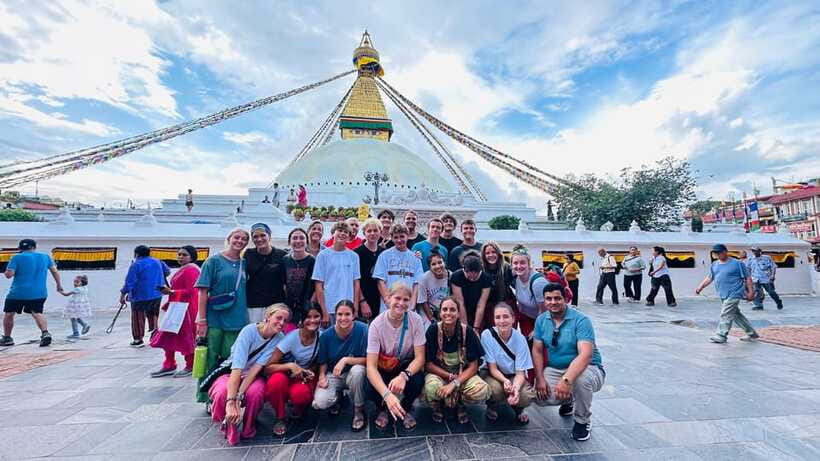
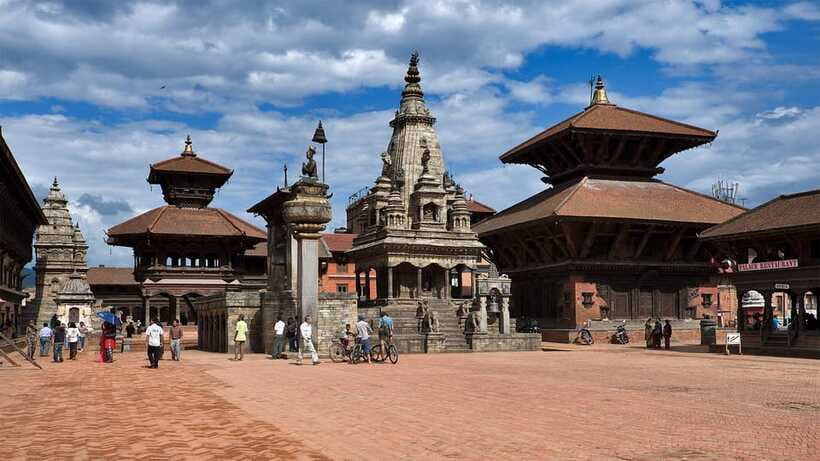
Bhaktapur is where the day turns more architectural and street-level. Bhaktapur Durbar Square is a medieval city area and a UNESCO World Heritage Site, known as the City of Devotees.
You’ll walk through cobblestone streets and see preserved buildings and traditional markets. And you’ll get stops that are specific enough to remember later:
- The 55-Window Palace
- Vatsala Temple
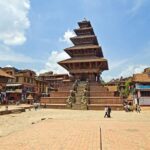
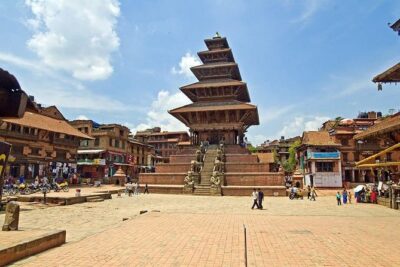
- Nyatapola Temple, which is described as Nepal’s tallest pagoda
Nyatapola is the kind of structure that makes you look up repeatedly. It’s also a stop where the stairs and footing can come into play. One review note specifically encouraged running shoes because there’s walking and stairs. I’d agree with that. Wear footwear you trust.
Another thing I like about Bhaktapur is that it doesn’t feel like a single monument you visit and leave. It feels like a whole place where the past is still part of day-to-day life.
Price and entrance fees: is it good value at $39?
The listed price is $39 per person for a 6-hour private tour. That sounds reasonable, but value depends on what’s included and what you still need to budget.
Included:
- Hotel pick-up and drop-off
- Private transportation (car/van/bus depending on group size)
- Professional tour guide
- Taxes and service charges
Not included:
- Monuments entrance fee: 3,400 Nepali Rupees per person
- Meals and drinks
- Tips for the guide (not included)
So the real budget is: tour price + entrance fee + your food. If you’re traveling with friends and want a guide for multiple UNESCO sites in one shot, the private guide time can be a strong value.
What you’re paying for here isn’t just entry to three places. It’s the connecting tissue: explanations of Buddhist and Hindu practice, architectural context, and the ability to move efficiently without losing your day to confusion.
Timing and weather: what to plan for in Kathmandu
This tour operates in all weather conditions. That’s great—until you realize Kathmandu weather can change quickly. Bring an umbrella and rain gear, especially if you’re traveling during rainy or monsoon-adjacent months.
Timing is also traffic-dependent. The schedule starts with hotel pickup, and your total day usually falls in the 5–7 hour range. If you have a second plan later that day, don’t schedule it too tightly.
For planning your own day:
- Start the tour with comfortable, unhurried energy.
- Leave room for slow moments at sacred sites.
- Expect that photos inside temples may be restricted, so don’t treat each stop like a timed photo session.
What to bring and how to dress for temple sites
This is where people can accidentally make their day harder, so I’ll keep it practical.
Bring:
- Comfortable walking shoes (especially if you don’t love stairs)
- An umbrella and rain gear
- Camera
- Sunscreen and a hat (these are specifically recommended)
- Water (also recommended)
Dress code:
- Modest clothing is required, especially at Pashupatinath
- Cover shoulders and knees
If you show up underdressed, you might slow things down or feel uncomfortable. Getting this right early helps you focus on the experience instead of logistics.
Who this private Kathmandu City Tour suits best
This tour fits best if you want:
- A guided, organized route through the Kathmandu Valley’s biggest spiritual and cultural landmarks
- A private experience that feels relaxed rather than rushed
- Clear explanations and a chance to ask questions in English
It’s also a good pick if you have limited time and want three UNESCO sites without hiring separate guides for each stop.
It may be a tough choice if you:
- Are pregnant (it’s listed as not suitable)
- Have mobility issues that make stairs and uneven walking hard
- Prefer to avoid witnessing cremation ceremonies by the river
If you fall into those categories, it doesn’t mean you can’t visit these places—but the pacing and comfort needs may require a different plan.
Should you book this Kathmandu City Tour?
I’d book this tour if you want a high-impact introduction to Kathmandu Valley in one day—especially the mix of Boudhanath, Pashupatinath, and Bhaktapur’s Newari architecture. The private format, hotel pickup, and guide-led pace are the big wins here.
I’d think twice if stairs, long walks, or religious rituals around death might feel too much. And if you’re the kind of traveler who only cares about photos, you may not get full value from a story-led guide.
If you’re planning your Kathmandu days and want the shortest path to meaningful culture and spirituality, this is a solid choice.
FAQ
How long is the Kathmandu City Tour?
The tour is scheduled for 6 hours, and the total time can run about 5–7 hours depending on traffic since it starts with hotel pickup.
What’s included in the price?
Hotel pickup and drop-off, transportation by car/van/bus depending on group size, a professional English-speaking guide, and taxes/service charges are included.
What entrance fees should I expect?
Monuments entrance fees are not included. The entrance fee is 3,400 Nepali Rupees per person.
Are meals and drinks included?
No. Meals and drinks are not included in the tour price.
Will I be picked up from my hotel?
Yes, pickup is included from your hotel in Kathmandu, as long as the pickup location is within the Ring Road area. If it’s outside the Ring Road, an additional fee may apply.
What language is the tour guide?
The tour guide is English (and guides in other languages may be available for an extra cost).
What should I wear and bring?
Wear modest clothing, cover your shoulders and knees at religious sites, and bring comfortable walking shoes, sunscreen, a hat, water, an umbrella, a camera, and rain gear.
Is the tour suitable for pregnant women?
No, the tour is listed as not suitable for pregnant women.
The Valley, End to End
More Tours in Kathmandu




More Tour Reviews in Kathmandu




Just Reviewed in Kathmandu
- Mountain Bike Tour
★ 5.0 · 3 reviews - Annapurna Panaroma
★ 5.0 · 3 reviews - Mount Everest Scenic Flight 50 Minutes
★ 5.0 · 3 reviews - Kathmandu : Swambhunath & Durbar Square Guided Half Day Tour
★ 3.3 · 3 reviews - Chandragiri Cable Car & Monkey Temple Tour – Private/Group
★ 5.0 · 3 reviews - Kathmandu: Shivapuri National Park Hiking Day Trip
★ 3.3 · 3 reviews
Kathmandu City Sightseeing Tours, compared.
 ★ 5.0Kathmandu Private Sightseeing Tour | UNESCO World Heritage SitesFrom $35109 reviews
 ★ 4.7Private Patan and Bhaktapur Sightseeing TourFrom $4964 reviews
 ★ 5.0Kathmandu Highlights: Private UNESCO World Heritage Sites TourFrom $4950 reviews
 ★ 5.0Explore Kathmandu in 2 Days: UNESCO Sites & Nagarkot Sunrise TourFrom $10037 reviews
 ★ 5.01 Day Kathmandu Valley Sightseeing TourFrom $3537 reviews
 ★ 5.04 UNESCO City Sightseeing in KathmanduFrom $5036 reviews
 ★ 5.0Full Day Kathmandu City Sightseeing Tour of UNESCO Heritage SitesFrom $5036 reviews
 ★ 5.0Private Full-Day Kathmandu All 7 UNESCO World Heritage Sites TourFrom $8030 reviews
Browse the lists this tour appears in