
Review · KATHMANDU CITY SIGHTSEEING TOURS
Kathmandu City Tour
Temples and stupa right in your morning drive. In one long day, you’ll cover the Kathmandu Valley landmarks that Nepalis hold dear, mixing major Hindu worship with standout Buddhist heritage.
What I like most is the straightforward setup: pickup around 8:15am, an air-conditioned vehicle, and a guide handling the flow between sites. I also appreciate the tight organization you can feel from the way the team gets credited by name, including drivers like Kiran and owners such as Kumar and Madan, which usually means fewer wasted minutes.
One thing to factor in: lunch and heritage-site permits aren’t included, even if the plan suggests admission ticket free. Plan your day with that in mind so you do not end up surprised by small extra costs.
In This Review
- Key Highlights You’ll Actually Notice
- Kathmandu Valley in One Day: Temples, Stupas, and UNESCO Durbar Square
- Price and Route Length: Why $100 Can Make Sense
- Pickup at 8:15am and an Air-Conditioned Vehicle
- Stop 1: Pashupatinath Temple, Where Hindu Spiritual Life Takes Center Stage
- Stop 2: Bouddhanath Stupa, Buddhism in a Big, Visible Form
- Stop 3: Patan Durbar Square, UNESCO Heritage and Royal-Era Craft
- Stop 4: Swyambhunath (Monkey Temple), Sacred Viewpoints on a Hill
- How the Guide Shapes Your Day (Including Team Names You May Hear)
- Meals, Coffee, and Permits: The Real Budget Check
- Group Size, Private Touring, and a Comfortable Pace
- Who This Kathmandu City Tour Is Best For
- Should You Book This Kathmandu City Tour?
- FAQ
- What time does the Kathmandu city tour start?
- How long is the tour?
- Is pickup included?
- Is this tour private?
- What’s included in the price?
- What is not included?
- Do I need to buy admission tickets?
- Can I cancel for a full refund?
Key Highlights You’ll Actually Notice
- A well-paced 7–8 hour circuit that hits multiple big-name heritage stops without dragging all day
- Pickup offered with an 8:15am start, so you’re not hunting transportation on day one
- Hindu and Buddhist landmarks in one loop, including Pashupatinath and Bouddhanath
- Patan Durbar Square and Swayambhunath bring two very different kinds of sacred sight-seeing
- Local team focus on smooth logistics, with praise often directed to drivers like Kiran and owners such as Madan
- You’ll still plan for permits and meals, since lunch and permits are not included
Bigger sweeps across the valley
- Kathmandu: Private City Guided Tour★ 4.9 · 174 reviews
- Kathmandu City Tours★ 5.0 · 66 reviews
- Kathmandu Valley City Day Tour★ 5.0 · 40 reviews
- Full Day Kathmandu City Sightseeing Tour of UNESCO Heritage Sites★ 5.0 · 36 reviews
Kathmandu Valley in One Day: Temples, Stupas, and UNESCO Durbar Square
This is the kind of day trip that helps you get your bearings fast. Kathmandu Valley is packed with layers: Hindu temples, Buddhist stupas, and royal-era squares all sitting close enough to stitch together in a single route.
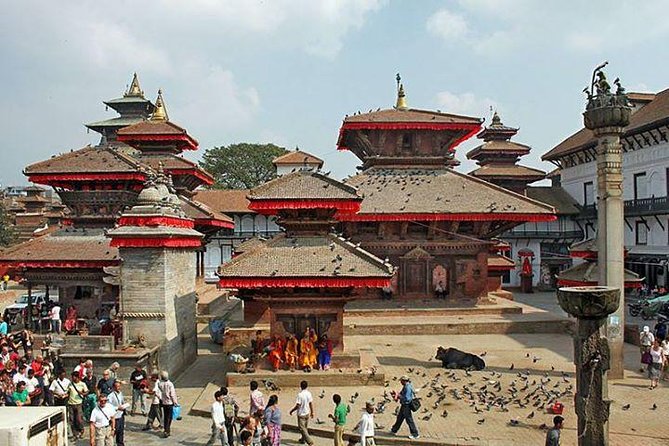
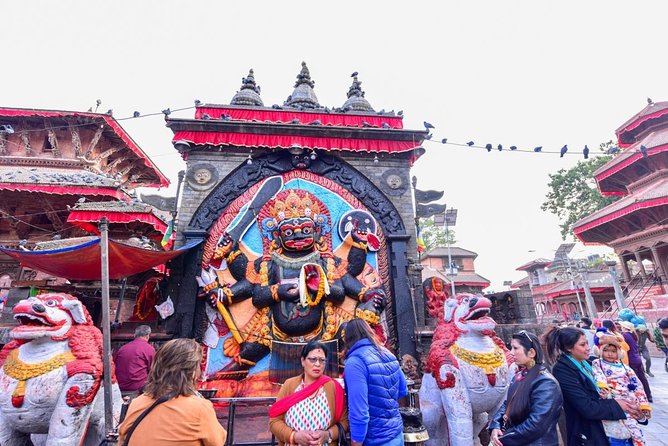
The appeal here is balance. You’re not only looking at buildings from the outside. You’re moving through places that are still active in daily spiritual life, from major Hindu worship at Pashupatinath to the steady visual gravity of Bouddhanath Stupa. Then you shift to Durbar Square in Patan, a UNESCO-listed heritage area, before climbing up to Swyambhunath, better known as the Monkey Temple.
And if you like travel days that feel efficient but not rushed to the point of stress, this itinerary style usually fits that goal. It’s built to cover four heavyweight sights plus the travel time between them.
Price and Route Length: Why $100 Can Make Sense
At $100 per person, you should look at this as paying for three things: transportation, a guide, and a route that strings together multiple heritage sites in one day.
You’re not just buying entry into one place. You’re buying the ability to move between Pashupatinath, Bouddhanath, Patan Durbar Square, and Swyambhunath on a schedule that (in practice) matters a lot in cities like Kathmandu, where traffic and distances can eat time.
Also, the operator lists group discounts. If you’re traveling with friends or family, the per-person cost can shrink when you fill seats. It’s also a private tour/activity, meaning your group stays together rather than mixing with strangers, which can make the day feel smoother.
If you’re the type who likes to plan your own day with transit and tickets, you might spend less by doing it independently. But if you want fewer logistics headaches and more time watching the city’s spiritual culture, $100 is pretty reasonable for a 7–8 hour guided loop.
Pickup at 8:15am and an Air-Conditioned Vehicle
The day starts at 8:15am. That timing is helpful because you’re out early enough to spend meaningful daylight at each stop without feeling like you’re racing the clock.
You’ll also have a pickup offered, and the plan includes an air-conditioned vehicle. That matters in Kathmandu, where weather and traffic can vary. Even if the sites themselves are where the magic is, comfort during transit affects how much you enjoy the day as a whole.
One more practical note: the tour says confirmation comes at booking, and you get a mobile ticket. That combination usually means less back-and-forth on arrival. And since it’s described as near public transportation, you’re not totally dependent on hotel access if you’re staying somewhere easy to reach.
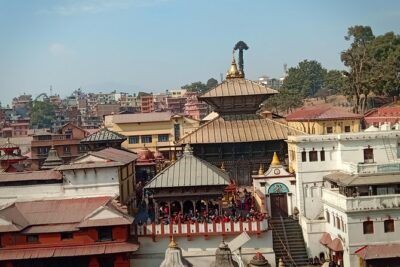
Stop 1: Pashupatinath Temple, Where Hindu Spiritual Life Takes Center Stage
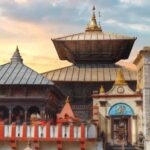
Pashupatinath Temple is the first major stop, and it’s a big one for a reason: it’s a Hindu site with strong religious pull and strong visual character.
In a city tour, I like starting with the most central, most meaningful anchor. It sets the tone for everything that follows. You arrive and quickly shift into the Kathmandu Valley rhythm: sacred space, devotion, and the sense that people come here for reasons beyond sightseeing.
What to watch for at this stop is not just architecture, but the atmosphere. Hindu temples in this part of Nepal aren’t props. They’re living places. That can be powerful if you’re paying attention to how people move, gather, and focus.
Potential drawback: because this is a major sacred location, your time here can feel “busy” compared with smaller viewpoints. If you need quiet stretches constantly, you might feel that trade-off.
Stop 2: Bouddhanath Stupa, Buddhism in a Big, Visible Form
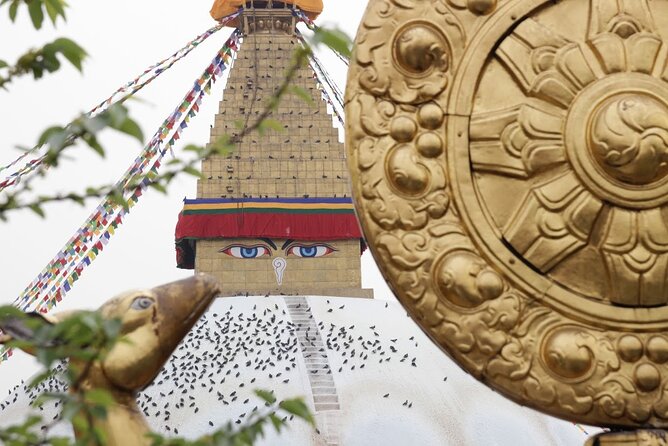
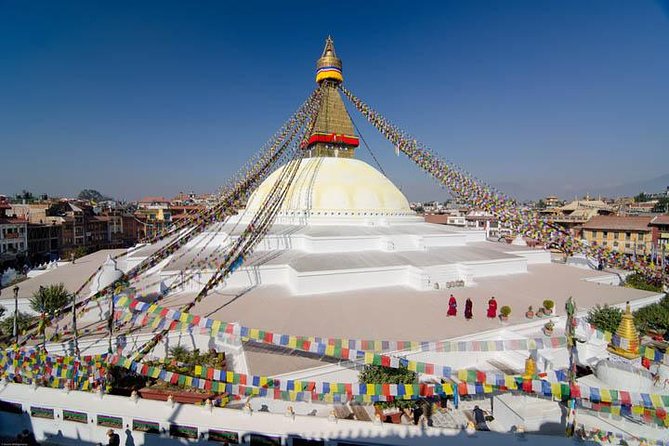
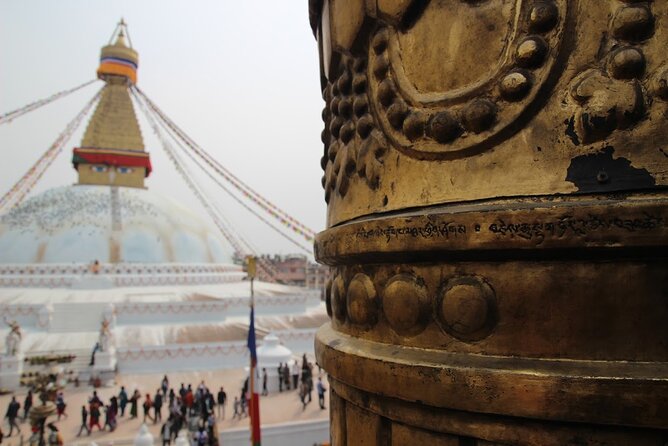
Bouddhanath Stupa is next, and it’s one of the best stops on this route if you want to feel the Buddhist side of Kathmandu Valley clearly.
The tour information notes Bouddhanath as Asia’s biggest stupa. Even if you don’t measure stupa size in your head, the point lands: it’s a large, visually dominant religious landmark, not a hidden detail.
Stupas have a special kind of pull. They’re made for slow looking, for noticing patterns, and for watching people move through rituals. This stop works especially well if you like travel that mixes visual scale with spiritual calm.
Also, because the tour pairs this with Hindu Pashupatinath earlier, you’ll notice the contrast. Different belief systems, different styles of worship, same Kathmandu Valley setting. That contrast is often the main reason people love this route.
A consideration here: photography rules and viewing areas can vary by site and moment. Plan to be flexible and let the moment guide your angle, not your camera.
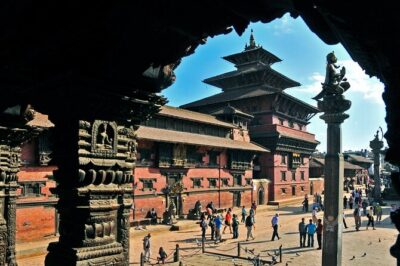
Stop 3: Patan Durbar Square, UNESCO Heritage and Royal-Era Craft
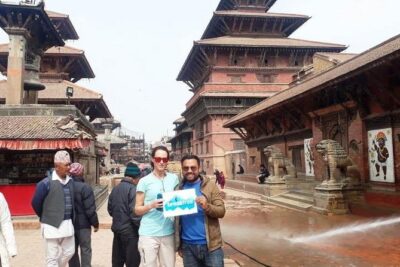
Then you shift to Patan Durbar Square, another major heritage stop mentioned as UNESCO listed.
This is where the tour becomes more than temple-and-stupa sightseeing. Durbar Square is tied to the area’s royal and craft legacy, so you’ll likely spend more time noticing the built details and how the site works as a space.
In practice, this stop is good for people who like cultural travel that isn’t only about religion. You get a sense of civic space and artistic style at the same time. And it helps break up the day so you’re not only repeating the same kind of spiritual scene.
Potential drawback: heritage squares can involve more foot traffic and more crowds than temple compounds. That is normal for UNESCO sites. If you want fewer people in your photos, aim to move with your guide’s timing rather than arriving only when the crowd is biggest.
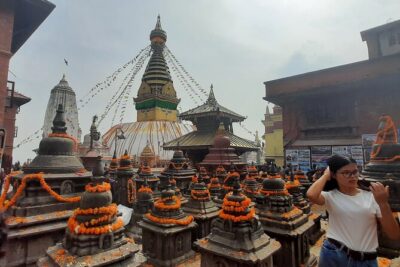
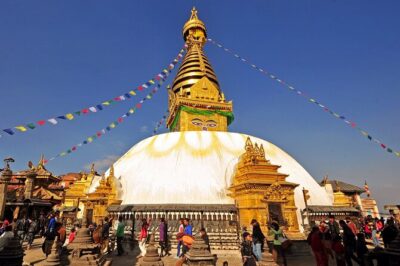
Stop 4: Swyambhunath (Monkey Temple), Sacred Viewpoints on a Hill
Swyambhunath is the final listed stop, and it’s easy to see why it’s called the Monkey Temple. It’s a standout because it feels different from the earlier flatland sites: it has elevation, views, and a distinct sacred presence.
You’ll finish the day with a change of pace. Instead of focusing only on the biggest structures, you start feeling the area as a whole. When you’re on a hilltop site, the city around you matters more. You also tend to see more layers of movement because people come specifically to climb up and look out.
If you’re doing Kathmandu for the first time, Swyambhunath is a strong closer. It helps the day feel like more than a checklist. You end with a sense of where Kathmandu sits in the valley.
A consideration: hillside sites can mean more walking than you expect. If your legs are not great with stairs, build in slower pacing with your guide instead of trying to power through.
How the Guide Shapes Your Day (Including Team Names You May Hear)
The tour includes a guide, and that’s where a guided city day turns from sightseeing into understanding.
One of the consistent themes in feedback is how much organization matters on a tight route. People specifically thank operators and drivers by name, like owner Madan for handling details and drivers such as Kiran for good English and smooth conversations.
Even without guessing too much about personalities, you can expect the guide to do three key jobs on a day like this:
- keeping the timing workable across multiple sites
- helping you interpret what you’re looking at so it does not feel random
- making the transitions between stops less stressful
If you like travel that has context, this is the kind of tour that can deliver it. If you’re the type who prefers silence and self-guided wandering, the guide might feel like a constant presence. But you can still use them mainly for orientation and ask questions only when it matters to you.
Meals, Coffee, and Permits: The Real Budget Check
Here’s the part that trips up travelers: the tour price includes an air-conditioned vehicle and a tour guide, but it does not include lunch, coffee and/or tea, or permits on heritage sites.
That means you need a small buffer for two categories:
- food breaks during the day
- any required permits tied to the heritage sites
The itinerary info also includes an admission ticket free note. Because permits are still listed as not included, treat it as a mixed situation rather than assuming everything is fully covered.
Practical advice: if you want your day to feel calm, eat before the tour starts if you can, or plan to stop for lunch when the guide suggests. Then keep some extra cash or card available for permits if asked on-site.
Group Size, Private Touring, and a Comfortable Pace
This is described as a private tour/activity, meaning only your group participates. That matters for comfort and control. With a smaller group, it’s easier to pause, ask questions, and move at a pace that fits you.
Pickup offered and the near public transportation note also suggest the operator is used to coordinating logistics without making you fight for meeting points.
Also, the tour lists that most travelers can participate. So if you’re reasonably mobile and comfortable walking through busy heritage spaces, you’re likely fine.
The main “pace” question is whether you like a full schedule. This is seven-plus hours of moving and seeing. If you prefer a slower day with fewer transitions, you might find this feels like a lot.
Who This Kathmandu City Tour Is Best For
I think this tour hits a sweet spot for:
- first-timers who want big highlights without planning a route
- travelers who want both Hindu and Buddhist heritage in one day
- people who value a guide for interpretation and timing
- groups who want private touring instead of joining random groups on the same loop
If you already know Kathmandu well and you’re comfortable navigating independently, you might feel the value is lower. But if you want structure and someone else managing the in-between parts, you’ll likely appreciate it.
Also, if your Nepal trip includes more nature-focused days (like trekking or mountain viewpoints), this city tour can be a great cultural reset. It grounds your trip in how people live and worship before you go chasing altitude.
Should You Book This Kathmandu City Tour?
Book it if you want a guided heritage day with pickup, air-conditioned comfort, and a route that covers four major Kathmandu Valley landmarks: Pashupatinath, Bouddhanath, Patan Durbar Square, and Swyambhunath.
Skip or rethink it if you hate day trips packed with moving between sites, or if you already have solid plans to handle permits and transport on your own.
My call: for most visitors, this is a good way to spend a first Kathmandu day. Just go in knowing you’ll handle lunch and any heritage permits yourself, and you’ll be rewarded with a clear, well-connected look at Kathmandu Valley’s Hindu and Buddhist heart.
FAQ
What time does the Kathmandu city tour start?
The start time is 8:15am.
How long is the tour?
It runs for about 7 to 8 hours.
Is pickup included?
Pickup is offered.
Is this tour private?
Yes. Only your group will participate.
What’s included in the price?
You get an air-conditioned vehicle and a tour guide.
What is not included?
Lunch, coffee and/or tea, and permits on heritage sites are not included.
Do I need to buy admission tickets?
The plan lists admission ticket free, but permits on heritage sites are not included, so you may still face local permit costs.
Can I cancel for a full refund?
Yes. You can cancel up to 24 hours in advance for a full refund.
The Valley, End to End
More Tours in Kathmandu


More Tour Reviews in Kathmandu

Just Reviewed in Kathmandu
- Mountain Bike Tour
★ 5.0 · 3 reviews - Annapurna Panaroma
★ 5.0 · 3 reviews - Mount Everest Scenic Flight 50 Minutes
★ 5.0 · 3 reviews - Kathmandu : Swambhunath & Durbar Square Guided Half Day Tour
★ 3.3 · 3 reviews - Chandragiri Cable Car & Monkey Temple Tour – Private/Group
★ 5.0 · 3 reviews - Kathmandu: Shivapuri National Park Hiking Day Trip
★ 3.3 · 3 reviews
Kathmandu City Sightseeing Tours, compared.
 ★ 5.0Kathmandu Private Sightseeing Tour | UNESCO World Heritage SitesFrom $35109 reviews
 ★ 4.7Private Patan and Bhaktapur Sightseeing TourFrom $4964 reviews
 ★ 5.0Kathmandu Highlights: Private UNESCO World Heritage Sites TourFrom $4950 reviews
 ★ 5.0Explore Kathmandu in 2 Days: UNESCO Sites & Nagarkot Sunrise TourFrom $10037 reviews
 ★ 5.01 Day Kathmandu Valley Sightseeing TourFrom $3537 reviews
 ★ 5.04 UNESCO City Sightseeing in KathmanduFrom $5036 reviews
 ★ 5.0Full Day Kathmandu City Sightseeing Tour of UNESCO Heritage SitesFrom $5036 reviews
 ★ 5.0Private Full-Day Kathmandu All 7 UNESCO World Heritage Sites TourFrom $8030 reviews
Browse the lists this tour appears in