
Review · FULL-DAY
Kathmandu Full Day Exploration
Four UNESCO stops in a single day. Kathmandu can feel like a living museum, and this full-day route is a smart way to see major spiritual landmarks without getting lost in the traffic puzzle. I like that it includes hotel pick-up/drop-off plus a comfortable air-conditioned vehicle, so you spend your energy on temples and people, not logistics. One thing to plan for: lunch and entrance fees for the four attractions are not included, so your total cost will be a bit higher than the $80 ticket.
The best part is the mix: you’re not only looking at UNESCO sites, you’re also watching how faith shows up in everyday Kathmandu life—prayers, rituals, and the small rhythms you catch between stops. Start time is 8:00am and the tour runs about 7 hours, which keeps the day efficient but still gives enough time to actually take things in.
In This Review
- Key highlights to know before you go
- A smooth UNESCO loop through Kathmandu’s most sacred corners
- Price and what you actually get for $80
- Morning logistics: 8:00am start and how the day flows
- Kathmandu Durbar Square: the royal city stop you won’t skip
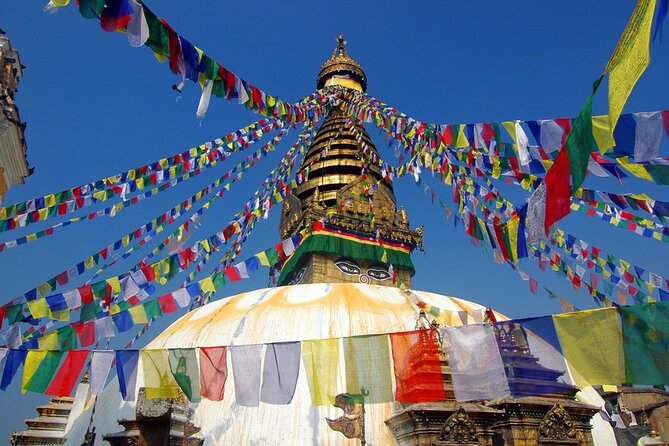
- Swayambhunath: the pilgrimage site where religions meet
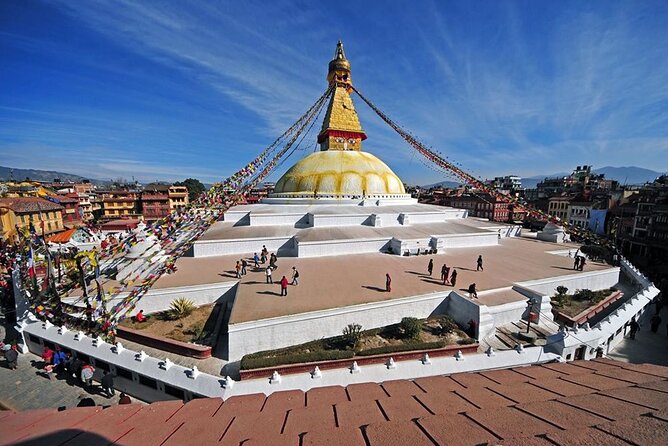
- Boudhanath Stupa: where worship looks slow and powerful
- Pashupatinath Temple: the Bagmati River and Hindu ritual
- The guiding style that makes the day feel worth it
- Practical tips for sacred-site visits in Kathmandu
- Group discounts, private touring, and who this is best for
- Should you book this Kathmandu full day exploration tour?
- FAQ
- What time does the Kathmandu tour start?
- How long is the tour?
- Is hotel pick-up and drop-off included?
- Is the tour private or shared?
- Are entrance fees included in the $80 price?
- Is lunch included?
- Do I get a ticket on my phone?
- Do I need good weather for the tour?
- What is the cancellation policy if plans change?
Key highlights to know before you go
- Private group experience: only your group participates, so questions land faster and the pace feels more human.
- Four big UNESCO-style stops: Durbar Square, Swayambhunath, Boudhanath Stupa, and Pashupatinath Temple.
- A/C transport with hotel pick-up: you’re not piecing together rides while temples are calling.
- Guided religious context: expect explanations of Hindu and Buddhist meaning, not just names and dates.
- Budget add-on for entrances and lunch: entrance fees are about USD 26 for the four attractions; lunch is separate.
More full days, well spent
- Kathmandu: Full Day 7 UNESCO Tour with Lunch – Private/Group★ 5.0 · 415 reviews
- Kathmandu: Full Day Top 4 UNESCO Tour with Lunch – Private/Group★ 5.0 · 269 reviews
- Kathmandu: Full-Day 7 UNESCO Tour with Lunch – Private/Group★ 4.9 · 247 reviews
- Kathmandu: Full Day 7 UNESCO Tour with Lunch – Private/Group★ 5.0 · 101 reviews
A smooth UNESCO loop through Kathmandu’s most sacred corners
This day tour is built for people who want real context, not just photos. Kathmandu is packed with world-class religious sites, and the route focuses on four that represent major strands of Nepal’s spiritual life: royal-city heritage at Durbar Square, pilgrimage devotion at Swayambhunath, Buddhist worship at Boudhanath Stupa, and Hindu ritual on the Bagmati River at Pashupatinath.
You’ll also get that “city in motion” feeling as you move between neighborhoods. Kathmandu isn’t silent and scenic—it’s active. You’ll see daily routines, local shops, and street life while you travel, which helps the temples feel like part of living culture rather than separate tourist scenery.
Price and what you actually get for $80
At $80 per person for about 7 hours, the value depends on what you’d otherwise have to pay for on your own.
Here’s what the price covers:
- private transportation in an air-conditioned vehicle
- a professional tour guide
- hotel pick up and drop off
- mobile ticket (so you’re not juggling paper)
What’s not included:
- lunch
- entrance fees for the four attractions (listed as USD 26)
So your realistic total is closer to $80 + $26 for entrances, plus whatever you spend on lunch and snacks. If you’re the type who hates negotiating rides between stops, the private transport and pick-up alone can make this feel like a bargain. And if you like explanations—why things are built the way they are, what rituals mean, and how Hinduism and Buddhism show up differently—having a guide changes the whole experience from sightseeing to understanding.
Morning logistics: 8:00am start and how the day flows
The tour starts at 8:00am, and you’ll have hotel pick-up included. That early start matters in Kathmandu. You get more time at each place before crowds and heat build, and the schedule stays workable without feeling rushed at the last stop.
The day is paced as a sequence of major sites:
- a heritage stop in the heart of the old city
- a pilgrimage stop at Swayambhunath
- a long devotional stop at Boudhanath Stupa
- a sacred riverbank complex at Pashupatinath Temple
It’s a classic “cover the big ones, with guidance” format. You won’t sit all day in the car, but you should also expect travel time between locations. Comfortable shoes are a good idea, because historic areas often mean uneven ground and plenty of walking.
Kathmandu Durbar Square: the royal city stop you won’t skip
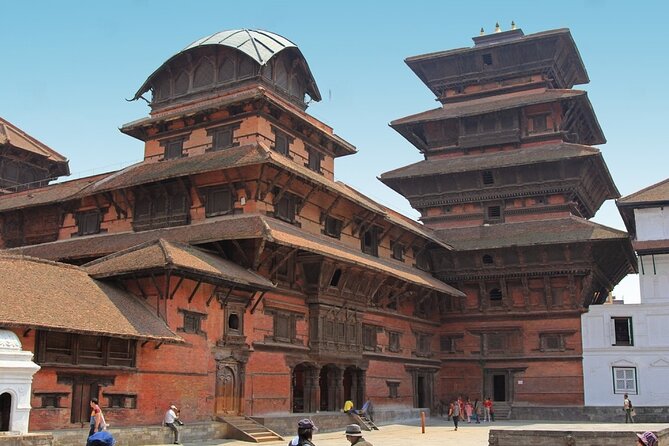
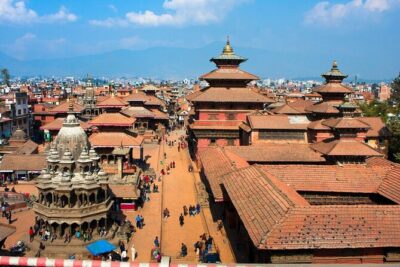
Kathmandu Durbar Square—also known as Hanuman Dhoka Durbar Square—is where the city flexes its historic identity. This area is an architectural masterpiece and a UNESCO World Heritage site in the middle of Kathmandu.
I love this stop because it sets the tone. Before you move into purely devotional spaces, you get a sense of how power, artistry, and religion were tied together in the old royal city. The square format also helps you “read” Kathmandu: you can see how buildings, courtyards, and temple-like structures fit into one shared public space.
This stop is about 2 hours on the schedule, which is enough time to look closely without turning it into a race. Admission is not included, so plan for the overall entrance fee add-on.
Possible drawback: because it’s a major central site, the area can feel busy and photo-focused at times. If you’re sensitive to crowds, go slow, keep one eye on where you’re stepping, and let your guide steer you toward the details that matter beyond the first big view.




Swayambhunath: the pilgrimage site where religions meet
Swayambhunath (spelled in some materials as Swoyambhunath) is a sacred pilgrimage site for both Buddhists and Hindus. That dual role is what makes it compelling: you’re not just seeing one tradition—you’re seeing how shared reverence can shape a single place.
The site is especially important for Buddhists, who believe it holds relics of the Buddha. Devotees come to pray and spend time in devotion, which means the experience isn’t only about architecture. It’s about watching belief in action—people making prayers, pausing for reflection, and treating the space with real seriousness.
On this tour, you’ll have about 1 hour here, which is ideal for a stop that needs time for atmosphere, not endless wandering. Admission is not included, but it’s covered by the tour’s entrance fee total.
Tip: ask your guide what to look for in the details. The value of this stop jumps when you understand why particular symbols and structures show up here for different communities.
Boudhanath Stupa: where worship looks slow and powerful
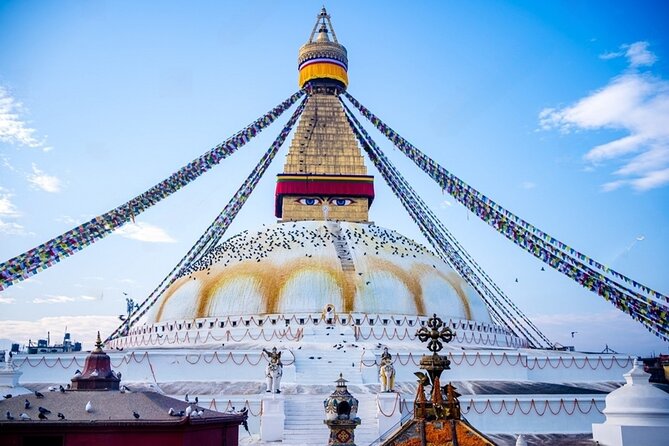
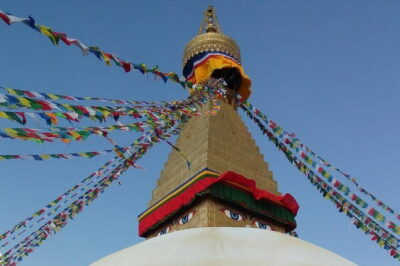
Boudhanath Stupa—also known as Boudha or Bouddhanath—is one of Kathmandu Valley’s iconic religious landmarks. It’s a cultural and spiritual hub, and it’s also a symbol of Buddhist faith.
This is the kind of place where the “show” is devotion itself. Instead of rushing through photo angles, you’ll notice how worship happens: people taking their time, moving with intention, and participating in prayers around a massive stupa that dominates the setting.
You’ll spend about 2 hours at this stop, which helps. Stupas aren’t just impressive objects; they’re focal points for repeated ritual and community gathering. With guidance, you’re more likely to notice how the space is arranged to support worship and how it functions as a living center rather than a static monument.
Possible drawback: because it’s so central to spiritual life, this stop asks for patience and respect. If you want a quick, casual look, you may feel like you’re in the way. If you lean into the slower rhythm—watch, listen, follow your guide’s cues—you’ll get the best out of it.
Pashupatinath Temple: the Bagmati River and Hindu ritual
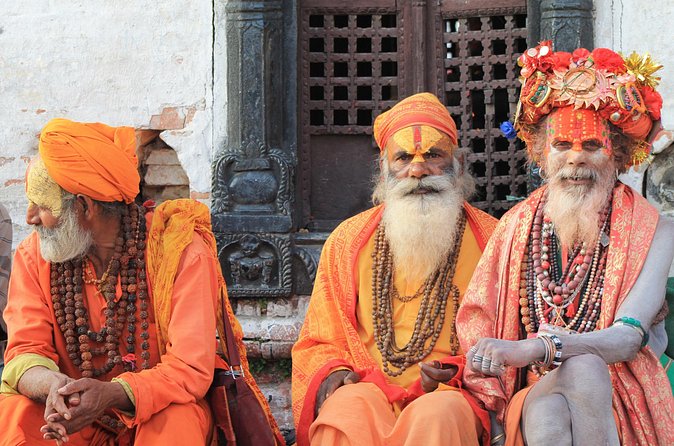
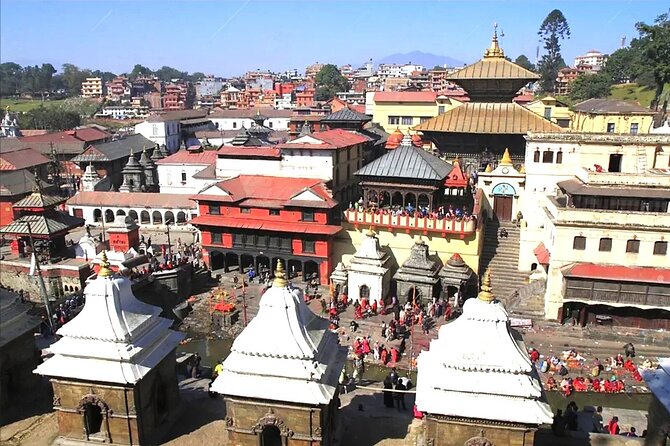
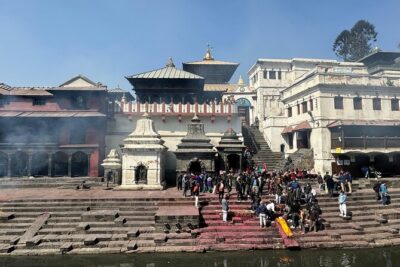
Pashupatinath Temple sits on the banks of the Bagmati River, and it’s one of the most revered Hindu temples in the world. The tour’s final major stop is one of those experiences that doesn’t feel like a museum visit. It feels like a sacred workplace for faith.
This complex is ancient and it’s treated as a center of Hindu religion. Expect spiritual importance to be visible in the way people gather, pray, and participate in religious practice. For many visitors, the emotional impact of Pashupatinath comes from seeing Hindu rituals in a real, ongoing setting rather than a reenactment.
You’ll have about 2 hours here, which is important because Pashupatinath is the kind of place where you need a bit of time to settle and start noticing what’s happening around you. Admission is not included, but again, it’s typically covered by the entrance fee total listed for the four attractions.
Practical consideration: religious sites can have strict expectations for behavior and photography. If you’re unsure, follow your guide’s lead on what’s acceptable, where to stand, and how to dress.
The guiding style that makes the day feel worth it
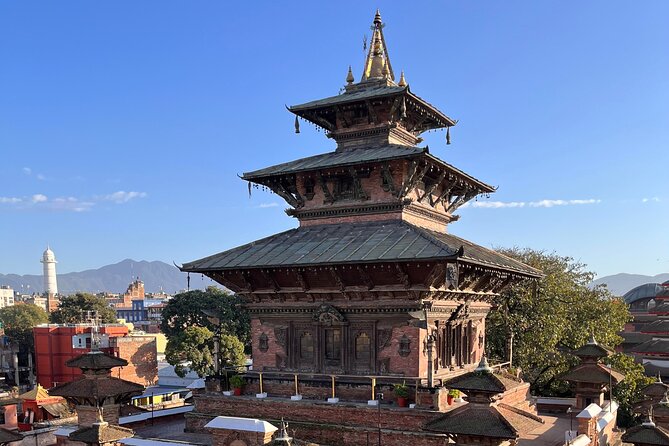
A big reason this tour gets consistently strong feedback is the guide. Not just for translations, but for meaning.
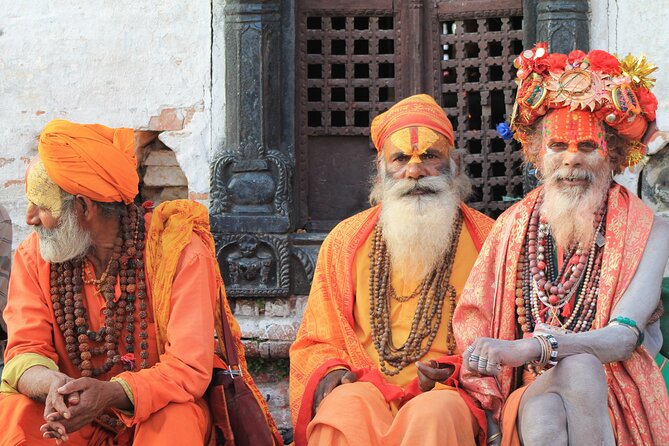
One person’s name you might hear is Anshu, described as organized and ready with detailed explanations. Guides like him tend to do more than point at objects—they explain aspects of Buddhism and Hinduism, so you understand why a stupa or temple matters to the people using it today.
Another guide name you may come across is Pravin, noted for clear English and a genuinely upbeat, helpful approach. When your guide also explains the logic behind rituals and symbols, the sites stop feeling like isolated landmarks and start feeling like connected parts of Nepalese spirituality.
Even if you’re not deep into religion, this matters. You don’t need to know every term to benefit—you just need the basics explained clearly while you’re standing in front of the real thing.
Practical tips for sacred-site visits in Kathmandu
This route includes both Hindu and Buddhist sites, so your “success checklist” is mainly about respect and readiness.
- Wear clothing that covers appropriately and plan for sun in the open areas. Kathmandu mornings can still feel warm fast.
- Bring a light layer. Waiting around during prayers and rituals can mean shifting between shaded and sunny spots.
- Keep your phone handy, but be ready to pause photography when the guide asks for it.
- Ask before you enter key areas. A quick question early prevents awkward moments later.
For the cultural part: pay attention to the small cues your guide gives you. In places like Boudhanath and Pashupatinath, the pace is intentional. If you rush, you’ll miss the point. If you slow down, you’ll pick up patterns—how people behave when they pray, and how the space shapes those actions.
Group discounts, private touring, and who this is best for
This is a private tour/activity, meaning only your group participates. That’s a big quality-of-life factor in a city where shared tours can sometimes feel crowded or chaotic. It also makes it easier to tailor your pace. If your group wants more time looking at details, you’re less likely to get steamrolled by a fixed pack schedule.
It’s also designed with group discounts in mind, which can make it more affordable if you travel with friends or family.
Who it fits best:
- First-time visitors who want a high-value overview of Kathmandu’s most important religious sites
- People who appreciate explanation and context, not just quick stops
- Travelers who want hotel pick-up and air-conditioned comfort to reduce stress
If you already know a lot about Nepal’s religious history and you’re comfortable navigating on your own, you might skip a guided day. But if your goal is to understand what you’re seeing in a single day, this tour style is a strong match.
Should you book this Kathmandu full day exploration tour?
I’d book it if you want a guided, well-structured day that hits major UNESCO-level landmarks and doesn’t leave you scrambling for transport. The value is strongest when you account for what’s included: private A/C transport, hotel pick-up/drop-off, and a professional guide who focuses on meaning behind Hindu and Buddhist practices.
I’d think twice if you’re on a tight budget for the day once you add lunch and the entrance fees. Also consider your tolerance for sacred sites that require respectful behavior and a slower rhythm.
If you can do a thoughtful, respectful day with time to ask questions, this tour gives you a clean, efficient way to experience Kathmandu’s spiritual heartbeat.
FAQ
What time does the Kathmandu tour start?
The start time is 8:00am.
How long is the tour?
It runs for about 7 hours.
Is hotel pick-up and drop-off included?
Yes. Hotel pick-up and drop-off are included, along with private transportation.
Is the tour private or shared?
It’s private. Only your group will participate.
Are entrance fees included in the $80 price?
No. Entrance fees are listed as USD 26 for the four attractions.
Is lunch included?
No. Lunch is not included.
Do I get a ticket on my phone?
Yes. A mobile ticket is included.
Do I need good weather for the tour?
Yes. The experience requires good weather. If it’s canceled due to poor weather, you’ll be offered a different date or a full refund.
What is the cancellation policy if plans change?
You can cancel for free up to 24 hours in advance of the experience for a full refund. If you cancel less than 24 hours before the start time, the amount you paid will not be refunded.
A Full Day, Well Spent

More Tour Reviews in Kathmandu






Just Reviewed in Kathmandu
- Mountain Bike Tour
★ 5.0 · 3 reviews - Annapurna Panaroma
★ 5.0 · 3 reviews - Mount Everest Scenic Flight 50 Minutes
★ 5.0 · 3 reviews - Kathmandu : Swambhunath & Durbar Square Guided Half Day Tour
★ 3.3 · 3 reviews - Chandragiri Cable Car & Monkey Temple Tour – Private/Group
★ 5.0 · 3 reviews - Kathmandu: Shivapuri National Park Hiking Day Trip
★ 3.3 · 3 reviews
Full-Day, compared.
 ★ 5.0Full Day 7 UNESCO Tour with Lunch – Private/GroupFrom $10415 reviews
 ★ 5.0Full Day Top 4 UNESCO Tour with Lunch – Private/GroupFrom $10269 reviews
★ 4.9Full-Day 7 UNESCO Tour with Lunch – Private/GroupFrom $5247 reviews
★ 5.0Full Day 7 UNESCO Tour with Lunch – Private/GroupFrom $5101 reviews
 ★ 5.0Full Day Private Top 4 UNESCO Heritage Tour W/Lunch.From $1086 reviews
★ 5.0Full Day Top 4 UNESCO Tour with Lunch – Private/GroupFrom $567 reviews
 ★ 5.0Kathmandu Heritage Tour (Full Day)From $3863 reviews
 ★ 5.0Full Day Guided Tour in KathmanduFrom $561 reviews