
Review · GUIDED
Full Day Guided Tour in Kathmandu
A full day in Kathmandu can feel like chaos.
This one is tightly guided, with smooth transport and a licensed guide, so you get the story behind Nepal’s most important spiritual stops without wasting time. You’ll start around 9:15am, hop between heritage sites, and end with views and monkeys at Swayambhunath, all in about 4 to 6 hours.
I especially like two things. First, the pacing works: you get real time at Patan Durbar Square before the day turns into temples and stupa circles. Second, a good guide makes the rituals readable, including moments at Pashupatinath and the prayer rhythm at Boudhanath. In one set of feedback, the guide named Jaya was praised for keeping a comfortable pace and working with a slightly later start when asked.
One consideration: the tour price is low, but entry fees are not included (plan on about $20 per person, plus you’ll want to budget for food, drinks, and tips). Also, you’ll be in active religious spaces, so expect rules around respectful behavior and some walking and stair climbing.
In This Review
- Key highlights to know before you go
- The Kathmandu Valley in one guided stretch (4 to 6 hours)
- Patan Durbar Square: the carved-palace start you’ll remember
- Pashupatinath Temple: ritual life by the river, with real sensitivity
- Boudhanath Stupa: the walking circle of chants and prayer wheels
- Swayambhunath (Monkey Temple): stair climbing, wide views, and a smarter route
- Price and logistics: what $5 really buys (and what it doesn’t)
- Who this tour suits best (and who might find it stressful)
- How to get the most out of your guide
- What to bring for a comfortable, respectful day
- Should you book this Kathmandu Valley full-day tour?
- FAQ
- How long is the Kathmandu full-day guided tour?
- What time does the tour start?
- Are hotel pickup and drop-off included?
- What does the tour price include?
- Are entry fees for the sights included?
- Is food and drinks included?
- Is there a group size limit?
- Does the tour work for most travelers?
- What happens if the weather is poor?
- Can I cancel for free?
Key highlights to know before you go
- Government-licensed guide: you’re not just handed a map; you get explanations during the sights.
- Pickup and drop-off: you start and end at your hotel, which helps a lot in traffic-heavy Kathmandu.
- A small group cap (15 max): easier questions and a less frantic feel than big buses.
- Four major landmarks, timed well: Patan first, then Pashupatinath, Boudhanath, and Swayambhunath.
- Purified drinking water included: a small but useful comfort for a full morning/afternoon.
- True Nepal rituals in view: from fire and offerings at Pashupatinath to prayer wheels at Boudhanath.
More days made easy with a local guide
- Kathmandu: Private City Guided Tour★ 4.9 · 174 reviews
- Full Day Guided Tour in Kathmandu★ 5.0 · 61 reviews
- Kathmandu Guided Tour★ 5.0 · 59 reviews
- 12 Day Everest Base Camp Guided Trek★ 5.0 · 40 reviews
The Kathmandu Valley in one guided stretch (4 to 6 hours)
This is a half-day that acts like a full-day highlight reel. You’ll be picked up and taken around by car/jeep/van depending on group size, then dropped back at your hotel afterward. The tour runs about 4 to 6 hours with a 9:15am start, which is ideal if you want to see major sites without burning an entire day.
The group is capped at 15 travelers, which matters in Kathmandu. Big tour groups can turn every stop into a shuffle. With a smaller group, you’ll generally have an easier time hearing your guide and getting to the right viewing spots at the right moments.
Also, you’ll travel with a government licensed tour guide, plus purified drinking water. Those details sound simple, but they help you focus on the sites instead of the logistics: less hunting for tickets, less waiting around, and fewer headaches if the city feels intense.
If you’re visiting Kathmandu and you only have one day, this format gives you a workable overview of the valley’s spiritual map: Patan’s heritage, Hindu practice at Pashupatinath, Tibetan Buddhism at Boudhanath, and hilltop views at Swayambhunath.
Patan Durbar Square: the carved-palace start you’ll remember
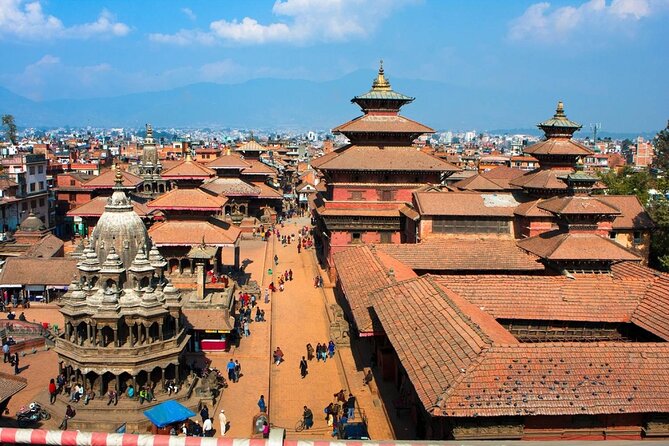
You begin at Patan Durbar Square, usually the longest stop on the route (about 2 hours). This is the kind of place where you don’t just look forward—you look up. Expect old palaces and temples surrounded by dense stone carvings. It’s basically an outdoor heritage complex, and it rewards slow attention.
Why this stop is a strong start: it gives you context before the day turns more devotional and ceremonial. Patan Durbar Square helps you see what artistic detail and craftsmanship meant in royal and religious life in the Kathmandu Valley, so later temples and stupas feel less random and more connected.
A practical note: admission tickets for the attractions are not included, so you’ll want to plan for entry fees before you arrive. Also, because it’s a heritage area, you may do some walking on uneven ground. Wear shoes you trust.
If you like “readable history” on the ground—structures you can actually stand inside or in front of—this is the best place to get your bearings for the rest of the day.
Pashupatinath Temple: ritual life by the river, with real sensitivity
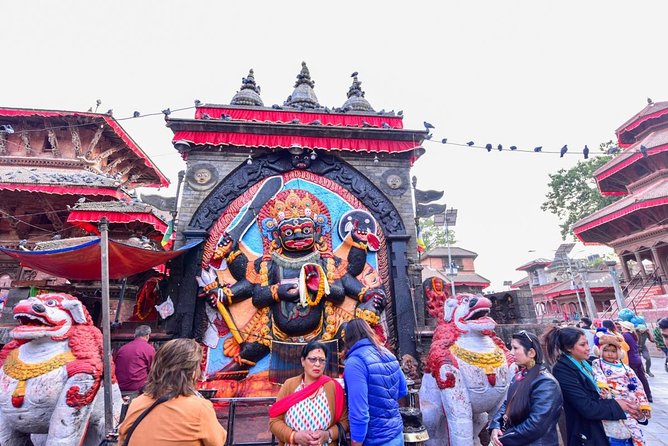
Next comes Pashupatinath Temple, about 1 hour. This is a major Hindu pilgrimage site on the river, and it has an energy you won’t get from photos. You’ll see people praying and making offerings, and there are moments connected to fire and ceremony.
What I like about this stop with a guide is that you’re not just watching from the outside. With the right context, you can understand what you’re seeing—why people behave the way they do, and how the space is used. The goal isn’t a spectacle; it’s lived religion, so your attitude matters.
Here’s the key consideration: you have to be respectful. That’s not just a cultural tip; it’s how you keep the experience meaningful for yourself and for others. Dress and behavior need to match the setting, and you should follow your guide’s instructions closely, especially when ceremonies are in progress.
Also, the temple area can be crowded during big religious periods. In one experience, the day lined up with a Shiva festival, which made the crowds part of the story. If you’re traveling during major Hindu or other local festivals, expect more people and a bit more time spent navigating rather than sightseeing.
Plan to be patient here. This is the stop where a calm, guided approach pays off.
Boudhanath Stupa: the walking circle of chants and prayer wheels
Then you head to Boudhanath Stupa for about 1 hour. This is one of those Kathmandu landmarks that looks iconic no matter where you stand. The white dome is huge, and the area around it operates like a ritual route.
What makes this stop special is the sound and rhythm. People chant, and you’ll see prayer wheels—those colorful cylinders that get spun as part of daily devotion. Even if you don’t know the details, the repetition and movement create a feeling of focused calm.
With a knowledgeable guide, you can do more than just watch. The plan includes time to walk around the stupa and learn how visitors participate in the practice. In addition, you may be taken to meet monks and learn about their way of life. That’s the difference between sightseeing and understanding.
Again, entry fees apply to attractions, so factor that in. And bring your patience. Boudhanath is popular, so you’ll likely share space with many other visitors and pilgrims.
If you want one stop that gives you a break from the intensity of temples, this is it. It’s still spiritual, but it feels more cyclical and reflective, like you’re stepping into a routine that’s been happening for a long time.
More full days, well spent
Swayambhunath (Monkey Temple): stair climbing, wide views, and a smarter route
Your final stop is Swayambhunath, often called the Monkey Temple, for about 1 hour. It’s perched up on a hill, so expect a climb of stairs as part of the experience. This is also where you’ll see monkeys close enough that you’ll have to watch where you step and what you carry.
Why Swayambhunath works at the end: you’re coming in after the cultural-spiritual stops, so the panoramic payoff feels earned. From the hilltop, you get wide views over Kathmandu, and the whole place feels like a landscape shaped by centuries of devotion.
One more detail worth noting: your guide is said to use a behind-the-scenes approach on this leg, including a quieter back way to see things and hear stories. You won’t be stuck only on the most crowded path. That can matter a lot in a place known for both tourists and wildlife.
Like the other religious stops, respect is part of the deal. Also, because monkeys are involved, don’t treat it like a casual playground. You’ll enjoy it more if you keep your attention on where you’re moving and let your guide lead you through the best viewing areas.
Price and logistics: what $5 really buys (and what it doesn’t)
At $5 per person, this tour is priced like a deal. The catch is the math: the listing doesn’t include the entry fees for the sightseeing attractions, which are listed at $20 per person, and you’ll also need to plan for food, drinks, and personal expenses and tips.
So how do you judge value? You compare what’s included against what you’d otherwise pay and manage yourself.
What you get for that low base price:
- Pickup and drop-off from your hotel
- A government licensed tour guide
- Transport in a car/jeep/van (based on group size)
- Purified drinking water
- Government taxes and office service charges
What you need to budget separately:
- Attraction entry fees (about $20 per person)
- Meals and drinks
- Tips for guide and driver (not fixed in the data, but you should plan for it)
That’s still likely a good deal if you want guided interpretation and efficient routing. It becomes less of a bargain if you love wandering solo and don’t care about context, because entry fees and your time will still be there even if you self-tour.
Another practical point: this service is commonly booked around 14 days in advance, so if your dates are tight, I’d plan ahead rather than assume you can walk in last minute.
Who this tour suits best (and who might find it stressful)
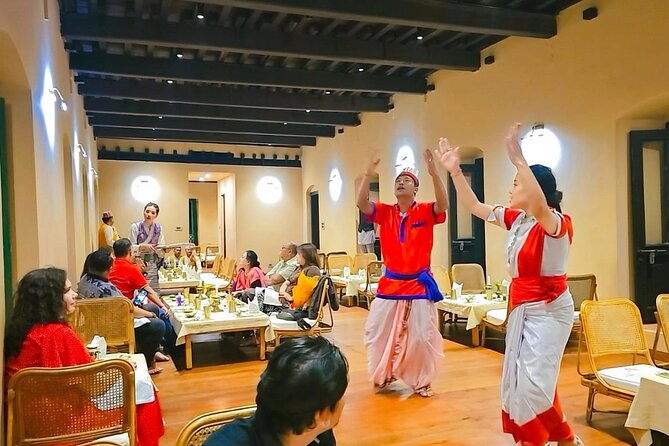
This tour is built for “I want the highlights, but I want them explained.” Most people can participate, and the format fits well for:
- First-time visitors with limited time in Kathmandu
- Couples or solo travelers who want structure without a huge group
- People who prefer to ask questions in person rather than rely on apps
You might find it less ideal if:
- You want total freedom to stop whenever something catches your eye
- You hate crowds in religious areas
- You’re not comfortable with stairs and some walking on heritage grounds
It helps that the group cap is 15, and that there are pickup and drop-offs. Those features lower the stress level even if Kathmandu traffic can feel unpredictable.
One more factor: the experience requires good weather, and if conditions are poor, you’ll be offered a different date or a refund. So if you’re traveling with a tight schedule, keep a little flexibility.
How to get the most out of your guide
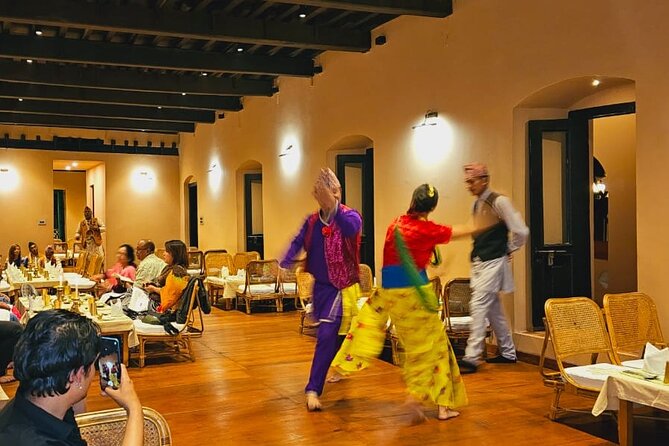
Even when the route is solid, the guide is the difference between a checklist and a story-filled day. The feedback you’re given emphasizes friendliness, knowledge, and pacing. In one highlighted case, the guide Jaya was described as keeping a nice pace and adjusting to a request to start slightly later when possible.
Here’s how to benefit from that setup:
- Ask questions early, not after you’re already halfway through the day
- Let the guide know what you’re most interested in: history, rituals, photography, or simply seeing everything without rushing
- Follow their instructions at active ceremony points so you don’t accidentally get in the wrong spot
Because there’s a mix of Hindu temple space and Buddhist stupa space, context matters. A good guide helps you see connections rather than turning each site into a separate isolated stop.
What to bring for a comfortable, respectful day
The tour includes purified drinking water, which is helpful. Beyond that, you’ll want to be ready for a mix of heritage sites and religious areas.
From my practical viewpoint, pack:
- Comfortable walking shoes (stairs and uneven surfaces are likely)
- Light layers you can adjust, since you may move between shaded and sunny spots
- Cash for the entry fees (since they’re not included)
- A small amount for meals and drinks (not included)
- A respectful approach to clothing and behavior, especially at temple sites where ceremonies and offerings are happening
And because Swayambhunath involves monkeys, keep valuables secure and avoid anything that could attract attention. Your guide will guide you through the right behavior in that area.
Should you book this Kathmandu Valley full-day tour?
Yes, I think you should book it if you want a guided introduction to the valley’s biggest spiritual landmarks without spending your day figuring out transport and timing. The low base price plus hotel pickup makes it especially attractive for a first trip, and the small group limit makes it easier to get answers instead of just following a crowd.
Book it with eyes open about the tradeoffs: entry fees are extra, food is not included, and religious sites come with expectations around respect and sometimes crowds. If you can handle stairs and you’re happy to focus on a curated route, this is a smart way to spend one day in Kathmandu.
If your goal is total freedom and zero structure, you might prefer a self-guided plan. But if you want context and efficiency, this one is a strong pick.
FAQ
How long is the Kathmandu full-day guided tour?
The duration is listed as approximately 4 to 6 hours.
What time does the tour start?
The start time is 9:15am.
Are hotel pickup and drop-off included?
Yes. Pickup and drop-off from and to your hotel are included.
What does the tour price include?
Included items are transportation (car/jeep/van based on group size), a government licensed tour guide, purified drinking water, pickup/drop-off, and government taxes and office service charges.
Are entry fees for the sights included?
No. Entry fees are not included, and they are listed as $20 per person.
Is food and drinks included?
No. Food and drinks are not included.
Is there a group size limit?
Yes. The tour has a maximum of 15 travelers.
Does the tour work for most travelers?
Most travelers can participate.
What happens if the weather is poor?
The experience requires good weather. If it’s canceled due to poor weather, you’ll be offered a different date or a full refund.
Can I cancel for free?
Yes. Free cancellation is available up to 24 hours in advance for a full refund.
Simpler With a Local Guide
More Tours in Kathmandu


More Tour Reviews in Kathmandu
Just Reviewed in Kathmandu
- Mountain Bike Tour
★ 5.0 · 3 reviews - Annapurna Panaroma
★ 5.0 · 3 reviews - Mount Everest Scenic Flight 50 Minutes
★ 5.0 · 3 reviews - Kathmandu : Swambhunath & Durbar Square Guided Half Day Tour
★ 3.3 · 3 reviews - Chandragiri Cable Car & Monkey Temple Tour – Private/Group
★ 5.0 · 3 reviews - Kathmandu: Shivapuri National Park Hiking Day Trip
★ 3.3 · 3 reviews
Guided, compared.
 ★ 4.9Private City Guided TourFrom $40174 reviews
 ★ 5.0Kathmandu Guided TourFrom $12059 reviews
 ★ 5.012 Day Everest Base Camp Guided TrekFrom $1,30040 reviews
 ★ 5.0Kathmandu and Bhaktapur Cities Guided TourFrom $7034 reviews
 ★ 5.0Kathmandu Heritage Day Tour with Guide.From $7030 reviews
 ★ 5.0Everest Base Camp Trek 15 days | Local Guide | Flexible ItineraryFrom $1,89027 reviews
 ★ 5.012-Day Everest Base Camp Guided TrekkingFrom $1,00226 reviews
 ★ 5.05 Day Private Guided Trekking in Annapurna Base CampFrom $22525 reviews