
Review · FULL-DAY
Kathmandu Full Day Tour
Four sacred stops in one day. This Kathmandu full-day circuit strings together major Hindu and Tibetan Buddhist landmarks, with simple hotel transfers and a local guide who explains what you’re actually seeing. It’s a strong first day in Kathmandu when you want the big names without the stress of planning.
I love the hotel pickup and drop-off. You don’t have to figure out where the group meets, and you stay focused on the sights instead of logistics. I also like the small-group approach (max 30) because the day feels tight, not chaotic, even when you’re moving through busy religious areas.
The main drawback to plan around: UNESCO entrance fees aren’t included (about 2600 NPR per person). And while the tour uses private transportation, one serious outlier story shows that if a vehicle issue happens, you may have to walk in traffic while you wait for a fix.
In This Review
- Key things to know before you go
- Why this Kathmandu highlight route works in a single day
- The pacing and group size: small-group comfort with a full schedule
- Your guide makes the temples make sense (and it matters)
- Stop 1: Swayambhunath stupa temple and the Tibetan-Buddhist lens
- Stop 2: Kathmandu Durbar Square and the Hanuman Dhoka palace complex
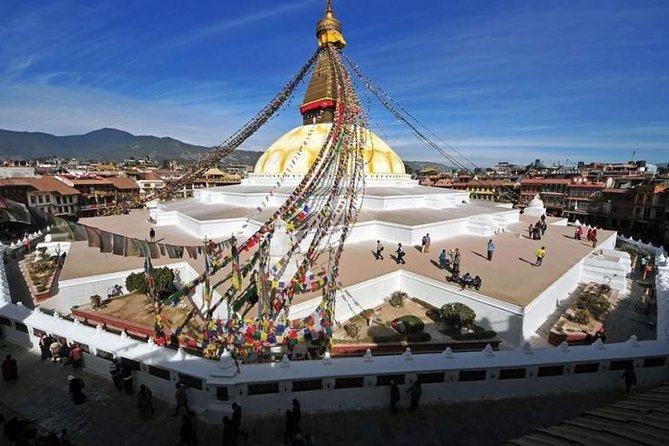
- Stop 3: Boudhanath’s 36-meter stupa and Kathmandu’s Buddhist gravity
- Stop 4: Pashupatinath temple and the Shiva focus
- Price and logistics: what you’re really paying for at $70
- What’s included vs. what you’ll handle yourself
- Earthquake damage note: seeing UNESCO sites in a real Kathmandu
- Who should book this tour (and who might want another option)
- Final verdict: should you book the Kathmandu Full Day Tour?
- FAQ
- FAQ
- How long is the Kathmandu Full Day Tour?
- Which sites does the tour visit?
- Is hotel pickup and drop-off included?
- Are entrance fees to UNESCO sites included in the price?
- Is lunch included?
- What are the tour’s operating hours?
- How big are the groups?
- Is a mobile ticket provided?
- What’s the cancellation policy?
- Do children need to be accompanied by an adult?
Key things to know before you go
- Four iconic UNESCO-listed stops in one focused 6-hour day
- Hotel transfers included, so you can start and finish cleanly
- Hinduism and Tibetan Buddhism side-by-side, guided in plain context
- Time-efficient route for first-timers who want the highlights without extra transit
- Entrance fees not included, so budget for about 2600 NPR per person
- Max 30 travelers, with mobile ticket convenience
More full days, well spent
- Kathmandu: Full Day 7 UNESCO Tour with Lunch – Private/Group★ 5.0 · 415 reviews
- Kathmandu: Full Day Top 4 UNESCO Tour with Lunch – Private/Group★ 5.0 · 269 reviews
- Kathmandu: Full-Day 7 UNESCO Tour with Lunch – Private/Group★ 4.9 · 247 reviews
- Kathmandu: Full Day 7 UNESCO Tour with Lunch – Private/Group★ 5.0 · 101 reviews
Why this Kathmandu highlight route works in a single day
Kathmandu can feel like information overload on day one. This tour’s real value is not just the list of famous monuments—it’s the structure. You get a logical flow through the city’s best-known Hindu and Buddhist sites, with a guide to translate the meaning behind the visuals.
You’ll move through places people travel long distances to see: royal-palace-era courtyards at Kathmandu Durbar Square, the Tibetan Buddhist stupa at Swayambhunath, the massive dome of Boudhanath, and Pashupatinath, devoted to Lord Shiva. The point isn’t to “collect temples.” The point is to understand how religion is lived in Kathmandu—through rituals, architecture, and daily devotion.
If you’re short on time, or you’re arriving and still sorting out neighborhoods, this is the kind of day that helps you get your bearings fast. And because the tour runs within operating hours of 9:15 AM to 5:15 PM, it fits most travel schedules without forcing an early-morning start.
The pacing and group size: small-group comfort with a full schedule
This is designed as a group sightseeing tour with small-group departure and private transportation. With a maximum of 30 travelers, it’s not a massive bus-crew scenario. You’ll still be walking in temple zones, but the day should feel organized and contained rather than wandering.
One thing to be aware of: the itinerary is packed into about 6 hours. That means you may feel a brisk pace at some stops, especially during busy periods. In one case shared by a previous guest, a vehicle problem forced extra walking for part of the route, which can add heat and dust exposure to the day.
My practical advice: wear comfortable shoes, bring water, and plan for short waits at security or entry points at major religious sites. If you need slower movement, tell your guide at the start so they can manage the group rhythm.
Your guide makes the temples make sense (and it matters)
The difference between seeing monuments and understanding them is the guide. This tour includes a local tourist guide, and the best experiences on this route come from guides who can explain significance clearly.
In particular, Birodh (also listed as Birodh Burlakoti) shows up in multiple positive comments for excellent English and for bringing the sights to life with historical and cultural context. Another theme in the feedback is that the guidance wasn’t just a list of facts. It was interpretation—what Hindu and Buddhist practices look like in Kathmandu, and why these specific places are so central.
If English clarity matters to you, pay attention to this detail when you book: a guide with strong pronunciation and an easy speaking pace can change your entire day, especially with difficult place names.
Stop 1: Swayambhunath stupa temple and the Tibetan-Buddhist lens
You’ll start at Swayambhunath, a Tibetan Buddhist stupa temple in Kathmandu. This is a great opening stop because it sets the tone for the rest of the day. You’ll immediately see how Buddhist symbolism shows up in the city’s most visible religious architecture.
What to expect here is a short, focused visit—about 1 hour on the itinerary. Entrance fees are not included, so you’ll need to factor that into your budget.
This first stop is also a useful mental warm-up. When you shift later to Hindu sites like Pashupatinath, you’ll recognize patterns faster: sacred spaces designed for movement and attention, with people approaching the same spiritual ideas through different traditions.
Stop 2: Kathmandu Durbar Square and the Hanuman Dhoka palace complex
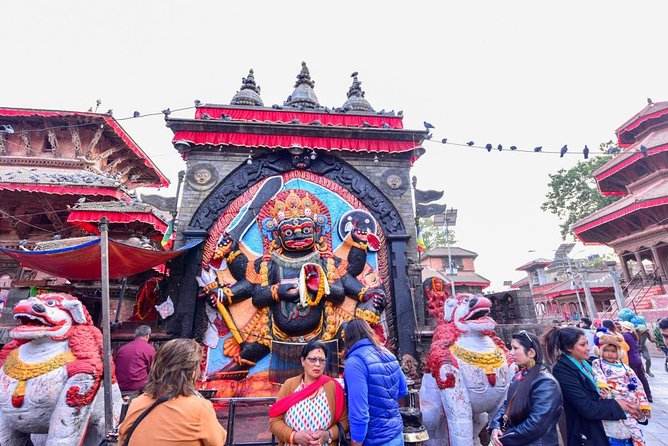
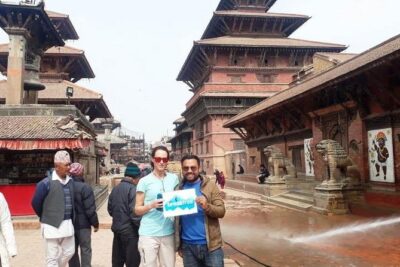
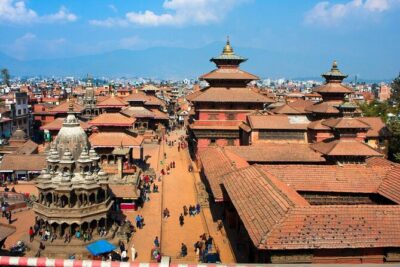
Next up is Kathmandu Durbar Square, also called Hanuman Dhoka/Basantapur. This is the “royal Kathmandu” zone—palaces, courtyards, and temple structures centered around the old power center. The place is UNESCO-listed and it’s a top choice for first-timers because it delivers a strong sense of what the city looked like historically.
Again, you’re looking at around 1 hour here. The tour frames it as more than sightseeing: you’ll learn how the layout and monuments connect to Nepali culture and the larger religious world of Kathmandu.
A key consideration: Durbar Square areas can be active and crowded, and some parts may look different due to restoration needs after the earthquakes in April and May 2015. The tour specifically notes significant earthquake damage at some sites, so it’s worth having realistic expectations. You’re still seeing UNESCO-class monuments—you may just see a mix of restored and repaired sections.
Stop 3: Boudhanath’s 36-meter stupa and Kathmandu’s Buddhist gravity
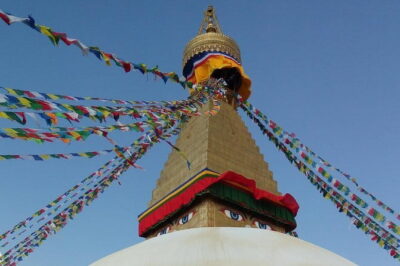
Then you head to Boudhanath stupa, described as the largest stupa in the Kathmandu Valley and roughly 8 km east of downtown. This is one of those places where architecture does the explaining.
You’ll spend about 1 hour here. The famous detail is the stupa’s size: it’s about 36 meters high. Even if you’re not a hardcore architecture nerd, that scale pulls you into the site. The stupa becomes a kind of religious center you can feel even before you understand all the symbolism.
If you like photography, this is a strong stop. One review highlighted that guide Birodh was especially good at pointing out photo spots. The practical takeaway for you: at Boudhanath, don’t rush—look around from different angles, and try to catch the stupa from both close range and from a little distance.
Because entrance fees aren’t included, you’ll want to keep an eye on when you’ll pay so your day doesn’t get interrupted by money logistics mid-route.
Stop 4: Pashupatinath temple and the Shiva focus
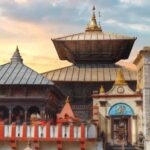
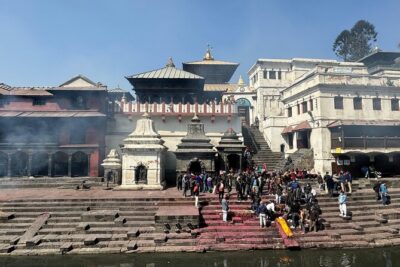
Finally, you’ll visit Pashupatinath Temple, a Hindu temple honoring Lord Shiva. This site is treated as one of the most vital Shiva centers in Asia for devotees. It’s also historically deep: built in the fifth century and later redesigned by Malla rulers.
You’ll get about 1 hour at this stop. Like the others, entrance fees are not included, so budget accordingly.
This is a powerful closing contrast to the Buddhist stupas earlier in the day. By this point, you’ll have seen religious architecture in two different languages—Buddhist stupa form and Hindu temple form. The guide’s job here is crucial: you’ll want them to explain what you’re looking at, what people are doing, and why the site carries such importance.
A practical note: Pashupatinath areas are religious spaces first. Dress respectfully, keep your voice down, and follow any guidance from staff or your guide.
Price and logistics: what you’re really paying for at $70
At $70 per person for about 6 hours, this tour is priced for value in a very specific way: it bundles transportation, a local guide, and hotel pickup/drop-off while hitting multiple UNESCO-listed sites.
You still need to plan for additional costs:
- Entrance fees to UNESCO sites: about 2600 NPR per person (not included)
- Lunch: not included
So the true cost is “$70 plus site entry (and your meals).” For many people, that math works out well because you’re saving time and effort versus trying to coordinate private guides and transit across the full route yourself.
Also, the tour uses a mobile ticket and offers group discounts, which can matter if you’re traveling with friends. Small-group departure and private transportation help keep the day smooth—when everything runs as expected.
One caution from the record: there was an example of a car breaking down halfway and the group being asked to walk in dusty traffic conditions. That’s not something you can predict or control, but it’s a reminder to pack essentials and stay flexible.
What’s included vs. what you’ll handle yourself
Here’s the practical split:
Included
- Hotel pickup and drop-off
- Local tour guide
- Small group departure
- Private transportation
Not included
- Lunch
- Entrance fees (about 2600 NPR per person)
- Shopping time or expenses
That means you should plan your day like this: start with a full day’s energy, then expect to either snack between stops or find lunch around the time the group is passing through the stupa-heavy areas.
Earthquake damage note: seeing UNESCO sites in a real Kathmandu
This tour explicitly flags that some sites visited have significant damage due to the earthquakes in April and May 2015. That matters because it affects what you’ll see on the ground: repairs, closures, and partial access are all possible where restoration is still in progress.
The good news is that UNESCO-listed doesn’t mean pristine. It means historically important—and often still actively cared for. So if you see scaffolding, repaired sections, or areas that look slightly different than what you expected from photos online, that’s consistent with the tour’s reality check.
Who should book this tour (and who might want another option)
This is a strong fit if:
- You’re seeing Kathmandu for the first time and want the core Hindu and Tibetan Buddhist highlights
- You want a guided, structured day rather than piecing together routes on your own
- You’re staying in a place where hotel pickup saves you a lot of time
It might feel less ideal if:
- You’re extremely sensitive to walking pace and heat during a tight itinerary
- You hate paying extra entry fees on top of a tour price
- You want deeper time at one site rather than quick, guided coverage of four major landmarks
If you fall into the “need slower movement” category, the best strategy is to communicate early. If your schedule allows, consider making one stop your “long one” and use the others for orientation.
Final verdict: should you book the Kathmandu Full Day Tour?
I think you should book this tour if your goal is simple: get a guided hit of Kathmandu’s most important UNESCO-listed Hindu and Buddhist sites in a single, organized day. The combination of hotel pickup, a local guide, and the four-stop route is exactly the kind of first-day support that prevents you from wasting time.
I’d hesitate only if you’re trying to avoid entrance fees or you want a slow, unhurried day at just one monument. Also keep in mind that while the tour generally uses private transportation, one outlier incident shows that rare transport trouble can happen, and you may need to adapt.
If you’re okay with that trade-off, this is a practical way to understand Kathmandu’s spiritual map fast—and leave day one with context, not just photos.
FAQ
FAQ
How long is the Kathmandu Full Day Tour?
It’s about 6 hours.
Which sites does the tour visit?
The tour includes Swayambhunath Temple, Kathmandu Durbar Square, Boudhanath Stupa, and Pashupatinath Temple.
Is hotel pickup and drop-off included?
Yes. Pickup from your hotel and drop back to your hotel after the tour are included.
Are entrance fees to UNESCO sites included in the price?
No. Entrance fees are not included and are listed at approximately 2600 NPR per person.
Is lunch included?
No. Lunch is not included.
What are the tour’s operating hours?
The opening hours are 9:15 AM to 5:15 PM, Monday through Sunday.
How big are the groups?
The tour has a maximum of 30 travelers.
Is a mobile ticket provided?
Yes. The tour includes a mobile ticket.
What’s the cancellation policy?
Free cancellation is available up to 24 hours in advance for a full refund.
Do children need to be accompanied by an adult?
Yes. Children must be accompanied by an adult.
A Full Day, Well Spent

More Tours in Kathmandu

More Tour Reviews in Kathmandu

Just Reviewed in Kathmandu
- Mountain Bike Tour
★ 5.0 · 3 reviews - Annapurna Panaroma
★ 5.0 · 3 reviews - Mount Everest Scenic Flight 50 Minutes
★ 5.0 · 3 reviews - Kathmandu : Swambhunath & Durbar Square Guided Half Day Tour
★ 3.3 · 3 reviews - Chandragiri Cable Car & Monkey Temple Tour – Private/Group
★ 5.0 · 3 reviews - Kathmandu: Shivapuri National Park Hiking Day Trip
★ 3.3 · 3 reviews
Full-Day, compared.
 ★ 5.0Full Day 7 UNESCO Tour with Lunch – Private/GroupFrom $10415 reviews
 ★ 5.0Full Day Top 4 UNESCO Tour with Lunch – Private/GroupFrom $10269 reviews
★ 4.9Full-Day 7 UNESCO Tour with Lunch – Private/GroupFrom $5247 reviews
★ 5.0Full Day 7 UNESCO Tour with Lunch – Private/GroupFrom $5101 reviews
★ 5.0Full Day Top 4 UNESCO Tour with Lunch – Private/GroupFrom $10269 reviews
★ 4.9Full-Day 7 UNESCO Tour with Lunch – Private/GroupFrom $5247 reviews
★ 5.0Full Day 7 UNESCO Tour with Lunch – Private/GroupFrom $5101 reviews
 ★ 5.0Full Day Private Top 4 UNESCO Heritage Tour W/Lunch.From $1086 reviews
★ 5.0Full Day Top 4 UNESCO Tour with Lunch – Private/GroupFrom $567 reviews
★ 5.0Full Day Private Top 4 UNESCO Heritage Tour W/Lunch.From $1086 reviews
★ 5.0Full Day Top 4 UNESCO Tour with Lunch – Private/GroupFrom $567 reviews
 ★ 5.0Kathmandu Heritage Tour (Full Day)From $3863 reviews
 ★ 5.0Full Day Guided Tour in KathmanduFrom $561 reviews