
Review · TOURS
Kathmandu: Kailash Mansarovar Yatra Tour 2025
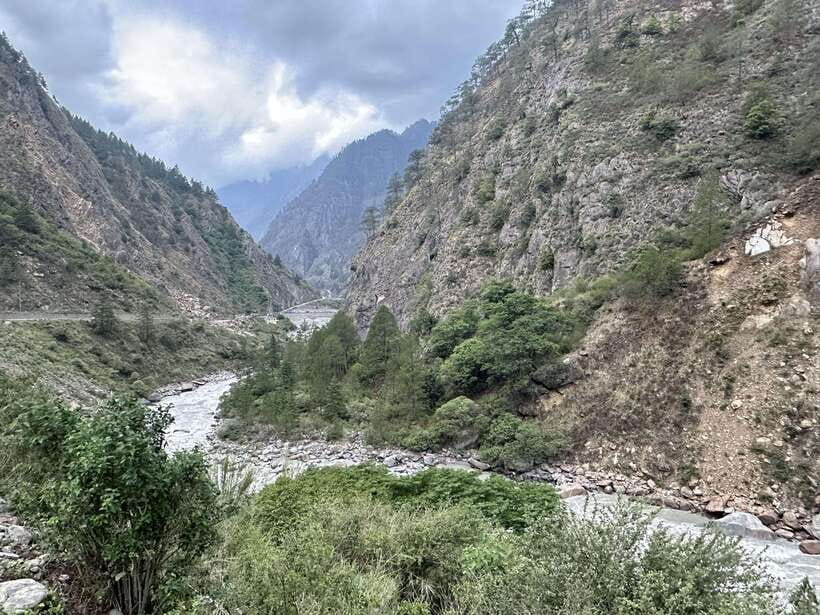
Kailash turns the whole trip into a slow prayer. This 15-day Kathmandu to Tibet journey mixes spiritual Kora around Mount Kailash with big cultural contrast, from Kathmandu’s UNESCO temples to the Tibetan plateau’s stark beauty. I like the way the route builds from acclimatization drives into a real high-altitude trek, so you’re not just staring at mountains—you’re moving through them.
Two things I especially like: you get UNESCO highlights in Kathmandu (Kathmandu Durbar Square, Swayambhunath, Boudhanath, and Pashupatinath), then you shift gears into the Tibetan side with a guided Kailash Kora and a pass crossing like Droma La Pass. One possible drawback: conditions can be unpredictable in this region, and when weather or road disruptions hit, you may face extra nights in places like Kerung, with added costs that can be on you.
Their support also seems to matter in the real world. In past departures, people praised help from Peregrine Treks staff (including named support from Mr. CarKey) with the pre-trip process and smooth handling once you’re over the border.
In This Review
- Key highlights worth penciling in
- Kathmandu first: UNESCO temples and a clear start
- Heading toward the border: Nagarkot’s altitude views and a long road day
- Crossing into Tibet at Kerung: acclimatization with a cultural shift
- Mansarovar Lake: the moment most people came for
- Darchen base rhythm: preparing for the Kora
- The Kora on foot: Derapuk, north-face views, and the sense of purpose
- Droma La Pass and Zutulpuk: hardest day, strongest story
- Finishing the Kora and the drive back through Saga and Kerung
- Price and what $4,013 buys you on a remote pilgrimage
- What to pack: warm layers, cash, and fewer regrets
- Safety, pace, and optional help on the Kora
- Who this tour suits best (and who should skip it)
- Should you book Kathmandu: Kailash Mansarovar Yatra Tour 2025?
- FAQ
- How long is the Kathmandu to Kailash Mansarovar tour?
- What is the group size?
- Which UNESCO World Heritage Sites are visited in Kathmandu?
- Is lunch and dinner included during the Kailash tour?
- What about visa costs for Americans, Canadians, and British passport holders?
- Do I get breakfast during the Tibet portion?
- Are porter services or pony hiring included?
- Are there restrictions on what I can carry or post about the Dalai Lama in Tibet?
Key highlights worth penciling in
- Mount Kailash circumambulation (Kora) for the full spiritual rhythm, not a quick photo stop
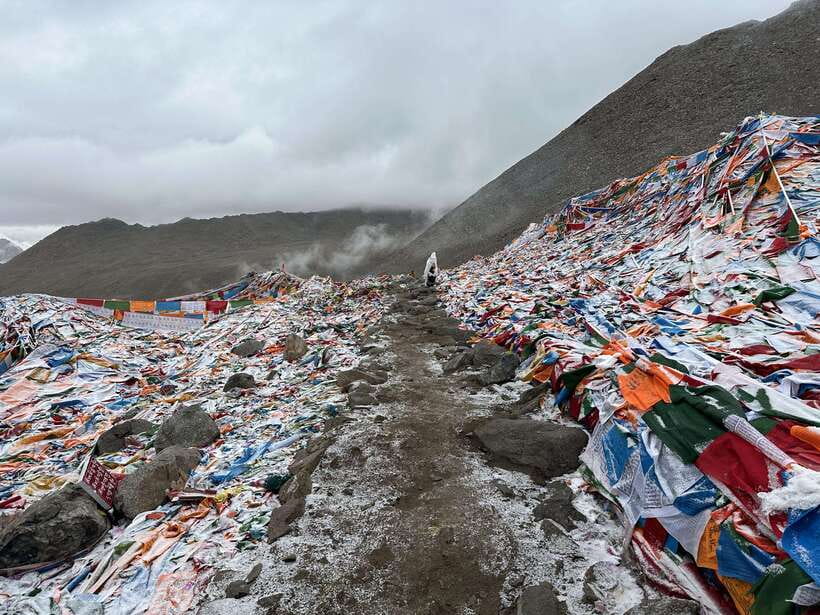
- Droma La Pass crossing that adds real challenge and a strong sense of achievement
- Mansarovar Lake rituals and stillness—quiet time with big views and meaningful moments
- Kathmandu UNESCO circuit to ground you in Nepal’s Hindu/Buddhist sacred geography
- Small group size (up to 10) for easier pace control and calmer logistics
- English-guided support with an English-speaking Tibetan guide on the Tibet side
Not sure yet? Here are other Kathmandu tours worth a side-by-side look.
- Everest Base Camp Trek – 14 Days★ 5.0 · 1,499 reviews
- Everest Base Camp Trek★ 5.0 · 842 reviews
- Private Kathmandu Sightseeing Tour | UNESCO World Heritage sites★ 5.0 · 756 reviews
- Kathmandu: 7 UNESCO Sites with Lunch★ 4.8 · 744 reviews
Kathmandu first: UNESCO temples and a clear start
You start in Kathmandu with two goals: get settled and get your bearings fast. After you land at Tribhuvan International Airport, you transfer to a 3-star hotel and use the first day to rest and acclimatize to Nepal’s altitude and energy level.
The next full day is where you set the spiritual context. You visit four UNESCO World Heritage Sites: Kathmandu Durbar Square, Swayambhunath (Monkey Temple), Boudhanath Stupa, and Pashupatinath Temple. This combo matters because it mixes what most people come to Nepal for: architecture, ritual life, and a sense that faith here is not a museum item. You’ll also understand why Mount Kailash and Lake Mansarovar are revered across Hindu, Buddhist, Jain, and Bon traditions.
A practical note: Kathmandu walking can be steady, not extreme, but it’s still city walking on uneven surfaces. Wear comfortable shoes and bring layers—you’ll be moving between temple steps, courtyards, and viewpoints.
Heading toward the border: Nagarkot’s altitude views and a long road day
Before you cross into Tibet, you get a day hike from Bhaktapur to Nagarkot. This isn’t just exercise. It’s a controlled taste of height and weather, with panoramic Himalayan views when conditions cooperate. It also gives you time to learn the rhythm you’ll later use on the Kora: slow pace, frequent water stops, and paying attention to how your body responds.
Then you drive toward the Nepal–Tibet border through Rasuwa-gadhi, taking the scenic route via the Langtang region. Expect a long day on the road and a change in everything you see. Nepal’s greenery and villages give way to a more serious, high-altitude feel as you approach the border area.
This part is included with private jeep service from Kathmandu to Rasuwagadhi and back, and all transport inside Tibet per the planned schedule. Having experienced drivers is a big deal here: the roads can be rough and winding, and time on the vehicle tends to feel longer than you expect.
Crossing into Tibet at Kerung: acclimatization with a cultural shift
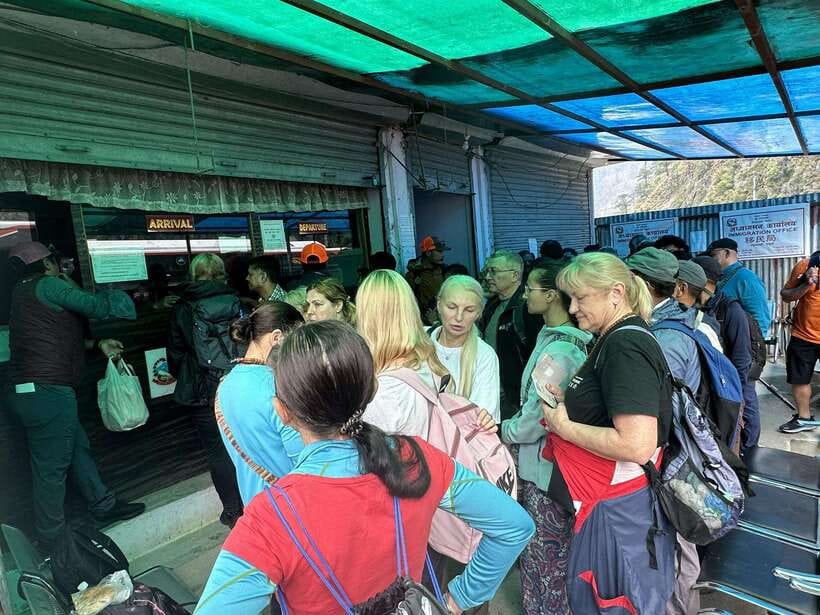
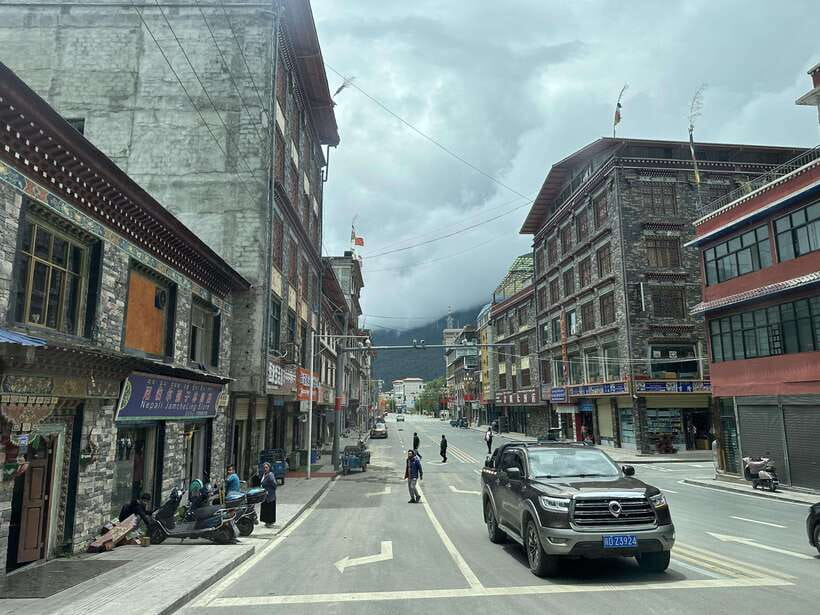
Once you cross the border, the trip moves into its second identity: Tibet. You drive to Kerung and spend time exploring the town and local temples. Even if you’re mostly thinking about the sacred sites ahead, Kerung helps you adjust to new temple styles, different language signage, and a colder, drier atmosphere.
From there, you push deeper to Saga. The drive is where you’ll often feel altitude more strongly—not necessarily because you suddenly climb, but because your body starts noticing thinner air and colder night temperatures.
You should plan to take acclimatization seriously. This tour includes acclimatization days, but that doesn’t mean you can ignore how you feel. If you get headaches, feel unusually tired, or notice breathing that’s more labored than normal, tell your guide and slow your pace.
Mansarovar Lake: the moment most people came for
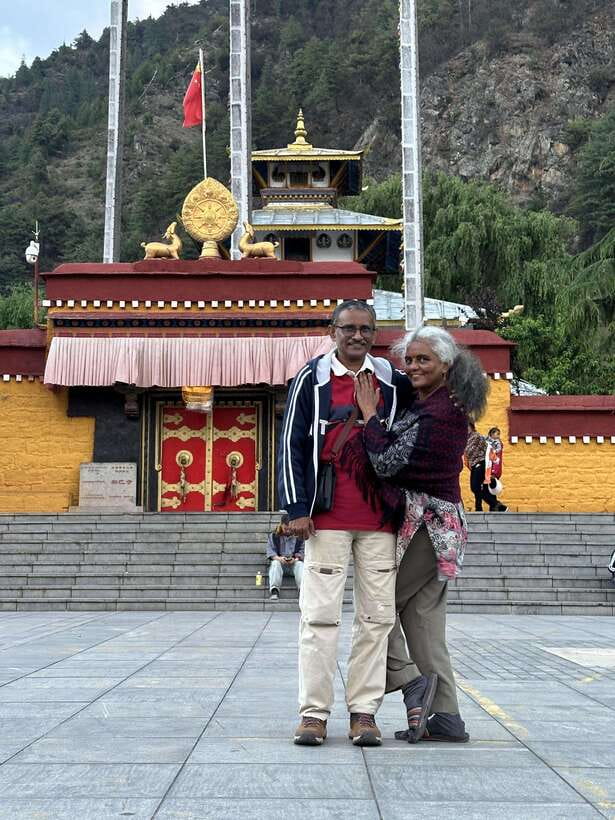
Reaching Lake Mansarovar is the emotional payoff. It’s the sacred lake associated with purity and transcendence for multiple religious traditions, and the atmosphere around it is usually quiet and focused.
You’ll spend a full day at Lake Mansarovar with time for spiritual rituals and soaking in the serenity. You’re not just checking a box. This is one of those rare travel days where people tend to go still—watch the light on the water, look toward the mountain views, and let the setting do its work.
One practical detail: lunch and dinner during the Kailash tour portion are not included, but breakfast in Tibet is included for all nine mornings. So you’ll want to budget and plan for meals during the active sacred days. Also bring cash for personal expenses, since ATMs may not be available.
If you care about comfort, sleep matters here. Accommodation at Mansarovar is listed as shared guest houses. Basic doesn’t mean unsafe—it just means simpler conditions. Temperatures can drop fast at night, so keep your warm layers easy to reach.



Darchen base rhythm: preparing for the Kora
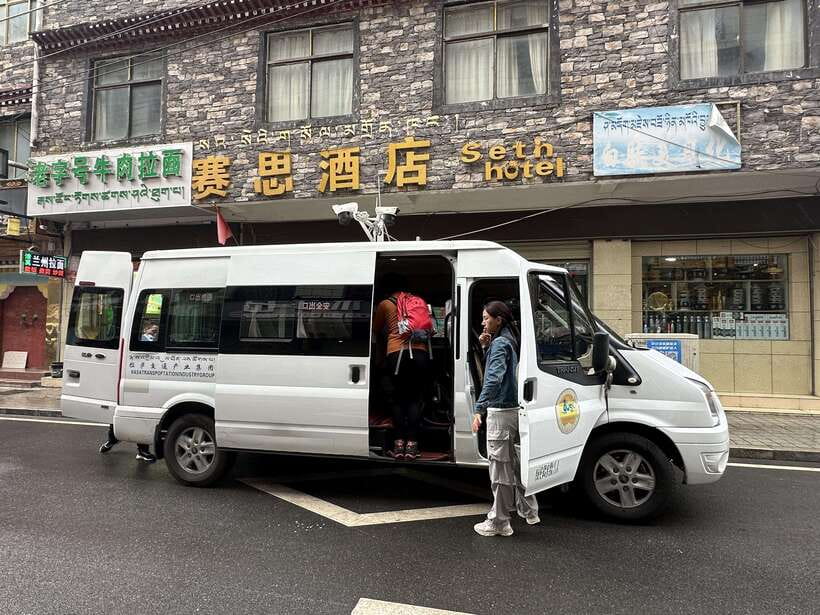
After Mansarovar, you drive to Darchen, which functions like a staging point for the Kailash Kora. This is one of those “quiet prep” days. You’ll get ready for the circumambulation, and you can also use the time to mentally switch from driving-and-seeing into walking-and-persisting.
You’ll be trekking at high altitude soon. The tour includes guidance and permits, but you still have to do your part: take breaks, pace carefully, and keep warm. The high-altitude trek requires good fitness, and you’ll feel it even if you’re an experienced hiker.
The Kora on foot: Derapuk, north-face views, and the sense of purpose
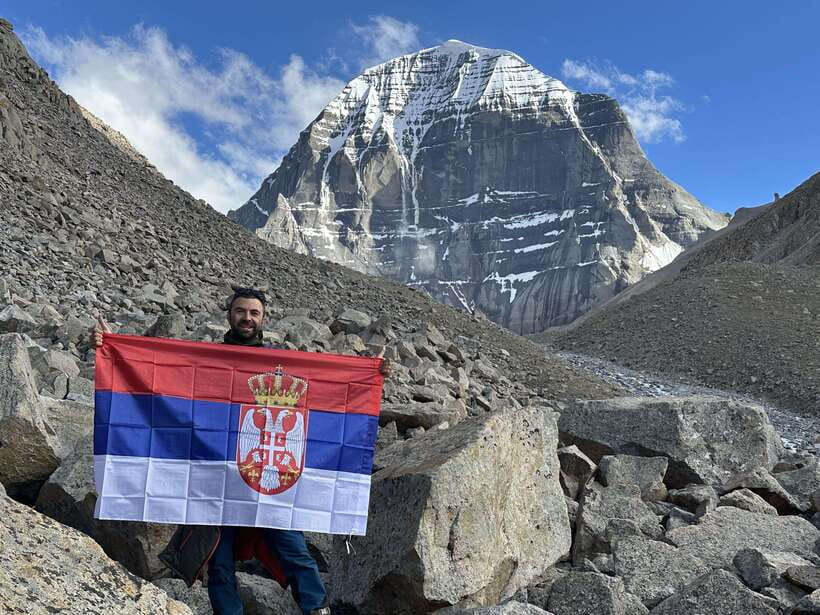
You start the Kora with a trek to Derapuk, and you’ll see stunning views of Mount Kailash, including the north face. This is the part where the trip becomes more than scenery. You’re moving around a sacred mountain that sits at the center of belief systems for Hindus, Buddhists, Jains, and Bon followers.
The day-to-day trek pattern matters: you gain enough to feel you’re in altitude country, but you’re also given the chance to adapt to the walking demands. Your guide plays a key role here, especially with timing and safety instructions.
And don’t ignore the mental side. People often expect the trek to feel like an adventure hike. It’s that, but it’s also repetitive in a meaningful way—same mountain, changing angles, and a steady flow of prayer-focused movement.
Droma La Pass and Zutulpuk: hardest day, strongest story
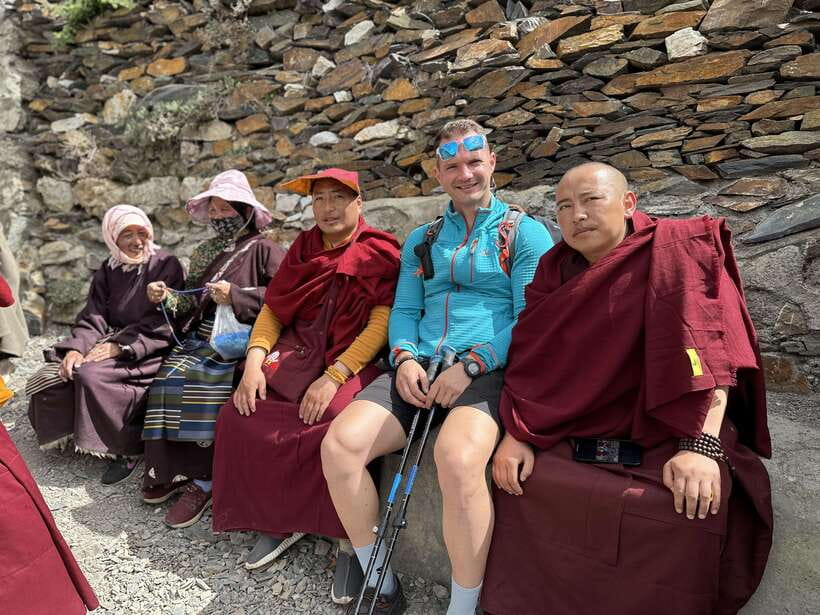
The core challenge comes on the day you trek to Zutulpuk via Droma La Pass. This is the highest point of the trek. It’s also where you’ll reflect on the spiritual significance of the pass—because your body will already be doing the talking.
This segment is the one that tends to separate comfortable walkers from the truly prepared. In past groups, people described it as tough on the trail. You’ll want to be honest about your fitness: good endurance helps more than speed.
After the pass, you reach Zutulpuk Monastery. The monastery visit adds spiritual weight to the day’s effort, so it doesn’t feel like suffering for no reason. It’s also a helpful reset point—warm up, regroup, and let your breathing come back down to normal before you move on.
You’ll sleep at shared guest houses in Zutulpuk. Some travelers found the accommodation basic and preferred more outdoor-style comfort. I’d treat this as a “plan for simple” situation: warm layers, sleeping comfort, and willingness to accept fewer comforts than in Kathmandu.
Finishing the Kora and the drive back through Saga and Kerung
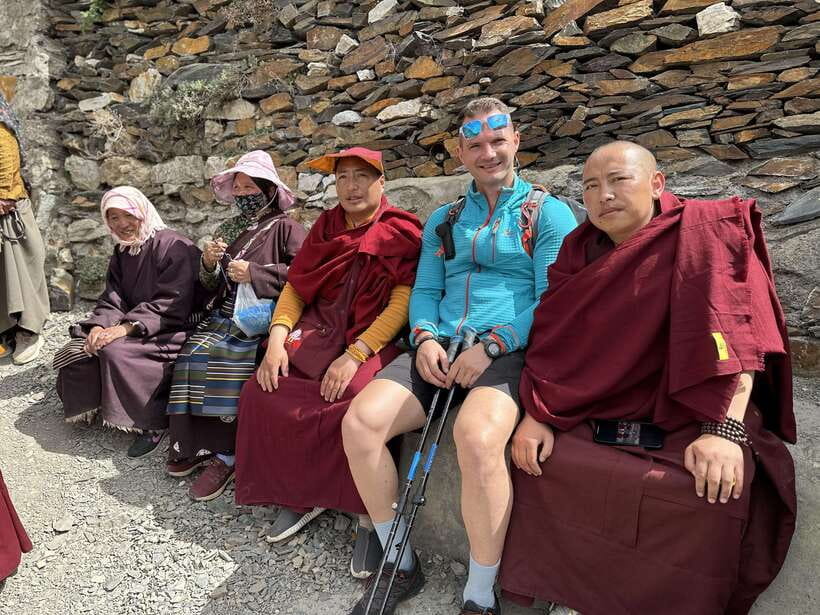
Completing the Kora brings a huge sense of closure. You retrace back toward Darchen, and then you drive to Saga. You’ll spend time reflecting on what you just finished and shifting back into vehicle travel mode.
Then comes the return drive toward Kerung and crossing back into Nepal, followed by the trip back to Kathmandu. The last views from the Tibetan terrain can feel surprisingly emotional—like the mountains are giving you one more quiet look before you turn the page.
In past departures, road or landslide disruptions affected timing and caused extra time in Kerung. The tour data makes it clear that extra costs due to natural or political reasons are the traveler’s responsibility if you end up needing to stay beyond the scheduled plan. My practical advice: if your calendar allows it, plan buffer days in Kathmandu so you’re not stuck fighting schedules.
Price and what $4,013 buys you on a remote pilgrimage
At $4,013 per person for a 15-day trip, this is not a cheap journey—but it’s also not only paying for sightseeing. You’re paying for the hard-to-fake parts:
- Transport to and within Tibet, including private vehicle arrangements and a private jeep setup for border transfers
- Permits and entrance fees, including necessary Tibet travel permit and UNESCO entrance fees in Kathmandu
- English-speaking guidance, including a Tibetan guide in Tibet and an English guide for the Nagarkot hike
- Accommodation structure: 3-star hotel comfort in Kathmandu plus nine nights in Tibet with six nights in 3-star hotels and three nights in shared guest houses
- Breakfast included in Tibet (nine mornings), which reduces meal uncertainty during the higher-stress trekking days
What you don’t get (and you should budget for): airfare, travel insurance, Nepal visa fees, the Chinese visa cost, lunch/dinner during the Kailash tour days, and optional porter/pony services for the trek.
If you like value thinking, here’s the honest way to judge it: are you willing to accept basic lodge conditions in remote places and the possibility of delays? If yes, the price can feel fair for a guided, permit-driven, cross-border experience. If no, you’ll feel the cost more sharply when conditions don’t go perfectly.
What to pack: warm layers, cash, and fewer regrets
Bring warm clothing, a hat, comfortable shoes, and sunscreen. Sun is intense at altitude, and cold can sneak up when the sun drops.
Also pack snacks and water. You’re crossing high passes and trekking in demanding conditions, and it’s smart to have something familiar that doesn’t depend on roadside availability.
Cash matters too. ATMs may not be available, and personal expenses come up even in well-run tours.
One more thing: you need to plan your devices and documents for Tibet carefully. The tour data states you are strictly forbidden from carrying items like photos, books, CDs, DVDs, or digital devices related to the Dalai Lama or other Tibetan leaders, and you are prohibited from sharing or posting content about the Dalai Lama on social media platforms like Facebook, Twitter, and YouTube. That’s not just a suggestion; it’s a hard rule for this trip.
Safety, pace, and optional help on the Kora
This is a high-altitude trek. The tour notes it’s not suitable for people with back problems, heart problems, or for wheelchair users, and it’s not for children under 10 or pregnant women.
If you’re eligible but not sure, ask yourself two questions:
1) Can you hike at altitude for several hours on rough terrain without pushing too hard?
2) Can you handle cold nights and basic accommodation without spiraling?
For physical support, you can use a porter service or pony hire—but they cost extra. Porter fee is $350 for three days and includes carrying 12 kg including food and accommodation. Pony hiring is $600 for three days if needed. I like having these options because they let you manage your risk without changing the spiritual focus of the Kora.
Alcohol and drugs are not allowed, and you’ll be expected to follow your guide’s safety instructions at altitude. Respect local customs and avoid littering—simple, but it makes a huge difference in sacred places.
Who this tour suits best (and who should skip it)
This works best if you want a spiritually focused route, not a luxury-only retreat. You’ll enjoy it if you:
- Like guided experiences with an English-speaking Tibetan guide
- Want the combination of Kathmandu sacred sites plus the main pilgrimage in Tibet
- Are physically prepared for a high pass like Droma La Pass
- Prefer a small group (up to 10) and a steady pace over constant rushing
You might skip it if you:
- Have heart or significant back problems
- Need mobility assistance that a trek cannot provide
- Want a fully comfortable lodge experience at every stop
- Are traveling with a hard deadline and zero flexibility for delays
Should you book Kathmandu: Kailash Mansarovar Yatra Tour 2025?
If you’re chasing meaning and you’re comfortable with remote, simple accommodations, I think this is a strong choice. The main reason is the structure: Kathmandu gives you sacred grounding, Tibet gives you the big spiritual centers, and the Kora provides the active, life-shaping core of the trip.
Book it if you can handle the fitness demands, pack for real cold, and keep a buffer in your calendar. I’d also plan extra days in Kathmandu at the end if your schedule allows, because weather and road disruptions can happen and may affect timing and costs.
Skip it if you want minimal effort hiking, maximum comfort, or you can’t manage the rules around Tibet travel documentation and permitted items. This trip is powerful—but it asks you to participate, not just observe.
FAQ
How long is the Kathmandu to Kailash Mansarovar tour?
The tour duration is 15 days.
What is the group size?
It is a small group limited to 10 participants.
Which UNESCO World Heritage Sites are visited in Kathmandu?
Kathmandu Durbar Square, Swayambhunath (Monkey Temple), Boudhanath Stupa, and Pashupatinath Temple.
Is lunch and dinner included during the Kailash tour?
No. Lunch and dinner during the Kailash tour are not included.
What about visa costs for Americans, Canadians, and British passport holders?
The Chinese visa is listed as USD 250 for American, Canadian, and British passport holders.
Do I get breakfast during the Tibet portion?
Yes. Breakfast is included for all nine mornings in Tibet.
Are porter services or pony hiring included?
No. Porter services cost USD 350 for three days (carrying 12 kg, including food and accommodation). Pony hiring costs USD 600 for three days if needed.
Are there restrictions on what I can carry or post about the Dalai Lama in Tibet?
Yes. You are strictly forbidden to carry items such as photos, books, CDs, DVDs, or digital devices related to the Dalai Lama or other Tibetan leaders, and you are prohibited from sharing or posting content about the Dalai Lama on social media platforms like Facebook, Twitter, and YouTube.
More Tours in Kathmandu




More Tour Reviews in Kathmandu




Just Reviewed in Kathmandu
- Mountain Bike Tour
★ 5.0 · 3 reviews - Annapurna Panaroma
★ 5.0 · 3 reviews - Mount Everest Scenic Flight 50 Minutes
★ 5.0 · 3 reviews - Kathmandu : Swambhunath & Durbar Square Guided Half Day Tour
★ 3.3 · 3 reviews - Chandragiri Cable Car & Monkey Temple Tour – Private/Group
★ 5.0 · 3 reviews - Kathmandu: Shivapuri National Park Hiking Day Trip
★ 3.3 · 3 reviews
Tours, compared.
 ★ 5.0Everest Base Camp Helicopter Tour landing at Everest View HotelFrom $1,575668 reviews
 ★ 5.0Full Day 7 UNESCO Tour with Lunch – Private/GroupFrom $10415 reviews
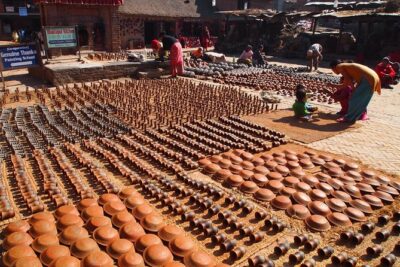 ★ 5.0Private Bhaktapur and Nagarkot Day Tour From KathmanduFrom $20305 reviews
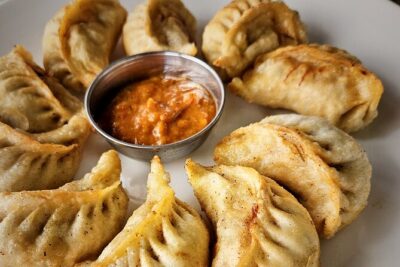 ★ 4.9Food and Drink Walking TourFrom $34292 reviews
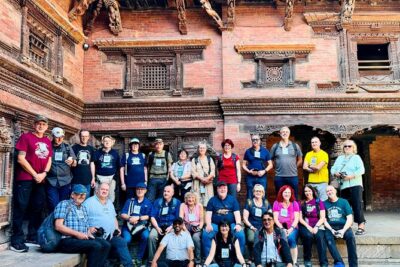 ★ 5.0Full Day Top 4 UNESCO Tour with Lunch – Private/GroupFrom $10269 reviews
★ 5.0Kathmandu Food and Drink Walking TourFrom $36266 reviews
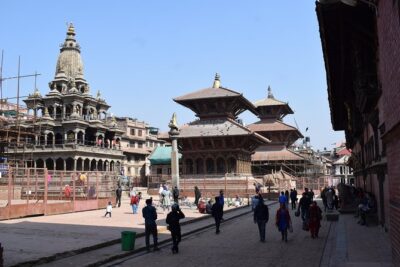 ★ 5.0UNESCO Seven World Heritage Tour in KathmanduFrom $180253 reviews
★ 4.9Full-Day 7 UNESCO Tour with Lunch – Private/GroupFrom $5247 reviews