
Review · TOURS
Life and spirituality tour of Kathmandu
Spiritual Kathmandu hits different. I love how the day links Hindu and Buddhist practice to everyday life, and I also love the private hotel pickup that keeps everything simple. One heads-up: entrance fees are extra, so plan a little cash for the stops where admission isn’t covered.
You’ll spend about 6–8 hours moving at a comfortable pace, with an air-conditioned vehicle and bottled water included. This tour is also wheelchair and stroller accessible, and it’s set up for your group only, so you’re not stuck waiting on strangers.
In This Review
- Key things that make this day tour work
- Private pickup and how to pace your 6–8 hour spiritual day
- Kathmandu Durbar Square: old courtyards and Vastu clues
- Patan Durbar Square in Lalitpur: craft traditions that traveled far
- Pashupatinath Temple: Hindu practice, Shiva devotion, and real-life ceremony
- Boudhanath Stupa: Little Tibet atmosphere and the Buddhist rhythm
- What this tour includes—and how the $55 value adds up
- Timing, comfort, and small things that can change your experience
- Which stops are most worth your attention, depending on your interests
- Who should book this Kathmandu life-and-spirituality day
- Should you book Life and Spirituality Tour of Kathmandu?
- FAQ
- How long is the Life and Spirituality tour of Kathmandu?
- Do I get hotel pickup?
- Are entrance fees included?
- What’s included in the tour price?
- Is this a private tour?
- Is the tour wheelchair and stroller accessible?
- What are the tour’s operating hours?
Key things that make this day tour work
- Hotel pickup in a private car means you start relaxed and stay efficient
- Real explanations of Hinduism and Buddhism help you understand what you’re seeing
- Boudhanath + Pashupatinath give you a strong spiritual contrast in one day
- Walk the old-city courtyards and lanes instead of only “look-from-the-street” stops
- Durbar Square time stays simple since admission is listed as free at those sites
- Practical pacing for 6–8 hours makes it doable even with a busy Kathmandu schedule
Not sure yet? Here are other Kathmandu tours worth a side-by-side look.
- Everest Base Camp Trek – 14 Days★ 5.0 · 1,499 reviews
- Everest Base Camp Trek★ 5.0 · 842 reviews
- Private Kathmandu Sightseeing Tour | UNESCO World Heritage sites★ 5.0 · 756 reviews
- Kathmandu: 7 UNESCO Sites with Lunch★ 4.8 · 744 reviews
Private pickup and how to pace your 6–8 hour spiritual day
This is the kind of Kathmandu day trip that feels like a personal briefing, not a rushed checklist. You get collected from your hotel by a guide and driver, then you’re off in an air-conditioned vehicle—great when Kathmandu traffic and midday sun turn your plans into a sweat test.
The pacing matters here. The day is designed for roughly 6–8 hours, with a mix of driving and time on foot. That balance helps because you’ll need a little walking for the old-city atmosphere, but you won’t be stuck doing long, grinding marches in temples and courtyards.
Another practical win: you’re not sharing the day with a random crowd. It’s a private tour, so if you want to ask questions (and you will, once you start seeing the rituals up close), the guide can answer without turning into a stop-and-go translator. Mobile ticketing and group discounts are also part of the setup, which makes it easier if you’re booking with more than one person.
Kathmandu Durbar Square: old courtyards and Vastu clues
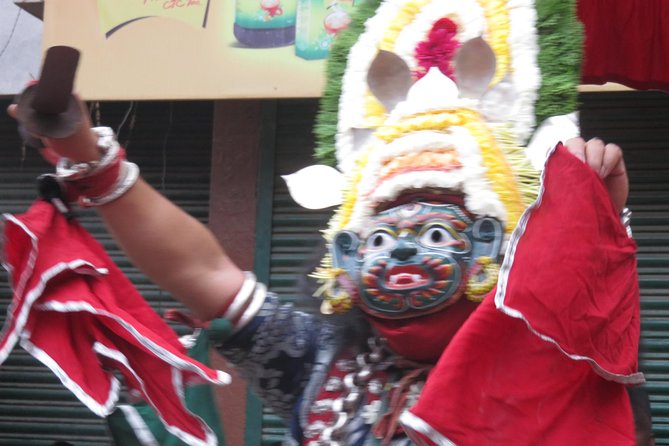
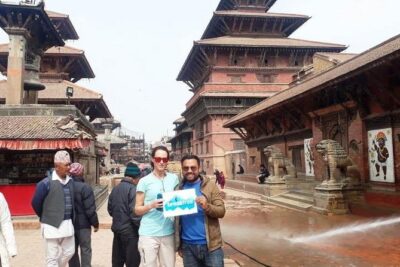
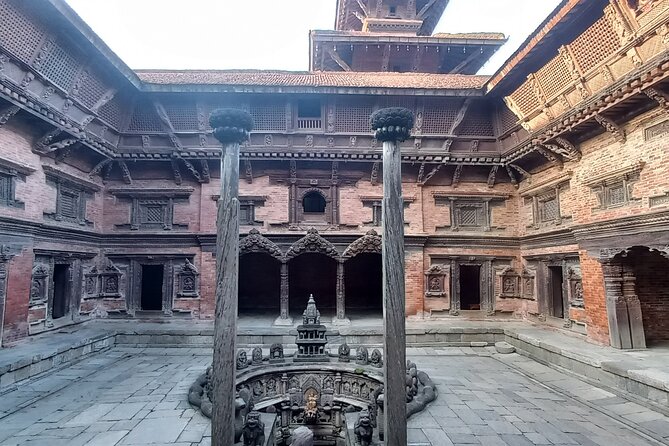
Your day starts in Kathmandu’s historic core, with time at Kathmandu Durbar Square. This isn’t just about big monuments; it’s about the smaller, quieter spiritual spaces where medieval cultural and religious life played out.
What I like about this stop is the focus on hidden courtyards. Courtyards in old Kathmandu aren’t background; they’re how space supports ceremony and daily practice. If you’ve never noticed how architecture can guide behavior—where people gather, where they pass, where they pause—this is a good place to start.
You’ll also hear about Vastu architecture, a term tied to the way traditional design relates to life and meaning. Even if you don’t memorize the details, you’ll leave with a better sense of why these spaces feel purposeful rather than random.
Practical note: this is a walking segment. Even though the tour is stroller and wheelchair accessible, you should still be ready for uneven stone and the fact that old Kathmandu streets can be tight in places. If mobility is a concern, I’d suggest telling the guide early so they can plan the route with you.
Patan Durbar Square in Lalitpur: craft traditions that traveled far
Next, you drive to Patan (Lalitpur) Durbar Square, and this is where the day shifts from “spiritual architecture” to “spiritual craft.” Patan’s identity is strongly connected to art-making and artisan traditions, and you’ll hear how these skills moved beyond Nepal during medieval times.
I like this stop because it changes the pace of understanding. Instead of focusing only on temples and rituals, you get to connect spirituality to work—how craft, design, and community knowledge shape what people build and preserve.
The stop is also a chance to notice the continuity of daily life. Many people in Patan still work as artisans, which makes the area feel lived-in rather than staged. And since the admission is listed as free for the Durbar Square stop, you can spend your budget on the paid admissions later in the day.
One possible drawback: Durbar Square areas can overlap visually if you’re visiting more than one old-city site on the same trip. The trick is to listen for what’s distinct. Here, the distinct theme is Patan’s fine arts and artisan heritage, not just another square with old buildings.
Pashupatinath Temple: Hindu practice, Shiva devotion, and real-life ceremony
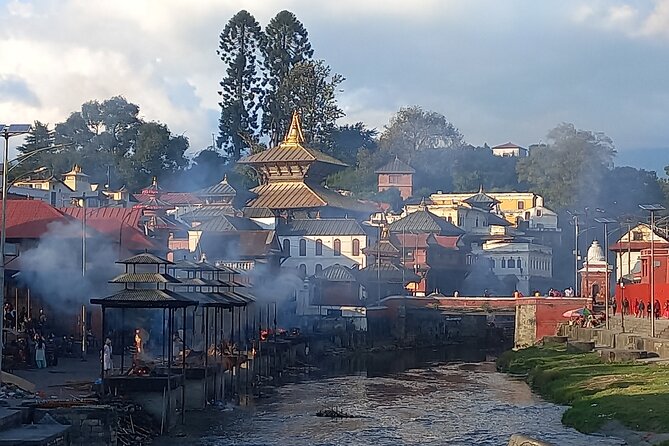
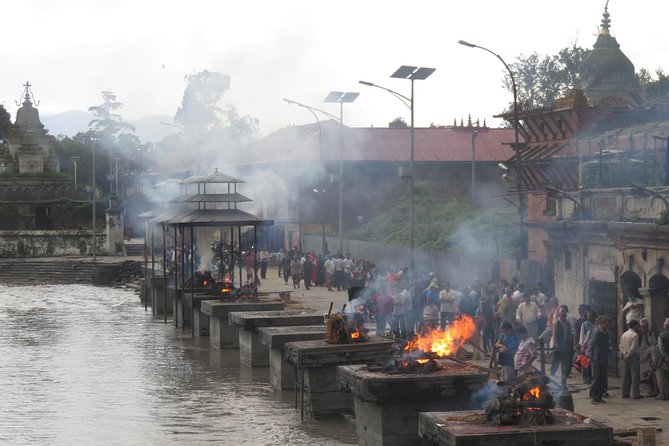
Then comes the big one: Pashupatinath Temple. This is a major Hindu site, and it shows Hindu ways of life in action. You’ll learn about Shiva and the temple complex, and your guide will explain how different groups take part in day-to-day devotion.
This stop is powerful because it’s not tidy or purely symbolic from a distance. You’ll be talking about Shadu (ascetics), and you’ll also hear about open cremation that can be visible at the complex, along with astrologers and devotees. That means the experience can feel intense, especially if you’re not used to seeing major life-cycle events in public religious spaces.
I appreciate that the guide’s role is central here. With the right context, the site makes more sense: you understand not only what people do, but why they do it, and how that connects to belief. Guides for this tour have been praised for clearly explaining complicated ideas in plain language—names you might meet include Indra, Ripu, Rabi, and Rudi from past days.
Practical advice: keep your expectations realistic. This isn’t a “pretty views and photos” stop. It’s about observing devotion and learning what’s behind it. If you’re sensitive to the idea of cremation visibility, tell your guide so they can help you position yourself appropriately while still seeing what you came to understand.
Boudhanath Stupa: Little Tibet atmosphere and the Buddhist rhythm
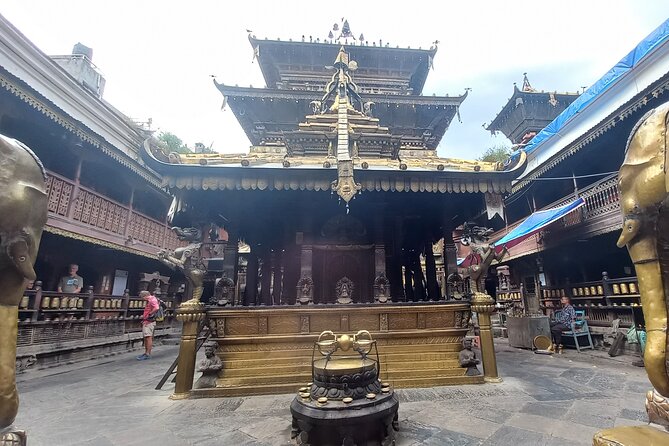
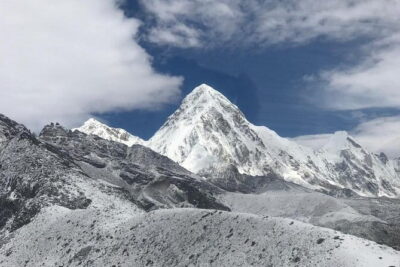
After Pashupatinath, you head to Boudhanath Stupa, an area known as Little Tibet of Kathmandu. This contrast is one of the best parts of the day because it shifts from Hindu temple life into a strong Buddhist environment.
Boudhanath is described as drawing pilgrims continuously, including people coming from Himalayan villages. You’ll learn that the area has around 60 Tibetan Buddhist monasteries, and that the stupa is Nepal’s largest. Those facts matter, because they explain why the site feels like a living crossroads rather than a single landmark.
What you experience here isn’t just architecture; it’s rhythm. People come to the stupa and keep moving with devotion, and the setting helps you notice how community practice shapes the mood of a place. This is also where your guide’s ability to connect beliefs to everyday life really pays off.
In the reviews, guides like Raja and Ripu are mentioned for translating spiritual concepts in a way that’s easy to grasp. I’d treat that as a hint: ask questions at this stage. Once you’re watching the Buddhist devotion, it’s easier to understand the explanations.
One drawback to consider: Boudhanath can feel busy in a way that’s different from the old-city lanes. If you need quiet moments, plan to step back with your guide and focus on how the space works rather than trying to see everything at once.
What this tour includes—and how the $55 value adds up
At $55 per person, this tour can be a strong value when you look at what’s actually covered. You get an air-conditioned vehicle, bottled water, and an expert guide. You also get private hotel pickup, which in Kathmandu often makes the difference between a smooth day and a messy day.
What’s not included is just as important: tips, lunch, and all fees and taxes. Entrance fees are specifically noted as extra. The good news is that your two Durbar Square stops list admission as free for that portion of the day. So your extra spending is more likely to be concentrated around the paid-admission sites, especially where the tour lists admission as not included.
Here’s the value equation I’d use: you’re paying for expert interpretation plus reliable transport plus comfort. If you tried to do this yourself, you’d likely spend your time managing directions, timing, and entry rules, while losing the context that helps you understand the spirituality behind the landmarks.
If you’re on a tight itinerary, this is also a budget-friendly way to hit major spiritual anchors in one day, rather than spreading them across multiple confusing days.
Timing, comfort, and small things that can change your experience
The tour runs within daily hours listed as 9:15 AM to 5:15 PM, with the experience itself designed to take about 6–8 hours. That timing flexibility matters because it helps you avoid the wrong kind of heat or crowds, depending on when you’re in Kathmandu.
Comfort is handled in a few practical ways. You ride in an air-conditioned vehicle and you get bottled water, which helps you stay focused on the stops instead of thinking about hydration. Also, because it’s set up to be accessible for strollers and wheelchairs, there’s less chance you’ll hit a “nope, not possible” snag that ruins a day.
One thing to keep in mind: this is a private day tour, so it can feel personal in the best way—but it also means you’ll want to communicate. If you want more time walking, say so. If you need slower pacing, say so. The guides mentioned in past days—Indra, Ripu, Rabi, Raja, and Rudi—are repeatedly praised for being patient and answering questions, so your input will matter.
Which stops are most worth your attention, depending on your interests
If you care about Hindu life and rituals, Pashupatinath is the heart of the day. The open cremation visibility and the presence of astrologers and devotees make it more than a temple postcard.
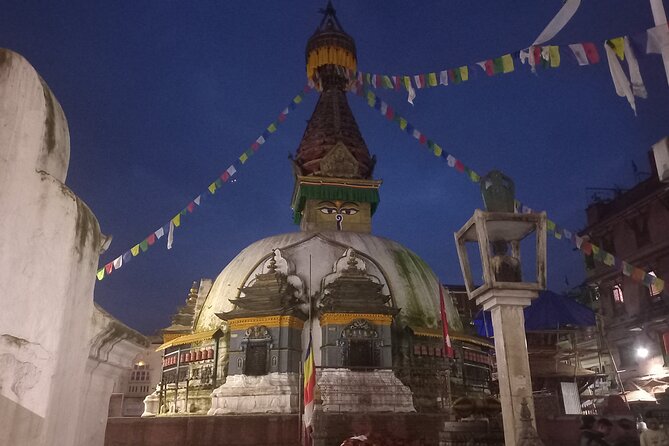
If you’re drawn to Buddhist practice and community devotion, Boudhanath is where the atmosphere shifts. The scale (including its role as Nepal’s largest stupa) and the idea of Little Tibet make it a standout.
If you want the “how does space shape meaning” angle, start paying attention at Kathmandu Durbar Square and the way courtyards and Vastu concepts connect to spiritual and cultural practices. And if you want a hands-on connection to culture, Patan Durbar Square offers a strong link through artisans and craft traditions.
Who should book this Kathmandu life-and-spirituality day
This tour fits best if you like context. If you’d rather understand why people do what they do—how Hinduism and Buddhism show up in daily life—this is a great match.
It’s also a good choice if you want to move through major sites without feeling stuck in a loud, purely photo-driven pattern. The day includes walking through old-city spaces and discovering hidden courtyards and lanes, which helps you see Kathmandu beyond the main tourist rhythm.
If you’re traveling with a stroller or need wheelchair access, the tour is explicitly described as wheelchair and stroller accessible, which is not a small deal for a day full of stone streets and historic areas.
Should you book Life and Spirituality Tour of Kathmandu?
I think you should book this tour if you want a single day in Kathmandu that explains spirituality in plain language while still showing you real places people visit for prayer and practice. Hotel pickup, air-conditioned comfort, and bottled water make it easy to enjoy. The overall rating is extremely high, and the most praised part is consistently the guide’s ability to connect what you’re seeing to how people live their faith.
I wouldn’t book it only if you know you’ll be upset by the intensity of seeing open cremation visibility at Pashupatinath or if you’re trying to keep every last fee included in the price. Since entrance fees are extra and lunch isn’t included, build a bit of flexibility into your budget.
FAQ
How long is the Life and Spirituality tour of Kathmandu?
Plan for about 6–8 hours.
Do I get hotel pickup?
Yes. You can get collected from your hotel in Kathmandu in a private car.
Are entrance fees included?
No. Entrance fees are extra. The Durbar Square stops are listed as free, while admission for Pashupatinath and Boudhanath is not included.
What’s included in the tour price?
The tour includes an air-conditioned vehicle, bottled water, and an expert guide.
Is this a private tour?
Yes. It’s private, so only your group participates.
Is the tour wheelchair and stroller accessible?
Yes. The tour is wheelchair and stroller accessible.
What are the tour’s operating hours?
It runs daily within the listed hours of 9:15 AM to 5:15 PM.
More Tours in Kathmandu


More Tour Reviews in Kathmandu

Just Reviewed in Kathmandu
- Mountain Bike Tour
★ 5.0 · 3 reviews - Annapurna Panaroma
★ 5.0 · 3 reviews - Mount Everest Scenic Flight 50 Minutes
★ 5.0 · 3 reviews - Kathmandu : Swambhunath & Durbar Square Guided Half Day Tour
★ 3.3 · 3 reviews - Chandragiri Cable Car & Monkey Temple Tour – Private/Group
★ 5.0 · 3 reviews - Kathmandu: Shivapuri National Park Hiking Day Trip
★ 3.3 · 3 reviews
Tours, compared.
 ★ 5.0Everest Base Camp Helicopter Tour landing at Everest View HotelFrom $1,575668 reviews
 ★ 5.0Full Day 7 UNESCO Tour with Lunch – Private/GroupFrom $10415 reviews
 ★ 5.0Private Bhaktapur and Nagarkot Day Tour From KathmanduFrom $20305 reviews
 ★ 4.9Food and Drink Walking TourFrom $34292 reviews
 ★ 5.0Full Day Top 4 UNESCO Tour with Lunch – Private/GroupFrom $10269 reviews
★ 5.0Kathmandu Food and Drink Walking TourFrom $36266 reviews
★ 5.0Full Day Top 4 UNESCO Tour with Lunch – Private/GroupFrom $10269 reviews
★ 5.0Kathmandu Food and Drink Walking TourFrom $36266 reviews
 ★ 5.0UNESCO Seven World Heritage Tour in KathmanduFrom $180253 reviews
★ 4.9Full-Day 7 UNESCO Tour with Lunch – Private/GroupFrom $5247 reviews
★ 5.0UNESCO Seven World Heritage Tour in KathmanduFrom $180253 reviews
★ 4.9Full-Day 7 UNESCO Tour with Lunch – Private/GroupFrom $5247 reviews