

Review · VIP
Luxury Kailash Mansarovar Yatra – 15 days
Kailash looks unreal until you’re there. This 15-day Kailash Mansarovar journey mixes Kathmandu culture with Tibetan border handling, careful altitude pacing, and the Parikrama kora around Mount Kailash.
I love the front-loaded support that helps you feel prepared before the high-altitude work starts, including Tibet visa support (passport collection on arrival) plus a down jacket and duffle bag on day 1. I also like the steady team help through the hard parts—guides and support staff focus on keeping meals hot and logistics manageable even when you’re far from comfort.
The tradeoff is effort. You’ll deal with long days, strict immigration steps, and a serious high point at Dolma-La Pass (5,636m), so this is not a casual trip.
In This Review
- Key highlights at a glance
- Kathmandu Warm-Up: Marriott base, UNESCO stops, and gear for the climb ahead
- UNESCO culture to border nerves: Rasuwa Gadhi checks and Kerung acclimatization
- Saga to Mansarovar: Mayum La Pass, big altitude jumps, and first Kailash views
- Lake Manasarovar rituals and the ride into Darchen via Raksas Tal
- Parikrama Day 1: Yam Dwar to Derapuk and your first close view of Kailash
- Optional Charan Sparsh hike: touching the feet of the mountain
- Dolma-La Pass and Zutulphuk: the hardest day, the most meaningful turning point
- Completing Kora: Zutulphuk to Saga, then the long relief drive toward home
- Kathmandu rest and reset: contingency day plus UNESCO extras
- Price and Logistics: is $3,999 worth it for this kind of route?
- Who this Luxury Kailash Yatra is best for (and who should think twice)
- Should you book this Kailash Mansarovar luxury yatra?
- FAQ
- How long is the Luxury Kailash Mansarovar Yatra?
- Where does the tour start and end?
- What meals are included in the price?
- Is Tibet visa support included?
- How big is the group?
- Are there optional activities during the trek?
- What if weather or border issues cause delays?
Key highlights at a glance
- Passport-handling help for Tibet visa so you’re not scrambling on day 1
- Altitude pacing via Kerung and Saga before you reach Mansarovar and Darchen
- Havan Puja at Lake Manasarovar plus a stop at Raksas Tal for myth-and-mood contrast
- Real Parikrama trekking rhythm from Yam Dwar to Derapuk, then Dolma-La to Zutulphuk
- Support structure that goes beyond guides (cooks and medical support are part of the team dynamic)
Before you lock this one in, a few Kathmandu alternatives:
- Kathmandu to Pokhara VIP Sofa Bus Ticket★ 4.5 · 19 reviews
- Luxury Tour of Nepal★ 5.0 · 18 reviews
- Nepal in Luxury: Kathmandu, Chitwan & Pokhara Escape – 8 Days★ 4.5 · 15 reviews
- Luxury Kailash Mansarovar Yatra – 15 days★ 5.0 · 14 reviews
Kathmandu Warm-Up: Marriott base, UNESCO stops, and gear for the climb ahead
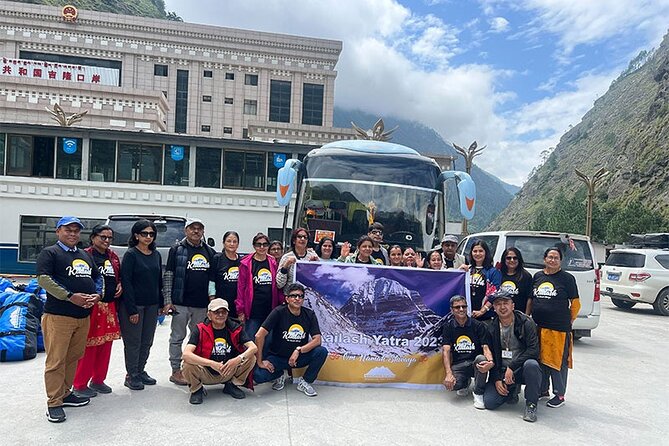
Day 1 starts in Kathmandu with a smooth airport-to-hotel flow at Aloft by Marriott. Right away, you’re greeted, settled, and then given a group meeting that explains what’s coming next and how to prepare. This matters more than people think. Kailash isn’t only a hike—it’s also a schedule, an altitude game, and a paperwork-and-logistics game.
A nice touch for first-timers is the way the team handles the early Tibetan visa step. They collect passports on arrival to streamline the visa process. You still need to be ready with proper documents, but it cuts out a lot of guesswork and line-chasing stress while you’re jet-lagged.
You’ll also receive your trek gear for the cold: a down jacket and a duffle bag. Even if you’re an experienced trekker, having the right outer layer ready on day 1 is a big plus. I’d treat it as part of your altitude safety plan, not just a souvenir.
Your day ends with a welcome dinner at a Nepalese restaurant. This isn’t sightseeing for sightseeing’s sake. It’s a chance to eat comfortably, meet your group, and get your sleep routine set before the drive to the border begins.
Day 2 adds Kathmandu Valley culture before you head north. You’ll visit Patan Durbar Square (UNESCO), including stops like the Krishna Mandir and the Patan Museum. Then you move to two major spiritual anchors: Pashupatinath Temple on the Bagmati River and Boudhanath Stupa, where you’ll see prayer wheels in action. The value here is pacing. You don’t want your first impression of Kailash to be only cold and altitude—this gives you a mental reset into the devotional mood of the region.
Possible drawback here: Kathmandu days are still time to manage. If you land late or feel tired, keep your expectations simple: eat well, sleep early, and don’t over-plan extra sightseeing. This tour already has plenty going on.
UNESCO culture to border nerves: Rasuwa Gadhi checks and Kerung acclimatization
Once you leave Kathmandu, the trip turns into a long drive rhythm. Day 3 is a scenic push toward Rasuwa Gadhi (the Nepal–Tibet border), with stops along the way through the Langtang region. You’ll pass terraced farmlands, waterfalls, and village roads that give you a real sense of rural Nepal before you hit the stricter terrain.
Day 4 is where you feel the border process in a very practical way. You start with a short walk to the Nepalese immigration checkpoint to complete the checkout process, then you go through Chinese immigration. The team helps you through it, and that’s the difference between “border chaos” and “border clarity.” Immigration procedures can feel meticulous, and when you’re heading into altitude, you don’t want uncertainty.
After you cross and meet your Tibetan guide and driver, you drive to Kerung (Gyirong) at about 2,700m. Then the day shifts to acclimatization. You’ll take a short stroll to help your body adjust to the higher elevation before the next plateau days. This is one of those quiet parts of the trip that people overlook—until they feel sick. A gentle acclimatization day can prevent you from losing two days later.
One practical tip: keep moving lightly, hydrate, and avoid alcohol. In this kind of route, small choices have outsized effects.
Saga to Mansarovar: Mayum La Pass, big altitude jumps, and first Kailash views
Day 5 brings you to Saga, a major transit point, around 4,500m. The drive climbs across high passes and open plateau stretches. The scenery is dramatic, but the real focus for you should be your breathing and hydration. When altitude increases, your body often gets honest fast.
Day 6 is the big emotional payoff: the drive to Lake Manasarovar at about 4,590m. You cross Mayum La Pass (5,200m) en route. Again, that number isn’t trivia. It’s the trip’s message: you’re not just walking Kora, you’re traveling a high-altitude corridor.
As you approach the lake, you’ll catch your first view of Mount Kailash in the distance. That first sight is a spiritual “pause button.” Even if you’re skeptical at the start, seeing Kailash framed by plateau air changes the way you understand what you came for.
The route also includes the Mansarovar dam and lake area. You’ll get time on arrival to take it in slowly. This is a good day to slow your pace mentally. The lake is calm, and it helps you shift from travel mode into pilgrimage mode.
Lake Manasarovar rituals and the ride into Darchen via Raksas Tal
Day 7 begins with a Havan Puja at Lake Manasarovar. It’s believed to purify the soul and invite blessings for the journey ahead. Whether you’re deeply religious or more curious, the ritual can still help you settle into the moment and match your energy to what’s coming.
After the puja, you drive to Darchen (about 4,575m), the gateway town for the Parikrama. En route, you stop at Raksas Tal (Lake Rakshastal), a striking lake tied to Hindu mythology as a symbol of negative forces in cosmic balance. That contrast—sacred lake, mythic lake—works well for pilgrims because it gives you a storyline to reflect on during the physical effort ahead.
In Darchen, you’ll stay overnight and get set for Kora the next day. This town is your operational base: meeting other pilgrims, organizing your gear, and mentally switching from road travel to mountain walking.




Parikrama Day 1: Yam Dwar to Derapuk and your first close view of Kailash
Day 8 is the start of the Mount Kailash Parikrama (Kora). After breakfast, you drive to Yam Dwar, known as the gateway of the god of death in local tradition. You’ll start prayers and offerings there—then the trekking begins.
The first leg is a “moderate” trek to Derapuk. You walk rugged terrain and pass streams and valleys along the way. What makes this day special isn’t only the effort; it’s the way the north face of Kailash gradually grows more present until you reach a close-up moment at Derapuk.
You’ll spend the night at a basic teahouse or camp in Derapuk. So yes, you’ll trade your comfortable bed for something simple. The upside is you’ll be right where the experience is happening.
Who should feel comfortable here: If you can handle 6–8 hours of walking at altitude with uneven ground, you’ll likely do fine.
Optional Charan Sparsh hike: touching the feet of the mountain
On day 9, you have an optional add-on: the hike to Charan Sparsh, meaning Touch of the Feet. It’s at the base of the north face of Kailash and is considered spiritually important.
This optional hike is described as moderately challenging and suited for people who are well acclimatized and comfortable with high-altitude conditions. If you’re feeling strong, it can be a powerful day. If you’re unsure, staying in Derapuk for rest and meditation is not a failure—it’s smart risk management. Your goal is to finish the full Kora, not win a personal mileage contest.
Either way, the day is anchored by time with Kailash in view. That matters on a trip like this, because the mountain isn’t a one-time photo moment. It’s a constant presence in your memory.
Dolma-La Pass and Zutulphuk: the hardest day, the most meaningful turning point
Day 10 is the heavy one. You start early from Derapuk and climb steeply toward Dolma-La Pass (5,636m), the highest point of the pilgrimage route.
This section is tough due to altitude and rugged terrain. When you hit the top, you’ll come across Shiva-sthal, where pilgrims traditionally leave personal items as offerings and pray. After that, you’ll visit Gauri Kund (Lake of Compassion), tied to Goddess Parvati, with a moment for prayers and reflection.
Then the trail drops into the Zutulphuk Valley. The emotional rhythm changes here: relief from the ascent and focus on getting down safely. Many people remember the top of Dolma-La, but the descent often feels like the real test of patience and foot discipline.
Practical consideration: take the pace your body allows. On high passes, rushing is the fastest way to feel miserable.
Completing Kora: Zutulphuk to Saga, then the long relief drive toward home
Day 11 completes the Parikrama. You start with a walk from Zutulphuk Monastery to a designated pickup point (about 3 hours). After that, your driving crew meets you and you head back to Saga.
This is a big morale day: Kora done, mountain time finished, and road travel returns. You’ll check into your hotel in Saga for the night.
Day 12 continues the return journey by driving back to Kerung. By now, your body is used to altitude fluctuations—but it’s still a long drive. Treat the day as recovery: hydrate, eat well, and don’t plan big extras.
Day 13 brings you back to Kathmandu via the Tibetan–Nepal border at Rasuwagadhi. You’ll handle customs and immigration formalities, then continue through the Langtang National Park area back toward Nepal’s foothills.
There’s also an optional helicopter return if you want a shorter trip. It’s offered at an additional cost and reduces the travel time to about 45 minutes. If you’re worried about fatigue late in the route, this option is worth at least discussing with the team before you’re exhausted.
Kathmandu rest and reset: contingency day plus UNESCO extras
Day 14 is reserved as a contingency day in case of delays from weather, road conditions, or border issues. This is smart planning. Kailash routes can be affected by conditions outside anyone’s control, and having a buffer keeps you from turning the trip into a daily panic cycle.
If everything goes smoothly, you can use the day to relax in Kathmandu. Optional ideas given include visiting other UNESCO sites like Bhaktapur Durbar Square or Swayambhunath (Monkey Temple), shopping in Thamel, or doing a spa/Ayurvedic therapy session to help your body recover.
This is exactly the kind of “bonus time” that makes the entire trip feel humane.
Day 15 ends the journey with breakfast and a transfer to Tribhuvan International Airport for your flight home. It’s a quiet kind of finish: you’re not chasing another stop. You’re carrying Mount Kailash, Lake Manasarovar, and the physical memory of Kora.
Price and Logistics: is $3,999 worth it for this kind of route?
At $3,999 per person, this is not a budget tour. The value comes from what’s hard to run well on a high-altitude, cross-border pilgrimage:
- Front-loaded preparation in Kathmandu: hotel base, group meeting, and practical gear support (down jacket and duffle bag). That reduces your risk of underpacking for cold conditions.
- Border and visa support: passport collection for Tibet visa steps and guided processing across immigration points. That saves time and stress when you’re on a tight schedule.
- Altitude pacing across Kerung and Saga before you reach Mansarovar and Darchen. This kind of staging can be the difference between enjoying the route and spending days adjusting.
- Support structure on the road and trail: multiple roles are part of the team approach, including guides and support personnel who help keep the trip running and food service in place, even in remote segments.
- Meal planning: the package includes 14 breakfasts, 11 lunches, and 12 dinners (as listed). Having consistent meal coverage matters a lot when your appetite may be inconsistent due to altitude.
What you’re paying for is not only “transport.” It’s planning for the full system: paperwork, pacing, feeding people, and keeping the group moving safely.
If you’re the type of traveler who loves total independence and doesn’t want structured support, this might feel more controlled than you like. If you want a team to handle most logistics while you focus on walking, praying, and staying calm, it’s a strong match.
Who this Luxury Kailash Yatra is best for (and who should think twice)
This tour is aimed at people with moderate physical fitness. That phrase is important: moderate doesn’t mean easy. You’re walking during the Parikrama and you’re dealing with high passes like Dolma-La.
It also helps if you’re comfortable with:
- long drives on high-altitude roads
- basic teahouse/camp style nights during trekking days
- following instructions closely (especially around border procedures and pacing)
It’s a good choice if you like community. The group can include up to 25 travelers, and you’ll be together for long enough that the trip stops feeling like a list of separate days and starts feeling like one shared experience.
It may not be the right fit if you:
- get sick easily in altitude
- need high comfort and don’t handle basic accommodation well
- hate long days and prefer frequent bathroom breaks and short travel segments
A final practical note: late in the yatra, fatigue builds fast. If you’re considering the helicopter return, think about it before you reach the point where every step feels like extra work.
Should you book this Kailash Mansarovar luxury yatra?
If your goal is to reach Kailash and complete the Parikrama with strong support around visa help, altitude staging, and day-to-day logistics, I’d say this is a solid booking. The combination of Kathmandu prep, the Kerung/Saga acclimatization flow, and the structured Kora days is exactly what you want for a route like this.
I’d only hesitate if you know you struggle with altitude or you’re unsure you can handle the steep, high pass day around Dolma-La (5,636m). In that case, it’s better to talk to the team early and be honest about your fitness level than to hope you’ll “power through” on the trail.
FAQ
How long is the Luxury Kailash Mansarovar Yatra?
It’s scheduled for about 15 days.
Where does the tour start and end?
The meeting point is at Himalayan Glacier Adventure and Travel Company, Amrit Marg, Kathmandu. The tour ends back at the meeting point in Kathmandu.
What meals are included in the price?
Meals included are 14 breakfasts, 11 lunches, and 12 dinners.
Is Tibet visa support included?
The tour includes helpstreamlining the Tibet visa process by collecting your passport on arrival in Kathmandu.
How big is the group?
The group size is capped at 25 travelers.
Are there optional activities during the trek?
Yes. You can choose the optional hike to Charan Sparsh from Derapuk. There is also an optional helicopter return from Kerung at an additional cost.
What if weather or border issues cause delays?
There is a contingency day reserved (day 14) to handle unexpected delays such as weather, road conditions, or border problems.
More VIP in Kathmandu

More Tour Reviews in Kathmandu






Just Reviewed in Kathmandu
- Mountain Bike Tour
★ 5.0 · 3 reviews - Annapurna Panaroma
★ 5.0 · 3 reviews - Mount Everest Scenic Flight 50 Minutes
★ 5.0 · 3 reviews - Kathmandu : Swambhunath & Durbar Square Guided Half Day Tour
★ 3.3 · 3 reviews - Chandragiri Cable Car & Monkey Temple Tour – Private/Group
★ 5.0 · 3 reviews - Kathmandu: Shivapuri National Park Hiking Day Trip
★ 3.3 · 3 reviews
VIP, compared.
 ★ 4.5Kathmandu to Pokhara VIP Sofa Bus TicketFrom $1219 reviews
 ★ 5.0Luxury Tour of NepalFrom $1,61218 reviews
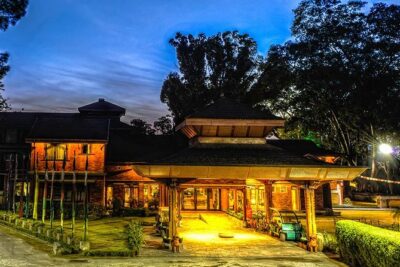 ★ 4.5Nepal in Luxury: Kathmandu, Chitwan & Pokhara Escape – 8 DaysFrom $99915 reviews
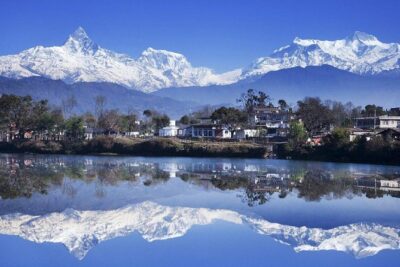 ★ 5.0Best of Nepal Luxury Tour Package – 8 DaysFrom $1,60013 reviews
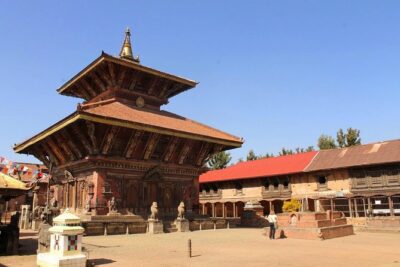 ★ 5.010 Day Kathmandu, Nagarkot, Chitwan, Lumbini, Pokhara Luxury Tour in NepalFrom $2,13311 reviews
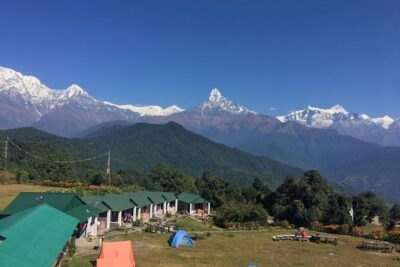 ★ 5.0Best of Nepal Luxury Adventure Tour Package – 9 DaysFrom $1,90010 reviews
 ★ 5.0Everest Base Camp Luxury Lodge TrekFrom $3,84010 reviews
 ★ 5.0Annapurna Luxury Circuit TrekFrom $2,0009 reviews
Browse the lists this tour appears in