

Review · EVEREST BASE CAMP TREKS
Everest Base Camp Luxury Lodge Trek
Luxury and Everest are not a contradiction here. You get a guided run at Everest Base Camp and Kalapathar with comfortable Kathmandu lodging, strong trail support, and classic Himalayan views from Mt. Everest all the way to Mt. Makalu. I especially like how the experience blends big mountains with real Sherpa life and Sagarmatha National Park scenery.
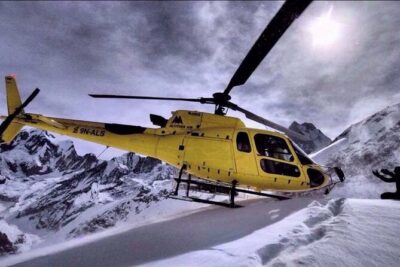
The best part for me is the way the trek paces altitude with planned rest days and big viewpoints like Kalapathar at sunrise. One drawback to consider: in peak months, flights to Lukla may run from Ramechhap (about a 5-hour drive from Kathmandu), and there’s also a helicopter option for an extra USD 300 if you want to reduce flight risk.
In This Review
- Key Highlights You’ll Feel on the Trail
- Why Luxury at Everest Base Camp Helps More Than Your Hotel Choice
- Kathmandu First: Permits, UNESCO Sites, and a Real Pre-Trek Briefing
- Flights to Lukla: Ramechhap Timing Can Change Your Whole Day
- Phakding to Namche Bazaar: Hillary Bridge and Your First High-Everest Feel
- Tengboche Monastery: The Big Spiritual Pause Before Alpine Climbing
- Dingboche Altitude Day: Ridge Hikes That Teach Your Body the Plan
- Lobuche and Thukla Pass: The Tougher Day With Meaning
- Everest Base Camp Day: Khumbu Glacier and Your First Real Everest Wall
- Kalapathar Sunrise and the Pheriche Return Loop
- Coming Down: Namche Celebrates Your Win, Then Lukla Closes the Loop
- What You’re Really Paying For: $3,840 Value Check
- Guides and Support: The Human Side You’ll Remember
- Who This Trek Fits Best (and Who Should Slow Down)
- Should You Book This Everest Base Camp Luxury Lodge Trek?
- FAQ
- What is the duration of the Everest Base Camp Luxury Lodge Trek?
- What flight routes are included for getting to and from Lukla?
- Which Kathmandu UNESCO sites are included before trekking?
- Are permits and TIMS included?
- What kind of support do you get on the trek?
- Is travel insurance included, and what should it cover?
Key Highlights You’ll Feel on the Trail
- Kathmandu prep includes documents, permits, and a guided UNESCO day before you ever hike.
- Porter support with a 2:1 ratio helps keep your legs fresher for the steep bits.
- Namche acclimatization day gives you options: sunrise views or Khumjung village visits.
- Tengboche and Pangboche monasteries add a spiritual rhythm to the hiking days.
- Thukla Pass and memorial stupas connect what you’re doing to the mountain’s history.
- Kalapathar sunrise is built in as an early, rewarding push.
Before you lock this one in, a few Kathmandu alternatives:
- Kathmandu to Pokhara VIP Sofa Bus Ticket★ 4.5 · 19 reviews
- Luxury Tour of Nepal★ 5.0 · 18 reviews
- Nepal in Luxury: Kathmandu, Chitwan & Pokhara Escape – 8 Days★ 4.5 · 15 reviews
- Luxury Kailash Mansarovar Yatra – 15 days★ 5.0 · 14 reviews
Why Luxury at Everest Base Camp Helps More Than Your Hotel Choice
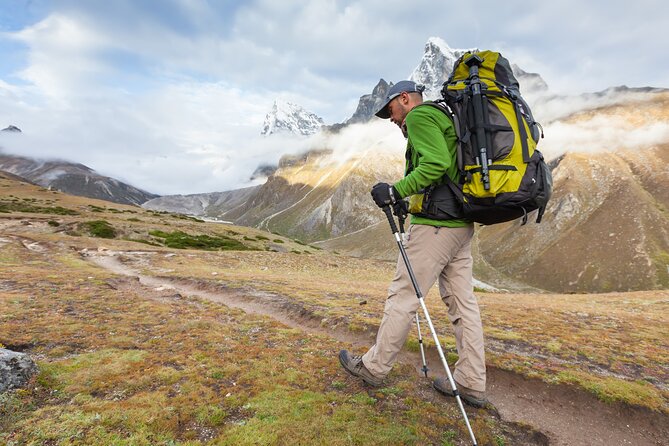
In the Everest region, luxury isn’t just about nicer beds. It’s practical. When your trek days include long walks, thin air, and cold mornings, saving energy matters. This trek gives you upscale Kathmandu lodging and “best available” lodges during the trek, plus meals arranged in standard restaurants as you choose.
You also travel with real structure: airport pickup and drop in an air-conditioned private vehicle, a full guided Kathmandu city tour day, and an experienced guide. On the trail, you’re not left to figure things out on your own. That’s a big deal on routes like this, where small timing issues can turn into stress.
The other practical win is load management. The tour includes a porter in a 2:1 ratio, which typically means you can keep your own pack lighter while porters handle much of the carry. When you’re hiking toward base camp elevations around 5,364m, lighter legs reduce the chance you’ll burn out too early.
Kathmandu First: Permits, UNESCO Sites, and a Real Pre-Trek Briefing
Your trip starts in Kathmandu with a welcome and logistics handled fast. On arrival, you’re escorted to your hotel. During the day, the team collects documents, manages permits, and arranges trek tickets. Then you get a welcome dinner and meet your experienced guide, who walks you through how the whole trek will run so you don’t waste mental energy later.
The next day is a guided Kathmandu UNESCO loop that’s more than sightseeing. You’ll visit Bhaktapur Durbar Square, with traditional architecture and the Palace of 55 Windows, then head to Pashupatinath Temple on the Bagmati River. From there you go to Boudhanath Stupa, a major Buddhist pilgrimage site, where prayer flags and Tibetan Buddhism influences are part of the daily scene.
Why I think this matters: the Everest region isn’t only about mountains. It’s also about beliefs, community, and mountain traditions. Starting the trip with Hindu and Buddhist landmark visits helps you understand what you’ll later notice among Sherpa villages and monasteries.
Flights to Lukla: Ramechhap Timing Can Change Your Whole Day
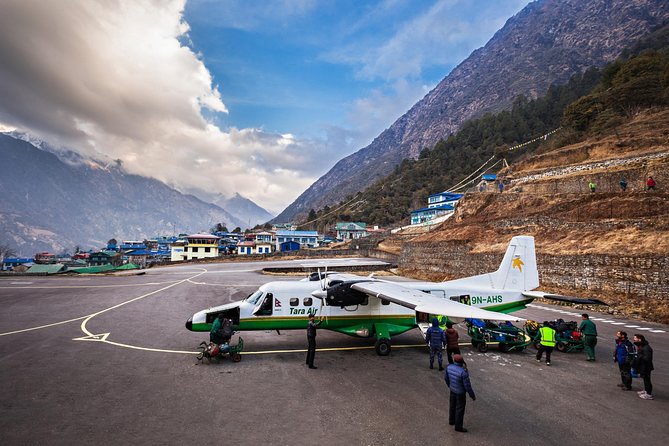
Day 3 is the turning point where the trek truly begins. You take an early flight to Lukla, then walk toward Phakding (2,652m/8,300ft), passing Chaurikharkha village. It’s a gentle start that still gives you that first real sense of the valley shapes and Sherpa settlement patterns.
Here’s the important logistics piece. In peak seasons like April, May, October, and November, flights to Lukla depart from Ramechhap because direct Kathmandu–Lukla flights aren’t available during those months. That means a 5-hour drive before your flight. Helicopter service is offered as an extra USD 300 if you want to reduce friction or timing risk.
This is the one day where you’ll feel the biggest operational difference compared with people who only think of this as a “walk-only” trek. If you hate travel uncertainty, plan a little buffer in your mind for the airport-to-airstrip shuffle.
Phakding to Namche Bazaar: Hillary Bridge and Your First High-Everest Feel
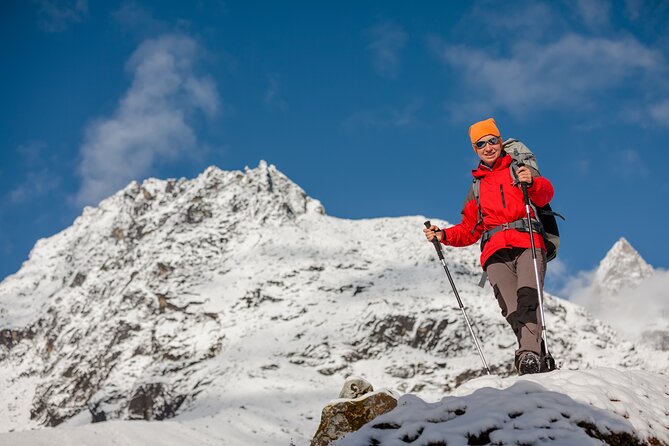
The trek from Phakding to Namche Bazaar is a classic Everest-region climb. You’ll hike through pine forest and along the Dudh Koshi river, then cross the Hillary Suspension Bridge. This is also where wildlife might show up, with chances mentioned for animals like red panda, Himalayan bear, and Himalayan thar as you enter Sagarmatha National Park.
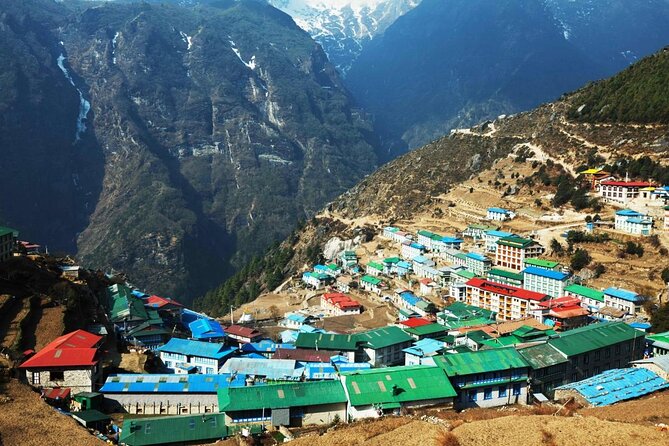
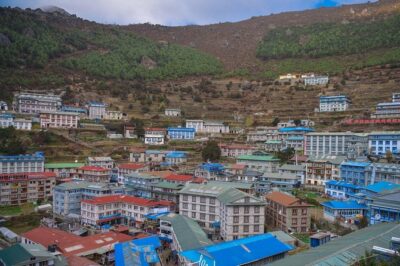
Namche Bazaar is the region’s hub—part market, part cultural center, part acclimatization base. You spend the night at a hotel such as Namche Hotel or similar upscale lodging.
Then comes the acclimatization day. Instead of simply moving upward, you take a flexible day hike choice:
- Go for a sunrise stroll and enjoy views over peaks like Everest, Lhotse, AmaDablam, and Thamserku.
- Or head toward Khumjung village, visiting the Edmund Hillary School and a monastery. There’s a local rumor the monastery houses a yeti scalp.
You’ll also stay at accommodations like Khumbu Lodge or a similar option. The value here is simple: you build altitude tolerance without sacrificing comfort, and you get to see how daily life works at “base camp for trekkers.”
More trails out of Kathmandu, boots ready
Tengboche Monastery: The Big Spiritual Pause Before Alpine Climbing
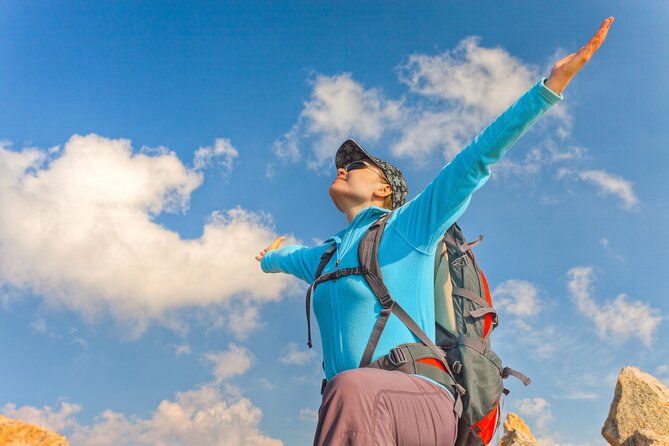
On Day 6, the trail tilts uphill toward Tengboche Monastery, described as the largest monastery in the Everest region. You hike at a steady pace—more endurance than sprinting—and aim to arrive around 3:00 PM, since the monastery typically opens its doors at that time.
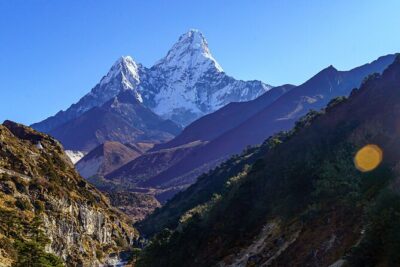
Tengboche is famous for its monastery setting and wide views of AmaDablam, Thamserku, and Khumbila. If you’re the type who wants your trekking photos to feel like part of a story, this is a great day to slow down and watch light shift across peaks.
You sleep at a lodge such as Rivendell Lodge or similar.
The next day continues through Sherpa villages and forest types you’ll recognize in Nepal: conifers and rhododendron. You pass through or near areas like Debuche and Pangboche and visit Pangboche Monastery on the way to Dingboche (4,360m/14,300ft). The farmland vibe at Dingboche is one of the more surprising experiences—barley, potato, and buckwheat fields with grazing animals—so you don’t only feel like you’re in a snowy wasteland.
Dingboche Altitude Day: Ridge Hikes That Teach Your Body the Plan
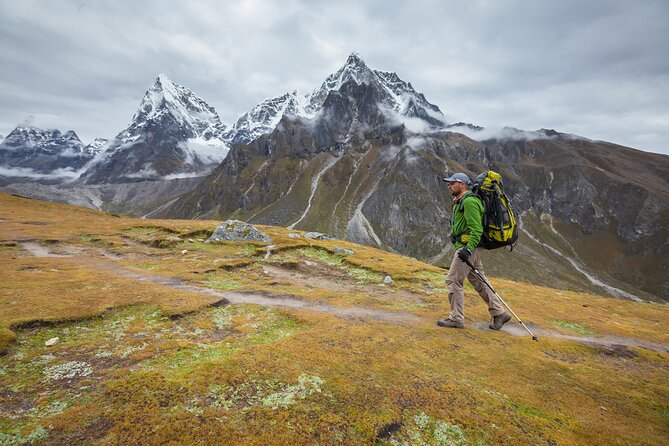
Day 8 is another altitude management day. You hike up to a ridge behind Dingboche for major viewpoints: Mt. Lhotse, Mt. Makalu, Mt. Cho Oyu, plus nearby peaks like Cholatse and Taboche. From that vantage, you can also see Lobuche West and Lobuche East as they sit above the Khumbu Khola valley.
Then you return to Dingboche to rest and prepare for the higher, tougher trekking ahead.
This “up a bit, down a bit” rhythm is your friend here. It helps your body acclimatize while still giving you the payoff of big mountain views. It also means you’re not walking tired every single day just because you can.
Lobuche and Thukla Pass: The Tougher Day With Meaning
On Day 9, you climb toward the Pheriche valley area, moving through alpine vegetation with views of peaks like Tawoche and Cholotse. You reach Thukla after about two hours for lunch, then continue toward the top of Thukla Pass.
At the pass, you’ll see memorial stupas honoring climbers and trekkers who lost their lives pursuing Everest. It’s quiet in tone but powerful in perspective—especially when you’re later standing near base camp. This isn’t framed as a lecture day; it’s more of a moment to absorb what the mountain demands.
You keep going and reach Lobuche for the night at a lodge such as New EBC Lodge or similar. This is also a day where pacing matters a lot. Your legs will feel it, but the tour’s steady pace and the porter support keep the workload reasonable.
Everest Base Camp Day: Khumbu Glacier and Your First Real Everest Wall
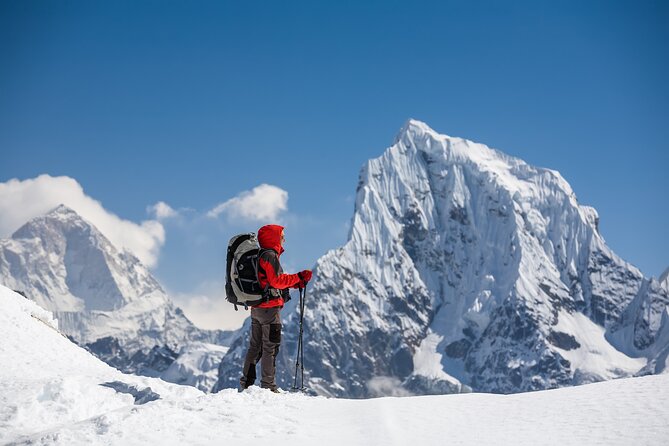
Day 10 is the headline. You hike from Lobuche to Gorakshep, drop your backpacks, switch to day hike packs, and then head toward Everest Base Camp while keeping a steady pace to reduce the risk of Acute Mountain Sickness due to altitude gain.
Along the way you pass the top of the Khumbu Glacier and get your first real sight of the Khumbu Icefall. Even if you’ve studied photos for years, seeing this area in person hits differently because it’s not still. It has scale and motion you can’t fully capture on screen.
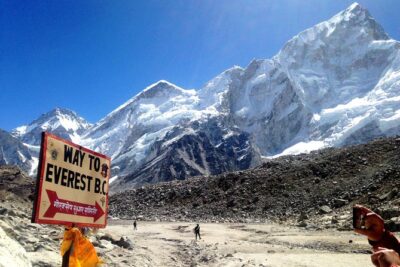
Then you reach the foot of Everest around 5,364m. This is the day where luxury feels almost irrelevant—because the mountain is the main character. Still, having well-organized meal planning and comfortable lodge nights beforehand helps you arrive with energy instead of exhaustion.
Kalapathar Sunrise and the Pheriche Return Loop
Day 11 wakes you up early for sunrise at Kalapathar, one of the best viewpoint drives for Everest panoramas. The hike is moderately steep, but the pacing is designed for a steady effort, not a grind.
After sunrise, you head back to Gorakshep for lunch, then descend gradually to Pheriche for your overnight stay. This is a smart design: you get your big photo moment early, then shift into recovery mode.
In a trek like this, the sunrise days are often the hardest because cold and fatigue can make everything feel harder than it is. The payoff is that you’re not spending the whole day chasing views after you’re tired.
Coming Down: Namche Celebrates Your Win, Then Lukla Closes the Loop
On Day 12, you descend to Namche Bazaar, passing rhododendron, juniper, and pine forests, crossing the Dudh Koshi River, and keeping an eye out for wildlife like mountain goats and pheasants. You arrive at Namche and spend another night, with accommodations such as Khumbu Lodge.
Day 13 retraces your route to Lukla. You cross familiar points—Hillary Suspension Bridge, Sherpa villages, and monasteries—so it feels like a homecoming trail. On arrival, there’s a small mini party to mark completing the Everest Base Camp trek and your final night in the Everest region.
Then you fly to Kathmandu. You catch an early flight from Lukla to Kathmandu, and after landing you’re free to explore. Your guide can help with short day trips or souvenir shopping, and the day ends with a farewell dinner where you can share feedback.
On Day 15, you’re checked in for your flight and accompanied to Tribhuvan International Airport.
What You’re Really Paying For: $3,840 Value Check
At $3,840 per person for about 15 days, this trek sits in the premium end. The price can feel steep until you look at what’s bundled.
Included essentials that add up fast:
- Airport pickups and drop-offs in air-conditioned private vehicle
- Kathmandu lodging: 3 nights at The Everest Hotel (included)
- Meals during the trek at standard restaurants as you choose
- Best available lodges during trekking
- All ground transportation in air-conditioned private vehicle (including the Kathmandu to Ramechhap leg when needed)
- Kathmandu (Ramechhap) – Lukla – Kathmandu (Ramechhap) flights
- Full-day guided Kathmandu UNESCO tour
- An English (or other requested language) speaking guide
- Porter support with a 2:1 ratio
- Permits and TIMS, plus a first aid kit / normal medicine
- Trek gear extras like a trekking bag/duffel, t-shirt, achievement certificate, and trekking map
- Seasonal fruits during the trek
Not included, which you should plan for:
- Nepal entry visa fee
- International flights/airport taxes
- Alcohol and drinks, plus hot water and showers
- Personal expenses (laundry, phone, snacks, battery charging)
- Travel insurance (essential), including emergency evacuation coverage while trekking up to 5500+ meters
- Personal trekking gear
- Tips
My take: you’re paying for time-saving and risk-reducing logistics. The luxury part shows up in comfort, meals, and organization, not in removing altitude challenges. If you want a low-hassle Everest experience where permits, guides, and porters are arranged, this price starts to look like good math.
Guides and Support: The Human Side You’ll Remember
Even the most expensive trek can flop if the human support is weak. What you want here is coordination before you leave Kathmandu and calm guidance in thin air.
From the trip stories, I’ve noticed a theme around excellent communication during planning, with Pradip Karki named for patient help during year-ahead coordination. On the mountain side, names like Mr. Nima Sherpa and Mukhiya show up as key guides supporting smooth execution. If you care about having a guide who can explain what’s happening and keep the group moving with realistic pacing, this tour clearly attracts that kind of team.
Who This Trek Fits Best (and Who Should Slow Down)
This trek suits you if:
- you want comfort and structure more than DIY planning
- you like the idea of monasteries and culture, not only views
- you can handle a multi-day mountain walk with altitude, while still preferring steady pacing
It may not be the best match if:
- you want the cheapest way to reach Everest Base Camp
- you dislike cold mornings and the reality that altitude can still hit even with acclimatization
- you don’t have travel insurance with emergency evacuation coverage (this tour specifically flags that as essential)
The trip expects moderate physical fitness. In practice, you should be comfortable with daily uphill walking for hours and hiking at elevation.
Should You Book This Everest Base Camp Luxury Lodge Trek?
Book it if you want a guided Everest Base Camp and Kalapathar trek where comfort, planning, and porter support are part of the deal, not an optional extra. The Kathmandu start with UNESCO sites, the monastery days like Tengboche and Pangboche, and the sunrise push at Kalapathar combine into a well-rounded trip that feels meaningful, not just scenic.
Skip or reconsider if your top priority is budget, or if flight timing uncertainty would stress you too much. Also, make sure you’re actually ready for altitude reality and have the right travel insurance before you commit.
If you’re aiming for the best mix of Everest payoff and a smoother path to get there, this is a strong choice.
FAQ
What is the duration of the Everest Base Camp Luxury Lodge Trek?
The trek is listed as 15 days (approx.).
What flight routes are included for getting to and from Lukla?
The package includes flights for Kathmandu (Ramechhap) – Lukla – Kathmandu (Ramechhap).
Which Kathmandu UNESCO sites are included before trekking?
The tour includes UNESCO sites such as Bhaktapur Durbar Square, Pashupatinath Temple, Boudhanath Stupa, and Swayambhunath (Monkey Temple), plus the Kathmandu Durbar Square area.
Are permits and TIMS included?
Yes. All necessary permits and TIMS are included.
What kind of support do you get on the trek?
You get an experienced English (or other language) speaking guide and a porter with a 2:1 ratio.
Is travel insurance included, and what should it cover?
Travel insurance is not included. You should get insurance with emergency evacuation coverage for trekking up to 5500+ meters.
More Trekking Out of Kathmandu






More VIP in Kathmandu
More Tour Reviews in Kathmandu




Just Reviewed in Kathmandu
- Mountain Bike Tour
★ 5.0 · 3 reviews - Annapurna Panaroma
★ 5.0 · 3 reviews - Mount Everest Scenic Flight 50 Minutes
★ 5.0 · 3 reviews - Kathmandu : Swambhunath & Durbar Square Guided Half Day Tour
★ 3.3 · 3 reviews - Chandragiri Cable Car & Monkey Temple Tour – Private/Group
★ 5.0 · 3 reviews - Kathmandu: Shivapuri National Park Hiking Day Trip
★ 3.3 · 3 reviews
Everest Base Camp Treks, compared.
 ★ 5.0Everest Base Camp Trek – 14 DaysFrom $1,8001,499 reviews
 ★ 5.0Everest Base Camp TrekFrom $1,790842 reviews
 ★ 5.0Everest Base Camp TrekkingFrom $1,350485 reviews
 ★ 5.0Everest Base Camp Trekking – 13 DayFrom $1,399365 reviews
★ 5.0Everest Base Camp TrekFrom $1,445350 reviews
★ 5.0Everest Base Camp Trek -14 DaysFrom $1,420321 reviews
 ★ 5.012 Days Everest Base Camp TrekFrom $1,099289 reviews
 ★ 5.0Everest Base Camp Trekking – 2025/2026From $1,339199 reviews
Browse the lists this tour appears in