
Review · VIP
Annapurna Luxury Circuit Trek
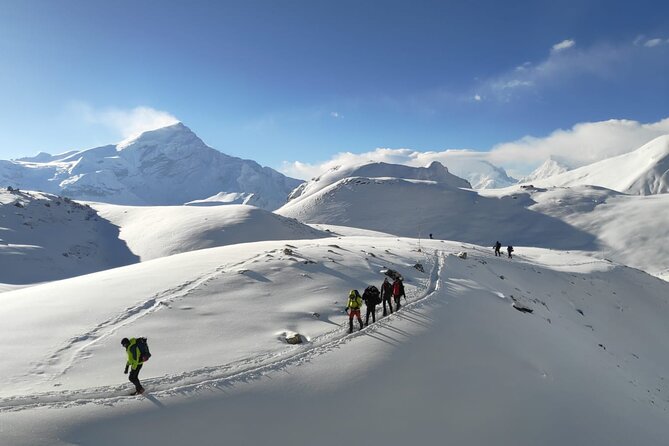
That first high-mountain feeling hits fast. The Annapurna Luxury Circuit Trek turns the classic Annapurna Circuit route into a more comfortable, easier-to-manage journey with top lodges/teahouses and careful altitude planning.
I especially liked the way logistics are handled from day one: an airport representative meets you with a sign, then you’re whisked to your hotel, followed by a trek pre-briefing before you start walking. You also get meaningful comfort upgrades during the off-trek days, including 4-star hotels in Kathmandu and Pokhara.
One possible drawback: the route still includes serious altitude, including Thorong La Pass at 5,416 m, so luxury doesn’t remove the need to pace yourself and take the acclimatization days seriously.
In This Review
- Key highlights you should care about
- Annapurna Luxury Circuit Trek: what luxury really means here
- Cost and value for $2,000 per person
- Getting started in Kathmandu: pickup, early meeting, and comfort before altitude
- Day 2 and Day 3 drive days: Kathmandu → Besisahar → Chame
- Upper Pisang and the shift into Annapurna views
- Manang at 3,540 m: your acclimatization basecamp day
- A day in Manang for altitude safety
- Ladar to the higher camps: juniper forests to steeper air
- Crossing Thorong La (5,416 m) to Muktinath: hardest day, best payoff
- Marpha to Jomsom: apple country, the Kali Gandaki, and wind
- Jomsom to Pokhara by flight: a recovery-friendly finish
- Kathmandu finale: short flight back and a farewell dinner
- Porters, guides, and pacing: how to keep it comfortable all the way
- Who should book this trek, and who should reconsider
- FAQ
- How long is the Annapurna Luxury Circuit Trek?
- Where is the meeting point in Kathmandu?
- Is a porter included for luggage?
- Are 4-star hotels included?
- How does the trek handle altitude sickness risk?
- What travel costs are not included?
- Should you book this Annapurna Luxury Circuit Trek?
Key highlights you should care about
- Max group size of 10 keeps the trek feeling more personal than mass-tour crowded.
- Porter support (2 guests share 1 porter) means less load without turning your daypack into a brick.
- An actual Manang acclimatization day plus an educational stop connected to mountain sickness awareness.
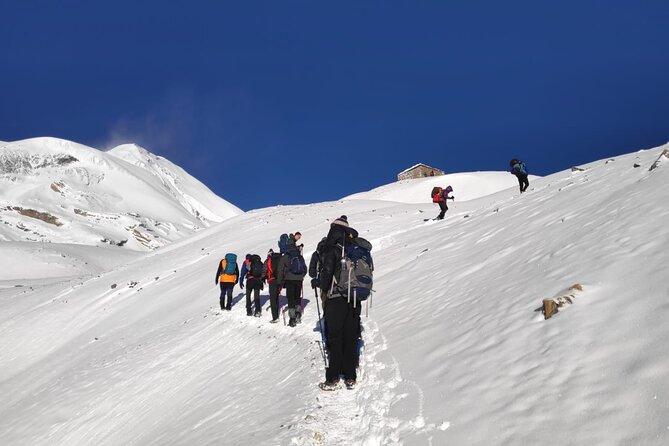
- Thorong La Pass day is the real test, with big views and steep, exposed walking.
- Flight back via Jomsom to Pokhara breaks the journey and gives you a cleaner end to the trek.
- 4-star hotels in Kathmandu and Pokhara help you recover like a human, not a stone statue.
Before you lock this one in, a few Kathmandu alternatives:
- Kathmandu to Pokhara VIP Sofa Bus Ticket★ 4.5 · 19 reviews
- Luxury Tour of Nepal★ 5.0 · 18 reviews
- Nepal in Luxury: Kathmandu, Chitwan & Pokhara Escape – 8 Days★ 4.5 · 15 reviews
- Luxury Kailash Mansarovar Yatra – 15 days★ 5.0 · 14 reviews
Annapurna Luxury Circuit Trek: what luxury really means here
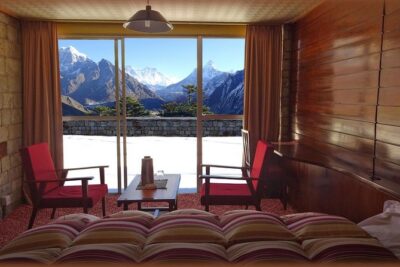
This trek bills itself as luxury, and the honest version is this: you still trek in the Himalayas, so it’s not a hotel shuttle. But you do get upgrades where they matter most—sleep comfort on rest days, smoother coordination, and a team that takes care of the moving parts.
For you, that usually translates into less stress. You’re not juggling menus, room assignments, or route decisions while your legs are busy climbing. You’re also not carrying everything, because you’ll have a trekking porter who carries your luggage (shared between two guests).
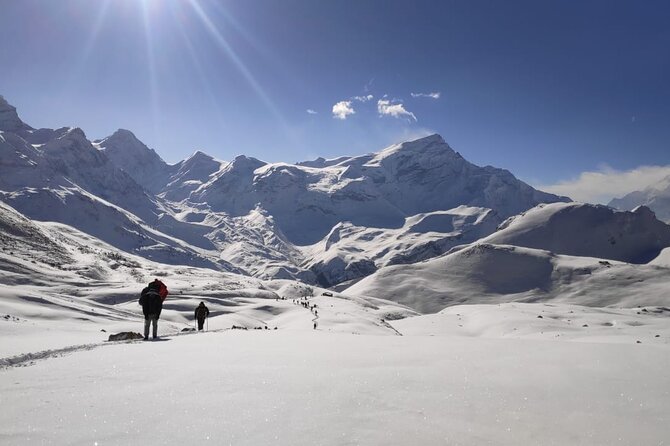
At the same time, you should expect real trekking conditions on the higher days. Above tree line, the walking can get snow-covered and exposed, and your schedule still revolves around altitude.
Cost and value for $2,000 per person
At $2,000 per person, this is not a bargain-basement trek. What makes it feel more reasonable is what you’re buying alongside the views:
- Permits included
- Trek porter included (with the shared porter setup)
- 4-star hotel stays: 2 nights in Kathmandu and 2 nights in Pokhara
- Some meals included (package text lists a dinner on day 11, plus lunch and breakfast on specific days)
- Flights during the trip are included (the day-by-day plan includes a morning flight Jomsom → Pokhara and a short flight Pokhara → Kathmandu)
What you should plan for on top of the base price:
- Drinks with alcohol are not included
- Personal trekking equipment is not included
- Travel insurance is required for medical and emergency evacuation
- Tips for guide and porter are expected
So the value question becomes: do you want the Annapurna Circuit experience, but with fewer chores? If yes, this price starts making sense fast. If you’re the kind of person who prefers total DIY freedom, you might feel boxed in by “organized everything.”
Getting started in Kathmandu: pickup, early meeting, and comfort before altitude
The experience starts in Kathmandu. You’ll have a scheduled early start time (6:15 am) tied to the operator’s meeting point in Thamel. If you arrive by air, you’ll also have an airport representative who meets you outside the terminal with a sign and gets you into the tourist vehicle for the hotel.
That combination matters. A clean start reduces the most annoying part of trekking: the first-day confusion. You can focus on sleep, water, and getting your gear sorted.
You’ll also get 2 nights in a 4-star hotel in Kathmandu. This is more than a perk. It’s a buffer before long drive days and your first hiking stretches—especially useful if you’re coming in from far away and need a real reset.
Finally, plan to take the pre-briefing seriously. It’s included, and on a route like this, small planning changes can make your walking days safer and more enjoyable.
Day 2 and Day 3 drive days: Kathmandu → Besisahar → Chame
Most Annapurna Circuit adventures begin with a long road day. Here, you still get that, and it’s honestly a good thing. The drive helps your body transition without immediately going uphill.
Day 2 is the drive from Kathmandu to Besisahar (about 6–7 hours). Expect lush green hills, traditional towns, and the kind of scenery that gives your trip its first “I’m really here” moment.
Day 3 pushes you from Besisahar to Chame (again about 6–7 hours). You’ll cross suspended bridges and pass rivers along the way. Chame sits around 2,670 m, and it’s described as a gateway area tied to the wider Manaslu region.
The key thing for you: these drive days are your warm-up. Take it slow with food and hydration, and use the lodge night in Chame to get an early sleep. You’ll thank yourself when the walking gets steeper.
More trails out of Kathmandu, boots ready
Upper Pisang and the shift into Annapurna views
As the route starts turning more trekking-focused, you’ll move toward Upper Pisang. The day is described as a mix of travel and walking through forests, streams, and big rock areas, with the long day timing reflecting the effort involved.
Upper Pisang is where you start seeing the Annapurna mountain range and the valley below more clearly. It’s also a place tied to Tibetan cultural influences, with monasteries and local life that you can watch up close.
This stop is special because it changes your trip from “road + start of walking” into “real high-country travel.” You’ll feel it in the air and in the way your eyes track the ridgelines instead of the road.
One practical note: Upper Pisang can mean a longer day than you expect because it blends sections of road and trek. If you’re planning your photo strategy, build in extra time. Don’t treat every view like a quick stop.
Manang at 3,540 m: your acclimatization basecamp day
Manang is at about 3,540 m, and it acts like the emotional middle of the trek. You’ll walk through the Marsyangdi Valley, passing lush woods and small villages, and then notice the terrain getting more barren as altitude rises.
When you arrive, the descriptions emphasize traditional Tibetan-style buildings and major peak views circling the village, including Annapurna III, Gangapurna, and Tilicho Peak.
But the bigger reason to like Manang is what happens on the next day: acclimatization planning that’s more than just words.
A day in Manang for altitude safety
You’ll have a dedicated stay in Manang day to adjust to the altitude. The route also includes learning time connected to mountain sickness awareness, including a visit to Vraja village and the Himalayan Rescue Association.
That’s valuable because it turns acclimatization into real knowledge. Instead of just saying, slow down, you get a clearer explanation of acute mountain sickness and why pacing and rest matter.
For your body, this is the day that can make later walking days feel manageable instead of punishing. Use it like a tool:
- Keep your exertion light
- Drink water steadily
- Don’t race the views
You can still explore around town and take short hikes to higher areas, but don’t turn the acclimatization day into an extra summit.
Ladar to the higher camps: juniper forests to steeper air
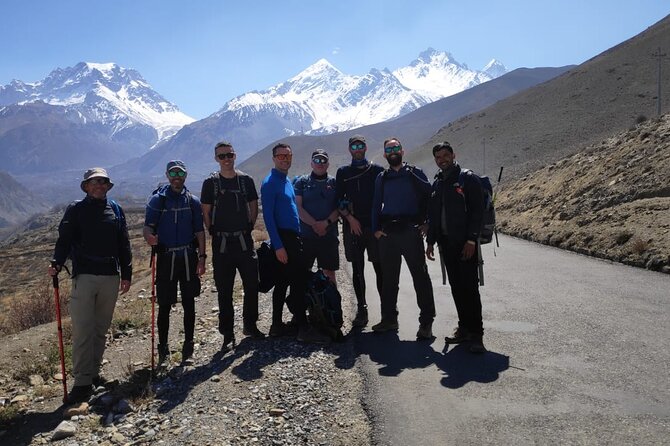
After Manang, you head toward Ladar (about 4,230 m). The route is described as not too hard, around 5–6 hours, moving through juniper and pine forests. You might spot animals along the way, and you’ll see how Tibetan culture shapes village buildings as you approach Ladar.
Then comes the “gear up for altitude” theme again. On the high direction day, you’ll move toward a camp near Thorong High Camp. The text points out a few important trail realities:
- A route that can involve Dughla
- The climb toward areas like Lobuche (around 4,910 m) mentioned in the description
- Above tree line, paths become more snow-covered and exposed
- Steeper ground, with the hardest walking rhythm showing up as altitude rises
The practical takeaway: this is not the day to push for speed. Your goal is consistent footing and controlled breathing. If you feel “fine” for the first 30 minutes, that can be a trick—altitude fatigue often shows up later.
Crossing Thorong La (5,416 m) to Muktinath: hardest day, best payoff
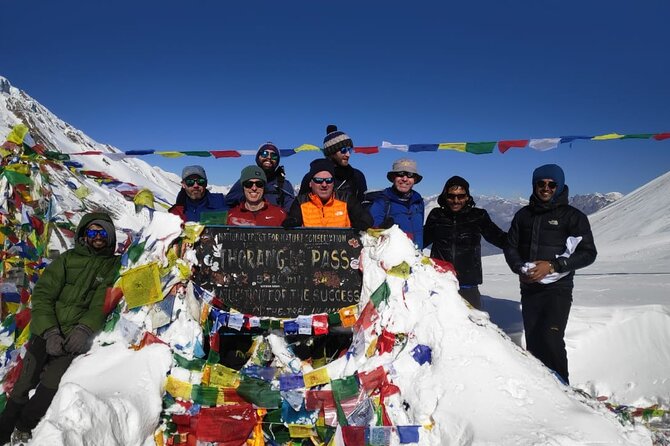
Day 9 is the hardest section: Thorong La Pass at 5,416 m. The climb to the pass can be tough, but the payoff is big—stunning views of mountains and rivers.
Then you shift downhill toward Muktinath, a holy site for both Hindu and Buddhist traditions, known for natural spring water sources and temples/churches described as part of the area.
Why this day feels worth it:
- You get a clear physical challenge (the pass)
- Then you get a cultural reset (Muktinath)
- The descent helps balance the mental load of the summit push
For you, the smartest move is to plan your day around energy conservation. Even if the views make you want to stop often, do it in short breaks. Save big photo moments for the lower, safer areas.
Also, expect changing weather and cold. The description notes exposed, snow-related walking conditions on the high parts. Layers aren’t optional here.
Marpha to Jomsom: apple country, the Kali Gandaki, and wind
After the high point and the Muktinath stop, the trip continues into Mustang territory.
You’ll trek from Marpha to Jomsom, crossing the Kali Gandaki River and moving along riverbanks for stretches. Marpha is known in the description for traditional stone houses and apple orchards. That makes the walking feel different—less “survival mode,” more “enjoy the towns and slow down.”
Jomsom is the administrative center of the Mustang area, with more services—stores, hotels, and places to eat. There’s also mention of a Jomsom Museum and hot springs.
Now the big caution: strong winds. The description is clear that Jomsom is known for wind, and you should be ready for stormy weather at times. Bring weather protection even if the day starts clear.
Jomsom to Pokhara by flight: a recovery-friendly finish
Day 11 is where the trek becomes a transition. You take a morning flight from Jomsom to Pokhara, and the route offers mountain views including Dhaulagiri and Annapurna on the flight.
In Pokhara, you get a true recovery break with a 4-star hotel stay (2 nights total across Kathmandu and Pokhara in the package). The city is described around calm lakes and mountain views, with time you can spend around Fewa Lake or enjoy a relaxed evening.
This is your end-of-trek buffer. You don’t need to “earn” your downtime. You already did the work.
Kathmandu finale: short flight back and a farewell dinner
On day 12, you take a 30-minute flight from Pokhara to Kathmandu with Himalayan-range views, then get transferred back to your hotel. Later, the company hosts a farewell dinner.
That meal isn’t just ceremony. It gives you time to review what you learned about your pace, your hydration habits, and how your body reacted at altitude. It also helps you close the loop with the team before the final day.
On day 13, you’ll be taken to Tribhuvan International Airport for your departure.
Porters, guides, and pacing: how to keep it comfortable all the way
The operator includes a porter for luggage. It’s specified as 2 guests sharing 1 porter, so you should expect that you’ll still carry a daypack. The luxury part is that your main bags aren’t your job.
If you want the trek to feel truly comfortable, pack with discipline:
- Bring only what you’ll use daily
- Keep rain and warmth gear accessible
- Don’t make your daypack heavier just because you can
Also, rely on the guide’s rhythm. Experienced team members are part of the package, and the reviews connected to this operator highlight safety focus and strong organization. A good guide keeps you moving at a pace that matches altitude reality, not optimism.
Finally, stay consistent with acclimatization. The route includes a rest/adjustment day in Manang, plus education time around mountain sickness. Treat those as part of the trek, not optional extras.
Who should book this trek, and who should reconsider
This trek fits you best if:
- You want the Annapurna Circuit experience but prefer less hassle
- You value 4-star comfort before and after the hardest days
- You’re okay with a serious high-altitude day at 5,416 m
- You like small group travel (up to 10 people)
You might want to reconsider if:
- You’re looking for a gentle walk with no real altitude challenge
- You hate early mornings (the schedule has an early meeting start time)
- You dislike wind conditions, since Jomsom is known for strong gusts
A final reality check: “luxury” here means organization, lodging comfort, and smoother travel—not that the mountains will feel easy.
FAQ
How long is the Annapurna Luxury Circuit Trek?
It’s listed as 13 days (approx.).
Where is the meeting point in Kathmandu?
The meeting point is Nepal Trek Adventure and Expedition P. Ltd., Thamel Marg, Kathmandu 44600, Nepal, with a listed start time of 6:15 am.
Is a porter included for luggage?
Yes. The package includes a trekking porter, with the note that 2 guests share 1 porter for luggage carrying.
Are 4-star hotels included?
Yes. The inclusions list 2 nights at a 4-star hotel in Kathmandu and 2 nights at a 4-star hotel in Pokhara.
How does the trek handle altitude sickness risk?
Altitude safety is emphasized, including proper acclimatization. The route also includes a dedicated day staying in Manang and an educational stop connected to acute mountain sickness awareness.
What travel costs are not included?
The package states that alcoholic and non-alcohol drinks are not included, along with personal trekking equipment. It also says travel insurance (medical and emergency evacuation) must be covered by you, and tips for guide and porter are expected.
Should you book this Annapurna Luxury Circuit Trek?
If you want the Annapurna Circuit with a team that runs the day-to-day details, this is a strong match—especially with small group size, porter support, and 4-star hotels at both ends. Book it if you’re ready for the real altitude challenge of Thorong La Pass and you’ll use the Manang acclimatization day the way it’s meant to be used.
If you’re the type who can handle basic trekking logistics alone and you’re chasing the lowest price, you may not feel the “luxury” value. But for most people who want comfort without losing the spirit of the Himalayas, this one earns its keep.
More Trekking Out of Kathmandu
More VIP in Kathmandu
More Tour Reviews in Kathmandu
Just Reviewed in Kathmandu
- Mountain Bike Tour
★ 5.0 · 3 reviews - Annapurna Panaroma
★ 5.0 · 3 reviews - Mount Everest Scenic Flight 50 Minutes
★ 5.0 · 3 reviews - Kathmandu : Swambhunath & Durbar Square Guided Half Day Tour
★ 3.3 · 3 reviews - Chandragiri Cable Car & Monkey Temple Tour – Private/Group
★ 5.0 · 3 reviews - Kathmandu: Shivapuri National Park Hiking Day Trip
★ 3.3 · 3 reviews
VIP, compared.
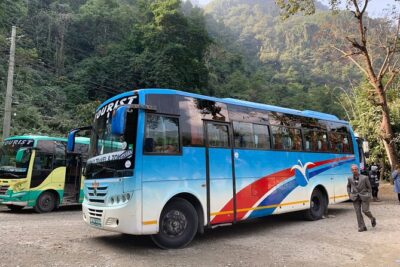 ★ 4.5Kathmandu to Pokhara VIP Sofa Bus TicketFrom $1219 reviews
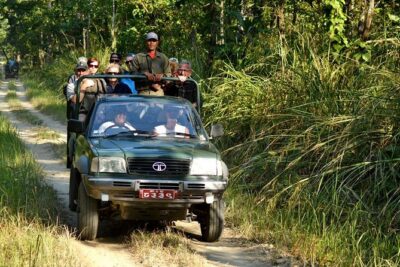 ★ 5.0Luxury Tour of NepalFrom $1,61218 reviews
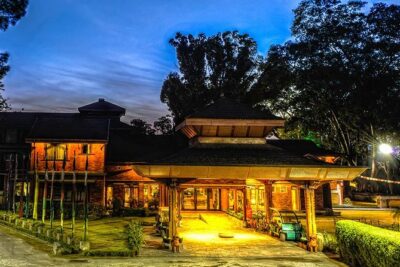 ★ 4.5Nepal in Luxury: Kathmandu, Chitwan & Pokhara Escape – 8 DaysFrom $99915 reviews
 ★ 5.0Luxury Kailash Mansarovar Yatra – 15 daysFrom $3,99914 reviews
 ★ 5.0Best of Nepal Luxury Tour Package – 8 DaysFrom $1,60013 reviews
 ★ 5.010 Day Kathmandu, Nagarkot, Chitwan, Lumbini, Pokhara Luxury Tour in NepalFrom $2,13311 reviews
 ★ 5.0Best of Nepal Luxury Adventure Tour Package – 9 DaysFrom $1,90010 reviews
 ★ 5.0Everest Base Camp Luxury Lodge TrekFrom $3,84010 reviews
Browse the lists this tour appears in