
Review · KATHMANDU DURBAR SQUARE TOURS
Nagarkot Sunrise, Bhaktapur and Patan Durbar Square Tour in Kathmandu
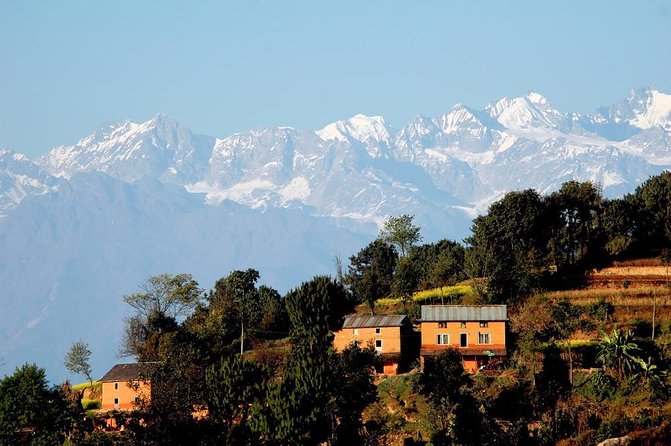
Before dawn, Kathmandu turns cinematic. This private tour is built around Nagarkot sunrise timing, then adds two UNESCO Durbar Squares so you get mountain drama and Malla-era stonework in one day. One catch: the whole sunrise plan depends on clear skies, and your early wake-up starts at 4:00 am.
I like the setup: hotel pickup and drop-off inside the Ring Road, travel in a private vehicle, and a professional guide who puts the culture and history into plain words. It means you spend less time figuring things out and more time looking closely at details you’d normally miss.
If your trip is short, this day can feel efficient in the best way: Bhaktapur’s pagoda temples and Patan’s clustered courtyards pack a lot of seeing into about 10 hours. If you hate early starts or you’re chasing very specific views of Everest, plan around weather.
In This Review
- Key takeaways before you go
- Nagarkot View Tower at dawn: aiming for Everest views
- Getting there by private vehicle: pickup, comfort, and guide context
- Bhaktapur Durbar Square: pagoda temples and the city of devotees
- Nyatapola’s neighbors: Dattatreya Square, 55 Window Palace, and Siddha Pokhari
- Patan Durbar Square: Newari courtyards and stone temples in Lalitpur
- Krishna Mandir and the “golden” styles at Hiranya Varna Mahavihar
- Patan Museum and why a small museum stop helps
- Price and entry fees: is $130 good value for this long day?
- Practical tips for a smoother 10-hour day
- Should you book this Nagarkot–Bhaktapur–Patan tour?
- FAQ
- What time does the tour start?
- How long is the tour?
- Is hotel pickup and drop-off included?
- Are entrance fees included?
- Is food included in the price?
- What happens if weather affects the sunrise views?
Key takeaways before you go
- 4:00 am start: you’ll be on the road well before sunrise, so bring patience and warm layers
- Nagarkot View Tower is your sunrise payoff, when the mountains are clear
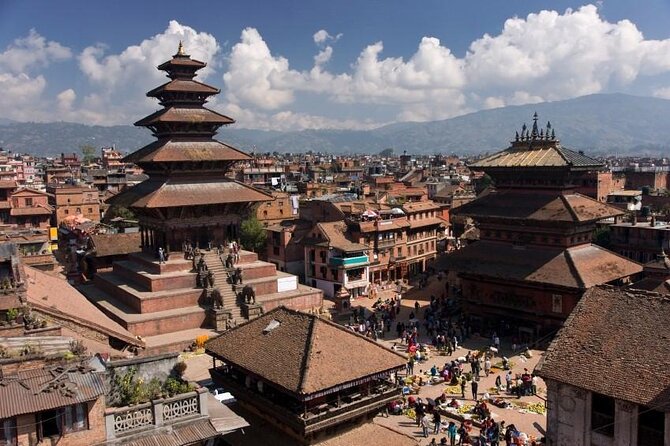
- Bhaktapur Durbar Square + Nyatapola Temple gives you iconic pagoda architecture in a compact area
- Patan Durbar Square courtyards bring the Newari craft feel, plus multiple stone temples
- Some entries are free, some aren’t: budget about $20–22 per person total for paid sites
- Private tour for your group: you’ll move at your guide’s pace, not a bus schedule
Other early starts worth the alarm
- Nagarkot Sunrise View and Day Hiking from Kathmandu★ 5.0 · 471 reviews
- Kathmandu: Nagarkot Sunrise View & Morning Hike with Lunch★ 4.9 · 188 reviews
- Kathmandu: Nagarkot Sunrise and Hike Tour to Changu Narayan★ 4.7 · 151 reviews
- Nagarkot Sunrise & Hike to Changu Narayan Day Tour from Kathmandu★ 5.0 · 126 reviews
Nagarkot View Tower at dawn: aiming for Everest views
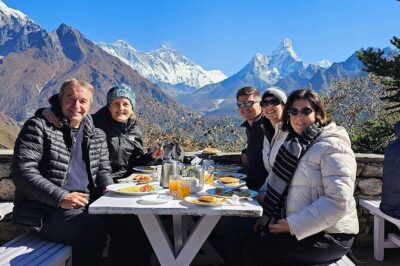
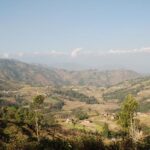
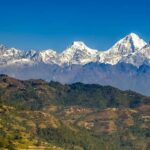
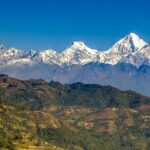
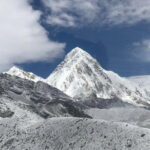
The real reason people do this day is the view from Nagarkot. You leave early, before dawn, and drive up to Nagarkot View Tower so you can watch the sky brighten over the Himalayan range. On clear days, the payoff is big enough that you can actually see far—up to the Everest region.
What I like about this plan is that it doesn’t treat sunrise as a quick photo stop. You get around 45 minutes to take it in, which matters because the light changes fast and the best moments aren’t static. A patient guide also helps you time your photos and keeps you from rushing when it’s still dark and your eyes are adjusting.
The main consideration is weather. The tour is specifically described as requiring good conditions, and Everest visibility is tied to clear days. If skies are cloudy, you might get a softer sunrise than you hoped for, even though the mountains will still feel special in their own way.
Getting there by private vehicle: pickup, comfort, and guide context
This is a private vehicle day, not a long shared bus. You get hotel pickup and drop-off inside the Ring Road, and the tour is designed so you aren’t doing the hardest logistics—especially for Nagarkot. Your guide also travels with you, and that’s a big deal for places like Durbar Squares, where the names, symbols, and temple styles make more sense once someone explains what you’re looking at.
The itinerary is paced in blocks: sunrise first, then two separate heritage zones in Kathmandu Valley—Bhaktapur and Patan. That sequencing is smart. If you tried to do the Durbar Squares first, you’d burn daylight and energy before the early-morning payoff.
If you’re traveling with family or you just want a smoother day, a private setup reduces the stress. You also keep your group together, which helps at crowded courtyards where it’s easy to lose people.
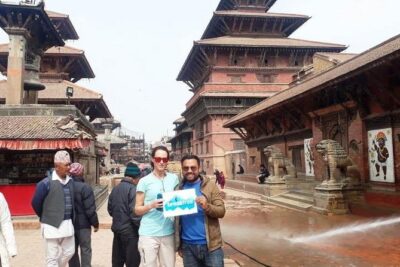
Bhaktapur Durbar Square: pagoda temples and the city of devotees
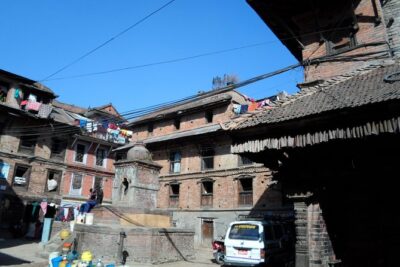
Bhaktapur is often called the City of Devotees, and this stop leans into that vibe. When you arrive in Bhaktapur Durbar Square, you’re stepping into a place where old-style houses and buildings are still visibly part of daily life. The atmosphere feels more like walking through a living heritage zone than touring an empty monument.
You’ll have about 30 minutes for the Durbar Square time, which is short enough that your guide’s explanations matter. Bhaktapur is loaded with religious architecture, and the goal here is to help you spot the most meaningful examples without turning the day into a marathon.
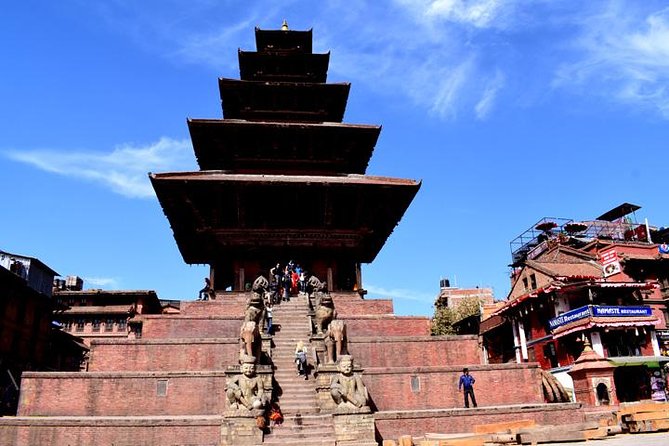
The biggest architecture highlight is Nyatapola Temple, a five-leveled pagoda-style temple. It’s described as among the tallest pagodas, and you can see why: the layers stack with sculpted detail that rewards close looking. Even if you’re not a temple-architecture nerd, this is one of those buildings you instantly understand as important because of its height and craftsmanship.
Nyatapola’s neighbors: Dattatreya Square, 55 Window Palace, and Siddha Pokhari
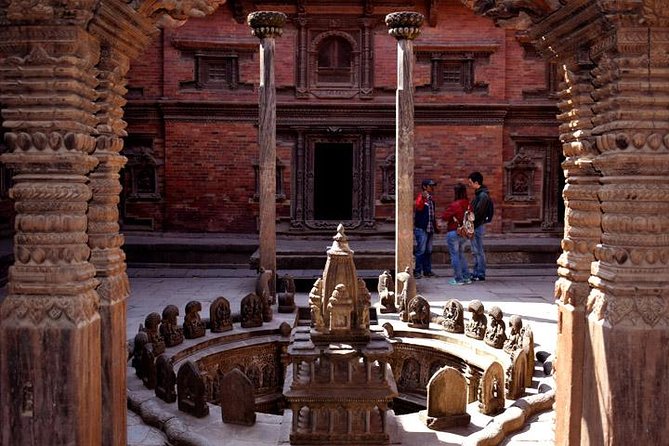
After Nyatapola, the tour keeps you moving within Bhaktapur’s heritage core. Dattatreya Temple sits in Dattatreya Square, and it’s noted for a special construction story involving a single stem of a single tree. Whether or not you care about the legend, it gives you a hook for seeing how Bhaktapur temples get described and remembered.
Next is the 55 Window Palace area—named for the fifty-five carved wooden windows. This is a great stop if you enjoy small details. You can’t really appreciate window carvings from a distance, and this is exactly why the tour gives you short, focused visits rather than one long unstructured walk.
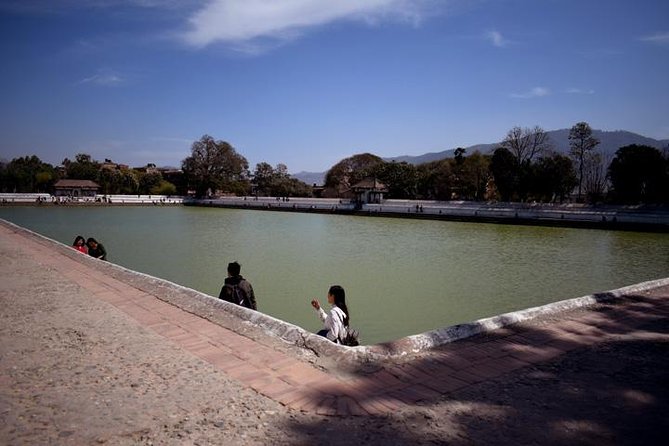
Then you’ll head to Siddha Pokhari, a man-made pond near the first city gate. It’s described as 171 meters long and about 3 meters deep, and it’s a favorite hangout spot. That’s a useful reminder: these places aren’t just for tourists. Even on a tour day, you’re shown how heritage connects to everyday public life.
If you’re watching your pace, this Bhaktapur portion is the densest block. Plan to look up often, because these sites reward vertical attention—temples, tiers, carvings, and window patterns.
Patan Durbar Square: Newari courtyards and stone temples in Lalitpur
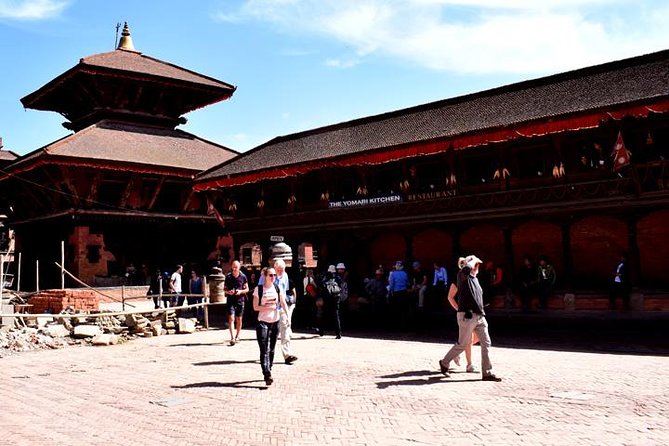
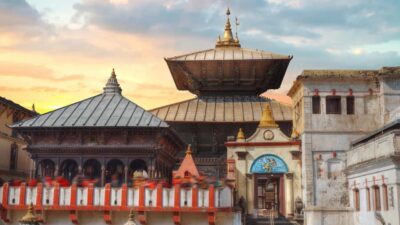
Patan (Lalitpur) brings a different texture than Bhaktapur. The tour frames Patan Durbar Square as a courtyard of the old Malla palace, surrounded by Newari architecture and the local Newar community. Coming from Bhaktapur, you’ll notice the change in style, even when the overall “Durbar Square” feel stays familiar.
You’ll get about 30 minutes at Patan Durbar Square. That’s enough time to see the setting and hit the key temple clusters, but it’s not enough to wander for hours. The benefit of going with a guide is that you’ll know what to prioritize inside the square’s busy geometry.
The itinerary then focuses on stone-carved religious art, including the Krishna Temple region described as created through stones only and featuring 21 shrines. The point of this stop is craft and repetition—multiple shrines and carvings that show how much labor went into religious buildings.
Krishna Mandir and the “golden” styles at Hiranya Varna Mahavihar
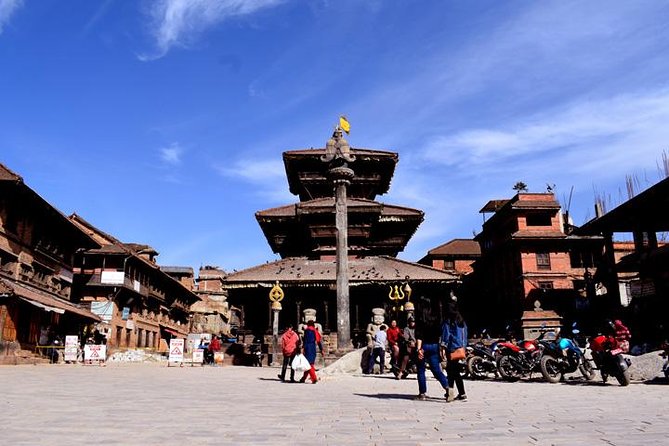
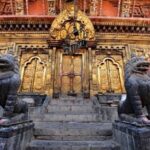
Next comes Krishna Mandir, described as built in the Shikhara style with stones in its entirety. The design includes three floors, with Krishna on the ground level and Shiva on the second level (as described in the tour notes). Beneath the golden pinnacles, the layers help you understand how these temples are organized for worship and symbolism.
After that, the tour includes the Golden Temple (Hiranya Varna Mahavihar). It’s described as a 12th-century temple with silver and gold protected decorations. This is one of those stops where you might think you’ll just take a quick look, but the color-and-detail feel tends to pull you in for longer than expected.
The Golden Temple portion is about 10 minutes, so it’s really meant as a focused “see it, understand it, move on” stop. Don’t plan to sketch every detail unless you’re okay with rushing.
Patan Museum and why a small museum stop helps
Before you finish, you’ll visit the Patan Museum, located in Keshav Narayan Chowk. This is a practical inclusion because it gives context for what you just saw outside. The tour notes highlight that you’ll study stats about lifestyle and history, especially around historical civilization.
The museum stop is about 30 minutes and is likely the difference between feeling like you “saw temples” and feeling like you “understood the building language.” If you’re the type who gets restless inside museums, treat this as a quick orienting session—focus on the themes that match what you observed in Bhaktapur and Patan.
Price and entry fees: is $130 good value for this long day?
At $130 per person, you’re paying for a private vehicle day with hotel pickup and drop-off, plus a professional guide. The duration is about 10 hours, and it’s structured around a sunrise timing challenge that typically requires local driving knowledge and early scheduling.
The separate cost to plan for is entry fees. The tour notes say tickets are not included, with an estimated $20–22 per person. Some stops in the day are marked as free entry, while others are not, which is why it’s smart to budget rather than assume everything is covered.
My take: this is good value if you want a guided, low-logistics day that hits both UNESCO Durbar Squares plus a Himalayan hilltop. It’s less of a deal if you’re traveling very independently and you’re comfortable handling sunrise transport and separate entrances on your own.
Also consider that private tours work best when you’re willing to actually use the guide. If you’re the silent, head-down type, you may not get full value out of the added cost.
Practical tips for a smoother 10-hour day
A sunrise start can feel brutal at first. Wear layers for the pre-dawn chill, and keep your hands free for camera work when the light shifts. You don’t want bulky bags slowing down stops inside courtyards.
Bring water and small snacks, since food and drinks are not included. Even if you don’t eat much at sunrise, having something in reserve helps you avoid getting cranky during temple-to-museum hopping.
For the paid sites, be ready with cash or follow the on-the-day guidance your guide gives you. The tour estimates $20–22 per person, so you’ll want that amount (or whatever the exact total ends up being) in mind.
Finally, keep expectations realistic for Everest visibility. The tour is designed for clear days. If skies are hazy, you’ll still be in one of Nepal’s best viewpoints for sunrise color and mountain presence—you just might not get that ultra-far clarity.
Should you book this Nagarkot–Bhaktapur–Patan tour?
Book it if you want one Kathmandu day that mixes sunrise drama with UNESCO heritage stops and you’d rather pay for the logistics than manage them yourself. The private vehicle, early pickup, and guided context are the main reasons this works—especially when you’re trying to do Nagarkot at dawn.
Skip it if early morning is a deal-breaker for you, or if you’re only interested in one kind of sightseeing. This tour is a pack-and-go heritage day, so it’s not built for long unstructured wandering.
One more gentle point: the tour requires good weather for the full sunrise experience. When it works, it’s exactly the kind of day you remember for years—when it doesn’t, you still get a solid UNESCO-and-temples day with a helpful guide.
FAQ
What time does the tour start?
The tour starts at 4:00 am, with early pickup before dawn for the drive to Nagarkot.
How long is the tour?
It’s listed as about 10 hours.
Is hotel pickup and drop-off included?
Yes. Hotel pickup and drop-off is included inside the Ring Road.
Are entrance fees included?
No. Entry fees are estimated at about $20–22 per person, and some individual stops are marked as free while others are not included.
Is food included in the price?
No. Food and drinks are not included.
What happens if weather affects the sunrise views?
The experience requires good weather. If it’s canceled due to poor weather, you’ll be offered a different date or a full refund.
Worth the Early Alarm


More Tours in Kathmandu


More Tour Reviews in Kathmandu

Just Reviewed in Kathmandu
- Mountain Bike Tour
★ 5.0 · 3 reviews - Annapurna Panaroma
★ 5.0 · 3 reviews - Mount Everest Scenic Flight 50 Minutes
★ 5.0 · 3 reviews - Kathmandu : Swambhunath & Durbar Square Guided Half Day Tour
★ 3.3 · 3 reviews - Chandragiri Cable Car & Monkey Temple Tour – Private/Group
★ 5.0 · 3 reviews - Kathmandu: Shivapuri National Park Hiking Day Trip
★ 3.3 · 3 reviews
Kathmandu Durbar Square Tours, compared.
 ★ 5.0Bhaktapur & Patan Durbar Square Day ToursFrom $50122 reviews
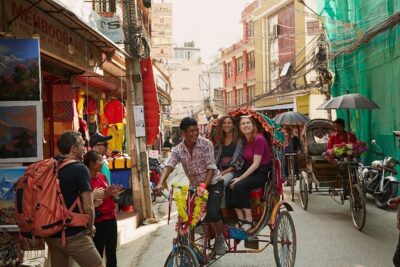 ★ 5.0Kathmandu Sunset Tour by Rickshaw Including Durbar Square VisitFrom $5073 reviews
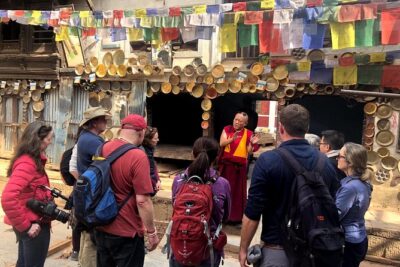 ★ 5.0Old Kathmandu Walking Tour, Historic World Heritage Durbar SquareFrom $2822 reviews
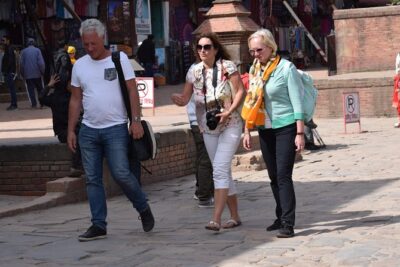 ★ 4.5City tour of Bhaktapur and Patan Durbar SquareFrom $11020 reviews
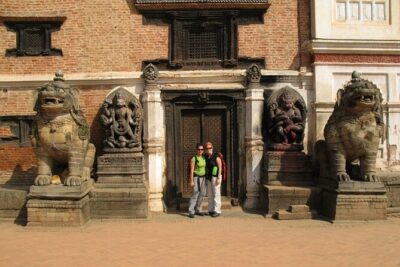 ★ 5.0Bhaktapur Old City and Durbar Square Half-Day TourFrom $6515 reviews
 ★ 5.0Kathmandu Durbar Square – Private/Small GroupFrom $1513 reviews
 ★ 5.0Nagarkot Sunrise & Bhaktapur Durbar Square UNESCO Heritage TourFrom $5512 reviews
 ★ 4.5Private Half-Day Tour of Kathmandu Durbar Square and Swayambhunath TempleFrom $4711 reviews
Browse the lists this tour appears in