
Review · TOURS
Nepal and Bhutan Tour – 12 Days
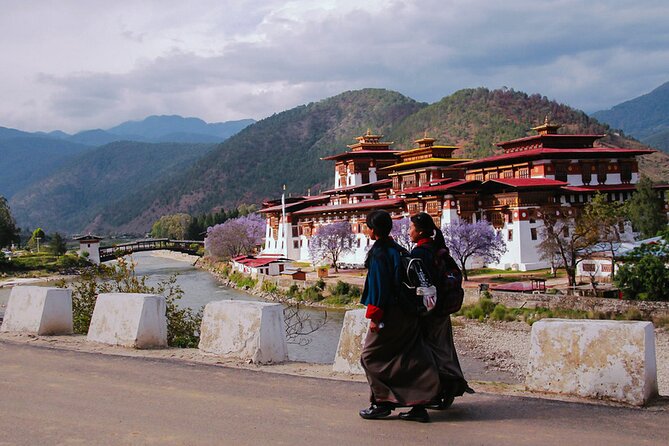
Himalayas meet temple bells in one circuit. This Nepal and Bhutan tour blends Kathmandu’s iconic holy sites with the kind of Bhutan highlight that sticks in your memory—Tiger’s Nest (Paro Taktsang). I also like how the itinerary threads together big sights with calmer moments: lake time in Pokhara and wildlife-focused days in Chitwan. One thing to keep in mind: you’ll have long drive days and a few real climbs, so you should go into this one with solid stamina and sensible footwear.
If you’re squeamish about traditional funeral rituals, plan ahead. Pashupatinath sits on the Bagmati River, and you may see Hindu funeral activity along the ghat—your guide can help you pace your visit if that feels too uncomfortable.
In This Review
- Key Highlights You’ll Actually Feel
- Why This Nepal and Bhutan 12-Day Route Makes Sense
- Kathmandu Heritage: Boudhanath Stupa, Pashupatinath, and Kathmandu Durbar Square
- Pokhara After the City Rush: Sarangkot Sunrise, Phewa Lake, Devi’s Falls
- Chitwan National Park: The Road Trip, the Lodge Base, and Tharu Culture at Sunset
- Chitwan the Ethical Way: Jeep Safaris, Canoe Rides, and Elephant Walks (No Baths)
- Optional Bird-Watching and the Fly Back to Kathmandu
- Entering Bhutan Through Paro: The Left-Side Plane Tip and the Thimphu Welcome
- Thimphu Temples, Gompas, and Craft Stops: From Pangri Zampa to the National Museums
- Punakha Dzong and the Khamsum Yulley Namgyal Chorten Climb for 360° Views
- Paro Taktsang (Tiger’s Nest): The 4-Kilometer Challenge and What Helps Most
- Price and Value: What $4,460 Covers and What You Must Budget Separately
- Who This Tour Fits Best (and Who Should Think Twice)
- Final Call: Should You Book This Nepal and Bhutan Experience?
- FAQ
- Is pickup offered for this Nepal and Bhutan tour?
- What’s the tour length?
- Are hotels included?
- What does the tour price include?
- Which visas are included, and how do I handle them?
- Are meals included?
- How hard is the Tiger’s Nest hike?
- What animal activities are offered in Chitwan?
- What happens if I need to cancel or change my booking?
Key Highlights You’ll Actually Feel
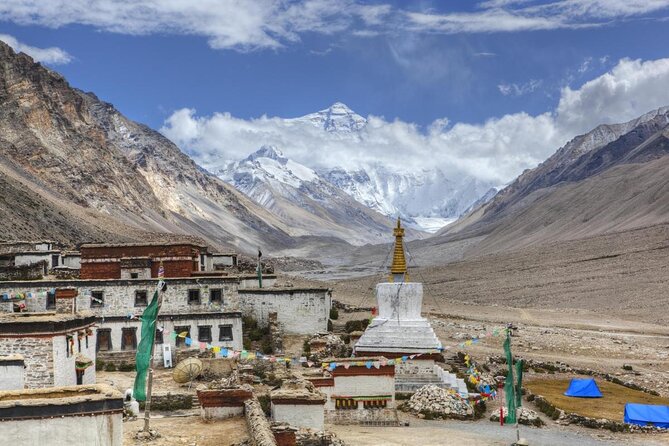
- World Heritage day in Kathmandu: Boudhanath Stupa, Pashupatinath, and Kathmandu Durbar Square in one organized sweep
- Pokhara sunrise timing: Sarangkot early views over the Annapurna range, followed by easy lake time on Phewa Lake
- Chitwan with an ethics-first approach: no elephant safaris or baths, with jeep rides, canoe time, and an elephant-walk style encounter
- Bhutan guided by local culture rules: a licensed Bhutanese guide plus a Bhutan tour format that requires fixed travel dates
- Punakha Dzong + a viewpoints hike: the rivers meet, then you climb up to Khamsum Yulley Namgyal Chorten for 360° Punakha Valley views
- Tiger’s Nest hike that’s doable with planning: a 2–3 hour climb (4 km) with the option to hire a pony for part of it
Not sure yet? Here are other Kathmandu tours worth a side-by-side look.
- Everest Base Camp Trek – 14 Days★ 5.0 · 1,499 reviews
- Everest Base Camp Trek★ 5.0 · 842 reviews
- Private Kathmandu Sightseeing Tour | UNESCO World Heritage sites★ 5.0 · 756 reviews
- Kathmandu: 7 UNESCO Sites with Lunch★ 4.8 · 744 reviews
Why This Nepal and Bhutan 12-Day Route Makes Sense
This is a tour built around two different vibes: Nepal’s energy and Bhutan’s slow, rule-guided reverence. You start with Kathmandu’s big spiritual landmarks and then move into gentler scenery—Pokhara sunrise, lake boating, and the “hold your breath” moments you get in the Himalaya region.
What I like is that the trip doesn’t treat nature and culture like separate items. Chitwan brings you close to wildlife through park time on jeep and canoe, but you also get Tharu cultural evening programming. Then Bhutan shifts your focus toward temples, crafts, dzongs, and monastery life—especially once you reach Paro and climb toward Paro Taktsang.
Value-wise, the price you pay (listed at $4,460 per person) covers a lot that can quietly inflate if you plan it yourself: air-conditioned land transport across Nepal and Bhutan, English-speaking guides, and hotel stays along the way. The parts that aren’t included matter too (visa fees, most meals in Kathmandu and Pokhara, and your international airfare), so it’s smart to budget those early.
Kathmandu Heritage: Boudhanath Stupa, Pashupatinath, and Kathmandu Durbar Square
Kathmandu is your orientation day, and it’s a powerful one. You begin with a meet-and-greet at the airport by a Peregrine representative, then you get a tour briefing at your hotel. That makes Day 1 feel less chaotic—more like you’re settling in than trying to figure out the city on your own.
On the heritage day, you hit three major anchors:
- Boudhanath Stupa: This is one of the largest and most distinctive stupas in the world. Around it you’ll see the rhythms of Tibetan trade and Buddhist devotion in the area that historically served as a key corridor into Kathmandu.
- Pashupatinath Temple: Dating back to the 5th century, this site is a major Hindu pilgrimage stop on the Bagmati River. The emotional weight is real. You may encounter Hindu funeral activity along the riverfront (ghat). If that feels uncomfortable, the tour is set up so you can tell your guide and adjust your timing and viewing.
- Kathmandu Durbar Square: You’ll walk through one of the three Durbar Squares in the valley, surrounded by architecture that traces back to the Lichhavi period (third century). It’s the kind of place where you can understand why Kathmandu matters, even before you learn every name.
My practical take: wear shoes you can move in easily. These sites are walk-heavy, and you’ll get more out of it if you can stop, look up, and move on without fighting your footwear.
Pokhara After the City Rush: Sarangkot Sunrise, Phewa Lake, Devi’s Falls
Then you’re off to Pokhara by road—about 200 kilometers and typically a long day (around 7 to 9 hours). The good news is that route gives you a Nepal countryside rhythm: rivers, hills, scattered villages, and views that keep changing as you go.
Pokhara is where the tour slows down and starts feeling like vacation. Your day is built around a classic sequence:
- Sarangkot sunrise: You head up early for the Annapurna range glow. This is one of those “wake up on purpose” moments, and it’s worth it.
- Phewa Lake boating: After sunrise, you’ll get a calmer pace on the water, with mountain views reflected on the lake surface.
- Gupteshwor Cave and Devi’s Falls: You switch from views to an odd, memorable mix of geology and water drama.
- Tibetan Refugee Camp: You visit to learn about culture and crafts from the Tibetan community that found refuge there.
- Peace Stupa: You finish at a hilltop viewpoint-style stop, where the air feels different after the busy morning.
A quick mindset tip for Pokhara: plan for a day that can feel physically active even when it’s not a trek. Between the early start, steps, and moving around to different sites, you’ll want to keep your energy up with water and snacks.
Chitwan National Park: The Road Trip, the Lodge Base, and Tharu Culture at Sunset
Chitwan is the tour’s wildlife and culture pivot. You drive 6 to 7 hours into the Sauraha area and check into an ethnic, eco-friendly lodge. That lodge base matters because it sets your expectations: this is a nature-focused area where you’ll spend time outside and expect early mornings later.
In the afternoon/evening, the schedule gives you two good outlets:
1) Relax time at the lodge, then
2) A sunset riverside mood, with a chance to enjoy a beer by the river (it’s offered in the program as a casual option).
Then you get Tharu cultural programming—a traditional dance show is built into the evening plan. There’s also an optional additional cultural program that your tour leader can arrange through a local theatre.
My advice here is simple: don’t over-schedule that evening with side plans. Chitwan works best when you let the next day’s park activities take priority. You’ll sleep better and spot more when you’re rested.



Chitwan the Ethical Way: Jeep Safaris, Canoe Rides, and Elephant Walks (No Baths)
This is where the tour’s values show. The Chitwan day is explicitly designed around ethical animal interactions. That means:
- No elephant safaris
- No elephant baths
- Instead, you’ll do jeep safaris, canoe rides, and an elephant walk style encounter
The morning activity includes an up-close, non-harmful observation of an Asian elephant, focusing on behavior rather than spectacle. In the park, you’re in an ecosystem that supports endangered species like the one-horned rhinoceros, plus large wildlife populations that include Bengal tigers (along with deer and various birds).
Later, you take a canoe ride on the Rapti River, which is a nice change from the jeep. The program notes you may spot gharial and marsh muggers, and it’s a more patient way to watch wildlife.
If you care about animal welfare, this structure is a big selling point. You’re still doing classic safari elements, but without turning it into a circus.
Optional Bird-Watching and the Fly Back to Kathmandu
You don’t lose Nepal entirely on the way out. Instead, there’s an optional feel-good choice: an early morning bird-watching program for a couple of hours. Then you fly back to Kathmandu to close out the Nepal portion and set up for Bhutan.
Even if you don’t choose the bird-watching option, the timing still works. Flying reduces another long day on the road, and it helps you arrive in Bhutan with enough energy for the first Bhutan sightseeing day.
Entering Bhutan Through Paro: The Left-Side Plane Tip and the Thimphu Welcome
Bhutan starts with the flight into Paro (Paro Airport). There’s a practical tip included: for the best views, try to sit on the left side of the plane.
After you land, the tour handles immigration and customs, then you’re escorted by a licensed Bhutanese guide—a key detail because Bhutan sightseeing is very guided by local expectations and timing.
From Paro to Thimphu is about a two-hour drive, and you’ll pass rivers and red rice field scenery. In Thimphu, the tour includes visits to places that explain Bhutan through everyday craft and daily rhythm:
- Nado Poizokhang Incense Factory
- Gagyel Lhundrup Weaving Centre
You also get free time to explore Thimphu, then dinner and a discussion about what’s coming next in Bhutan.
One logistics point you should take seriously: the tour notes that group visas are managed and that Bhutan’s tourism rules require fixed travel dates. Unexpected changes can create extra costs. If your travel dates are already set, great—if not, plan to lock them down.
Thimphu Temples, Gompas, and Craft Stops: From Pangri Zampa to the National Museums
Thimphu is often where first-time visitors realize Bhutan isn’t just about one big monastery. It’s about many smaller stops that build a picture of how people live with faith and routine.
Your day includes:
- Tibetan Village, plus local streets and a walk through blue pine forests
- A riverside hike to Pangri Zampa Gompa, described as a hub for traditional astrology
- Spiritual visits at Tango and Cheri Gompa
- A picnic by the river, which is a nice decompression moment between more structured religious stops
Later, you’ll move into cultural and memorial landmarks such as:
- National Memorial Stupa (honoring the third king)
- Zhilukha Nunnery, listed as the largest in Bhutan
- Choki Traditional Art School and the National Textile Museum
- Shopping at the National Handicrafts Emporium for traditional goods
My tip: keep your pace light. Bhutan site-to-site walking can add up, and you’ll enjoy the day more if you treat it as a sequence of pauses, not a checklist.
Punakha Dzong and the Khamsum Yulley Namgyal Chorten Climb for 360° Views
Next you head to Punakha, and the tour gives you a classic combo: dzong first, then viewpoints through hiking.
- Punakha Dzong: It’s described as the second largest and oldest dzong, located at the junction of the Pho Chu and Mo Chu Rivers. It carries relics of Tibetan Buddhism, Bhutanese architectural features, and sacred remains connected to Ngawang Namgyal, the unifier of Bhutan as a nation-state.
- After lunch, you hike about one hour from the Mo Chu River base to Khamsum Yulley Namgyal Chorten.
That chorten hike is mostly uphill on a loose earth/mud path and reaches an altitude of 1800 meters. The payoff is built right into the description: when you reach the chorten, you get 360-degree views over Punakha Valley, including paddy fields and the Mo Chu River.
Practical advice: bring a bit of patience. This is a steep, textured climb where steady steps beat speed.
Paro Taktsang (Tiger’s Nest): The 4-Kilometer Challenge and What Helps Most
Your final Bhutan highlight day is Paro Taktsang, also called Tiger’s Nest Monastery. You drive to the start of the trail, then hike 2 to 3 hours along a 4-kilometer route up to the monastery, which sits about 3000 feet above Paro Valley.
The tour frames the path as challenging, but it includes options to make it manageable:
- You can hire a pony for part of the trek
- You’ll want comfortable hiking boots
- Bring water and snacks
When you’re moving uphill, the best strategy is simple: small rests, frequent sips, and don’t force your pace. The views of Paro Valley as you ascend help take the edge off the climb.
That night, you stay in Paro at a 3-star hotel like Mandala Resort, and the tour includes provided meals and accommodation for the last night (as stated for this day).
Price and Value: What $4,460 Covers and What You Must Budget Separately
At $4,460 per person for about 12 days, this isn’t a budget backpacking trip. The value is in what the package handles so you don’t have to assemble it piece by piece:
- All fees and taxes
- Air-conditioned vehicle
- English-speaking guide in Nepal and Bhutan
- Hotel accommodation in both countries
- All land transportation (and key flights between Nepal and Bhutan are part of the built route)
What’s not included matters, and you should plan for it:
- Lunch and dinner in Kathmandu and Pokhara
- Personal expenses like bar bills, phone use, internet, and laundry
- Nepal visa fee and Bhutan visa fee
- International airfare
- Travel insurance
So when does it feel like good value? When you want a guide-led experience in countries where logistics and pacing can be the difference between a smooth trip and a frustrating one. You’re paying for organization, not just transport.
One more value note: you’ll have moments that can be hard to replicate on your own—like guided visits to specific Bhutan craft sites and dzongs, plus the ethics-first approach to Chitwan activities.
Who This Tour Fits Best (and Who Should Think Twice)
This Nepal and Bhutan tour is a strong match if you:
- Want heritage sites plus mountain-era spirituality
- Like guided days with a clear plan and fewer navigation headaches
- Are okay with a couple steep hikes (Khamsum Yulley Namgyal Chorten and Tiger’s Nest)
- Care about wildlife experiences and prefer the tour’s ethics-first structure in Chitwan
It’s a tougher fit if you:
- Struggle with early mornings and long travel days (road time is part of the route)
- Strongly dislike witnessing funerary rituals, because Pashupatinath can include funeral activity along the riverfront
- Have very flexible travel dates you can’t lock in, since Bhutan requires fixed travel dates under the tour’s visa setup
Final Call: Should You Book This Nepal and Bhutan Experience?
I’d book it if you want a guided “greatest hits” style journey without feeling like you’re sprinting through everything. The mix of Kathmandu heritage, Pokhara scenery, Chitwan ethical wildlife time, and Bhutan temple-and-dzong days creates a trip that feels balanced rather than one-note.
You should also know that the tour’s best moments come from showing up prepared: good shoes, a calm attitude toward steep paths, and openness to how seriously Bhutan and Nepal treat spiritual life. If you can do that, this route gives you exactly what many people dream of when they picture the Himalaya—religion in the streets, wildlife by the river, and one hike that ends with your jaw dropped.
FAQ
Is pickup offered for this Nepal and Bhutan tour?
Pickup is offered, and you’ll also be met at the airport in Kathmandu by a Peregrine representative for the start of your trip.
What’s the tour length?
It runs for 12 days (approx.).
Are hotels included?
Yes. The package includes hotel accommodation in Nepal and Bhutan. The Paro stay is described as a 3-star option like Mandala Resort.
What does the tour price include?
The price includes all fees and taxes, an air-conditioned vehicle, an English-speaking guide, and hotel accommodation, plus all land transportation in Nepal and Bhutan.
Which visas are included, and how do I handle them?
Visa fees are not included. Nepal Visa fee and Bhutan Visa fee are listed as not included. The tour notes Nepal visas can be obtained at Kathmandu Airport, and Bhutan group visas are managed by Peregrine. Bhutan also requires fixed travel dates.
Are meals included?
Lunch and dinner in Kathmandu and Pokhara are not included. The tour schedule notes breakfast on the last day (Day 12). Other meals are not listed in full detail for every day.
How hard is the Tiger’s Nest hike?
The Tiger’s Nest (Paro Taktsang) hike is described as a challenging path, taking 2–3 hours for about 4 kilometers. It also mentions an option to hire a pony for part of the trek, and you should wear comfortable hiking boots and carry water and snacks.
What animal activities are offered in Chitwan?
The tour avoids elephant safaris and baths. It offers jeep safaris, canoe rides, and an elephant walk encounter that focuses on non-harmful observation of an Asian elephant.
What happens if I need to cancel or change my booking?
The experience is non-refundable and cannot be changed for any reason. If you cancel or ask for an amendment, the amount you paid will not be refunded.
More Tours in Kathmandu




More Tour Reviews in Kathmandu




Just Reviewed in Kathmandu
- Mountain Bike Tour
★ 5.0 · 3 reviews - Annapurna Panaroma
★ 5.0 · 3 reviews - Mount Everest Scenic Flight 50 Minutes
★ 5.0 · 3 reviews - Kathmandu : Swambhunath & Durbar Square Guided Half Day Tour
★ 3.3 · 3 reviews - Chandragiri Cable Car & Monkey Temple Tour – Private/Group
★ 5.0 · 3 reviews - Kathmandu: Shivapuri National Park Hiking Day Trip
★ 3.3 · 3 reviews
Tours, compared.
 ★ 5.0Everest Base Camp Helicopter Tour landing at Everest View HotelFrom $1,575668 reviews
 ★ 5.0Full Day 7 UNESCO Tour with Lunch – Private/GroupFrom $10415 reviews
 ★ 5.0Private Bhaktapur and Nagarkot Day Tour From KathmanduFrom $20305 reviews
 ★ 4.9Food and Drink Walking TourFrom $34292 reviews
 ★ 5.0Full Day Top 4 UNESCO Tour with Lunch – Private/GroupFrom $10269 reviews
★ 5.0Kathmandu Food and Drink Walking TourFrom $36266 reviews
 ★ 5.0UNESCO Seven World Heritage Tour in KathmanduFrom $180253 reviews
★ 4.9Full-Day 7 UNESCO Tour with Lunch – Private/GroupFrom $5247 reviews