
Review · TOURS
Nepal and Bhutan Tours
Small cities, big mountains, then pure monastery time.
What makes this trip interesting is the way it mixes Kathmandu heritage with Bhutan’s sacred sites, then lands you at the most famous hike: Taktsang (Tiger’s Nest). I also like that you’re not stuck in a single place—you’re moving through temple visits, river valley stops, and morning mountain views, all with a guide and driver doing the heavy lifting. One drawback to plan for: it leans hard on timing and weather, so if conditions are poor, the experience can shift.
Because it’s a private tour, your day-to-day pace is set for your group. That means fewer hassles with finding transport and more time spent actually looking at what you came for—stupas, dzongs, and monastery walls—rather than fighting logistics. Just be ready for a full week where mornings start early.
In This Review
- Key Highlights at a Glance
- Kathmandu Begins: Thamel, Temple-Air, and a Welcome Dinner
- Nagarkot Morning Views and Swayambhu’s Monkey Temple Energy
- Crossing Into Bhutan: Sunrise, Paro, and Flying Straight Into the Mountains
- Punakha Day Trip Focus: Changangkha Lhakhang and the Quiet Nunnery Stop
- Punakha Dzong and the River Junction That Defines the Place
- Tiger’s Nest Day Trip: Taktsang Monastery and the Real Workout
- Returning to Kathmandu: Paro Exit Help, Then a Little Breathing Room
- Day 8 Wrap-Up: Airport Escort and a Smooth Finish
- Value and Price: Does $1,400 Make Sense for This Plan?
- What You’ll Actually Do Each Day (and What to Watch For)
- Hotels, Guides, and the One Thing Reviews Keep Pointing To
- Who This Nepal and Bhutan Tour Is Best For
- Should You Book This Tour?
- FAQ
- Where does the tour start?
- How long is the tour?
- Is this a private tour?
- Are pickup services offered?
- What’s included in the package?
- What’s not included?
- Do I need good weather?
- What is the cancellation refund window?
Key Highlights at a Glance
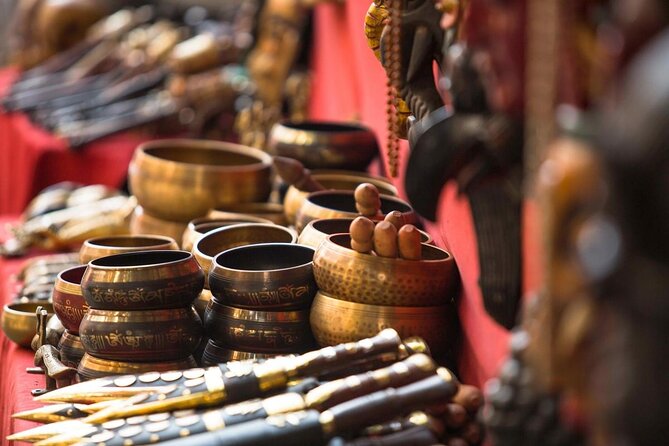
- Thamel + welcome dinner to ease you into Kathmandu on Day 1
- Nagarkot sunrise views paired with the iconic Swayambhunath stupa
- Paro flight included so you skip a long overland crossing
- Punakha Dzong at the river junction (Mo Chu and Pho Chu)
- Taktsang hike from Ramthangkha—the day you’ll remember most
Not sure yet? Here are other Kathmandu tours worth a side-by-side look.
- Everest Base Camp Trek – 14 Days★ 5.0 · 1,499 reviews
- Everest Base Camp Trek★ 5.0 · 842 reviews
- Private Kathmandu Sightseeing Tour | UNESCO World Heritage sites★ 5.0 · 756 reviews
- Kathmandu: 7 UNESCO Sites with Lunch★ 4.8 · 744 reviews
Kathmandu Begins: Thamel, Temple-Air, and a Welcome Dinner
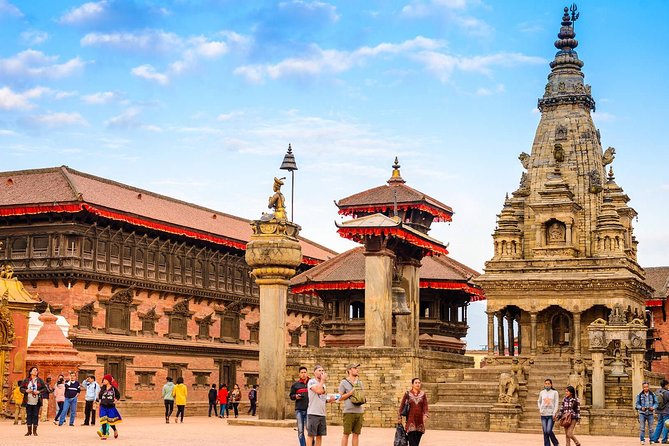
Your trip lands in Kathmandu and starts gently, in the best kind of way. Day 1 is built around Thamel Street, plus a welcome dinner. It’s a smart setup: you arrive, walk off travel-time, and you get oriented in the area most visitors use as a base. Thamel is noisy, yes, but it’s also practical—easy to find tea, snacks, and basic supplies if you need them before your longer travel days.
This is the kind of first evening that helps you sleep better. You’ll be less likely to panic about where things are, and you’ll have a real reference point for the next morning’s sights.
One practical note: the itinerary says a “6 hours” block for Day 1. That usually means you won’t be sightseeing nonstop, which is good. You’ll still feel like Day 1 matters, but you won’t need to treat it like a sprint.
Nagarkot Morning Views and Swayambhu’s Monkey Temple Energy
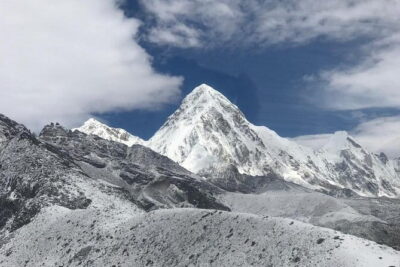
Day 2 starts with breakfast, then heads toward Nagarkot. Even if you don’t get a perfect sky, Nagarkot is all about the idea of Nepal’s mountain theater—layered ridges, shifting cloud, and that moment when the light changes fast.
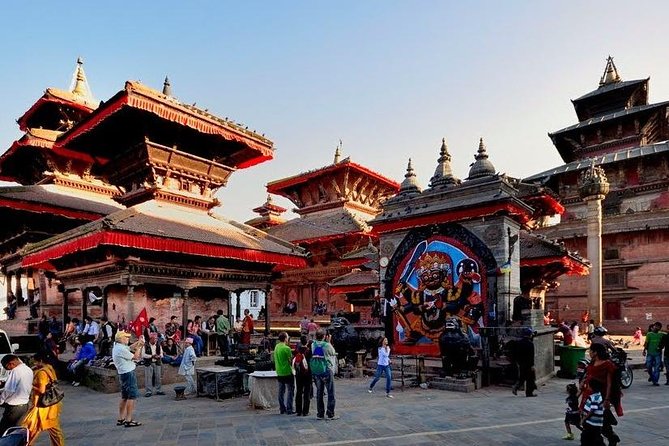
After Nagarkot, the plan brings you into Kathmandu for a city tour, including Swayambhunath Stupa (often called the Monkey Temple). You go up to the hilltop stupa where the dome-shaped shrine sits as a major Buddhist holy site. The best part here is simple: you’re looking at the city from above, then stepping into a place that’s been active for centuries. It’s not only a view stop—it’s a spiritual landmark.
The drawback? Hilltop sites mean stairs and uneven walking. You don’t need hiking boots, but you do need comfortable shoes and a steady pace. Also, if you’re sensitive to crowds, keep in mind this is one of the best-known stops in the Kathmandu orbit.
Crossing Into Bhutan: Sunrise, Paro, and Flying Straight Into the Mountains
Day 3 is where the trip really changes gears. You wake early for sunrise views, then after breakfast you’re taken to Kathmandu airport for a flight to Paro. The itinerary specifies a one-hour flight into Paro with Druk Air.
That flight detail matters more than it sounds. Bhutan access often feels complicated to plan, but flying keeps your schedule realistic. It also gives you that first instant of Bhutan—mountains rising around the edges, not just mountains in the distance.
In clear weather, you’re promised magnificent views of the world’s highest peaks. Even when skies don’t cooperate, the flight still gives you a sense of scale. Nepal showed you the build-up. Bhutan often feels like the payoff: tighter spiritual focus, quieter road days, and more time spent on temples and dzongs.
Punakha Day Trip Focus: Changangkha Lhakhang and the Quiet Nunnery Stop
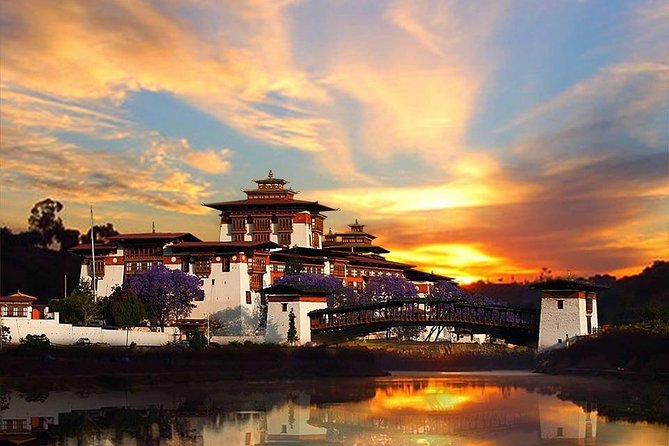
Day 4 is a full cultural day built around Punakha, with temple time along the way. After breakfast, you drive to visit Changangkha Lhakhang, described as a temple built in the 12th century. You’ll also visit the Drubthob Goemba nunnery.
What I like about this portion of the itinerary is the balance. You’re not only seeing big-famous sites. You’re stopping at an older temple with a specific story (that 12th-century detail) and then stepping into a nunnery setting. That pairing makes your Bhutan day feel grounded, not just photo-driven.
There’s also a practical rhythm here: the plan gives you enough time to experience the sites without feeling like you’re constantly rushing between buildings. Still, you are in Bhutan territory now—expect driving on winding roads.
If you’re the type who likes to ask questions, bring that energy. Temple architecture and religious life are easier to understand when your guide can explain what you’re looking at, not just where to stand for a picture.
Punakha Dzong and the River Junction That Defines the Place
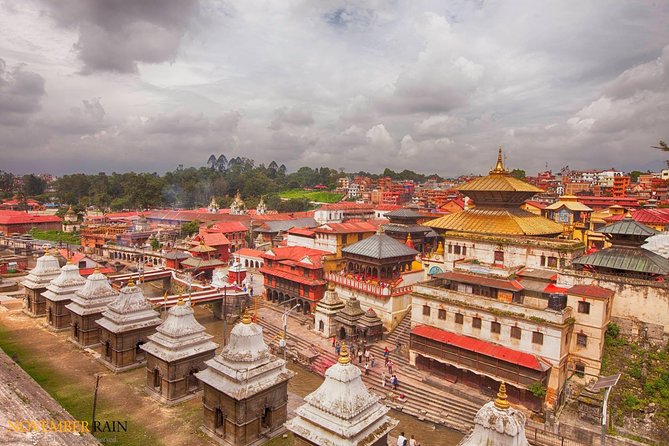
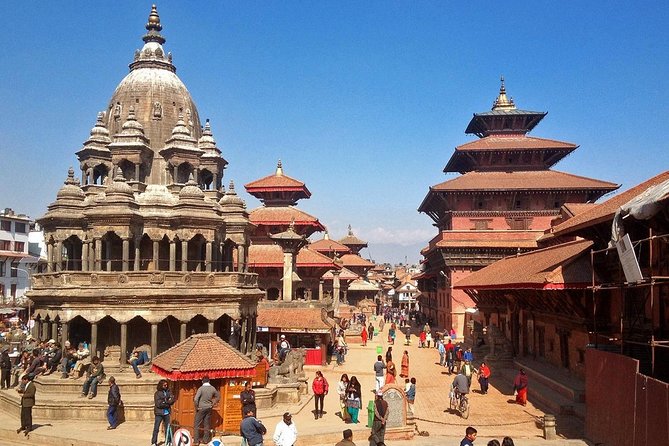
Day 5 brings you deeper into Punakha with a visit to Punakha Dzong. The itinerary highlights it as the ancient capital spanning the Mo Chu and Pho Chu rivers, and also notes it’s the winter capital for monks and the Je Khenpo, the chief abbot.
This is the kind of stop that helps you connect the dots. Bhutan’s sacred geography isn’t random. Rivers aren’t just scenery here; they shape where people live, where power concentrates, and where religious life gathers. When a dzong is described at the junction of two major rivers, you can feel why it matters.
After Punakha Dzong, you drive to Lobeysa, though the itinerary text cuts off there. Even without the extra detail, the pattern is clear: you’re moving from major religious architecture into the surrounding valley life.
The consideration: Punakha is a long day with driving. You’ll want to pace yourself. If you’re tired, prioritize slowing down at the dzong itself, because that’s your anchor point.
Tiger’s Nest Day Trip: Taktsang Monastery and the Real Workout
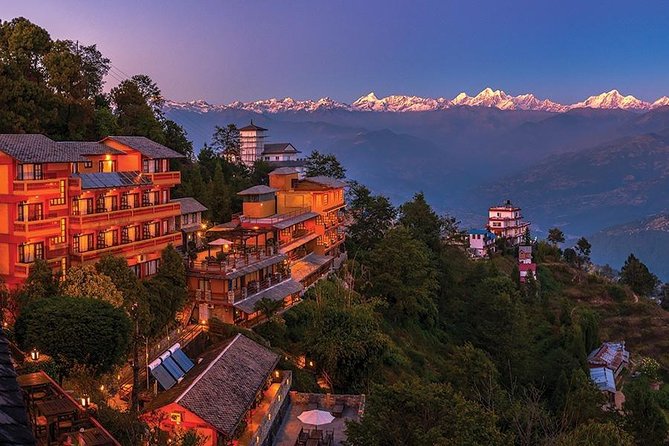
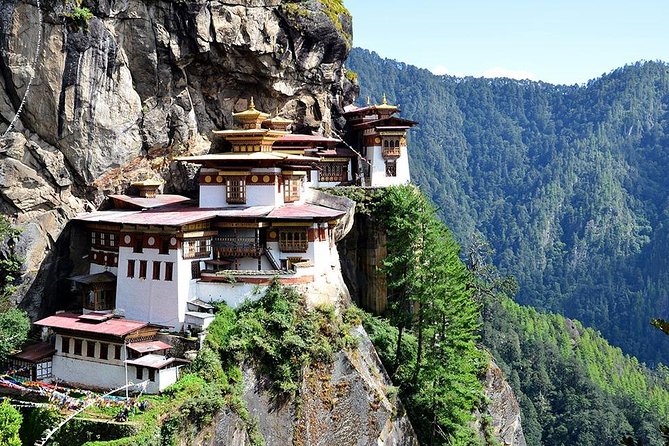
Day 6 is the standout in most Bhutan itineraries, and here it’s front and center. After an early breakfast, you drive to Drukgyal Dzong, described as a ruined fort that once defended the valley from Tibetan invasions. Then you continue to Ramthangkha to hike up to Taktsang Monastery (Tiger’s Nest).
This is the day you’ll want to prepare for physically and mentally.
On the practical side, you’re doing a hike up to a monastery. The itinerary doesn’t list the distance or time, so you should assume it will be steeper than you expect and take steady effort. Wear supportive shoes and plan to move slowly. This is not the day to try to “power through” for a photo at the top.
On the emotional side, it’s a Bhutan experience in the most direct way. You’re climbing from road-level life into a sacred site built around dramatic cliffside presence. Even if you’ve seen pictures, the moment you’re actually near the monastery is usually the one that sticks.
Returning to Kathmandu: Paro Exit Help, Then a Little Breathing Room
Day 7 shifts from Bhutan back to Kathmandu. You head to Paro airport, where the itinerary states a representative helps with exit formalities, then bids farewell. After that, you fly back to Kathmandu and are welcomed and transferred to your hotel. The rest of the day is more flexible: leisure time and shopping.
I like this structure because it protects your energy. After the long monastery day, you’re not immediately thrown into more trekking. Instead, you’re given time to process the experience, buy a few gifts, and catch up on anything you missed at the start.
If you like souvenir shopping, Kathmandu is the place where it’s easiest to do it without stress. If shopping isn’t your thing, use the time to relax, do laundry, and plan your final day.
Day 8 Wrap-Up: Airport Escort and a Smooth Finish
On Day 8, the trip ends with another airport escort. The itinerary notes that about 3 hours before your scheduled flight, a representative escorts you to the airport. It’s a helpful buffer for a final travel day, especially if you want your morning to feel calm rather than chaotic.
Since the tour is designed to move from Kathmandu to Paro and back, Day 8 is mostly about getting you home on schedule and making sure you don’t lose time to last-minute uncertainty.
Value and Price: Does $1,400 Make Sense for This Plan?
At $1,400 for about 8 days, the value comes from how much is bundled and how smoothly the route is stitched together.
Here’s the value logic I see:
- Transportation is handled with private vehicles in Nepal and Bhutan, plus a professional driver setup.
- Hotels are included as 3-star stays in both countries.
- Key costs are covered: museum and special entry fees are listed as included.
- Flights are included for the Bhutan segment: Kathmandu to Paro and Paro to Kathmandu are part of the package. That’s often the biggest “planning headache” on multi-country Bhutan itineraries.
- Guiding is included, with the guide’s salary and related support listed.
Where you’ll likely spend extra:
- Your international airfare isn’t included (the package lists airfare separately in the not-included section).
- Nepal visa fee is listed as not included.
- Tipping isn’t included.
- Meals in Nepal (outside the included meals) aren’t fully covered; Bhutan meals are explicitly described as included (breakfast, lunch, dinner) plus mineral water.
There’s also a subtle value point: this trip doesn’t just point you at attractions. It sequences them—Kathmandu orientation, mountain-view morning, flight into Bhutan, then dzongs and monastery highlights. That reduces the time you’d otherwise spend coordinating on your own.
What You’ll Actually Do Each Day (and What to Watch For)
You’re not just “checking boxes.” The rhythm of this tour builds a theme:
- Day 1: Kathmandu settling-in (Thamel walking) + welcome dinner
- Day 2: mountain-view time at Nagarkot + a major Kathmandu spiritual site (Swayambhunath)
- Day 3: sunrise views + flight into Paro
- Day 4: Punakha-focused route with older temple and nunnery stop
- Day 5: Punakha Dzong and valley time
- Day 6: Drukgyal Dzong ruins + Taktsang hike (your big physical moment)
- Day 7: Paro airport help + return to Kathmandu + leisure/shop time
- Day 8: airport escort and departure
The main consideration is pacing around early mornings and driving days. Even if the itinerary lists many stops in “hours,” in real life you’ll feel the travel time. Plan to travel light and keep a small day bag ready for temple days.
Hotels, Guides, and the One Thing Reviews Keep Pointing To
The package includes 3-star hotels in Nepal and Bhutan and provides a professional guide and driver. That matters because the real win on a tight, multi-country plan is not just seeing famous places—it’s reducing confusion.
A recent guest note praised the overall itinerary and said the guide and hotels worked well, plus that the company helped arrange an Everest Base Camp extension. I can’t promise your exact add-on, but it tells you something practical: this operator seems to be good at coordinating more than one route if you want to extend your trip later.
If you’re the kind of traveler who likes a plan but hates last-minute problem solving, that’s the sweet spot for this tour.
Who This Nepal and Bhutan Tour Is Best For
This trip is a great match if:
- you want Buddhist sites with real context, not only quick photos
- you like a structured route with private transport
- you’re comfortable with early starts and at least one meaningful hike
- you want Kathmandu and Bhutan in one trip without messy coordinating
It might not be your best fit if:
- you dislike hills and uneven walking at temple sites
- you’re chasing a totally relaxed schedule
- you want full control over every minute (this is a planned itinerary with set stops)
Should You Book This Tour?
If your goal is a smooth, well-sequenced introduction to Kathmandu plus Bhutan’s biggest monastery moment, I’d seriously consider booking this. The included flights, private vehicles, guide support, and entry-fee coverage make it feel designed for travelers who want less admin and more actual seeing.
Before you commit, do two quick checks:
- Can you handle one day of hiking for Taktsang? If yes, you’re in.
- Are you okay with weather affecting mountain-view days? Bhutan access is highly dependent on conditions, and the package is clear that it requires good weather.
If you want, tell me your travel month and your hiking comfort level, and I’ll help you sanity-check whether the timing and the Taktsang day make sense for you.
FAQ
Where does the tour start?
It starts at Tribhuvan Airport in Kathmandu, Nepal, with a listed start time of 7:15 am.
How long is the tour?
The duration is 8 days (approximately).
Is this a private tour?
Yes. It’s a private tour/activity, and only your group participates.
Are pickup services offered?
Pickup is offered.
What’s included in the package?
The package includes a welcome dinner, lunch, 3-star hotel stays in Nepal and Bhutan, private vehicle sightseeing, a professional tour guide and driver services, mineral water, museum fees and other special entry fees, visa fee, and flights between Kathmandu and Paro and back.
What’s not included?
Not included are airfare for international travel, Nepal visa fee, tipping for the guide and related staff, meals in Nepal (beyond what’s listed as included), insurance, and any costs not specifically mentioned.
Do I need good weather?
The experience requires good weather. If it’s canceled due to poor weather, you’ll be offered a different date or a full refund.
What is the cancellation refund window?
You can cancel up to 6 days in advance for a full refund. Cancel 2–6 days before for a 50% refund, and less than 2 days before is not refundable.
More Tours in Kathmandu


More Tour Reviews in Kathmandu
Just Reviewed in Kathmandu
- Mountain Bike Tour
★ 5.0 · 3 reviews - Annapurna Panaroma
★ 5.0 · 3 reviews - Mount Everest Scenic Flight 50 Minutes
★ 5.0 · 3 reviews - Kathmandu : Swambhunath & Durbar Square Guided Half Day Tour
★ 3.3 · 3 reviews - Chandragiri Cable Car & Monkey Temple Tour – Private/Group
★ 5.0 · 3 reviews - Kathmandu: Shivapuri National Park Hiking Day Trip
★ 3.3 · 3 reviews
Tours, compared.
 ★ 5.0Everest Base Camp Helicopter Tour landing at Everest View HotelFrom $1,575668 reviews
 ★ 5.0Full Day 7 UNESCO Tour with Lunch – Private/GroupFrom $10415 reviews
 ★ 5.0Private Bhaktapur and Nagarkot Day Tour From KathmanduFrom $20305 reviews
 ★ 4.9Food and Drink Walking TourFrom $34292 reviews
 ★ 5.0Full Day Top 4 UNESCO Tour with Lunch – Private/GroupFrom $10269 reviews
★ 5.0Kathmandu Food and Drink Walking TourFrom $36266 reviews
★ 5.0Full Day Top 4 UNESCO Tour with Lunch – Private/GroupFrom $10269 reviews
★ 5.0Kathmandu Food and Drink Walking TourFrom $36266 reviews
 ★ 5.0UNESCO Seven World Heritage Tour in KathmanduFrom $180253 reviews
★ 4.9Full-Day 7 UNESCO Tour with Lunch – Private/GroupFrom $5247 reviews
★ 5.0UNESCO Seven World Heritage Tour in KathmanduFrom $180253 reviews
★ 4.9Full-Day 7 UNESCO Tour with Lunch – Private/GroupFrom $5247 reviews