
Review · TOURS
Nepal Cultural Highlights Tour in 10 Days
Nepal hits hard. This tour makes it manageable. You bounce between Kathmandu Valley, Chitwan, and Pokhara with a driver and an English-speaking local guide, so you spend your energy on temples, wildlife, and mountain views instead of planning.
What I like most is the tight organization for such a wide route: your small group (max 10) keeps things personal, and the tour handles the big moving parts like transfers and hotel stays. The other clear win is how much UNESCO heritage you get without hunting tickets or timing.
One thing to consider: the long driving days can feel intense (including an early Sarangkot sunrise), and meal inclusions are not fully “all-day every day” across the trip.
In This Review
- Key highlights to keep on your radar
- Kathmandu, Chitwan, Pokhara: why this routing works
- Small-group comfort and the “someone else drives” advantage
- Day 1 in Thamel: settling in the Kathmandu base
- Day 2: Durbar Square and three major stupas
- Kathmandu Durbar Square
- Swayambhunath (Monkey Temple)
- Boudhanath Stupa
- Pashupatinath in the evening
- Day 3: Patan and Bhaktapur’s preserved medieval feel
- Patan Durbar Square
- Bhaktapur Durbar Square
- Day 4-6: Chitwan National Park’s wildlife rhythm
- Day 4: the drive to Chitwan
- Day 5: canoeing on the Rapti River
- Day 6: bird watching along the Rapti River bank
- Day 7: the long scenic shift to Pokhara
- Day 8: Sarangkot sunrise, Devi’s Fall, Gupteshwor Cave, and World Peace Stupa
- Sarangkot sunrise
- Devi’s Fall
- Gupteshwor Cave
- World Peace Stupa
- Day 9: Bandipur’s old-town pause before Kathmandu
- Day 10: airport transfer before departure
- Price and value: what $1,699 is really buying
- The small logistics that can change your experience
- Meals: included, then not
- Tips and donations
- Temple etiquette and ceremony awareness
- Keep an eye on the Day 6 location wording
- Who should book this Nepal cultural highlights tour
- Should you book this Nepal Cultural Highlights Tour?
- FAQ
- How many days is the Nepal Cultural Highlights Tour?
- What is the meeting point for this tour?
- Do you get picked up from the airport?
- What’s the group size limit?
- Is there an English-speaking guide?
- What’s included in the price besides the tour itself?
- What meals are not included?
- Are international flights included?
- Are entrance fees included for UNESCO sites?
- Can I cancel for free?
Key highlights to keep on your radar
- Max group size of 10 for a more personal pace and easier logistics
- Private land transport connecting Kathmandu, Chitwan, Lumbini/Rapti area, Pokhara, and Bandipur
- UNESCO entrance fees included for World Heritage stops in Kathmandu Valley
- Wildlife-focused Chitwan day with Rapti River canoeing plus bird watching time
- Sunrise at Sarangkot for Himalayan views, followed by Pokhara sightseeing
Not sure yet? Here are other Kathmandu tours worth a side-by-side look.
- Everest Base Camp Trek – 14 Days★ 5.0 · 1,499 reviews
- Everest Base Camp Trek★ 5.0 · 842 reviews
- Private Kathmandu Sightseeing Tour | UNESCO World Heritage sites★ 5.0 · 756 reviews
- Kathmandu: 7 UNESCO Sites with Lunch★ 4.8 · 744 reviews
Kathmandu, Chitwan, Pokhara: why this routing works
This tour is built around the three most common first-timer “big questions” in Nepal: Where do I go first? How do I get between places without losing days? And how do I handle the language barrier when I’m trying to understand what I’m seeing?
The answer here is a straightforward loop. You start in Kathmandu, then go south-west to Chitwan National Park for wildlife time, then head toward Pokhara with the option of Lumbini/Rapti-related activities in the middle of the route, and finish with a stop in Bandipur before returning to Kathmandu. It’s not trying to cram in every corner of Nepal. It’s trying to hit the classic experiences in a logical order.
And the comfort factor matters. All land transportation is by private vehicle, with a driver doing the hard work. That means you can stay focused on what’s outside the window—river bends, rural scenes, and changing terrain—rather than negotiating roads and schedules.
Small-group comfort and the “someone else drives” advantage
Group tours can feel stiff, or they can feel like a busload of strangers. This one sets a different tone with a maximum of 10 travelers. That size is big enough to feel social, but small enough for your guide to answer questions, adjust pacing when needed, and keep the day from turning into a rush.
Also, the core logistics are covered:
- Private vehicle transfers between dispersed places
- Hotel accommodation included
- An experienced, English-speaking local tour guide
- Local and government taxes covered
You get picked up at Tribhuvan Airport, with a driver waiting outside the terminal, then transferred to your hotel in Thamel. That matters because Kathmandu traffic and arrival-day fatigue can make even a great trip feel stressful.
If you’re someone who wants Nepal without a spreadsheet, this setup fits. If you want total freedom to linger at each doorway or skip ahead to shop, you may find a guided structure limiting. The tour is designed for efficient sightseeing, not wandering for hours on your own.
Day 1 in Thamel: settling in the Kathmandu base
Your first day starts with an airport arrival transfer. The driver meets you outside Tribhuvan Airport and brings you to your hotel in Thamel, the main tourist neighborhood in Kathmandu.
Thamel is practical. You’ll be close to restaurants, small shops, and the kind of easy first-day infrastructure that helps jet lag behave. You don’t need to figure out local transit on day one. You also get time to recover before the real temple-and-stupa circuit begins.
For day-one success, I’d suggest keeping your evening low-key: plan for an early start next morning, and don’t try to “make up for lost time” with a marathon. Nepal is great for walking, but you’ll enjoy it more with rest built in.
Day 2: Durbar Square and three major stupas
Day 2 is a full Kathmandu Valley highlights day: Durbar Square, Swayambhunath, Boudhanath, and then Pashupatinath in the evening.
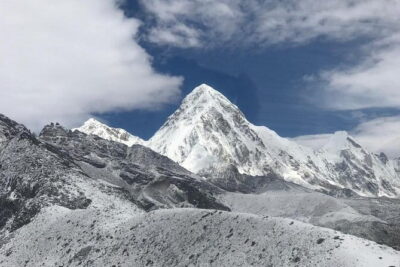
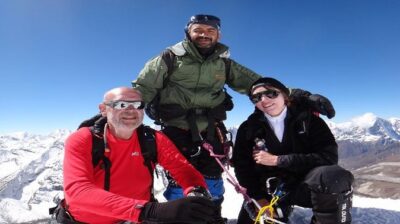
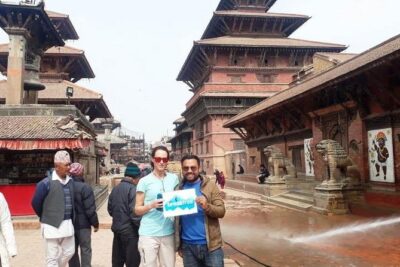
Kathmandu Durbar Square
This is your orientation to the city’s old heart. Expect clusters of temples with distinctive architecture and a sense of living heritage—places that still feel tied to daily community life. Admission is free on this route, which is a nice bonus when you’re budgeting your trip.
Swayambhunath (Monkey Temple)
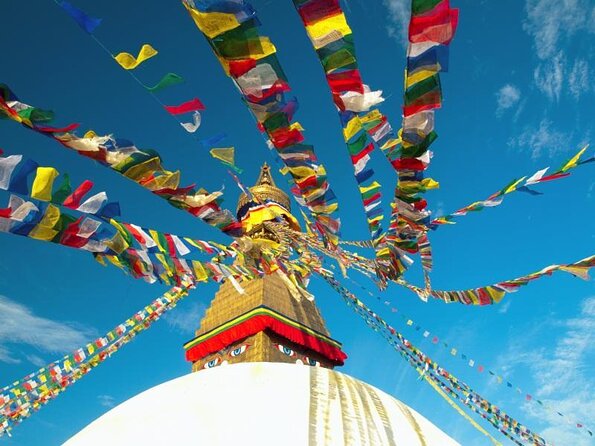
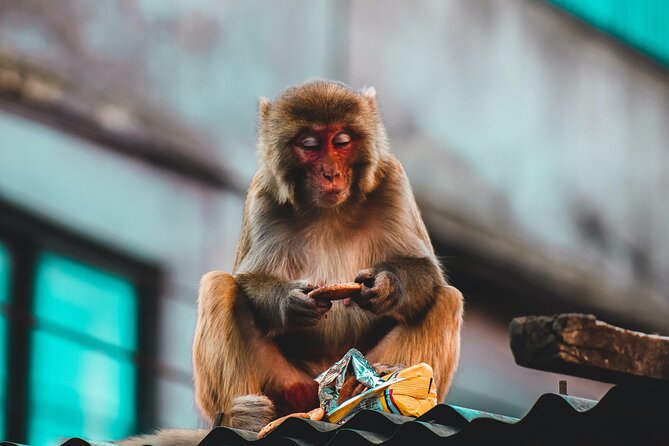
Swayambhunath is reached on a hill, and the stupa is the centerpiece. It’s a classic “views first, details second” stop: you’ll climb, arrive, and then start noticing the finer religious details around the stupa once you’re there. It’s also known as Monkey Temple, so you might see monkeys in the vicinity.
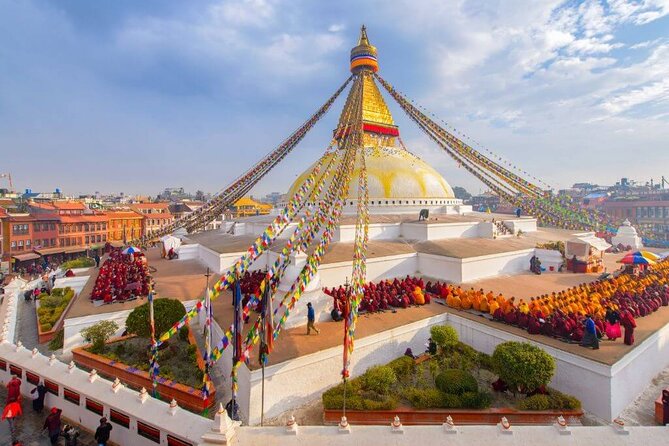
Boudhanath Stupa
Then comes one of the most notable stupas in the world, and a UNESCO World Heritage site. You get free time here for lunch and for watching devotees doing their rituals at a calmer pace. This is a good moment to slow down after the earlier movement of the day.
Pashupatinath in the evening
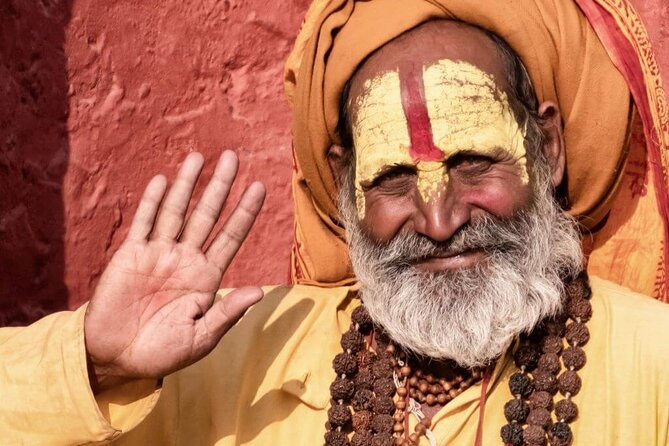
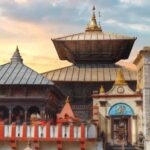
Finally, you’ll go to Pashupatinath Temple along the Bagmati River. This is an important pilgrimage site for Hindus and also known as a place where cremation ceremonies take place. In the evening, the atmosphere changes—more quiet, more watching, more intensity. If you’re sensitive to how sacred spaces look and feel, this stop is powerful in a way you can’t fully prepare for.
Practical tip: Dress modestly and be respectful near temple areas and ceremonies. Your guide will keep you on the right side of etiquette.
Day 3: Patan and Bhaktapur’s preserved medieval feel
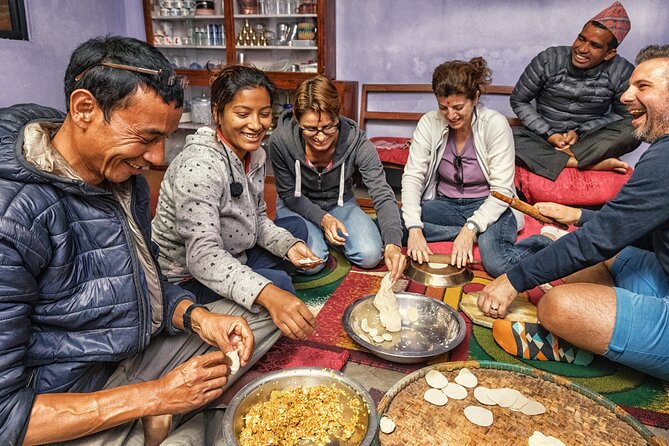
Day 3 shifts to two UNESCO World Heritage city centers: Patan and Bhaktapur.
Patan Durbar Square
You’re driven from Kathmandu to Patan, then visit Patan Durbar Square and the Krishna Temple. This stop often feels like a more focused “craft and temple” atmosphere compared with the broader feel of the capital center.
Bhaktapur Durbar Square
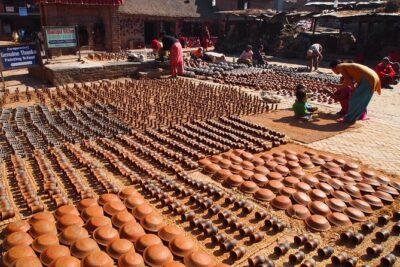
Next is Bhaktapur, noted for its unusually well-preserved medieval city center from the Malla period. This area is also tied to local traditions like pottery, so you’re not just looking at stone—you’re watching living skill.
Both stops are marked as free admission here, and that’s valuable. Entrance fees add up quickly in UNESCO-heavy itineraries, and this tour includes those World Heritage entrances.
One possible drawback: Day 2 and Day 3 are both packed with major heritage sites. If you’re someone who needs lots of breaks, take them seriously—step out for water, use your free time to rest, and don’t treat each square like a checklist.
Day 4-6: Chitwan National Park’s wildlife rhythm
Now the trip changes tone. Kathmandu’s temples and courtyards give way to riverbanks and wildlife time at Chitwan National Park.
Day 4: the drive to Chitwan
You travel about 160 kilometers southwest from Kathmandu to Chitwan. The day notes that the journey is beautiful as you drive through the countryside. It’s not just transit; it’s part of the experience.
The main value of arriving together with the group is that you lose less time. You’re not hunting schedules or paying for separate transport. You just arrive and start.
Day 5: canoeing on the Rapti River
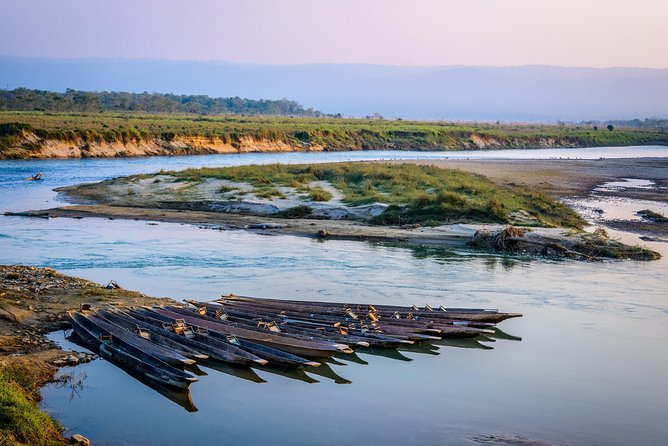
Day 5 is built around canoeing on the Rapti River. You’ll have a chance to observe Marsh Mugger and Gharial crocodiles resting along the riverbanks. Even if you don’t spot wildlife instantly, the experience is still about being on the water in a wildlife setting, listening for cues, and watching the river edge for movement.
This day also includes a longer block for sightseeing activities after canoeing, but the specifics beyond canoeing aren’t fully detailed in the schedule text you provided. If Chitwan is a big priority for you, ask your operator what’s included beyond canoeing on that date.
Day 6: bird watching along the Rapti River bank
Day 6 is labeled with Lumbini, but the activities described focus on bird watching around the Rapti River bank. Since that mix could be a scheduling detail (or a wording mismatch), I’d confirm with the tour provider what day’s location focus actually is before you go.
Bird watching here is framed as a real strength of the region, with your guide explaining different species you might see. That’s a big part of why guided wildlife days are worth it: you’re not just spotting shapes—you’re learning what you’re looking at.
Day 7: the long scenic shift to Pokhara
Day 7 is a drive from Lumbini to Pokhara, described as scenic and following the Siddhartha Highway. The highway connects the Terai region in southern Nepal with the mountain region to the north.
This is one of those travel days where having a driver helps a lot. You can focus on the changing scenery and arrive ready for real exploring rather than feeling worn out.
A tip for days like this: if your body dislikes long car rides, take breaks when the schedule allows, and bring water. Even when transport is comfortable, Nepal driving days add up.
Day 8: Sarangkot sunrise, Devi’s Fall, Gupteshwor Cave, and World Peace Stupa
Day 8 is the day most people picture when they think of Nepal: early start, big views, and then a set of classic Pokhara attractions.
Sarangkot sunrise
In the very early morning, you head to Sarangkot for sunrise views over the Himalayan mountains. Your schedule notes it introduces you to the 8000+ meter peaks you may see on a clear day. After sunrise, you’ll have breakfast.
This is also a good day to remember: sunrise rewards patience. If skies are hazy, you’ll still get the morning ritual and viewpoints, but the “wow” might depend on weather.
Devi’s Fall
After breakfast, you visit Devi’s Fall, described as a unique waterfall that continues underground. It’s popular with locals and visitors, and it’s one of those places where you can see the water’s path and then spend a few minutes just watching how it behaves.
Gupteshwor Cave
Next is Gupteshwor Cave (across the street from Davis Waterfall, based on the schedule text). The tour notes you can see the flow of the waterfall from inside the cave. That’s one reason this pair is worth doing: you get both the waterfall setting and the cave perspective.
World Peace Stupa
Your day concludes with the World Peace Stupa, built by Japanese monks. It’s a white-domed monument symbolizing peace, placed on a hilltop with views over the Himalayas and Phewa Lake.
This stop is a nice “wrap up” after active sightseeing. It’s also a chance to sit for a bit and let your brain absorb what you’ve seen over the last week.
Day 9: Bandipur’s old-town pause before Kathmandu
Day 9 takes you back toward Kathmandu. You drive for about 2-3 hours, then stop around 1 hour to explore Bandipur, an old town.
Bandipur works well as a reset. Instead of another rushed temple stop, you get a more relaxed old-town feel. After lunch (your own expense), you continue your journey to Kathmandu for your final night(s).
One key value of including Bandipur: it adds variety without blowing up the schedule. If you’re the type who worries you’ll see the same type of place every day, this helps balance the trip.
Day 10: airport transfer before departure
On departure day, you’ll be transferred to Kathmandu International Airport about 3 hours before your flight. This buffer is practical. Nepal timing can be fluid, and airport procedures take time—especially if you have a few layers of security checks and paperwork.
For your packing, keep essentials easy to reach: passport, any required documents, and a light layer for waiting time.
Price and value: what $1,699 is really buying
At $1,699 for about 10 days, the big question is: are you paying for comfort and planning, or just for a route?
Here, you’re paying for a lot of built-in infrastructure:
- Private land transportation for the full route
- Hotel accommodation included
- A local English-speaking guide
- Government and local taxes
- World Heritage entrance fees included
- Breakfasts and some lunches/dinners included (breakfast listed 9 times; lunch 2; dinner 2)
Where the value shows up fastest is in the transfers between places. Kathmandu to Chitwan and Chitwan toward Pokhara are not quick hops. Doing this with one coordinated operator usually costs you less time and less money than piecing it together yourself—especially if you don’t speak the language or don’t want to manage multiple bookings.
The main cost caveat is what’s not included:
- Tipping for guide and driver
- Travel insurance
- International flights
- Upgrading rooms
- Donations in temples/schools/monasteries
- Drinks/bills
- Food outside what’s specified as included (the schedule specifically notes food not included except in Chitwan)
So, yes, it’s not the cheapest way to do Nepal. But you’re buying reduced stress plus the kind of guidance that helps you understand what you’re seeing—especially in Kathmandu Valley.
The small logistics that can change your experience
These tours succeed or fail on details. Here are the ones that matter most for planning your days.
Meals: included, then not
Breakfast is included 9 times, with 2 lunches and 2 dinners included overall. Outside those listed meals, you’ll be responsible for food costs. The schedule notes food is included except in Chitwan (as phrased), so read your final itinerary for exactly which meals are covered each day.
Tips and donations
Tipping for the guide and driver is not included. Donations in temples and similar places are also not included. If you want smooth budgeting, set aside a tip amount and keep small cash for optional donations.
Temple etiquette and ceremony awareness
Pashupatinath involves cremation ceremonies. It’s a sacred site with strong ritual activity. You’ll want to dress appropriately and follow your guide’s cues on where to stand and how to behave.
Keep an eye on the Day 6 location wording
Day 6 is labeled Lumbini, but the activities described focus on bird watching on the Rapti River bank. That may be a schedule detail worth confirming, especially if you’re expecting a specific Lumbini sightseeing day.
Who should book this Nepal cultural highlights tour
This tour fits best if you:
- Want the Kathmandu Valley classics, Chitwan wildlife time, and Pokhara viewpoints without planning each leg
- Prefer small-group travel with a guide who can explain what you’re seeing
- Like a structured pace and don’t want to chase tickets, transfers, or language basics
- Value included UNESCO entrances and a private-vehicle setup
It may be a mismatch if you:
- Hate early mornings (Sarangkot sunrise is early by design)
- Want maximum freedom to stay longer in one place and skip the rest
- Expect every meal to be included
Should you book this Nepal Cultural Highlights Tour?
If you want a well-organized sampler that hits the biggest “why Nepal” moments—temples in Kathmandu Valley, wildlife time in Chitwan, and the mountain morning from Sarangkot—this tour is a strong choice. The best part is the trade: you give up some freedom, and you get back time, guidance, and fewer logistics headaches.
Before you confirm, do two quick checks: confirm Day 6’s Lumbini vs Rapti bird-watching sequence, and look closely at which meals are included so you don’t get surprised by daily food costs. If those align with your expectations, booking makes sense.
FAQ
How many days is the Nepal Cultural Highlights Tour?
It runs for 10 days approximately.
What is the meeting point for this tour?
The start point is Tribhuvan Airport in Kathmandu, Nepal.
Do you get picked up from the airport?
Yes. A driver will be waiting outside Kathmandu International Airport, and you’ll be transferred to your hotel in Thamel.
What’s the group size limit?
The maximum group size is 10 travelers.
Is there an English-speaking guide?
Yes. The tour includes an experienced, English-speaking local tour guide.
What’s included in the price besides the tour itself?
Included are all land transportation by private vehicle, hotel accommodation, government and local taxes, entrance fees for World Heritage Sites, and meals listed as breakfast (9), lunch (2), and dinner (2).
What meals are not included?
The tour notes that food is not included everywhere except Chitwan, and drinks or beverage bills are not included.
Are international flights included?
No. International flights are not included.
Are entrance fees included for UNESCO sites?
Yes. Entrance fees for World Heritage Sites are included.
Can I cancel for free?
Yes. Free cancellation is available, and you can cancel up to 24 hours in advance for a full refund.
More Tours in Kathmandu


More Tour Reviews in Kathmandu
Just Reviewed in Kathmandu
- Mountain Bike Tour
★ 5.0 · 3 reviews - Annapurna Panaroma
★ 5.0 · 3 reviews - Mount Everest Scenic Flight 50 Minutes
★ 5.0 · 3 reviews - Kathmandu : Swambhunath & Durbar Square Guided Half Day Tour
★ 3.3 · 3 reviews - Chandragiri Cable Car & Monkey Temple Tour – Private/Group
★ 5.0 · 3 reviews - Kathmandu: Shivapuri National Park Hiking Day Trip
★ 3.3 · 3 reviews
Tours, compared.
 ★ 5.0Everest Base Camp Helicopter Tour landing at Everest View HotelFrom $1,575668 reviews
 ★ 5.0Full Day 7 UNESCO Tour with Lunch – Private/GroupFrom $10415 reviews
 ★ 5.0Private Bhaktapur and Nagarkot Day Tour From KathmanduFrom $20305 reviews
 ★ 4.9Food and Drink Walking TourFrom $34292 reviews
 ★ 5.0Full Day Top 4 UNESCO Tour with Lunch – Private/GroupFrom $10269 reviews
★ 5.0Kathmandu Food and Drink Walking TourFrom $36266 reviews
★ 5.0Full Day Top 4 UNESCO Tour with Lunch – Private/GroupFrom $10269 reviews
★ 5.0Kathmandu Food and Drink Walking TourFrom $36266 reviews
 ★ 5.0UNESCO Seven World Heritage Tour in KathmanduFrom $180253 reviews
★ 4.9Full-Day 7 UNESCO Tour with Lunch – Private/GroupFrom $5247 reviews
★ 5.0UNESCO Seven World Heritage Tour in KathmanduFrom $180253 reviews
★ 4.9Full-Day 7 UNESCO Tour with Lunch – Private/GroupFrom $5247 reviews