
Review · TOURS
Nepal, Tibet & Bhutan tour start & end in Kathmandu, visit Lhasa, Paro & Thimpu
Some trips are about checking boxes; this one feels like stacking views. You start in Kathmandu, get a big Himalayan flight moment that links Nepal–Tibet–Bhutan, and then spend time on holy sites that look and feel different country to country. I particularly like the focus on iconic spiritual landmarks like Potala Palace and Bhutan’s Taktsang/Tiger’s Nest area, because they’re the kind of sights that make you slow down instead of rush through. I also like that it’s private and paced for a “moderate” day—vehicle-based touring with gentle walking, plus an optional hike for people who want the extra challenge.
One consideration: this is a fast-cross-border style trip. Even with a smooth plan, the time pressure means you’ll want to pack light and keep expectations realistic about how much you can absorb in a short window—especially if you’re sensitive to long travel days and shifting altitudes.
In This Review
- Key things to know before you go
- Entering Nepal’s Kathmandu Valley rhythm, then moving on
- Kathmandu Valley temples, palaces, and stupas: what six hours really means
- Patan (Lalitpur) after Kathmandu: why this second city-hour is worth it
- The Everest flight moment: the fastest way to feel the Himalaya
- Lhasa and Potala Palace: the spiritual centerpiece
- Bhutan’s Paro, Thimpu, and Wangdu/Punakha: temples plus altitude air
- Taktsang / Tiger’s Nest hike: how to decide if it fits you
- Accommodation, breakfast, and a private guide: why the details matter
- Price and value: what $7,900 per person is buying you
- Who this tour suits best (and who should skip it)
- Should you book this Nepal, Tibet, and Bhutan circuit?
- FAQ
- Where does the tour start and when?
- What countries and key places are included?
- What kind of activity level is expected?
- What’s included in the price?
- Do you include meals and drinks?
- How do visas work?
- What is the cancellation policy?
Key things to know before you go
- Private group, local guide: you get your own group experience instead of mixing with strangers at every stop.
- Everest-in-the-windows flight: the trip connects countries with a major aerial highlight, not just road time.
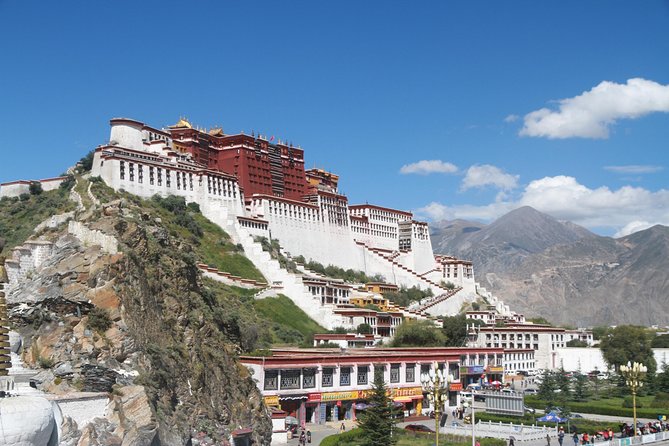
- Lhasa’s Potala Palace focus: the heartland visit centers on the spiritual and cultural pull of the city.
- Bhutan’s Taktsang/Tiger’s Nest hike is optional: moderate touring with one day you can choose to push your legs.
- Kathmandu and Patan admissions are listed free: entry for those specific valley tours is handled for you.
- Visa help for Tibet and Bhutan: Nepal visa is available on arrival, while Tibet/Bhutan are taken care of.
Not sure yet? Here are other Kathmandu tours worth a side-by-side look.
- Everest Base Camp Trek – 14 Days★ 5.0 · 1,499 reviews
- Everest Base Camp Trek★ 5.0 · 842 reviews
- Private Kathmandu Sightseeing Tour | UNESCO World Heritage sites★ 5.0 · 756 reviews
- Kathmandu: 7 UNESCO Sites with Lunch★ 4.8 · 744 reviews
Entering Nepal’s Kathmandu Valley rhythm, then moving on
Kathmandu is the kind of place that grabs you fast. Even before you head out into bigger regions, the city teaches you how this part of the Himalayas thinks about sacred space. Temples, stupas, carved courtyards, and prayer flags aren’t background decor here. They’re the way people mark daily life—where you pause, where you walk, and what you notice.
This tour gives you a guided full-day Kathmandu Valley look (about six hours). You’ll also get a second shot at the valley in the form of Patan (Lalitpur), which is typically where art lovers and architecture nerds feel extra happy. The real value of doing both is variety: Kathmandu can feel like it’s in motion, while Patan often feels more refined and craft-forward. Together, they help you understand why the Kathmandu Valley is so famous for arts linked to religion.
The practical upside: since the valley days are relatively concentrated, you’re less likely to spend your whole trip stuck in transit. The gentle downside: because you’ll see a lot in a short span, wear shoes you trust and plan to take mental breaks, even if your camera is yelling for more shots.
Kathmandu Valley temples, palaces, and stupas: what six hours really means
Your Kathmandu day is built around classic highlights—ancient palaces, stupas, and temples. That sounds broad (because it is), but in practice it works if you go with the right mindset: don’t treat it like a museum checklist. Treat it like walking through a living set of ideas.
Here’s what you’ll get from a guided approach:
- You’ll know what you’re looking at—often the difference between appreciating a temple and just admiring buildings.
- You’ll learn how the same religion expresses itself through different forms: a stupa’s geometry, a temple’s carvings, a palace’s layout.
- You’ll get timing help. Many of the best moments in Kathmandu are light-and-crowd moments, and a local guide helps you hit them instead of fighting them.
Admissions for this day are listed as free in the tour format, which matters because it removes one small headache. Still, you’ll want to budget for your own pace: snacks, water, and small stops are not bundled unless specifically noted.
Also, since this is a private tour with pickup and drop-off from designated meeting points, you’re not left figuring out logistics after a long flight. Starting at Tribhuvan Airport at 7:45 am (meeting point at the airport) means your day begins early. Bring a hat, hydrate the night before, and don’t underestimate Kathmandu’s morning sun.
Patan (Lalitpur) after Kathmandu: why this second city-hour is worth it
After Kathmandu, Patan (Lalitpur) gives you a different angle on the valley. Your time here is shorter—about two hours—but that’s enough to shift your attention from the biggest-ticket feel of Kathmandu to finer craft and more concentrated architecture.
In practical terms, Patan works because it’s manageable:
- Two hours is long enough to see the main highlights without your brain turning to mush.
- It’s a good “buffer” day after the full Kathmandu cycle, especially if you’re already tired from flights and jet lag.
- It pairs nicely with the rest of this trip, since you’re about to switch from Nepal to the Tibet/Bhutan rhythm.
The tour lists Patan admissions as free too, so again you avoid paying on the spot for entries that would otherwise eat time. Just keep in mind: Patan is still a city. You’ll want to stay flexible if streets feel busy or you need a quick rest stop. It’s not a theme park—good, old-fashioned city pace.
The Everest flight moment: the fastest way to feel the Himalaya
One of the main reasons this trip stands out is the big in-between piece: a flight over the Himalayas that links Nepal, Tibet, and Bhutan. That’s a huge deal for value and energy. Instead of spending days grinding roads to chase mountain views, you get the wide-angle version from the air.
What you should expect from this kind of flight experience:
- The most dramatic views usually come when visibility is good. You can’t force weather, so be patient.
- You get a “wow, that’s real” effect without adding days of travel time.
- It changes how you understand the geography. When you see the Himalaya from above, the later ground moments in Tibet and Bhutan feel less random.
This flight is the tour’s connector. It’s what makes the story feel like one journey instead of three separate trips stacked together.
If you’re prone to motion sickness, plan ahead like you would for any flight. Also, keep a light layer in your day bag—the aircraft cabin can feel cooler than you expect at altitude.



Lhasa and Potala Palace: the spiritual centerpiece
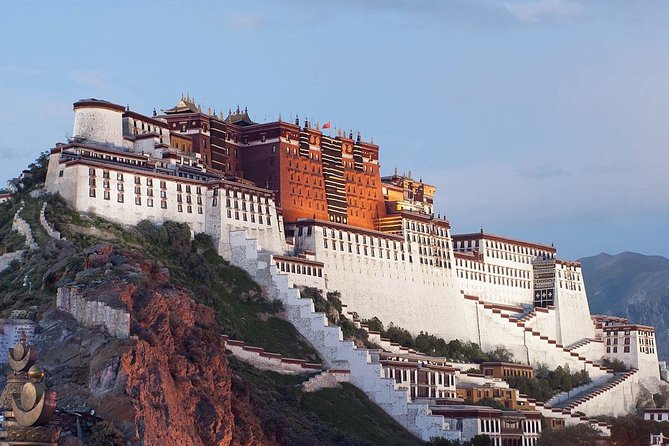
Lhasa is where this itinerary leans hardest into Tibetan cultural gravity. The highlight called out is Potala Palace, home to the Dalai Lama’s former seat and one of the most recognizable spiritual symbols in the region.
Even if you’ve seen photos, Potala isn’t about the picture. It’s about scale and the way it sits in the city. The palace complex feels like it holds history in its stones, and the Tibetan heartland around Lhasa adds context: you’re not just looking at one landmark. You’re seeing a whole culture’s atmosphere.
A few practical tips that will help you enjoy it more:
- Give yourself time to slow down. Big monuments can make you feel like you must run through them; that’s the wrong move here.
- Dress for comfort, not just style. You’ll likely spend time outdoors, and weather can shift.
- Bring something for photos—but don’t let photos block your view of what’s happening around you.
In a short trip, Potala Palace is the kind of stop that can anchor everything else. If you care about spiritual architecture, you’ll understand why it’s the headline.
Bhutan’s Paro, Thimpu, and Wangdu/Punakha: temples plus altitude air
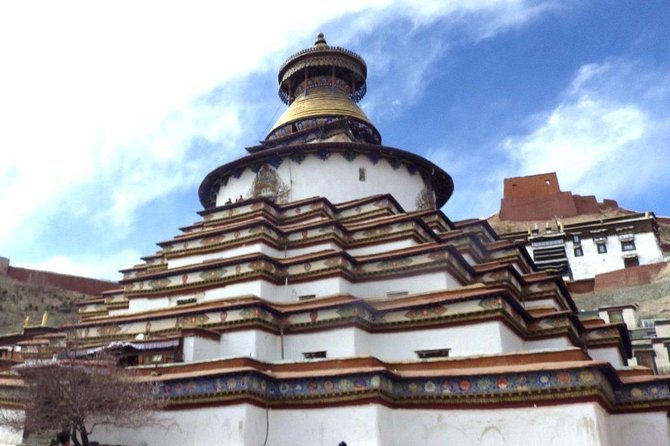
After Lhasa, the experience shifts gears into Bhutan. The focus here is Paro and Thimpu, plus time around Wangdu / Punakha. That combination is smart because it mixes mountain-town feel with palace/valley atmosphere.
What makes this part special is the way Bhutan blends simplicity with ceremony. You’ll see religious sites, walk through traditional scenes, and keep feeling that daily life moves to a different pace than what you may be used to.
Paro and Thimpu are typically your “cultural and viewpoint” anchors. Wangdu / Punakha often feels more lush and valley-like, which can be a nice change of pace after the tighter city energy of Lhasa.
Taktsang / Tiger’s Nest hike: how to decide if it fits you
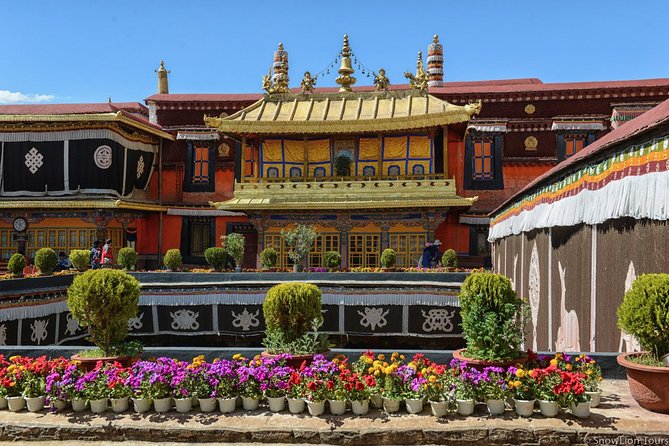
One of the most talked-about Bhutan highlights is the hike to Taktsang Monastery (Tiger’s Nest). In this tour style, it’s an optional day-hike—so you can choose based on your fitness and comfort with uneven paths.
Here’s how to think about it:
- It’s not just a stroll. You’ll be climbing enough to feel it in your legs.
- The payoff is the monastery setting and the dramatic sense of place.
- If you’re an easy-moderate walker, this hike can be a memorable capstone.
If you’re not sure you’ll enjoy hiking that day, it’s totally reasonable to opt out. You can still benefit from Bhutan’s other stops without forcing your body into a day it doesn’t want.
Either way, plan for weather swings. Even when the day looks clear, mountain conditions can change quickly. Bring layers and keep your day small enough that you’re comfortable.
Accommodation, breakfast, and a private guide: why the details matter
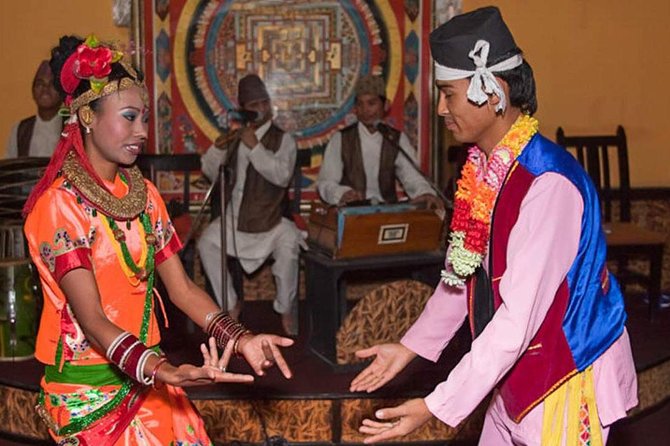
Included in the tour cost is accommodation (as per itinerary) and breakfast, plus a local guide and pickup/drop-off from designated meeting points. That’s the kind of bundle that saves stress. When you’re crossing borders and moving between cities, you don’t want to spend time arguing with your own schedule.
This tour also uses mobile ticketing, which sounds minor until you’re in a place where power outlets are scarce and paperwork piles up. Having tickets accessible from your phone is simply easier.
The transport style is described as moderate vehicle based touring. Translation: you’re not doing a backpacker odyssey. You’ll have comfort on the move, and then guided walking when it’s worth it.
One more point: the tour is listed as private, and that matters more than people think. You can ask questions at your own pace, adjust timing if you need a bathroom break, and generally avoid the frustration of a group that moves faster or slower than you do.
Price and value: what $7,900 per person is buying you
$7,900 per person is not a budget price. You’re paying for the combination: multi-country routing (Nepal + Tibet + Bhutan), guided sightseeing, hotel nights, airport-area pickup/drop-off, and the inclusion of a major flight over the Himalayas.
What’s included:
- Accommodation and breakfast
- Local guide
- Pickup and drop-off from designated meeting points
What’s not included:
- Alcoholic drinks (available to purchase)
- Food and drinks unless specified
- Souvenir photos (sold separately)
- Any possible excess luggage charges
Here’s how to judge value in real life:
- If you were trying to assemble Nepal + Tibet + Bhutan on your own, you’d spend serious time on logistics and planning, plus face uncertainty around cross-border timelines.
- A guided private setup reduces friction, and friction is usually the hidden cost of high-demand regions.
- The flight component is often the single biggest time-saver. Time saved is comfort bought.
If you’re the kind of traveler who hates complicated planning, this price starts making sense fast. If you’re trying to travel at a shoestring, you’ll probably feel the cost no matter how efficient it is.
Who this tour suits best (and who should skip it)
This is built for travelers who want the headline sights—without turning the trip into a constant slog. You’ll likely enjoy it most if you:
- Want a private guided experience rather than a big-group shuffle
- Like spirituality and cultural landmarks (temples, stupas, palace sites)
- Are comfortable with gentle walking and possibly an optional hike to Taktsang
- Prefer efficient routing across Nepal, Tibet, and Bhutan
It may not be ideal if:
- You hate early starts or have a tight schedule that can’t handle travel-day variability
- You need long, unstructured downtime between major sightseeing blocks
- You’re looking for a very slow, deeply rural trip style
Should you book this Nepal, Tibet, and Bhutan circuit?
I’d recommend booking if you want a single package that gives you the big-picture Himalayan story: Kathmandu Valley sights, a Himalayas flight moment, Lhasa’s core spiritual centerpiece at Potala Palace, and Bhutan’s dramatic Taktsang/Tiger’s Nest option.
Before you commit, be honest about one thing: your comfort with a trip that moves quickly across countries. If you’re okay with that trade-off, this itinerary is a strong way to see three Himalayan kingdoms without spending months planning.
If you’d like, tell me your travel month and your hiking comfort level, and I’ll help you decide whether the Taktsang day makes sense for you.
FAQ
Where does the tour start and when?
The tour starts at Tribhuvan Airport, Kathmandu, Nepal with a start time of 7:45 am.
What countries and key places are included?
The tour includes highlights in Nepal, Tibet, and Bhutan, with stops centered on Lhasa (including Potala Palace), Paro, Thimpu, and Wangdu / Punakha, plus the Taktsang (Tiger’s Nest) monastery hike in Bhutan. It also includes Kathmandu and Patan (Lalitpur).
What kind of activity level is expected?
The tour grade is moderate, with gentle walking and one optional day-hike to Taktsang Monastery (Tiger’s Nest).
What’s included in the price?
Included are accommodation as per itinerary, breakfast, a local guide, and pickup and drop-off from designated meeting points. It also uses mobile tickets.
Do you include meals and drinks?
Breakfast is included. Other food and drinks are not included unless specified, and alcoholic drinks are available to purchase.
How do visas work?
Nepal visa is available on arrival in Kathmandu, and the tour states it takes care Tibet and Bhutan visa.
What is the cancellation policy?
You can cancel for free up to 24 hours in advance of the experience start time for a full refund. If you cancel less than 24 hours before, the amount paid is not refunded.
More Tours in Kathmandu




More Tour Reviews in Kathmandu




Just Reviewed in Kathmandu
- Mountain Bike Tour
★ 5.0 · 3 reviews - Annapurna Panaroma
★ 5.0 · 3 reviews - Mount Everest Scenic Flight 50 Minutes
★ 5.0 · 3 reviews - Kathmandu : Swambhunath & Durbar Square Guided Half Day Tour
★ 3.3 · 3 reviews - Chandragiri Cable Car & Monkey Temple Tour – Private/Group
★ 5.0 · 3 reviews - Kathmandu: Shivapuri National Park Hiking Day Trip
★ 3.3 · 3 reviews
Tours, compared.
 ★ 5.0Everest Base Camp Helicopter Tour landing at Everest View HotelFrom $1,575668 reviews
 ★ 5.0Full Day 7 UNESCO Tour with Lunch – Private/GroupFrom $10415 reviews
 ★ 5.0Private Bhaktapur and Nagarkot Day Tour From KathmanduFrom $20305 reviews
 ★ 4.9Food and Drink Walking TourFrom $34292 reviews
 ★ 5.0Full Day Top 4 UNESCO Tour with Lunch – Private/GroupFrom $10269 reviews
★ 5.0Kathmandu Food and Drink Walking TourFrom $36266 reviews
 ★ 5.0UNESCO Seven World Heritage Tour in KathmanduFrom $180253 reviews
★ 4.9Full-Day 7 UNESCO Tour with Lunch – Private/GroupFrom $5247 reviews