
Review · HISTORICAL TOURS
Pick 2-Wonders of Kathmandu: A 3-Hour Heritage Hop
Two wonders, fast timing, and real Kathmandu flavor. This short tour is a practical way to hit major UNESCO World Heritage sites without wasting a day in transit, starting right from Thamel with a private AC car.
What I like most is the chance to see the Kumari living goddess tradition up close. The main thing to consider: you’ll want to pack light and be ready for plenty of walking and steps in and around temples and squares.
In This Review
- The real value: two UNESCO stops in 3 hours from Thamel
- Choose your first and second wonder
- Option 1: Kathmandu Durbar Square plus Swayambhunath Monkey Temple
- Option 2: Pashupatinath Temple plus Boudhanath Stupa
- Option 3: Patan Durbar Square plus Kathmandu Durbar Square
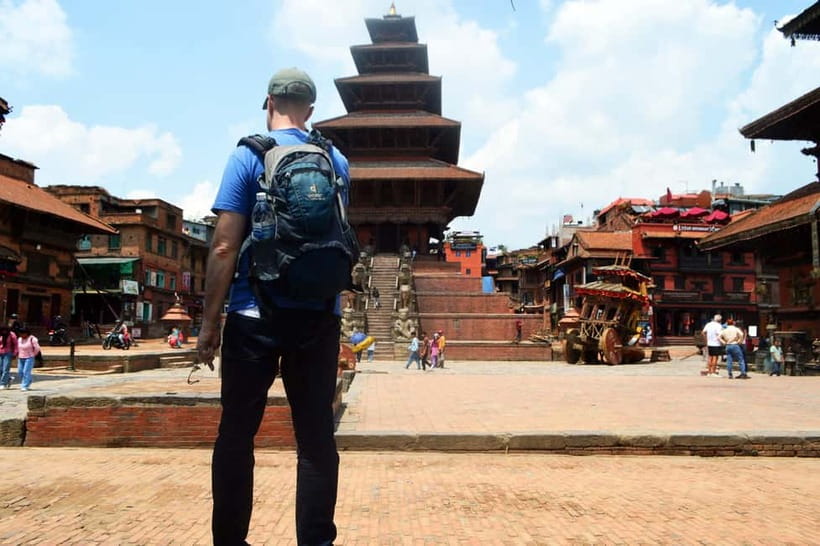
- Option 4: Bhaktapur Durbar Square (with the Nyatapola Temple moment)
- What your guide actually does with your time
- Durbar Squares: why those palace courtyards matter
- The temple and stupa pairing: two ways to feel Kathmandu
- Price and what you’re really buying
- Logistics that actually matter on the ground
- Who should book this tour, and who might skip it
- Should you book Pick 2-Wonders of Kathmandu?
- FAQ
- How long is the Pick 2-Wonders heritage hop?
- Where does pickup happen?
- Can I choose which UNESCO sites I visit?
- What’s included in the price?
- Are entrance fees included?
- What language is the guide?
- Is this tour suitable for wheelchair users?
The real value: two UNESCO stops in 3 hours from Thamel
Kathmandu is big on “one great sight at a time,” but you can still do a lot if you’re smart about it. This experience is built for a 3-hour window, with private hotel pickup and drop-off and an air-conditioned vehicle. That matters in Kathmandu, where time evaporates fast once you add traffic, short queues, and hopping between neighborhoods.
You also get an experienced live guide (English and Hindi) and bottled water, which keeps the day feeling calm instead of chaotic. And since you’re choosing only two sites, the guide can spend time explaining symbols, buildings, and rituals instead of herding you from photo stop to photo stop.
Deeper into old Kathmandu
- Private Kathmandu Sightseeing Tour | UNESCO World Heritage sites★ 5.0 · 756 reviews
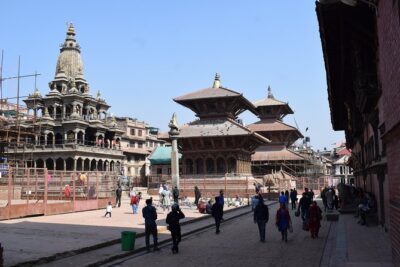
- UNESCO Seven World Heritage Tour in Kathmandu★ 5.0 · 253 reviews
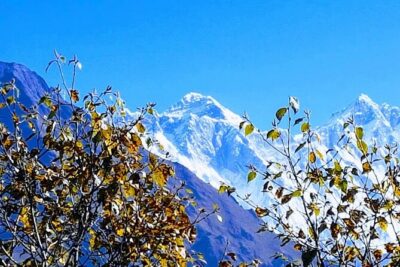
- Nepal Discovery Tour: Heritage Sites & Scenic Hill Easy Hike★ 5.0 · 121 reviews
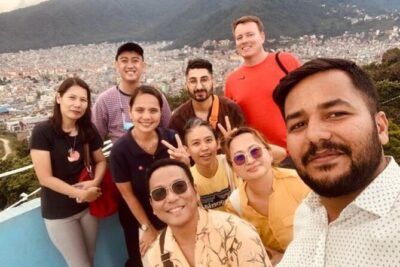
- Kathmandu Private Sightseeing Tour | UNESCO World Heritage Sites★ 5.0 · 109 reviews
Choose your first and second wonder
You pick the two sites ahead of time, and the tour adjusts around your chosen combination. The options below are the most popular pairings, but the structure is the same: a focused route, a private group, and time to actually look.
Option 1: Kathmandu Durbar Square plus Swayambhunath Monkey Temple
If you want “old royal Kathmandu” paired with “views over the city,” this is a strong combo.
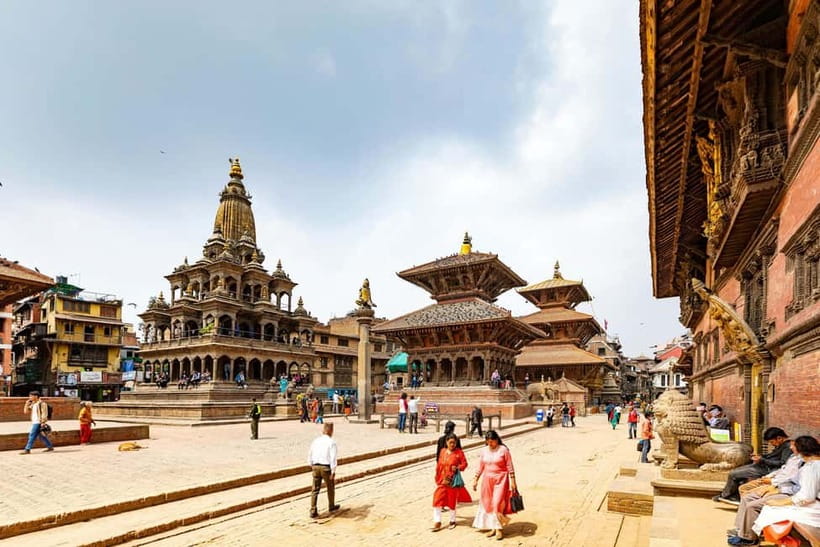
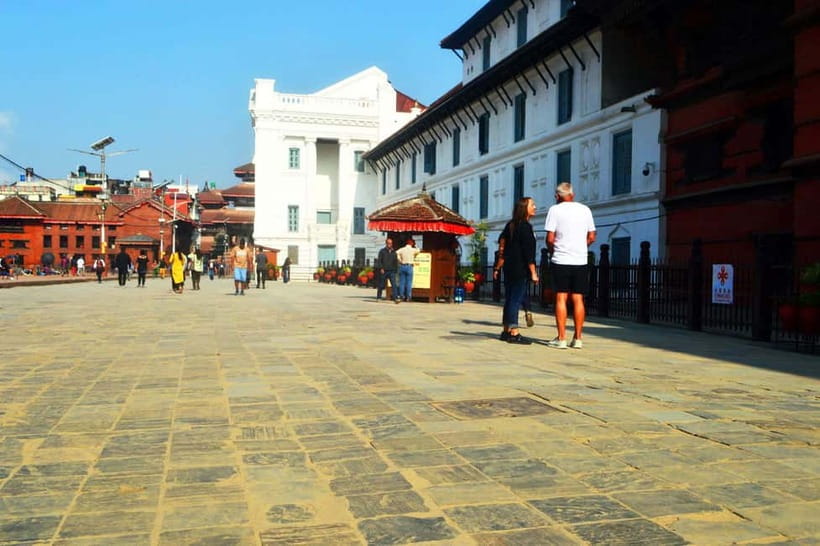
Kathmandu Durbar Square is where you see how power looked in stone. You’ll spend time around the Malla and Shah dynasty palaces, including the nine-storied Nautale Durbar. The square is also tightly connected to the Kumari tradition—the living goddess who resides in her temple here. Even if you’ve read about Kumari before, seeing the temple setting and how people approach the tradition makes it feel far more real than any description.
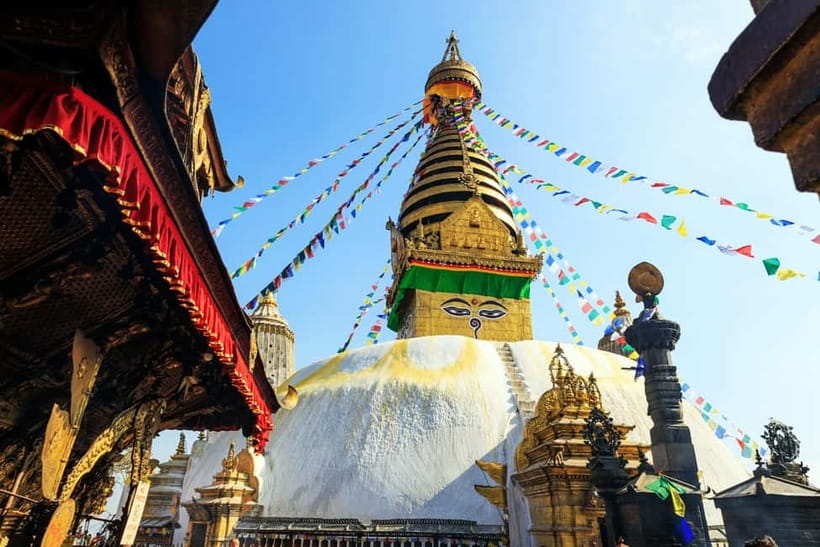
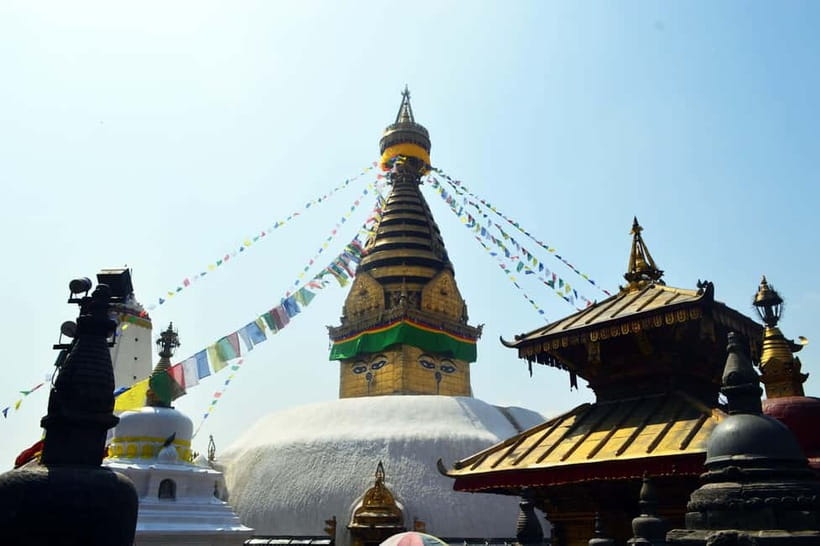
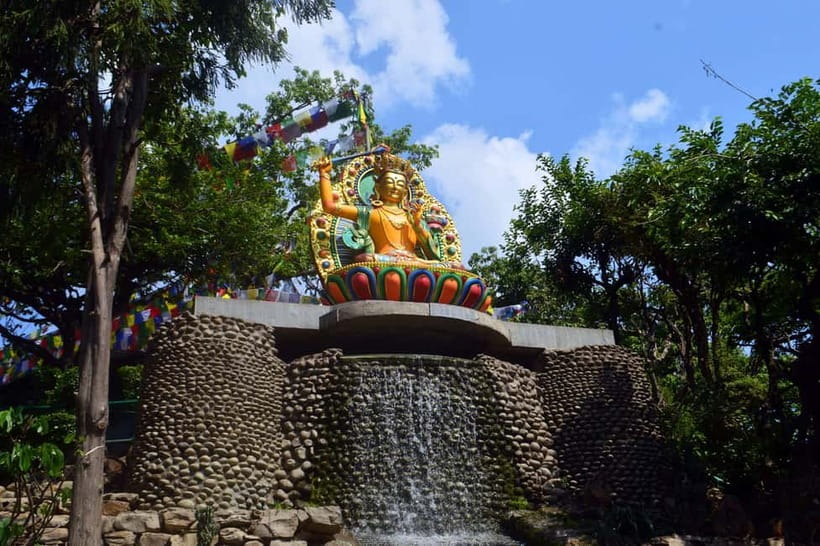
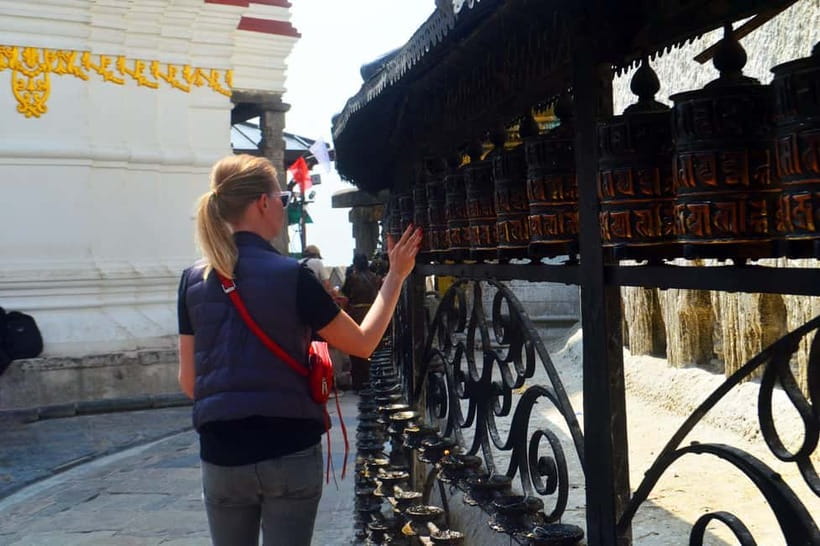
Then you head up to Swayambhunath, the Monkey Temple, a UNESCO site perched on a hill. The climb is part of the experience, and so is the atmosphere: you’ll notice Mahachaitya symbolism, playful monkeys, and that big “how do I even take this all in” feeling when you reach the top. Most importantly, you get wide 360-degree views across the Kathmandu Valley.
A quick heads-up: Swayambhunath can be slippery or crowded depending on the day, and the monkeys have opinions about your snacks and camera gear. Keep things closed, stay alert, and you’ll be fine.
Option 2: Pashupatinath Temple plus Boudhanath Stupa
This option is all about belief systems and ritual spaces in the same day.
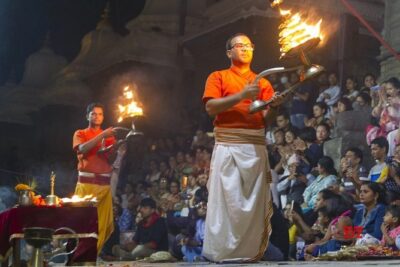
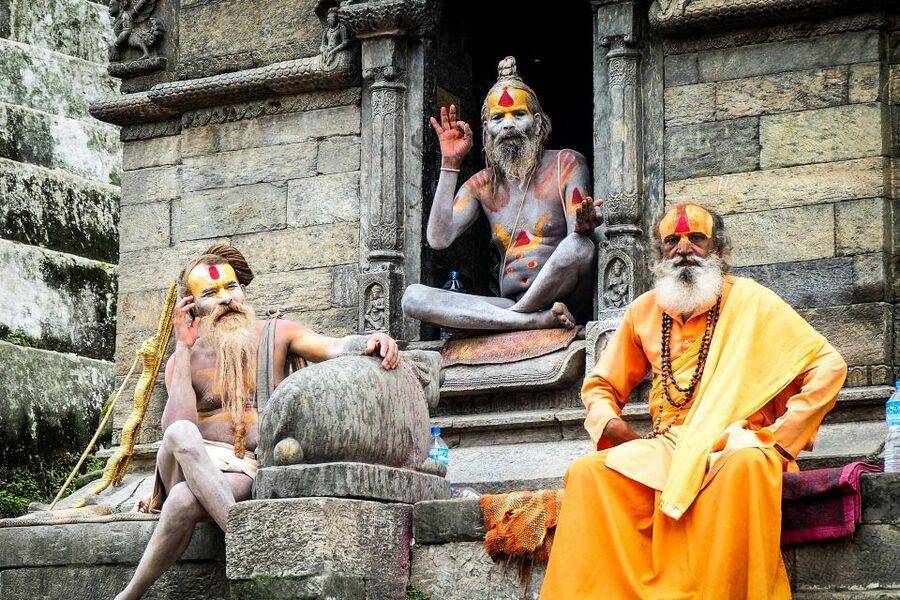
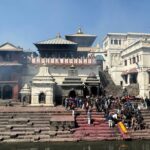
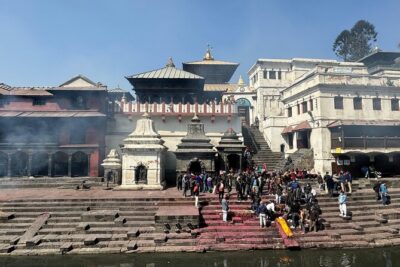
At Pashupatinath Temple, the focus is Hindu spirituality dedicated to Lord Shiva, right on the Bagmati River. If conditions allow, you may witness traditional cremation rituals along the riverbanks. That’s not a “spectacle” you’re meant to linger at like a tourist attraction—it’s a living religious practice. If you’re sensitive to death-related rituals, this stop might not be your easiest, but it is undeniably meaningful.
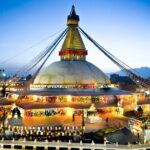
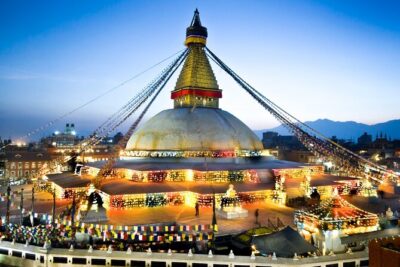
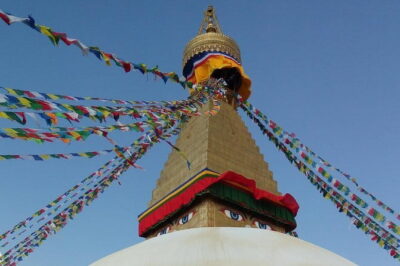
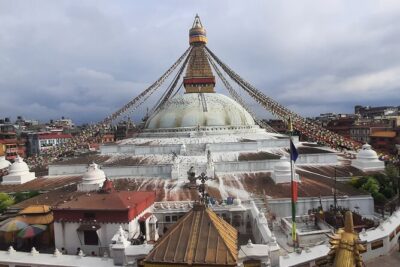
Then you shift to Boudhanath Stupa, one of the biggest Buddhist stupas in Nepal. You’ll see the large mandala pattern and feel the steady calm that comes with a place used for centuries of pilgrimage. It’s also tied to the ancient trade route to Tibet, which helps explain why the stupa carries such a deep sense of history alongside the quiet.
If you like contrast—earthy river rituals in one direction, serene Buddhist architecture in the other—this pair is a great fit.
Option 3: Patan Durbar Square plus Kathmandu Durbar Square
This one works well if you’re hungry for Newari architecture and want a second taste of Durbar-square life.
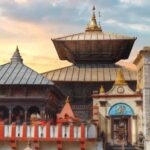
Patan Durbar Square in Lalitpur is known for its craftsmanship: exquisite Newari architecture, temples and statues scattered through the square, and that iconic red brick pavement. It’s a visual feast, especially if you like details like carvings, doorways, and the way buildings frame courtyards.
Then you add Kathmandu Durbar Square as your second stop for a second look at palaces and temples in the capital. The best part of this option is that you’re comparing similar “royal square” energy in two cities—so you start noticing patterns rather than just collecting landmarks.
Before you lock this one in, a few Kathmandu alternatives:
Option 4: Bhaktapur Durbar Square (with the Nyatapola Temple moment)
If you want the most “time machine” feeling of the day, Bhaktapur is a smart choice.
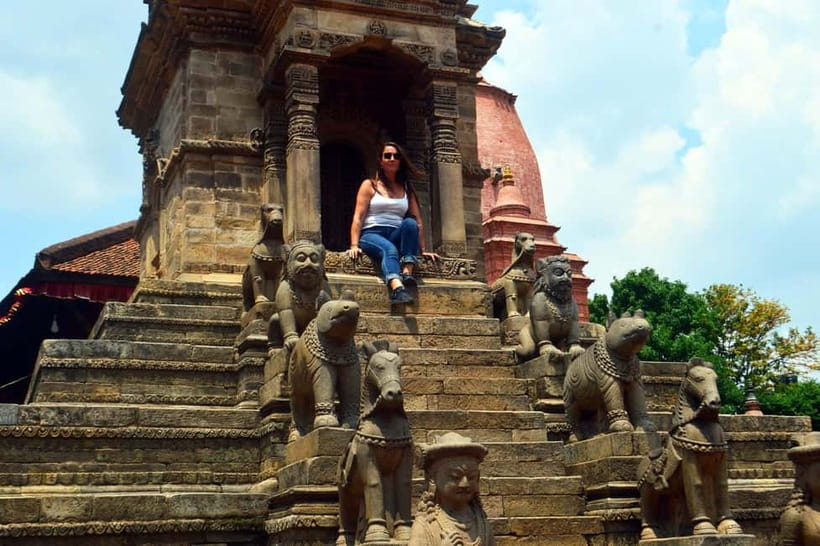
Bhaktapur Durbar Square is UNESCO-listed and described as the smallest district yet home to the largest Durbar Square in Nepal, covering four smaller squares. You’ll also want to catch Nyatapola Temple, a five-storied structure that’s the tallest temple in Nepal. Even if you’re not a temple-spotter by nature, the height and tiered structure give you something you can’t fake with a quick photo.
This option is perfect when you’re willing to trade variety for atmosphere. You’ll get fewer “move, next!” moments, but you’ll feel like you stayed inside a historic city longer.
What your guide actually does with your time
A good heritage tour isn’t about checking boxes—it’s about learning what you’re looking at while you’re still standing in front of it.
In this case, guides such as Nilakantha Acharya and Prakash are praised for explaining the story behind Durbar Square buildings, temple symbols, and the logic of religious practice. You can feel the difference when explanations connect architecture to daily life: why people gather, what rituals mean, and how dynasties shaped the spaces you walk through.
One small but real benefit: the tour works like a private group, so pacing can flex. You might linger over carvings, ask extra questions, or slow down for photos. In a couple of accounts, the guide even helped make a jet-lag moment easier between stops with a quick coffee break idea on a rooftop, which is the kind of practical kindness you remember later.
And because there’s a driver in the background (often mentioned alongside guides like Hari and Ram), you spend less effort figuring out logistics and more time paying attention to the sights.
Durbar Squares: why those palace courtyards matter
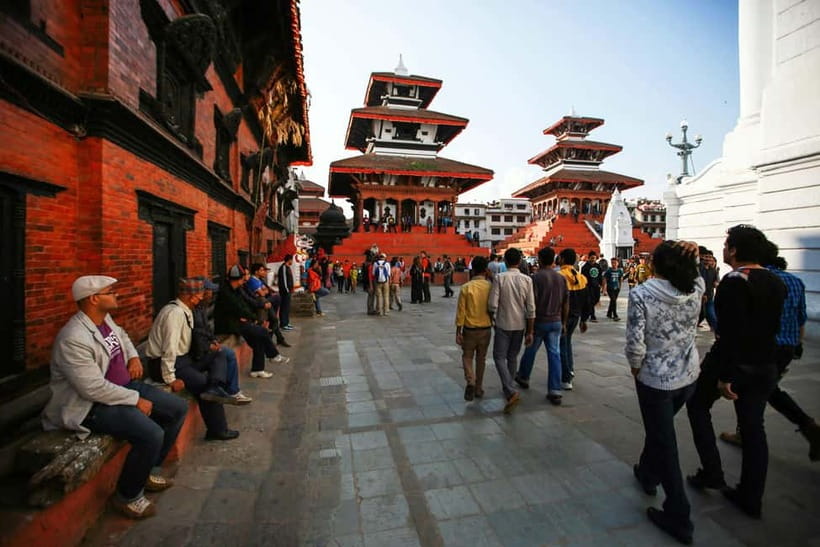
Durbar Squares can look like “just another set of buildings” if you don’t know what you’re seeing. With the right guide, they turn into a map of power, religion, and everyday movement.
At Kathmandu Durbar Square, the Malla and Shah dynasty palaces aren’t just historic leftovers. They show how royal authority was displayed through size, height, and ceremonial placement. The nine-storied Nautale Durbar is a great anchor here: it signals ambition and hierarchy, and it gives you a visual scale for the rest of the square.
At Patan Durbar Square, you’ll see how Newari design favors dense detail—temples, statues, and carved stone living side-by-side. The red brick pavement also helps you understand how the square functions as a living space, not an isolated museum set.
At Bhaktapur Durbar Square, the lesson becomes scale and continuity. The way the square is divided into smaller squares means you’re constantly switching angles, which makes it feel like you’re walking through different mini-worlds of the city.
The temple and stupa pairing: two ways to feel Kathmandu
Kathmandu isn’t one religion, one style, or one mood. That’s why pairing choices work so well here.
- Kumari at Kathmandu Durbar Square brings a rare living tradition into view. It’s not just a figure you read about. You’re looking at a system of belief tied to place, routine, and public attention.
- Swayambhunath offers a different kind of connection: symbolic stupa architecture plus 360-degree views that make the valley feel real.
- Pashupatinath adds the intensity of ritual life on the Bagmati River.
- Boudhanath shifts you into a quieter rhythm with massive stupa structure and Buddhist mandala design.
Doing two sites in one afternoon lets you compare how sacred spaces operate. One day, you’re watching belief in motion; the next, you’re standing in a place designed for stillness and reflection.
Price and what you’re really buying
This tour lists at $3.94 per person for a 3-hour private guided heritage hop, including hotel pickup and drop-off, an air-conditioned private vehicle, a live guide, and bottled water. There’s also skip-the-ticket-line handling, which can be a big time-saver at busy heritage sites.
The one thing to budget for: monument entrance fees are not included, with an add-on option available. That’s normal for heritage tours, but it’s still important for value planning. If you travel with enough cash for those fees, the rest of the day stays straightforward.
Also remember: you’re not paying for a full-day circuit. You’re paying for a focused route and good interpretation. At this price point, that’s the value bargain—short time, real sites, and minimal logistical stress.
Logistics that actually matter on the ground
A few practical points from the tour details that can save you headaches:
- Starting point: Pickup is from Thamel, with return back to Thamel. If you’re staying elsewhere, you’ll want to be ready for the pickup call at your lobby or apartment entrance.
- Private group: This isn’t a big cattle-car format. Your guide can respond to your interests and timing.
- Photo and motion: These sites involve crowds, steps, and changing light. Keep your camera strap secure and be ready to move.
- What to bring: You’ll need passport and cash.
- What’s not allowed: No large bags or luggage, and no alcohol or drugs.
The transport is also a strong point: the vehicle quality is rated very highly, with 92% of reviewers giving it a perfect score. In a city where journeys can feel unpredictable, that kind of confidence helps.
Who should book this tour, and who might skip it
This tour suits you best if you:
- Have limited time in Kathmandu and want a fast, organized way to see UNESCO-listed heritage.
- Want guided context for places like Durbar Squares, Kumari tradition, and the stupa/temple pairing.
- Prefer a private group over long bus tours.
You might skip it if:
- You need wheelchair access. This isn’t set up for wheelchair users.
- You travel with very young children (it’s not suitable for babies under 1 year).
- You’re over 95 years old.
Should you book Pick 2-Wonders of Kathmandu?
Yes, if you’re trying to turn a half-day into something meaningful. The mix of private pickup from Thamel, an AC car, bottled water, and a live guide keeps it efficient. And most importantly, the design of “pick any two” UNESCO sites means you’re not rushed through a long list.
Use the option list like a decision tool:
- Choose Kumari plus Swayambhunath if you want the living tradition and then the views.
- Choose Pashupatinath plus Boudhanath if you want ritual intensity paired with calm stupa architecture.
- Choose Patan plus Kathmandu if you’re chasing Newari detail and palace-square design.
- Choose Bhaktapur if you want maximum historic city feel and the Nyatapola Temple moment.
If you plan to pack light, bring cash for entrance fees, and accept that 3 hours is a focused sprint, this is a smart, high-value introduction to Kathmandu’s heritage.
FAQ
How long is the Pick 2-Wonders heritage hop?
It runs for 3 hours total.
Where does pickup happen?
Pickup is from Thamel, with return back to Thamel.
Can I choose which UNESCO sites I visit?
Yes. You select any two of the 6 World Heritage sites offered through the available options.
What’s included in the price?
Included features are hotel pickup and drop-off, an experienced tour guide, an air-conditioned private vehicle, bottled drinking water, and a tour to any two of the heritage sites. Skip-the-ticket-line is also included.
Are entrance fees included?
No. Monument entrance fees are not included, though there is an add-on option available.
What language is the guide?
The live guide speaks English and Hindi.
Is this tour suitable for wheelchair users?
No, it’s not suitable for wheelchair users.
More 3-Hour Experiences in Kathmandu

The Old Kathmandu, Properly Toured

More Tour Reviews in Kathmandu


Just Reviewed in Kathmandu
- Mountain Bike Tour
★ 5.0 · 3 reviews - Annapurna Panaroma
★ 5.0 · 3 reviews - Mount Everest Scenic Flight 50 Minutes
★ 5.0 · 3 reviews - Kathmandu : Swambhunath & Durbar Square Guided Half Day Tour
★ 3.3 · 3 reviews - Chandragiri Cable Car & Monkey Temple Tour – Private/Group
★ 5.0 · 3 reviews - Kathmandu: Shivapuri National Park Hiking Day Trip
★ 3.3 · 3 reviews
Historical Tours, compared.
 ★ 5.0UNESCO Seven World Heritage Tour in KathmanduFrom $180253 reviews
 ★ 5.0Nepal Discovery Tour: Heritage Sites & Scenic Hill Easy HikeFrom $375121 reviews
 ★ 5.0Kathmandu Private Sightseeing Tour | UNESCO World Heritage SitesFrom $35109 reviews
 ★ 5.0Full Day Private Top 4 UNESCO Heritage Tour W/Lunch.From $1086 reviews
 ★ 5.0Kathmandu World Heritage TourFrom $5074 reviews
 ★ 5.0Nagarkot Sunrise & Bhaktapur UNESCO Heritage Private TourFrom $5066 reviews
 ★ 5.0Kathmandu Heritage Tour (Full Day)From $3863 reviews
 ★ 5.0Kathmandu Top 4 or 2 UNESCO World Heritage Sites Day TourFrom $4052 reviews
Browse the lists this tour appears in