

Review · TOURS
Real Nepal Tour
Hindu temples and mountain views, packed tight. This Real Nepal Tour strings together Kathmandu’s major pilgrimage sites, Pokhara’s lakeside stops, and a deeply spiritual visit to Muktinath, plus the ride up to Chandragiri Hills. I love that you get an English-speaking guide who helps keep taxis and bookings organized, and I also like how the day-to-day pacing is built around iconic places instead of random stops. The main consideration is that it’s physically a bit demanding in one key moment: you’ll do a walk after a jeep ride to reach Muktinath.
What also works well is the group setup: it’s a private format for groups up to 15, so you’re not stuck waiting on a huge crowd. You also start at Tribhuvan International Airport at 9:00 am, and the plan includes domestic flights and some long drives, so it suits people who don’t mind being on the move. If that sounds tiring, you might want a slower, more spread-out Nepal trip instead.
In This Review
- Key Things I’d Plan Around
- From Airport to Altars: How This Tour Feels in Real Life
- The Logistics That Make or Break Nepal Trips
- Kathmandu: Pashupatinath and the Sacred River Walk
- Kathmandu Valley and Cultural Stops: What You’re Actually Getting
- Chandragiri Hills Cable Car: A Quick Escape to Big Views
- Pokhara: Lake Time, Temples, Falls, and Caves
- Jomsom and Muktinath: When the Road Turns Quiet
- The 200 km Return to Kathmandu: Views Plus Time to Reset
- Price and Value: What $1,880 Is Buying You
- Who This Tour Fits Best (and Who Should Skip It)
- Should You Book the Real Nepal Tour?
- FAQ
- How long is the Real Nepal Tour?
- Is pickup included?
- What’s included in the price?
- Do I need moderate fitness for this tour?
- What transportation does the tour use?
- Is this a private group or shared tour?
Key Things I’d Plan Around
- English-speaking guide support that’s known for handling logistics smoothly
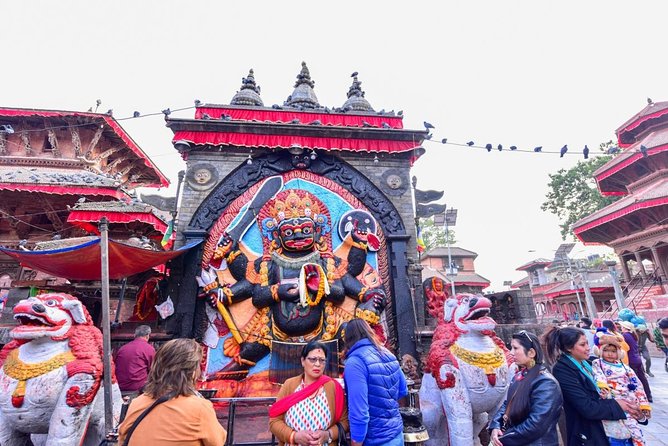
- Temple-to-temple Kathmandu time, including Pashupatinath and major square/temple stops
- Chandragiri Hills cable car views, a scenic break from city streets
- Pokhara by the water, with caves, falls, and a boat ride to Tal Barahi
- Muktinath the hard way (in a good sense): jeep to Ranipauwa, then about a 45-minute walk
- Jomsom area spiritual sights, including the natural-gas flames at Jwala Mai
Not sure yet? Here are other Kathmandu tours worth a side-by-side look.
- Everest Base Camp Trek – 14 Days★ 5.0 · 1,499 reviews
- Everest Base Camp Trek★ 5.0 · 842 reviews
- Private Kathmandu Sightseeing Tour | UNESCO World Heritage sites★ 5.0 · 756 reviews
- Kathmandu: 7 UNESCO Sites with Lunch★ 4.8 · 744 reviews
From Airport to Altars: How This Tour Feels in Real Life
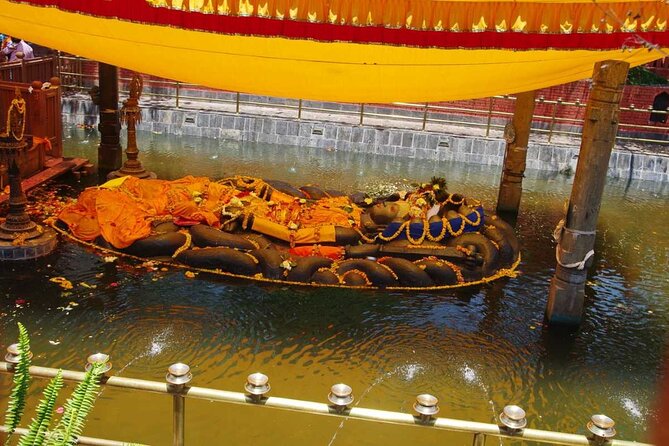
This tour is built for travelers who want the highlights without spending weeks arranging everything. In practice, you’re stepping through a chain of very different Nepal settings: sacred Kathmandu riverside temples, a Himalayan viewpoint from Chandragiri Hills, Pokhara’s lake scenery, then the Muktinath area that feels remote and otherworldly.
The biggest “feel” of the trip is pace. It’s not a slow wander. Expect early starts on flight days, transfers by private vehicle, and occasional waiting that comes with temple crowds and travel schedules. If you like clear structure and someone else handling the running around, you’ll probably find it comfortable.
The tour also has a clear theme: spirituality plus viewpoints. You’re not just sightseeing landmarks; you’re visiting places people come to for devotion, cleansing, and meaning. That can be powerful—especially at Pashupatinath and Muktinath—if you approach it respectfully and with a flexible mindset.
The Logistics That Make or Break Nepal Trips
This is where the tour earns its strong reputation. Multiple reviews highlight guides like Himal and hosts such as Hari Shrestha and Hari Kumar for staying on top of the moving parts. That matters because Nepal travel often means coordinating vehicles, ticketed sights, and timing between different neighborhoods and viewpoints.
Here’s what you can count on from the included setup:
- Airport transfers by private car/van/bus
- An English-speaking tour guide
- Fuel surcharge covered
- A group size of min 1, max 15, and it’s a private tour/activity (only your group)
That mix tends to reduce the most annoying parts of travel: guessing where to go next, trying to negotiate transportation, and losing time to unclear instructions. You’ll still be walking through temples and viewpoints, but the “getting there” part should feel handled.
One more practical note: the start point is the Tribhuvan International Airport Ring Rd area, and the start time is listed as 9:00 am. So even if your flight lands late the night before, you’ll want your day planned with that morning start in mind.
Kathmandu: Pashupatinath and the Sacred River Walk
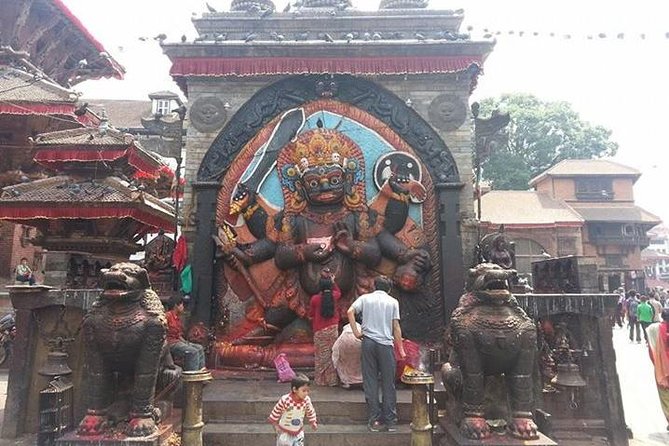
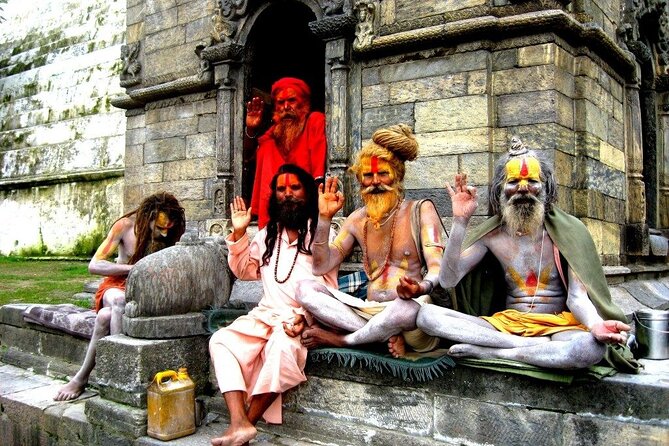
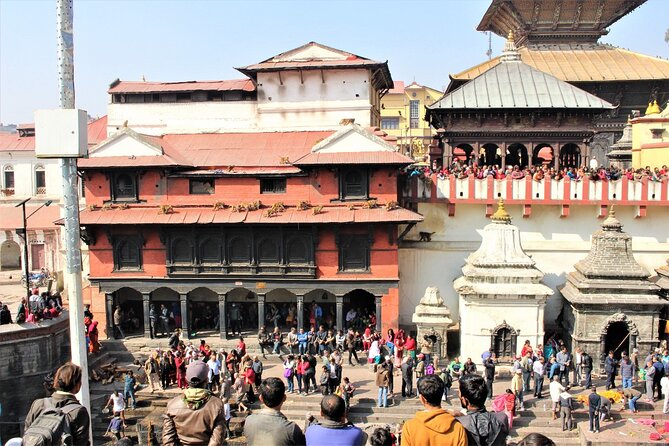
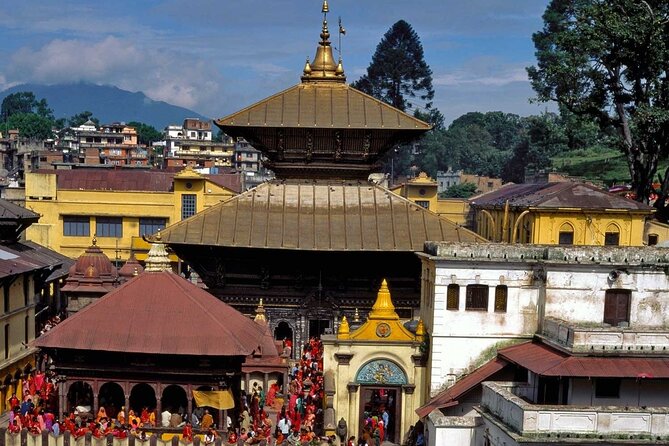
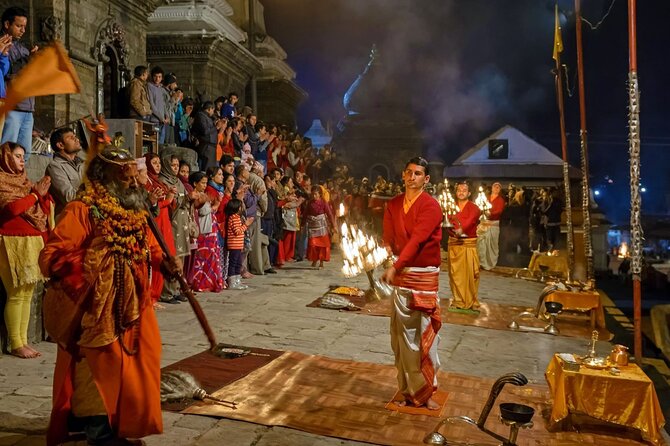
Kathmandu is where the tour really turns up the meaning. The stop at Pashupatinath is central to that. It’s widely regarded as one of the most important Hindu shrines devoted to Lord Shiva, and it’s set on the Bagmati River. The cremation area nearby is part of what makes the site so intense and memorable, and it’s also why you’ll see pilgrims coming year-round.
What I like about this kind of temple stop is the contrast. You’re not just looking at an old building; you’re witnessing a living religious landscape. If you’re used to visiting temples as museums, this shift can be striking. Go slowly, watch how people behave, and don’t treat it like a photo opportunity.
After Pashupatinath, the tour continues through Kathmandu Valley with more temple and square time. You’ll also pass through key cultural stops such as Kathmandu Durbar Square and additional temples like Dakshinkali and Narayanthan. This is a good strategy for first-timers because you get both the grand heritage look and the day-to-day religious vibe.
Practical consideration: Kathmandu temples can involve crowding and strict etiquette. Wear clothing that covers shoulders and knees, move with the flow, and keep your expectations realistic for how busy these places can get.
Kathmandu Valley and Cultural Stops: What You’re Actually Getting
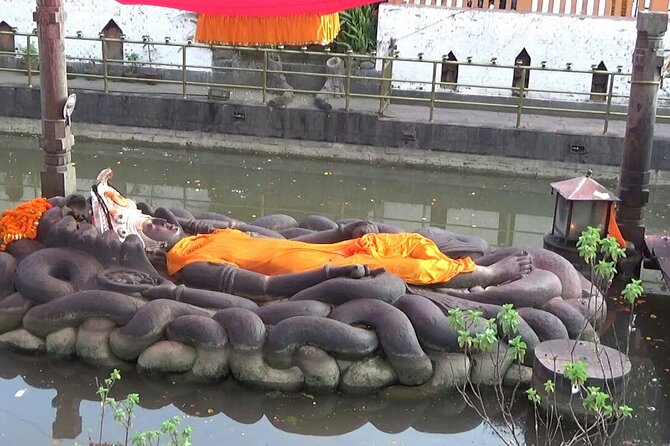
Some tours throw you at “famous sites” without context. This one gives you a guided flow that helps you connect places to the wider Kathmandu Valley story. The itinerary’s temple clusters mean you’re seeing different types of worship and architecture in a short span of time.
Even the smaller directional segments—like driving toward areas near Sanga/Bhaktapur (as listed in the plan)—help because Kathmandu Valley is best understood as a network. You’ll start noticing how neighborhoods, temples, and squares line up around older routes and river corridors.
If you care about culture beyond snapping pictures, plan to spend a moment observing:
- how people enter sacred spaces
- how guides explain what you’re looking at
- which spots feel like pilgrimage versus which feel more tourist-facing
This is also where having an English-speaking guide pays off. You’ll get clearer meaning behind what you’re seeing, instead of guessing.



Chandragiri Hills Cable Car: A Quick Escape to Big Views
Then the trip gives you a breathing break with Chandragiri Hills by cable car. Even if you’re not chasing mountains for a long trek, this viewpoint works because it’s accessible without multi-day hiking. You get sky-and-ridge views while still keeping the tour’s overall timeline moving.
What you’ll likely appreciate here is the shift of scenery and air. Kathmandu traffic noise fades, and you’re dealing with wind, open sightlines, and that “high up” feeling. If you pack light and keep your camera ready, it’s one of the better moments to reset before the more intense pilgrimage sections.
Since the tour plan includes a cable car ride as part of the overall mix, this stop is a smart balancing act. It keeps the trip from being only temples and vehicles. It adds a classic Nepal “wow” without the complexity of a full trek.
Pokhara: Lake Time, Temples, Falls, and Caves
Once you reach Pokhara, the tour changes tone. Instead of shrine density and river intensity, you get a lake-city rhythm: viewpoints, water features, and a gentler pace between stops.
You’ll go to Manakamana Temple and then drive into Pokhara. From there, the plan focuses on several major Pokhara attractions:
- Bindabashini Temple
- Devi’s Fall
- Gupteshwor cave
- A boat ride to Tal Barahi (island temple) in Phewa Lake
- Lakeside time for your own wandering
This combination is valuable because it hits different kinds of “Pokhara.” Bindabashini ties you back into Nepal’s devotion theme. Devi’s Fall brings a famous natural spectacle. Gupteshwor adds a cave experience. Tal Barahi gives you a classic lake-and-temple moment that many people remember long after the trip ends.
A practical tip: this part of the tour includes a mix of outdoor and indoor walking. Bring sun protection and comfortable shoes. Caves can be cool or damp depending on conditions, so don’t dress in only light sandals.
Jomsom and Muktinath: When the Road Turns Quiet
Here’s the heart of the spirituality on this tour. From Pokhara, you’ll take a short domestic flight to Jomsom (listed as about 30 minutes), then reach Muktinath Temple by jeep. The jeep goes to Ranipauwa, and from there you walk for about 45 minutes to reach the temple.
That walk is the main fitness point on the whole trip. It’s not described as an intense trek, but it’s still a real commitment. If you have moderate fitness, you should be fine, but you’ll want sturdy footwear and a calm pace. Consider it part of the pilgrimage experience.
Why Muktinath stands out: it’s associated with salvation, and the belief is that taking a holy bath around 108 waters leads to spiritual release. Whether you’re deeply religious or just curious, it’s a powerful moment because you see devotion in motion—people preparing, washing, and observing rituals around the site.
Afterward, the tour includes Jwala Mai Temple, known for natural gas flames that create an eternal light effect. It’s the kind of place that feels both practical and mystical at the same time: it’s a real phenomenon, and it’s treated as sacred.
If you’re sensitive to crowds or long waits at holy sites, build patience here. Places like Muktinath operate on human momentum and ritual timing, not your schedule.
The 200 km Return to Kathmandu: Views Plus Time to Reset
After the Jomsom area, the plan returns to Kathmandu via a scenic 200 km drive. This segment matters because it gives you movement without constant new ticketed stops. You’re crossing valleys, rivers, ridges, and settlements with views that you don’t get when you fly.
Arriving back in Kathmandu, you’ll have time for rest and more exploration of Kathmandu Valley toward the end of the day. This is a smart use of time because it lets you process what you’ve seen: the city feels different after you’ve seen the religious intensity of the river temple and the mountain-flame pilgrimage.
If you’re someone who needs recovery time, take it seriously. You’ll likely be tired from the packed schedule and the walking. Hydrate, eat well, and don’t overplan your evening.
Price and Value: What $1,880 Is Buying You
At $1,880 per person, the pricing isn’t low. So you need to ask: what are you actually paying for?
This package includes several high-value pieces that add up fast on your own:
- An English-speaking guide
- Airport transfers by private vehicle
- Fuel surcharge
- Domestic transportation (including flights)
- Jeep transport for the Muktinath approach
- Entry/included admissions for multiple sights across Kathmandu, Pokhara, and the Muktinath route (the plan lists admission tickets as included or free at different stops)
The real value comes from how those pieces connect into one coherent route. If you tried to assemble it yourself, you’d spend time sorting out domestic flights, coordinating jeeps, and managing schedules between temples and city neighborhoods. That’s exactly where guides with strong logistics habits help.
Now, the trade-off: you’re paying for convenience and structure, not for slow travel. If you want lingering time, you may feel the pace is too tight for the money. But if you want the biggest religious and scenic hits in a short span, the price starts to make sense.
Who This Tour Fits Best (and Who Should Skip It)
This is a great match for:
- First-time Nepal visitors who want a focused highlight route
- People who like pilgrimage-style travel and respectful temple visits
- Travelers who hate the hassle of planning transportation between Kathmandu, Pokhara, and the Jomsom/Muktinath area
- Groups that appreciate a private setup with a max group size of 15
It’s less ideal for:
- Anyone who hates early mornings and flight days
- People who want mostly relaxing scenery without temple crowds
- Travelers who don’t handle walking well, especially the ~45-minute walk after the jeep to Muktinath
A smart strategy: if you book, pack for walking. Bring layers for changing weather (even in short time windows), and keep your schedule flexible in the holy sites.
Should You Book the Real Nepal Tour?
I’d book it if you want a tight route that covers Kathmandu temples, viewpoint time at Chandragiri Hills, Pokhara’s lake highlights, and the pilgrimage pull of Muktinath and Jwala Mai—without doing the logistics yourself. The guide support is a big reason this works, and the private group setup helps keep things smooth.
I’d skip it or swap to a slower plan if your ideal Nepal trip is low-stress and leisurely. With domestic flights, jeep transfers, and temple walking built in, this isn’t the kind of itinerary you can treat like a sit-and-watch vacation.
FAQ
How long is the Real Nepal Tour?
It’s listed as approximately 1 day, but the route includes hotel overnights in Kathmandu and checking in at hotels during the Pokhara/Jomsom and Kathmandu portions. Plan for a short multi-day whirlwind rather than a single day.
Is pickup included?
Yes. You’re transferred from Tribhuvan International Airport by private car/van/bus, and the tour also includes a transfer back to the airport at the end.
What’s included in the price?
The tour includes an English-speaking tour guide, airport transfers by private vehicle, and fuel surcharge. Some admissions are listed as included or free depending on the stop.
Do I need moderate fitness for this tour?
Yes. The plan specifies moderate physical fitness, and there’s a walk of around 45 minutes after a jeep ride to reach Muktinath Temple.
What transportation does the tour use?
Expect a mix of domestic flight, private car/van/bus for city driving, and a jeep segment for the approach to Muktinath.
Is this a private group or shared tour?
It’s private for your group only, with a group size of min 1 and max 15. Mobile ticket is also listed, and confirmation is received at booking.
More Tours in Kathmandu




More Tour Reviews in Kathmandu




Just Reviewed in Kathmandu
- Mountain Bike Tour
★ 5.0 · 3 reviews - Annapurna Panaroma
★ 5.0 · 3 reviews - Mount Everest Scenic Flight 50 Minutes
★ 5.0 · 3 reviews - Kathmandu : Swambhunath & Durbar Square Guided Half Day Tour
★ 3.3 · 3 reviews - Chandragiri Cable Car & Monkey Temple Tour – Private/Group
★ 5.0 · 3 reviews - Kathmandu: Shivapuri National Park Hiking Day Trip
★ 3.3 · 3 reviews
Tours, compared.
 ★ 5.0Everest Base Camp Helicopter Tour landing at Everest View HotelFrom $1,575668 reviews
 ★ 5.0Full Day 7 UNESCO Tour with Lunch – Private/GroupFrom $10415 reviews
 ★ 5.0Private Bhaktapur and Nagarkot Day Tour From KathmanduFrom $20305 reviews
 ★ 4.9Food and Drink Walking TourFrom $34292 reviews
 ★ 5.0Full Day Top 4 UNESCO Tour with Lunch – Private/GroupFrom $10269 reviews
★ 5.0Kathmandu Food and Drink Walking TourFrom $36266 reviews
 ★ 5.0UNESCO Seven World Heritage Tour in KathmanduFrom $180253 reviews
★ 4.9Full-Day 7 UNESCO Tour with Lunch – Private/GroupFrom $5247 reviews