
Review · TOURS
Sabbatical in Nepal: A Mixture of Nature, Culture & Spiritual Experiential Tour
Big faith and big nature, in one tight route. This 10-day private tour strings together Kathmandu Valley UNESCO sights, a Himalayan sunrise viewpoint from Sarangkot, Lumbini’s birth story, and a Chitwan National Park jungle stay with safari.
I really like that so much of the logistics are handled for you, especially the included entrance fees for UNESCO sites and the national park. I also like the human side of it: the team is led by Shiva, and his welcome energy is the kind that helps when you arrive with questions and no plan.
One consideration: it moves fast. Expect early mornings (the Sarangkot sunrise hike) and long day-to-day travel between the hills and the Terai plains, plus active, crowded temple areas where you’ll need patience.
In This Review
- Key highlights I’d circle
- The Value Mix: Spiritual Sites, Views, and a Real Safari
- Entering Kathmandu by Foot: Swayambhunath and Durbar Square
- Boudhanath, Pashupatinath, and Patan: When Buddhism and Hinduism Share Air
- Bhaktapur Crafts to a Drive Toward Pokhara
- Sarangkot Sunrise and Phewa Lake: Pokhara in Four Easy Hits
- Lumbini and Buddhist Stories: Maya Devi to Kudan Stupa
- Tharu Culture in Sauraha: Meet Nepal’s Nature Neighbors
- Chitwan National Park: Bird-First Mornings and a Safari Choice
- Your Kathmandu Free Day: Massage Time and Souvenir Realism
- Airport Day Wrap: Leaving Nepal Without Guesswork
- Price and what you’re really paying for at $2,724.30
- Should you book this Nepal sabbatical-style tour?
- FAQ
- How long is the tour?
- Where does the tour meet and end?
- Is pickup included?
- What major areas does the itinerary cover?
- Are UNESCO entrance fees included?
- Is the Chitwan safari included?
- What meals are included?
- What should I budget for that is not included?
- Is free cancellation available?
Key highlights I’d circle
- UNESCO sites with context, not just photos
- Sarangkot sunrise plus an easy on-foot viewpoint
- Pokhara mix of lake, falls, caves, and a stupa
- Lumbini and other Buddhist sites tied to key stories
- Chitwan safari paired with Tharu village culture
- Driver and language guide included for the whole route
Not sure yet? Here are other Kathmandu tours worth a side-by-side look.
- Everest Base Camp Trek – 14 Days★ 5.0 · 1,499 reviews
- Everest Base Camp Trek★ 5.0 · 842 reviews
- Private Kathmandu Sightseeing Tour | UNESCO World Heritage sites★ 5.0 · 756 reviews
- Kathmandu: 7 UNESCO Sites with Lunch★ 4.8 · 744 reviews
The Value Mix: Spiritual Sites, Views, and a Real Safari
This tour works because it combines three different Nepal experiences that are usually done separately: the sacred Kathmandu circuit, the relaxed (but still scenic) Pokhara region, and the wildlife-focused Terai with Chitwan. Instead of only seeing temples, you also get water views in Pokhara and a jungle experience in Chitwan that feels like it belongs in a different country.
At the price point (about $2,724.30 per person), the main question is what you avoid having to plan yourself. Here, you’re getting air-conditioned vehicle transport, multiple hotel nights in 3* properties, and a package of inclusions that matters on a 10-day trip: UNESCO entrance fees, national park entry, and the safari setup in Chitwan (guide and vehicle). That’s a lot of “on-your-feet admin” you don’t have to do.
The tour is also private, so the route is designed around your group rather than random seat-juggling with other groups. You’ll still be on the move, but it tends to feel smoother when you’re bouncing between Kathmandu, Pokhara, Lumbini, and Chitwan.
Entering Kathmandu by Foot: Swayambhunath and Durbar Square
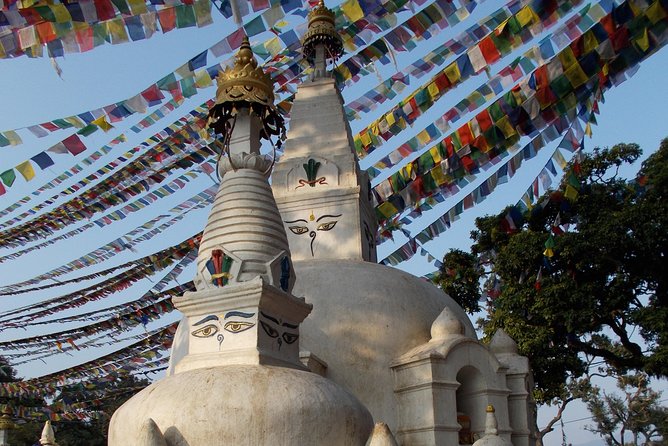
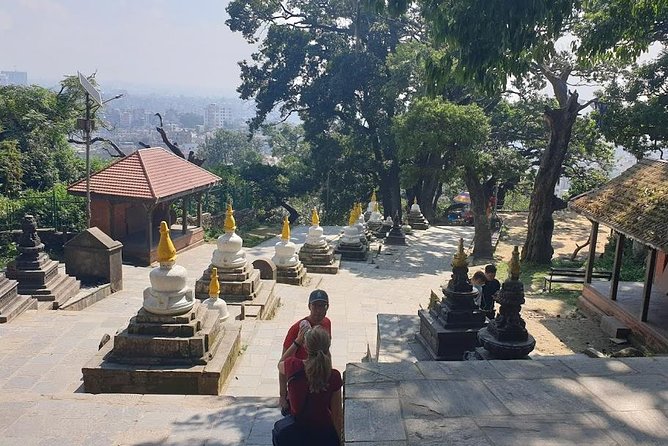
Day 1 starts with a classic Kathmandu warm-up: Swayambhunath, also known as the Monkey Temple. It’s famous for views over the city and for the lively presence of monkeys around the site. Even if you’ve seen photos, there’s a different feeling in person: sound carries, crowds drift in waves, and you’re inside a place people treat as sacred.
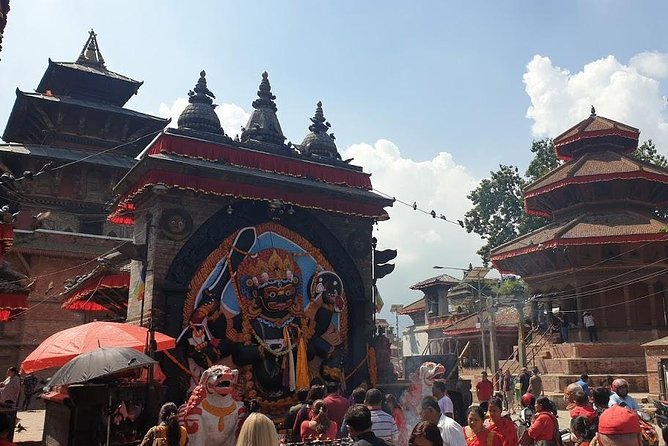
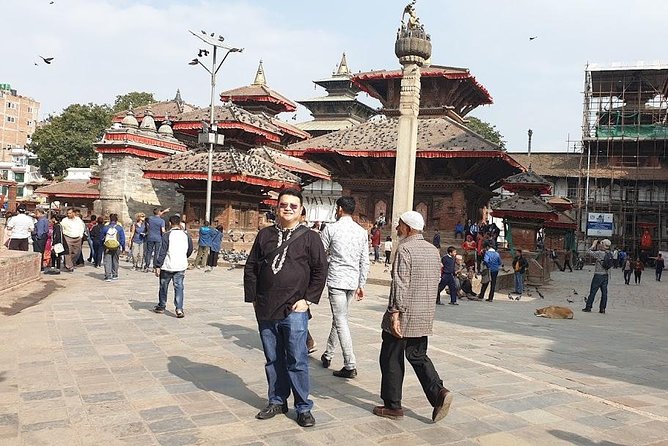
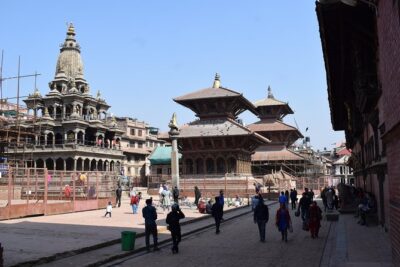
Right after that, you’ll head to Kathmandu Durbar Square, centered on Hanuman Dhoka. This is where you’ll see the living goddess Kumari ghar (the house associated with the Kumari tradition), along with temples and the Durbar museum area. The big value here is that Durbar Square isn’t a museum setting. It’s a working historic space with local markets nearby, so it feels lived-in instead of staged.
Practical note: temples like these can mean steps, uneven surfaces, and crowds. If you’re the kind of person who hates negotiating your way through shoulder-to-shoulder lanes, you’ll want to go slowly and save your big energy for later stops.
Boudhanath, Pashupatinath, and Patan: When Buddhism and Hinduism Share Air
Day 2 is one of the most interesting parts of the trip because it packs three major sites into one city loop: Boudhanath Stupa, Pashupatinath Temple, and Patan Durbar Square, with Bhaktapur added as well.
Boudhanath Stupa is the big Tibetan Buddhist landmark in the Kathmandu valley. It’s described as the biggest and most popular Tibetan stupa in the world, and it’s also a real pilgrimage destination for Buddhists. One neat thing: it’s surrounded by places where you can watch the scene from a comfortable rooftop restaurant, if you want a slower moment between walking. You’ll also see that people gather around the stupa alongside monks, and Losar (the Buddhist New Year) is the biggest festival here.
Then comes Pashupatinath, a UNESCO cultural heritage site and a place you should approach with care. It’s described as the largest temple complex in Nepal, and it’s active throughout the day. The key detail you should know is that it functions as a crematory center, so you may see ceremonies taking place. That’s not a “tourist photo backdrop” situation. It’s part of how Hindus practice devotion and deal with death.
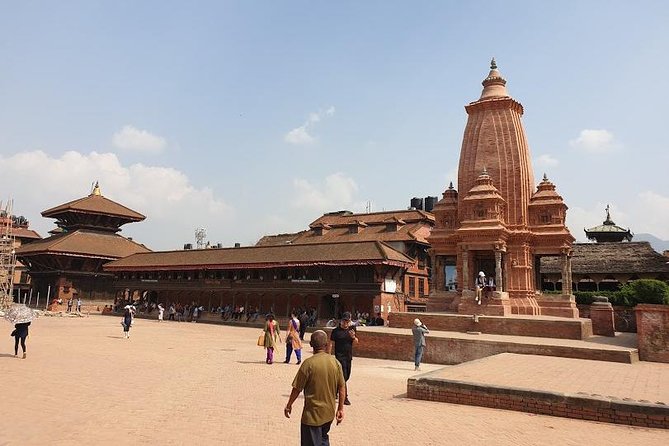
Finally, Patan Durbar Square shifts the focus toward Newari architecture. You’ll get to see the Krishna Mandir as the main temple of the square and get a feel for how Patan’s craft and stonework traditions look in daylight. The square also hosts major jatras (festival processions) during special occasions, so it’s another place where history and daily life overlap.
If you’re spiritual-curious, this day can feel powerful. If you’re more sensitive to intense ceremonies and dense crowds, pace yourself and plan quiet breaks where you can.
Bhaktapur Crafts to a Drive Toward Pokhara
Bhaktapur enters on Day 2 with a stop that’s shorter than the other durbar squares, but it still gives you a sense of the city’s traditional arts and crafts. You’ll also hear about landmarks like the 55 windowed palace and Nyatapola, a five-storied temple. Bhaktapur is known as the city of festivals, so even a short visit helps you understand why people connect this place to craft, celebration, and identity.
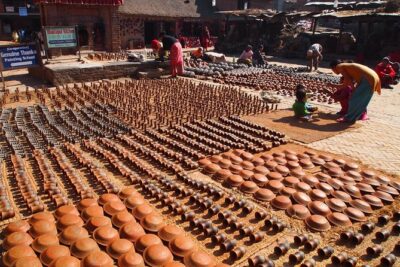
Day 3 follows up with Pottery Square in Bhaktapur, the center of the ceramic industry. This is one of those stops that feels practical and human: you can watch the firing process in the back of the square where mud-covered straw kilns are lined up. It’s not a “look but don’t touch” kind of place; it’s a place where the process behind the products is visible.
Then you drive to Pokhara. The route goes along the Trisuli River, and the ride itself becomes part of the experience. Nepal road travel can be winding, so this is where your mindset matters. View the drive as part of the journey rather than something to endure.



Sarangkot Sunrise and Phewa Lake: Pokhara in Four Easy Hits
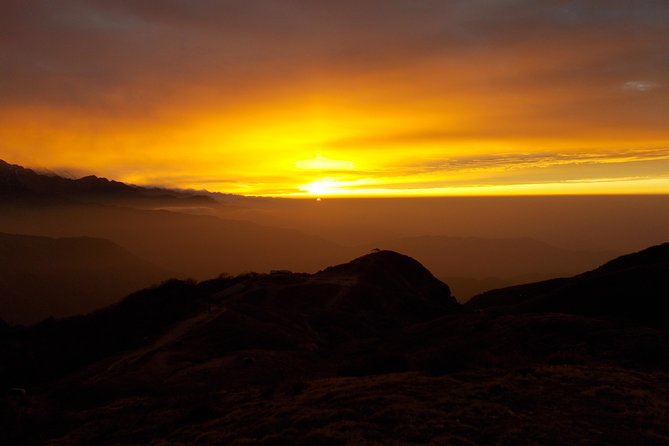
Pokhara days are built around variety with manageable time on your feet.
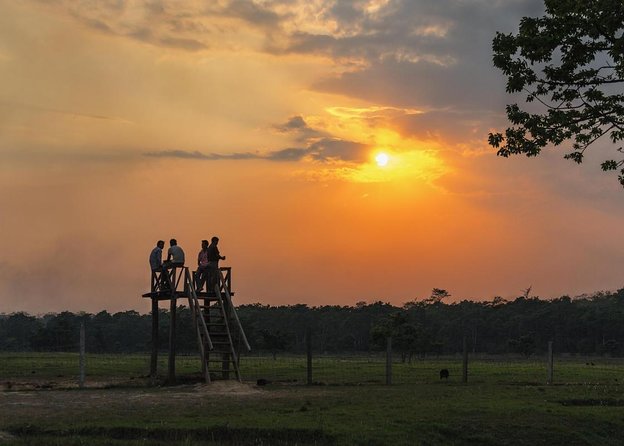
Early on Day 4, you’ll go to Sarangkot for panoramic Himalayan views of Dhaulagiri, Annapurna, and Manaslu. The sunrise plan is set up with a short drive and then a 10 to 15 minute hike to the viewpoint. That short walk is key for value: you get the big payoff (sunrise sky and distant peaks) without committing to an all-day trek.
After that, you’ll rest and then head to Phewa Tal. The boat ride includes Tal Barahi Temple sitting in the middle of the lake. The lake is also famous for reflections, especially of Machhapuchhre and other peaks when the conditions are right. Even if reflections aren’t perfect every day, the lake scene gives your brain a break from temple density.
Next comes Devi’s Fall, also called Patale Chango. It’s described as a well-known attraction where the water goes through a cave linked to Gupteshwor Mahadev Cave. Beside the fall, that whole story makes the geology feel like part of the drama.
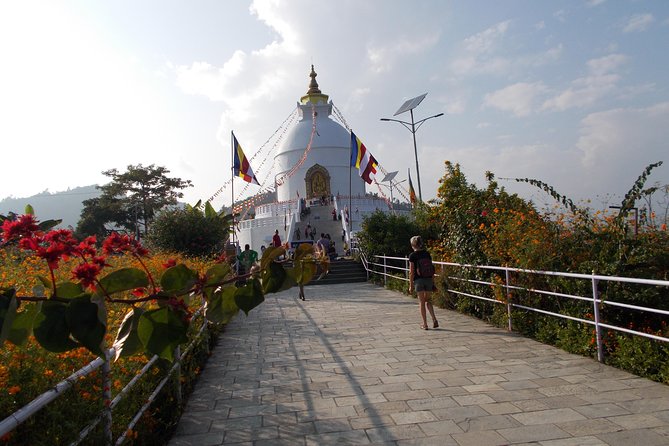
Finally, you visit Gupteswar Gupha (the cave opposite Devi’s Fall). After that, you also go to the World Peace Stupa. This combo is smart: it moves from water to rock to a calmer monument setting, so your day doesn’t just keep escalating.
Lumbini and Buddhist Stories: Maya Devi to Kudan Stupa
Day 5 turns the pace toward meaning. You travel to Lumbini via Palpa, moving from hilly region terrain toward the Terai plains. That shift isn’t just geography. It changes the vibe of the trip, and it makes Lumbini feel like a distinct chapter rather than another temple stop.
In Lumbini, you’ll visit Lumbini Sanskritik and focus on the Maya Devi Temple, identified as the birthplace of Siddhartha Gautama. The tour mentions that the temple is within the UNESCO World Heritage Site of Lumbini and that the visit covers the origin of Buddhism. Even if you’ve read about Buddha before, this kind of site-based learning tends to stick because you’re standing inside the setting where the story is anchored.
Day 6 continues the Buddhist thread with Kudan Stupa, described as the place where Buddha first met his father King Suddhodhana after enlightenment. Then you’ll visit Tilaurakot, described by archaeologists as an identified location connected to Kapilavastu, including stories about Buddha’s upbringing and his married life with Yasodhara. The emotional difference between reading those names and seeing where the tradition points is real.
You also drive to Bairahawa (Siddharthanagar) for the night, which sets you up to move into Chitwan the next day.
Tharu Culture in Sauraha: Meet Nepal’s Nature Neighbors
Day 7 is all about transitioning from Buddhist pilgrimage sites into living nature culture. You travel from Bhairahawa to Sauraha, the eastern gateway to Chitwan National Park, and you’ll rest and have lunch after arriving.
Then you visit a Chitwan Tharu Village. The value of this part is how close it gets you to everyday life rather than just staged performances. The tour explains that the Tharu have lived very close to the protected area, and that their traditions reflect an intimate relationship with the natural world. You’ll see daily activities and the lifestyle up close.
As evening arrives, you get a riverside sunset view and a Tharu cultural stick dance show, then dinner and overnight in the hotel or resort. This is the kind of cultural segment I like because it doesn’t try to be a huge lecture. You get context through observation and then a performance that ties to the community’s identity.
Chitwan National Park: Bird-First Mornings and a Safari Choice
Day 8 is the core wildlife day. You start with early bird watching and breakfast. Chitwan National Park is described as a delight for bird-watchers, with more than 400 migrant and local species of birds. That means even if big wildlife sightings take time, you still have something active to do from the first hours.
After breakfast, the safari options are clear: jeep safari or elephant safari. Both come with a national park guide and a safari vehicle. The tour’s approach here is practical. Jeep is faster for covering ground in a large park, while elephant safari can feel more traditional, though the plan you get depends on what’s available during your dates.
Then you drive back to Kathmandu for the night. This return trip keeps the overall route tight. It also means you don’t get a full second day of jungle time, so if you’re hunting for maximum wildlife chances, treat this as a focused safari day rather than a long wilderness stay.
Your Kathmandu Free Day: Massage Time and Souvenir Realism
Day 9 is a free day in Kathmandu. The tour even suggests a few ideas: spa and sauna, massage, and souvenir shopping. You also get a trip summary and a farewell dinner, so it feels like a wrap-up day rather than a frantic sightseeing sprint.
This is a smart inclusion. After temples, caves, and sunrise wake-ups, most people need one day where they control the schedule. If you want to revisit a site you liked most or pick up small gifts without rushing, this is your window.
Airport Day Wrap: Leaving Nepal Without Guesswork
On Day 10, you’re back in Kathmandu and transferred to Tribhuvan International Airport based on your flight schedule. It’s a simple end to a busy route, and you won’t be stuck figuring out transportation the last day.
If you’re tight on packing space, you’ll appreciate that this is a straightforward exit day. Most of your walking and sightseeing happens earlier, with the final day designed around getting you out cleanly.
Price and what you’re really paying for at $2,724.30
Let’s talk value in plain terms. You’re paying for:
- Private transport with an air-conditioned vehicle and a driver-language guide
- Hotels with breakfast in Bhaktapur, Pokhara, Lumbini, Chitwan/Sauraha, and then Kathmandu (Thamel)
- A package of major fees: UNESCO entrance fees, national park entry, and safari setup
- Meals included (lunch during the tour, and breakfast plus dinner in Chitwan; dinner and breakfast counts are included in the package)
If you tried to piece this together yourself, the tricky parts would be coordinating entrance fees, guides, and the Chitwan safari logistics, especially within a 10-day window. The package removes a lot of that uncertainty.
What’s not included is also clearly stated: international flights, travel insurance, tips for the guide and driver, and any extra expenses not listed. So if you’re the kind of traveler who rarely tips and doesn’t like budgeting for that, factor it in now.
Should you book this Nepal sabbatical-style tour?
Book it if you want a balanced Nepal sampler: UNESCO temple culture in Kathmandu, a Pokhara chapter with views and water, Buddhist heritage at Lumbini and nearby sites, and a Chitwan safari experience with a Tharu cultural evening. It’s also a good fit if you like having a guide handle the “how do we get there” parts.
Skip it (or adjust your expectations) if you hate early starts, crowded active temple areas, or rapid region changes. This is not a slow travel retreat. It’s a well-organized route that rewards curiosity and flexibility.
If that sounds like you, this tour is an efficient way to get the big themes of Nepal into one trip—without turning your vacation into a checklist.
FAQ
How long is the tour?
It runs for about 10 days.
Where does the tour meet and end?
It ends back at the meeting point. The ticket redemption point is Thamel Grand Hotel in Kathmandu.
Is pickup included?
Yes, pickup is offered.
What major areas does the itinerary cover?
Kathmandu Valley, Pokhara, Lumbini, and Chitwan National Park (Sauraha), with return to Kathmandu at the end.
Are UNESCO entrance fees included?
Yes, the entrance fee of all UNESCO World heritage sightseeing sites is included.
Is the Chitwan safari included?
Yes. Chitwan National Park includes safari time with a national park safari guide and vehicle, with the option of jeep safari or elephant safari.
What meals are included?
Lunch is included. Breakfast and dinner are included as part of the package, including breakfast plus lunch and dinner in Chitwan.
What should I budget for that is not included?
International flights, travel insurance, tips to the guide and driver, and any extra expenses not mentioned as included.
Is free cancellation available?
Yes. You can cancel up to 24 hours in advance for a full refund.
More Tours in Kathmandu




More Tour Reviews in Kathmandu




Just Reviewed in Kathmandu
- Mountain Bike Tour
★ 5.0 · 3 reviews - Annapurna Panaroma
★ 5.0 · 3 reviews - Mount Everest Scenic Flight 50 Minutes
★ 5.0 · 3 reviews - Kathmandu : Swambhunath & Durbar Square Guided Half Day Tour
★ 3.3 · 3 reviews - Chandragiri Cable Car & Monkey Temple Tour – Private/Group
★ 5.0 · 3 reviews - Kathmandu: Shivapuri National Park Hiking Day Trip
★ 3.3 · 3 reviews
Tours, compared.
 ★ 5.0Everest Base Camp Helicopter Tour landing at Everest View HotelFrom $1,575668 reviews
 ★ 5.0Full Day 7 UNESCO Tour with Lunch – Private/GroupFrom $10415 reviews
 ★ 5.0Private Bhaktapur and Nagarkot Day Tour From KathmanduFrom $20305 reviews
 ★ 4.9Food and Drink Walking TourFrom $34292 reviews
 ★ 5.0Full Day Top 4 UNESCO Tour with Lunch – Private/GroupFrom $10269 reviews
★ 5.0Kathmandu Food and Drink Walking TourFrom $36266 reviews
 ★ 5.0UNESCO Seven World Heritage Tour in KathmanduFrom $180253 reviews
★ 4.9Full-Day 7 UNESCO Tour with Lunch – Private/GroupFrom $5247 reviews