
Review · TOURS
Shamanism Tour in Nepal – One-to-one Consultation with Sharmans
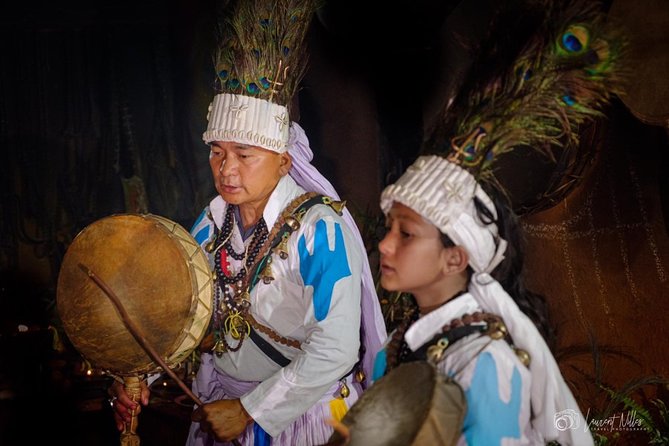
A shaman consultation near Thamel feels intimate. In Kathmandu, this is a one-to-one Himalayan Bon shaman meeting—less “tour show,” more personal divination and healing at a local center. You’ll go in with questions, and you’ll leave with a clearer feel for how Nepalese spiritual life works up close.
I especially like the pace and setup: your guide Siddhartha helps you understand what can happen, what likely won’t, and how the shaman typically reads energy and spirits. Second, I like the value of being there in a real training-and-treatment space within walking distance of Thamel—so it doesn’t feel like a staged performance for foreigners.
One possible drawback: the session can feel brief, and the shaman may focus mainly on clearing “negative spirits” only if negative energy is sensed. If you’re hoping for guaranteed, detailed health answers every time, go with flexible expectations.
In This Review
- Key things I’d watch for
- Why Himalayan Bon Shamanism feels different in Kathmandu
- Walking from Thamel to the healing center: first impressions matter
- Your one-to-one consultation: divination, healing, and the real limits
- What happens during the healing part (and why it can feel emotional)
- The role of Siddhartha and translation: the difference-maker
- Timing and how long it usually lasts
- Price and logistics: is $40 good value?
- Respect, rules, and how to show up the right way
- Who should book this shamanism tour (and who shouldn’t)
- Practical tips for your visit
- Should you book the Shamanism Tour in Nepal?
- FAQ
- How long does the Shamanism tour take?
- How much is the tour?
- Is this a private consultation?
- What’s included in the price?
- Do I need to donate or tip?
- Is there anything I should do before the temple?
Key things I’d watch for
- Private one-to-one consultation so you can ask questions through your translator (not just watch from the sidelines).
- Divination focused on energy/spirit rather than medical-style diagnosis.
- Local temple setting near Thamel with you walking over easily, plus a bottled water included.
- Guide framing from Siddhartha so you aren’t blindsided by what’s happening.
- Possible short or light session if the shaman doesn’t detect issues to address.
- Cultural rules around menstruation (women avoid shaman/temple visits during the first 4 days of their period).
Not sure yet? Here are other Kathmandu tours worth a side-by-side look.
- Everest Base Camp Trek – 14 Days★ 5.0 · 1,499 reviews
- Everest Base Camp Trek★ 5.0 · 842 reviews
- Private Kathmandu Sightseeing Tour | UNESCO World Heritage sites★ 5.0 · 756 reviews
- Kathmandu: 7 UNESCO Sites with Lunch★ 4.8 · 744 reviews
Why Himalayan Bon Shamanism feels different in Kathmandu
If you want Nepal beyond temples-on-a-postcard, this is the kind of experience that brings you inside the way people think and cope. In Himalayan Bon tradition, shamanism is often described as an early form of psychological support—part counseling, part spiritual reading, part healing ritual.
The promise here isn’t “instant miracles.” It’s a spiritual interpretation of what’s affecting you—especially in terms of negative spirits and troublesome energy. Your consultation is designed to cover past, present, and future information, but only as the shaman senses what needs attention.
And here’s the cultural angle that matters: in this tradition, women do not visit the shaman or temple during the first 4 days of their period. That rule tells you the center follows tradition seriously, not just convenience for tourists.
Walking from Thamel to the healing center: first impressions matter
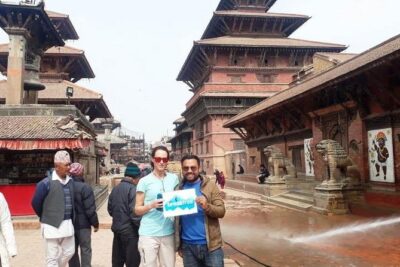
The healing center and temple are within walking distance of Thamel, so you can keep the day simple. The meeting point is listed at P8F3+WX in Kathmandu, and the activity ends back there—so you’re not stuck navigating the city afterward.
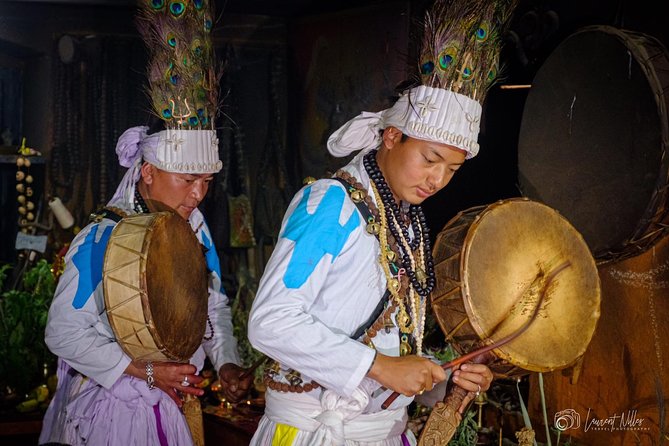
You’ll also be in a place that serves two roles: a training center and a treatment center. That’s important, because it explains why the experience can feel practical and grounded rather than theatrical. It’s also why the guide may encourage you to watch how the shaman consults and heals local visitors first—before your one-on-one part.
One practical note: the tour suggests taking a bath before going to the shaman temple. Even if you’re not sure what the rules are at the exact moment, it’s a low-effort way to show respect and feel more comfortable walking into a ritual space.
Your one-to-one consultation: divination, healing, and the real limits
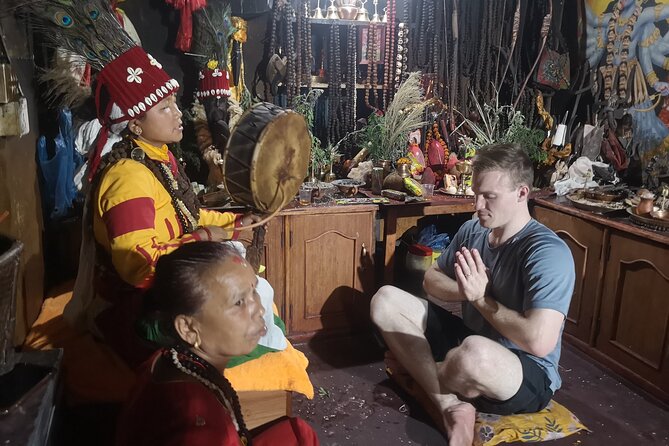
The heart of this tour is the one-on-one consultation with a Himalayan Bon shaman. You’re not just there to observe. You’re there to receive divination and counseling, with the aim of healing and clearing negative spirits.
Here’s how to read the session in a realistic way. The shaman’s focus is on what’s causing trouble through spirits and energy. That means the consultation can be very direct when negative energy is detected, but it may become lighter if nothing negative is sensed.
This is where you should manage expectations. The session is described as divination about past, present, and future, and it also includes removing negative spirits from the body. But multiple experiences shared through the process point to one theme: if there’s no detected “bad energy,” the shaman may avoid disturbing positive energy and the session may not include the kind of detail you hoped for.
In plain terms: don’t come treating this like a guaranteed personal prophecy machine. Come as a thoughtful participant in a tradition that does readings based on what the shaman senses in the moment.
What happens during the healing part (and why it can feel emotional)
Healing in Himalayan Bon shamanism isn’t presented as entertainment. It’s ritualized spiritual work—meant to shift your inner state and help you deal with worries.
The goal is to remove negative spirits from the body. In practice, that can include blessings and ceremonies you’ll be guided through, including explanation from your translator. People often describe the value as psychological as much as spiritual: it gives your thoughts and fears a structure, then offers a ritual response.
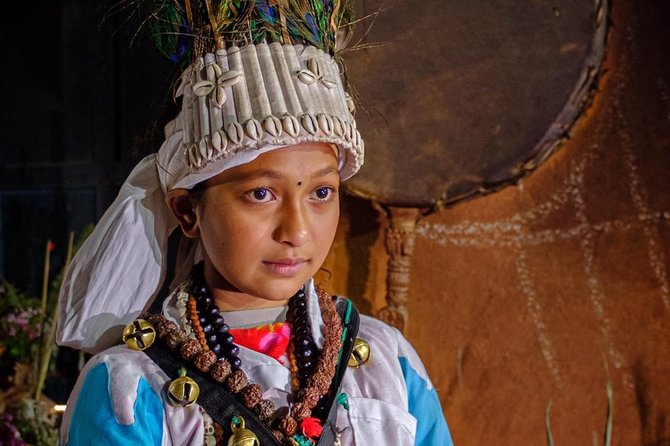
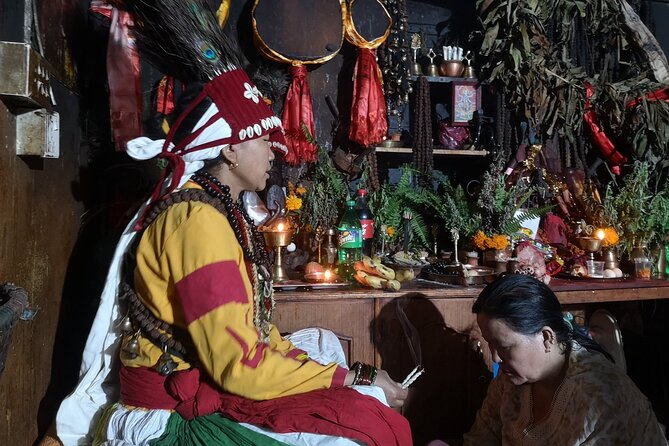
Also, the shaman may be a woman. That’s not a guarantee, but it’s a real possibility. One thing I’d suggest: avoid trying to “spot the costume” for authenticity. What matters more is how the ritual is explained and how the shaman conducts the reading and blessing.
And if you’re the type who gets tense when something is unfamiliar, this can help. You have a translator (guide) who should prepare you for what the shaman can and cannot do, so you aren’t sitting there trying to decode the situation alone.

The role of Siddhartha and translation: the difference-maker
This tour includes a guide/translator, and the name Siddhartha comes up again and again in feedback. That matters, because shamanic consultation is heavy on meaning, not just actions. If you don’t understand the flow, you’ll miss why the ritual is happening.
A good translator here does two jobs. First, they set expectations before you walk into the space. Second, they translate what the shaman is saying in a way you can actually absorb.
That’s one of the most praised parts of the experience: visitors describe the guide as patient, clear, and good at explaining the process ahead of time. In a setting like this, that can turn the day from confusing into constructive.
One thing to keep in mind: the consultation is private, but it still includes cultural context. So your guide isn’t there to “confirm” spiritual claims. They’re there to help you understand what’s happening and what the shaman is focusing on.
Timing and how long it usually lasts
The overall duration is listed at about 1 hour to 1 hour 30 minutes. That’s a solid amount of time for the walk over, a brief cultural introduction, and your consultation.
Still, here’s the practical reality: the actual consult and ritual moments may feel shorter than you expect, especially if there isn’t a lot to “address” spiritually. One review experience described a much shorter, more superficial feel, essentially because the shaman may do less if they sense you’re okay.
So when you plan your day in Kathmandu, don’t schedule this as the only activity with tight timing. Give yourself buffer time, especially if you’re jet-lagged or you have other cultural plans that require energy.
Price and logistics: is $40 good value?
At $40 per person, this isn’t a budget “add-on.” But it also isn’t a big, multi-hour excursion either. The value depends on what you want from it.
What you’re paying for:
- A private one-to-one consultation
- A guide/translator
- Bottled water
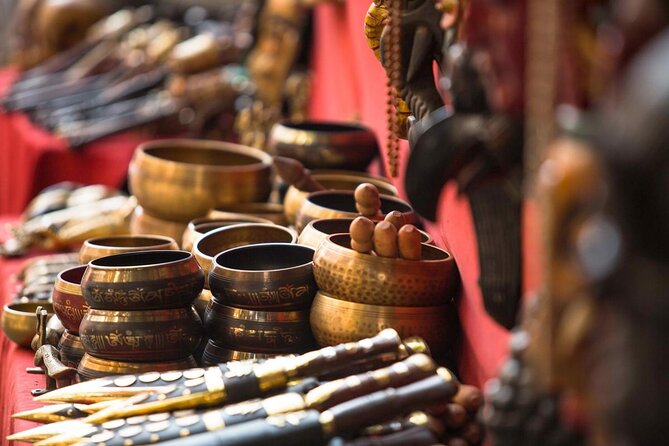
- Access to a local temple healing center environment near Thamel
What’s not included:
- Donations in the healing center
- Meals
- Tipping to the guide (not included)
- Anything not stated in the experience description
Now the honesty part. If you come expecting a Western-style health consultation where you’ll get detailed back-and-forth about medical history, you might feel disappointed. The consultation is framed around energy and spirit-based divination, not symptom-based diagnostics.
On the flip side, if you want a personal, culturally specific spiritual reading and you’re open to the idea that “healing” can mean clearing worry and negative energy, you may feel like $40 is fair for the access you get.
Also, the fact it’s one-to-one helps. You’re not blending into a group where you can’t ask clarifying questions through your translator.
Respect, rules, and how to show up the right way
This kind of tour works best when you treat it like participation, not consumption. A few things from the tour info and the general flow make that clear.
First, there’s the menstruation rule mentioned in the tradition: women don’t visit the shaman or temple during the first 4 days of their period. If that applies to you, plan around it so you don’t feel awkward or pressured.
Second, the tour suggests bathing before you go. That’s not a random add-on. It’s about entering a ritual space with the right care.
Third, be prepared for “what we do and what we don’t do” to be clearly explained. The shaman’s role is described as sensing and addressing negative spirits/energy. If no negativity is sensed, they avoid interfering with what they consider peaceful positive energy.
And finally, consider donations and tipping. Donations in the healing center are not included, and tipping to the guide is also not included. That’s normal for many cultural services in Nepal, and it’s best to have some cash ready so you can act respectfully if you feel moved to contribute.
Who should book this shamanism tour (and who shouldn’t)
This is a great fit if you:
- Want a private, close-up introduction to Himalayan Bon shamanism in Kathmandu.
- Like spiritual traditions that emphasize energy, counseling, and ritual healing.
- Appreciate a translator who helps you understand the process ahead of time.
- Are comfortable with uncertainty and want to see what happens when a shaman reads the energy in the moment.
It may not be the right fit if you:
- Need guaranteed, detailed health explanations every time.
- Prefer strictly secular activities with no spiritual framework.
- Expect a long, in-depth counseling session like you’d get from a licensed mental health professional.
Think of it this way: this isn’t a “test your luck” show. It’s a culturally grounded spiritual practice, and your experience will depend on what the shaman senses.
Practical tips for your visit
Here are the simple, useful things that can improve your experience fast.
- Wear something comfortable enough for a temple setting. You might be standing or sitting during ritual moments.
- If you can, follow the bath suggestion. It helps you feel calm and respectful.
- Plan for the consultation to be focused on energy/spirit. If you have questions, bring them as concerns or worries rather than a list of medical symptoms.
- Keep your mind open to a variety of outcomes. Sometimes the shaman may do a clear blessing and focus on clearing negativity; other times the session may feel lighter.
- Arrive ready to listen. Translation matters here, and the guide is there to help you follow along.
Also, it’s worth noting the tour is private—your group only. That can reduce stress and make the one-to-one part feel more personal.
Should you book the Shamanism Tour in Nepal?
If you’re curious about Himalayan Bon shamanism and you want something real—not a themed show—this is worth considering. The strongest reason to book is the combination of private access plus Siddhartha’s translation and expectation-setting, which helps you participate instead of just watch.
But decide with your expectations in check. This is not a guaranteed medical-style consultation, and if the shaman senses you don’t have negative spirits, you may get a shorter or lighter experience. If that uncertainty would annoy you, pick another Kathmandu activity.
If you’re okay with that, and you want a meaningful cultural doorway into how people handle fear, stress, and spiritual worries in Nepal, book it—ideally on a day you can slow down a bit.
FAQ
How long does the Shamanism tour take?
It lasts about 1 hour to 1 hour 30 minutes.
How much is the tour?
The price is $40 per person.
Is this a private consultation?
Yes. It’s a private tour/activity, and only your group participates.
What’s included in the price?
A one-to-one consultation with the shaman, bottled water, and a guide/translator are included.
Do I need to donate or tip?
A donation in the healing center is not included, and tipping to the guide is also not included.
Is there anything I should do before the temple?
The experience suggests taking a bath before going to the shaman temple. Also, women do not visit the shaman or temple during the first 4 days of their period in this tradition.
More Tours in Kathmandu



More Tour Reviews in Kathmandu

Just Reviewed in Kathmandu
- Mountain Bike Tour
★ 5.0 · 3 reviews - Annapurna Panaroma
★ 5.0 · 3 reviews - Mount Everest Scenic Flight 50 Minutes
★ 5.0 · 3 reviews - Kathmandu : Swambhunath & Durbar Square Guided Half Day Tour
★ 3.3 · 3 reviews - Chandragiri Cable Car & Monkey Temple Tour – Private/Group
★ 5.0 · 3 reviews - Kathmandu: Shivapuri National Park Hiking Day Trip
★ 3.3 · 3 reviews
Tours, compared.
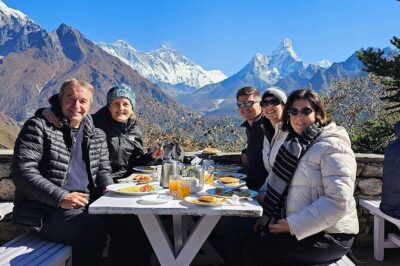 ★ 5.0Everest Base Camp Helicopter Tour landing at Everest View HotelFrom $1,575668 reviews
 ★ 5.0Full Day 7 UNESCO Tour with Lunch – Private/GroupFrom $10415 reviews
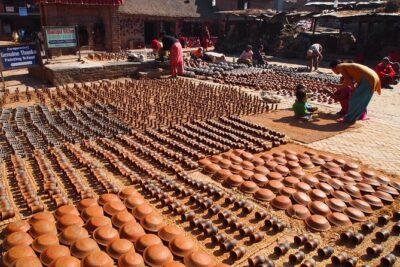 ★ 5.0Private Bhaktapur and Nagarkot Day Tour From KathmanduFrom $20305 reviews
 ★ 4.9Food and Drink Walking TourFrom $34292 reviews
 ★ 5.0Full Day Top 4 UNESCO Tour with Lunch – Private/GroupFrom $10269 reviews
★ 5.0Kathmandu Food and Drink Walking TourFrom $36266 reviews
★ 5.0Full Day Top 4 UNESCO Tour with Lunch – Private/GroupFrom $10269 reviews
★ 5.0Kathmandu Food and Drink Walking TourFrom $36266 reviews
 ★ 5.0UNESCO Seven World Heritage Tour in KathmanduFrom $180253 reviews
★ 4.9Full-Day 7 UNESCO Tour with Lunch – Private/GroupFrom $5247 reviews
★ 5.0UNESCO Seven World Heritage Tour in KathmanduFrom $180253 reviews
★ 4.9Full-Day 7 UNESCO Tour with Lunch – Private/GroupFrom $5247 reviews