
Review · TOURS
Thamel Rickshaw tour
One rickshaw, a lot of Kathmandu. This tour strings together Ason Market breakfasts, Durbar Square UNESCO landmarks, and a food-focused ride through Thamel. I love how direct and practical the route feels, and I like that you’re on a small cycle-rickshaw pace rather than getting herded by a bus. One thing to consider: you’ll cover a fair amount of uneven streets in a short window, so if you need mobility-friendly travel, this may not fit.
You get a private group and a driver who’s meant to actually talk to you, not just pedal. The vibe is simple: see the sights, taste the street-level Nepal, then glide back to Thamel with your head full of details.
If you’re aiming for value—especially at $14 per person—this works best when you treat it like a guided walk-and-ride sampler: sights plus snacks, with food costs on you.
In This Review
- Key highlights worth knowing before you go
- What this tour really gives you in 4 hours
- The value math (and why it’s not just cheap)
- Timing: start windows and the Kumari Ghar timing gamble
- Ason Market: breakfast, spices, and temples you can reach fast
- What to watch for
- Kathmandu Durbar Square: Hanuman Dhoka, Kasthamandap, and what you’re actually looking at
- The key landmarks (and why they matter)
- A realistic drawback
- Shree Gha Stupa: a small pause near the action
- Thamel by rickshaw: the easiest way to feel the neighborhood
- Quick tip
- The optional $5 Food Challenge: how to do it without overthinking
- A small caution
- Price and logistics: what’s included, what’s extra, and what you should budget
- My value take
- Meet your driver: English/Nepali/Hindi and the livelihood angle
- One review detail that stands out
- Who this tour suits (and who should skip it)
- My practical advice
- Should you book the Thamel Rickshaw Tour?
- FAQ
- What time does the Thamel Rickshaw tour start?
- How long is the tour?
- Where do I get picked up?
- Is the $5 Food Challenge included in the $14 price?
- What’s included in the tour price?
- What will we visit during the tour?
- Are entry fees included?
- What languages are the driver able to speak?
- Are there any rules about luggage or alcohol?
Key highlights worth knowing before you go
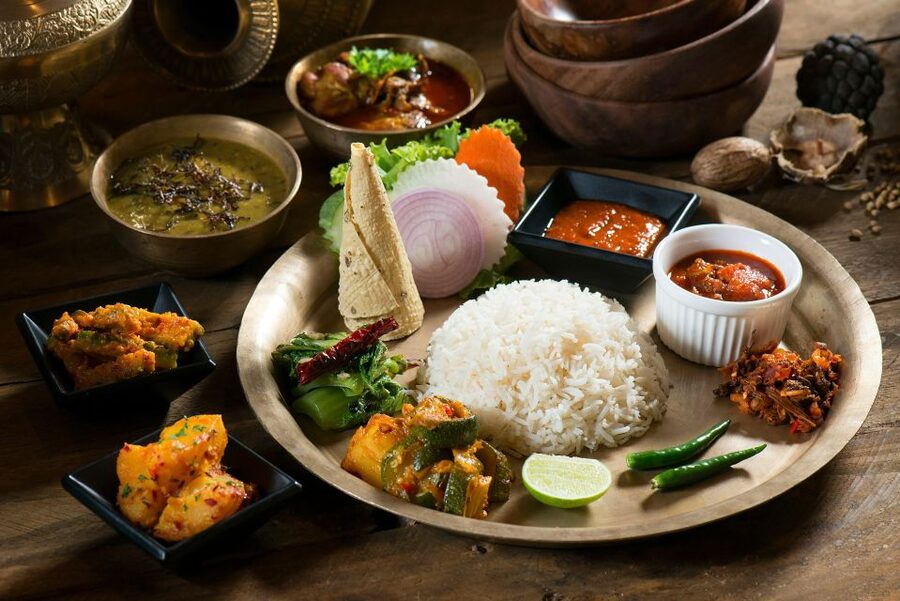
- Ason Market breakfast stop with local produce, spices, and classic bites like sel roti and samosas with masala chai
- Kathmandu Durbar Square UNESCO sights including Hanuman Dhoka Palace and Kasthamandap
- Living Goddess viewing window at Kumari Ghar when your timing overlaps 9–11 AM or 4–6 PM
- Optional $5 Food Challenge at Freak Street and Indrachowk (extra cost)
- Shree Gha Stupa break for quieter moments plus Tibetan-style laphing and keema noodles
- Thamel rickshaw glide through the markets and café streets near your start point
Not sure yet? Here are other Kathmandu tours worth a side-by-side look.
- Everest Base Camp Trek – 14 Days★ 5.0 · 1,499 reviews
- Everest Base Camp Trek★ 5.0 · 842 reviews
- Private Kathmandu Sightseeing Tour | UNESCO World Heritage sites★ 5.0 · 756 reviews
- Kathmandu: 7 UNESCO Sites with Lunch★ 4.8 · 744 reviews
What this tour really gives you in 4 hours
This is not a checklist-only sightseeing loop. It’s more like a guided “Kathmandu sampler,” with the rickshaw doing the heavy lifting between clustered neighborhoods. That matters, because traffic, shortcuts, and walking distances in central Kathmandu can add up fast.
The plan is built around three areas that most visitors want anyway: Ason Market, Kathmandu Durbar Square, and the Thamel area around your pickup and drop. Add in Shree Gha Stupa for a calmer religious pause, and you’ve got variety without burning your whole day.
The value math (and why it’s not just cheap)
At $14 per person, the real value is in what’s included: rickshaw pickup/drop, taxes, and the ride itself. But you should plan on paying for entry fees and food separately. The tour also offers an optional $5 Food Challenge as a personal expense, so your final bill depends on how snack-happy you get.
If you’re trying to keep daily spending low, this style of tour is smart. If you want museums and paid attractions fully covered, you’ll need extra budget.
Timing: start windows and the Kumari Ghar timing gamble
Your start time is flexible within a window (you can begin 09:30 AM to 12:30 PM, and the tour duration is typically 3–4 hours). That flexibility is helpful, but it creates one key issue: the Living Goddess viewing at Kumari Ghar works only during specific balcony times.
Kumari Ghar can be seen from the balcony between 9–11 AM and 4–6 PM. The 4–6 PM window may not match your tour timing unless your operator schedules you later. If you start in the late morning, you might see less (or nothing) of the moment everyone comes for.
My practical advice: if the Living Goddess is a must for you, confirm your exact start time with the operator before you lock in. If you can’t overlap 9–11 AM, set expectations accordingly and still enjoy the Durbar Square architecture and temples.
Ason Market: breakfast, spices, and temples you can reach fast
Ason Market is a strong first stop because it throws you into Kathmandu life immediately. You’ll wander through alleys packed with local produce, spices, and handmade goods. It’s the kind of market where you start noticing what people buy for daily cooking, not just what tourists photograph.
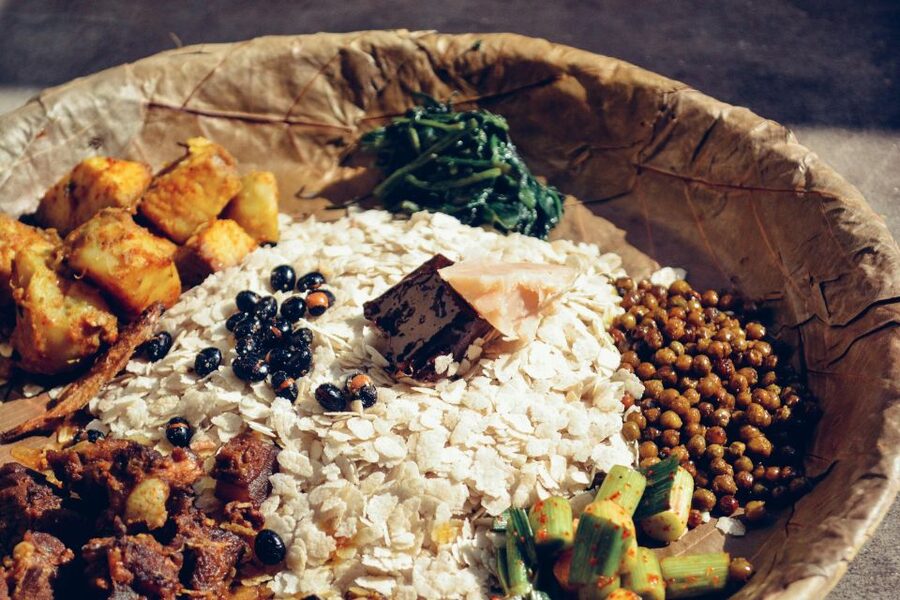
You’ll also get classic Nepalese breakfast bites, including sel roti (rice doughnuts) and samosas, plus a cup of masala chai. This matters because breakfast here isn’t just food—it’s also context. You’re learning how locals fuel the day, right in the place where the ingredients are traded.
Near the market, you’ll pass temples including Annapurna and Ganesh. Even if you don’t linger inside, seeing these alongside everyday commerce helps you understand why Kathmandu’s sacred spaces and street life sit so close together.



What to watch for
- Wear comfortable shoes. Market streets can be uneven and busy.
- Go in ready to smell spices and hot snacks. If you’re sensitive to strong food aromas, you’ll notice it here.
Kathmandu Durbar Square: Hanuman Dhoka, Kasthamandap, and what you’re actually looking at
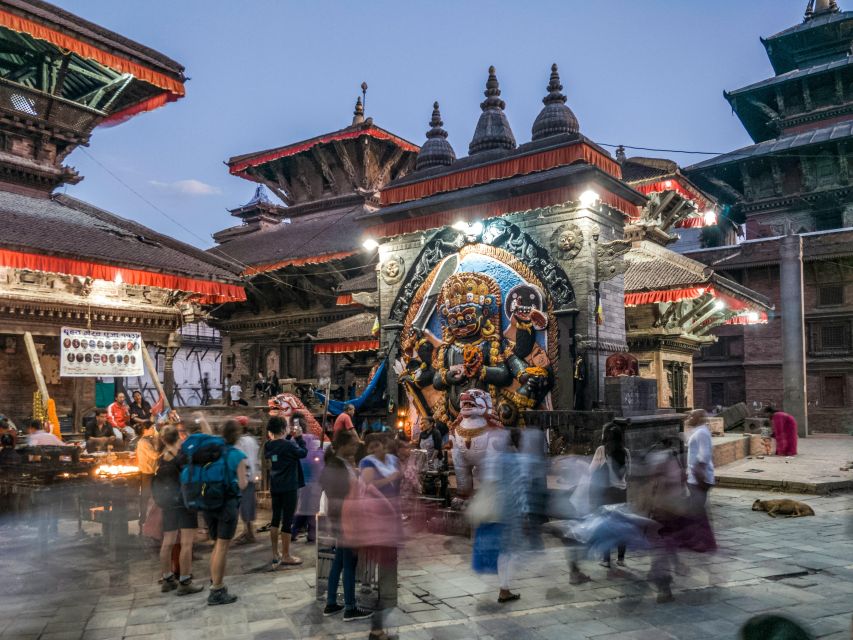
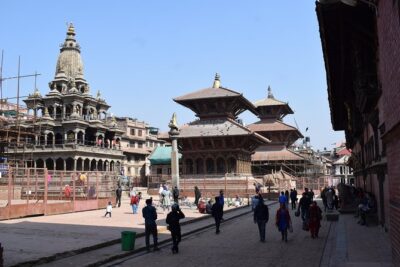
Kathmandu Durbar Square is a UNESCO World Heritage Site and the heart of the old royal and religious complex. It’s not a single building—it’s a whole cluster of landmarks, courtyards, and temples that explain how power and worship overlapped.
You’ll cover it in about 2 hours, which is just enough time to see the major highlights without feeling like you’re sprinting.
The key landmarks (and why they matter)
- Hanuman Dhoka Palace: the ancient royal palace area, now housing a museum
- Kumari Ghar: the Living Goddess viewing spot from her balcony during the balcony hours noted above
- Kasthamandap: an ancient wooden structure and a symbolic centerpiece of the square
- Taleju Temple: associated with goddess Taleju and worship by the Malla kings
- Gaddi Baithak: a neoclassical building reflecting colonial-era influence
- Freak Street: a lively area that traces back to the hippie-era energy, now a well-known hangout zone for locals and visitors
A lot of people approach Durbar Square like it’s one stop. I think it works better when you treat it as several layers: royal legacy (palace), living religion (Kumari), symbolic architecture (Kasthamandap), then the street life that grew around it over time.
A realistic drawback
Durbar Square is popular and can feel crowded depending on your timing. If you want quiet, plan for short pauses rather than expecting empty space.
Shree Gha Stupa: a small pause near the action
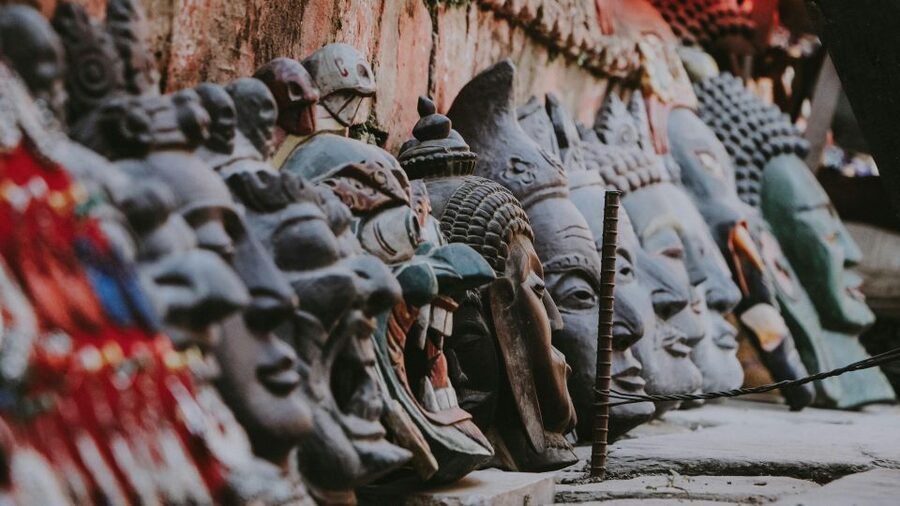
After the big UNESCO chunk, you’ll head toward Shree Gha Stupa, a smaller stupa near Thamel and Kathmandu Durbar Square. This stop is your chance to slow down.
At Shree Gha, you can light butter lamps, spin prayer wheels, and take in the calmer, more local feeling that stupa areas often bring. It’s a nice contrast after palaces and temple courtyards—less about big monuments and more about ritual and stillness.
You’ll also find Tibetan-style street foods here, including laphing (cold noodles) and keema noodles, plus kulfi (Nepali-style ice cream). If you’re doing the optional food challenge elsewhere, this is a great place to switch gears from “shopping bites” to “comfort snack.”
Thamel by rickshaw: the easiest way to feel the neighborhood
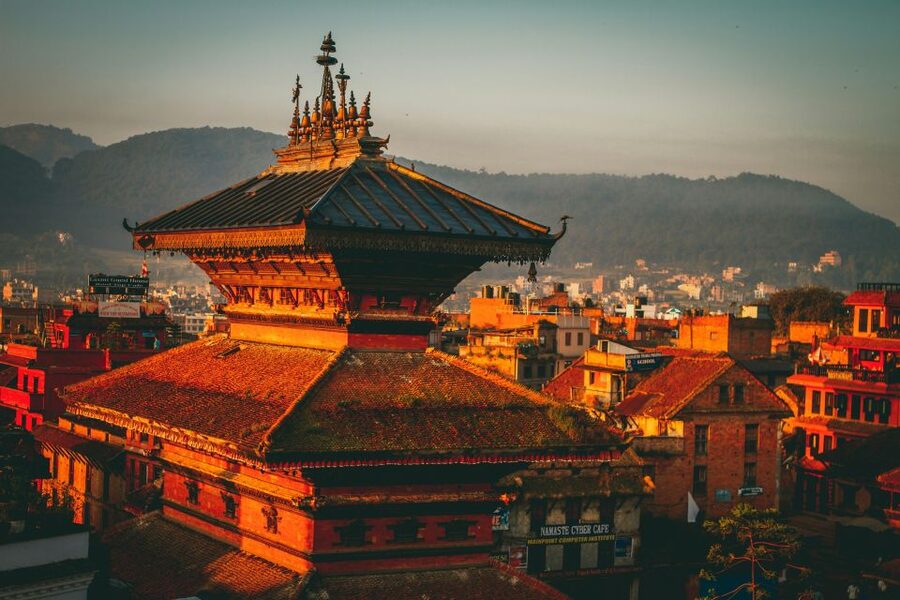
Once you finish the main sights, the tour winds down with a leisurely rickshaw ride through Thamel. This is the part that often surprises people—in a good way.
Thamel isn’t only a tourism zone. It’s also where shops, cafés, and local routines overlap. From a rickshaw seat, you can pick up the texture faster than walking because you’re not stopping every two steps. You get movement plus orientation, which is useful if you plan to explore on your own afterward.
Quick tip
If your goal is to come back later and explore independently, keep an eye out for the streets that feel most interesting during the ride. Your driver route can help you map where you want to wander next.
The optional $5 Food Challenge: how to do it without overthinking
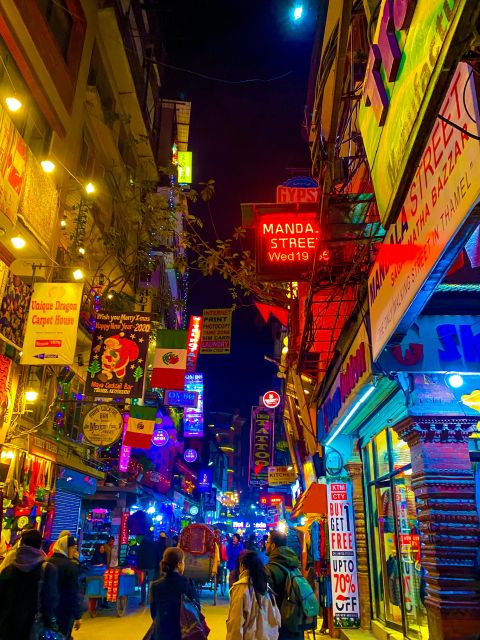
The $5 Street Food Challenge is an extra that’s handled as a personal expense. It’s built around a fun idea: small bites at a few known spots rather than one big meal.
If you choose it, you’ll focus on stops around Freak Street and Indrachowk, with additional listed treats that can include:
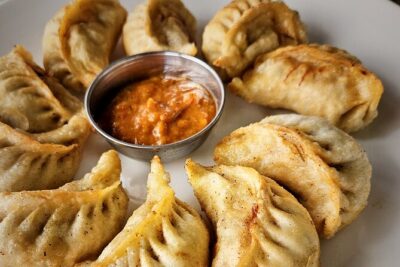
- Momos (dumplings) and pani puri (crispy water-filled snacks)
- A stop at Snowman Cafe for cake
- Suju Corn Dog for Kathmandu’s famous corn dog
- Janakpur Dahi Lassi Bhandar for lassi
- Bhatti Restro for Newari cuisine, plus tea at Mama Chiya
This is a good choice if you like trying a range of street foods and don’t want to plan meals all day. It also helps you sample different Nepalese influences in one go—Newari flavors, classic street snacks, and sweets.
A small caution
Because it’s optional and personal-expense based, don’t assume it’s included in the $14 rate. Also, if you’re lactose intolerant, you should be careful with dairy-heavy items like lassi and ice cream.
Price and logistics: what’s included, what’s extra, and what you should budget
Here’s the straightforward breakdown:
Included:
- Rickshaw pickup and drop
- All taxes and service charge included
- The tour covers the main ride and guided stops as described
Not included:
- Entry fees
- Tour guide (the driver is the language support; the listing states guide isn’t included)
- Foods
- The $5 Food Challenge (extra, personal expense)
- Personal expenses
My value take
At $14, you’re paying for transport and access to local street stops—not for a fully catered day. If you go in with that mindset, you’ll feel the value immediately. If you expect everything food-wise to be covered, you’ll probably feel surprised later.
Also, because it’s a private group, you’re not sharing the experience with a large crowd. That usually makes it easier to ask questions, get direction on what to order, and move at a pace that suits you.
Meet your driver: English/Nepali/Hindi and the livelihood angle
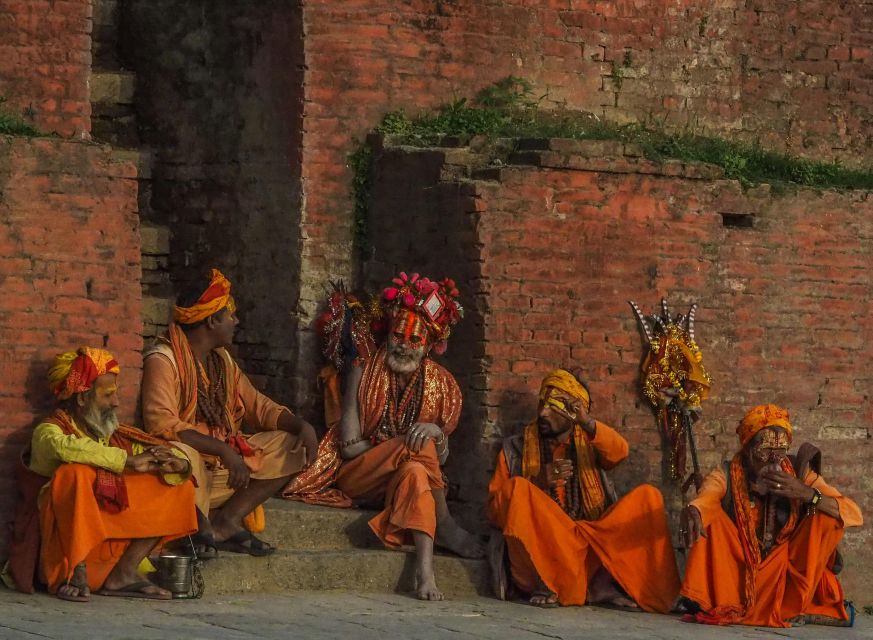
The tour is designed to support rickshaw drivers directly. Earlier, skilled drivers were a big part of Kathmandu tourism. Now, digital platforms have reduced consistent walk-up bookings. The operator’s solution is a more direct booking model so drivers can earn sustainably.
You’ll also notice this tour emphasizes driver interaction and communication. In plain terms: you’re more likely to get stories, local context, and practical explanations because the tour is built around the driver as your host and rider.
One review detail that stands out
A recent verified booking highlighted a punctual, polite driver who drove carefully and shared not only the tour sites but also extra useful info. That lines up with what this format is trying to do: make the ride feel like local guidance, not just transportation.
Who this tour suits (and who should skip it)
This tour is best for adults who can handle a short, active city route with uneven streets.
It’s private, and you’ll ride in a way that can be physically demanding. It is not suitable for:
- Children under 5
- People with back problems
- People with mobility impairments
- Wheelchair users
- People with heart problems
- People with high blood pressure
- People over 95 years
- People over 243 lbs (110 kg)
- People with lactose intolerance
- Hearing-impaired people
My practical advice
If you’re generally active and comfortable on uneven pavement, you should do fine. If you’re nursing a condition that makes bumps or sustained seated travel risky, skip it and choose something slower and more accessible.
Should you book the Thamel Rickshaw Tour?
Book it if you want a compact Kathmandu day with real street-food energy and UNESCO landmarks—without paying all-day museum and taxi costs. The Ason Market breakfast, the Durbar Square core highlights, and the Thamel rickshaw ride are exactly the kind of combo that gives you both orientation and atmosphere.
Skip it if you strongly need everything on rails (easy walking, minimal bumps) or if Kumari Ghar timing is a make-or-break priority and you can’t confirm a start that lines up with 9–11 AM.
If you can match your schedule to the Kumari balcony window and you’re okay paying for snacks on the side, this is a smart, budget-friendly way to experience Kathmandu’s core neighborhoods with local help.
FAQ
What time does the Thamel Rickshaw tour start?
The tour timing is flexible. It can start between 09:30 AM and 12:30 PM, and it typically runs about 3–4 hours.
How long is the tour?
The duration is listed as 4 hours, with the experience typically taking 3–4 hours depending on the start time.
Where do I get picked up?
Pickup is from Thamel (your guide will meet you at your hotel or a nearby pick-up point, as stated in your booking confirmation).
Is the $5 Food Challenge included in the $14 price?
No. The $5 Street Food Challenge is extra and is listed as a personal expense. Foods are not included in the base price.
What’s included in the tour price?
Included are rickshaw pick-up and drop, allowances, and all taxes and service charge.
What will we visit during the tour?
You’ll visit Ason Market, Kathmandu Durbar Square (UNESCO site), the area around Freak Street, Shree Gha Stupa, and enjoy a rickshaw ride through Thamel.
Are entry fees included?
No. Entry fees are not included.
What languages are the driver able to speak?
The driver can speak English, Nepali, and Hindi.
Are there any rules about luggage or alcohol?
Yes. Luggage or large bags are not allowed. Alcohol and drugs are not allowed, and alcoholic drinks are not allowed in the vehicle.
More Tours in Kathmandu




More Tour Reviews in Kathmandu




Just Reviewed in Kathmandu
- Mountain Bike Tour
★ 5.0 · 3 reviews - Annapurna Panaroma
★ 5.0 · 3 reviews - Mount Everest Scenic Flight 50 Minutes
★ 5.0 · 3 reviews - Kathmandu : Swambhunath & Durbar Square Guided Half Day Tour
★ 3.3 · 3 reviews - Chandragiri Cable Car & Monkey Temple Tour – Private/Group
★ 5.0 · 3 reviews - Kathmandu: Shivapuri National Park Hiking Day Trip
★ 3.3 · 3 reviews
Tours, compared.
 ★ 5.0Everest Base Camp Helicopter Tour landing at Everest View HotelFrom $1,575668 reviews
 ★ 5.0Full Day 7 UNESCO Tour with Lunch – Private/GroupFrom $10415 reviews
 ★ 5.0Private Bhaktapur and Nagarkot Day Tour From KathmanduFrom $20305 reviews
 ★ 4.9Food and Drink Walking TourFrom $34292 reviews
 ★ 5.0Full Day Top 4 UNESCO Tour with Lunch – Private/GroupFrom $10269 reviews
★ 5.0Kathmandu Food and Drink Walking TourFrom $36266 reviews
 ★ 5.0UNESCO Seven World Heritage Tour in KathmanduFrom $180253 reviews
★ 4.9Full-Day 7 UNESCO Tour with Lunch – Private/GroupFrom $5247 reviews