
Review · TOURS
Tibet Tour With Everest Base Camp – FLY IN DRIVE OUT- 8 DAYS
Eight days, two countries, one huge view. This fly-in drive-out Tibet route gives you Lhasa’s big-name sights first, then swaps to high passes and mountain monasteries before your Everest Base Camp hike. It’s designed to feel efficient: less backtracking, more days outside looking up at the sky.
I like two things a lot: the tour is private for your group with a trained English-speaking Tibetan guide, and the package includes the hard part up front—Tibet permits and sightseeing fees plus pickups and airport/hotel transfers. That means less time chasing paperwork while you focus on temples, roads, and altitude.
One caution: the flight to Lhasa costs extra, and you’ll also need to budget for your Chinese visa fee and other non-included meals/tips. Add in the high-elevation route and the Everest Base Camp hike, and you’ll want to plan for a slower pace than normal sightseeing.
In This Review
- Key highlights worth your attention
- Fly-in Lhasa, overland home: the route logic that saves time
- Day 1 in Lhasa: arrival, rest, and getting your bearings fast
- Two days of Lhasa temples and monasteries: Potala, Jokhang, Barkhor, Drepung, Sera
- Gyantse via Yamdrok Lake and two big passes: the road is part of the story
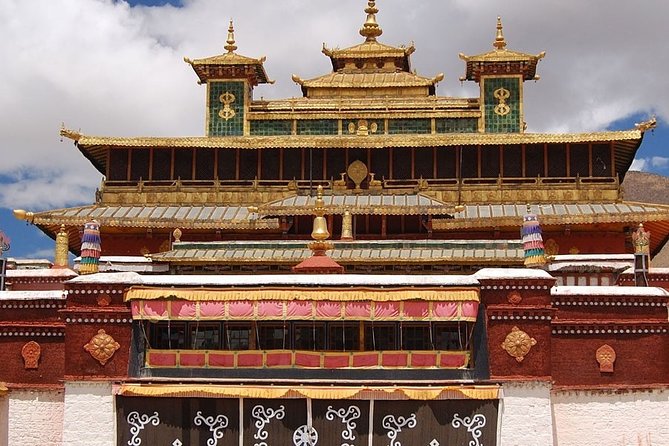
- Tashilhumpu Monastery and Gyatchula (5,200m): Xegar is the next altitude checkpoint
- Ronbuk Monastery and the high-altitude calm before Everest Base Camp
- Everest Base Camp day from Ronbuk: the hike payoff
- The last day: Rasuwagadi border formalities and the drive back to Kathmandu
- Price and value: what $2,299 includes (and what it doesn’t)
- Comfort, pace, and altitude reality check (because the dates are real)
- Who this Tibet + Everest Base Camp trip suits best
- Should you book this Tibet fly-in drive-out + Everest Base Camp tour?
- FAQ
- How do I get from Kathmandu to Lhasa on this tour?
- Is the flight from Kathmandu to Lhasa included in the price?
- What Tibet permits or entry fees are included?
- What meals are included during the Tibet part of the trip?
- What are the main Lhasa sights included?
- How does the tour return to Kathmandu?
- Is there free cancellation?
Key highlights worth your attention
- Fly-in, drive-out routing: you reach Lhasa by air, then return overland via Rasuwagadi.
- Permits and entry fees included: fewer surprises once you’re in Tibet.
- Two full days in Lhasa: Potala Palace, Jokhang Temple, Barkhor Bazaar, Drepung and Sera.
- High-pass road days: Kora LA (5,010m), Kamba La (4,794m), and Gyatchula (5,200m).
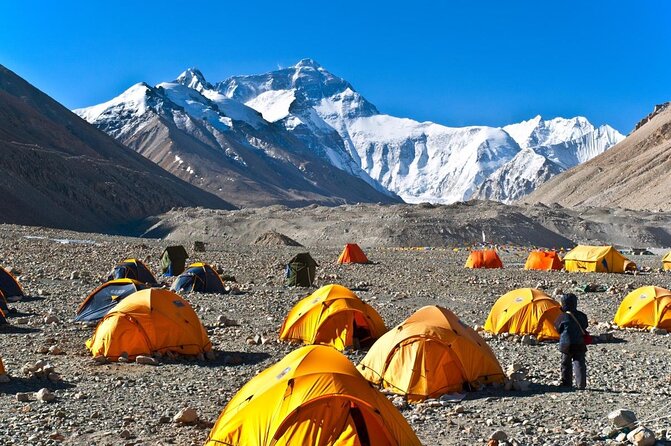
- Everest Base Camp hike from the Ronbuk/Kerong area: a real payoff day after monastery-and-road time.
- Breakfast included every day in Tibet: makes early starts easier.
Not sure yet? Here are other Kathmandu tours worth a side-by-side look.
- Everest Base Camp Trek – 14 Days★ 5.0 · 1,499 reviews
- Everest Base Camp Trek★ 5.0 · 842 reviews
- Private Kathmandu Sightseeing Tour | UNESCO World Heritage sites★ 5.0 · 756 reviews
- Kathmandu: 7 UNESCO Sites with Lunch★ 4.8 · 744 reviews
Fly-in Lhasa, overland home: the route logic that saves time
This trip is built around one smart idea: start with a flight to Lhasa, then handle the longer drives on the “together” part of the journey. You land at Gonngar airport, drive into Lhasa, and use that first day to slow down instead of immediately pounding the temples.
Then, when the Everest Base Camp day is done, you keep moving east toward the Nepal-China border at Rasuwagadi and finish the return drive back to Kathmandu. For many people, that works better than trying to fly multiple times, especially if you want the road scenery and monastery stops to be part of the experience—not a boring connector.
Day 1 in Lhasa: arrival, rest, and getting your bearings fast
Your first day is straightforward: flight from Kathmandu to Lhasa, arrival at Gonngar airport, then about an hour’s drive into Lhasa. You get full rest for acclimatization, with an overnight stay at a hotel in Lhasa.
That rest matters because your itinerary quickly stacks up sacred sites and then climbs into high passes over the next few days. The tour gives you that gentle landing on purpose, and I’d treat Day 1 like a reset button, not a “see everything” day.
Two days of Lhasa temples and monasteries: Potala, Jokhang, Barkhor, Drepung, Sera
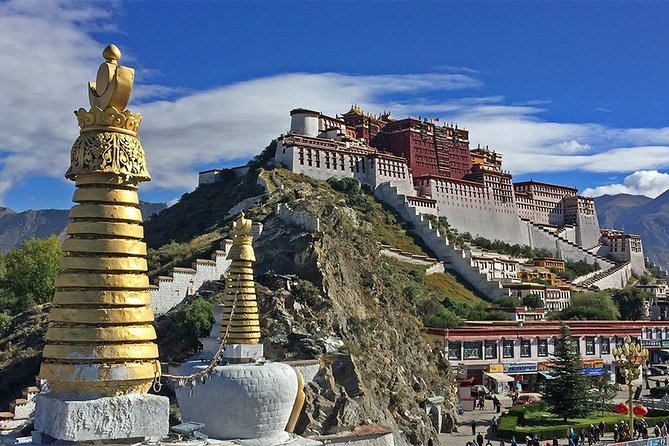
In Lhasa, the schedule centers on the top spiritual stops and the everyday life around them. You’ll visit the Potala Palace, Jokhang Temple, and Barkhor Bazaar, then spend time at Drepung and Sera Monastery.
Here’s why that matters for your experience: Jokhang and Barkhor are the kind of places where Tibetan practice is visible in real time, not just museum-style sightseeing. Potala is the iconic sight, but the value here is the pairing—palace views paired with temple worship and street energy right outside.
You also get two days devoted to this cluster of Lhasa sights. That extra time helps you take a breath between stops, shop for small souvenirs without rushing, and watch the lighting shift on stone and prayer flags as the day goes on.
Gyantse via Yamdrok Lake and two big passes: the road is part of the story
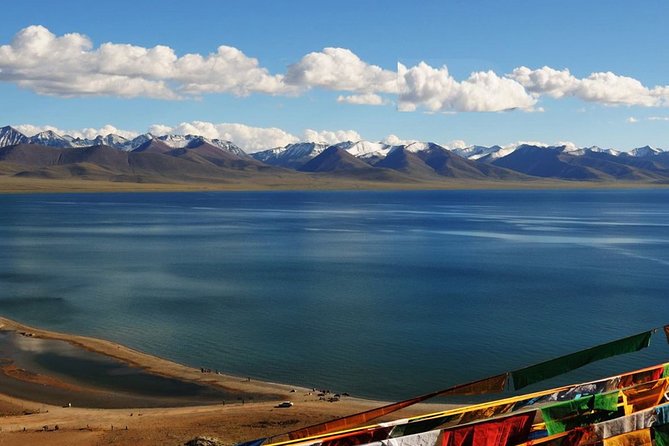
After Lhasa, you drive to Gyantse via Yamdroke Lake and high passes, including Kora LA (5,010m) and Kamba La (4,794m). Then you tour Gyantse itself, with Pholkor and the Kumbum Monastery on the agenda, before continuing to Xigatse.
This is where the trip starts to feel more like a journey and less like a checklist. You’re spending your day on Tibetan highways with big elevation changes, and you’ll also notice the driving style: the roads can mean lots of curves, and that’s exactly the kind of detail that can make or break comfort for people who get car sick.
Gyantse is a great mid-route stop because it’s not only a transfer city. The Kumbum and the area around it are the reason you pause—so you’re not just sitting in a vehicle for hours before more vehicle time.



Tashilhumpu Monastery and Gyatchula (5,200m): Xegar is the next altitude checkpoint
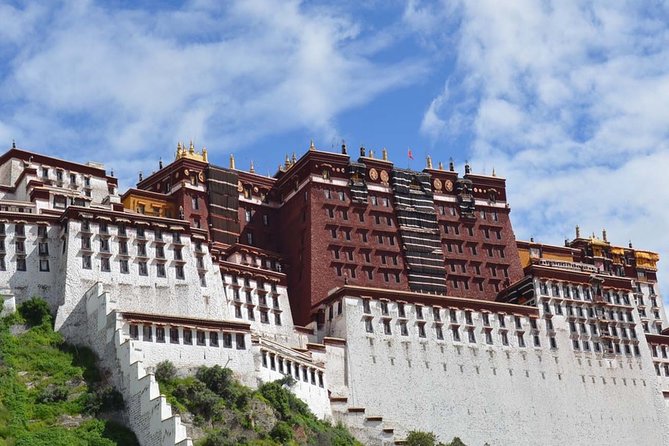
Day 5 moves you from Gyantse/Xigatse area toward the next major monastery stop: Panchen Lama’s Tashilhumpu Monastery. After that, you drive toward Xegar while crossing Gyatchula, listed as a 5,200m pass.
If you’re the type who likes spiritual sites but also likes the “how do we get there” part, this day fits. It combines a clear cultural anchor (Tashilhumpu) with a high-pass route that turns the journey into part of the experience.
Practical tip: after long road days, plan to keep your pace gentle at arrival. The itinerary sets you up to move camp-to-camp style, with overnight stays at hotels along the way.
Ronbuk Monastery and the high-altitude calm before Everest Base Camp
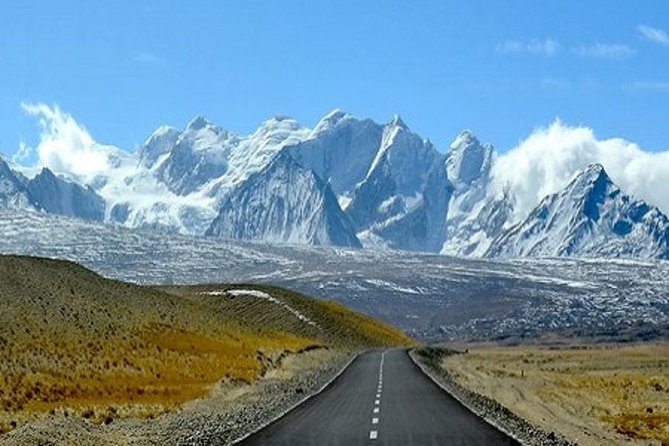
On Day 6, you take a scenic drive to Ronbuk through Tibetan countryside, then explore Ronbuk Monastery, described as the highest monastery in the world. You stay overnight at a guest house.
This is a key day because it changes your mental mode. Up until now, you’ve been collecting temples and passes like chapters in a book. Ronbuk is where your Everest Base Camp plan starts feeling real.
Also, Ronbuk gives you a chance to slow down and acclimate a bit more before the hike day. Even if you’re excited, treat the evening like prep time: drink water, keep warm, and don’t schedule extra activities beyond what the group is doing.
Everest Base Camp day from Ronbuk: the hike payoff
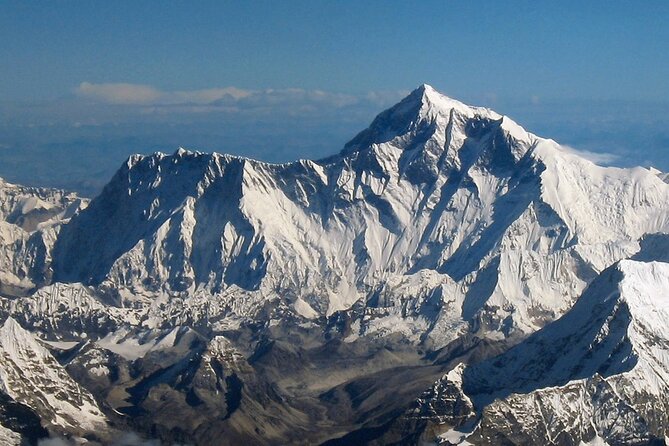
Day 7 is your Everest Base Camp hike day. The plan is to hike up to Everest BC, explore around, then return to Ronbuk and drive to Kerong for an overnight stay.
What you can take from this schedule: you’re not just arriving and taking photos from a distance. The itinerary explicitly includes a hike and exploration time, so you should expect physical effort and cold, thin-air conditions at altitude (especially because the route includes multiple high passes earlier in the week).
This is also the day that tends to define the whole trip. It’s why the itinerary is structured the way it is—front-load Lhasa, then spend road-time building toward the one big climb/hike moment.
The last day: Rasuwagadi border formalities and the drive back to Kathmandu
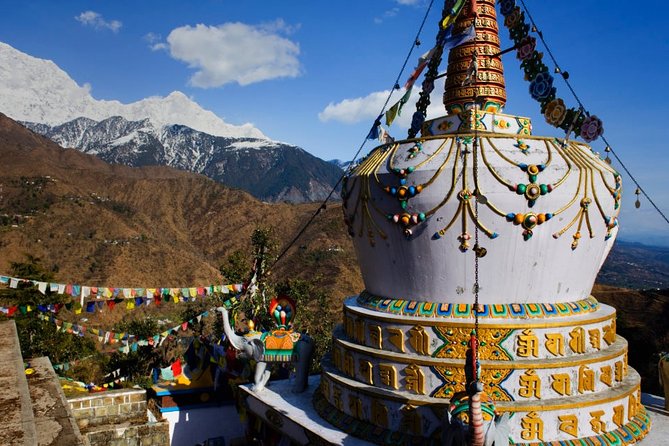
On Day 8, you drive to Rasuwagadi border, handle the necessary border formalities, then continue by drive to Kathmandu. This is the finishing stretch after your Everest Base Camp day, so it’s about getting you home while staying within the tour’s organized route plan.
One thing to keep in mind: border days can feel slow by nature. The best move is to treat it as a travel day, not a sight-seeing day, and let the logistics happen around you.
Price and value: what $2,299 includes (and what it doesn’t)
The tour price is listed at $2,299 per person for about 8 days. For this kind of route, the “value” isn’t only the attractions—it’s the support and paperwork handled for you.
Included costs that matter:
- Tibet travel permits and entry fees
- Pickups and drops (airport and hotel)
- Private vehicles for transportation
- English-speaking trained Tibetan guide
- Lhasa accommodation on a twin-sharing basis with breakfast
- Breakfast included (8 breakfasts listed)
- Driver salary and road taxes/parking/fuel (as listed)
Costs you’ll need to plan for separately:
- Flight(s) to Lhasa from Kathmandu (flights cost extra)
- Chinese visa fee
- Nepal visa
- International flights
- Meals other than breakfast in Tibet
- Tips for guides and driver
- Accommodation in Nepal or mainland China
So is it worth it? If you want to see Lhasa and Everest Base Camp without turning the trip into a logistics project, the included permits/fees and private transport can be a big deal. If you already have your own permits and guide lined up, the value changes—but for first-timers, this setup typically reduces stress a lot.
Comfort, pace, and altitude reality check (because the dates are real)
This itinerary stacks multiple high passes and one big hike. Kora LA (5,010m) and Kamba La (4,794m) happen before you even reach Gyantse-and-beyond, then you cross Gyatchula at 5,200m on the way toward Xegar.
That means you should expect:
- lots of driving time with big elevation changes
- a need for patience on the road
- a slower-than-usual pace during temple visits and the Everest Base Camp hike
The tour does include a rest day concept on Day 1 for acclimatization, and the overnight pattern (Lhasa, then step-by-step towns/guest house) helps you recover. Still, no one should treat this as a casual stroll tour.
Who this Tibet + Everest Base Camp trip suits best
This experience is described as recommended for all and “most travelers can participate,” with a private group format. In plain terms, that points to a good match if you want structured days, a guide to handle explanations and timing, and a route that mixes iconic sights with mountain travel.
It’s especially suitable for:
- first-time visitors to Tibet who want permits handled
- people who want Lhasa + Everest Base Camp in one trip without backtracking
- travelers who don’t mind long drives as long as there are meaningful stops
If you hate road time or you’re very sensitive to altitude, you might feel the itinerary more than other trips. But the schedule is at least designed to give you acclimatization time early and a focused, planned hike day later.
Should you book this Tibet fly-in drive-out + Everest Base Camp tour?
I’d book it if you want a single organized plan that connects Lhasa temples and scenery to an actual Everest Base Camp hike, without making you wrestle permits and entry fees on your own. The included permits, English-speaking guide, and private vehicle support make this feel like a hands-on guided route instead of a DIY gamble.
I’d think twice if you’re trying to keep the budget tight, because the flight to Lhasa, Chinese visa fee, Nepal visa, and non-breakfast meals are extra. Also, be honest about your comfort with altitude and long driving days with high passes and curves.
FAQ
How do I get from Kathmandu to Lhasa on this tour?
You fly from Kathmandu to Lhasa. The itinerary notes arrival in Gonngar airport, followed by a drive to Lhasa for about one hour.
Is the flight from Kathmandu to Lhasa included in the price?
Flights are not included. The tour notes that flights cost extra.
What Tibet permits or entry fees are included?
All necessary Tibet travel permits and entry fees are included, along with sightseeing and monastery fees as outlined in the itinerary.
What meals are included during the Tibet part of the trip?
Breakfast is included every day (8 breakfasts are listed). Meals other than breakfast in Tibet are not included.
What are the main Lhasa sights included?
You visit Potala Palace, Jokhang Temple, Barkhor Bazaar, Drepung Monastery, and Sera Monastery.
How does the tour return to Kathmandu?
On Day 8, you drive to Rasuwagadi border, complete the necessary border formalities, and then drive back to Kathmandu.
Is there free cancellation?
Yes. You can cancel for a full refund up to 24 hours in advance of the experience start time.
More Tours in Kathmandu



More Tour Reviews in Kathmandu




Just Reviewed in Kathmandu
- Mountain Bike Tour
★ 5.0 · 3 reviews - Annapurna Panaroma
★ 5.0 · 3 reviews - Mount Everest Scenic Flight 50 Minutes
★ 5.0 · 3 reviews - Kathmandu : Swambhunath & Durbar Square Guided Half Day Tour
★ 3.3 · 3 reviews - Chandragiri Cable Car & Monkey Temple Tour – Private/Group
★ 5.0 · 3 reviews - Kathmandu: Shivapuri National Park Hiking Day Trip
★ 3.3 · 3 reviews
Tours, compared.
 ★ 5.0Everest Base Camp Helicopter Tour landing at Everest View HotelFrom $1,575668 reviews
 ★ 5.0Full Day 7 UNESCO Tour with Lunch – Private/GroupFrom $10415 reviews
 ★ 5.0Private Bhaktapur and Nagarkot Day Tour From KathmanduFrom $20305 reviews
 ★ 4.9Food and Drink Walking TourFrom $34292 reviews
 ★ 5.0Full Day Top 4 UNESCO Tour with Lunch – Private/GroupFrom $10269 reviews
★ 5.0Kathmandu Food and Drink Walking TourFrom $36266 reviews
 ★ 5.0UNESCO Seven World Heritage Tour in KathmanduFrom $180253 reviews
★ 4.9Full-Day 7 UNESCO Tour with Lunch – Private/GroupFrom $5247 reviews