

Review · TOURS
Travel Agency, Tour and outdoor activities
Kathmandu compresses a lot into two days, but this one does it with purpose. You start at Pashupatinath for a close look at Hindu culture and cremation-related rites, then continue on to Bhaktapur Durbar Square to see how Nepal’s kingdom-era story is carved into stone and space. It’s the kind of trip where the guide helps you connect the visuals to the meaning.
I especially like two things: you get private transportation (so you’re not stuck timing your day with strangers), and Pashupatinath admission is included so you can spend your limited time on-site. Second, the guiding style seems built for real understanding, not just photo stops, with Sunita highlighted in past Kathmandu days for explaining history and culture clearly and giving people room to explore on their own.
One thing to consider: Bhaktapur Durbar Square admission is not included, and the tour also notes that all fees and taxes beyond what’s listed may be extra. In other words, check your budget before you assume every ticket line is covered.
In This Review
- Key Things That Make This Kathmandu Tour Worth Your Time
- Kathmandu’s Big Stories in 2 Days (Without Feeling Rushed)
- Price and Value: When $160 Actually Makes Sense
- The Tour’s Timing: Start Time and What It Means for Your Day
- Day 1 at Pashupatinath: Hindu Rituals and a Sensitive View of Cremation Life
- Day 2 at Bhaktapur Durbar Square: Kingdom-Era Heritage You Can Actually See
- UNESCO World Heritage Angle: Why It’s More Than a Label
- Private Transportation: Comfort, Control, and Fewer Headaches
- The Guide Factor: What Sunita’s Style Can Do for Your Experience
- What You Should Bring (So You Don’t Hate Yourself in Photos)
- Who This 2-Day Kathmandu Tour Fits Best
- Should You Book This 2-Day Kathmandu Tour?
- FAQ
- What is included in the tour price?
- Are tickets included for Bhaktapur Durbar Square?
- Does the tour include pickup and mobile tickets?
- How much walking or physical effort should I expect?
- What is the start time for the tour?
- What is the cancellation policy if plans change?
Key Things That Make This Kathmandu Tour Worth Your Time
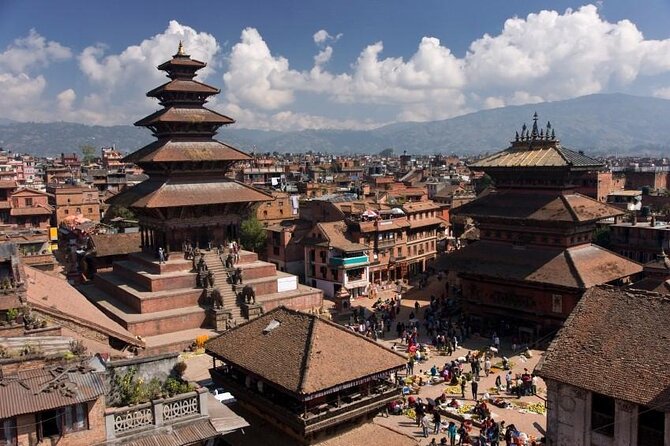
- Private tour for just your group with pickup and your own schedule rhythm
- Pashupatinath Temple visit with admission included and a focused 30-minute stop
- Bhaktapur Durbar Square stop with extra time for kingdom-era details (but admission not included)
- UNESCO World Heritage focus built into the two-day plan
- Sunita-style guidance that mixes history/culture explanations with time to wander
- Mobile ticket delivery for a simpler day-of experience
Not sure yet? Here are other Kathmandu tours worth a side-by-side look.
- Everest Base Camp Trek – 14 Days★ 5.0 · 1,499 reviews
- Everest Base Camp Trek★ 5.0 · 842 reviews
- Private Kathmandu Sightseeing Tour | UNESCO World Heritage sites★ 5.0 · 756 reviews
- Kathmandu: 7 UNESCO Sites with Lunch★ 4.8 · 744 reviews
Kathmandu’s Big Stories in 2 Days (Without Feeling Rushed)
If you only have a short window in Kathmandu, this tour fits the bill. You’re not trying to “cover everything.” Instead, you’re choosing two high-impact sites that tell different sides of Nepal’s identity: sacred ritual life and royal Kathmandu Valley heritage.
The pacing is also more realistic than many city tours. The first day’s stop is intentionally short at Pashupatinath, which helps you see the core atmosphere without burning your whole day on one location. Then day two slows you down with a longer Bhaktapur Durbar Square visit, where you can actually look around and process what you’re seeing.
Price and Value: When $160 Actually Makes Sense
At $160 per person for roughly two days, you’re paying for more than a couple of monuments. The value is in the setup: private transportation plus pickup means you’re buying time and simplicity, not just scenery.
That said, the price isn’t all-inclusive. The tour notes that all fees and taxes are not included, and specifically that Bhaktapur Durbar Square admission is not included. If you come in expecting every entrance cost to be covered, you might feel surprised. If you treat the price as covering the guide and logistics, the math usually feels fair—especially when you’re traveling as a group and want comfort over logistics headaches.
One more practical thought: the tour price is per person, but private tours often shine most when at least two people book together. If you’re solo, you may still have a great time, but the “private” part can feel like you’re paying a larger share of the fixed costs.
The Tour’s Timing: Start Time and What It Means for Your Day
The start time is listed as 9:15 pm. That’s late for most sightseeing tours, so I’d treat it as a “confirm before you commit your plans” moment.
Here’s how to handle it without stress:
- When you book, watch for the confirmation details and the exact pickup time.
- If pickup really is in the evening, plan your day around it so you’re not forced into last-minute scrambling for dinner or transport.
The good news is that the tour says you’re near public transportation, so even if your schedule has a wrinkle, you’re not totally stranded. And since it’s private, you won’t be negotiating for a seat with strangers mid-chaos.
Day 1 at Pashupatinath: Hindu Rituals and a Sensitive View of Cremation Life
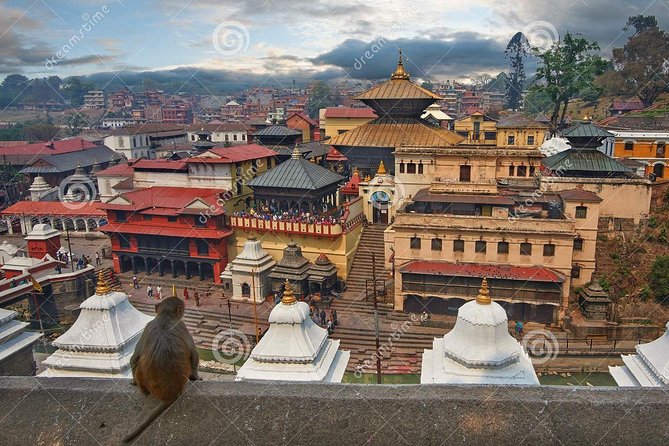
Day one centers on Pashupatinath Temple, one of Nepal’s most spiritually charged places. You’ll get about 30 minutes here, with admission included, which is a smart choice for first-day arrival.
Why this stop matters:
- It’s not just temple architecture. You’re seeing lived Hindu culture tied to the Bagmati River and death rites that are part of the community’s spiritual system.
- The tour description specifically flags that you may see a cremation-related process, so go in mentally prepared and respectful. This isn’t a spectacle. It’s a ritual.
How to make the most of your short time:
- Stay close to your guide for context. The “what you’re looking at” is one thing; the “why it’s done” is what makes it memorable.
- Keep your phone use sensible. In places like this, the quiet, observant approach tends to work best.
Also, because it’s only 30 minutes, you’re not stuck feeling like you paid to stand at the edge and wait. You can take your bearings, absorb what you can, and move on without a day-long bottleneck.
Day 2 at Bhaktapur Durbar Square: Kingdom-Era Heritage You Can Actually See
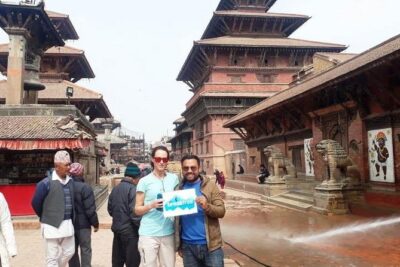
On day two, you’ll head to Bhaktapur Durbar Square for about two hours. The tour frames it as a way to understand the history of the Nepali kingdom, and that’s exactly the right mindset here.
This longer time block matters because durbar squares reward slow attention. You’re looking at how power, religion, and daily life all show up in the same place. A two-hour visit gives you room to:
- notice details you’d miss in a quick drive-by,
- ask questions instead of rushing through them,
- and step back to understand the layout.
One practical downside: admission is not included here. So build a little extra budget for entrance fees and any related costs, and don’t be thrown off if your bill includes more than you expected.
If you want a smooth experience, go in with a simple plan: let your guide orient you first, then use your time to roam a little. Past Kathmandu days with Sunita have been praised for giving people space to explore, not just march them from point to point.
UNESCO World Heritage Angle: Why It’s More Than a Label
The tour includes a UNESCO World Heritage site element, and that’s not just marketing. UNESCO status is one reason these places are treated as cultural landmarks worth preserving. But the real value is how it shapes your guide’s explanation.
In practice, it means you’re more likely to hear the “how it fits together” version of Nepal:
- what these sites represent,
- how the culture and architecture relate,
- and why certain practices and spaces matter.
I like this approach for short trips. When you’re only in Kathmandu for a couple of days, labels are less useful than interpretation. UNESCO becomes meaningful when someone helps you connect it to what you’re standing in front of.
Private Transportation: Comfort, Control, and Fewer Headaches
This is a private tour, meaning your group is the only group participating. That changes the whole vibe. You’re not waiting for someone else’s pace, and you’re not stuck doing mental gymnastics to guess when everyone will be ready.
Private transportation also helps in a city where traffic and timing can be unpredictable. Instead of stressing about catching the next connection, you can focus on the sights and the guide’s explanations.
For you, that likely means:
- less time lost to logistics,
- more time for questions,
- and a calmer day where you don’t constantly check your watch.
The Guide Factor: What Sunita’s Style Can Do for Your Experience
One of the strongest signals from past Kathmandu days is the guide approach—especially Sunita. The recurring themes in feedback are clear: she’s prompt and easy to connect with, explains history and culture in a way you can actually use, and gives you time to explore if you want to.
That matters because Kathmandu is deep. Without context, you can walk through impressive places and still feel like you missed the point. With a guide who connects the dots, you’ll leave with a cleaner mental map.
A practical way to work with your guide:
- ask one or two questions early (how should I look at this place? what’s the key idea here?),
- then let the site answer the rest as you wander.
Even if your visit is short, that question-and-wander rhythm makes a difference.
What You Should Bring (So You Don’t Hate Yourself in Photos)
The tour asks for moderate physical fitness. That doesn’t mean it’s an all-day hike, but you should expect walking on uneven ground and time in places that have steps and crowds.
Bring basics that keep you comfortable:
- comfortable shoes with grip,
- sun protection (hat or cap),
- a light layer for changing weather,
- and a small amount of cash in case you end up needing to cover any entrance costs not included.
Also, for a site like Pashupatinath, respectful behavior is the real “must-have.” Even if you’re just there to learn, being thoughtful with how you observe and photograph goes a long way.
Who This 2-Day Kathmandu Tour Fits Best
This is a good match if you:
- want a focused Kathmandu introduction without a packed, exhausting schedule,
- value private transport and a guide who explains history and culture,
- are comfortable with a sensitive setting like cremation-related activity (at a respectful distance).
It’s less ideal if you:
- hate uncertainty about what fees you might still need to pay, since Bhaktapur admission isn’t included,
- prefer ultra-flexible pacing with long free time on your own,
- or can’t handle moderate walking and temple-site terrain.
Should You Book This 2-Day Kathmandu Tour?
If your goal is a high-impact Kathmandu taste—sacred ritual life plus UNESCO heritage context—this tour is a strong choice. I like the structure: short, meaningful stop one at Pashupatinath with admission included, then a longer stop two at Bhaktapur Durbar Square so you can actually look and absorb.
Book it if you’re okay budgeting for Bhaktapur admission and you confirm the exact 9:15 pm start details so your day plan makes sense. If you want a smooth, guided introduction where you’re not fighting for logistics, this private format is exactly the kind of value that works in Kathmandu.
FAQ
What is included in the tour price?
The tour includes private transportation. Pashupatinath Temple admission is included for the 30-minute stop. Other fees and taxes are not included.
Are tickets included for Bhaktapur Durbar Square?
No. Bhaktapur Durbar Square admission ticket is not included in the experience price.
Does the tour include pickup and mobile tickets?
Yes. Pickup is offered, and you receive a mobile ticket.
How much walking or physical effort should I expect?
The tour asks for a moderate physical fitness level, which usually means some walking and time in temple-area terrain.
What is the start time for the tour?
The start time is listed as 9:15 pm. You should check your confirmation message for the exact timing details.
What is the cancellation policy if plans change?
There is free cancellation. You can cancel up to 24 hours in advance for a full refund. If you cancel within 24 hours, you won’t receive a refund, and changes made less than 24 hours before the start time aren’t accepted. The experience requires good weather, and if it’s canceled due to poor weather, you’ll be offered a different date or a full refund.
More Tours in Kathmandu




More Tour Reviews in Kathmandu


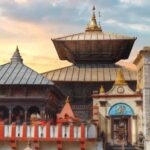
Just Reviewed in Kathmandu
- Mountain Bike Tour
★ 5.0 · 3 reviews - Annapurna Panaroma
★ 5.0 · 3 reviews - Mount Everest Scenic Flight 50 Minutes
★ 5.0 · 3 reviews - Kathmandu : Swambhunath & Durbar Square Guided Half Day Tour
★ 3.3 · 3 reviews - Chandragiri Cable Car & Monkey Temple Tour – Private/Group
★ 5.0 · 3 reviews - Kathmandu: Shivapuri National Park Hiking Day Trip
★ 3.3 · 3 reviews
Tours, compared.
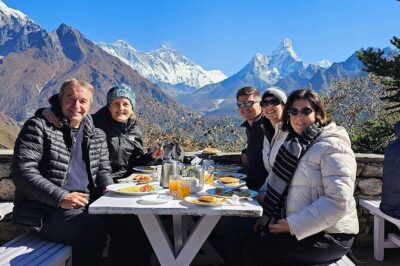 ★ 5.0Everest Base Camp Helicopter Tour landing at Everest View HotelFrom $1,575668 reviews
 ★ 5.0Full Day 7 UNESCO Tour with Lunch – Private/GroupFrom $10415 reviews
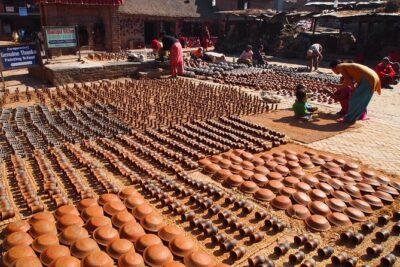 ★ 5.0Private Bhaktapur and Nagarkot Day Tour From KathmanduFrom $20305 reviews
 ★ 4.9Food and Drink Walking TourFrom $34292 reviews
 ★ 5.0Full Day Top 4 UNESCO Tour with Lunch – Private/GroupFrom $10269 reviews
★ 5.0Kathmandu Food and Drink Walking TourFrom $36266 reviews
★ 5.0Full Day Top 4 UNESCO Tour with Lunch – Private/GroupFrom $10269 reviews
★ 5.0Kathmandu Food and Drink Walking TourFrom $36266 reviews
 ★ 5.0UNESCO Seven World Heritage Tour in KathmanduFrom $180253 reviews
★ 4.9Full-Day 7 UNESCO Tour with Lunch – Private/GroupFrom $5247 reviews
★ 5.0UNESCO Seven World Heritage Tour in KathmanduFrom $180253 reviews
★ 4.9Full-Day 7 UNESCO Tour with Lunch – Private/GroupFrom $5247 reviews