
Review · KATHMANDU CITY SIGHTSEEING TOURS
“Explore Kathmandu Rich Heritage: City Highlights Bus Tour”
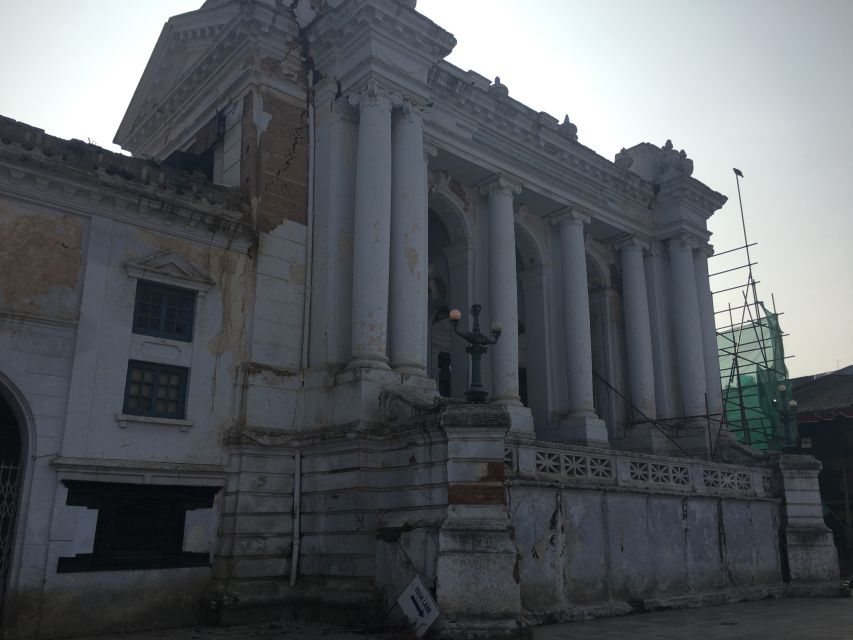
Five temples in one day, with real local feel. This Kathmandu Valley heritage circuit is a shared bus day that hits some of the big UNESCO names, starting from Thamel and looping through iconic religious sites. It’s a practical way to get your bearings fast if it’s your first time in Kathmandu.
I especially like the shortcut it gives you. In a few hours you’ll see how the valley’s spiritual life connects across temples and stupa squares, not just one location in isolation. The second win for me is the view factor: Swayambhunath and Pashupatinath deliver serious skyline and riverfront atmosphere, even when you’re just doing photo stops and quick walks.
The one watch-out: this is a basic sharing-bus tour, and timing can feel tight. Also, temple entry rules can be strict at some stops, and you may not get the same access everywhere—so go with flexible expectations and good shoes.
In This Review
- Key highlights before you go
- A 6-hour UNESCO route that actually works
- Meeting in Thamel: easy if you’re early
- Stop 1: Kathmandu Durbar Square for palace-courtyard energy
- Swayambhunath: the hilltop you can feel before you reach it
- Pashupatinath: riverfront atmosphere and strict boundaries
- Boudhanath Stupa: a different pace from the temple crowds
- Budhanilkantha: a change of scene and a cooler look
- The bus and group dynamic: locals feel, basic comfort
- Entry rules: you can’t assume equal access
- Price and value: $10 is a bargain—if you go in with the right expectations
- Who this tour fits best
- Should you book this Kathmandu Rich Heritage bus tour?
- FAQ
- What time and where do I need to meet for the tour in Kathmandu?
- Which places will this tour visit?
- How long is the tour?
- Is food included in the tour price?
- What languages does the driver speak?
- Is there a private group option, and can I cancel?
Key highlights before you go
- UNESCO World Heritage coverage: you’ll visit major Kathmandu Valley heritage sites in one shared outing
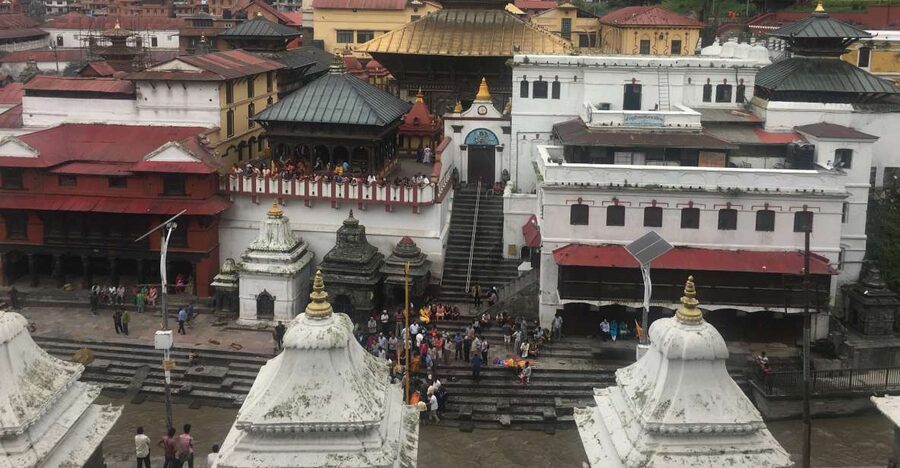
- Iconic viewpoints: Swayambhunath and Pashupatinath are built for dramatic sightlines
- Temple-to-stupa variety: you’ll switch from hilltop complexes to stupa squares and palace courtyards
- Local-feeling transport: round-trip transfers on a sharing bus with a driver
- Part-time entry expectations: some areas can be restricted depending on temple rules
- Thamel as a hub: easy to start, with pickup options across the area
Bigger sweeps across the valley
- Kathmandu: Private City Guided Tour★ 4.9 · 174 reviews
- Kathmandu City Tours★ 5.0 · 66 reviews
- Kathmandu Valley City Day Tour★ 5.0 · 40 reviews
- Full Day Kathmandu City Sightseeing Tour of UNESCO Heritage Sites★ 5.0 · 36 reviews
A 6-hour UNESCO route that actually works
This tour is designed for people who want a lot of Kathmandu in one afternoon, without the stress of private transport. The plan is simple: you get picked up, move between the big landmarks with a driver, spend time at each stop, then return you close to Thamel. You’re not trying to “see everything,” but you are getting a strong first pass at the valley’s most famous spiritual landmarks.
The value here is about efficiency. For $10 per person, the tour gives you round-trip local sharing bus transfer plus a structured day around top sites. It’s not a luxury experience, and it isn’t built for lingering all day—but it can save you time and navigation headaches if you’re short on days.
Meeting in Thamel: easy if you’re early
The meeting point is opposite the main entrance gate of Hotel Malla in Thamel, across the road. The bus collects people around late morning—show up between 9:50 and 10:20 am—so you’re ready before the group starts moving.
Two practical tips:
- Wear comfortable shoes. You’ll do a mix of stairs, uneven walkways, and museum-shop-meets-temple-crowds.
- Bring patience. Even when the tour is well-run, city traffic and crowd flow around heritage sites can tighten the schedule.
Stop 1: Kathmandu Durbar Square for palace-courtyard energy
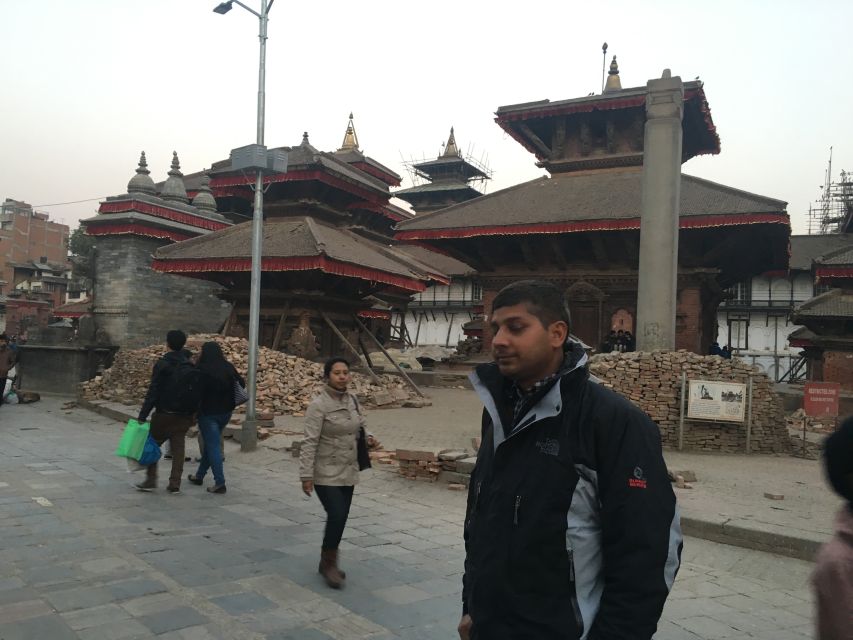
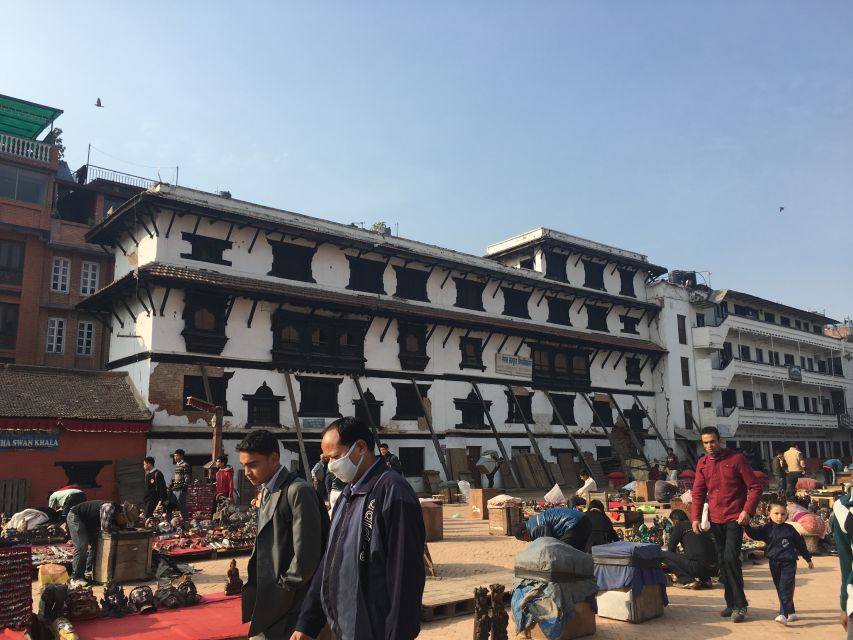
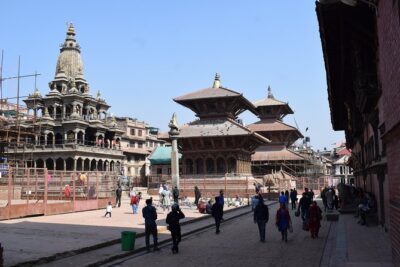
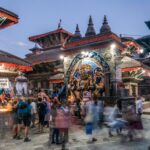
Your day includes Kathmandu Durbar Square, and it’s a great choice for a first major stop. This is where you feel the city’s historic center as more than just a view—courtyards, architecture, and street life all press in close. You’ll have time for photos, sightseeing, and a bit of shopping.
Why it’s worth it: Durbar Square is more “city” than “single monument.” You’re not just looking at one building—you’re seeing how heritage sits inside daily movement. Even if you only spend about an hour, it helps you understand Kathmandu’s layout and scale.
What to consider: one hour goes quickly once you factor in crowd density and waiting for respectful photo angles. If you have a specific curiosity—carvings, temple architecture, or old royal layout—prioritize that first, then let the rest be bonus.
Swayambhunath: the hilltop you can feel before you reach it
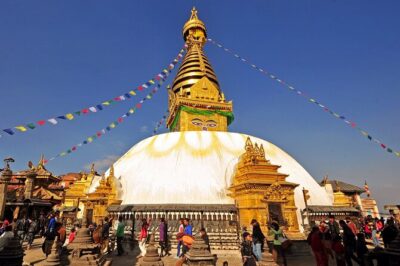
Next comes Swayambhunath, the temple complex often called the Monkey Temple area. From the approach and during your time on-site, you get the sense that this place was built for both spirituality and drama. You’ll get views over the valley, and that alone is a strong reason to include it.
I love this stop because it gives you an instant “Kathmandu panorama.” Looking out from the hill while you see the stupa complex below helps you connect the dots between distant sites later in the day. It also makes the religion-and-architecture mix easier to understand at street level.
Practical advice:
- Bring a small amount of cash for snacks or water if you want it on-site. Meals aren’t included, so you’ll likely want something you can buy.
- Expect people moving in different directions. The layout is active, and you’ll do better if you don’t try to rush a single perfect route.
Deeper into old Kathmandu
Pashupatinath: riverfront atmosphere and strict boundaries
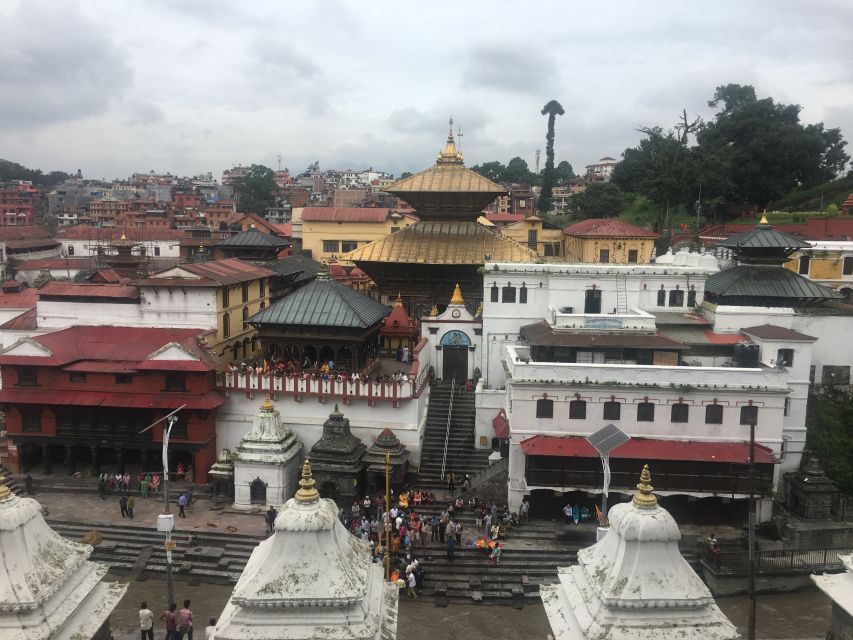
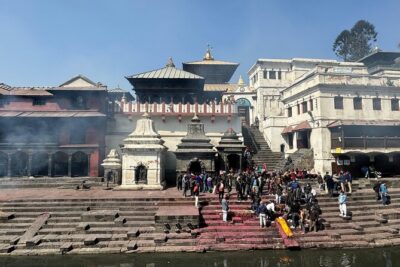
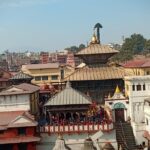
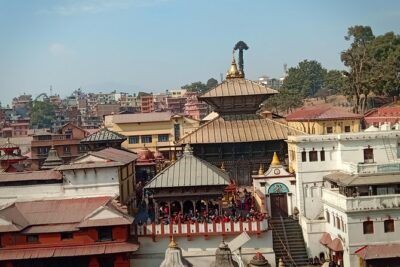
Then you’ll head to Pashupatinath, one of the most important Hindu temple complexes in the Kathmandu area. This is the stop where the atmosphere shifts—there’s a strong sense of tradition, daily ritual rhythm, and a layout that funnels visitors into specific viewing zones.
A key point for you: entry access can vary. Even on the same day, different temple areas can be restricted, and you may find signage indicating access limitations. If you’re not Hindu, plan for partial viewing rather than assuming every space is open.
What you’ll still get:
- Strong views of the temple environment and riverfront setting
- A chance to observe architecture up close, even if you can’t enter every area
Tip for respectful visiting: dress modestly and keep your voice down. Not because someone will police you, but because the place runs on reverence, not sightseeing energy.
Boudhanath Stupa: a different pace from the temple crowds
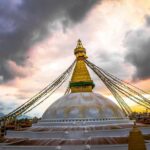
Boudhanath Stupa is a good contrast. Where earlier stops can feel more immediately chaotic and stair-heavy, this area often gives you space to slow down and look. The stupa dominates the scene, and the energy feels more circular—people move around it, pause, and watch.
Why I like adding Boudhanath on a bus tour: it’s not just another temple. It’s a different architectural language, a different kind of devotion, and a different way to take photos without sprinting. You’ll come away with a clearer sense of Buddhism’s visual center in the valley.
What to watch for:
- Crowds can swell quickly, especially around prayer times. If your goal is good photos, arrive with a little buffer and don’t expect empty angles.
- Keep an eye on time. The overall day is built around multiple stops, so you’ll want to enjoy Boudhanath, then be ready to move.
Budhanilkantha: a change of scene and a cooler look
The itinerary also includes Budhanilkantha, which adds another layer to the day. Even if you spend less time here than you’d like, it breaks the pattern of “temple, stupa, temple.” You get a different kind of heritage experience, with its own visual identity and calmer pacing compared to the biggest crowd magnets.
What you should know: this isn’t a long lingering tour. It’s a “see it, understand it enough, and keep moving” kind of route. If you’re the type who likes to read every plaque and take a long break, you might feel the time pressure.
The bus and group dynamic: locals feel, basic comfort
This is a sharing-bus tour with a driver (English and Hindi). That’s handy if you want simple explanations while you ride between sites. The format also keeps the day feeling grounded—less like a staged group event and more like regular city movement.
Still, here’s what you should plan for:
- The bus is basic, so don’t expect modern comfort or a spotless interior.
- You’ll be part of a group, so schedules matter. You’ll want to stay close to the pickup and meeting rhythm so you don’t get left behind.
A small but important mindset shift: treat this as a structured sightseeing day, not a guided museum tour. If you want context at each stop, ask your driver or the on-the-ground person for quick significance points before you walk off.
Entry rules: you can’t assume equal access
One of the biggest real-world considerations is access. Some sites have clear restrictions, and it’s possible that parts of certain temples are “only for Hindu.” That means you may be able to enter only a subset of spaces, even though the stop itself is open for viewing.
This doesn’t make the tour a waste. It just means you should approach it like a cultural and architectural route, not a guaranteed “enter everything” pass. Even when entry is limited, you can still see:
- Exterior architecture and courtyards
- Courteous public-facing viewing areas
- Plenty of everyday life around heritage spaces
For you: wear respectful clothing, carry a light layer if you tend to get cold in shaded temple areas, and be ready to adjust quickly if an area is off-limits.
Price and value: $10 is a bargain—if you go in with the right expectations
At $10 per person for about 6 hours, this tour is priced for value. You’re paying for transportation plus a route-planned day around the major Kathmandu Valley heritage sites. If you would otherwise spend time figuring out transit or hiring separate rides between distant locations, this can genuinely save money and stress.
Where the value comes from:
- Multiple top landmarks in one day
- Round-trip transfer that brings you back close to Thamel
- A straightforward way to compare architectural styles across the valley
Where it can fall short for some people:
- Visits can feel short
- Some areas may not allow entry based on temple rules
- The bus comfort level is basic
If you love planning and don’t mind short stops, this price is hard to beat. If you want deep explanations at every site and long time inside, you might feel rushed.
Who this tour fits best
I’d say this works best if you:
- Are visiting Kathmandu for the first time and want a fast heritage orientation
- Prefer shared transport over solo driving or hiring a private car
- Like iconic sights more than long, quiet study time
- Want a budget-friendly day that still covers major UNESCO names
It may be less ideal if you:
- Want long stays and slow pacing at each monument
- Expect a detailed guide brief before every stop
- Are sensitive to basic vehicle conditions
Also, if you’re traveling with tight plans, keep your schedule flexible. Around heritage hotspots, crowds and timing can squeeze the day.
Should you book this Kathmandu Rich Heritage bus tour?
If you want a budget-friendly, first-time-friendly way to see the main UNESCO heritage landmarks around Kathmandu Valley, I think it’s a smart choice. The route hits the big names—Swayambhunath, Pashupatinath, Boudhanath, Kathmandu Durbar Square, and Budhanilkantha—and it returns you back near Thamel, which makes the day feel easy to stitch into your itinerary.
Just go in prepared: expect a basic bus, some short stops, and possible restricted entry areas. If you like quick, clear sightseeing and can handle temple rules with calm flexibility, this tour can deliver a lot for very little.
FAQ
What time and where do I need to meet for the tour in Kathmandu?
You meet at 11:00 am at the opposite side of Hotel Malla’s main entrance gate in Thamel, across the road. The information also notes you should be there between 9:50 and 10:20 am for pickup.
Which places will this tour visit?
The tour includes Kathmandu Durbar Square, Swayambhunath temple complex, Pashupatinath Temple, Boudhanath Stupa, and Budhanilkantha.
How long is the tour?
The duration is listed as 6 hours, for a one-day experience.
Is food included in the tour price?
Meals are not included. You can purchase food during the day.
What languages does the driver speak?
The driver is listed as speaking English and Hindi.
Is there a private group option, and can I cancel?
A private group is available. The tour also lists free cancellation up to 24 hours in advance for a full refund, and it offers reserve now and pay later.
The Valley, End to End
More Tours in Kathmandu


More Tour Reviews in Kathmandu


Just Reviewed in Kathmandu
- Mountain Bike Tour
★ 5.0 · 3 reviews - Annapurna Panaroma
★ 5.0 · 3 reviews - Mount Everest Scenic Flight 50 Minutes
★ 5.0 · 3 reviews - Kathmandu : Swambhunath & Durbar Square Guided Half Day Tour
★ 3.3 · 3 reviews - Chandragiri Cable Car & Monkey Temple Tour – Private/Group
★ 5.0 · 3 reviews - Kathmandu: Shivapuri National Park Hiking Day Trip
★ 3.3 · 3 reviews
Kathmandu City Sightseeing Tours, compared.
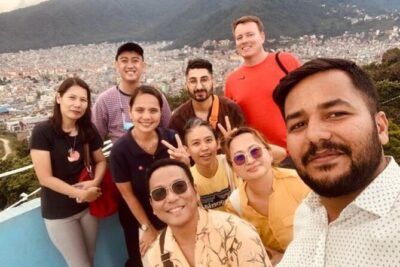 ★ 5.0Kathmandu Private Sightseeing Tour | UNESCO World Heritage SitesFrom $35109 reviews
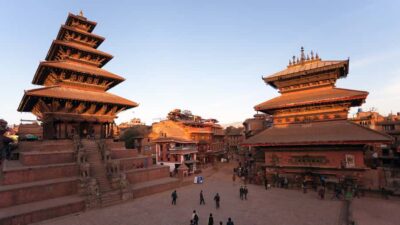 ★ 4.7Private Patan and Bhaktapur Sightseeing TourFrom $4964 reviews
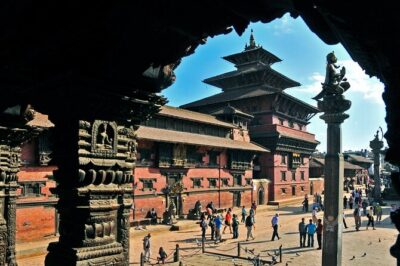 ★ 5.0Kathmandu Highlights: Private UNESCO World Heritage Sites TourFrom $4950 reviews
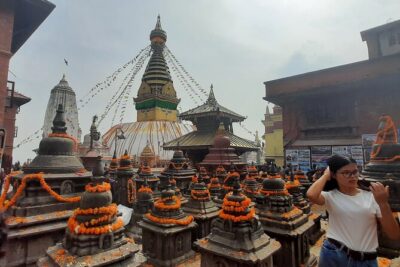 ★ 5.0Explore Kathmandu in 2 Days: UNESCO Sites & Nagarkot Sunrise TourFrom $10037 reviews
 ★ 5.01 Day Kathmandu Valley Sightseeing TourFrom $3537 reviews
 ★ 5.04 UNESCO City Sightseeing in KathmanduFrom $5036 reviews
 ★ 5.0Full Day Kathmandu City Sightseeing Tour of UNESCO Heritage SitesFrom $5036 reviews
 ★ 5.0Private Full-Day Kathmandu All 7 UNESCO World Heritage Sites TourFrom $8030 reviews
Browse the lists this tour appears in