
Review · KATHMANDU CITY SIGHTSEEING TOURS
Kathmandu Cultural Tour – Kathmandu Valley Sightseeing Tour
Five hours can change your perspective. This private Kathmandu cultural tour strings together big-name spiritual sites and real Kathmandu street life, with a guide to explain what you’re seeing rather than leaving you to guess.
I love the clear value of hitting four UNESCO World Heritage Sites in one go, plus the convenience of a pickup and private vehicle that keeps your day efficient. I also like that you’re not rushed out the door at each stop; the time blocks are long enough to look, pause, and absorb. One thing to consider: entry fees are not included, and one stop (Pashupatinath) can feel intense because cremation rituals happen openly along the Bagmati River.
If you’re short on time but still want depth, this itinerary makes sense. It’s designed for first-time visitors who want the highlights, not a long logistics day.
In This Review
- Key Things That Make This Tour Worth Your Time
- Why This Kathmandu Valley Tour Fits First-Timers and Busy Days
- The Route: From Swayambhunath Views to Patan’s Royal Square
- Swayambhunath Monkey Temple: Panoramas Plus a Short Hill Climb
- Boudhanath Stupa: The Largest Tibetan Stupa and a Different Kind of Quiet
- Pashupatinath Temple: UNESCO, Open Cremations, and a Big Moral Question
- Patan Durbar Square: 17th-Century Architecture and a Softer Ending
- Private Guide and Vehicle: Where Expectations Matter
- Price and Value: What $78 Actually Buys You
- Timing, Weather, and What to Bring
- Should You Book This Kathmandu Cultural Tour?
- FAQ
- What is the duration of the Kathmandu Cultural Tour?
- Does the tour include hotel pickup and drop-off?
- Is this a private tour?
- What’s included in the price?
- Are entry fees to the UNESCO sites included?
- Which UNESCO World Heritage Sites are visited?
- What happens if weather is bad?
- What is the cancellation policy?
- Do I need to bring anything for tickets?
- Is the tour suitable for most people, and are service animals allowed?
Key Things That Make This Tour Worth Your Time
- Private guide + private vehicle means you can move at a pace that fits your questions
- 4 UNESCO sites in about 5–6 hours is a strong “see a lot” deal
- Monkeys, prayer wheels, river rituals give you a wide emotional range in one day
- Hotel pickup and drop-off cuts down on Kathmandu navigation stress
- Bottled water included so you’re not scrambling right away
Deeper into old Kathmandu
- Private Kathmandu Sightseeing Tour | UNESCO World Heritage sites★ 5.0 · 756 reviews
- UNESCO Seven World Heritage Tour in Kathmandu★ 5.0 · 253 reviews
- Nepal Discovery Tour: Heritage Sites & Scenic Hill Easy Hike★ 5.0 · 121 reviews
- Kathmandu Private Sightseeing Tour | UNESCO World Heritage Sites★ 5.0 · 109 reviews
Why This Kathmandu Valley Tour Fits First-Timers and Busy Days
Kathmandu can feel like sensory overload at first. Traffic, noise, crowds, and multiple temples can blur together fast—especially if you’re trying to plan on your own. This tour is built for the opposite problem: getting you to the most important cultural stops with enough guided context to make them mean something.
The schedule is also practical. You’re looking at roughly 5 to 6 hours, with time allocated for sightseeing rather than just dropping you at gates. That matters because Kathmandu sites often require a bit of walking and time to settle in—especially at places like Swayambhunath where you’ll likely stop for photos and pause to watch how people move through the space.
And yes, the price is friendly at $78 per person. A private guide for multiple major landmarks would usually cost more if you hired each part separately. The catch is that entry fees aren’t included, so you should budget extra cash or card for admissions on-site.
The Route: From Swayambhunath Views to Patan’s Royal Square
The tour flows in a way that helps the day feel logical. You start high on a hill at Swayambhunath for views and spiritual energy, then move into the calmer rhythm of Boudhanath. After that comes Pashupatinath, which is powerful in a different way—deeply connected to Hindu beliefs and public cremation rituals. Finally, you finish at Patan Durbar Square, where the pace tends to feel lighter and more like art and architecture viewing.
What I like about this order is the emotional arc. You begin with a panoramic, outward-looking stop. Then you shift to Tibetan Buddhist devotion at Boudhanath, where the atmosphere often feels quieter and more repetitive in a calming way (think prayer wheels turning and steady chanting). Pashupatinath asks you to face mortality and ritual openly. Patan is a good landing spot after that, with old buildings, a museum, and time to slow down.
Also, because it’s a private tour, you can ask questions without feeling like you’re holding up a big group. If you care about meaning—why a temple looks the way it does or what a ritual symbolizes—this structure gives you a guide to connect the dots.
Swayambhunath Monkey Temple: Panoramas Plus a Short Hill Climb
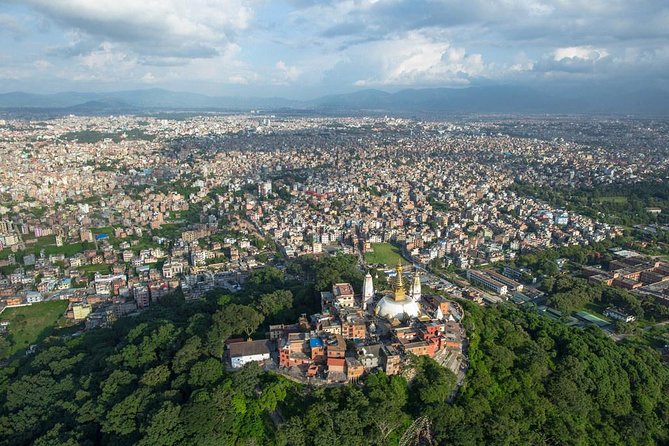
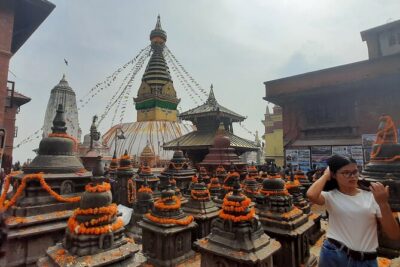
Swayambhunath is one of the fastest ways to get your bearings. It sits on a hill, and you’ll do about a 5-minute walk to reach the summit area. Once you’re up there, the panoramic view of Kathmandu city helps you understand the geography of the valley.
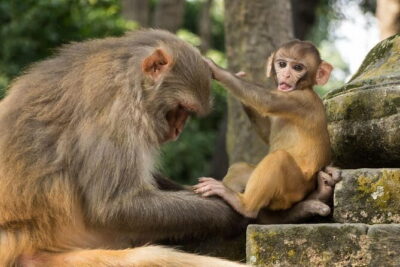
This stop is famous for two things: Buddhist stupa architecture and the monkeys. The site is an ancient Buddhist stupa and one of the oldest in Nepal. The nickname Monkey Temple is not just a marketing label—it’s tied to local mythology, and you’ll see monkeys moving around in the temple environment in ways that feel woven into daily life there.
Practical tip: wear shoes you can trust. The walk is short, but temple areas can be uneven. Also, bring a mindset of patience. Swayambhunath is a place where people linger—families, monks, pilgrims, and visitors. If you treat it like a quick photo stop, you’ll miss the point.
Time is generous here at about 2 hours, which is helpful because the viewpoint is only part of it. You’ll want time to look at shrines and temple details without feeling rushed.
Boudhanath Stupa: The Largest Tibetan Stupa and a Different Kind of Quiet
After Swayambhunath’s view, Boudhanath offers contrast. The stupa here is described as the largest Tibetan stupa in the world, and it’s a major symbol of Tibetan Buddhism in Kathmandu. This area is often called Little Tibet, and the feel is different the moment you arrive.
Expect an atmosphere built on repetition and rhythm: monks, chanting, and prayer wheels spinning. Unlike the hilltop energy where you notice the city beneath you, Boudhanath feels more inward-focused—less about the panorama and more about devotion.
This is also a smart stop for learning, because the guide can explain why the layout and rituals matter. When you understand what prayer wheels are for and how people interact with the stupa, the visit becomes more than sightseeing. It becomes cultural reading in real life.
You get about 1 hour here. That’s enough time to walk around at a comfortable pace, watch people interact with the space, and still move on without the day dragging.
Practical tip: if you like quieter moments for photos, aim to step aside from the main foot traffic for a few minutes. You’ll still see the stupa, but you’ll get calmer shots.




Pashupatinath Temple: UNESCO, Open Cremations, and a Big Moral Question
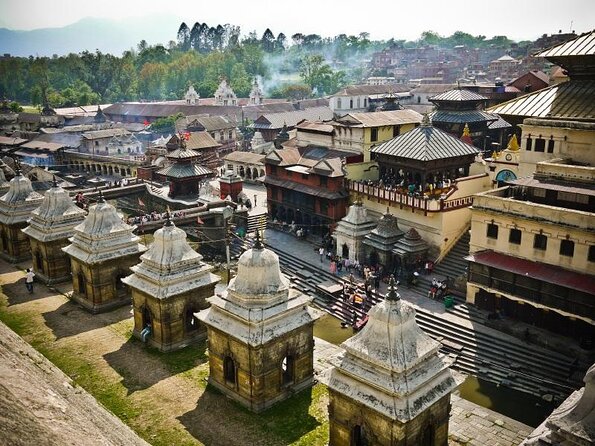
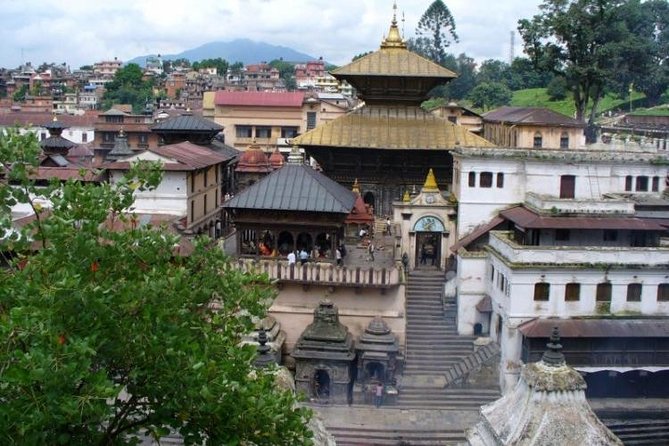
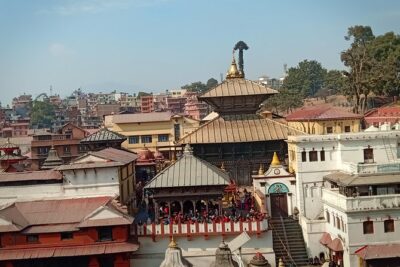
Pashupatinath is a UNESCO World Heritage Site and one of the most sacred places in Kathmandu for Hindus. It’s strongly tied to cremation rituals, which are performed openly along the Bagmati River.
This stop is where the tour stops being just cultural sightseeing and becomes emotionally real. The experience can be profound and thought-provoking for many people. But it can also feel intense or unsettling, depending on your comfort level with death rituals happening in public.
A key point: you’re not forced into observation. The tour format indicates you can choose whether to watch this aspect. That choice matters because it keeps the experience respectful and personal rather than turning it into a compulsory shock-value moment.
You’ll have about 1 hour at Pashupatinath. That’s long enough to understand the main temple setting and decide how much you want to observe along the river area. It’s also short enough that you can end the stop if it’s overwhelming.
Practical tip: give yourself permission to step back. If you need a pause from the open activity, do it. Your guide should be able to help you focus on what to notice without forcing you into anything uncomfortable.
Patan Durbar Square: 17th-Century Architecture and a Softer Ending
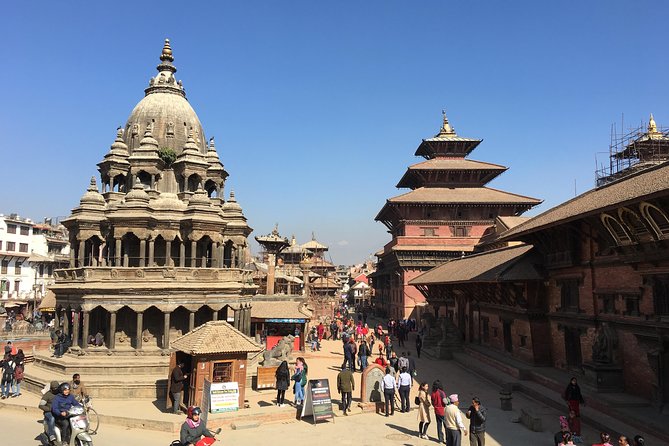
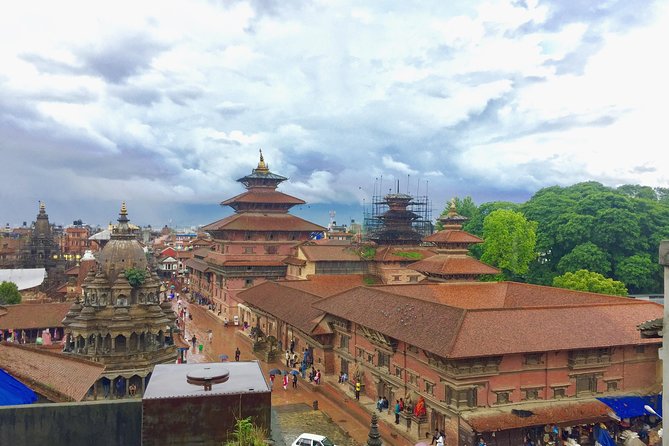
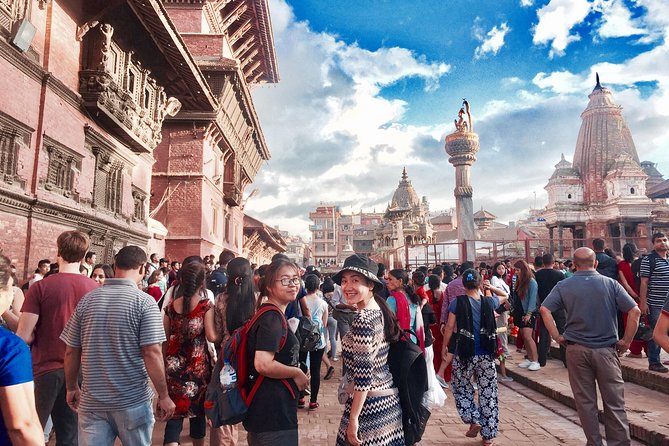
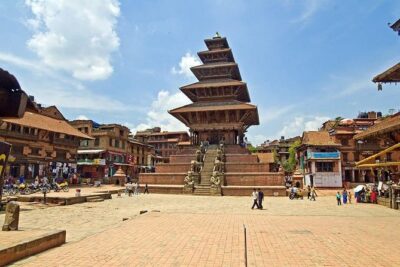
Patan Durbar Square (in Lalitpur) is the final stop, and it’s a good one to close the day. It’s one of the three historic royal squares in the Kathmandu Valley, and it’s known for 17th-century architecture. The square and its museum help connect art, power, and everyday life in older Nepal.
This is also the stop where the tone often shifts. After temple-heavy, spiritually intense sites, Patan can feel more like slow exploration—standing in courtyards, studying carvings, and taking in the shape of the buildings.
You’ll have about 2 hours here, which is a solid chunk of time. If you want the museum component, that time makes it realistic. If you want just the square and a relaxed walk, you can do that too.
One fun practical detail is that the tour’s close suggests a chance to grab something simple like authentic Patan tea. It’s not just a cute idea—it’s a nice way to end with a normal human pause after a day of big spiritual sights.
Private Guide and Vehicle: Where Expectations Matter
The tour includes a driver/guide plus a private vehicle and pickup/drop-off at your hotel. In theory, that’s exactly what you want: less time figuring things out, and someone to interpret what you’re seeing.
Still, it’s worth being clear about your expectations at the start. One reported problem involved a driver who seemed to act like the plan was shorter than the listed stops, and a guest ended up needing to move between locations without the level of explanation they expected. The key takeaway is simple: ask early how the guide role will work during each stop, and confirm the intended number of places for the day.
If you want commentary while walking inside temples or around the stupa areas, say so. If you want the guide to stay with your group at each UNESCO site, that’s also worth asking. Private tours only work well when communication is straight.
The good news: when the guide is active, the difference is huge. These are not places where you can easily read the meaning off a sign. Having someone connect architectural choices, religious practices, and historical significance can make the visit feel like understanding, not just looking.
Price and Value: What $78 Actually Buys You
At $78 per person, this tour can be good value if your goal is a focused hit list. The included parts—hotel pickup/drop-off, private vehicle, driver/guide, and bottled water—reduce the biggest headaches of independent travel in Kathmandu Valley.
Where the value gets tricky is admissions. The tour clearly states that entry fees to World Heritage sites are not included. That means your final cost depends on what you pay on-site. It’s not unusual in Nepal for major sites to charge separate entry, so you’ll want to plan for it rather than treat the $78 as a complete all-in number.
Another value point is time. Since the day is set for 5–6 hours, it’s less likely you’ll lose half a day to traffic and searching. A private car can also be a comfort upgrade if the city feels intense.
Group discounts are listed too, which can lower the per-person cost if you’re traveling with friends or family. And because it’s a private tour, your group stays together instead of getting chopped into a larger crowd experience.
Timing, Weather, and What to Bring
This experience requires good weather. That’s not a small detail. Swayambhunath involves walking up and then being outdoors for the views, and a grey, wet day can affect both comfort and photo opportunities.
Bring:
- Comfortable walking shoes (temple areas can be uneven)
- A light layer for morning-to-afternoon shifts
- A plan for entry fees on-site (since tickets are not included)
- Anything you need to feel respectful and comfortable at religious sites
Also, the tour uses a mobile ticket and you’ll get confirmation at booking, which tends to make the day smoother. And it’s listed as service-animal allowed and near public transportation, though this is still primarily a private, vehicle-based experience.
Should You Book This Kathmandu Cultural Tour?
Book it if you want a guided, time-efficient day that covers the big UNESCO highlights: Swayambhunath, Boudhanath, Pashupatinath, and Patan. It’s especially a good fit for first-timers who don’t want to spend their energy on navigation and instead want someone to explain what temples and rituals mean.
Skip or reconsider if you know you’ll be uncomfortable with open cremation rituals at Pashupatinath. The tour indicates you can choose whether to observe, but the setting is still part of the site.
Also, if you care a lot about receiving active guiding throughout the day (not just a handoff and a pickup), be upfront at the start. With a private tour, communication is your best insurance.
FAQ
What is the duration of the Kathmandu Cultural Tour?
The tour lasts about 5 to 6 hours.
Does the tour include hotel pickup and drop-off?
Yes. Hotel pickup and drop-off are included.
Is this a private tour?
Yes. Only your group will participate.
What’s included in the price?
Included items are hotel pickup and drop-off, transport by private vehicle, a driver/guide, and bottled water (1 bottle).
Are entry fees to the UNESCO sites included?
No. Entry fees to World Heritage sites are not included.
Which UNESCO World Heritage Sites are visited?
The tour visits Swayambhunath, Boudhanath Stupa, Pashupatinath, and Patan Durbar Square.
What happens if weather is bad?
The tour requires good weather. If it’s canceled due to poor weather, you’ll be offered a different date or a full refund.
What is the cancellation policy?
You can cancel up to 24 hours in advance for a full refund. If you cancel less than 24 hours before, the amount paid is not refunded.
Do I need to bring anything for tickets?
The tour provides a mobile ticket, but admission tickets for stops are not included, so you should plan for site entry costs.
Is the tour suitable for most people, and are service animals allowed?
Most travelers can participate, and service animals are allowed.
The Old Kathmandu, Properly Toured


More Tours in Kathmandu



More Tour Reviews in Kathmandu




Just Reviewed in Kathmandu
- Mountain Bike Tour
★ 5.0 · 3 reviews - Annapurna Panaroma
★ 5.0 · 3 reviews - Mount Everest Scenic Flight 50 Minutes
★ 5.0 · 3 reviews - Kathmandu : Swambhunath & Durbar Square Guided Half Day Tour
★ 3.3 · 3 reviews - Chandragiri Cable Car & Monkey Temple Tour – Private/Group
★ 5.0 · 3 reviews - Kathmandu: Shivapuri National Park Hiking Day Trip
★ 3.3 · 3 reviews
Kathmandu City Sightseeing Tours, compared.
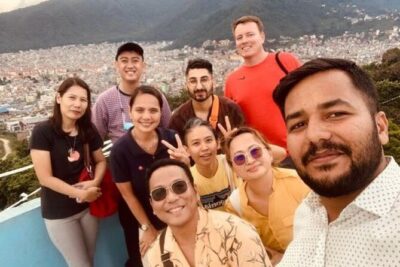 ★ 5.0Kathmandu Private Sightseeing Tour | UNESCO World Heritage SitesFrom $35109 reviews
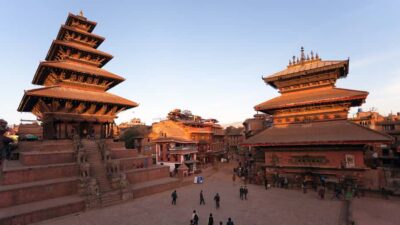 ★ 4.7Private Patan and Bhaktapur Sightseeing TourFrom $4964 reviews
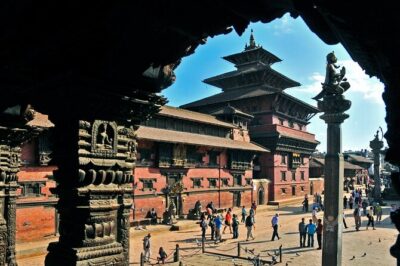 ★ 5.0Kathmandu Highlights: Private UNESCO World Heritage Sites TourFrom $4950 reviews
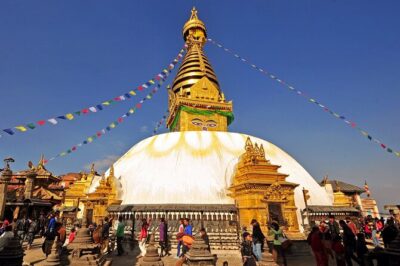 ★ 5.01 Day Kathmandu Valley Sightseeing TourFrom $3537 reviews
 ★ 5.0Explore Kathmandu in 2 Days: UNESCO Sites & Nagarkot Sunrise TourFrom $10037 reviews
 ★ 5.04 UNESCO City Sightseeing in KathmanduFrom $5036 reviews
 ★ 5.0Full Day Kathmandu City Sightseeing Tour of UNESCO Heritage SitesFrom $5036 reviews
 ★ 5.0Private Full-Day Kathmandu All 7 UNESCO World Heritage Sites TourFrom $8030 reviews
Browse the lists this tour appears in