
Review · KATHMANDU FOOD & STREET FOOD TOURS
Kathmandu Food & Drink and Shopping Rickshaw Tour
Street food in Kathmandu should come with a plan.
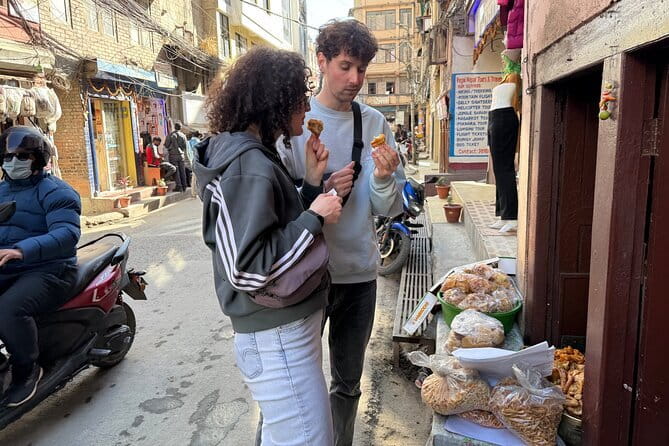
This 3-hour Kathmandu Food & Drink and Shopping Rickshaw Tour mixes a rickshaw ride with guided tastings across Thamel, Asan, Jyatha, and Chhetrapati, plus time to shop for small food items like tea and spices. I especially like the way the food is paired with neighborhoods you can actually walk through, and the meals add up fast (snacks, lunch, dinner, water, and coffee or tea). One thing to consider: you’re going to eat, so don’t book this right before a big workout or anything that requires a light appetite.
The guide at the center of the experience is Deepak Kushwaha, and the vibe is friendly and practical—plus he’s known for calling ahead so food arrives when it should. The route also helps you get your bearings fast in a city that loves narrow lanes and quick turns. If you’re the kind of person who wants a lot of free time to wander on your own, this is more structured than that.
In This Review
- Key highlights you’ll feel fast
- Kathmandu food tour value: why the format makes sense
- Meeting point and timing: easy to start, simple to finish
- The rickshaw ride: practical fun, not just a photo
- Stop 1: Thamel for first bites and quick orientation
- Stop 2: Asan for market energy and classic street flavors
- Stop 3: Jyatha for smaller lanes and local ordering rhythm
- Stop 4: Chhetrapati for a longer finale and real neighborhood atmosphere
- What you’ll actually eat: more than one meal, more than one style
- Shopping for tea and spices without getting stuck with junk
- Who this tour is best for (and who might want something else)
- Group size: big cap, real comfort comes from the guide
- Logistics you’ll feel while you’re there
- Should you book it?
- FAQ
- FAQ
- How long is the Kathmandu Food & Drink and Shopping Rickshaw Tour?
- Where does the tour start and end?
- What is included in the price?
- Do I need to pay for entry tickets at the stops?
- Is pickup available?
- Is the tour suitable for most people?
- What’s not included?
Key highlights you’ll feel fast
- Rickshaw ride to link neighborhoods without wasting time in traffic
- Deepak Kushwaha’s guidance with practical food-and-culture context
- Meals add up: snacks, lunch, dinner, plus coffee or tea and bottled water
- Shopping time for tea and spices, not just window browsing
- Five or so tasting stops by area, so you don’t just eat one thing
More to eat and drink around Kathmandu
- Kathmandu: Food and Drink Walking Tour★ 4.9 · 292 reviews
- Kathmandu Food and Drink Walking Tour★ 5.0 · 266 reviews
- Kathmandu: Food and Drink Walking Tour★ 4.9 · 119 reviews
- Walking Street Food Tour in Kathmandu★ 5.0 · 111 reviews
Kathmandu food tour value: why the format makes sense
At $25 per person for about 3 hours, the “value” here isn’t just the price tag. You’re also getting a pre-planned way to sample Nepali food across multiple areas, with the cost baked into the tour through snacks, lunch, dinner, coffee and/or tea, bottled water, and the rickshaw ride. That’s the key: instead of paying out of pocket at several places, you’re buying one guided route where the guide handles the flow.
The neighborhoods matter too. Thamel is where most first-timers start, but Asan, Jyatha, and Chhetrapati show you different sides of daily food life—street stalls, small eateries, and local rhythm in the way people order and eat. You also get free admission tickets listed for the stops, which usually means you’re paying for people and food, not entry fees.
And you’re not locked into one rigid “one restaurant, one dish” situation. The goal is to help you build a picture of what Kathmandu tastes like—without you having to figure out where to go alone.
Meeting point and timing: easy to start, simple to finish
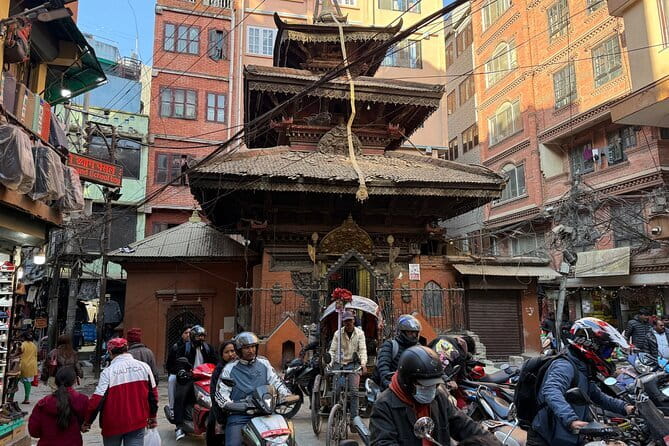
This tour starts at Kaiser Library (P878+H4G), Kanti Path, Kathmandu 44600, Nepal, and it ends back at the same place. That simple “return to start” matters in Kathmandu, where navigating by landmarks can get messy quickly.
You should plan for about 3 hours total. The itinerary is broken into time blocks across the four areas—Thamel (about 1 hour), Asan (about 30 minutes), Jyatha (about 30 minutes), and Chhetrapati (about 1 hour)—so you get a mix of sampling and walking instead of only sitting down.
Pickup is offered, which can be helpful if you don’t want to hunt down a starting corner on day one. Just keep in mind that private transportation pickup and drop-off isn’t included, so your experience may be more of a shared-style pickup than a dedicated car for your group.
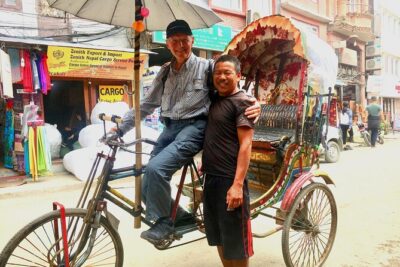
The rickshaw ride: practical fun, not just a photo
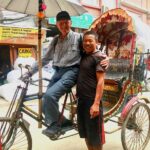
A lot of rickshaw rides in cities are basically decoration. Here, the rickshaw is part of the logic. It helps you move between busy areas without losing the thread of the food plan.
In a place like Kathmandu, where lanes can be tight and the “best” route often isn’t the shortest on a map, a rickshaw gives you two benefits at once:
- You keep momentum between food stops.
- You see street life from a comfortable vantage point without turning it into a long, tiring walk.
It’s also a mood-setter. One of the best ways to enjoy street food is to arrive curious, not rushed—and that’s what the ride helps you do.
Stop 1: Thamel for first bites and quick orientation
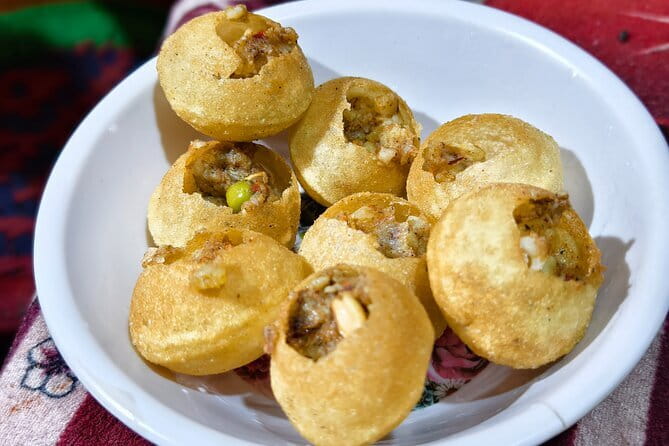
Thamel is where most visitors begin. That’s not a downside—it’s your advantage here. Spending the first chunk of time in Thamel means you can settle into the flow of Kathmandu without feeling instantly lost.
Expect a guided introduction to the area and the kind of food choices you’ll run into later. This is also usually where you set your taste direction: you’ll learn what locals order, what’s worth trying, and what to skip if you’re picky about spice or texture.
If you’re arriving with jet lag or just “tourist brain,” Thamel first is smart. It gives you a reference point before the route moves into more local-feeling lanes in Asan, Jyatha, and Chhetrapati.
Other plates worth the detour
Stop 2: Asan for market energy and classic street flavors
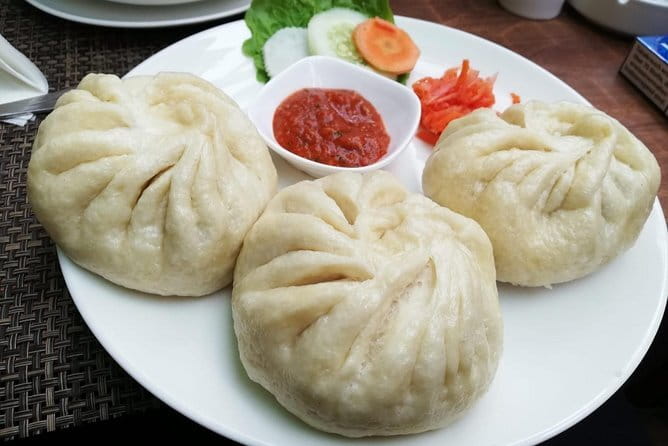
Asan is the kind of place where food sits inside everyday life. Instead of eating in a calm, sealed restaurant bubble, you’re seeing food as part of the market system—people coming in for ingredients and snacks, vendors doing their thing, and the whole area humming.
This stop is shorter—about 30 minutes—so I treat it like a “taste and learn” moment. You’re not meant to exhaust the area; you’re meant to understand it. That’s useful if you want to return later on your own with better instincts.
This is also where shopping tends to make sense. If you want tea and spices that feel genuinely local rather than random souvenir packets, this is the style of environment where you can ask the right questions and compare options with a guide’s help.
Stop 3: Jyatha for smaller lanes and local ordering rhythm
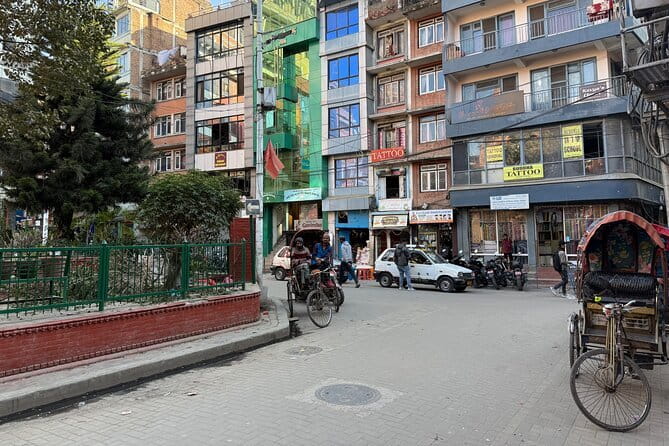
Jyatha comes next, and it’s a great bridge between the market feel of Asan and the historic neighborhood streets of Chhetrapati. In practice, that means you’ll likely experience different kinds of eateries and different “how people eat here” cues.
This stop is also around 30 minutes, so you should expect a focused block. The big win is that you’re tasting across more than one food zone, not repeating the same menu three times.
One detail I really value from the way this tour is run: the guide’s role in timing. Deepak has been praised for calling ahead to make sure the food comes out on time. On a short itinerary, that’s huge. It keeps you from waiting around while your appetite cools—or eating too late and feeling rushed.
Stop 4: Chhetrapati for a longer finale and real neighborhood atmosphere
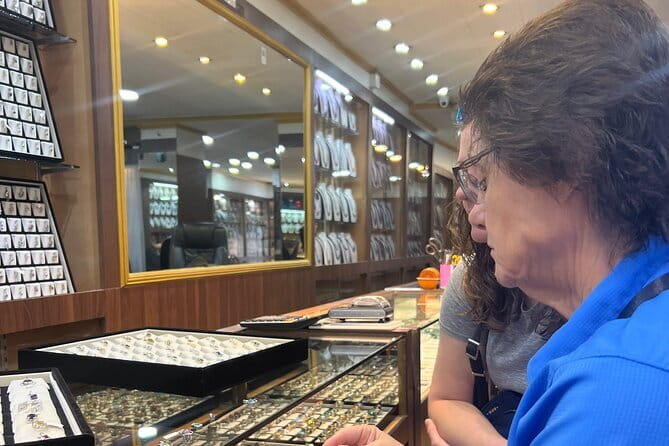
Chhetrapati gets the most time after Thamel—about 1 hour. That longer finale is a good sign. It’s the part of the route where you often get to slow down, refuel, and enjoy the evening’s rhythm more comfortably.
Chhetrapati is described as historic, with narrow streets and older alleyways. In other words, it’s the place where your guide’s navigation skills matter. If you’re the type who likes to look up at façades and read the city’s clues, you’ll probably enjoy this section even if you’re not a super “street history” person.
This is also where dinner energy can kick in. Since the tour includes snacks, lunch, and dinner, the meal timing likely shifts as the route moves—so the finish can feel like a proper food payoff rather than one last quick bite.
What you’ll actually eat: more than one meal, more than one style
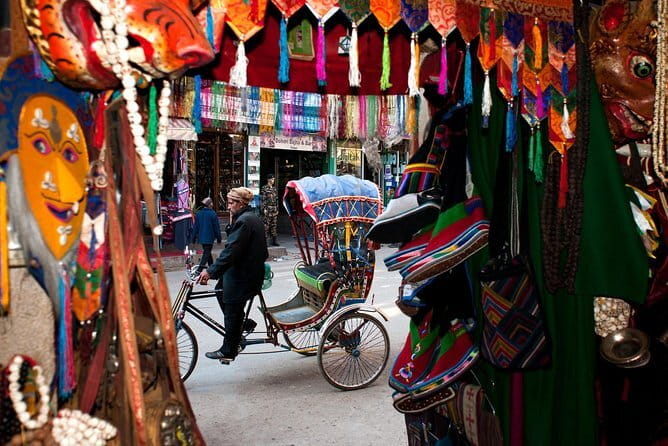
The tour is meal-heavy for a reason. It isn’t a “try one snack per stop” situation. You’re set up for:
- Snacks
- Lunch
- Dinner
- Coffee and/or tea
- Bottled water
That matters because Kathmandu street food can be tempting in every direction, and appetite changes quickly as spice and flavors add up. A tour that includes multiple meal moments keeps the experience balanced. You’re less likely to end up with only heavy fried foods, or only one type of dish, or a “we’re done” moment before you feel satisfied.
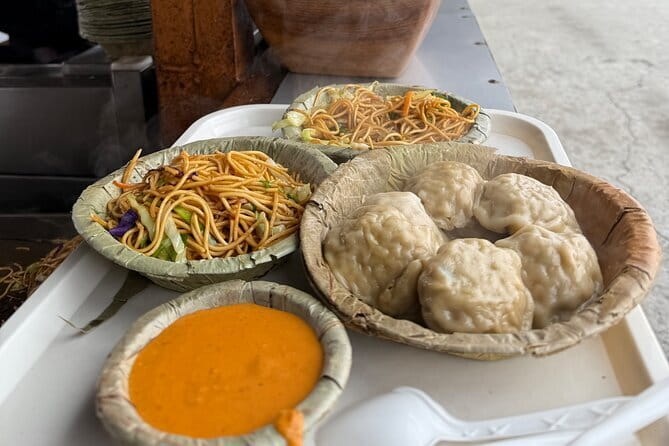
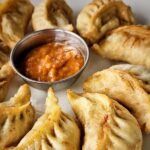
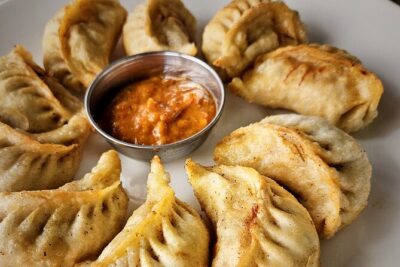
Vegetable momos are specifically called out as a favorite for this kind of experience, so if you like dumplings and you’re okay with Nepal-style fillings, keep an eye out for that option during the tasting flow.
The best part is variety. Even if you have a small “safe food” list, you’ll still get chances to sample things that feel different from your default travel choices.
Shopping for tea and spices without getting stuck with junk
The title includes shopping, and the practical version of that shows up in what you can realistically buy and use after your trip. Multiple comments point to buying authentic tea and spices, which is exactly the type of souvenir that works: light to carry, useful at home, and connected to something you tasted right there.
I like that you’re not sent off with a vague shopping list. A food tour guide is basically your translator in the market. You can ask what goes with what, what tastes strong versus mild, and what’s meant for everyday cooking rather than just display.
One caution: set a budget before you start chatting and taste-testing. Market purchases can creep upward fast when everything smells amazing. A guide helps, but you still control the wallet.
Who this tour is best for (and who might want something else)
This tour suits you if:
- You want a structured Kathmandu food experience without planning every stop
- You like the combo of eating + seeing neighborhoods
- You want shopping help for tea and spices
- You’re traveling solo (the guide experience is often highlighted as welcoming)
You might prefer a different format if:
- You hate group pacing and short time blocks
- You want total freedom to linger in one place for an hour or two
- You’re on a strict diet and need lots of ingredient control (the data here doesn’t spell out dietary accommodation details)
Group size: big cap, real comfort comes from the guide
The tour lists a maximum of 100 travelers, which sounds huge on paper. In many cases, that limit just protects capacity rather than guaranteeing large groups. Still, I suggest you show up with the mindset of a busy city walk, not a private dinner.
What helps keep it pleasant is the way the tour is organized around food timing and local navigation. If you’re chatty, the guide is friendly and conversational. If you’re quieter, the tour still gives you clear moments—tastings, walking segments, and meal breaks—so you don’t feel stranded.
Logistics you’ll feel while you’re there
A few practical notes matter more than they look on the page:
- It’s near public transportation, so getting to the meeting point is usually manageable.
- You get a mobile ticket, which reduces last-minute paperwork stress.
- Free cancellation is available up to 24 hours in advance, which can take the pressure off if plans shift.
Also, this is a walking-and-rickshaw style experience. Comfortable shoes help. Kathmandu lanes can be uneven, and you’ll appreciate support underfoot.
Should you book it?
If you want a simple, high-return way to eat your way through Kathmandu’s main food zones, I think this is a strong pick. For $25, you’re not just buying a tour—you’re buying a full arc of the evening with multiple meals, drinks, and a rickshaw ride, plus shopping support for items like tea and spices.
Book it if you’re hungry, curious, and okay with a guided pace. Skip it if you need a lot of quiet downtime or highly specific dietary control that isn’t clearly described in the details you have.
FAQ
FAQ
How long is the Kathmandu Food & Drink and Shopping Rickshaw Tour?
It’s listed as about 3 hours.
Where does the tour start and end?
It starts at Kaiser Library (P878+H4G), Kanti Path, Kathmandu 44600, Nepal and ends back at the same meeting point.
What is included in the price?
The tour includes coffee and/or tea, lunch, dinner, snacks, bottled water, and a rickshaw ride.
Do I need to pay for entry tickets at the stops?
The stops show admission ticket free for the listed areas, so you’re not paying museum-style entry fees.
Is pickup available?
Pickup is offered, but private transportation pickup and drop-off isn’t included.
Is the tour suitable for most people?
It says most travelers can participate.
What’s not included?
The tour does not include person expenses or tips/gratuities.
Eat and Drink Around Kathmandu
More Tours in Kathmandu

More Tour Reviews in Kathmandu


Just Reviewed in Kathmandu
- Mountain Bike Tour
★ 5.0 · 3 reviews - Annapurna Panaroma
★ 5.0 · 3 reviews - Mount Everest Scenic Flight 50 Minutes
★ 5.0 · 3 reviews - Kathmandu : Swambhunath & Durbar Square Guided Half Day Tour
★ 3.3 · 3 reviews - Chandragiri Cable Car & Monkey Temple Tour – Private/Group
★ 5.0 · 3 reviews - Kathmandu: Shivapuri National Park Hiking Day Trip
★ 3.3 · 3 reviews
Kathmandu Food & Street Food Tours, compared.
 ★ 4.9Food and Drink Walking TourFrom $34292 reviews
★ 5.0Kathmandu Food and Drink Walking TourFrom $36266 reviews
★ 4.9Food and Drink Walking TourFrom $28119 reviews
★ 4.9Food and Drink Walking TourFrom $34292 reviews
★ 5.0Kathmandu Food and Drink Walking TourFrom $36266 reviews
★ 4.9Food and Drink Walking TourFrom $28119 reviews
 ★ 5.0Walking Street Food Tour in KathmanduFrom $48111 reviews
 ★ 5.0Secret Food Tour – Food Bites and Sights Kathmandu 14+ TestingsFrom $3582 reviews
 ★ 4.7Kathmandu Secret Food Crawl & Local Market TourFrom $2854 reviews
 ★ 5.0Walking Food Tour in Hidden Local Eateries of KathmanduFrom $3640 reviews
 ★ 5.0Kathmandu Food Crawl & Market TourFrom $2526 reviews
Browse the lists this tour appears in