
Review · KATHMANDU FOOD & STREET FOOD TOURS
Kathmandu Secret Food Crawl & Local Market Tour
Food tours in Kathmandu are never quiet, and this one gives you a smart path through the market chaos. I like how it centers on Ason Bazar, Kathmandu’s oldest local market, and I also like that you’re eating Newari cuisine instead of only the usual tourist snacks. One thing to consider: you’ll be walking through busy lanes for two hours, so come ready for street-level noise and lots of stop-and-go.
If you want culture you can taste, this tour is built for that. Expect your English-speaking guide to connect dishes to local life—street food, ceremonial plates, and everyday favorites—all while you work your way through small stalls and alleyways.
In This Review
- Key Things to Know Before You Go
- Entering Kathmandu’s Old Market Lanes at Ason Bazar
- What You’ll Taste: Newari Classics Plus Kathmandu Street Favorites
- Newari dishes you’ll likely hear about fast
- Street food that Kathmandu people actually order
- The 2-Hour Walk: How the Timing Works in Real Life
- Newar Crafts, Traditions, and What to Look For While You Walk
- How Your Guide Helps You Eat Smart (and Safer)
- Price and Value: Why $28 Can Feel Like a Steal
- When to Go and What to Bring for a Market-First Tour
- Should You Book This Kathmandu Secret Food Crawl?
- FAQ
- Where does the Kathmandu Secret Food Crawl meet?
- How long is the tour?
- How much does it cost?
- Is the tour guided, and what language is used?
- What food and drinks are included?
- Does the tour focus on a specific market?
- Is there free cancellation?
- Who operates the experience?
Key Things to Know Before You Go
- Oldest market focus: You’re spending your time around Ason Bazar, not just the most convenient blocks.
- At least 5 tastings with drinks: You’re not leaving hungry, and you’ll usually get more than the minimum.
- Newari food highlights: Expect starters like Yomari and the style of food locals treat as part of daily culture.
- Ceremony meets street food: You may run into dishes like Samay Baji alongside more everyday snacks.
- Guide-driven “local choices”: Guides like Santosh are praised for picking stalls visitors typically miss.
- You’ll walk it off: Two hours on foot in market lanes is the whole point—comfort shoes help.
More to eat and drink around Kathmandu
- Kathmandu: Food and Drink Walking Tour★ 4.9 · 292 reviews
- Kathmandu Food and Drink Walking Tour★ 5.0 · 266 reviews
- Kathmandu: Food and Drink Walking Tour★ 4.9 · 119 reviews
- Walking Street Food Tour in Kathmandu★ 5.0 · 111 reviews
Entering Kathmandu’s Old Market Lanes at Ason Bazar
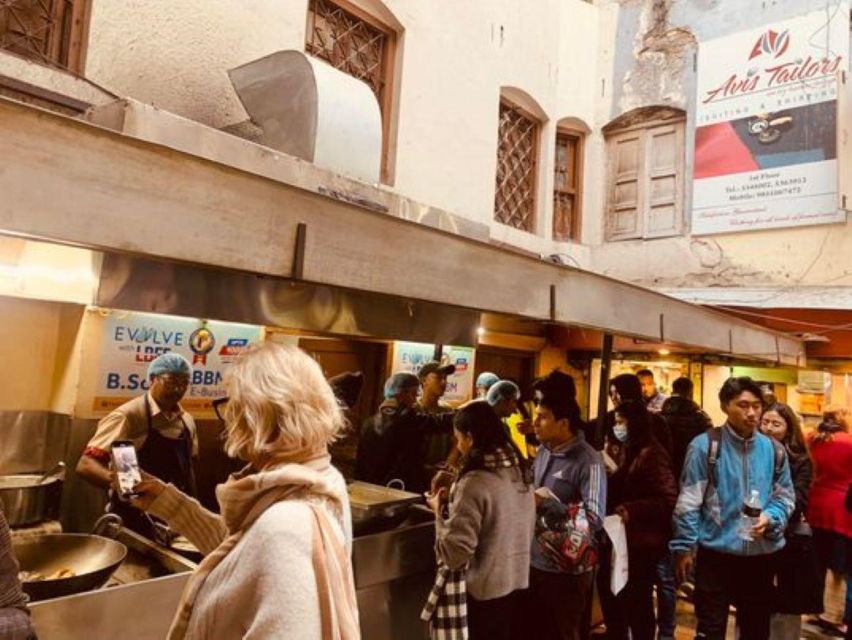
This tour starts at the main gate of Chhaya Devi Complex, then leads you into Kathmandu’s market world—where food, crafts, and daily errands sit side-by-side. The big draw here is the Ason Bazar angle. Instead of sampling random street food that could be anywhere, you’re learning what makes this market part of Kathmandu’s food identity.
Ason Bazar is old by Kathmandu standards, and that age matters. You can feel it in the way stalls cluster, the way people compare food notes, and the way vendors explain what’s selling today. Your guide’s job isn’t to read a script—it’s to help you notice the details: which dishes feel ceremonial vs. everyday, how ingredients show up across multiple stalls, and why Newar food is such a big piece of the local puzzle.
Practical note: market lanes can feel tight. So your success on this tour comes down to one thing—staying close to your guide and accepting that you’ll often stop in the flow rather than in a neat line.
What You’ll Taste: Newari Classics Plus Kathmandu Street Favorites
The food plan is the headline, and it’s built around two lanes of Kathmandu eating: Newari cuisine and the broader street-food mix that blends Nepali, Tibetan, and Indian influences.
Here are the dishes and flavors you should be ready to try (not necessarily all in every group, but these are clearly part of the tour’s focus):
Newari dishes you’ll likely hear about fast
Newari food isn’t just “local”—it’s tied to identity. Your guide will point out the meaning behind dishes, not only the ingredients. The most commonly referenced examples include:
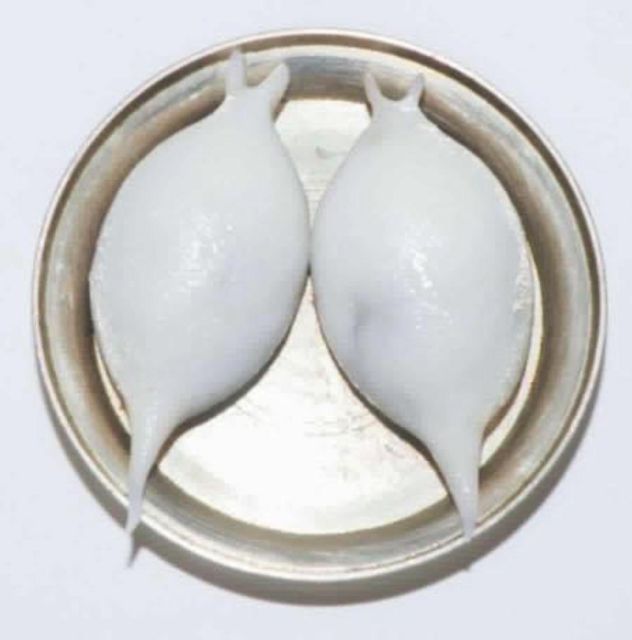
- Yomari: a sweet steamed dumpling filled with molasses and sesame seeds.
- Samay Baji: a ceremonial-style platter that locals associate with tradition. You might see elements like beaten rice paired with spiced buffalo meat and different pickles.
Even if some of these sound unfamiliar, the guide helps you make sense of them in minutes, so you’re not just tasting blind.
Street food that Kathmandu people actually order
Alongside the Newari anchors, the tour is heavy on street snacks you’ll recognize once you’ve seen them in context. Commonly mentioned favorites include:
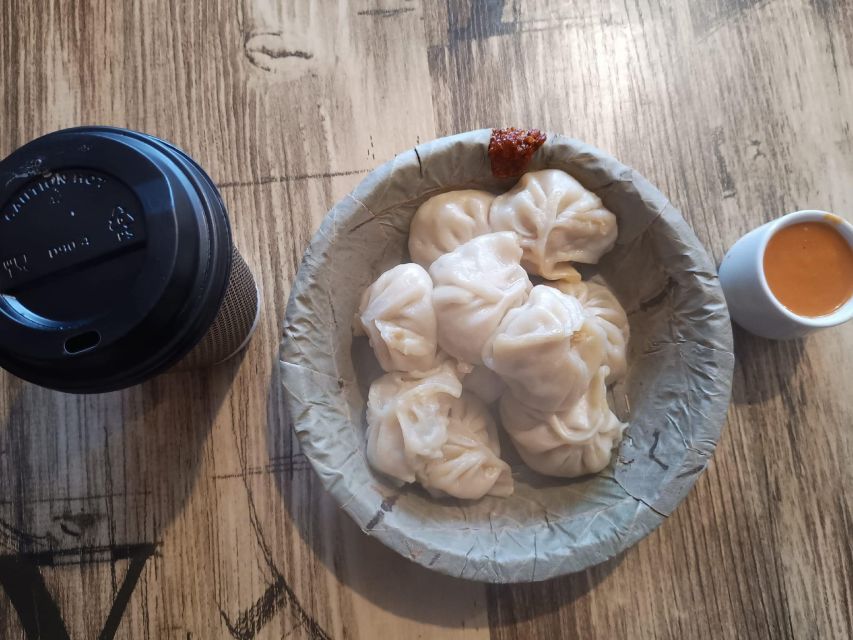
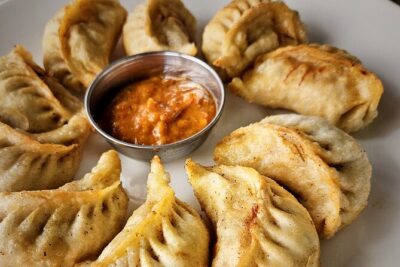
- Momo: spicy dumplings with lots of variations.
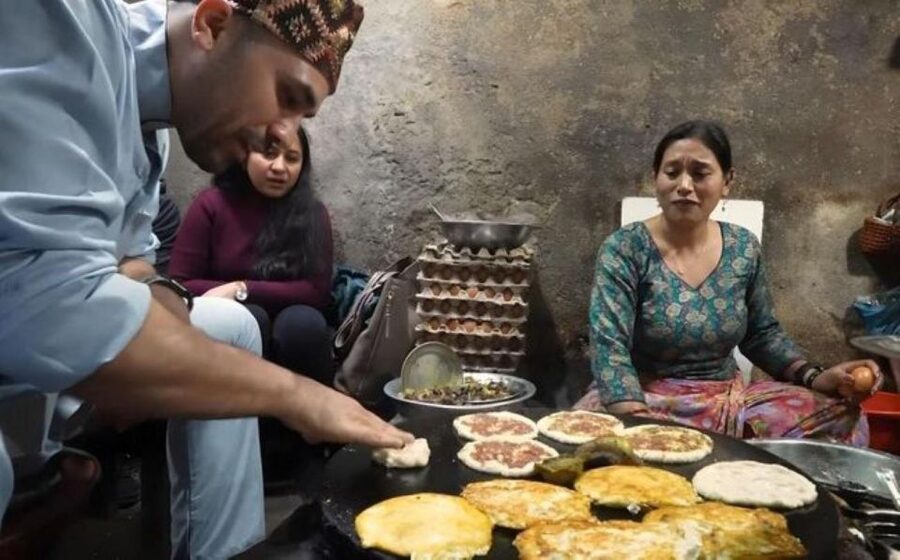
- Chatamari: often described like Newari pizza.
- Laphing: a cold, spicy mung bean noodle dish popular with locals.
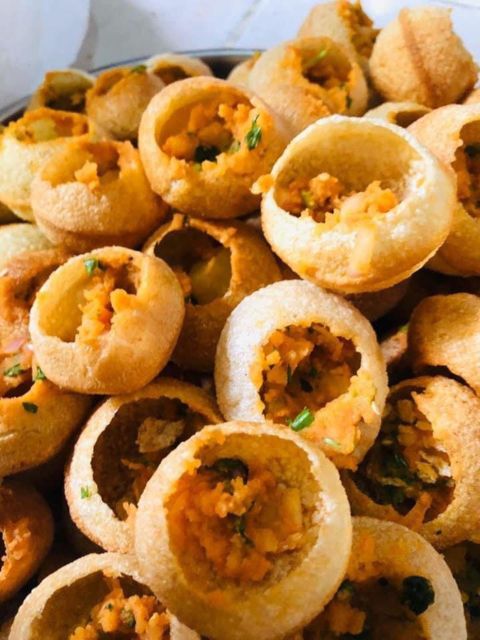
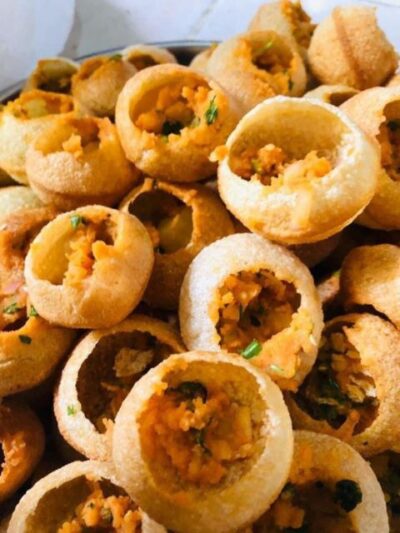
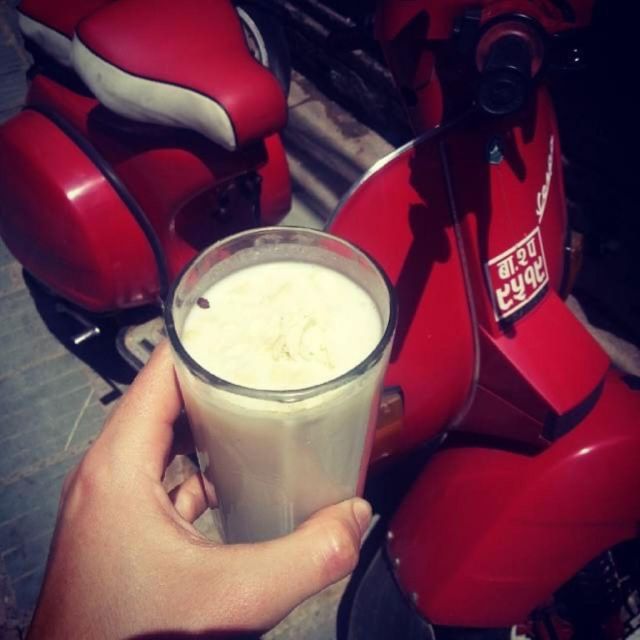
- Lassi and Pani Puri: classic “quick bite” drinks and snacks that keep the energy high.
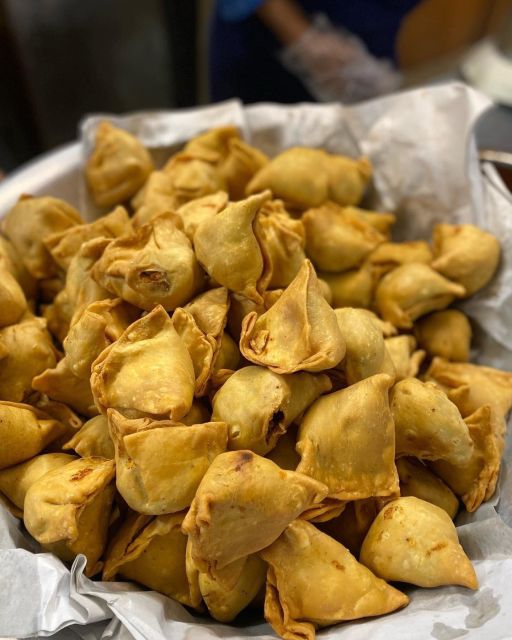
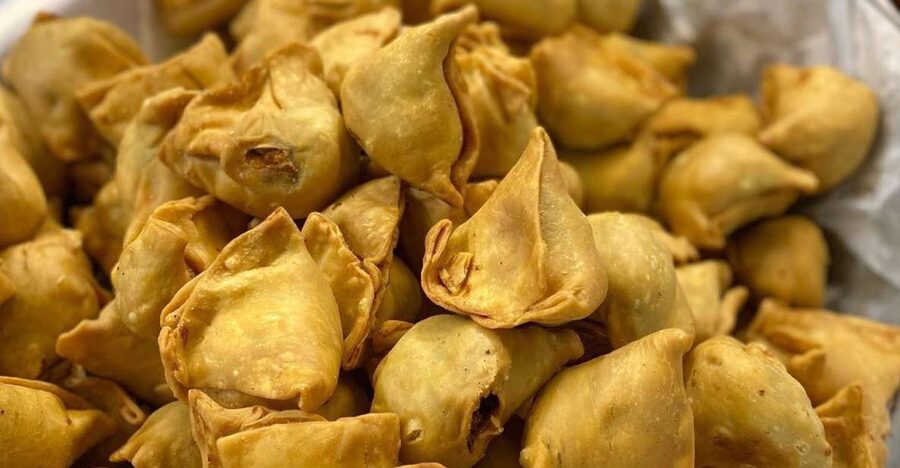
- Samosas and other small fried bites, depending on what’s running that day.
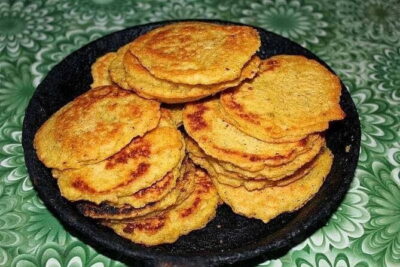
- Buckwheat pancakes: another example of how Kathmandu street food can be simple but distinctive.
What you’re really buying with this format is variety. In two hours, you’re unlikely to piece together this mix on your own without either missing key places or ordering the same safe items repeatedly.
Other plates worth the detour
The 2-Hour Walk: How the Timing Works in Real Life
Two hours sounds short, but that’s the right length for Kathmandu markets. You get enough time to try multiple items and still feel like you’re learning the shape of the neighborhood, not just collecting food samples.
Here’s what that usually means on the ground:
- You’ll move between stalls and small eateries, not sit for long meals.
- You’ll stop often, then continue—so your tour feels like a guided sampling loop.
- You’ll get drinks alongside food, and the operator states a minimum of 5 items with beverages.
From the feedback, the best tours feel “packed but not chaotic.” People describe getting full from the amount of food, and that’s exactly what makes this a good deal: you’re paying for guidance and selection, not just for ingredients.
One consideration: if you’re the type who hates waiting behind people at food stands, bring patience. Market-style service is part of the experience here.
Newar Crafts, Traditions, and What to Look For While You Walk
This isn’t only a “taste everything” mission. The tour also aims to show you the surrounding culture—especially Newar crafts and traditions—and how they show up in daily life.
As you’re walking, the best way to make the most of this is to treat your eyes like a second sense. Watch for:
- how vendors display items,
- which foods feel tied to special occasions versus everyday buying,
- and how the guide links food to local identity and custom.
That cultural framing is what turns a snack run into a Kathmandu orientation. If you’re early in your trip, it can help you understand what you’re seeing later—temples, market rhythms, and why food in Nepal isn’t just fuel.
How Your Guide Helps You Eat Smart (and Safer)
In a market environment, your biggest advantage is picking where to eat. This tour explicitly includes an experienced, helpful, friendly English-speaking guide, and that matters a lot when you’re stepping into smaller lanes where menus aren’t written for visitors.
Guides like Santosh are praised for two things:
- clear explanations of what you’re eating and why it fits local life,
- and choosing reputable places that feel clean and safe to try.
Your guide also helps reduce decision fatigue. Instead of you standing there trying to guess what something is called, you get a simple path: walk, taste, learn, move on.
Quick practical tip: if you have allergies or strong food dislikes, say it early. The tour includes multiple tastings, so you’ll want substitutions discussed up front.
Price and Value: Why $28 Can Feel Like a Steal
At $28 per person for a 2-hour guided experience, the value comes from the combination:
1) multiple food tastings (at least 5 items with drinks),
2) an English-speaking guide,
3) and the market context that helps you understand what you’re eating.
A plate of a single street item costs less than that, sure. But this price isn’t paying for one meal. It’s paying for selection, timing, and local routing—especially around a major market like Ason Bazar where the best stalls aren’t always the easiest ones to find.
If you’re a foodie who wants Newari-focused options like Yomari and ceremonial-style food references like Samay Baji, this format keeps your “research time” near zero. You get variety without guessing.
Also, if you’re short on time in Kathmandu, two hours is the sweet spot. You can do this early to get your bearings fast, then come back later on your own with more confidence.
When to Go and What to Bring for a Market-First Tour
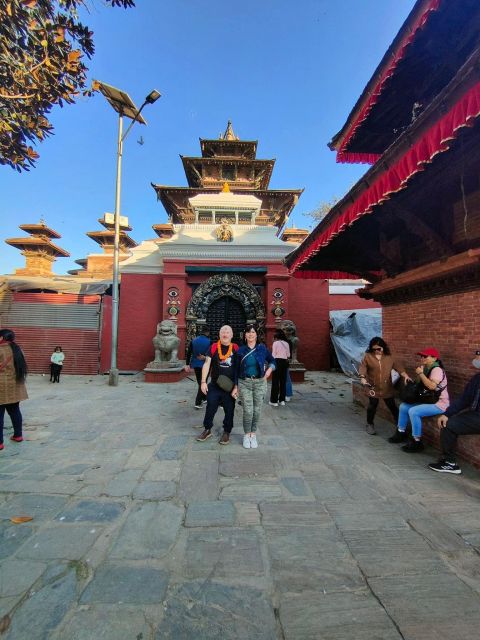
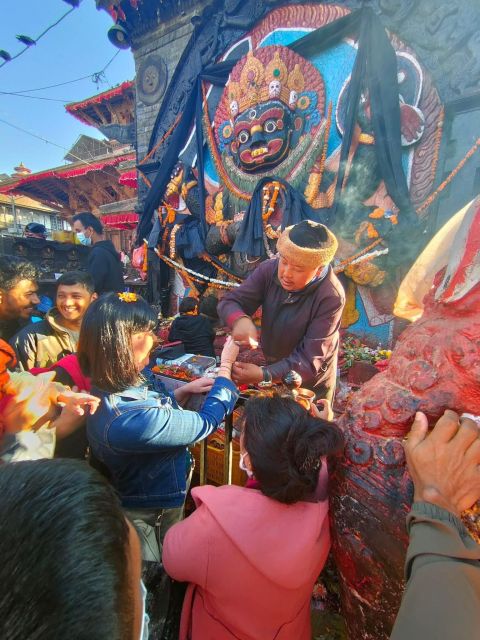
The tour length is set, but your experience can change based on the time of day. People have noted cultural stops that can align with evening timing, including the chance to see the Kumari Temple area experience at times when it’s possible to go inside. If that matters to you, ask when you book and match your day plans accordingly.
For most people, the basics make or break comfort:
- wear shoes you can walk in for two hours,
- expect stalls and sidewalks that aren’t smooth,
- keep your phone secure while you’re maneuvering through crowds,
- and bring a little extra water patience (you’ll get drinks during the tour, but markets can still make you feel thirsty).
Should You Book This Kathmandu Secret Food Crawl?
Book it if you want a local-food-focused introduction that goes beyond the same two or three snacks. This is a strong choice for:
- first-timers in Kathmandu who want structure and guidance,
- food lovers who specifically want Newari influence,
- and anyone who’d rather taste and learn than wander randomly.
Skip or reconsider if you hate walking in close quarters, feel nervous around street settings, or want a sit-down, course-style meal. This tour is action-based, not a restaurant experience.
If you’re deciding today, my take is simple: if Newari food and market culture are on your must-do list, this is an easy yes. Even better, it’s designed so you can adjust plans—good to know when Kathmandu weather and schedules can shift.
FAQ
Where does the Kathmandu Secret Food Crawl meet?
The tour meets at the main gate of Chhaya Devi Complex.
How long is the tour?
The duration is 2 hours.
How much does it cost?
It’s listed at $28 per person.
Is the tour guided, and what language is used?
Yes. It includes a live English-speaking tour guide.
What food and drinks are included?
All foods and beverages are included, with a minimum of 5 items plus drinks.
Does the tour focus on a specific market?
Yes. It includes exploration of the famous oldest local market, Ason Bazar.
Is there free cancellation?
Yes. You can cancel up to 24 hours in advance for a full refund.
Who operates the experience?
The experience provider is Mount Glory Treks.
Eat and Drink Around Kathmandu
More Tours in Kathmandu

More Tour Reviews in Kathmandu


Just Reviewed in Kathmandu
- Mountain Bike Tour
★ 5.0 · 3 reviews - Annapurna Panaroma
★ 5.0 · 3 reviews - Mount Everest Scenic Flight 50 Minutes
★ 5.0 · 3 reviews - Kathmandu : Swambhunath & Durbar Square Guided Half Day Tour
★ 3.3 · 3 reviews - Chandragiri Cable Car & Monkey Temple Tour – Private/Group
★ 5.0 · 3 reviews - Kathmandu: Shivapuri National Park Hiking Day Trip
★ 3.3 · 3 reviews
Kathmandu Food & Street Food Tours, compared.
 ★ 4.9Food and Drink Walking TourFrom $34292 reviews
★ 5.0Kathmandu Food and Drink Walking TourFrom $36266 reviews
★ 4.9Food and Drink Walking TourFrom $28119 reviews
★ 4.9Food and Drink Walking TourFrom $34292 reviews
★ 5.0Kathmandu Food and Drink Walking TourFrom $36266 reviews
★ 4.9Food and Drink Walking TourFrom $28119 reviews
 ★ 5.0Walking Street Food Tour in KathmanduFrom $48111 reviews
 ★ 5.0Secret Food Tour – Food Bites and Sights Kathmandu 14+ TestingsFrom $3582 reviews
 ★ 5.0Kathmandu Food & Drink and Shopping Rickshaw TourFrom $2548 reviews
 ★ 5.0Walking Food Tour in Hidden Local Eateries of KathmanduFrom $3640 reviews
 ★ 5.0Kathmandu Food Crawl & Market TourFrom $2526 reviews
Browse the lists this tour appears in