
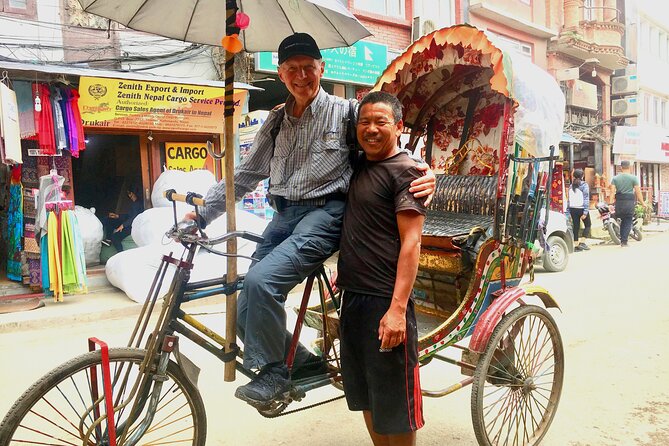
Review · KATHMANDU FOOD & STREET FOOD TOURS
Walking Street Food Tour in Kathmandu
Your appetite meets Kathmandu history. This half-day street food walk pairs real market life with temple stops, so you’re eating while you’re learning the city’s rhythms. I like the hotel pickup convenience and how the tour pushes you to try at least 5 dishes and drinks, including classics like Nepali masala tea and lassi.
A fair warning: you’re doing real walking through tight lanes and crowded areas, so comfortable shoes and weather awareness matter. Also, it’s for people 18 and older.
In This Review
- Key points before you go
- From $48 to full plates: what you’re really paying for
- Hotel pickup and the right pace for first-day Kathmandu
- Asan Market: the street market climb that turns into food
- Kathmandu Durbar Square: palace history, temple bells, incense
- What you actually eat: drinks, lassi, masala tea, and more
- Vegan and vegetarian care: how to get the best version
- Walking through alleys: comfort, timing, and feeling safe
- Culture while you eat: temples, Hindu and Buddhist life, and local storytelling
- Who this Kathmandu street food tour fits best
- Guides make the difference: the names to remember
- Should you book it? My take for real planning
- FAQ
- How long is the Kathmandu Walking Street Food Tour?
- What does the tour cost?
- Is hotel pickup included?
- How many dishes and drinks should I plan to try?
- Can vegans or vegetarians be accommodated?
- What if the weather is bad or my plans change?
Key points before you go
Private, local-feeling tour: It’s set up so only your group participates, with a guide who steers you to food you’d likely miss on your own.
Asan + Kathmandu Durbar Square: Two major cultural stops form the backbone—markets first, then the 16th-century palace area around Pratap Singh Malla.
More than five tastes: You’re set up for a minimum of 5 dishes and drinks, plus an eating mindset for lunch (“eat as much as you can”).
Clear vegan/vegetarian support: Tell the guide your needs and they’ll tailor what you try.
Guides with real food credentials: Names that show up again and again include Anoj (a former chef), Raj, Deepak, Kabita, Mai, and Rabina.
It moves at street speed: Expect 3 to 4 hours of walking, with navigation through alleyways and market crowds.
Kathmandu at walking pace, more routes
- Kathmandu Food and Drink Walking Tour★ 5.0 · 266 reviews
- Kathmandu: Food and Drink Walking Tour★ 4.9 · 119 reviews
- Walking Street Food Tour in Kathmandu★ 5.0 · 111 reviews
- Walking Food Tour in Hidden Local Eateries of Kathmandu★ 5.0 · 40 reviews
From $48 to full plates: what you’re really paying for
At $48 per person for about 3–4 hours, this tour is priced like a budget-friendly activity—but it works because the food cost is built in. You’re not just sampling a bite or two. You’re set up for tasting at least five typical dishes and drinks, and lunch is part of the experience.
That means your money goes toward three things you’d otherwise pay for: guided market navigation, multiple food stops, and drinks included with the meal. Alcoholic beverages are not included, so keep that in mind if you’re planning on pairing food with beer or cocktails.
The bigger value play is time. Kathmandu’s street food culture is spread out across markets, courtyards, and side alleys. With a guide, you spend less time hunting and more time eating.
Hotel pickup and the right pace for first-day Kathmandu
This tour starts at the Kathmandu Guest House area in Kathmandu (Saathgumti-16) and returns you there at the end. Pickup is offered, and the whole plan is built around you getting out into the streets quickly—without you having to figure out the maze first.
Dress for walking. Even if you’re used to city travel, Kathmandu’s lanes can feel busy and close up. The tour is designed for comfortable movement over a half day, not a sit-down museum stroll.
It’s also a 3–4 hour block, so you can treat it like your “get oriented and get fed” activity. Many people plan it early in their trip because it makes the city feel more navigable afterward.
Asan Market: the street market climb that turns into food
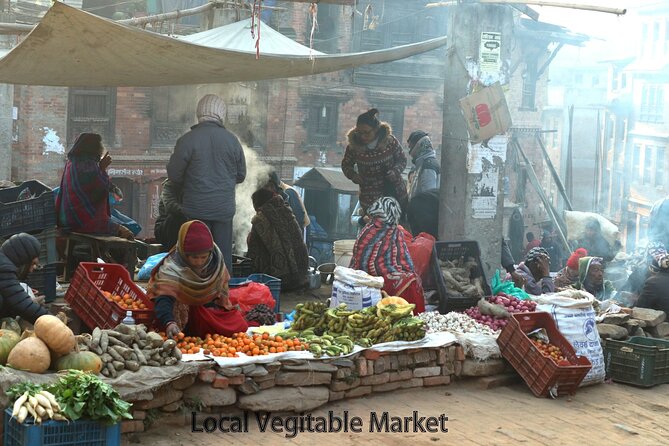
The first major stop is Asan, where you meet your guide and walk toward one of Kathmandu’s busiest street market areas. This is where the city’s trading energy is easiest to see: vendors, everyday shoppers, spice and snack rhythms, and layers of market activity that don’t feel like a single street.
Asan is a great place to start because it teaches you how Kathmandu food culture works in real life. You’re not only tasting items; you’re watching what people buy, how they eat, and why certain flavors fit the neighborhood.
You’ll also get context while you move. The guide will point out what you’re seeing as you go, including old temples and street-level selling. In short: you’re getting the “why” behind what’s in front of you, not just the “what.”
One practical consideration: Asan is busy. If you don’t like crowds, give yourself patience here and focus on your guide’s timing. Also, go in ready to walk with no big plans for taking pictures every two steps.
Kathmandu Durbar Square: palace history, temple bells, incense
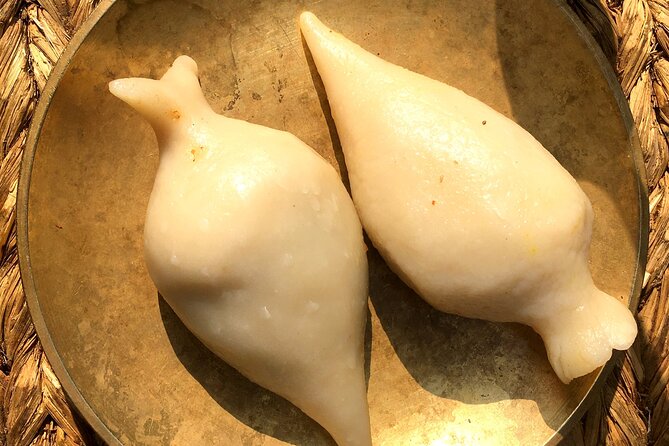
After Asan, the tour shifts into Kathmandu Durbar Square, an area tied to a 16th-century palace connected with Pratap Singh Malla. This part of the experience feels different from the market stretch—more open, more ceremonial, and full of people who are there for prayer and daily life.
You’ll explore the nearby area, including older shops where you might spot the usual street-side staples: spices, tea, and cookies. The sensory layer is the big deal here. You’ll likely notice incense in the air, temple bells, and the overall visual color of the area.
What I like about this stop is the contrast. Food tours can sometimes forget the cultural setting. Here, the temples and palace history explain why food is not just entertainment. It’s part of the fabric of daily rituals and neighborhood traditions.
A small drawback: Durbar Square can be crowded around prayer times. If you’re sensitive to noise and crowds, keep your expectations flexible and follow your guide’s lead on where to stand and when to move.
More to eat and drink around Kathmandu
What you actually eat: drinks, lassi, masala tea, and more
The tour includes lunch, and it’s set up as an eating experience, not a polite nibble. You’ll be tasting a minimum of five typical dishes and drinks, and the tour cost covers the food and drinks.
Included items called out for this experience include:
- Nepali masala tea
- Fresh juices
- Lassi
- Soft drinks
That list matters because it covers both hot and cold, plus sweet and tangy options. Lassi, in particular, often becomes a highlight because it balances spicy street food and helps you keep going during the walk.
You should also know the tour language is about eating as much as you can, which is a good sign if you’re hungry and want a real meal. If you’re not a big eater, just pace yourself. You can ask your guide to adjust what you try first so the stomach math works out.
Diet needs are handled too. The tour specifically says vegan and vegetarian travelers can be accommodated easily—tell your guide up front, and they tailor the stops. This is a big deal in Kathmandu because not every street snack is naturally plant-based.
Vegan and vegetarian care: how to get the best version
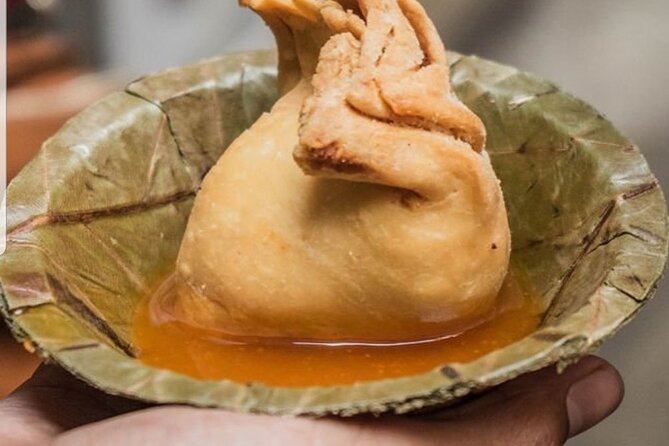
The tour’s promise is simple: if you’re vegan or vegetarian, you can be catered to. In practice, that’s what makes the guide important. Good street food guidance isn’t only about finding food—it’s about helping you choose safely and comfortably in the moment.
If you have strict preferences, say them clearly when you meet. Don’t just say vegetarian—tell the guide if dairy is okay, if eggs are off-limits, or if you want the most plant-based version possible.
Guides like Raj and Kabita have been noted for taking care of diet needs and still keeping the experience genuinely local. A female guide (like Kabita) is also a plus if you prefer that comfort level while walking through busy alleys.
Bottom line: this tour is set up to work for more diets than you might expect, but you’ll get the smoothest experience if you communicate early.
Walking through alleys: comfort, timing, and feeling safe
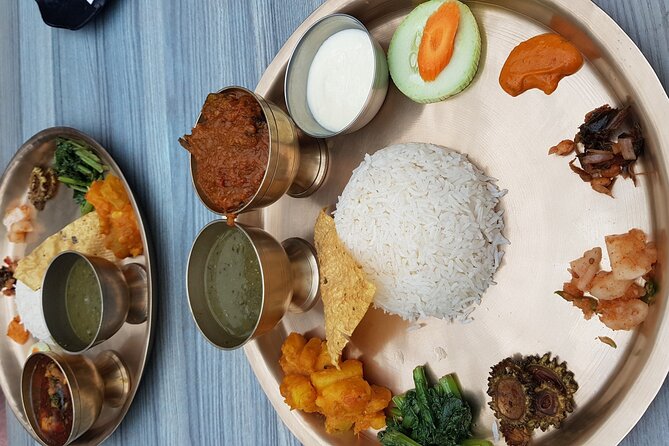
You’ll be walking during the tour, and the whole point is to reach the smaller lanes where street food happens. People describe the route as maze-like: tight hallways, packed streets, and side alley turns that only make sense with a local guide.
That’s also why the guide’s role matters. One key value here is navigation—getting you from one taste to the next without you guessing at shortcuts or ending up in the wrong doorway.
A practical tip: eat something light before you go. Some people advise eating a small breakfast and saving your appetite for the tour. If you show up starving, it can be wonderful. But if you’re the type to get too full too fast, a small pre-meal can make the tasting feel more fun.
Also bring a basic layer of patience. Markets can be crowded, lanes can slow you down, and you’ll likely stop more often for tastings than you expect.
Culture while you eat: temples, Hindu and Buddhist life, and local storytelling
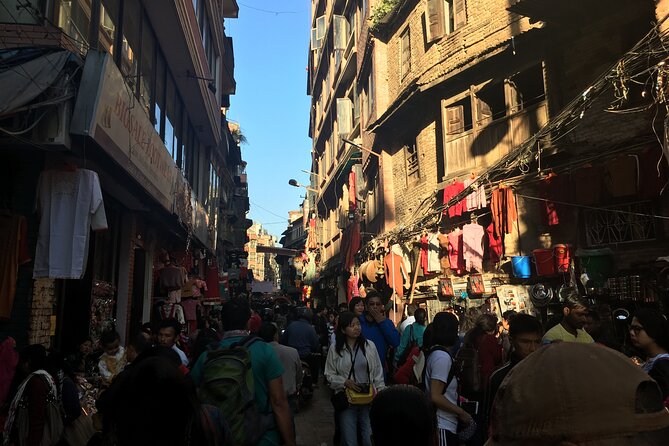
This is not just food logistics. The tour includes culture and tradition at each stop. At Durbar Square, that connection is clear: prayers, incense, temple bells, and the historic palace setting.
Across the walk, guides are described as connecting food to the city’s wider story: Hindu and Buddhist culture in Kathmandu, the meaning of where you are, and how traditions influence what people eat and how they eat it. Some guides also share bigger picture context about places you pass.
I like how this keeps the tour from feeling like a checklist. Food becomes a doorway into daily life. You’re not being talked at for hours. Instead, the guide points out what you’re seeing, then connects it to a reason—history, religion, or local routine.
If you want that “first day in Kathmandu” combination of taste and understanding, this tour is built for it.
Who this Kathmandu street food tour fits best
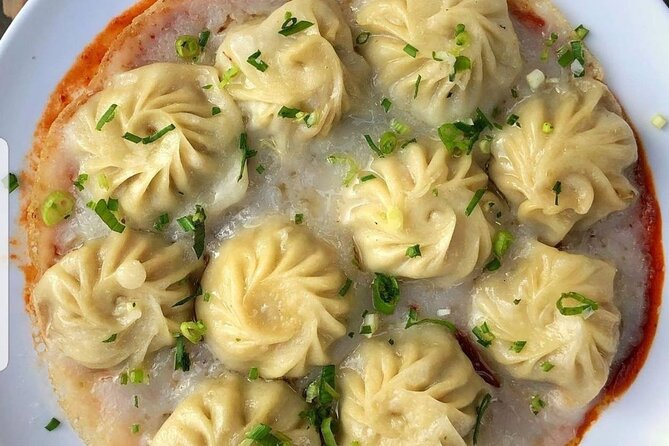
This one is for you if:
- You want a guided introduction to Kathmandu’s street food culture.
- You like history and temples but still want it tied to real life.
- You’re okay walking for 3–4 hours through markets and alleys.
- You want vegan/vegetarian-friendly options.
It may not be ideal if:
- You dislike crowds or tight lanes.
- You’re not feeling up for extended walking.
- Weather is a concern. The experience requires good weather, and if conditions are poor, it can be canceled or changed.
It’s also for people 18 and older. If you’re traveling with a younger group, you’ll need to choose a different style of tour.
Guides make the difference: the names to remember
A repeating theme in the tour experience is the guide. Different guides have different communication styles, but several names come up strongly in the tour feedback you provided.
- Anoj: mentioned as a former chef with excellent choices for Nepali specialties.
- Raj: noted for strong Kathmandu and culture storytelling, plus careful attention to diet needs.
- Deepak: described as very knowledgeable about Nepalese food and history, with smooth pacing through street areas.
- Kabita: highlighted for friendly guidance and tailoring for vegan needs, and for helping solo travelers feel comfortable.
- Mai and Rabina: connected with taking people into local food stands in tight streets and alleys, with strong cultural context.
If you see these names available for your date, it’s reasonable to feel optimistic about the experience. Even then, any good guide should be able to explain what you’re eating, how locals order it, and how to navigate the area comfortably.
Should you book it? My take for real planning
Book this tour if you want your Kathmandu time to feel practical, not performative. It’s a half day that combines temple context and multiple tastings in a way that helps you understand the city quickly. The included drinks and the insistence on tasting at least five dishes make it feel substantial for $48.
Skip or rethink it if you can’t handle crowds, tight alleys, or real walking. Also, be honest with yourself about your appetite—this is an eating-forward tour, and it’s easy to overdo it if you show up with a heavy meal already in your stomach.
If you’re arriving in Kathmandu and you want one activity that gives you both food confidence and cultural grounding, this is a solid pick.
FAQ
How long is the Kathmandu Walking Street Food Tour?
It runs about 3 to 4 hours.
What does the tour cost?
The price is $48.00 per person.
Is hotel pickup included?
Pickup is offered, and the tour starts at Kathmandu Guest House (Saathgumti-16) and ends back at the meeting point.
How many dishes and drinks should I plan to try?
The tour includes a tasting of a minimum of five typical dishes and drinks.
Can vegans or vegetarians be accommodated?
Yes. The tour says vegan and vegetarian travelers can be catered to easily if you tell the guide.
What if the weather is bad or my plans change?
The experience requires good weather. It also offers free cancellation up to 24 hours in advance for a full refund.
Kathmandu on Foot: More Walks


More Tours in Kathmandu

More Tour Reviews in Kathmandu


Just Reviewed in Kathmandu
- Mountain Bike Tour
★ 5.0 · 3 reviews - Annapurna Panaroma
★ 5.0 · 3 reviews - Mount Everest Scenic Flight 50 Minutes
★ 5.0 · 3 reviews - Kathmandu : Swambhunath & Durbar Square Guided Half Day Tour
★ 3.3 · 3 reviews - Chandragiri Cable Car & Monkey Temple Tour – Private/Group
★ 5.0 · 3 reviews - Kathmandu: Shivapuri National Park Hiking Day Trip
★ 3.3 · 3 reviews
Kathmandu Food & Street Food Tours, compared.
 ★ 4.9Food and Drink Walking TourFrom $34292 reviews
★ 5.0Kathmandu Food and Drink Walking TourFrom $36266 reviews
★ 4.9Food and Drink Walking TourFrom $28119 reviews
★ 4.9Food and Drink Walking TourFrom $34292 reviews
★ 5.0Kathmandu Food and Drink Walking TourFrom $36266 reviews
★ 4.9Food and Drink Walking TourFrom $28119 reviews
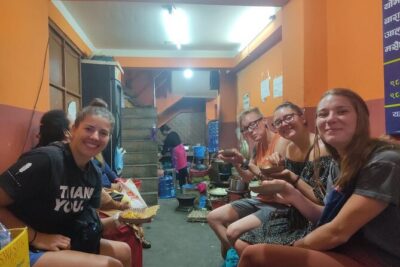 ★ 5.0Secret Food Tour – Food Bites and Sights Kathmandu 14+ TestingsFrom $3582 reviews
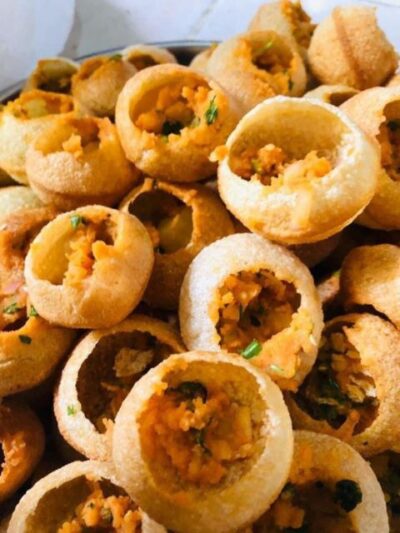 ★ 4.7Kathmandu Secret Food Crawl & Local Market TourFrom $2854 reviews
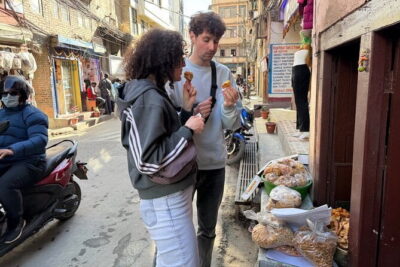 ★ 5.0Kathmandu Food & Drink and Shopping Rickshaw TourFrom $2548 reviews
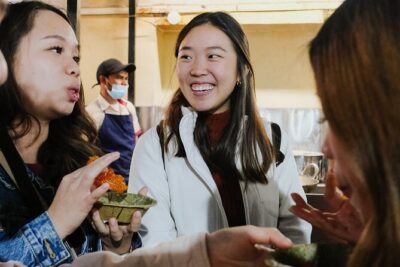 ★ 5.0Walking Food Tour in Hidden Local Eateries of KathmanduFrom $3640 reviews
 ★ 5.0Kathmandu Food Crawl & Market TourFrom $2526 reviews
Browse the lists this tour appears in