
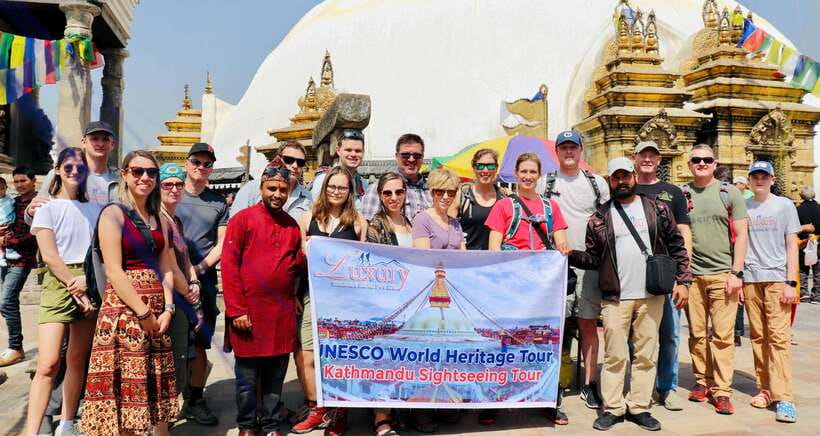
Review · KATHMANDU UNESCO HERITAGE TOURS
Kathmandu: Top 4 UNESCO Tour with Lunch – Private/Group
Four temples in one focused day. This tour is interesting because you get real religious context at each stop, plus easy logistics with hotel pickup and an AC vehicle. The one thing to watch: you’ll climb stairs and do plenty of walking, so comfy shoes matter.
What I like most is how the day mixes Buddhist and Hindu sites without turning them into a checklist. Swayambhunath’s hilltop views and Boudhanath’s quiet stupa energy give you contrast fast. Then Patan Durbar Square and Pashupatinath bring in the art and the rituals you came for—without you getting lost in the chaos.
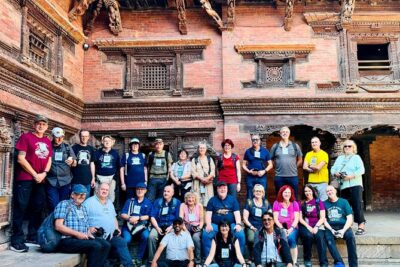
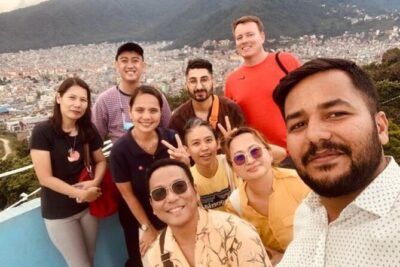
The best guides make the difference. I’ve seen this tour consistently praised for guides like Sajina, Punam, Sujan, Sumit, and Hemraj for their patience, good humor, and the way they help you understand what you’re actually seeing (and where to stand for better photos).
In This Review
- Quick takeaways before you go
- The value play: what $5 really buys (and what to double-check)
- Hotel pickup + electric car comfort in Kathmandu traffic
- Stop 1: Swayambhunath Stupa (Monkey Temple) and hilltop timing
- Stop 2: Patan Durbar Square and Newari artistry close-up
- Stop 3: Pashupatinath Temple—Hindu rituals by the Bagmati River
- Stop 4: Boudhanath Stupa and the calm of Tibetan Buddhism
- Lunch, drinks, and the break you’ll be glad you scheduled
- How to get the best photos (without turning it into a workout)
- Duration and pacing: why 3–6 hours feels right
- Who this tour fits best (and who should skip it)
- Guides and drivers: the real reason the ratings stay high
- Should you book the Top 4 UNESCO Tour with lunch?
- FAQ
- What UNESCO sites are included?
- How long does the tour take?
- Is it private or a group tour?
- What meals are included?
- Are entrance fees included?
- Where does pickup and drop-off happen?
- Is the tour refundable if my plans change?
Quick takeaways before you go
- Swayambhunath and Boudhanath in the same day gives you a fast feel for Kathmandu’s Buddhist side
- Pashupatinath rituals on the Bagmati River are intense, moving, and very different from the stupa atmosphere
- Patan Durbar Square rewards slow looking at doors, windows, carvings, and temple details
- Electric car plus an experienced driver helps you manage Kathmandu traffic without stress
- Lunch and soft drinks are part of the value (you’re not hunting for food mid-tour)
- Guides often tailor the pace and help with practical stuff like tickets and crossing busy streets
Just your group, at your own pace
- Private Kathmandu Sightseeing Tour | UNESCO World Heritage sites★ 5.0 · 756 reviews
- Kathmandu: Full Day 7 UNESCO Tour with Lunch – Private/Group★ 5.0 · 415 reviews
- Private Bhaktapur and Nagarkot Day Tour From Kathmandu★ 5.0 · 305 reviews
- Kathmandu: Full Day Top 4 UNESCO Tour with Lunch – Private/Group★ 5.0 · 269 reviews
The value play: what $5 really buys (and what to double-check)
On paper, this tour can look like a bargain. The $5 per person figure is strong, but here’s the practical part: entrance fees and sightseeing monument fees can apply unless you choose the all-inclusive option. The tour notes entrance fees are about USD 20 (or NPR 2,600) per person, and they’re included in the all-inclusive package.
So how do you decide? If you want the smoothest day with the least “paying in cash mid-stream,” pick the all-inclusive option that includes entrance fees plus soft drinks and a Nepali Khana set (or you can choose continental dishes). Either way, you’ll also have permits handled and taxes and service charges included, which matters more than most people expect in Nepal.
Another value point: you’re not just buying transport. You’re buying a local guide who helps you understand why each site matters. In the feedback, guides are repeatedly praised for patient explanations and for making sense of the religion and traditions around you. That turns the day from photos-with-context to photos-with-understanding.
Hotel pickup + electric car comfort in Kathmandu traffic
Let’s be honest: Kathmandu traffic can be a test. This tour helps because you start with private hotel pickup and drop-off from central areas (including Thamel). Then you move between sites in a private, air-conditioned vehicle, and the car used is described as electric.
In practice, this means two things:
- You can focus on the sights instead of route-finding.
- You arrive before the day gets too crowded.
Many guests highlight that the driver took careful care on the roads, and that’s not a small detail. When you’re doing four major UNESCO stops, safe, calm driving keeps the day enjoyable instead of exhausting.
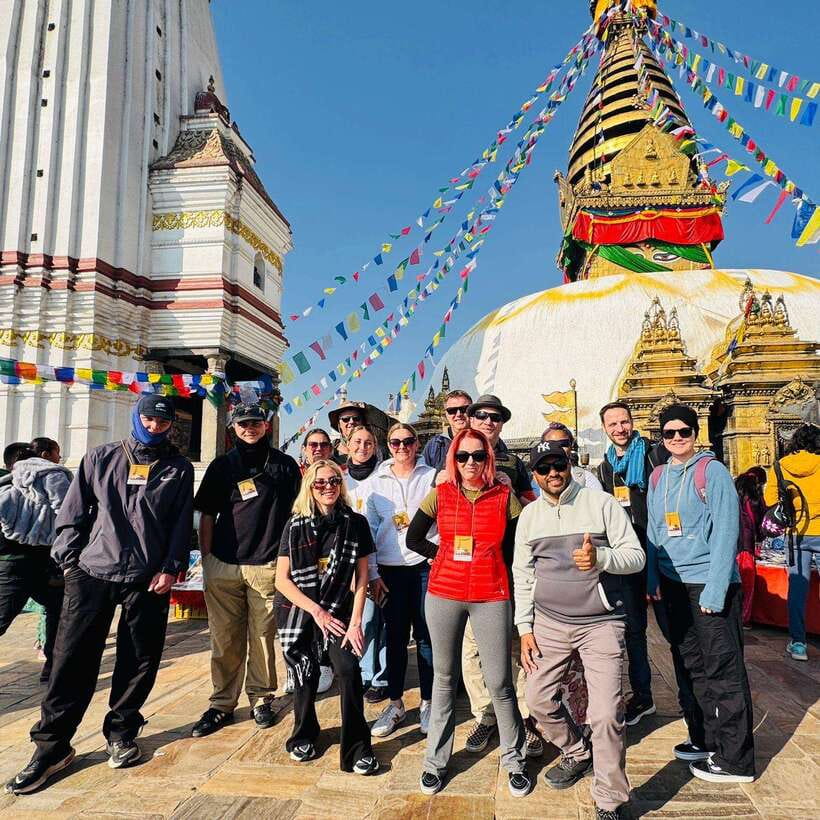
Stop 1: Swayambhunath Stupa (Monkey Temple) and hilltop timing
Swayambhunath is one of those places where the setting helps you immediately understand the site. You go up to the hill and suddenly Kathmandu Valley opens out below you. Then you’re met by the stupa itself—white with a golden spire—plus the sound and rhythm of devotion around you.
This stop works best when you’re not in a rush. The tour includes a guided visit and time to look around, and guests often recommend going early because you get better photo conditions and a calmer feeling before the crowds thickens. One guest even mentioned getting to Swayambhunath at 8am and being among the first foreign visitors of the day, which made photography easier.
A few practical notes:
- Expect stairs. Plan your pace.
- Watch your footing if it’s wet or dusty.
- If you wear sunscreen, bring something you’re comfortable reapplying. The tour suggests biodegradable sunscreen.
If you want a win here, listen to your guide’s explanation before you wander. It helps you notice what you might otherwise skip: the symbolism, the layout, and how people move through the space.
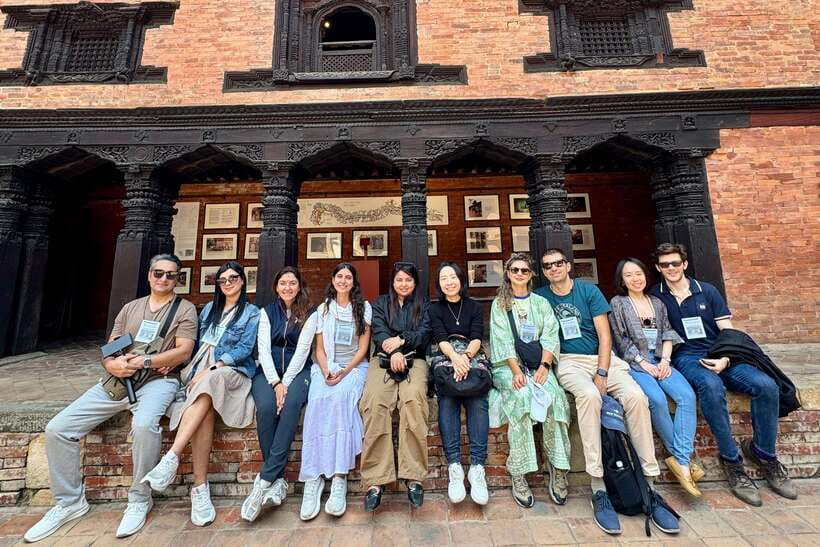
Stop 2: Patan Durbar Square and Newari artistry close-up
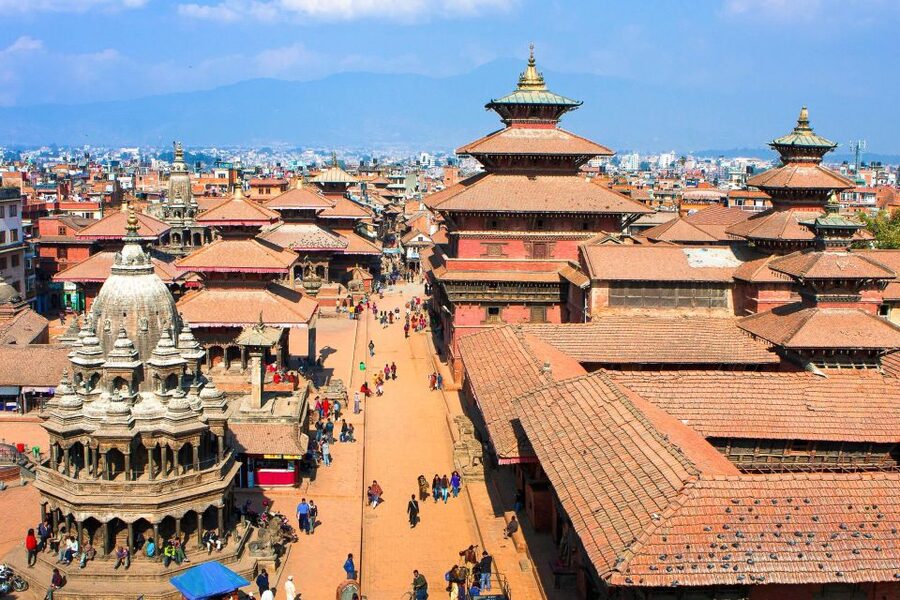
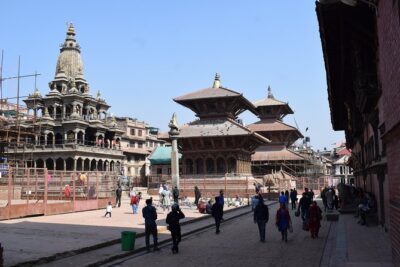
Patan Durbar Square is where the tour earns its name “top UNESCO” status. This isn’t just big and old; it’s detailed. You’re walking through an area packed with temples, courtyards, and palace remnants—especially strong in Newari craftsmanship.
What I’d tell you to do here is simple: don’t speed-walk. Give yourself room to look at small things like carved wooden windows, statues, and architectural details that only show up when you stop and stare for a minute. The guide’s job is to help you connect those details to how Newari culture builds meaning into art and space.
Common drawback? The square still involves walking and some uneven surfaces. Comfortable footwear is not optional. Also, if it’s hot, you’ll feel it—so keep water in mind. You get 500ml bottled water, and you can always carry a little extra cash for snacks if needed.
If you’re the type who likes architecture and craftsmanship more than “big monuments,” Patan is likely to be your favorite stop of the four.
Before you lock this one in, a few Kathmandu alternatives:
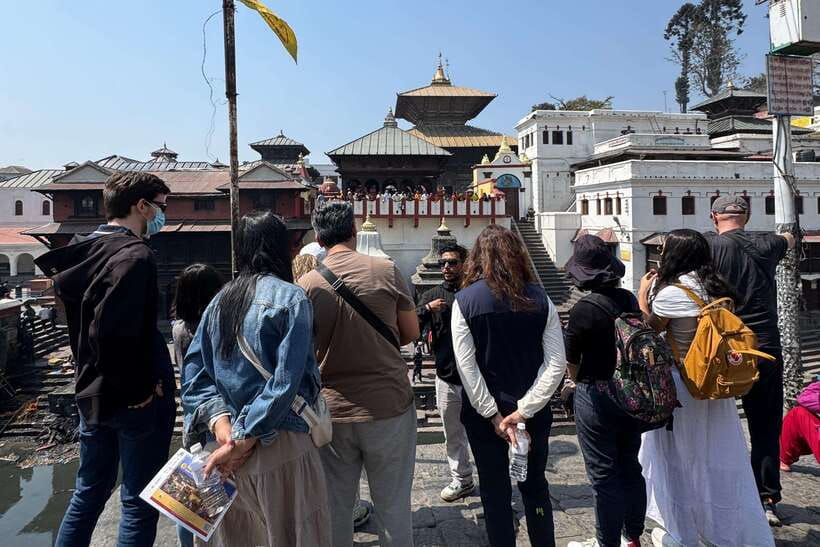
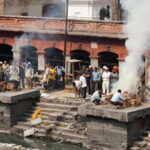
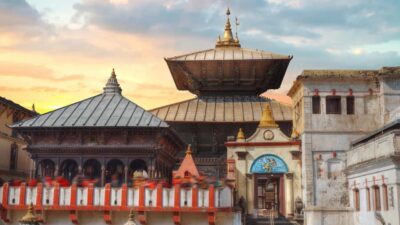
Stop 3: Pashupatinath Temple—Hindu rituals by the Bagmati River
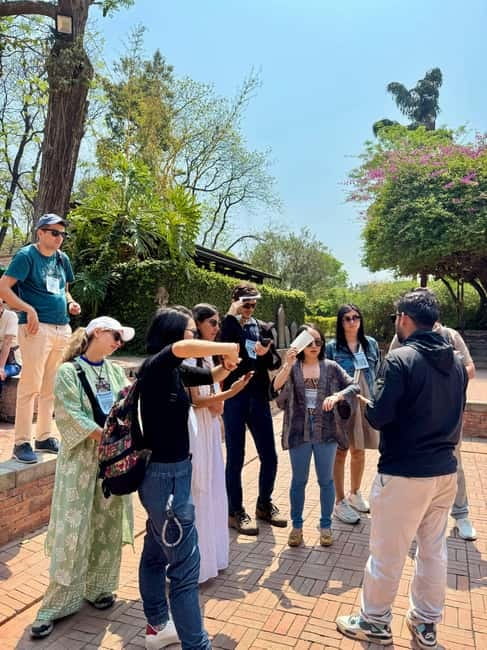
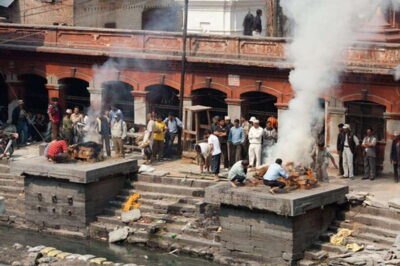
Pashupatinath is sacred ground for Lord Shiva, and it has a different energy than the stupa sites. The Bagmati River is central, and you’ll see pilgrims and rituals that feel both public and deeply personal.
This is the stop where a good guide really matters. You don’t want to just watch from the outside—you want context for what you’re seeing. Guests praised multiple guides (including Sumit and others) for explaining the significance of the temple complex and what’s happening during ceremonies.
One practical consideration: this is a working religious site. People are dressed for prayer, and certain areas may have viewing rules. Your guide can help you navigate what’s appropriate and where to stand.
Also note the emotional range. Some people find Pashupatinath intensely moving; others find it a little intense at first because it’s so active. If that’s you, take breaks. Step back when you need to and let the experience settle.
A final tip: some guests mentioned enjoying or arranging the evening aarti at Pashupatinath with their guide when timing allows. If you’re booking a time window where the schedule might stretch, ask your guide whether you can include that moment.
Stop 4: Boudhanath Stupa and the calm of Tibetan Buddhism
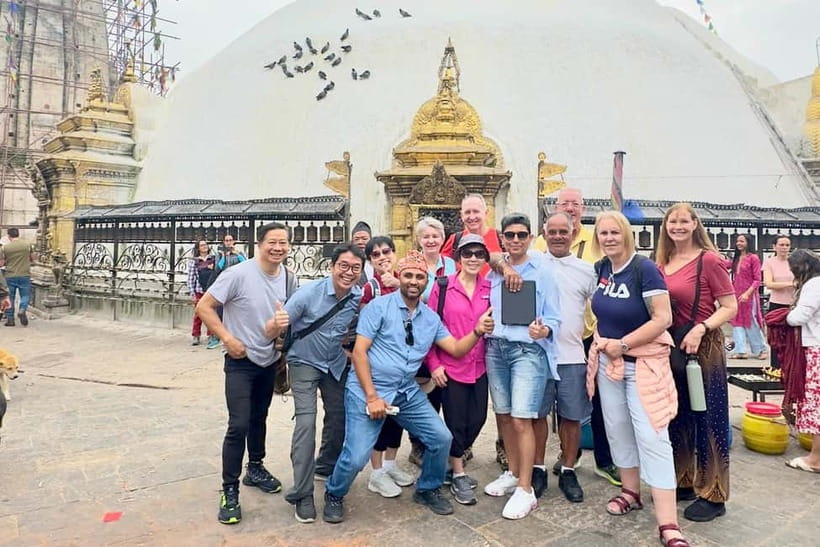
After the intensity of Pashupatinath, Boudhanath can feel like a breather. This is one of the world’s largest Buddhist stupas, and it draws monks, pilgrims, and visitors in a steady rhythm.
The big thing to understand is how people move around it. Your guide will explain the practice of walking clockwise around the stupa, which turns the site into something more than a landmark. It’s a living ritual space.
What I love about Boudhanath in a “four stops in one day” format is the pacing. You’re not sprinting through everything. You have time to step back, observe, and absorb the quieter atmosphere compared with central Kathmandu streets.
If you want photos, this stop is usually easier because there’s space to reframe. Still, be respectful—this is an active place of devotion.
Lunch, drinks, and the break you’ll be glad you scheduled
This tour includes a lunch box with a handy mix: muffin, donut, banana, seasonal fruit, and 200 ml juice. That’s a quick, workable setup for a 3–6 hour day.
If you choose the all-inclusive option, lunch expands to an additional lunch set plus soft drinks. The tour mentions either a Nepali Khana set or continental choices. In plain terms: it prevents the mid-day scramble for food near busy temples and helps keep the tour moving smoothly.
One small but important detail: your energy. Four UNESCO sites means you’ll burn a lot of stamina. Eating on schedule keeps you from turning cranky halfway through Patan or Pashupatinath.
How to get the best photos (without turning it into a workout)
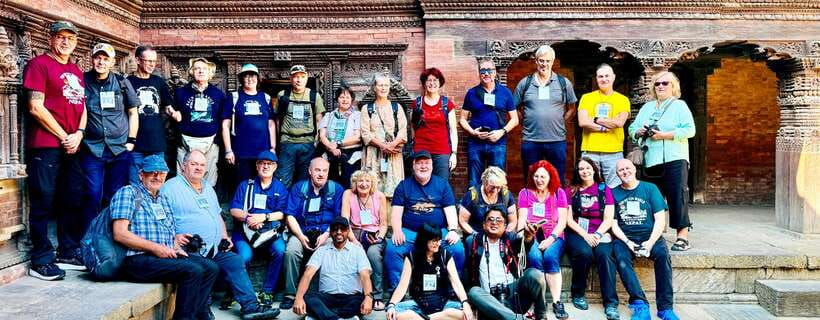
Most of the praised guides in the feedback weren’t just explaining history. They were also helping guests with photo timing and where to stand. Some guides were described as making sure couples got good shots even with crowds.
Here’s what you can do to help yourself:
- Ask your guide where the best view angles are at each stop.
- Don’t shoot only at eye level—look for stairs, arches, and framing edges.
- Plan for a slow moment at Swayambhunath and Boudhanath; those are usually better when you pause.
Also, bring the basics the tour suggests: a camera and a daypack. If you’re prone to sunburn, sunscreen is a good idea. One guest even recommended face masks—so if you’re sensitive to dust, consider it.
Duration and pacing: why 3–6 hours feels right
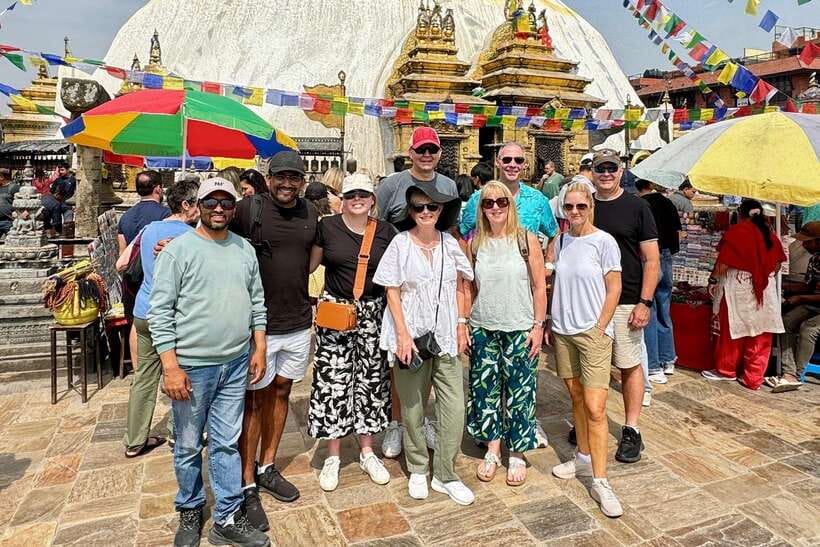
The tour runs about 3 to 6 hours, and that range matters. It gives your guide room to adapt to crowd levels, your comfort level, and your interest in slowing down for photos.
If you’re new to Kathmandu and want a strong overview without feeling like you did four separate excursions, this pacing is ideal. You get the “big UNESCO hits” with a guided thread connecting Hindu and Buddhist traditions, architecture, and everyday devotion.
The drawback is the walking. Even with car transfers, you’ll still climb stairs and move on foot at each site. If you know you’re not good with steps, plan carefully and talk to your guide before the day starts.
Who this tour fits best (and who should skip it)
This tour is best for you if:
- You want a one-day UNESCO sampler with context, not just gate-to-gate sightseeing.
- You’d rather have a guide help you interpret what’s going on.
- You like having comfort built in: pickup, AC transport, water, and lunch.
It may not be a fit if:
- You’re pregnant or have limited mobility (the tour notes it’s not suitable for pregnant women).
- You use a wheelchair (not suitable).
- You’re over 95 years old (not suitable).
It’s also less ideal if you dislike walking or stairs. Even a “good pace” day still includes multiple heritage-site strolls.
Guides and drivers: the real reason the ratings stay high
This tour’s consistent praise isn’t just about the sites. It’s about how guides run the day.
In the feedback, guides like Sajina, Punam, Sujan, Sumit, Hemraj, Anon, Asmita, and others are highlighted for being kind, patient, and practical—helping guests with tickets, answering questions clearly, and keeping the group calm in busy areas. Several guests also mentioned the driver made the roads feel manageable and safe, which keeps the day from turning into stress.
If you care about learning, this is one of the few Kathmandu tours where you can actually understand what you’re seeing instead of guessing.
Should you book the Top 4 UNESCO Tour with lunch?
I’d book it if you have limited time and you want Kathmandu’s big spiritual and cultural highlights packed into a single, guided day. The combination of UNESCO variety, AC private transport (with electric car use), and included food is a strong value—especially when you choose the all-inclusive option to cover entrance fees.
Skip it or reconsider if walking and stairs are a problem for you, or if you’d rather visit less and linger longer in fewer places. This tour is designed for momentum. The payoff is that you leave with a much clearer sense of Kathmandu’s Hindu and Buddhist roots.
If you do book, send your hotel location details ahead of time so pickup is smooth, wear comfortable shoes, and arrive ready to look closely. That’s where this day gets good.
FAQ
What UNESCO sites are included?
The tour includes guided visits to Swayambhunath, Patan Durbar Square, Pashupatinath Temple, and Boudhanath Stupa.
How long does the tour take?
The duration is listed as 3 to 6 hours.
Is it private or a group tour?
You can choose private or small groups.
What meals are included?
Lunch is included in two ways: a lunch box with items like muffin, donut, banana, seasonal fruit, and juice. In the all-inclusive option, you also get an additional lunch set with soft drinks (with options including a Nepali Khana set or continental dishes).
Are entrance fees included?
Entrance fees are not automatically included for the standard option. The tour notes entrance fees (around USD 20 / NPR 2,600 per person) are included in the all-inclusive package. SAARC nationals have a separate listed total fee.
Where does pickup and drop-off happen?
Pickup and drop-off are available in the Kathmandu Valley, with options that include Kathmandu and Thamel, and you’ll be picked up from your hotel location.
Is the tour refundable if my plans change?
Yes. The tour offers free cancellation up to 24 hours in advance for a full refund.
Private Days, Your Group Only

More Tours in Kathmandu

More Tour Reviews in Kathmandu
Just Reviewed in Kathmandu
- Mountain Bike Tour
★ 5.0 · 3 reviews - Annapurna Panaroma
★ 5.0 · 3 reviews - Mount Everest Scenic Flight 50 Minutes
★ 5.0 · 3 reviews - Kathmandu : Swambhunath & Durbar Square Guided Half Day Tour
★ 3.3 · 3 reviews - Chandragiri Cable Car & Monkey Temple Tour – Private/Group
★ 5.0 · 3 reviews - Kathmandu: Shivapuri National Park Hiking Day Trip
★ 3.3 · 3 reviews
Kathmandu UNESCO Heritage Tours, compared.
 ★ 4.87 UNESCO Sites with LunchFrom $2744 reviews
 ★ 5.0Full Day 7 UNESCO Tour with Lunch – Private/GroupFrom $10415 reviews
 ★ 5.0Full Day Top 4 UNESCO Tour with Lunch – Private/GroupFrom $10269 reviews
 ★ 5.0UNESCO Seven World Heritage Tour in KathmanduFrom $180253 reviews
★ 4.9Full-Day 7 UNESCO Tour with Lunch – Private/GroupFrom $5247 reviews
★ 5.0UNESCO Seven World Heritage Tour in KathmanduFrom $180253 reviews
★ 4.9Full-Day 7 UNESCO Tour with Lunch – Private/GroupFrom $5247 reviews
 ★ 4.97 UNESCO Sites Tour in 1 Day (Private Tour)From $4204 reviews
 ★ 5.0Kathmandu Private Sightseeing Tour | UNESCO World Heritage SitesFrom $35109 reviews
★ 5.0Full Day 7 UNESCO Tour with Lunch – Private/GroupFrom $5101 reviews
★ 5.0Kathmandu Private Sightseeing Tour | UNESCO World Heritage SitesFrom $35109 reviews
★ 5.0Full Day 7 UNESCO Tour with Lunch – Private/GroupFrom $5101 reviews
Browse the lists this tour appears in