
Review · KATHMANDU CITY SIGHTSEEING TOURS
Kathmandu Heritage Sightseeing Tour
Early start, big meaning. This Kathmandu Heritage Sightseeing Tour strings together four major spiritual sites in one 6–7 hour morning, starting at 5:15 am so you see Kathmandu while it’s calmer. You’ll cover Buddhism and Hinduism side by side—Swoyambhu, Boudhanath, and Pashupatinath—plus Patan’s historic palace square.
What I like most is how the plan keeps moving without feeling rushed between stops. I also love that admission tickets are included for every site, which means you’re not juggling money or searching for entrances in the early hours. A single consideration: no lunch or bottled water are included, so plan ahead for a long day of walking and sun.
If your timing is tight or you want a guided overview that actually explains what you’re seeing, this tour is a strong fit. You also get private transportation and a professional guide, so it’s easier to ask questions and adjust pace at each stop.
In This Review
- Quick highlights before you go
- A route designed for morning energy in Kathmandu
- Stop 1: Swoyambhu Mahachaitya (Monkey Temple) at first light
- Stop 2: Patan Durbar Square and the palace-square feel
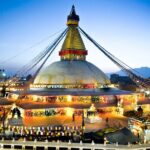
- Stop 3: Boudhanath Stupa’s 1700-year Buddhist presence
- Stop 4: Pashupatinath Temple and river-side Hindu ritual context
- Price and value: what $147 actually covers
- The guide factor: Sunil Bikram Shah and clear context at each stop
- Practical logistics that can make or break the morning
- Who should book this Kathmandu heritage tour?
- Should you book Kathmandu Heritage Sightseeing Tour with Classic Escapades?
- FAQ
- What locations does the Kathmandu Heritage Sightseeing Tour include?
- How long is the tour?
- What time does the tour start?
- Is pickup offered?
- Are admission tickets included?
- What is included in the price?
- What is not included?
- Is the tour private?
- Can I cancel for a full refund?
Quick highlights before you go
- 5:15 am departure: You get the best chance at cooler temperatures and less crowd pressure at iconic viewpoints.
- Four heritage stops, tickets covered: No extra ticket runs—Swoyambhu, Patan Durbar Square, Boudhanath, Pashupatinath all include entry.
- Buddhist and Hindu in one route: You’ll witness different ritual styles and sacred spaces without changing tours.
- Sunil Bikram Shah’s on-site explanations: Reviews point to strong historical, cultural, and spiritual context from a guide who can connect the dots.
- Private group experience: Only your group participates, so the tour feels less like a conveyor belt.
- Morning length that’s manageable: Expect around 6–7 hours, not an all-day grind.
Deeper into old Kathmandu
- Private Kathmandu Sightseeing Tour | UNESCO World Heritage sites★ 5.0 · 756 reviews
- UNESCO Seven World Heritage Tour in Kathmandu★ 5.0 · 253 reviews
- Nepal Discovery Tour: Heritage Sites & Scenic Hill Easy Hike★ 5.0 · 121 reviews
- Kathmandu Private Sightseeing Tour | UNESCO World Heritage Sites★ 5.0 · 109 reviews
A route designed for morning energy in Kathmandu
Kathmandu can feel busy fast. That’s why this tour’s early start matters. Meeting at 5:15 am gives you a head start before the day’s heat and crowds fully hit, especially at sites where people naturally slow down to pray, photograph, and take in views.
The best part of this timing is that you still get a full sightseeing loop without turning it into a marathon. The tour runs about 6–7 hours, and it’s structured around real places of worship and daily life, not just photo spots.
You’ll also appreciate the practical setup: pickup offered and private transportation mean you’re not piecing together buses or taxis across four separate destinations. With a mobile ticket, you can keep things simple once you’re in the rhythm of the day.
One thing to note: this is not a snack-and-linger style outing. It moves between four major stops, so bring what you’ll need for comfort (and plan food timing around the fact that lunch isn’t included).
Stop 1: Swoyambhu Mahachaitya (Monkey Temple) at first light
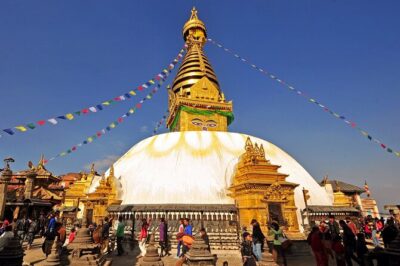
Swoyambhu Mahachaitya is one of those Kathmandu sites that works in almost any mood. It’s an ancient Buddhist stupa sitting on a hill, and the views over Kathmandu Valley are part of the experience. It’s also widely known as Monkey Temple, so yes—there’s plenty of wildlife energy up on the hill.
What makes this stop valuable is the combination of sacred space and orientation. From here, you start to understand how Kathmandu’s spiritual geography overlaps with the city’s daily life. Even if you only have about an hour, it’s time spent in a place people return to for prayer and perspective.
Here’s what to watch for:
- Plan on stairs. The hill setting means you’ll be climbing and descending.
- Expect attention from macaques. You don’t need to panic, but keep your belongings secure and stay aware.
- Give yourself a few minutes just to look outward. The stupa and the valley view go together.
This stop includes the admission ticket, and it’s allocated about 1 hour. That hour is short enough to keep the day on schedule, but long enough to see the stupa area and find a calm moment for the view.
Stop 2: Patan Durbar Square and the palace-square feel
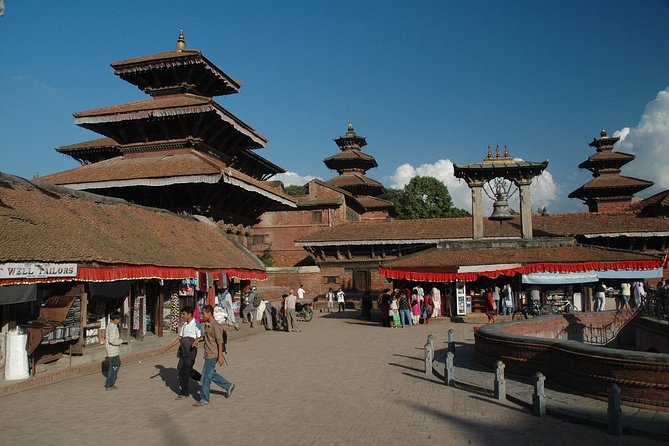
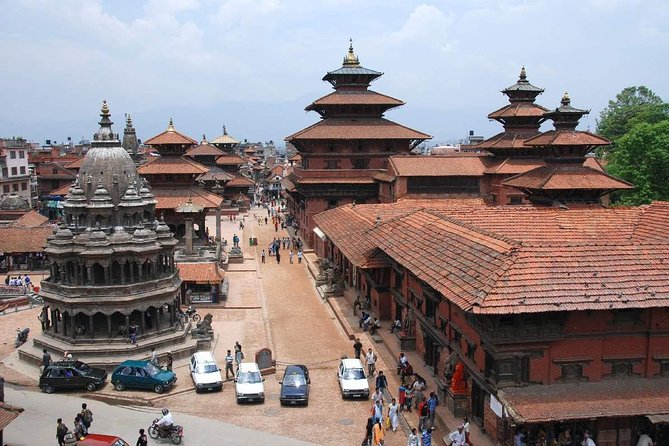
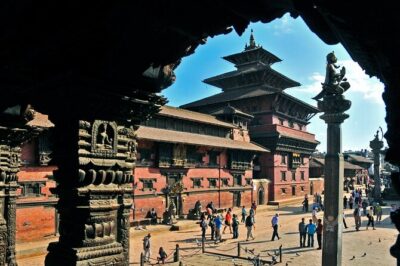
Patan Durbar Square is a different kind of beauty. It’s not a single monument you circle quickly—it’s a medieval palace square area where you feel the shape of a historic royal center. The tour gives you about 2 hours here, which is a good amount of time for taking in courtyards, architecture, and the way the square functions as part of everyday life.
Why I think this stop is a smart middle anchor in the route: you get a break from the stupa-and-temple rhythm. Patan is more about built heritage—stone, layout, and the story of how power and community played out in the city.
What you’ll likely enjoy during the 2-hour window:
- Slow looking at architectural details and courtyards.
- A chance to understand how Patan’s historic center differs from Kathmandu’s main spiritual sites.
- Time for photos without the pressure of a 20-minute stop.
The important practical note is that this stop’s admission ticket is included, and you won’t need to scramble for entry fees. It’s also a solid place to ask your guide questions, because a good explanation turns “pretty square” into a real sense of place.
The only drawback is also the most normal one: you’ll likely be on foot for long enough that comfy shoes matter. This is a sightseeing tour, not a sit-down one.
Stop 3: Boudhanath Stupa’s 1700-year Buddhist presence
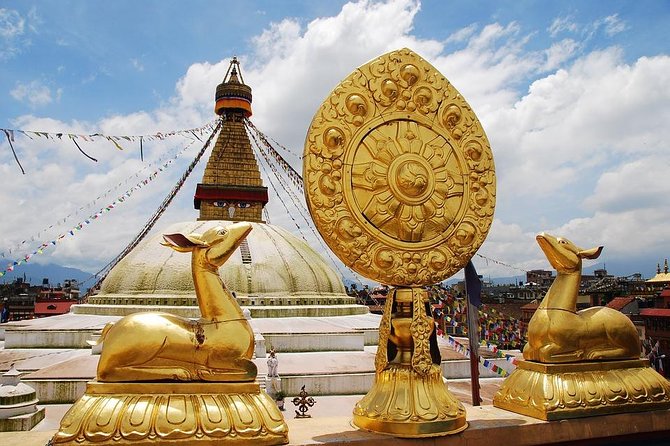
Then comes Boudhanath Stupa, one of the most famous Buddhist sites in the region. The tour highlights its long timeline—1700 years old—which gives the place a weight you can feel even before you understand every detail.
You’re given about 2 hours at Boudhanath, which is ideal for a stupa like this. People don’t just look; they pray, walk, pause, and return. That’s where patience becomes part of the experience.
What makes Boudhanath a standout stop on this specific tour is how it bridges spirituality and atmosphere. It’s a different kind of reverence compared with a Hindu temple complex. You’ll see Buddhist ritual and daily devotion in the same frame, and that contrast helps the bigger story of Kathmandu Valley land.
Practical things to know:
- Plan on staying flexible. If prayer activity is happening, you may need to slow your pace.
- Bring your camera, but also give your eyes time to adjust to the scale and movement.
- If you’re sensitive to crowds, early timing helps, but stupa areas still attract people.
Like the other major stops, admission is included. The guide’s role here matters a lot—when someone explains what you’re seeing and why it matters, the stupa becomes more than a landmark.




Stop 4: Pashupatinath Temple and river-side Hindu ritual context
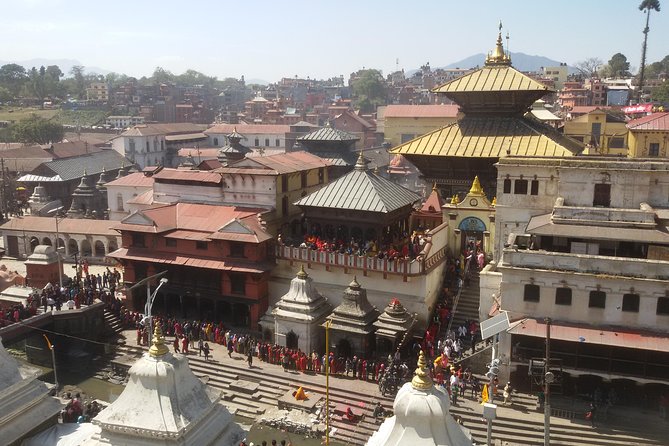
Pashupatinath Temple is the tour’s most intense cultural stop. It’s a Hindu temple complex, and the tour description specifically points to cremation rituals on the bank of the river. That detail is important because it means this is not just sightseeing—this is a living sacred place.
You’ll have about 1 hour here. One hour is enough to take in the temple complex environment and understand the significance of the river-side rituals, but it’s short enough that the tour doesn’t turn into an emotionally heavy marathon.
How to approach this responsibly:
- Expect the atmosphere to feel formal and meaningful.
- Keep a respectful distance and follow any guidance from the people on-site.
- If you’d rather not observe cremation activity, I’d recommend going in mentally prepared and letting your guide advise on where you can stand and what you can comfortably watch.
This stop includes the admission ticket as well, so again, you’re not managing extra costs or entry hurdles during the most time-sensitive part of the day.
If you want the most balanced understanding of Kathmandu Valley’s spiritual life, Pashupatinath is the piece that rounds it out. Buddhism gives you one kind of sacred rhythm; Hinduism gives you another, with the river-side ritual element front and center.
Price and value: what $147 actually covers
At $147.00 per person, this tour isn’t the cheapest way to move around Kathmandu, but it also isn’t an expensive “luxury-only” setup. The value sits in what’s included.
Your ticket covers:
- Private transportation
- A professional tour guide
- All fees and taxes
- Admission tickets at each stop (Swoyambhu, Patan Durbar Square, Boudhanath, Pashupatinath)
That combination matters. Kathmandu heritage sites can cost you time when you have to track down entrances, pay at multiple places, and negotiate transit between neighborhoods. Here, the tour handles the structure. You spend your energy looking and learning instead of figuring out logistics.
What’s not included is also straightforward:
- Lunch
- Bottled water
So if you’re budgeting, add a simple meal and water to your day plan. If you do that, the price starts to feel fair for a private, guided four-stop heritage run that includes entry fees.
One more value point: the tour is described as a private tour/activity with only your group participating. That reduces the “herding” feeling that comes with some day trips and often makes it easier to ask questions as you go.
The guide factor: Sunil Bikram Shah and clear context at each stop
A tour lives or dies by the guide. In the reviews, the name that comes up is Sunil Bikram Shah, and the consistent theme is that his explanations made the places click. People loved his ability to connect the historical, cultural, and spiritual importance of each site to what they were seeing in real time.
That kind of guidance is especially helpful for these four locations because they’re not interchangeable. Swoyambhu and Boudhanath are Buddhist spaces with different rhythms and symbolism. Patan brings in a palace-square style of historic context. Pashupatinath introduces Hindu ritual and a river-side element that many first-time visitors find powerful and unfamiliar.
When a guide can explain the why behind the what, the hour you’re given at each stop feels more complete. Instead of just collecting images, you leave with understanding—how the valley’s traditions share space, and how they differ.
Practical logistics that can make or break the morning
This is a private tour starting at 5:15 am, lasting about 6–7 hours. That schedule is built for efficiency, but it affects your comfort.
Here’s what you should plan for based on what’s provided and what isn’t:
- Bring water or plan to buy it yourself, since bottled water isn’t included.
- Plan lunch on your own, because lunch isn’t included.
- Wear comfortable walking shoes. Four heritage sites in one day usually means more steps than you expect.
- Dress for temple respect. You’ll be visiting active sacred spaces, so keep clothing comfortable but appropriate.
The meeting point isn’t listed beyond the start time, but the tour does include pickup offered. With mobile ticket delivery, you’re usually not dealing with paper tickets at each stop, which saves time.
Cancellation is described as free cancellation, with a 24-hour window for a full refund. If you’re planning around weather or other Kathmandu bookings, that buffer can reduce stress.
Who should book this Kathmandu heritage tour?
This tour makes sense if:
- You want a guided overview of Kathmandu Valley’s major spiritual and historic sites in one day.
- You prefer private transportation and a private group experience.
- You care about more than photos and want real context while you’re standing in the middle of these places.
- You’re on a limited schedule and want to see four key sites without building your own route.
It might be less ideal if:
- You dislike very early starts.
- You need a longer lunch break with food provided, since lunch and bottled water aren’t included.
- You’re uncomfortable with the topic of river-side cremation rituals at Pashupatinath.
If that last one gives you pause, I’d still say ask your guide how to approach the area respectfully. With the right expectations, the stop can be meaningful rather than unsettling.
Should you book Kathmandu Heritage Sightseeing Tour with Classic Escapades?
I’d book it if you want the classic Kathmandu Valley mix—Buddhist stupa power, historic palace-square architecture, and Hindu river-side ritual context—all in one organized morning with a guide who can explain what’s in front of you. The biggest “yes” here is that you get private transport, a professional guide, and admission tickets included for each stop.
I’d hesitate only if you’re someone who relies on included meals and snacks or hates early mornings. In that case, you can still do it, but you’ll want to bring your own strategy for lunch and hydration.
If you’re aiming for value, this tour hits it: you pay a single price and the essentials are handled. And judging by what people highlight most, the experience becomes far more satisfying when your guide, like Sunil Bikram Shah, helps you understand the places rather than just pass them by.
FAQ
What locations does the Kathmandu Heritage Sightseeing Tour include?
The tour includes Swoyambhu Mahachaitya, Patan Durbar Square, Boudhanath Stupa, and Pashupatinath Temple.
How long is the tour?
The duration is approximately 6 to 7 hours.
What time does the tour start?
The start time is 5:15 am.
Is pickup offered?
Yes, pickup is offered.
Are admission tickets included?
Yes. Admission tickets are included for Swoyambhu Mahachaitya, Patan Durbar Square, Boudhanath Stupa, and Pashupatinath Temple.
What is included in the price?
The tour includes private transportation, a professional tour guide, and all fees and taxes.
What is not included?
Lunch and bottled water are not included.
Is the tour private?
Yes. It is a private tour/activity, and only your group participates.
Can I cancel for a full refund?
Yes. Free cancellation is available, and you can cancel up to 24 hours in advance for a full refund.
The Old Kathmandu, Properly Toured


More Tours in Kathmandu



More Tour Reviews in Kathmandu




Just Reviewed in Kathmandu
- Mountain Bike Tour
★ 5.0 · 3 reviews - Annapurna Panaroma
★ 5.0 · 3 reviews - Mount Everest Scenic Flight 50 Minutes
★ 5.0 · 3 reviews - Kathmandu : Swambhunath & Durbar Square Guided Half Day Tour
★ 3.3 · 3 reviews - Chandragiri Cable Car & Monkey Temple Tour – Private/Group
★ 5.0 · 3 reviews - Kathmandu: Shivapuri National Park Hiking Day Trip
★ 3.3 · 3 reviews
Kathmandu City Sightseeing Tours, compared.
 ★ 5.0Kathmandu Private Sightseeing Tour | UNESCO World Heritage SitesFrom $35109 reviews
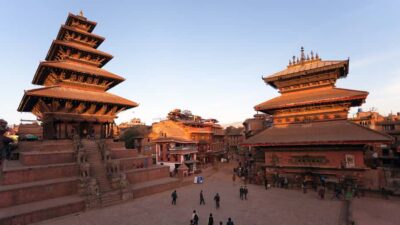 ★ 4.7Private Patan and Bhaktapur Sightseeing TourFrom $4964 reviews
 ★ 5.0Kathmandu Highlights: Private UNESCO World Heritage Sites TourFrom $4950 reviews
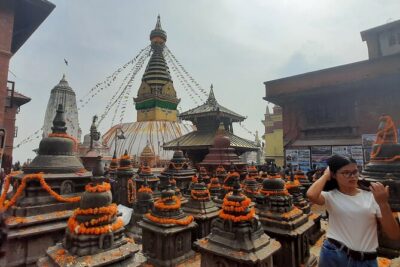
 ★ 5.01 Day Kathmandu Valley Sightseeing TourFrom $3537 reviews
 ★ 5.0Explore Kathmandu in 2 Days: UNESCO Sites & Nagarkot Sunrise TourFrom $10037 reviews
 ★ 5.04 UNESCO City Sightseeing in KathmanduFrom $5036 reviews
 ★ 5.0Full Day Kathmandu City Sightseeing Tour of UNESCO Heritage SitesFrom $5036 reviews
 ★ 5.0Private Full-Day Kathmandu All 7 UNESCO World Heritage Sites TourFrom $8030 reviews
Browse the lists this tour appears in