
Review · YOGA & MEDITATION RETREATS
Kathmandu: Pharping Monastery & Asura Cave Meditation Tour
Caves and prayer wheels make one quiet day. I like how this tour pairs the Pharping Monastery visit with the spiritual quiet of Asura Cave meditation, so you get both Buddhist art and a calmer, more reflective moment. I also like the small details that make it run smoothly, like hotel pickup and a friendly, English-speaking guide who can explain what you’re seeing. One consideration: it’s a half-day outing at about 5 to 6 hours, so you’ll want to keep your expectations focused on this one sacred corridor, not an all-over-the-city Kathmandu sampler.
I also appreciate that you’re not hustled. The cave time is paced so you can sit, listen, and do some self-meditation rather than treat the caves like a quick photo stop. Asura Cave is part of a real religious setting, so keep your tone respectful and plan for a quieter atmosphere than you might be used to in town. If you’re sensitive to changes in temperature or the feel of enclosed spaces, the cave portion might not be your favorite part, but the guide should be able to advise on what to expect.
In This Review
- Quick highlights before you go
- Getting to Pharping from Kathmandu: why the drive matters
- Pharping Monastery: murals, prayer wheels, and valley views
- Inside Asura Cave / Padmasambhava Yangleshö: what meditation time feels like
- Your guide and private transport: the difference between a trip and a good day
- Price and value for a $60 private day from Kathmandu
- How to make the most of Pharping and the cave without rushing
- Who should book this tour, and who might prefer something else
- Should you book the Kathmandu Pharping Monastery & Asura Cave tour?
- FAQ
- How long is the Pharping Monastery and Asura Cave meditation tour?
- Is hotel pickup and drop-off included?
- Do I need to pay admission fees?
- What kind of transportation do I get?
- Is this a private tour or shared with other people?
- Is the guide available in English?
- Is meditation included, or is it just sightseeing?
- Are meals and drinks included?
- Can children join the tour?
- What is the cancellation policy?
Quick highlights before you go
- Hotel pickup and drop-off by private vehicle, which saves you the hassle of local transport and timing.
- Asura Cave self-meditation time, built into the visit so you can slow down.
- Pharping Monastery murals and prayer wheels, plus sweeping views over the valley hills.
- Air-conditioned private transport, helpful when Kathmandu traffic is doing its thing.
- Guides with real context, including named guides like Shankar Bhattarai, Dipesh, Deepak, Lok, and Keshar Jung Thapa from past tours.
Not sure yet? Here are other Kathmandu tours worth a side-by-side look.
- Everest Base Camp Trek – 14 Days★ 5.0 · 1,499 reviews
- Everest Base Camp Trek★ 5.0 · 842 reviews
- Private Kathmandu Sightseeing Tour | UNESCO World Heritage sites★ 5.0 · 756 reviews
- Kathmandu: 7 UNESCO Sites with Lunch★ 4.8 · 744 reviews
Getting to Pharping from Kathmandu: why the drive matters
Pharping sits on the southern outskirts of the Kathmandu Valley, and that makes this trip feel like a retreat without needing a full day away. One past visitor noted Pharping was about a 45-minute drive from the center of Kathmandu, which gives you that sweet spot: far enough to feel calmer, close enough that you’re back without the “lost whole day” feeling.
Kathmandu traffic can be unpredictable, so the private car part is more than comfort. It means you don’t have to coordinate taxis, wait for connections, or guess timing once you’re on the road. In one experience, the driver was praised for navigating confidently through traffic, and that’s exactly the kind of background work that lets you focus on the sacred stops instead of the logistics.
If you have any choice in start times, I’d aim for earlier when possible. A guide’s note from past trips pointed out how early mornings can feel peaceful, and the monastery/cave setting is always better when you’re not walking in after the day’s busiest rush.
Pharping Monastery: murals, prayer wheels, and valley views
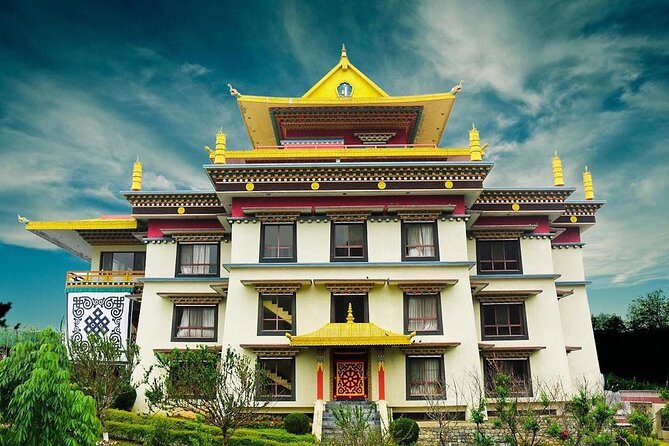
Pharping Monastery is the heart of the day. This is where you transition from city noise into Tibetan Buddhist spaces filled with religious art, chanting energy, and that gentle “move slowly” rhythm you only get at working spiritual sites.
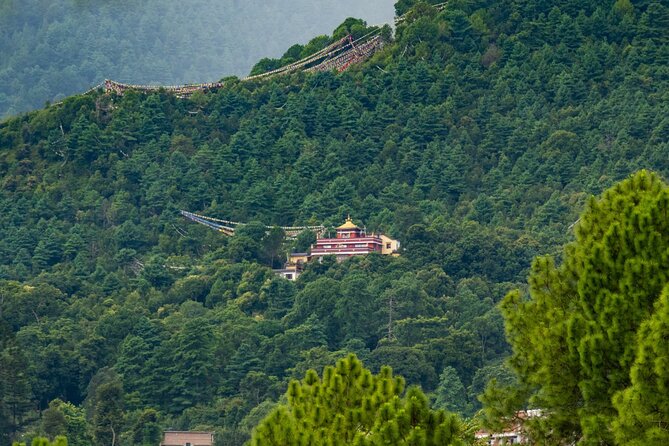
I like this stop because it’s not just sightseeing. You can see and hear how Buddhist practice shows up in everyday details: prayer wheels, monastery architecture, and colorful wall art that helps you understand the stories behind the place. The setting also matters. You’re on the outskirts of the valley with lush hills around you, and that gives you a sense of distance from Kathmandu even before you reach the cave.
You’ll typically spend around an hour at the monastery segment (with the total first stop time running longer), and the tour design makes room for your guide to explain what you’re looking at while you take your time. If you’re traveling with a child, this is also often a good first stop because the open spaces and visible art help younger visitors stay engaged.
One small practical point: since entry for the first stop is listed as free, this is a good place to start your day without worrying about adding extra fees mid-trip. If you want to participate more deeply, it’s also common to leave offerings or donations, but those are not included—plan for that only if it fits your comfort level and budget.
Inside Asura Cave / Padmasambhava Yangleshö: what meditation time feels like
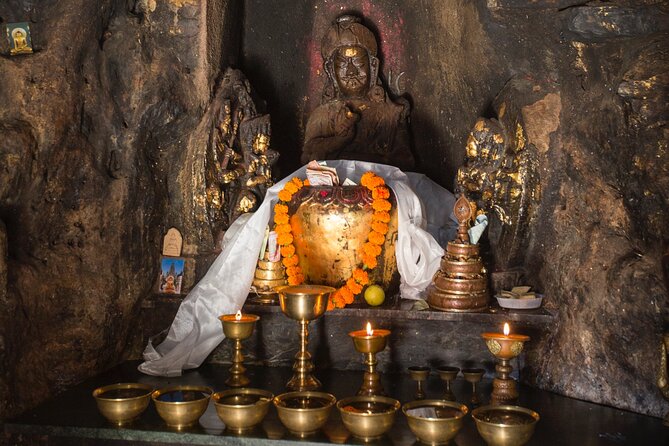
The cave is the reason many people choose this tour. Asura Cave (also connected with Padmasambhava Yangleshö Cave in the tour plan) is linked to Guru Padmasambhava, also known in other contexts as Guru Rinpoche, and the tradition places his meditation here in the 8th century. Even if you’re not a long-time practitioner, the setting helps you understand why this site draws people in.
What you’ll do here is part reflection, part guided context. The tour is designed for self-meditation, with your guide explaining the significance of the place and then giving you time to sit. One highly praised experience specifically mentioned that the guide provided plenty of time to soak it in and meditate, which is exactly what you want in a cave. The worst-case scenario for cave visits is “in, out, next stop.” This is meant to be the opposite.
You might find the cave experience to be quieter and more inward than the monastery. That’s normal. A cave doesn’t need big visuals to be memorable; it’s the atmosphere, the focus, and the instruction that make the difference. Because the plan includes a dedicated cave segment of about an hour, you don’t feel rushed from one moment to the next.
Entry for the cave portion is listed as included in the tour plan. That’s a nice value touch: it helps you keep the day simple and predictable. Do remember that monastery donations or personal expenses are still separate, so bring a little flexibility in your spending.
Your guide and private transport: the difference between a trip and a good day
This tour runs best when your guide helps you connect dots. Several guides were named in past experiences, including Shankar Bhattarai, Dipesh, Deepak, Lok, and Keshar Jung Thapa. Across those reports, a consistent theme shows up: guides explained the history and religious meaning in a way that fit the setting, not just a lecture dump.
I love that the tour offers professional English-speaking guidance, because it’s the key to getting more out of murals, caves, and monastery symbolism. You can stand in front of a prayer wheel without fully understanding what it represents, but with the right explanations, you start noticing small things that make the whole place feel coherent.
Transport also matters here. In one reported tour, the guide and driver combination was credited for making the day smooth, including water provided after pickup and confident handling through Kathmandu traffic. These are the kinds of practical comforts that sound minor until you’re dealing with road chaos and heat.
Because the tour is private, it’s also easier to adjust the pace. One experience noted that the guide could adjust things to include an insightful visit, which is a good sign if you’re the type who likes to ask questions or spend a little extra time on something you care about.
One more consideration: private tours still depend on your energy levels. If you’re the kind of person who wants to keep moving every minute, a meditation-focused day might feel slower than you expect. If you’re okay with quiet time and reflection, this format is a great match.




Price and value for a $60 private day from Kathmandu
At $60 per person, this tour is priced like a budget-friendly spiritual day trip, not a luxury excursion. For that amount, you’re getting hotel pickup and drop-off by a private vehicle, plus a professional English-speaking guide and air-conditioned transport. Taxes are also included.
Here’s how I think about value: if you were to arrange transport on your own, pay an English-speaking guide, and then cover entry fees separately, costs add up quickly. This plan bundles key pieces so your day stays simple. It also comes with a mobile ticket feature, which usually means less hassle on the day itself.
It’s also important that it’s listed as a private tour/activity. Private doesn’t always mean “expensive,” and in this case the structure seems designed to give you the benefits of a custom day without a long, complicated itinerary. Group discounts are included as a feature too, so if you have a friend or two joining you, the per-person value can feel even better.
One place to keep your eyes open: meals are not included, and neither are personal expenses or potential monastery donations. That’s normal for cultural sites, but it does mean you should plan either a snack strategy or budget for a meal afterward.
If you’re comparing options, focus on this question: do you want a guided, meditation-centered route with reliable transport? If yes, the price often feels fair. If you’re simply trying to hit a checklist of sights fast, you might decide another itinerary style fits better.
How to make the most of Pharping and the cave without rushing
This is one of those tours where your mindset affects your experience. The cave portion is built for sitting and self-meditation, so give yourself permission to be a little slower than you usually are while traveling.
A few practical tips that can help:
- Wear comfortable clothes you can sit in, and plan for a quieter, cooler cave moment.
- Bring a small water or snack if you like, since meals aren’t included and your day is about half a day long.
- Keep donations optional. If you feel moved to offer something, treat it as part of the respect for the site, not as a mandatory fee.
Also, take advantage of your guide’s explanations. In past experiences, guides like Shankar Bhattarai were specifically praised for sharing history and religion in a way that worked well for different kinds of visitors, including a nine-year-old traveling with the group. That’s a strong sign the guidance can scale to your pace and attention span.
If meditation is part of your interest, don’t think you have to be “good at it.” The tour’s goal is for you to do self-meditation during the visit, supported by the place’s context and your guide’s direction. Even a short period of mindful sitting can shift your whole day.
Who should book this tour, and who might prefer something else
I think this tour fits best if you want a focused, spiritual day with clear structure. You’ll like it if you care about Tibetan Buddhist sites, want to understand the meaning behind what you’re seeing, and enjoy a calm atmosphere over constant movement.
It can also work well for families. One past tour explicitly included a nine-year-old and was described as enriching and enjoyable throughout. Children must be accompanied by an adult, and that’s consistent with the tour format.
If you’re someone who gets irritated by quiet places or dislikes enclosed spaces, the cave portion might feel challenging. And if you want a big city sightseeing day with lots of different neighborhoods, this won’t match that. This trip is about one sacred corridor: Pharping Monastery and the Asura Cave meditation experience.
Should you book the Kathmandu Pharping Monastery & Asura Cave tour?
Book it if you want a calm, guided Tibetan Buddhist experience with hotel pickup and a real meditation moment built in. The value is strong for the included transport, English-speaking guide, and cave/monastery entry coverage in the provided plan. It’s also the kind of trip that tends to feel more personal when your guide takes time, and past experiences highlighted that exactly.
Skip it if you need a full-day adventure across multiple parts of Kathmandu or if meditation-focused time doesn’t fit your travel style. Also consider your comfort level with caves—because this tour puts the cave at the center, not at the margins.
FAQ
How long is the Pharping Monastery and Asura Cave meditation tour?
It’s listed as about 5 to 6 hours total.
Is hotel pickup and drop-off included?
Yes. Hotel pickup and drop-off by a private vehicle are included.
Do I need to pay admission fees?
Admission for the monastery stop is listed as free, and admission for the Padmashambhava Yangleshö Cave stop is listed as included. Donations for the monastery are not included.
What kind of transportation do I get?
You’ll use a private vehicle with air conditioning.
Is this a private tour or shared with other people?
This is private. Only your group will participate.
Is the guide available in English?
Yes. The tour includes a professional English-speaking tour guide.
Is meditation included, or is it just sightseeing?
Self-meditation time is part of the experience at Asura Cave.
Are meals and drinks included?
No. Meals and drinks are not included.
Can children join the tour?
Children can participate, but they must be accompanied by an adult.
What is the cancellation policy?
Free cancellation is available up to 24 hours in advance for a full refund. If you cancel less than 24 hours before the start time, the amount paid is not refunded.
More Tours in Kathmandu




More Tour Reviews in Kathmandu




Just Reviewed in Kathmandu
- Mountain Bike Tour
★ 5.0 · 3 reviews - Annapurna Panaroma
★ 5.0 · 3 reviews - Mount Everest Scenic Flight 50 Minutes
★ 5.0 · 3 reviews - Kathmandu : Swambhunath & Durbar Square Guided Half Day Tour
★ 3.3 · 3 reviews - Chandragiri Cable Car & Monkey Temple Tour – Private/Group
★ 5.0 · 3 reviews - Kathmandu: Shivapuri National Park Hiking Day Trip
★ 3.3 · 3 reviews
Yoga & Meditation Retreats, compared.
 ★ 5.0500 hours Advanced Yoga Teacher Training at Nepal Yoga Home (Every 1st of month)From $2,506185 reviews
 ★ 5.0200 Hours Yoga Teacher Training at Nepal Yoga Home (starts on 1st of everymonth)From $2,000125 reviews
 ★ 4.82 Stupas and Kopan Monastery Spiritual TourFrom $6115 reviews
 ★ 5.03 night 4 Day Yoga & Ayurveda Retreat to Detox the Body & Mind, NepalFrom $30037 reviews
 ★ 5.021 days Himalayan yoga retreat in Nepal in KathmanduFrom $1,28228 reviews
 ★ 5.010 Days Ayurveda & Yoga Retreat in Kathmandu, NepalFrom $1,00024 reviews
 ★ 5.0Everest Base Camp Yoga Trek – 15 DaysFrom $1,69920 reviews
 ★ 5.021 Day Ayurveda & Yoga Retreat in the Himalayan country, NepalFrom $2,10019 reviews
Browse the lists this tour appears in