

Review · KATHMANDU CITY SIGHTSEEING TOURS
Kathmandu Valley Full Day Sightseeing Tour
Kathmandu Valley in one day feels like a shortcut through centuries. You get a tight route to four standout UNESCO-linked sites, each with its own spiritual vibe and architectural style. The best part is how the route is paced, with time to actually look—not just hop out for photos.
I especially like the door-to-door hotel pickup/drop-off and the fact that you travel in a private car for the city loop. I also love that the experience leans on storytelling guides—people have specifically praised guides such as Himal and Avi for making the history feel human.
One thing to think about: the tour price does not cover monument entry fees, and a tour guide fee ($30 per booking) is listed separately. So if you want full guidance at every stop, budget a bit more than $45.
In This Review
- Key highlights you should know
- Why Kathmandu Valley in One Day Works (and when it won’t)
- Stop 1: Swayambhunath, Monkey Temple Views and a Shared Spiritual Space
- Stop 2: Pashupatinath Temple in Late Afternoon Light
- Stop 3: Boudhanath Stupa, Big Scale and Tibetan Buddhist Culture
- Stop 4: Patan Durbar Square, Newar Architecture and Intricate Woodwork
- Price and Logistics: What $45 Gets You (and what can add up)
- Getting the Most From the Guide (Avi, Himal, and storytelling that helps)
- Timing Tips: How to Stay Comfortable on a 5 to 7 Hour Loop
- Who This Tour Fits Best
- Should You Book This Kathmandu Valley Full Day Tour?
- FAQ
- How long is the Kathmandu Valley Full Day Sightseeing Tour?
- What sites are included in the day?
- Do I get hotel pickup and drop-off?
- Is this tour private?
- How much does the tour cost?
- Is a tour guide included in the price?
- Are admission tickets included for the monuments?
- Do I receive a mobile ticket?
- How far in advance should I book?
- What is the cancellation policy?
Key highlights you should know
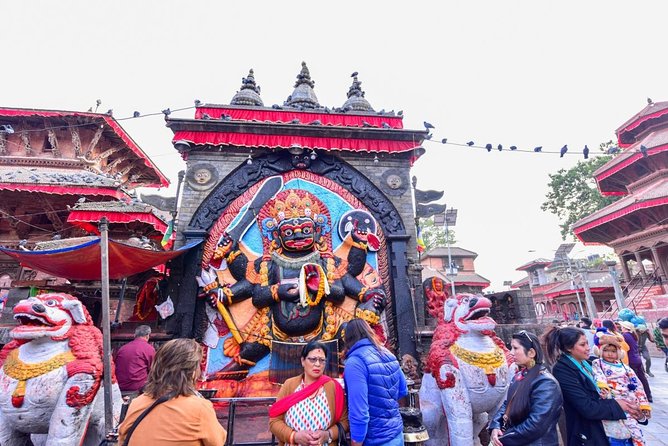
- Swayambhunath hilltop start: A classic Monkey Temple viewpoint with both Hindu and Buddhist worship in the mix.
- Pashupatinath timing: Late afternoon visit after lunch gives you a slower, more reflective pace.
- Boudhanath as a UNESCO-listed mega-stupa: Big scale, Tibetan Buddhist center, and easy to enjoy even on a tight schedule.
- Patan Durbar Square details: Newar architecture and intricate woodwork in a UNESCO World Heritage Site setting.
- Private car + your group only: No weaving through strangers if you’re booking this as a private activity.
- Guide costs are separate: Entry fees and the optional tour guide add-on can affect your final total.
More full days, well spent
- Kathmandu: Full Day 7 UNESCO Tour with Lunch – Private/Group★ 5.0 · 415 reviews
- Kathmandu: Full Day Top 4 UNESCO Tour with Lunch – Private/Group★ 5.0 · 269 reviews
- Kathmandu: Full-Day 7 UNESCO Tour with Lunch – Private/Group★ 4.9 · 247 reviews
- Kathmandu: Full Day 7 UNESCO Tour with Lunch – Private/Group★ 5.0 · 101 reviews
Why Kathmandu Valley in One Day Works (and when it won’t)
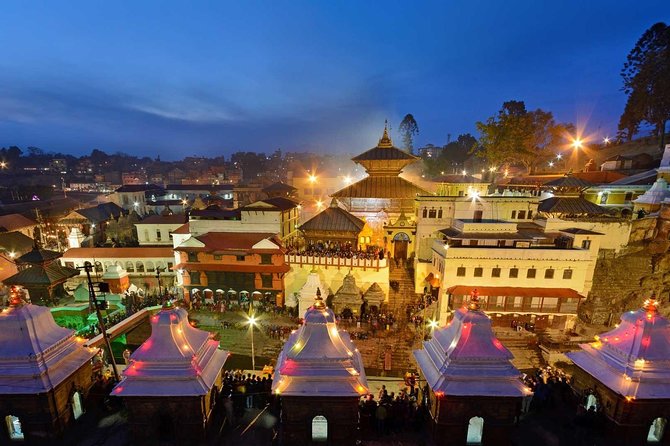
Kathmandu Valley is one of those places where the “where” matters as much as the “what.” This tour strings together four major stops that each represent a different thread of Nepal’s religious and artistic life. In about 5 to 7 hours, you get Swayambhunath, Pashupatinath, Boudhanath, and Patan Durbar Square—enough to understand the Valley without turning your day into a blur.
If you’re visiting Kathmandu with limited time, I like how this plan builds in travel time between sites and keeps you from negotiating buses or taxis while you’re figuring out directions. Hotel pickup and drop-off also reduces stress. You start clean, you end back where you began, and you can focus on what’s in front of you.
That said, this is still a packed day. You’ll be on the move, and you’ll spend more time walking around the sites than sitting back. If you’re the type who wants long museum-style pacing, you may feel the schedule squeeze. This tour is best for people who like structure and want the highlights without major detours.
Stop 1: Swayambhunath, Monkey Temple Views and a Shared Spiritual Space
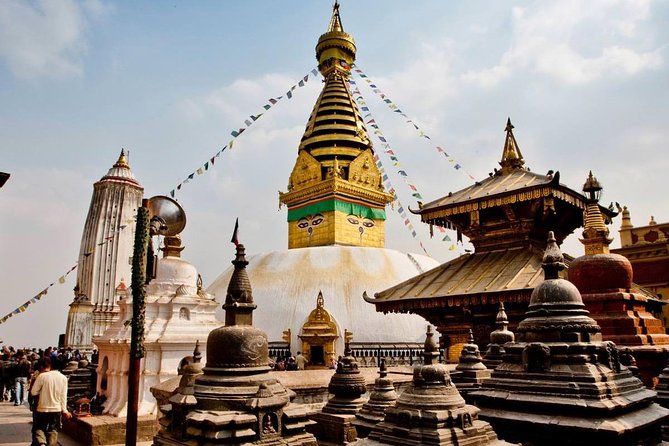
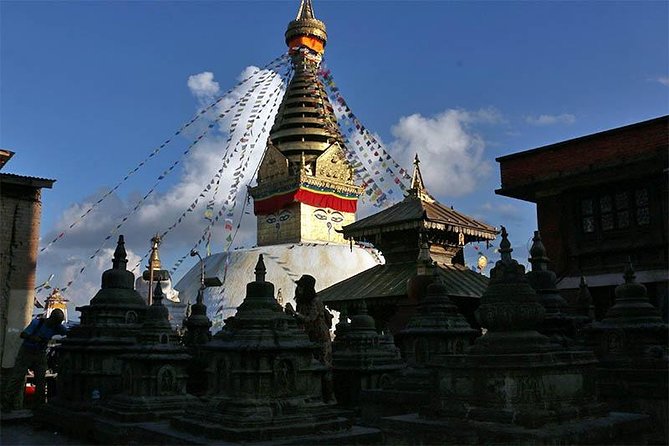
Your first stop is Swayambhunath (Monkey Temple), traveling toward the western part of the Valley. It’s described as one of the oldest shrine sites in the country, and what I find compelling is the shared devotion: Hindus and Buddhists both attend here. That mix changes how you notice the place. You’re not looking at one-sided symbolism; you’re watching how multiple traditions live side by side in the same holy landscape.
The tour notes it’s a hilltop site with panoramic views over the Valley. Even if you’ve seen photos, the viewpoint is what makes Swayambhunath feel special. You get a sense of Kathmandu Valley as a whole—how neighborhoods nest together, how the city spreads, and how the sacred site sits above it.
Timing matters here too. The itinerary lists about 1 hour at Swayambhunath. That’s long enough to take your time at key vantage points, watch devotees and visitors moving through the space, and absorb the details without rushing through the whole hilltop experience.
A practical consideration: you should expect a bit of climbing because it’s up on a hill. Plan to wear shoes that work well on stone or uneven surfaces, and dress in a way that fits temple spaces comfortably.
Stop 2: Pashupatinath Temple in Late Afternoon Light
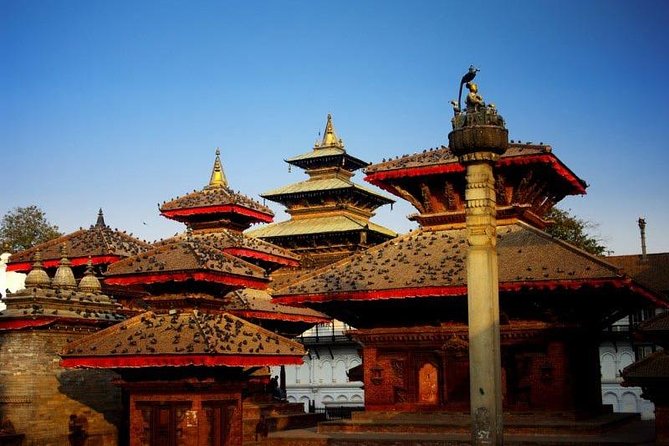
After your morning stop, the tour takes you toward lunch, then you head to Pashupatinath Temple in the late afternoon. This is positioned as one of Nepal’s most significant Hindu temples, and the idea of arriving later in the day is smart. Late afternoon tends to feel more reflective, and the crowds often shift from midday momentum to a calmer rhythm.
The itinerary gives 2 hours here, which is useful because Pashupatinath isn’t just a quick photo stop. It’s a sacred place where you’ll notice how worship is practiced and how people gather with purpose. Even if you’re not a scholar of Hindu rituals, you can read the atmosphere: devotion, daily routines, and the way the temple area anchors spiritual life.
One caution for your expectations: the tour lists admission ticket notes as free for monument stops, but the overall package states entry fees for monuments are not included. That mismatch can happen depending on what counts as an entry fee on the day or which areas require paid access. I’d plan with a small budget buffer for potential entrance costs so you don’t get surprised at the gate.
If you want to get the most from Pashupatinath, ask your guide—or your driver if you didn’t add a guide—to explain what you’re seeing. The overview highlights guides as storytellers, and that’s exactly the difference between looking at a temple and understanding what you’re seeing.
Stop 3: Boudhanath Stupa, Big Scale and Tibetan Buddhist Culture
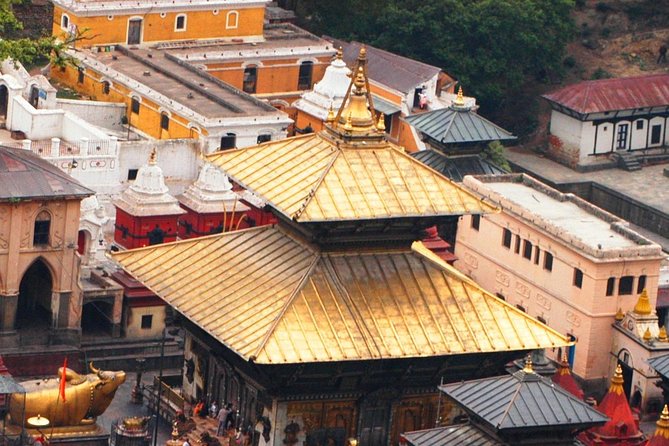
From Pashupatinath, you drive north-east to Boudhanath Stupa, described as the biggest stupa in Nepal and also listed as UNESCO World Heritage. If you’ve only ever seen smaller stupa models or temple photos, this one hits differently because of sheer presence. Scale changes your sense of how sacred spaces are meant to be experienced. Here, you don’t just glance—you feel the space around the stupa.
The tour also notes Boudhanath as a center of Tibetan Buddhism. That matters because it affects what you notice: how people move through the area, the visual language of prayer and devotional practice, and the rhythm of the place compared with a Hindu temple setting.
You get about 1 hour at Boudhanath. In a day like this, that’s a good length: long enough to walk around key viewpoints and watch devotional activity, short enough that you’re not exhausted before the last stop.
If you’re sensitive to crowd flow, Boudhanath can be active. Go in expecting more people than at quieter corners of the Valley. The upside is that the energy is part of the experience. You’re observing living faith, not a staged site.




Stop 4: Patan Durbar Square, Newar Architecture and Intricate Woodwork
Your final stop is Patan Durbar Square, located in the ancient city of Patan. This is another UNESCO World Heritage site, and it’s described as known for stunning architecture and intricate woodwork.
I like Patan after the temple stops because it shifts your attention from spiritual atmosphere to artistic craftsmanship and urban history. The square format also helps: it’s easy to orient yourself, and you can spend your time looking upward at details without needing a long walking circuit.
The itinerary lists about 1 hour at Patan Durbar Square. That’s usually enough time to catch the main architectural features, understand the layout, and notice the kind of ornate work that makes this area worth slowing down for.
Just like at the earlier sites, the same admission fee caution applies. The stop notes say admission tickets are free, but the package says monument entry fees are not included. If Patan requires any specific paid entry for certain sections, you’ll want to be prepared.
Price and Logistics: What $45 Gets You (and what can add up)
The listed price is $45.00 per person, typically booked about 7 days in advance, and the tour runs about 5 to 7 hours. For Kathmandu Valley, this price can represent good value because you’re paying for the full city loop by private car plus hotel pickup and drop-off.
Here’s how I’d think about value:
- If you’re self-arranging, you’d still spend money on transport, and coordinating timing across four major sites is work.
- This tour reduces that work. You get a planned route and a driver handling the in-between time.
- The time efficiency matters because Kathmandu traffic can be unpredictable.
But there are two separate cost items you should plan around:
- Entry fees for monuments are not included.
- Tour guide fee is $30 per booking.
So if you want a fully guided, explanation-heavy day, your final spend may end up higher than $45. If you’re comfortable moving through religious and historical sites on your own, the car + route alone may still be worth it.
One more detail: the tour includes mobile ticket and group discounts, and it’s run as a private tour/activity where only your group participates. That private-group setup can be a big deal if you’d rather not share your day with strangers who move at a different pace.
Getting the Most From the Guide (Avi, Himal, and storytelling that helps)
The tour description emphasizes guides as storytellers, and the best proof shows up in how people talk about certain guides by name. In particular, Himal is described as very helpful, and Avi is praised as a good guide. That matters because Kathmandu’s sites are layered. Without explanation, you can miss the why.
A good guide will help you connect the dots:
- Why Swayambhunath is meaningful to both Hindus and Buddhists.
- What makes Pashupatinath central in Hindu devotion.
- How Boudhanath’s Tibetan Buddhist identity shapes the space.
- Why Patan Durbar Square’s architecture and woodwork reflect Newar craft traditions.
If you’re booking the tour and you want maximum understanding, ask about the guide option ahead of time. Since the tour guide fee is listed separately, you’ll want clarity on how guidance works during your tour day.
Also, one nice example from real-world experience: the team helped arrange an extra visit to Sangyechhoeling Monastery for Losar, even though it wasn’t part of the standard itinerary. That tells you they may be flexible if the timing and calendar align—so if your dates match a holiday, ask. It’s the kind of chance you don’t get on rigid, one-size-fits-all tours.
Timing Tips: How to Stay Comfortable on a 5 to 7 Hour Loop
This tour is short enough to fit into a travel schedule, but it still covers four distinct areas of the Valley. Your comfort will depend on how you prepare.
Here are practical ways to make it smoother:
- Wear breathable layers. Kathmandu mornings and evenings can feel cool, but you’ll still be walking around multiple sites.
- Bring something for water and quick snacks if you tend to get hungry between stops. The itinerary mentions lunch after Pashupatinath, but timing can vary in real life.
- Keep a bit of cash for any monument entry surprises, since the package lists entry fees as not included.
And remember, late afternoon at Pashupatinath is a feature, not an accident. It’s timed to give you a more reflective visit window. If you arrive tired, you’ll feel it. If you arrive ready, it’s a memorable part of the day.
Who This Tour Fits Best
This Kathmandu Valley Full Day Sightseeing Tour fits best if you:
- Want major highlights without planning a transport puzzle across the Valley.
- Like a structured route and don’t want to guess timing between religious sites.
- Prefer traveling as a private group in a car with pickup/drop-off.
- Value explanation, especially if you want help understanding why each site matters.
It’s less ideal if you:
- Need lots of downtime and dislike tightly scheduled days.
- Want a slow, museum-like experience where you sit and linger for hours in one place.
The route itself is a strength. You’re not stuck in one neighborhood. You see how sacred sites connect across the Valley—from hilltop views to temple grounds to a massive stupa and then back into Newar craft and architecture.
Should You Book This Kathmandu Valley Full Day Tour?
I’d book it if your goal is to understand Kathmandu Valley quickly and meaningfully, with transport handled and a route that hits Swayambhunath, Pashupatinath, Boudhanath, and Patan Durbar Square in one day. The pickup/drop-off and private-car approach makes it feel organized, not chaotic.
I’d also book it if you’re the kind of traveler who enjoys being guided through meaning. People have specifically praised guides such as Himal and Avi, and that kind of storytelling can turn a list of sites into a coherent day.
Just go in with two expectations straight: monument entry fees may cost extra, and the tour guide add-on is priced separately. If you plan for those, this becomes a solid-value way to see the Valley without spending your day stuck in logistics.
FAQ
How long is the Kathmandu Valley Full Day Sightseeing Tour?
It runs about 5 to 7 hours.
What sites are included in the day?
The itinerary includes Swayambhunath, Pashupatinath Temple, Boudhanath Stupa, and Patan Durbar Square.
Do I get hotel pickup and drop-off?
Yes. Hotel pickup and drop-off for sightseeing are included.
Is this tour private?
Yes. It’s listed as a private tour/activity where only your group participates.
How much does the tour cost?
The price is $45.00 per person.
Is a tour guide included in the price?
A tour guide during the city tour is listed as not included, with a $30.00 fee per booking.
Are admission tickets included for the monuments?
Monument entry fees are listed as not included.
Do I receive a mobile ticket?
Yes. The tour includes a mobile ticket.
How far in advance should I book?
On average, this tour is booked 7 days in advance.
What is the cancellation policy?
You can cancel for free up to 24 hours in advance for a full refund.
A Full Day, Well Spent

More Tours in Kathmandu



More Tour Reviews in Kathmandu




Just Reviewed in Kathmandu
- Mountain Bike Tour
★ 5.0 · 3 reviews - Annapurna Panaroma
★ 5.0 · 3 reviews - Mount Everest Scenic Flight 50 Minutes
★ 5.0 · 3 reviews - Kathmandu : Swambhunath & Durbar Square Guided Half Day Tour
★ 3.3 · 3 reviews - Chandragiri Cable Car & Monkey Temple Tour – Private/Group
★ 5.0 · 3 reviews - Kathmandu: Shivapuri National Park Hiking Day Trip
★ 3.3 · 3 reviews
Kathmandu City Sightseeing Tours, compared.
 ★ 5.0Kathmandu Private Sightseeing Tour | UNESCO World Heritage SitesFrom $35109 reviews
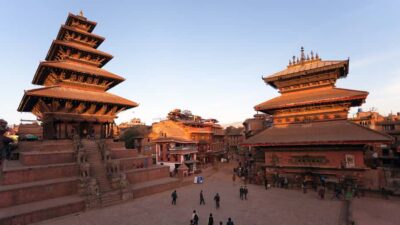 ★ 4.7Private Patan and Bhaktapur Sightseeing TourFrom $4964 reviews
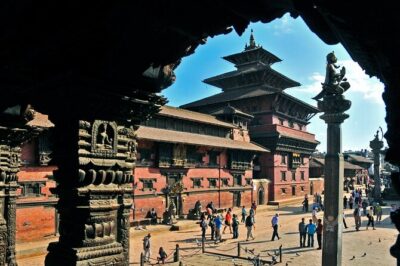 ★ 5.0Kathmandu Highlights: Private UNESCO World Heritage Sites TourFrom $4950 reviews
 ★ 5.0Explore Kathmandu in 2 Days: UNESCO Sites & Nagarkot Sunrise TourFrom $10037 reviews
 ★ 5.01 Day Kathmandu Valley Sightseeing TourFrom $3537 reviews
 ★ 5.04 UNESCO City Sightseeing in KathmanduFrom $5036 reviews
 ★ 5.0Full Day Kathmandu City Sightseeing Tour of UNESCO Heritage SitesFrom $5036 reviews
 ★ 5.0Private Full-Day Kathmandu All 7 UNESCO World Heritage Sites TourFrom $8030 reviews
Browse the lists this tour appears in