
Review · KATHMANDU CITY SIGHTSEEING TOURS
Traditional Kathmandu Day Tour with History and Mystery
Kathmandu feels quieter once you leave the main roads. This traditional day tour strings together Kirtipur’s Newar lanes, Taudaha Lake’s calm shoreline, and Bagmati River myths, all guided with a history-and-mystery style of storytelling. I love the way it balances temples with real village life, and I also like the friendship tour setup that helps you chat with other international travelers even if you’re traveling solo. One thing to plan for: entrances, bottled water, and meals are not included, so bring cash and a refill-ready bottle.
It runs daily and caps at 30 travelers, so you get a manageable group size and the guide can actually talk through what you’re seeing. You’ll use a mobile ticket, start at 9:45 am from Leknath Marg, and ride between spots in an air-conditioned vehicle. If you’re sensitive to uneven steps and narrow alleys, know that some stops involve short walks on local paths.
In This Review
- Key points at a glance
- Why this route feels more like Kathmandu Valley than a checklist
- Morning in Kirtipur: Bagh Bhairab Temple and Chilancho Bahal
- Stop 1: Bagh Bhairab Temple (about 30 minutes)
- Stop 2: Chilancho Bahal (about 1 hour)
- Khokana and Bungamati: Newar culture, craft work, and temple ponds
- Stop 3: Khokana bus park (about 1 hour)
- Stop 4: Bugmati Museum and Macchendranath Temple (about 1 hour)
- A small consideration for both Khokana and Bungamati
- Manjushree Park and the Bagmati River gorge: caves, myths, and water
- Taudaha Lake: peaceful walking, winter ducks, and the legend of Karkotatk Naag
- What you do here (about 1 hour)
- The cultural layer: myths and a snake name
- One tip to make this stop better
- Bagmati village and the “mystery thread” between stops
- Price and what $32 buys you in the real world
- Included (and why it’s important)
- Not included (the parts that can add up)
- Group size and comfort value
- When this tour is a great fit
- A fair caution before you book
- Should you book this Traditional Kathmandu Day Tour?
- FAQ
- What is the price of the Traditional Kathmandu Day Tour?
- How long is the tour?
- Where do you meet and when does it start?
- Is the ticket mobile?
- What is included in the tour price?
- What is not included?
- How big is the group?
- Is free cancellation available?
Key points at a glance
- Friendship vibe for solo travelers: built to help you connect with other international guests in one day
- Village life beyond the big sights: Kirtipur, Khokana, and Bungamati give you a quieter Kathmandu Valley view
- Taudaha Lake is more than scenery: winter ducks, fish, and the local snake legend Karkotatk Naag
- Crafts show up in daily routines: Bungamati’s wood carving and mask-making culture is front and center
- Mystery-and-history storytelling: Manjushree Park, old caves, and Bagmati River lore shape how you see the route
- Value watch: $32 is solid, but extras like entrances and water mean you’ll spend more on the day
Deeper into old Kathmandu
- Private Kathmandu Sightseeing Tour | UNESCO World Heritage sites★ 5.0 · 756 reviews
- UNESCO Seven World Heritage Tour in Kathmandu★ 5.0 · 253 reviews
- Nepal Discovery Tour: Heritage Sites & Scenic Hill Easy Hike★ 5.0 · 121 reviews
- Kathmandu Private Sightseeing Tour | UNESCO World Heritage Sites★ 5.0 · 109 reviews
Why this route feels more like Kathmandu Valley than a checklist
Most Kathmandu tours race between UNESCO-name stops. This one takes a more personal approach: it focuses on the working side of the valley—places tied to the Newar community, neighborhood temples, and local legends that don’t fit neatly into a postcard.
That matters, because the “mystery” part isn’t just spooky theater. It’s tied to how people explain the river, caves, and sacred landmarks. When your guide connects the dots—why a temple exists, what a lake means to locals, how a village tradition shapes daily life—you start seeing Kathmandu less like a monument map and more like a living culture.
You’ll also notice the tour’s rhythm. It’s built around several stops with about an hour here or there (plus a shorter temple viewpoint). That keeps you moving without turning everything into a sprint.
Morning in Kirtipur: Bagh Bhairab Temple and Chilancho Bahal
Kirtipur is your gateway to a different Kathmandu. It sits in the foothills just south of the city center, and the tour leans into that by starting with a viewpoint temple and then a Buddhist stop inside the town.
Stop 1: Bagh Bhairab Temple (about 30 minutes)
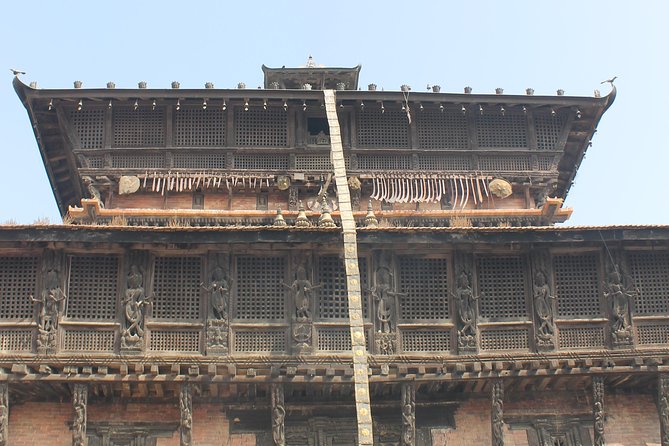
Bagh Bhairab Temple gives you two things at once: a Hindu shrine setting and a chance to look out over the Kathmandu Valley. The guide’s commentary here is key. Kirtipur has plenty of local legends, and this is one of the ways the tour frames the area as more than geography.
Practical note: the stop time is short, so go in ready to look up, look around, and listen. Admission isn’t included, so if you’re trying to budget tightly, expect a small extra cost.
Stop 2: Chilancho Bahal (about 1 hour)
Next comes Chilancho Bahal, a Buddhist temple in Kirtipur. This portion is designed around walking the town: you’ll pass through narrow alleys and also see Uma Maheshwar Temple along the way.
The big value here is atmosphere. Chilancho Bahal isn’t a “look, photo, leave” stop. You’re moving at village speed, where the streets feel used rather than staged. And the admission for this stop is listed as free, which helps the day stay good value.
If you don’t love crowds, this is a smart morning structure. You’re outside the densest tourist traffic, but still surrounded by sacred architecture and everyday life.




Khokana and Bungamati: Newar culture, craft work, and temple ponds
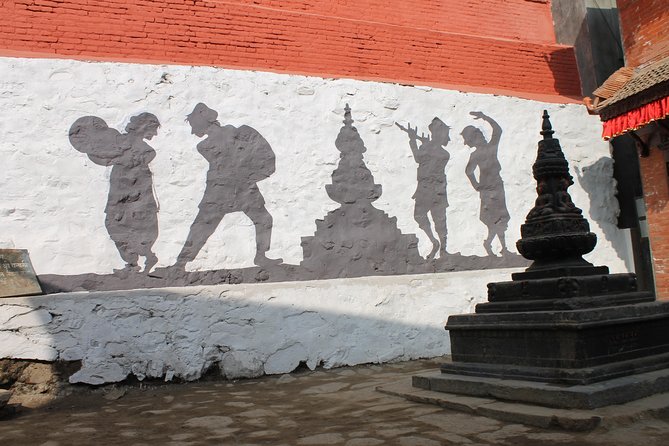
After Kirtipur, the tour pivots to places that feel quieter and more local. Khokana and Bungamati/Bugmati are the kinds of stops that make you realize Kathmandu isn’t only one city—it’s a chain of communities with their own rhythms.
Stop 3: Khokana bus park (about 1 hour)
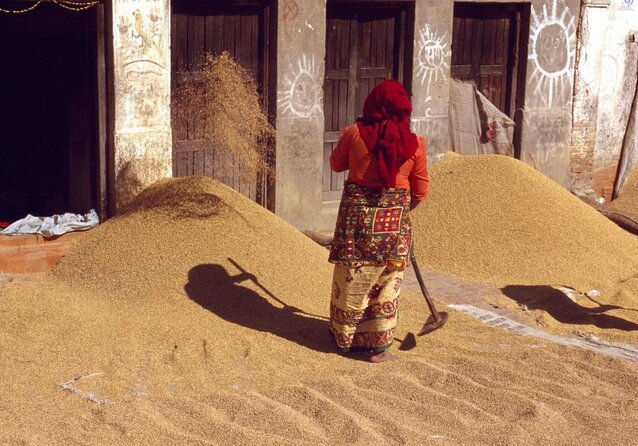
Khokana is presented as a traditional Newar town, and it’s described as less visited than the world heritage sites. The emphasis here is on how people live: traditional houses, local livelihood, and stories tied to the village.
One very specific detail you’ll hear about is the claim that you will not see any chicken in this village. Whether you’re super into cultural rules or just enjoy odd-but-meaningful customs, it’s the type of detail that tells you the guide is paying attention to lived tradition, not just stonework.
Admission is listed as free. That makes this stop a low-cost way to see a “real place,” not just a landmark you pass through.
Stop 4: Bugmati Museum and Macchendranath Temple (about 1 hour)
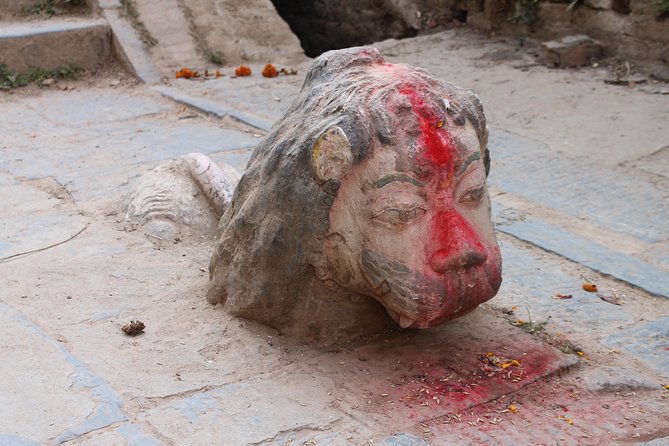
Next is Bungamati Museum (listed as Bungamati/Bugmati Museum) and Macchendranath Temple. This is a craft-and-community stop. You’ll see wood carving traditions, including local mask carving, plus traditional ponds around the area.
This is one of those itinerary moments that helps you understand Kathmandu Valley art as a craft people keep doing—not a thing locked inside a display case. Wood carving and masks make more sense when you can see them in the same spaces where temple life and daily routines happen.
Admission is listed as free for this stop, which again keeps your total day cost closer to the base price.
A small consideration for both Khokana and Bungamati
Because these are community-focused stops, you should treat them like you’re walking through someone’s neighborhood. Keep your phone use respectful, don’t block doorways, and dress in a way that won’t feel jarring at temples.
Also, these stops are shorter (about an hour each). If you’re the type who loves slow browsing, plan to ask the guide for extra context while you’re there, since time won’t stretch forever.
Manjushree Park and the Bagmati River gorge: caves, myths, and water
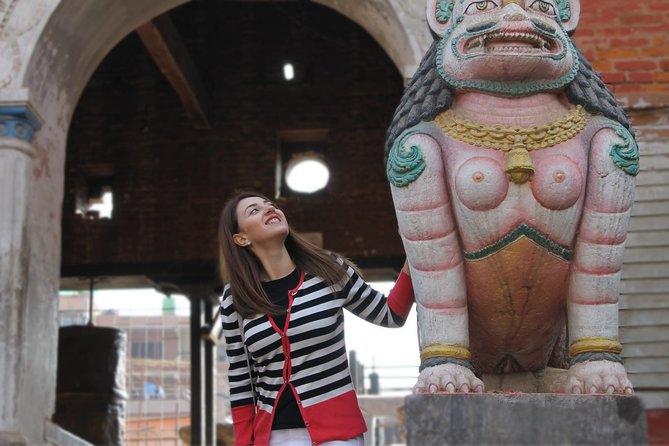
The tour description points to Manjushree Park next, tied to old caves and the Bagmati River area (including a gorge-like setting). Even if you arrive expecting views, don’t skip the guide’s explanation here.
Why this matters: in Kathmandu Valley, water isn’t just scenery. The Bagmati River is tied to daily life, rituals, and how locals interpret the landscape. Old caves and sacred parks add another layer—people treat places like this as stories you can walk into.
This stop is where the “mystery” theme is most obvious. If you like local explanations—why a place feels significant, what legends say about it—this is likely to be one of your favorite parts of the day. If you prefer straightforward facts and minimal folklore, you may still enjoy it, but go in treating it as cultural storytelling, not a puzzle you’re expected to solve.
Taudaha Lake: peaceful walking, winter ducks, and the legend of Karkotatk Naag
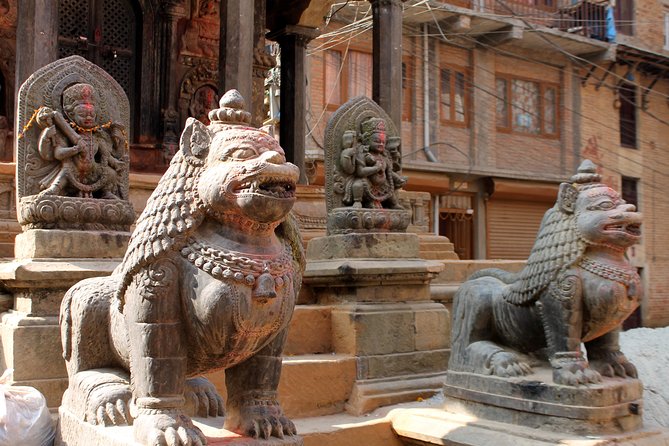
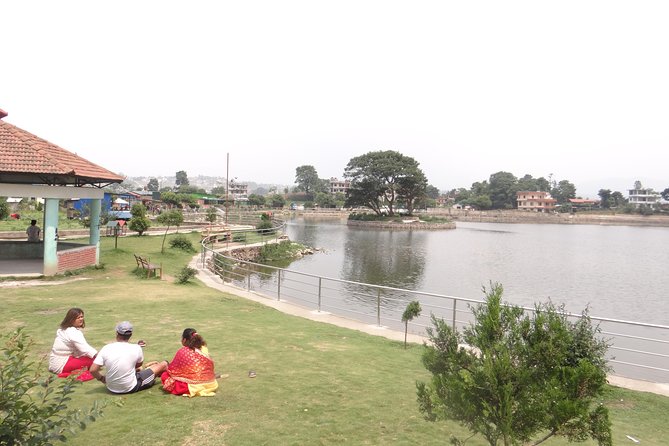
Taudaha Lake is the tour’s reset button. It’s located about 10 km south of Kathmandu, and the experience here is described as calm, scenic, and gently interactive.
What you do here (about 1 hour)
The highlight is a walk around the lake. You’ll get plenty of peaceful moments, plus practical nature time: there are plenty of fish in the lake, and you can feed them.
In winter, Siberian ducks are noted as visiting for migration. That gives this stop a seasonal hook. If you’re visiting during cooler months, you’ll have a better chance of seeing birds than if you’re there in warmer seasons.
The cultural layer: myths and a snake name
Taudaha is also described as having interesting myths and beliefs among locals, including a popular snake called Karkotatk Naag. Whether you treat the legend literally or just enjoy it as folklore, the tour’s storytelling helps the lake feel like a place with meaning, not just a pretty loop.
Admission for Taudaha isn’t included. So yes, budget a little extra. On the plus side, you don’t need long-distance transport within the day to get something different—this is a direct shift from village lanes to water and birds.
One tip to make this stop better
Bring water shoes or be ready for uneven lake-edge paths. Even if the walking is described as peaceful, lake edges can be slick or rocky. And since bottled water isn’t included, make sure you’re hydrated before this portion.
Bagmati village and the “mystery thread” between stops
After Khokana, the tour description also includes Bagmati village and ties it into the mystery narrative. This is part of what makes the itinerary feel like a story arc rather than a list of separate landmarks.
What you’re looking for here is connection: how the Bagmati River area shows up again and again in the tour’s explanations. When places are linked by legend and ritual, you understand why locals might care so much about a small roadside shrine, a park, or a cave entrance.
In practical terms, these “in-between” moments can feel subtle. You might spend less time in one single spot and more time absorbing the guide’s framing. If you tend to get restless with slower story stops, you’ll still probably enjoy it, because it supports the more concrete highlights like temple architecture and the lake walk.
Price and what $32 buys you in the real world
At $32 per person, this tour is priced in the budget-to-midrange zone for Kathmandu Valley experiences. The key is what’s included—and what isn’t—because that’s where value usually wins or loses.
Included (and why it’s important)
- Air-conditioned vehicle: great for Kathmandu’s traffic and warm days
- English-speaking licensed tour guide: you’re paying for context, not only transportation
- Service charges and taxes included: fewer surprises at checkout
Not included (the parts that can add up)
- Entrances/tourist entry tickets: some stops are free, some are not
- Bottled water
- Meals/drinks
This matters because your “true” day budget might be a bit higher once you add entrances and food. You can still get good value, but don’t assume the entire day is pay-once.
Group size and comfort value
With a maximum of 30 travelers, you should generally be able to hear your guide. It also keeps the tour from feeling like a huge bus-and-run operation. Still, you’ll want to stay patient: narrow alleys and walking sections mean you’ll move as a group.
When this tour is a great fit
I think this tour is a strong choice if you want:
- a guided, story-led day rather than a photo-only route
- local Newar culture with specific places like Kirtipur, Khokana, and Bugmati Museum
- a chance to meet other people, especially if you’re solo and don’t want to spend the day hopping alone in taxis
It also fits well if you enjoy mixing sacred spaces (temples, bahals) with everyday cultural stops (craft traditions, ponds, village life).
A fair caution before you book
Here’s the honest part: I’d verify that the tour you’re booking is actually operating on your date. There’s at least one case where a booking was reported as not existing, which is the kind of mismatch you want to avoid on a time-limited trip.
That doesn’t mean the tour is always unreliable, but it does mean you should plan like a traveler: confirm your exact schedule after booking, and keep some buffer in your Kathmandu day plan.
Also, since meals aren’t included, don’t leave it to chance. If you tend to get hungry mid-walk, bring a snack or plan what you’ll eat before the tour starts or after it ends back at the meeting point.
Should you book this Traditional Kathmandu Day Tour?
If you want a Kathmandu Valley day that focuses on villages, temples, and local legends—not just the big-name sights—this is a pretty good bet for the price. The mix of Kirtipur’s temple viewpoints, Chilancho Bahal’s alley walk, craft culture at Bugmati Museum, and the calm Taudaha Lake loop is a balanced day.
Book it if:
- you like culture you can walk through, not just buildings to view from a distance
- you’re okay paying a bit extra for entrances and keeping snacks/water in mind
- you want a group setting that helps you not feel alone
Consider skipping (or double-checking carefully) if:
- you need strict predictability down to the exact day-of operation
- you’re not interested in mystery folklore as part of the guide’s storytelling
FAQ
What is the price of the Traditional Kathmandu Day Tour?
The price is listed at $32.00 per person.
How long is the tour?
It’s listed as lasting about 5 to 7 hours.
Where do you meet and when does it start?
The tour starts at Leknath Marg, Kathmandu 44600, Nepal, and the start time is 9:45 am. It ends back at the meeting point.
Is the ticket mobile?
Yes, the tour includes a mobile ticket.
What is included in the tour price?
Included items are an air-conditioned vehicle, a government certified licensed English-speaking tour guide, and all service charges and taxes.
What is not included?
Not included are entrances or any tourist entry tickets, bottled water, and any meals or drinks.
How big is the group?
The tour has a maximum of 30 travelers.
Is free cancellation available?
Yes. You can cancel up to 24 hours in advance for a full refund.
The Old Kathmandu, Properly Toured


More Tours in Kathmandu



More Tour Reviews in Kathmandu




Just Reviewed in Kathmandu
- Mountain Bike Tour
★ 5.0 · 3 reviews - Annapurna Panaroma
★ 5.0 · 3 reviews - Mount Everest Scenic Flight 50 Minutes
★ 5.0 · 3 reviews - Kathmandu : Swambhunath & Durbar Square Guided Half Day Tour
★ 3.3 · 3 reviews - Chandragiri Cable Car & Monkey Temple Tour – Private/Group
★ 5.0 · 3 reviews - Kathmandu: Shivapuri National Park Hiking Day Trip
★ 3.3 · 3 reviews
Kathmandu City Sightseeing Tours, compared.
 ★ 5.0Kathmandu Private Sightseeing Tour | UNESCO World Heritage SitesFrom $35109 reviews
 ★ 4.7Private Patan and Bhaktapur Sightseeing TourFrom $4964 reviews
 ★ 5.0Kathmandu Highlights: Private UNESCO World Heritage Sites TourFrom $4950 reviews
 ★ 5.01 Day Kathmandu Valley Sightseeing TourFrom $3537 reviews
 ★ 5.0Explore Kathmandu in 2 Days: UNESCO Sites & Nagarkot Sunrise TourFrom $10037 reviews
 ★ 5.0Full Day Kathmandu City Sightseeing Tour of UNESCO Heritage SitesFrom $5036 reviews
 ★ 5.04 UNESCO City Sightseeing in KathmanduFrom $5036 reviews
 ★ 5.0Private Full-Day Kathmandu All 7 UNESCO World Heritage Sites TourFrom $8030 reviews
Browse the lists this tour appears in