
Review · WALKING TOURS
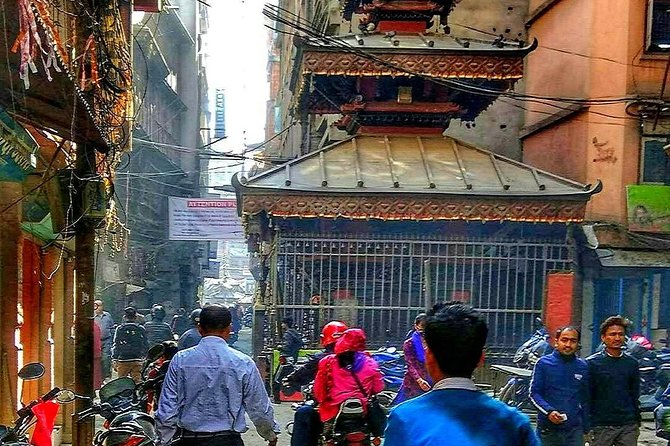
Walking tour of real Kathmandu through back streets.
Kathmandu’s lanes have stories in every corner. This walking tour through real neighborhoods links everyday city life with big-name landmarks—starting from the Garden of Dreams area and sweeping you through places like Ason bazar and the Kathmandu Durbar Square complex. Two things I like a lot are the way it mixes daily market energy with temple-courtyard calm, and the fact that you’re not just staring at monuments—you’re learning what you’re looking at as you walk. One watch-out: entrance fees are not included, so you may need to budget a bit extra depending on what you enter.
You’ll spend about 3 to 4 hours with a licensed guide, and it runs only in the daytime window listed on the schedule. That’s great for seeing street life with clear light, but it also means you’ll want good walking shoes and a bit of flexibility if crowds or weather slow things down. If the weather is rough, the tour may be changed or refunded, since it requires good conditions.
In This Review
- Key things you’ll notice on this walk
- Why this Kathmandu route works (and why it feels different)
- Meeting at Garden of Dreams: start calm, then hit the city
- Ason bazar: the everyday super market of Kathmandu
- Kathmandu Durbar Square: temples, courtyards, and the big symbolism
- Kumari temple and Hanuman Dhoka: where timing can add a wow moment
- Indra Chowk and Freak street: the famous side of Kathmandu
- Working with Anil Manandhar: the guide factor that makes the day click
- Price and value: $68 per group, up to 10 people
- What to expect during the walk (and how to prep)
- Possible drawbacks to consider before you book
- Should you book this back-street Kathmandu walking tour?
- FAQ
- Where does the walking tour start?
- How long is the tour?
- What is included in the price?
- Are entrance fees included?
- Is this tour private or shared?
- How large is the group?
- What are the tour hours?
- What happens if weather is bad?
- What is the cancellation policy?
Key things you’ll notice on this walk
- Back streets, not a sightseeing checklist: you’ll see how locals move through the city day to day.
- Ason bazar and Durbar Square together: market sights pair well with temples, courtyards, and palace areas.
- Multiple faith sites in one route: Buddhist and Hindu landmarks show Kathmandu’s layered culture.
- Kumari temple and Hanuman Dhoka: you’re walking through the zones people actually associate with living traditions.
- Indra Chowk and Freak street: you get the famous city “side streets” feel, not just the formal squares.
- Entrance fees not included: plan for tickets on site if you want to go inside.
Kathmandu at walking pace, more routes
- Kathmandu Food and Drink Walking Tour★ 5.0 · 266 reviews
- Kathmandu: Food and Drink Walking Tour★ 4.9 · 119 reviews
- Walking Street Food Tour in Kathmandu★ 5.0 · 111 reviews
- Walking Food Tour in Hidden Local Eateries of Kathmandu★ 5.0 · 40 reviews
Why this Kathmandu route works (and why it feels different)
Kathmandu can be overwhelming fast. Big squares, bright temples, too many signs, and sudden traffic. This tour helps you get your bearings by slowing the pace and routing you through neighborhoods where life is happening right now.
I like that the focus stays on day-to-day culture rather than turning every stop into a lecture. You’re guided through the context—Buddhist and Hindu spaces, public courtyards, and market streets—so you can connect what you see to how people live nearby. And since it’s a private tour for your group (up to 10), you’re not getting shuffled around with a busload’s worth of strangers.
One small reality check: this is a walking experience. The streets and steps around old Kathmandu can be uneven. You don’t need hiking boots, but you do need comfortable shoes and a steady pace.
Meeting at Garden of Dreams: start calm, then hit the city
The tour meets at Garden of Dreams on Tridevi Sadak in Kathmandu (44600). That’s a smart place to begin because it’s a smoother transition point before you head into busier lanes.
You’ll also be back at the same meeting point at the end. That matters more than it sounds. In a city like Kathmandu, “ending where you started” makes the rest of your day easier—no last-minute scramble for a ride.
The schedule listed runs daily during the window shown: 9:15 AM to 2:15 PM. The tour itself is about 3 to 4 hours, so you’ll still have time for lunch, a second museum stop, or just wandering at your own pace afterward.
Ason bazar: the everyday super market of Kathmandu
The heart of this walk is Ason bazar, described as the traditional and ancient market place of Kathmandu. Think of it as the city’s open shopping street—where vegetables, groceries, and daily needs move through real trade, not just tourist browsing.
What I find valuable about Ason is how it changes your idea of what “Kathmandu culture” means. It’s easy to focus on temples first. Ason reminds you that the city’s religious identity and daily routine live side by side. Even if you only spend a short time here, you start noticing the patterns: how people buy, how vendors display goods, and how the market connects different parts of town.
A practical note: markets are active. You’ll want to move with the flow rather than stopping suddenly in the narrowest spots. If you’re curious and respectful, you’ll usually get better interactions than if you treat it like a photo shoot.
Kathmandu Durbar Square: temples, courtyards, and the big symbolism
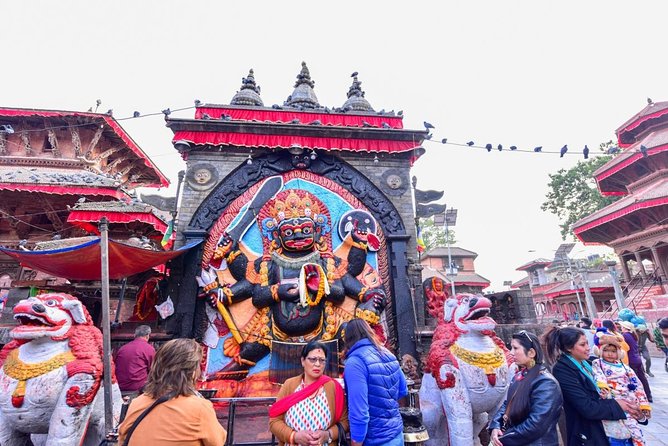
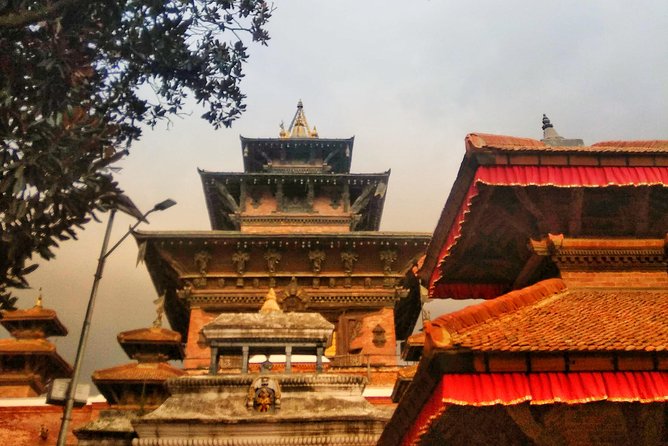
After the market energy, you shift into the more formal world of Kathmandu Durbar Square. This area is packed with layers—Buddhist stupa elements, Hindu temples, public courtyards, and royal-palace related sites.
This is the kind of place where a guide really matters. Without context, it’s just stone, carvings, and rooftops. With a guide, you start seeing how the spaces fit together—how courtyards function, how religious sites sit within daily movement, and why these landmarks are grouped the way they are.
You’ll also hear about key named stops here, including:
- Kumari temple
- Hanuman Dhoka Palace
- Indra Chowk
Each one gives a different flavor of the area. Kumari brings attention to a living tradition. Hanuman Dhoka is tied to royal-political religious identity. Indra Chowk adds the sense that this is not just a monument zone—it’s also part of the city’s rhythms.




Kumari temple and Hanuman Dhoka: where timing can add a wow moment
Two stops here are worth extra attention: Kumari temple and Hanuman Dhoka Palace. The tour framework includes both, so you’ll have time on foot to look around and absorb the vibe.
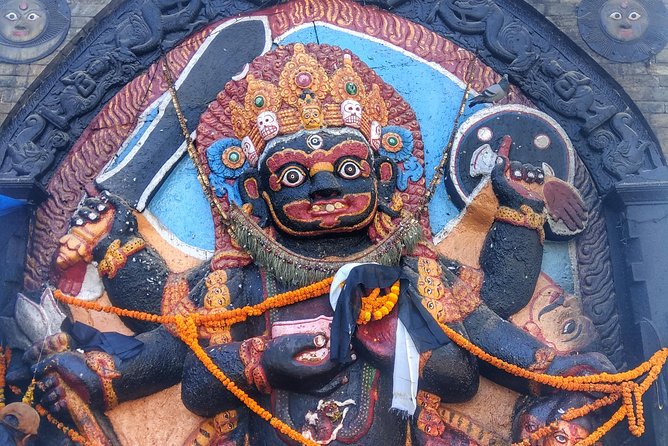
One highlight from the guide’s experience is the chance to see Pachali Bhairav dance at the palace when timing lines up. It’s the kind of moment that turns a sightseeing walk into something more memorable. Since it won’t necessarily happen every day or every hour, treat it as a bonus if it’s underway during your visit. Either way, the palace area is still the center of gravity for the Durbar Square story.
If you love cultural performance and ritual, this stop will likely be a favorite. Even if you’re not hunting for shows, the palace complex helps you understand why Kathmandu is famous for living traditions, not just preserved ruins.
Indra Chowk and Freak street: the famous side of Kathmandu
Between the main square spaces, the route includes Indra Chowk and the famous Freak street. These names matter because they point to Kathmandu’s modern layer: the parts of the city that drew travelers, music, and alternative scenes over the years.
Indra Chowk fits the in-between role—close enough to major landmarks that it feels like part of the same urban fabric, but different in texture. Freak street, on the other hand, adds a sense of Kathmandu as a place where old traditions and travel history overlap.
I like that the tour doesn’t treat the city as only temples and stone. It treats Kathmandu as one continuous place—markets, squares, and side streets all under the same sky. Just remember: these areas can be crowded depending on the day and time. Keep moving with your guide and you’ll get more out of it.
Working with Anil Manandhar: the guide factor that makes the day click
This experience is led by Anil Manandhar, a licensed guide. The reviews you’ll read back up one clear theme: Anil knows his way around, and he explains with real care.
One review calls out Anil’s long experience—32 years as a Nepal travel guide—and that kind of time adds up fast in a city like Kathmandu. You don’t just get names of places. You get the “why” behind what you’re standing in front of: how a market relates to a square, how different faith spaces coexist, and what to notice as you walk.
Even beyond this exact daytime route, other examples of Anil’s guided work point to punctuality and comfort with high-demand dates and ceremonies. For you, that translates into a smoother experience. When your guide can handle complexity, your day feels easier.
Price and value: $68 per group, up to 10 people
The cost is $68.00 per group for up to 10 people. That’s a big advantage if you’re traveling with family or friends. If your group is full, the effective per-person cost drops a lot.
Here’s the practical way to think about it: you’re paying for a licensed guide service for a 3 to 4 hour walking circuit. If you have 4 people, your per-person share is still reasonable. If you’re only 1 or 2 people, you may feel it more, but you still get the benefit of a private, slower-paced route instead of being packed into a larger group.
One thing to plan for: entrance fees are not included. That means your final value depends partly on whether you choose to enter specific ticketed areas during your walk.
What to expect during the walk (and how to prep)
You’re looking at a short, focused day of walking—about 3 hours based on the structure, with a typical range up to 4 hours. The itinerary covers a cluster of major sites plus market streets, so you’ll be switching between “look up at carvings” mode and “watch daily life in motion” mode.
To enjoy it, I’d prep like this:
- Wear shoes that handle uneven sidewalks and steps.
- Bring water. Even if you don’t feel sweaty, market and square areas can still be warm.
- Keep your phone charged if you want photos; street lighting can shift as you move.
- If you plan to buy snacks or small items at Ason, carry small bills or cash so you don’t slow the group.
The tour requires good weather. If conditions are poor, you’ll either be offered a different date or a full refund.
Possible drawbacks to consider before you book
This tour is strong, but it isn’t for everyone.
First, because entrance fees aren’t included, you may have to pay extra on site depending on what you enter. If you prefer a fully “all-in” price, you’ll want to check what you’re planning to go inside of.
Second, the experience is in crowded, active urban areas—markets and squares. If you hate close quarters or you’re easily irritated by noise, bring patience. The guide helps, but the setting is still Kathmandu.
Finally, you’re on a set daytime schedule. If you’re arriving late, you might need to adjust your sightseeing plan to fit the 9:15 AM–2:15 PM window.
Should you book this back-street Kathmandu walking tour?
Book it if you want the best of both worlds: Ason bazar daily life plus Durbar Square temple and palace spaces, all with a licensed guide who can explain what you’re seeing while you walk.
You’ll probably love it if you’re the type who enjoys markets, courtyards, and religious sites—and you want more meaning than a photo tour gives. It also works well for small groups because the price is per group up to 10.
Skip it or choose carefully if you’re looking for a strictly ticketed, fixed-price monument crawl. Also, if walking in busy areas makes you anxious, you may prefer a slower, more spaced-out option.
If you do book, show up ready to walk, keep a relaxed pace, and let Anil Manandhar steer the day. That’s where the value lives.
FAQ
Where does the walking tour start?
The tour starts at Garden of Dreams, Tridevi Sadak, Kathmandu 44600, Nepal.
How long is the tour?
It lasts about 3 to 4 hours.
What is included in the price?
The price includes a licensed guide service.
Are entrance fees included?
No. Entrance fees are not included.
Is this tour private or shared?
This is a private tour/activity. Only your group will participate.
How large is the group?
The tour price is per group, with a maximum of up to 10 people.
What are the tour hours?
The listed opening hours are Monday through Sunday from 9:15 AM to 2:15 PM.
What happens if weather is bad?
The experience requires good weather. If it’s canceled due to poor weather, you’ll be offered a different date or a full refund.
What is the cancellation policy?
You can cancel for free up to 24 hours in advance for a full refund. If you cancel less than 24 hours before the start time, the amount you paid is not refunded.
Kathmandu on Foot: More Walks


More Tours in Kathmandu



More Tour Reviews in Kathmandu




Just Reviewed in Kathmandu
- Mountain Bike Tour
★ 5.0 · 3 reviews - Annapurna Panaroma
★ 5.0 · 3 reviews - Mount Everest Scenic Flight 50 Minutes
★ 5.0 · 3 reviews - Kathmandu : Swambhunath & Durbar Square Guided Half Day Tour
★ 3.3 · 3 reviews - Chandragiri Cable Car & Monkey Temple Tour – Private/Group
★ 5.0 · 3 reviews - Kathmandu: Shivapuri National Park Hiking Day Trip
★ 3.3 · 3 reviews
Walking Tours, compared.
 ★ 4.9Food and Drink Walking TourFrom $34292 reviews
★ 5.0Kathmandu Food and Drink Walking TourFrom $36266 reviews
★ 4.9Food and Drink Walking TourFrom $28119 reviews
 ★ 5.0Walking Street Food Tour in KathmanduFrom $48111 reviews
 ★ 5.0Walking Food Tour in Hidden Local Eateries of KathmanduFrom $3640 reviews
 ★ 5.0Kathmandu Walking TourFrom $2636 reviews
 ★ 5.0Old Kathmandu Walking Tour, Historic World Heritage Durbar SquareFrom $2822 reviews
 ★ 5.0Smells of Kathmandu Walking Day TourFrom $2820 reviews
Browse the lists this tour appears in