
Pokhara in three days can feel like lightning. What makes this trip work is the tight mix of Annapurna views and easy sightseeing, with an English-speaking guide in charge of the Pokhara side. I also like that you get real plan-for-you timing, not just a list of places—especially the Sarangkot sunrise wake-up.
The main thing to think about is the travel days. You’re using a tourist bus for the Kathmandu–Pokhara round-trip, and one traveler noted long, bumpy hours plus a late evening drop-off that didn’t match their expectation.
In This Review
- Key highlights I’d bookmark before you go
- Kathmandu to Pokhara by tourist bus: the trade-off you should know
- Day 1: arriving in Pokhara and settling in for sunrise prep
- Devi’s Fall: quick stop, good contrast with the rest of the day
- Gupteswar Gupha cave: 40 minutes of natural shade and atmosphere
- World Peace Pagoda: the Japanese temple viewpoint that makes the day feel worth it
- Sarangkot sunrise at 5:30am: the big payoff, the big commitment
- Fewa Tal on a rowing boat: slowing down on a lake day
- International Mountain Museum: a smart add-on that connects the dots
- Day 3 return to Kathmandu: plan for a long finish, not a short hop
- Price and value: what $540 buys you in real terms
- Should you book this Pokhara 3-day tour?
- FAQ
- How long is the tour and where does it start?
- What’s included in the price?
- Are entrance fees included?
- Do I get sunrise time at Sarangkot?
- Is there a boat ride on Fewa Tal?
- What group size is this tour limited to?
Key highlights I’d bookmark before you go
- Sarangkot sunrise around 5:30am: a very early start, with the reward of big mountain views
- World Peace Pagoda on a hill: Japanese Buddhist temple vibes with sweeping sightlines over the Annapurna range
- Fewa Tal by rowing boat: about an hour on the lake, so you’re not just looking at it from shore
- Two classic nature stops: Devi’s Fall and Gupteswar Gupha are close together and make a good “water + cave” pairing
- International Mountain Museum time: mountaineering-focused exhibits help you connect the dots with what you’re seeing outside
- Small-group feel: up to 25 travelers, with a private-car style guide setup in Pokhara
Before you lock this one in, a few Kathmandu alternatives:
- 3-Day Chitwan National Park Jungle Safari Tour Package with Pick Up★ 5.0 · 184 reviews
- From Kathmandu/Pokhara: 3-Day All-Inclusive Chitwan Safari★ 4.6 · 133 reviews
- Kathmandu: 3-Day Chitwan Safari Tour with Hotel Transfers★ 4.6 · 127 reviews
- Kathmandu/Pokhara: 3 Day Chitwan Jungle Safari Tour★ 4.7 · 87 reviews
Kathmandu to Pokhara by tourist bus: the trade-off you should know
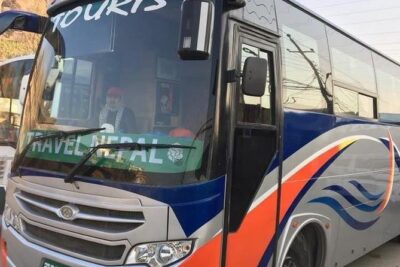
Let’s start with the uncomfortable part: the trip between cities is long. You’ll be picked up from your hotel in Kathmandu, then transferred to the bus station for a scenic tourist bus ride to Pokhara. Day 1 is set up as an almost whole-day travel block, with about 8 hours from departure to arrival.
If you’re the type who hates the “sit, stop, jolt, repeat” rhythm of overland transport, this is where you need to plan with care. One downside that showed up in feedback was that the bus trip felt more like 8–10 hours of bumpy road time. That means two things for you: bring layers (buses get cold or hot depending on the day), and keep your expectations realistic about arriving tired rather than ready to go full sightseeing immediately.
The good news is that you’re not doing logistics yourself. The tour includes your transfers: hotel pickup/drop-off in Kathmandu, plus the return drive back to Kathmandu on Day 3. And because the Pokhara sightseeing is handled with a guide and a private car in the region, the long-distance bus is the only real “hands-off” segment you deal with.
Day 1: arriving in Pokhara and settling in for sunrise prep
Day 1 is straightforward: get to Pokhara, transfer to your hotel, and catch your breath. There’s no jam-packed list of stops on paper here. Instead, the value is in what you’re setting up for next—sleep, early morning, and an organized route for the big sights.
Once you arrive, you’ll want to treat the afternoon like recovery time. The tour’s star moment comes early on Day 2. If you’re staying somewhere convenient for getting to Lakeside, you’ll be ready for the 5:30am start. If not, you’ll still make it, but you should mentally budget extra time for getting ready and getting yourself to the pickup point.
This is also a smart moment to plan your clothing for sunrise. Sarangkot is early, and early usually means cooler air. Pack a light layer you can throw on quickly. If you’re prone to waking up cranky, set multiple alarms. The early start is not negotiable for getting those Annapurna-range views.
Devi’s Fall: quick stop, good contrast with the rest of the day
On Day 2, the first nature stop is Devi’s Fall. It’s short—about 20 minutes—and that makes it a nice opener. You’re not committing to a long walk before you start chasing bigger views. It’s the kind of stop that works well in a full-day itinerary because it’s memorable without eating your whole morning.
What I like about this type of “starter” stop is the rhythm. After the calm of leaving the hotel and heading out, you get immediate pay-off: a dramatic waterfall setting that gives you that wow-factor right away. And because you only have a brief window, you’re less likely to feel rushed or overwhelmed.
Just keep in mind the practical part: entrance fees for this stop are not included. So if you’re trying to keep spending tight, you’ll want to budget for paid entries across the day. Also, with waterfalls, the conditions can vary day to day. If it’s busy, keep your eyes open, but don’t stress about perfect photos. The point is to experience it, then move on.
Gupteswar Gupha cave: 40 minutes of natural shade and atmosphere
Next is Gupteswar Gupha, a natural cave stop lasting about 40 minutes. This balances the day nicely. After the water drama at Devi’s Fall, the cave setting shifts the vibe—more enclosed, more atmospheric, and a different kind of storytelling from the land itself.
Cave time is usually about two things: comfort and pace. You’ll want shoes with grip if the path is slick. And since the visit is about 40 minutes, you’ll likely have enough time to walk through calmly rather than sprinting to fit a photo list.
Like Devi’s Fall, entrance fees here aren’t included. So when you budget the approximate extra amount for the day’s paid stops, this is one of the places to account for.
If you’re traveling with a mixed group, this stop also helps. Not everyone wants only viewpoint missions. A cave break gives you something different that doesn’t require standing in the cold for long.
World Peace Pagoda: the Japanese temple viewpoint that makes the day feel worth it
Then you reach one of the most “worth the effort” stops: World Peace Pagoda (also known as a World Peace Pagoda in Pokhara), with about 1 hour planned. This is a Japanese Buddhist temple situated on top of a hill, and it’s built for views as much as reflection.
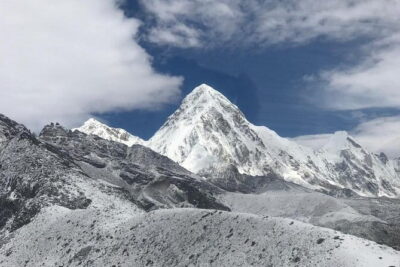
I like stops like this because they do two jobs at once. First, you get a physical landmark that signals you’ve reached one of Pokhara’s major sightseeing zones. Second, it acts like a natural viewpoint moment. Even without getting technical, the hilltop placement tends to give you clearer sightlines toward the Annapurna area on a decent-weather day.
Entrance is listed as free for this stop, which is a bonus in a day that includes a few paid entries. And 1 hour is a good length. You’re not being rushed through like it’s a bus-transfer stop. You have room to slow down, look around, and take in the calm.
Also, this is where having a guide matters. If you care about understanding what you’re seeing, a guide can connect the temple setting to the wider meaning of peace and mountain culture in the region. Even if you’re not chasing every fact, it helps you navigate respectfully and efficiently.
Sarangkot sunrise at 5:30am: the big payoff, the big commitment
Here’s the part that turns a “nice trip” into a “yes, I’m glad I did that” trip: Sarangkot sunrise. You’ll be told to start around 5:30am from your hotel in the Lakeside area. The planned stop is about 1 hour at the viewpoint level.
This is early. Like, really early. So don’t book this expecting a relaxed start. But if you want mountain views without spending days hunting viewpoints on your own, this structure is the reason people choose a guided short tour.
Why it works:
- Your timing is handled for you. Sunrise needs patience, and it’s easy to mess up on your own.
- You get the Annapurna-range viewpoint focus in one go instead of guessing which spot will be best.
What to consider:
- The weather can change the results. Sunrise is about light and visibility, and those don’t always cooperate.
- You might feel cold at 5:30am. Bring a layer and something you can comfortably wear for standing around.
The best strategy is simple: arrive on time, keep your expectations flexible, and use the hour to wait for the light—not just for a single perfect moment.
Fewa Tal on a rowing boat: slowing down on a lake day
After the mountains-and-morning push, the tour shifts to something more human-scale: Phewa Tal (Fewa Tal), with about 1 hour. This is where you get the chance to actually experience the lake, not just look at it.
The trip includes an hour on a rowing boat on Fewa Lake. That matters. A lake-view photo is nice, but time on the water changes your perspective. You feel how the shoreline curves and how the mood changes with the light.
This stop also helps balance the whole itinerary. Day 2 includes waterfall, cave, temple, sunrise, then back to more relaxed scenery. The lake stop gives you a reset so you don’t feel like you’re speed-running Pokhara.
Entrance is listed as free for Phewa Tal, which is another small win for your budget. Still, plan your energy. A sunrise morning is no joke, and boat time can make you feel pleasantly sleepy in the best way.
If you’re sensitive to motion, mention it to your guide or bring a basic motion-sickness fix ahead of time. The itinerary doesn’t specify anything beyond the boat ride, so you’ll want your own comfort plan.
International Mountain Museum: a smart add-on that connects the dots
Before the day ends, you’ll visit the International Mountain Museum for about 1.5 hours. This is specifically tied to mountaineering in Nepal. It’s not just a random museum stop—it gives context for why the mountains are more than scenery.
I like museums like this when they’re tied to the place you’re seeing. You’re staring at the Annapurna region from viewpoints. Then you get a chance to understand mountaineering culture, Nepal’s role in high-altitude travel, and the broader story behind the peaks.
Entrance fees here aren’t included, so again: budget for paid entries. But the time is solid—1.5 hours is enough to read, wander at your own pace, and not feel like you’re rushing to the next highlight.
If you’re the kind of traveler who likes mixing “out there” (views, nature) with “in here” (exhibits), this stop will feel like a payoff rather than filler.
Day 3 return to Kathmandu: plan for a long finish, not a short hop
Day 3 begins with breakfast at 7am, then you’ll transfer to the bus station and take the scenic tourist bus ride back to Kathmandu. It’s about 8 hours, and the tour ends once you’re back in the city.
This is where you should protect your energy. There’s no buffer built in. If you’re planning a same-day dinner appointment in Kathmandu, I’d keep it flexible or schedule something later than you think. Also, one traveler noted the return drop-off in the evening didn’t feel like it matched their expected pickup/depot location, and that it happened after 6pm in the dark. The key lesson for you: keep your expectations flexible about where you’ll be dropped, and have your next steps ready (hotel check-in time, transport from the drop-off, etc.).
The “value” of the return ride is that you don’t have to arrange transport yourself. The “cost” is obvious: time on the road. If you want maximum comfort, you’ll likely prefer flying in general. But for this specific itinerary, the guided Pokhara portion is the heart of the trip.
Price and value: what $540 buys you in real terms
At $540 for about three days, this tour is priced in the mid-range for an organized Pokhara quick-hit. The value isn’t just the sightseeing list. It’s the combination of transfers, a guided Pokhara circuit, and early-morning timing that would be annoying to coordinate alone.
Here’s what you’re paying for:
- Kathmandu hotel pickup and drop-off, both directions
- Round-trip scenic tourist bus transport between Kathmandu and Pokhara
- Entire Pokhara tour with an English-speaking guide in a private car
- A group cap of up to 25 travelers
- Day 2 structure that includes sunrise planning and a lake experience
What you’re not paying for:
- Lunch and dinner
- Entrance fees at several stops (approx US$10 total is the estimate given)
- Optional gratitude
So who gets good value?
- First-time visitors to Pokhara who want the highlights without building your own day-by-day route
- People who want sunrise on a schedule, not “maybe we’ll catch it”
- Travelers who are comfortable with bus travel and just want a simple, guided flow
Who should pause?
- Anyone sensitive to long travel days by road
- People who hate early starts and cold mornings
- If you need guaranteed exact drop-off points late at night, you’ll want to communicate clearly with the operator before you go
Should you book this Pokhara 3-day tour?
If you want a short, guided Pokhara experience built around Annapurna sunrise, World Peace Pagoda viewpoints, Devi’s Fall, Gupteswar Gupha, and a Fewa Tal rowing boat hour, this tour fits well. The strongest reason to book is that you’re not left to figure out the sequence or the early start. You get a guide, private car in Pokhara, and a plan that hits multiple types of sights in two main blocks.
I’d only hesitate if you know you’ll struggle with overland bus time. The ride between Kathmandu and Pokhara is the main weak point, and early mornings add fatigue. If your priority is maximum comfort, you might prefer flying. But if your priority is seeing Pokhara efficiently, with someone handling the timing, this one is a solid pick.
If you do book, prepare for Day 2’s schedule like it’s a real event: set alarms, wear layers, and keep your patience for bus days. Then you’ll get the reason people come to Pokhara in the first place.
FAQ
How long is the tour and where does it start?
The tour runs for about 3 days, starting with pickup from your hotel in Kathmandu and ending with a return trip back to Kathmandu on Day 3.
What’s included in the price?
It includes Kathmandu hotel pickup and drop-off, round-trip sharing tourist bus transfers between Kathmandu and Pokhara, an English-speaking guide for the Pokhara sightseeing, and hotel transfers within Pokhara.
Are entrance fees included?
No. Entrance fees are not included for some stops, with an approximate total budget of about US$10. Lunch and dinner are also not included.
Do I get sunrise time at Sarangkot?
Yes. You’ll start around 5:30am from your hotel in the Lakeside area for the Sarangkot sunrise viewpoint, with about 1 hour planned there.
Is there a boat ride on Fewa Tal?
Yes. The experience includes exploring Fewa Lake by rowing boat for about an hour.
What group size is this tour limited to?
The tour has a maximum of 25 travelers.
More 3-Day Experiences in Kathmandu

More Tours in Kathmandu


More Tour Reviews in Kathmandu
Just Reviewed in Kathmandu
- Mountain Bike Tour
★ 5.0 · 3 reviews - Annapurna Panaroma
★ 5.0 · 3 reviews - Mount Everest Scenic Flight 50 Minutes
★ 5.0 · 3 reviews - Kathmandu : Swambhunath & Durbar Square Guided Half Day Tour
★ 3.3 · 3 reviews - Chandragiri Cable Car & Monkey Temple Tour – Private/Group
★ 5.0 · 3 reviews - Kathmandu: Shivapuri National Park Hiking Day Trip
★ 3.3 · 3 reviews
Pokhara Tours & Sightseeing, compared.
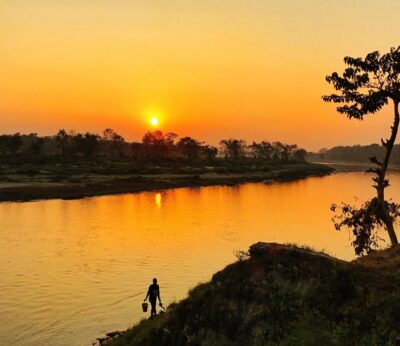 ★ 4.63-Day All-Inclusive Chitwan SafariFrom $149133 reviews
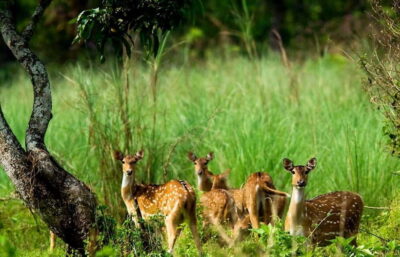 ★ 4.73 Day Chitwan Jungle Safari TourFrom $12987 reviews
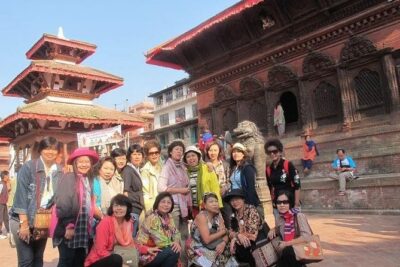 ★ 5.06 Days Special Kathmandu Pokhara Tour in NepalFrom $1,00028 reviews
 ★ 4.52 Days Chitwan Jungle Safari Tour from Pokhara/KathmanduFrom $11727 reviews
 ★ 5.0Kathmandu to Pokhara drop-off service by private vehiclesFrom $22527 reviews
 ★ 4.0Kathmandu to Pokhara Tourist Bus Tickets reservationFrom $2225 reviews
 ★ 4.0Kathmandu to Pokhara Bus Ticket- SofaFrom $2124 reviews
 ★ 4.82, 3, or 4-Day Chitwan Jungle SafariFrom $3524 reviews
Browse the lists this tour appears in