
Review · CHITWAN JUNGLE SAFARI
Kathmandu: 3-Day Chitwan Safari Tour with Hotel Transfers
Rhinos and crocodiles start early in Chitwan. I love how this short trip squeezes in a Rapti River canoe ride and a Chitwan National Park jeep safari with a live English guide and full-board meals, so you spend your time outside looking for wildlife instead of wrestling logistics.
One possible drawback: the road portion between Kathmandu and Chitwan takes time, and the day-by-day schedule includes walking and bumpy rides, so it’s not a great fit if you have back problems.
In This Review
- Key Things I’d Highlight Before You Go
- Why Chitwan Works So Well in a Short 3-Day Window
- Getting From Kathmandu: Transfers That Help, Road Time That’s Real
- Where You Sleep in Chitwan: Lodge Comfort Beats Rushing
- Day-by-Day: How the Safari Rhythm Plays Out
- Day 1: Park Orientation, Rapti Sunset, and Tharu Culture
- Day 2: Canoe Ride, Crocodile Spotting, and Deep Jungle Jeep Time
- Day 3: Quick Breakfast, Then Back to Kathmandu
- The Canoe Ride on Rapti: Quiet Wildlife Watching That Feels Different
- The Jeep Safari: How to Get More From Less Time
- Birds, Tracks, and the Art of Seeing the Park
- Tharu Village Tour and Dance: Culture That Adds Meaning
- The Elephant Breeding Center Factor: Handle With Care
- Food, Pace, and Comfort: What You Actually Need to Know
- Price and Value: Around $151 for a Managed Safari Base
- Who This Tour Fits Best (and Who Might Skip)
- Should You Book This Chitwan Safari Tour?
- FAQ
- How long is the Chitwan safari tour?
- What is included in the price?
- Is lunch included on the third day?
- Where can you be picked up from?
- What language is the guide?
- Is there a private group option?
- What kind of room do solo travelers get?
- What should I bring?
- Who is this tour not suitable for?
- What is the cancellation policy?
Key Things I’d Highlight Before You Go
- Rapti River canoe time with a chance to spot crocodiles in their natural setting
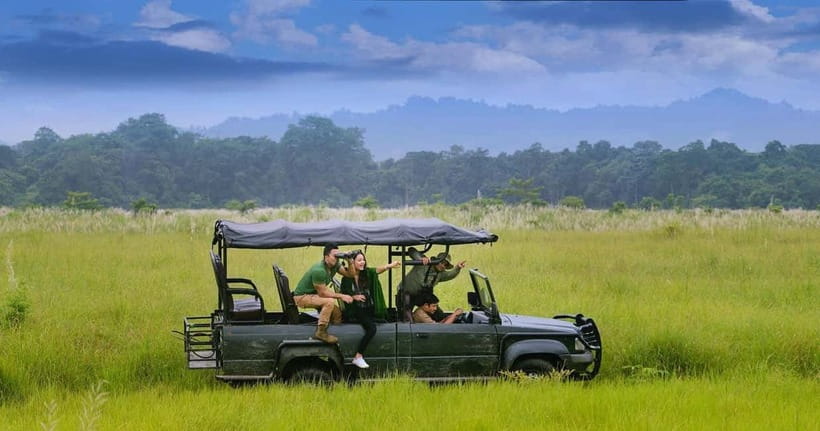
- Jeep safari in Chitwan after a short jungle walk, led by a guide who explains what you’re seeing
- Tharu village tour plus dance program to balance wildlife with local culture
- Sunset by the Rapti River as a calm reset before the evening program
- Transfers and meals included, so budgeting feels simple at about $151 per person
More time out in the wild
- 3-Day Chitwan National Park Jungle Safari Tour Package with Pick Up★ 5.0 · 184 reviews
- Kathmandu: 3-Day Chitwan Safari Tour with Hotel Transfers★ 4.6 · 127 reviews
- Kathmandu/Pokhara: 3 Day Chitwan Jungle Safari Tour★ 4.7 · 87 reviews
- 2 Days Chitwan Jungle Safari Tour from Pokhara/Kathmandu★ 4.5 · 27 reviews
Why Chitwan Works So Well in a Short 3-Day Window
Chitwan is one of those places where a little time goes far—if your plan is built around wildlife sightings and daily rhythm. In three days, you get two different kinds of “animal time”: water action on the Rapti and land action on safari routes through the park.
What I like most is the structure. You’re not just dropped off and told good luck. You have a guide, fixed meal times, and a set of activities that fit wildlife schedules—early mornings, prime viewing windows, and breaks that keep you functional.
The trip also gives you a culture moment, not just a nature checklist. The Tharu village stop and dance program add context for what you’re watching and where it fits in everyday life.
Getting From Kathmandu: Transfers That Help, Road Time That’s Real
The big practical win is the hotel pickup and drop-off by private car in Kathmandu (plus Patan, Bhaktapur, and Pokhara). That means you’re not dragging luggage to a random meeting point. From there, you shift onto the main tourist transport that runs you to Chitwan and back.
That said, you should respect the drive. One traveler noted the coach ride felt like an experience in itself and took around 7 hours each way. So, if you’re the type who hates long travel days, plan your expectations: this is part transport, part safari.
If you want the least-stress approach overall, consider adjusting your bigger trip plan so you’re not stacking other long rides on top of this one. And if you’re sensitive to bumps, keep in mind the itinerary includes small jungle walking and jeep time.
Where You Sleep in Chitwan: Lodge Comfort Beats Rushing
Your accommodation is 2 nights at Safari Adventure Lodge or Hotel Park land (or similar). Rooms are typically on a twin/double-sharing basis, with a single room available for solo travelers.
What matters for your safari day is how quickly you can recover afterward. In the better-case scenario, the lodge setup makes that easy: I’ve seen comments about a nice pool and very comfortable rooms, including heating and hot showers for winter visits. Even when the facilities are described as basic, they’re still framed as clean and solid enough to recharge.
Also, your days end back at the lodge for dinner. That’s not nothing. After canoeing, walking, and jeep rides, you’ll appreciate having the base right there rather than chasing transport at night.
Day-by-Day: How the Safari Rhythm Plays Out
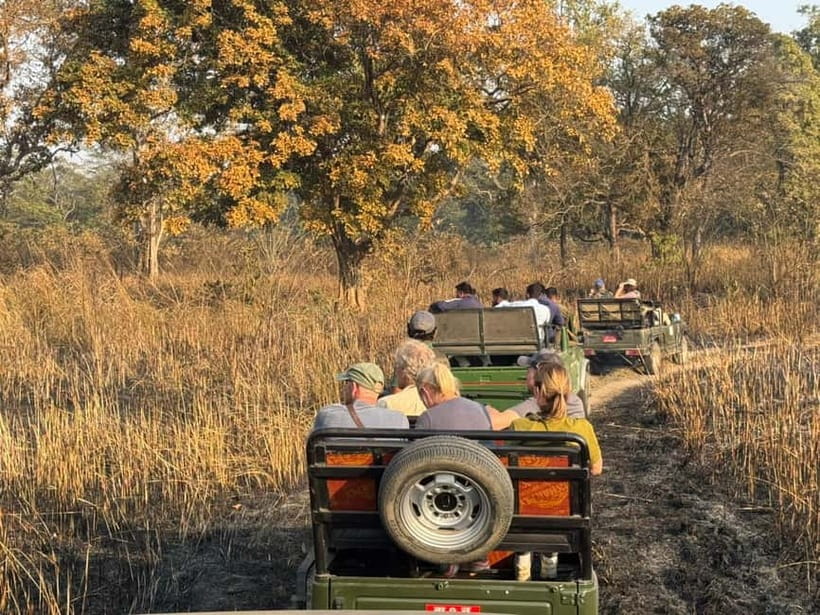
This is a tight plan: transport, wildlife, canoe, jeep, culture, then back to Kathmandu. Here’s how the flow tends to feel when you look at the schedule closely.
Before you lock this one in, a few Kathmandu alternatives:
Day 1: Park Orientation, Rapti Sunset, and Tharu Culture
After pickup, you travel from Kathmandu to Chitwan and transfer to your accommodation. You’ll have time to refresh, including cold drinks, before heading out.
Then comes the Chitwan National Park visit. This first contact matters because it helps you learn the “shape” of the habitat fast—what the terrain looks like, where wildlife movement might show up, and how the guide talks you through the area.
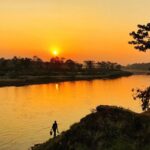
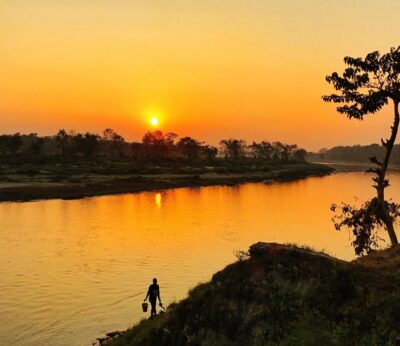
Later, you get sunset from the Rapti River. Sunset is a good time to shift from frantic scanning to calmer observation, especially for birds and small animals.
The day closes with a village tour around Tharu village, with participation in a Tharu dance program. This gives you a cultural anchor so the trip doesn’t feel like you’re only watching from a distance.
Day 2: Canoe Ride, Crocodile Spotting, and Deep Jungle Jeep Time
Breakfast starts early (around 7:00 AM), then you head out for a canoe ride along the Rapti River. Water routes are one of the easiest ways to spot animals without the noise and churn of vehicles.
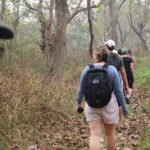
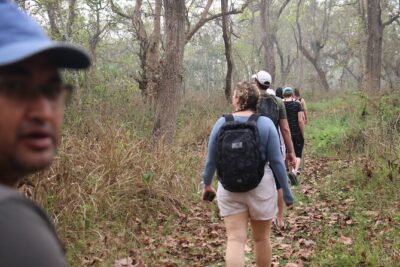
Soon after, you do a small jungle walk, and this is where the crocodile chance shows up. People specifically mention seeing crocodiles during this portion, including rare sightings—exact species can vary by season and luck, but the point is that you’re getting both water and shore environments.
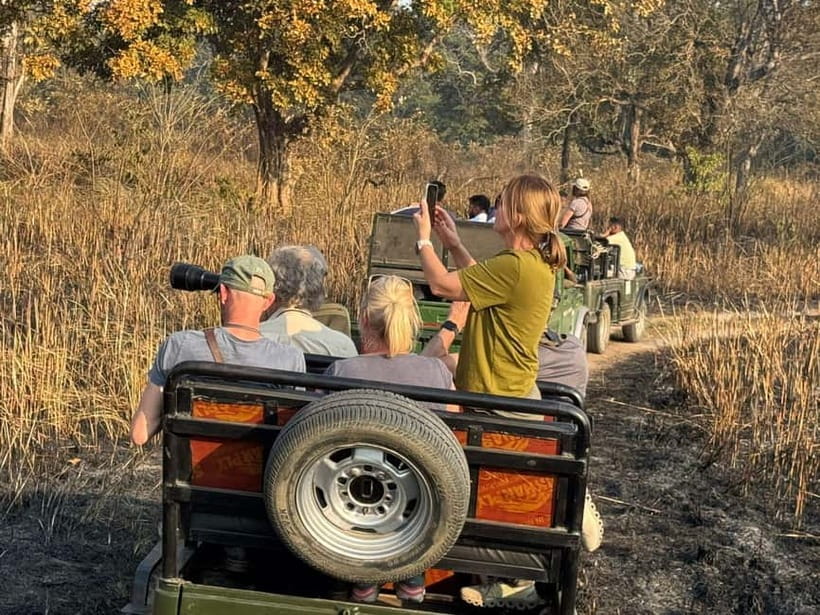
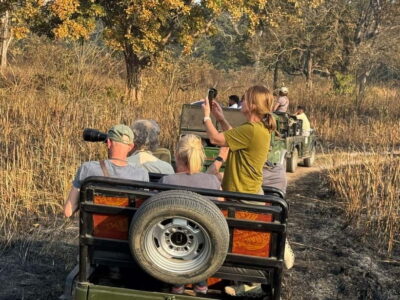
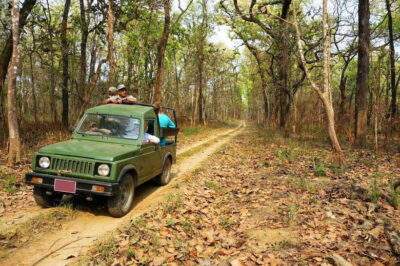
Lunch follows, then you move into the main safari action: a Jeep ride deep inside the jungle. This is the “now pay attention” part of the trip. You’re looking for mammals and birds in habitat edges and travel corridors.
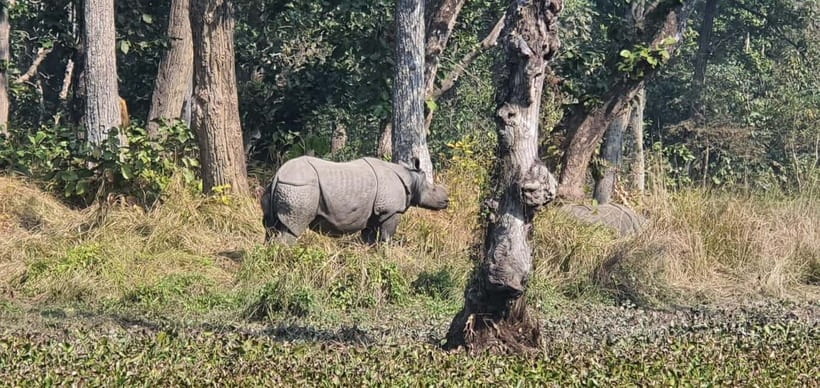
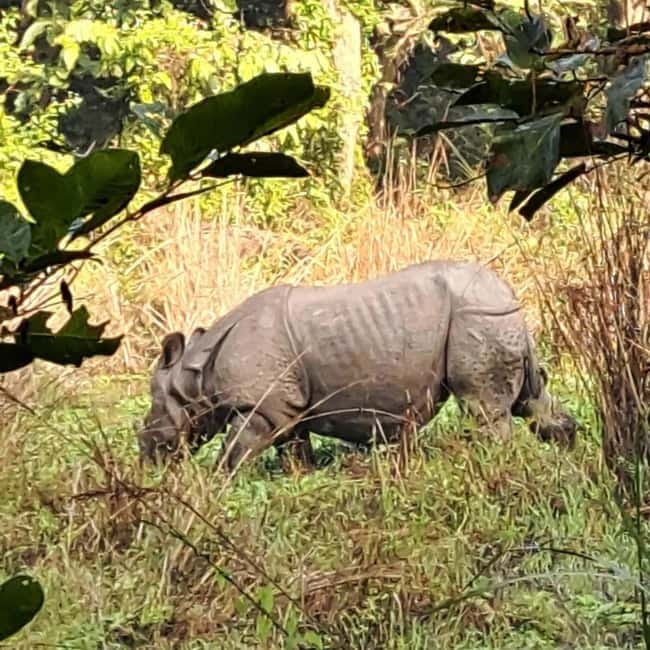
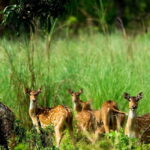
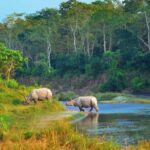
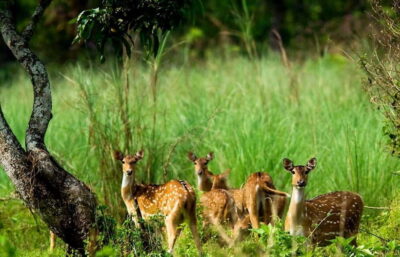
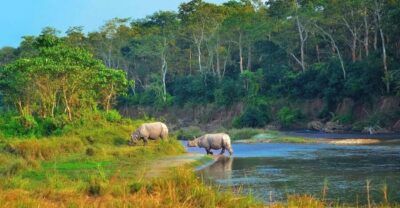
Common sightings described in the experience include rhinos, deer, elephants, wild boar, monkeys, and plenty of birds. One person even credited a guide, Krishna, with helping them spot a variety of animals and understand the environment.
You finish the day back at the lodge for dinner.
Day 3: Quick Breakfast, Then Back to Kathmandu
You start a bit earlier (wake-up around 6:30 AM, breakfast around 7:00 AM). After breakfast, you head to the bus station for the drive back to Kathmandu.
One practical note: lunch on the third day isn’t included because you’re back in Kathmandu later. If you get hungry on arrival, have a plan for food close to your hotel or next stop.
The Canoe Ride on Rapti: Quiet Wildlife Watching That Feels Different
If you only do one activity in Chitwan, I’d still argue for the canoe. The soundscape is different. The pace is slower. Instead of constant engine noise, you’re gliding through a river system and watching for movement at the edges.
This matters for animal behavior. Crocodiles can be hard to spot from land, and water travel helps you catch them in context—how they sit, how they move, and where they choose to be.
People also describe the canoeing as a highlight, especially when paired with the crocodile chance and the short jungle walk that connects land and water sightings into one continuous wildlife session.
The Jeep Safari: How to Get More From Less Time
Chitwan jeep safari time is short compared with longer safaris, so you want to make it count. The trip’s structure helps: you go after lunch on day two, and you have a guide who helps you read tracks, vegetation patterns, and animal behavior.
This is where guide quality shows up. Names that came up in the experience include Dipu, Babu sir, and Krishna—each praised for explanation, patience, and making the time fun while still focusing on what you’re looking at. If you’re the type who likes asking questions, you’ll likely enjoy this part.
Also, keep your expectations flexible. A few people wished for a tiger sighting, and that’s normal in any national park. What you should aim for instead is a strong mix of rhino sightings, deer, birds, and other mammals, plus the feeling of being in the right habitat at the right time.
Birds, Tracks, and the Art of Seeing the Park
Chitwan rewards you for slowing down. The trip includes bird observation and mentions seeing animal tracks, including evidence of larger cats passing a few days before arrival. Even if the big cat moment doesn’t happen during your exact time window, you still get the sense of a living system rather than a static zoo-like stop.
A good guide helps here: they point out what to watch for, not just what you might hope to see. When someone mentions that the guide loves the job and explains their environment, that’s exactly what you want on safari.
Tharu Village Tour and Dance: Culture That Adds Meaning
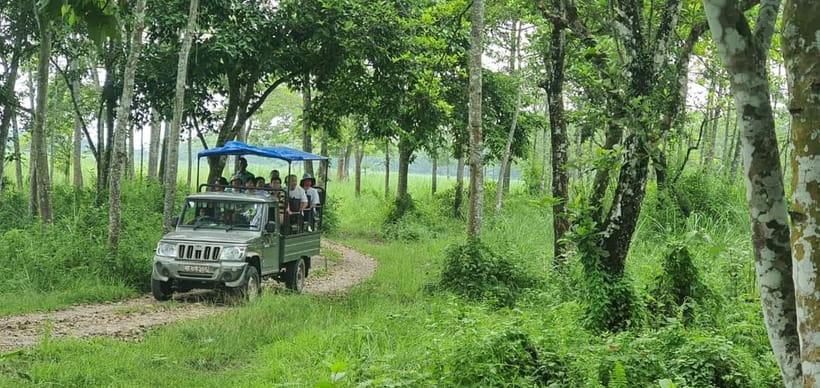
The Tharu village visit is more than a photo stop in this program. It pairs with the wildlife focus so you understand that the park is surrounded by communities whose lives have always been tied to the land.
You’ll join a Tharu dance program, which adds energy after the earlier wildlife walking and canoe time. A lot of people describe this as fascinating and worth paying attention to, especially when compared to the more passive vibe of a simple cultural show.
One thing to keep in mind: a village tour can feel like watching daily life from the outside. If you’re sensitive to that, focus on respectful participation—listen, ask questions, and keep your behavior calm and low-key.
The Elephant Breeding Center Factor: Handle With Care
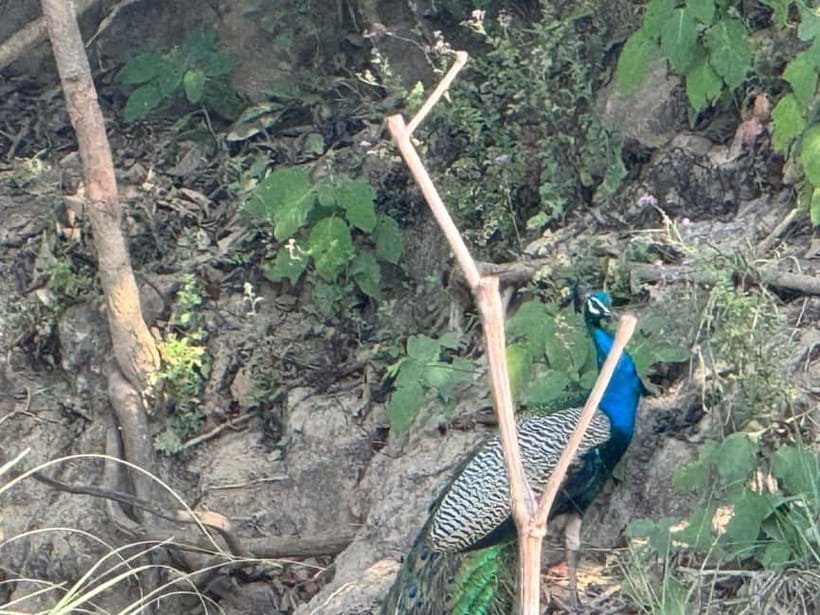
One element you should plan for mentally: some versions or timing can include a stop connected to an elephant breeding or holding center. People described it as controversial, with elephants in chains or sad ground conditions, and in at least one case it sounded like it was only a brief pass-by.
The itinerary you’re considering may not always include this element in the same way, so the best move is simple: ask your guide what the plan is for the day you’re in that area. If that stop would ruin your mood, be direct before you go so you can adjust expectations.
Food, Pace, and Comfort: What You Actually Need to Know
You’re covered with 2 breakfasts, 2 lunches, and 2 dinners, plus national park and conservation area fees. Drinks aren’t included unless specified.
This matters because it prevents hidden costs mid-trip. It also keeps your energy stable. Safari mornings can be tiring, and the canoe + walking day can leave you hungry fast.
What about the meals themselves? Feedback ranges from basic-but-good to delicious, with some mentions of multi-course style dinners. Either way, the more important point is that food is built into the schedule so you’re not constantly searching for lunch while everyone else is scouting wildlife.
Price and Value: Around $151 for a Managed Safari Base
At about $151 per person for a 3-day, 2-night plan, the value comes from what’s bundled:
- Transport back and forth between Kathmandu and Chitwan
- Hotel pickup/drop-off by private car
- Lodge accommodation for 2 nights
- Guide support
- Park fees
- Most meals (with lunch on day three not included)
If you tried to rebuild this independently—guides, park fees, transfers, and lodging—the cost can climb quickly. So this price can work well if you like a structured plan and want your time in Chitwan to be real safari time, not logistical time.
That said, the main “extra cost” might be time. The long coach ride is part of the deal, and some people suggested flying out to save time. If you’re choosing between this and a faster departure option, compare your priorities: comfort and schedule vs speed.
Who This Tour Fits Best (and Who Might Skip)
This is a strong fit for you if:
- You want wildlife + culture in a short window
- You like having transport and guide planning handled
- You’re comfortable with early mornings and a packed day
It’s less ideal if:
- You have back problems or mobility limits
- You hate long travel days on the road
- You’re strongly uncomfortable with any elephant facility stop (ask what’s included for your specific departure)
Should You Book This Chitwan Safari Tour?
If you want a well-managed Chitwan trip with hotel transfers, full-board meals, and two major wildlife formats—canoe and jeep—this one is worth serious consideration. The biggest strengths are the practical setup and the way the schedule keeps you moving between the river, the park, and the cultural program without leaving you stranded.
I’d book it if you’re excited to see rhinos, crocodiles, deer, birds, and the whole ecosystem vibe, even if tiger sightings are never guaranteed. I’d also ask about the elephant center stop ahead of time, so you can protect your mood.
If you want, tell me your travel month and whether you’re okay with a long coach ride. I can suggest a smart way to build your Kathmandu days around this so the whole trip feels smooth.
FAQ
How long is the Chitwan safari tour?
It runs for 3 days, with 2 nights of accommodation in Chitwan.
What is included in the price?
Hotel pickup and drop-off by private car, round-trip transportation by tourist coach, a jungle safari guide, 2 nights’ accommodation, meals (2 breakfasts, 2 lunches, 2 dinners), and national park and conservation area fees.
Is lunch included on the third day?
No. Lunch on the third day is not included after you return to Kathmandu.
Where can you be picked up from?
Pickup is available from Kathmandu, Patan, Bhaktapur, and Pokhara.
What language is the guide?
The live tour guide is English.
Is there a private group option?
Yes, a private group is available.
What kind of room do solo travelers get?
Solo travelers receive a single room, while others typically share twin/double rooms.
What should I bring?
Bring a passport or ID card and comfortable clothes.
Who is this tour not suitable for?
It is not suitable for people with back problems.
What is the cancellation policy?
You can cancel up to 24 hours in advance for a full refund.
More Days in the Wild
More Tours in Kathmandu


More Tour Reviews in Kathmandu
Just Reviewed in Kathmandu
- Mountain Bike Tour
★ 5.0 · 3 reviews - Annapurna Panaroma
★ 5.0 · 3 reviews - Mount Everest Scenic Flight 50 Minutes
★ 5.0 · 3 reviews - Kathmandu : Swambhunath & Durbar Square Guided Half Day Tour
★ 3.3 · 3 reviews - Chandragiri Cable Car & Monkey Temple Tour – Private/Group
★ 5.0 · 3 reviews - Kathmandu: Shivapuri National Park Hiking Day Trip
★ 3.3 · 3 reviews
Chitwan Jungle Safari, compared.
 ★ 5.03-Day Chitwan National Park Jungle Safari Tour Package with Pick UpFrom $180184 reviews
 ★ 4.63-Day All-Inclusive Chitwan SafariFrom $149133 reviews
 ★ 4.73 Day Chitwan Jungle Safari TourFrom $12987 reviews
 ★ 5.03 Nights 4 Days Chitwan National Park with Tower Night StayFrom $35041 reviews
 ★ 4.52 Days Chitwan Jungle Safari Tour from Pokhara/KathmanduFrom $11727 reviews
 ★ 5.012-Day Nepal Adventure Trek with Jungle SafariFrom $95026 reviews
 ★ 4.82, 3, or 4-Day Chitwan Jungle SafariFrom $3524 reviews
 ★ 5.08 Days Tour in Nepal – Kathmandu, Chitwan & Pokhara (3 & 4 Star)From $29923 reviews
Browse the lists this tour appears in