
Review · HIKING & TREKKING
Annapuran Base Camp Trek
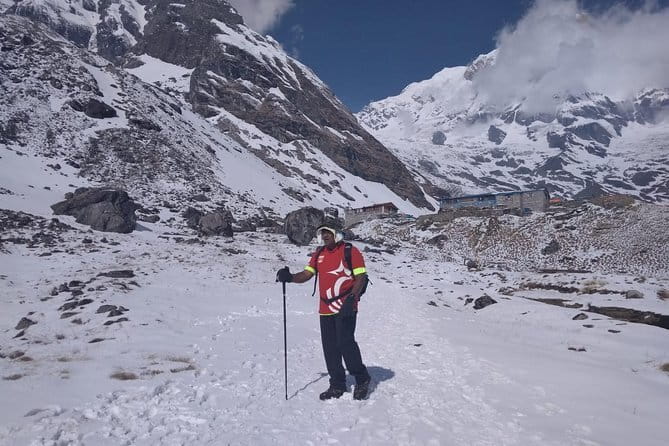
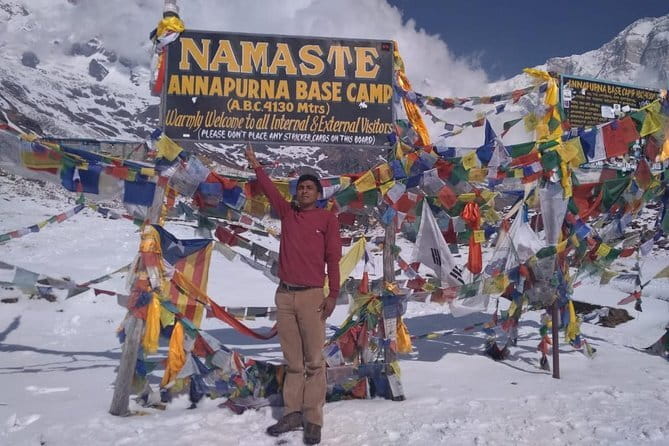
Annapurna Base Camp sounds myth-level, but it’s real hiking. This trip is interesting because it mixes mountain walking with village life like Ghandruk, and it climbs to Annapurna Base Camp at 4,130m before easing down to Jhinu Hot Spring. I like how well the day-by-day plan breaks up altitude using the stops from Sinuwa and Deurali, and I also like that you’re not guessing the logistics since permits and a guide are handled. One possible drawback: the trek can be tough and the weather can change fast, including hail and heavy rain, so pack for ugly conditions.
What I found most reassuring is the human side: you get an English-speaking lead guide and Sherpa helpers/porters, plus private room lodging on most trekking nights (with shared toilets). In the real reviews, the lead guide Ram and porter Santosh show up again and again, and the safety focus is clear. Just note a small mismatch you’ll want to confirm before you go: the overview mentions 11 days of trekking, while one summary line says “2 days (approx.).”
In This Review
- Key highlights to look for
- Annapurna Base Camp via Ghandruk: the trek that blends villages and big altitude
- Your guide and porters: why Ram and Santosh matter more than you think
- Price and logistics: what you’re paying for at $741.34
- What’s included (and why it matters)
- What you still need to budget for
- One logistics detail to confirm
- The day-by-day plan: from Kathmandu to Ghandruk, then up to 4,130m
- Day 1: Kathmandu arrival (around 1,300m)
- Day 2: Kathmandu to Pokhara (down to about 820m)
- Day 3: Pokhara to Nayapul, then trekking to Ghandruk (1,940m)
- Day 4: Ghandruk to Sinuwa (2,360m)
- Day 5: Sinuwa to Deurali (3,230m)
- Day 6: Deurali to Annapurna Base Camp (4,130m)
- Day 7: Base Camp down to Bamboo (2,340m)
- Day 8: Bamboo to Jhinu Hot Spring (1,780m)
- Day 9: Jhinu Hot Spring to Nayapul, then back to Pokhara (820m)
- Day 10: Pokhara to Kathmandu (1,300m)
- Day 11: Departure day
- Altitude management: why this route’s rises and falls are built for you
- Weather reality check: hail and rain protection aren’t optional
- Accommodation and meals: private rooms, shared toilets, and steady refueling
- Who this trek fits best (and who should rethink it)
- Should you book Annapurna Base Camp with Well Plan Trekking?
- FAQ
- How long is this Annapurna Base Camp trek?
- What permits are included?
- Are meals included during the trek?
- What kind of accommodation do you get on the trek?
- Is there pickup in Kathmandu and will the guide speak English?
- What isn’t included in the price?
- If plans change, can I cancel and get a refund?
Key highlights to look for
- English-speaking lead guide and strong support from porters/helpers for a smoother trek
- Ghandruk to Deurali to Annapurna Base Camp routing with clear elevation steps
- Private room, shared toilet during the mountain nights, plus full meal support on trek days
- Permits included (TIMS and Annapurna Conservation permit), so you’re not scrambling
- Real weather readiness shown in past trips, including hail on the climb
- Jhinu Hot Spring as a relaxing finish after reaching the base camp
More trails out of Kathmandu, boots ready
- Everest Base Camp Trek – 14 Days★ 5.0 · 1,499 reviews
- Everest Base Camp Trek★ 5.0 · 842 reviews
- Everest Base Camp Trekking★ 5.0 · 485 reviews
- Nagarkot Sunrise View and Day Hiking from Kathmandu★ 5.0 · 471 reviews
Annapurna Base Camp via Ghandruk: the trek that blends villages and big altitude
Annapurna Base Camp is one of Nepal’s most popular trekking routes for a reason. You start in everyday Nepal, then you move into thinner air and more dramatic terrain, and you end up staring at a place that feels like it belongs on a mountain map instead of a hiking trail. This route is popular, but it doesn’t feel like a factory product because it threads through known village stops—especially Ghandruk, a Gurung community.
The route also sets up a cultural lens early. You’ll pass through an area tied to Gurung and Dalit communities, and the trip is framed around seeing more than just stones and snow. I like this approach because it gives you something to notice when the trail is steady and your mind wants to wander.
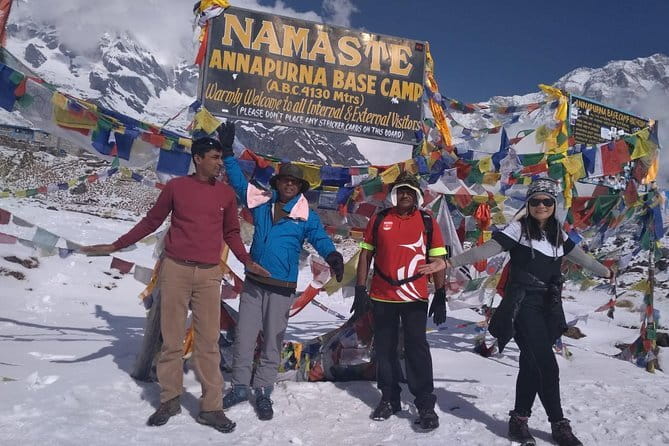
And then there’s the Annapurna payoff. On a clear day, reaching base camp is about more than a photo. The whole experience is tied to altitude and expectation: the air gets cooler, the views get wider, and you understand why people come back to this region again and again.
Your guide and porters: why Ram and Santosh matter more than you think
On a trek like this, your guide is more than someone who points at the path. Good guiding is about pacing, safety decisions, and helping you adjust when conditions shift.
In the reviews tied to this trekking company, the lead guide Ram is specifically praised for route knowledge and for putting safety first. That matters most on the harder stretch toward higher ground, where footing and weather can turn from manageable to annoying fast. Another review gives a concrete example: during bad weather—including hail on the way up to Deurali—Ram handled the moment by making sure rain protection was ready.
Porters and Sherpa helpers also play a big role here. You’re not just getting someone to carry a bag; you’re getting a team that supports meals and lodging logistics for the trekking crew as well, which typically leads to less chaos on the trail. In one review, porter Santosh is mentioned directly, and that personal shout-out is usually a good sign. If your group is private and the pace feels right, you’ll feel it in how the trek unfolds day to day.
If you’re a slower hiker, this is another point to like. One review mentions the hiker was slow going up toward base camp, and the trek still worked. That doesn’t mean the terrain is easy, but it suggests the company can handle different walking rhythms without turning the experience into a sprint.
Price and logistics: what you’re paying for at $741.34
$741.34 per person looks straightforward on paper, but value depends on what’s included and what you still have to fund yourself.
What’s included (and why it matters)
You get solid core support:
- 2 nights in Kathmandu and 2 nights in Pokhara with breakfast
- Experienced English-speaking trekking guide
- Airport pickup and drop-off in Kathmandu by private car
- Kathmandu–Pokhara–Kathmandu by tourist bus
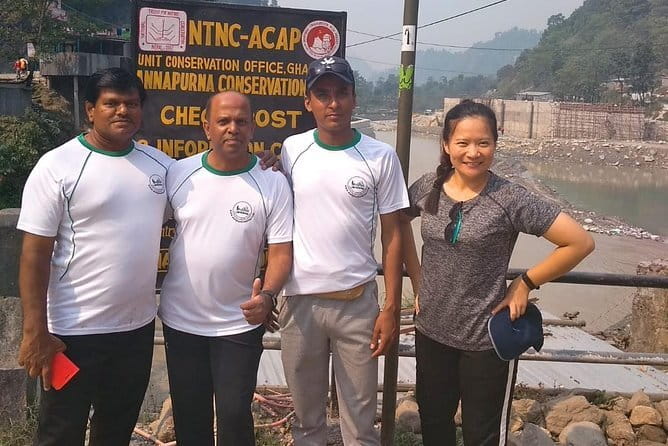
- Permits: TIMS and the Annapurna Conservation permit
- Porters/helpers with meals, accommodation, salary, and insurance
- During the trek: 3 meals a day with tea or coffee (breakfast, lunch, dinner)
- Trekking lodging: soft/comfort accommodation, typically private rooms with shared toilets
This is the key value: you’re paying for reduced friction. Permits and guide costs are the big-ticket items on many treks, and they’re handled here. When you add it up, this price starts to look less like a random number and more like “reasonable bundle pricing” for a guided trek.


What you still need to budget for
You’ll pay extra for:
- Travel and rescue insurance (not included)
- Alcohol and bar bills
- Personal expenses (phone, laundry, battery recharge, showers, and similar)
- Kathmandu and Pokhara lunches and dinners
- Tips for guide and porter
So I’d plan a bit of cash beyond the $741.34 for meals you eat outside the trek and for tipping. Also, don’t treat insurance as optional. A base camp trek is remote enough that rescue planning belongs in your prep list.
One logistics detail to confirm
Double-check the exact trip length before booking. The overview talks about 11 days of trekking, and the day-by-day plan runs from Kathmandu arrival through departure. Yet one summary line says “2 days (approx.).” Ask the provider to confirm the date range so you’re not surprised when you’re packing for something longer than you expected.
The day-by-day plan: from Kathmandu to Ghandruk, then up to 4,130m
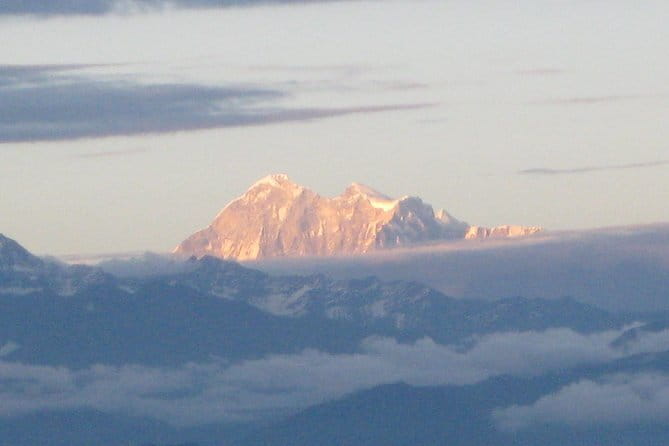
Here’s how the itinerary plays out in real rhythm, with what each segment is likely doing for you—physically and mentally.
Day 1: Kathmandu arrival (around 1,300m)
You arrive in Kathmandu at about 1,300m. This day is about getting set up: rest, hydrate, and get ready for the travel days ahead. Even if you’re fit, you’ll feel altitude differently on your first day. Use it to calm your body and double-check gear.
Day 2: Kathmandu to Pokhara (down to about 820m)
You drive from Kathmandu to Pokhara, roughly 6–7 hours, dropping to about 820m. I like this part because it gives your body a breather before the trek begins. Pokhara also sets you up logistically—buses, prep, and gear checks.
Day 3: Pokhara to Nayapul, then trekking to Ghandruk (1,940m)
You drive to Nayapul and then hike to Ghandruk (about 5–6 hours), arriving around 1,940m. Ghandruk is a cultural anchor point, and it helps you transition into trekking mode without jumping into the highest days right away.
Practical tip: on the first trekking day, you’ll likely feel every “small” climb. Go slower than you think you need to. Save your legs for the Deurali and base camp days.
Day 4: Ghandruk to Sinuwa (2,360m)
Trek from Ghandruk to Sinuwa, about 5–6 hours and up to 2,360m. This is a useful step because it keeps the altitude climbing steady. It’s enough to feel like you’re moving into higher terrain, but not so intense that you’re destroyed before the main push.
This day is also where the weather mood can start to set the tone. Even without storms, mountain conditions shift quickly, so keep an eye on clouds and pack layers.
Day 5: Sinuwa to Deurali (3,230m)
Now you push to Deurali (around 6 hours) and 3,230m. This is the kind of day where cold and wind can show up, and where rain or hail becomes a real possibility in this region. One review specifically mentions hail on a day like this when moving up toward Deurali—and that the guide handled rain protection.
This is the day I’d think about as your “expect discomfort” lesson. Comfortable hiking is great, but good planning means you can still function when the sky gets rude.
Day 6: Deurali to Annapurna Base Camp (4,130m)
This is the signature day: trek to Annapurna Base Camp at about 4,130m, taking around 5 hours. You’re higher than most people are used to, and even if you breathe fine, your body may feel heavier.
On a good day, base camp is a huge reward. On a bad day, it’s still a milestone. Either way, keep your pace calm and steady. Don’t chase other hikers. Let the altitude set the rhythm.
Day 7: Base Camp down to Bamboo (2,340m)
After the summit-style moment, you trek down to Bamboo around 2,340m for about 6 hours. This descent is smart: you regain elevation comfort after the highest point. It also helps you recover for the final stretch.
Day 8: Bamboo to Jhinu Hot Spring (1,780m)
You hike to Jhinu Hot Spring (about 5 hours) and drop to around 1,780m. This day is your payoff for the whole week: you reach a place where you can warm up. Even if you don’t spend a long time soaking, a hot spring stop changes your mood fast.
Day 9: Jhinu Hot Spring to Nayapul, then back to Pokhara (820m)
This is a long travel day: trek down to Nayapul, then drive to Pokhara, about 7 hours total. You’ll likely feel tired, but it also means you’re closing the loop. The altitude relief helps.
Day 10: Pokhara to Kathmandu (1,300m)
Drive back to Kathmandu, 7–8 hours, around 1,300m. If you want a proper meal, a shower, and a normal bed, this is when those cravings make sense.
Day 11: Departure day
You leave Kathmandu. This last day is about wrapping things up and recovering from the trek.
Altitude management: why this route’s rises and falls are built for you
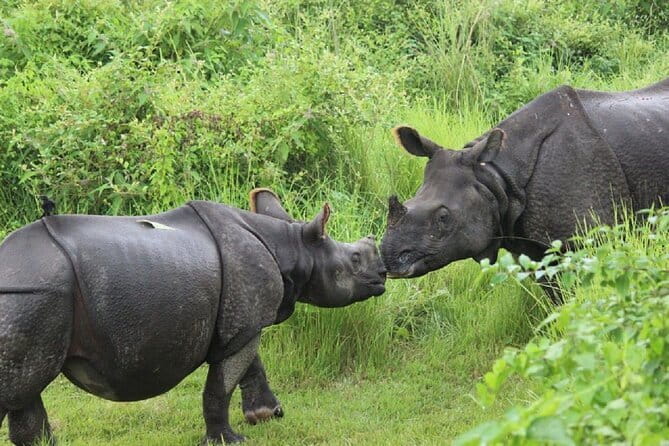
The trekking elevations in the plan show a climb to base camp, then a descent:
- Ghandruk: 1,940m
- Sinuwa: 2,360m
- Deurali: 3,230m
- Annapurna Base Camp: 4,130m
- Bamboo: 2,340m
- Jhinu Hot Spring: 1,780m
You spend time rising in steps rather than one big jump. The biggest ascent is the final push to base camp, and then the itinerary immediately trades height for recovery by dropping all the way to Bamboo and farther to Jhinu.
You still need to listen to your body. Even with a sensible profile, you can feel altitude effects. The practical takeaway: don’t treat this as a race. The “5–6 hours” walking blocks are doable, but only if you keep your effort controlled.
Weather reality check: hail and rain protection aren’t optional
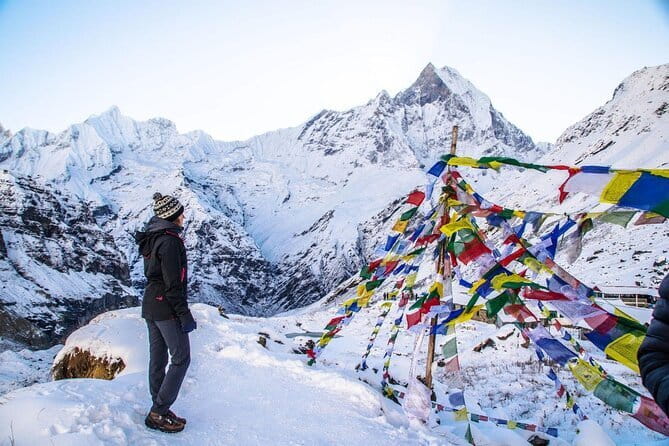
This trek happens where the sky can change its mind. One of the most useful things in the reviews is a reminder that weather can go sideways early. There was mention of poor weather in the first couple of days, and hail during the climb toward Deurali. The guide prepared rain protection in that moment.
So plan as if you’ll get rain at some point, maybe colder-than-expected air. At minimum, bring:
- a real rain layer (not just a light shell)
- warm layers you can wear in cold wind
- gear protection for your day items
And pack a small mindset shift: you’re not there to control the weather. You’re there to travel through it with the right layers and a steady pace.
Accommodation and meals: private rooms, shared toilets, and steady refueling
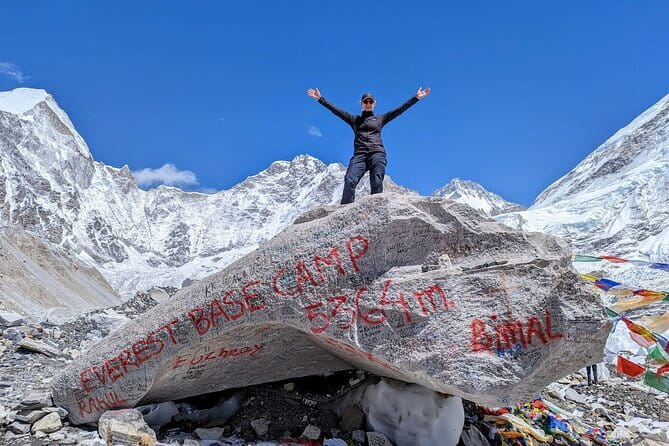
During the trek, lodging is described as soft, comfort-oriented accommodation with private rooms and shared toilets. That’s a fair trade for trekking nights. You get privacy to recover and sleep, but you still experience the mountain reality of shared facilities.
Meals are handled in a very practical way: three meals daily during the trek, including tea or coffee, with breakfast, lunch, and dinner provided. That matters because it reduces your day-to-day decisions. When you’re exerting yourself, it’s easier to keep moving when food is predictable.
On the travel days in Kathmandu and Pokhara, lunches and dinners aren’t included. You can use that time to find local food and vary your routine. If you prefer consistency, budget for those meals so you’re not making last-minute choices when you’re tired.
Who this trek fits best (and who should rethink it)
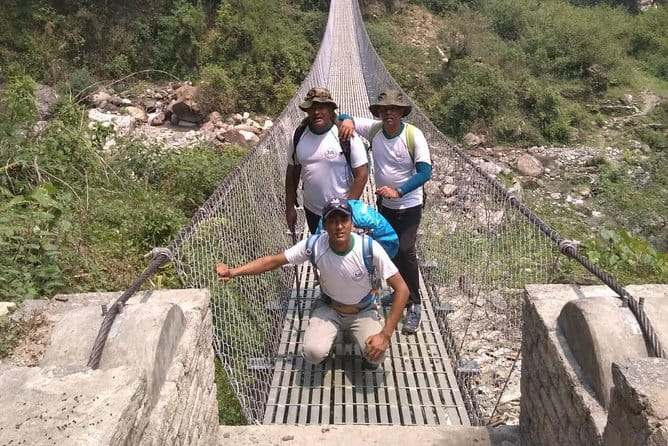
This experience is aimed at people with moderate physical fitness. That’s a real description, not a vague promise. If you can handle daily hiking sessions of about 5–6 hours at altitude, you’re likely in the right zone.
This trek is also a strong pick if you want:
- a private tour (only your group)
- a guide-led plan with permits done for you
- a route that includes both cultural village time and base camp achievement
Where you should rethink it: if you’re expecting an easy walk, or if you’re unsure you can handle cold, rain, or hail conditions. Also, if you want a very short trip, confirm the real schedule—because the trek plan is clearly more like 11 days than 2.
Should you book Annapurna Base Camp with Well Plan Trekking?
I’d book if you want a guided route that’s already built around altitude, culture, and practical logistics. I like that permits and meals during trekking are included, and the support structure—English-speaking guide plus porter/helpers—keeps the experience from turning into a self-managed puzzle. The repeated praise for Ram’s route knowledge and safety focus, plus the hail-and-rain moment handled with rain preparation, is exactly the kind of detail that helps you trust the plan.
I wouldn’t book without confirming trip length first, since the description includes a conflicting “2 days (approx.)” line. And I’d make sure you’re comfortable budgeting for insurance, tips, and personal expenses, since those are not included.
If you want Annapurna Base Camp as a well-run mountain journey, not just a checklist of stamps, this is a solid choice to consider.
FAQ
How long is this Annapurna Base Camp trek?
The day-by-day plan runs from Kathmandu arrival through departure and includes an 11-day schedule with trekking days in between. One summary line also mentions 2 days (approx.), so I’d confirm the exact date range before you book.
What permits are included?
The included paperwork covers the Annapurna Conservation permit and TIMS.
Are meals included during the trek?
Yes. During the trek you get three meals a day with a cup of tea or coffee (breakfast, lunch, and dinner).
What kind of accommodation do you get on the trek?
You stay in soft/comfort accommodation in private rooms with shared toilets.
Is there pickup in Kathmandu and will the guide speak English?
Yes. You have airport pickup and drop-off in Kathmandu by private car, and the trekking guide is described as English speaking.
What isn’t included in the price?
Your travel and rescue insurance is not included, and you’ll also pay for alcohol, personal expenses (like laundry or shower), lunches and dinners in Kathmandu and Pokhara, and tips for the guide and porter.
If plans change, can I cancel and get a refund?
Yes. You can cancel up to 24 hours before the experience starts for a full refund.
More Trekking Out of Kathmandu






More Tour Reviews in Kathmandu




Just Reviewed in Kathmandu
- Mountain Bike Tour
★ 5.0 · 3 reviews - Annapurna Panaroma
★ 5.0 · 3 reviews - Mount Everest Scenic Flight 50 Minutes
★ 5.0 · 3 reviews - Kathmandu : Swambhunath & Durbar Square Guided Half Day Tour
★ 3.3 · 3 reviews - Chandragiri Cable Car & Monkey Temple Tour – Private/Group
★ 5.0 · 3 reviews - Kathmandu: Shivapuri National Park Hiking Day Trip
★ 3.3 · 3 reviews
Hiking & Trekking, compared.
 ★ 5.0Everest Base Camp Trek – 14 DaysFrom $1,8001,499 reviews
 ★ 5.0Everest Base Camp TrekFrom $1,790842 reviews
 ★ 5.0Everest Base Camp TrekkingFrom $1,350485 reviews
 ★ 5.0Nagarkot Sunrise View and Day Hiking from KathmanduFrom $45471 reviews
 ★ 5.0Annapurna Circuit Trek with Tilicho LakeFrom $1,093368 reviews
 ★ 5.0Everest Base Camp Trekking – 13 DayFrom $1,399365 reviews
★ 5.0Everest Base Camp TrekFrom $1,445350 reviews
★ 5.0Everest Base Camp Trek -14 DaysFrom $1,420321 reviews