
Review · EVEREST BASE CAMP TREKS
Everest Base Camp Trek -14 Days
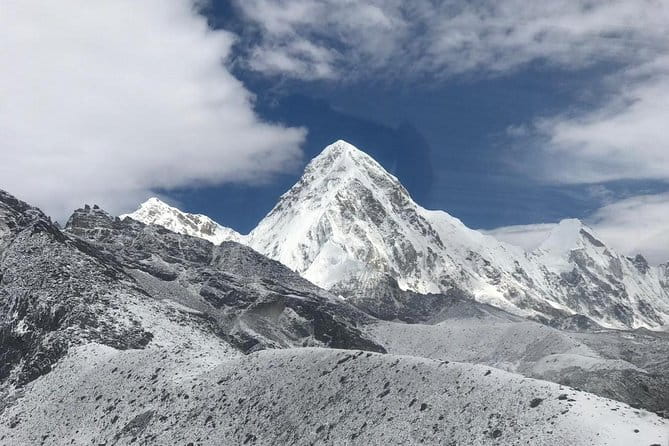
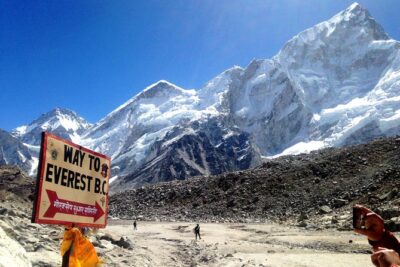
The road to Everest starts with one short flight. This package strings together Lukla and a classic high-altitude route to Base Camp at 17,598 feet (5,364 meters), with a small group and a government-licensed guide so you’re not juggling details day after day.
I especially like the small group size (max 12) and the way the trek is organized around you meeting the Sherpa team early, including luggage carry from Lukla onward. Another big plus is the consistent rhythm of authentic lodge meals plus a celebratory night in Kathmandu with dinner after you finish.
The one thing to keep front-of-mind: you’re trekking high for days, and the “basics” in lodges get real. You’ll also pay extra for items like hot showers, water/drinks, and Wi‑Fi, so budget for the extras.
In This Review
- Key Points to Know Before You Go
- Why This Everest Base Camp Trek Still Feels Classic
- Price and Logistics: What $1,420 Covers (and What Doesn’t)
- Day 1 in Kathmandu: Thamel Pickup and a Clean Start
- Day 2: The Lukla Flight and Meeting Your Sherpa Crew
- Days 3–5: Pine Forests, Everest First Glimpses, and a Descent You’ll Feel
- Day 6: Tengboche Monastery in the Morning Light
- Day 7: Dingboche Rest Day That Actually Helps
- Day 8: Chukpo Lari and the Memorial Trail Feeling
- Day 9: Lobuche to the Glacier Northward (The Big Day Building)
- Day 10: Kalapathar Sunrise, 360-Degree Mountain Views
- Day 11: Down Through Sherpa Villages, Back Toward Tengboche
- Day 12: Jorsalle, Manjo, Benkar, Phakding, and the Suspension Bridge Mix
- Day 13: Fly Back to Kathmandu and Use the Leeway
- Lodges, Meals, and the “Simple Routine” You Should Expect
- Safety and Support: Licensed Guide, Diamox, and Emergency Back-Up
- Trekking Tips That Fit This Exact Schedule
- Who Should Book This Everest Base Camp Trek
- Should You Book Alpine Ramble Treks for Everest Base Camp?
- FAQ
- What is the meeting point and where does the trek end?
- Does the package include flights to Lukla?
- Are meals and lodge accommodations included during the trek?
- What trekking support is included for altitude safety?
- What extra costs should I expect during the trek?
- Can I cancel for a full refund?
Key Points to Know Before You Go
- Small group (max 12): Easier conversation on the trail and less chaos at tea houses.
- Licensed guide + paperwork handled: Everest National Park and TIMS card paperwork are included.
- Lodges with full-board meals: Breakfast, lunch, and dinner are included during the trek.
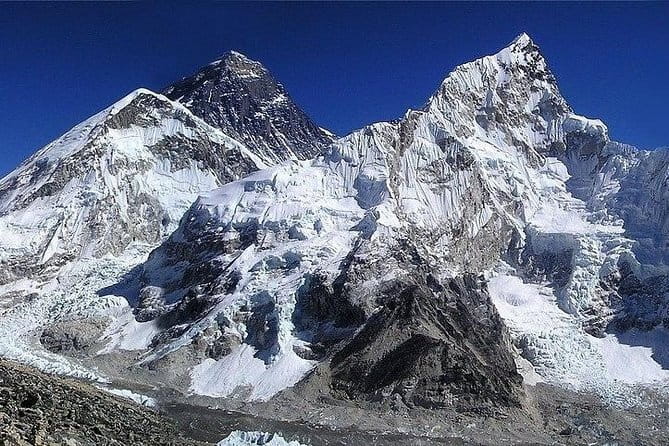
- Kalapathar sunrise is built in: Early start to reach the viewpoint with wide mountain views.
- Safety support included: First-aid kit and a basic box with Diamox are part of the package.
- Extra costs are real: Hot drinks, Wi‑Fi, water/drinks, and optional porter are not included.
More trails out of Kathmandu, boots ready
- Everest Base Camp Trek – 14 Days★ 5.0 · 1,499 reviews
- Everest Base Camp Trek★ 5.0 · 842 reviews
- Everest Base Camp Trekking★ 5.0 · 485 reviews
- Nagarkot Sunrise View and Day Hiking from Kathmandu★ 5.0 · 471 reviews
Why This Everest Base Camp Trek Still Feels Classic
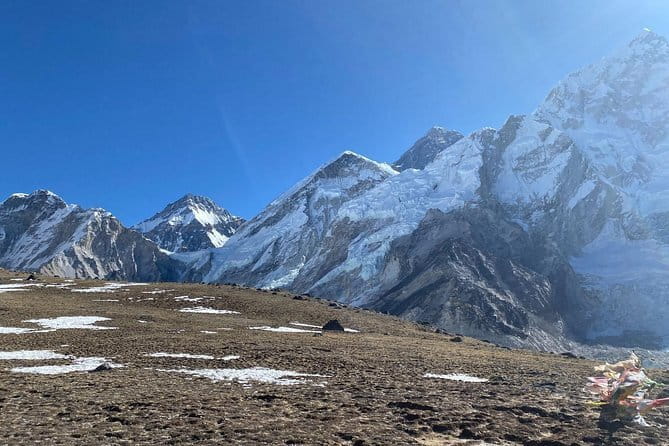
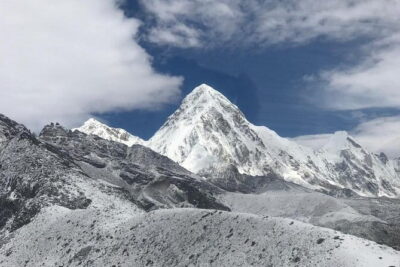
Everest Base Camp is famous for a reason. You get that slow change in your surroundings: pine forest, Sherpa villages, big walls of granite and snow, then glacier terrain and open views that make the whole planet feel smaller.
What makes this trek stand out is not just that you go to Base Camp. It’s how the trip is packaged to reduce friction. You fly in and out with return flights between Kathmandu and Lukla, and you travel with a government-licensed guide who also handles the paperwork side of things. That means less time negotiating, and more time focusing on the trail itself.
There’s also a practical timing angle. The route has become more popular and logistics can shift, so getting a structured plan like this can save you headaches. You still get the real Khumbu feel day after day—just with less admin stress hanging over your shoulders.
Price and Logistics: What $1,420 Covers (and What Doesn’t)
At $1,420 per person for 14 days, you’re paying for a bundled service model: flights, guide, meals, and lodging during the trekking portion.
Here’s what’s included that actually matters on the ground:
- Round-trip flights Kathmandu ↔ Lukla (with departure taxes)
- Licensed guide and a team setup that includes luggage carry for the trekking period
- Trekking documents (Everest National Park + TIMS)
- Full-board meals during the trek (breakfast, lunch, dinner)
- Trekking lodge accommodations for the trip
- First aid medical kit, plus a basic box that includes Diamox
- Emergency rescue operation funded by Travel Insurance (as stated)
What’s not included (and you should plan for it):
- International flights
- Nepal entry visa fees
- Meals and lodging before and after the trek (Kathmandu is partly covered, but your total pre/post costs depend on your own schedule)
- Local porter if you want one
- Hot showers, hot and cold drinks, snacks, water, and Wi‑Fi
- Tipping/Gratitude to guides and staff
In value terms, the price is strongest if you want one person to coordinate the whole chain: Kathmandu arrival → Lukla → trekking lodges → return. If you already have guides and flights lined up on your own, you might find cheaper. But if you want to show up and just walk, the bundle is the point.
Day 1 in Kathmandu: Thamel Pickup and a Clean Start
You’ll land at Tribhuvan International Airport, get a warm welcome, and be transferred to your hotel. The meeting point is Thamel, Kathmandu, which is convenient because you can find shops, gear, and easy connections to local transport without needing a long commute.
This day matters more than it sounds. Altitude prep and logistics prep often fail on day one. Having a fixed transfer, plus a place to rest, helps you arrive with calm instead of sprinting around Kathmandu searching for details.
Day 2: The Lukla Flight and Meeting Your Sherpa Crew
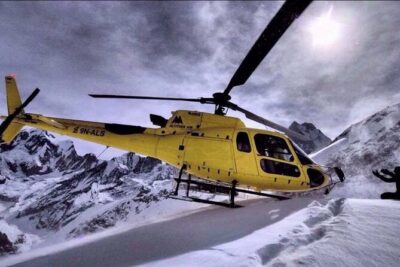
Day two is a short scenic flight (about 35 minutes) to Lukla. That quick hop is part of why this trek works as a “classic” experience. You’re not hiking for days just to reach the start line—you go right into the Khumbu system.
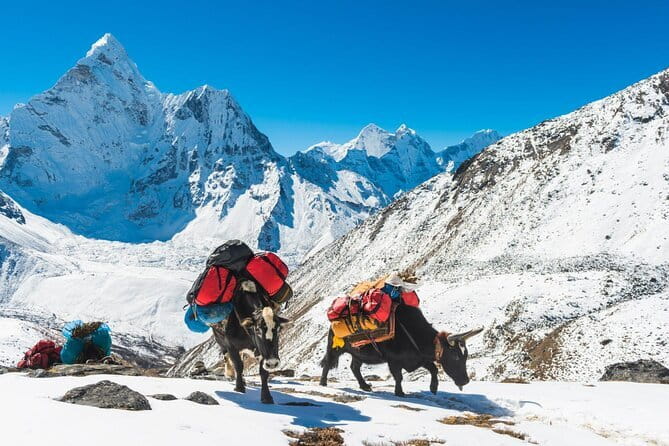
Once you’re in Lukla, you meet and introduce your crew. A key operational detail here: the group setup includes luggage carry for the trek. That means you can travel lighter in the early stages, which helps because the first days often feel deceptively easy until your breathing starts adjusting.
Days 3–5: Pine Forests, Everest First Glimpses, and a Descent You’ll Feel
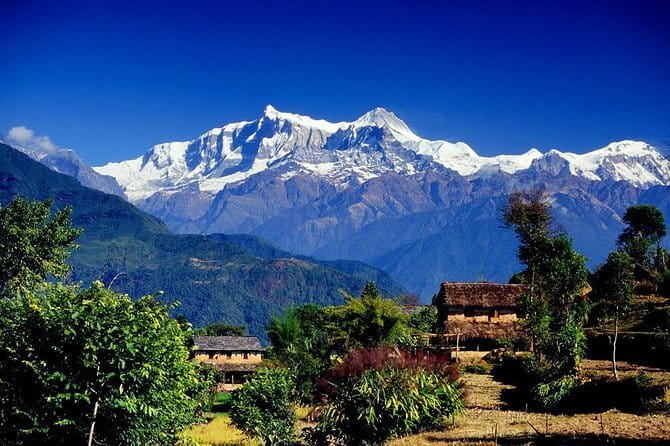
On day three, you start with breakfast and then trek through lush pine forest, crossing the Dudkosi River. This is where Everest starts showing itself in pieces: big views, then valleys, then the distant white silhouette that keeps you oriented toward something real.
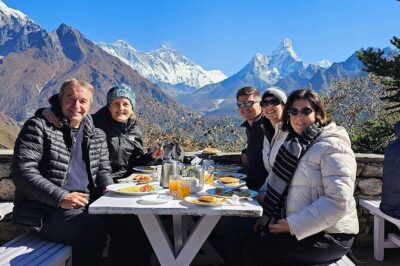
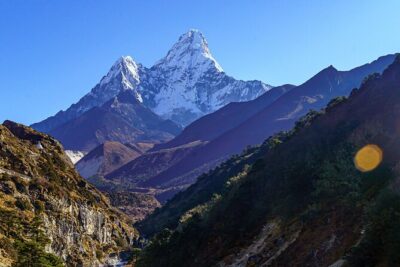
Day four includes rest and acclimatization, plus a mountain lookout day. You’ll get views over a cluster of peaks—Everest, Lhotse, Cholatse, Thamserku, Kwangde, and more. You’ll also pass through a beautiful valley setup that gives you a sense of scale without yet forcing maximum altitude effort.
Day five follows the “highway of Everest” style of trekking: you’ll move along sections tied to the Everest corridor, including the well-known descent toward the Dudh-Koshi River and then the equally famous climb along rhododendron areas.
Why this stretch works:
- You’re building altitude gradually, not just racing up.
- The scenery shifts often enough to keep your mind from getting stuck on breath control.
One consideration:
- Descents still tax your legs. Expect tired knees even if the altitude isn’t the hardest that day.
Day 6: Tengboche Monastery in the Morning Light
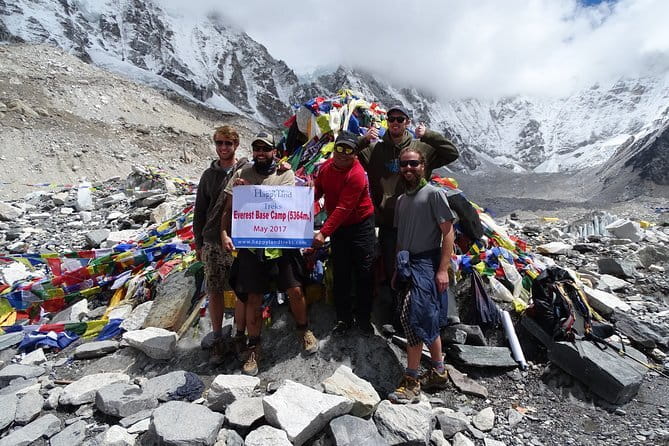
Day six has a timing advantage. Early in the morning, the Tengboche monastery and surrounding mountains can look especially crisp. Then after breakfast, you trek through a forest area described as “Merlin’s” type imagery—basically a magical, storybook-feeling stretch through trees and trail views.
Why Tengboche is a mental highlight: this is the day where the spiritual center of Sherpa life and the mountain drama overlap. It’s not just walking. It’s a pause that helps you process what you’re seeing.
If you’re the type who plans to take photos, this is a day to do it early. Light changes fast here, and you don’t want to be stuck timing shutters while the moment passes.
Day 7: Dingboche Rest Day That Actually Helps
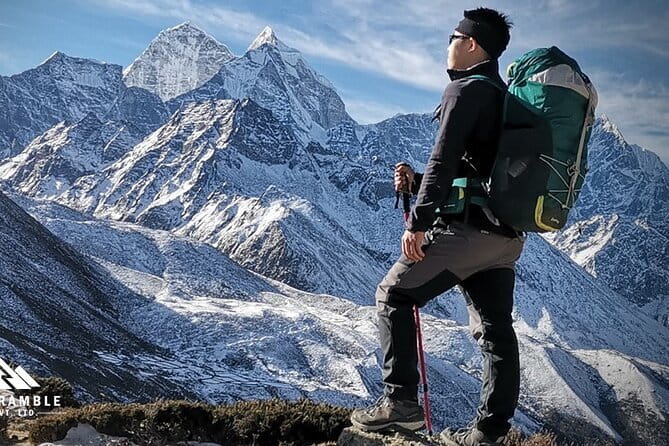
Day seven is a rest and acclimatization day at Dingboche. Dingboche is a popular stop for people heading toward Everest, Ama Dablam, and Imja Tse, and the village has fields fenced by stone walls for barley cultivation.
Rest days can sound “optional” until you’ve felt altitude fatigue. This one gives your body time to adapt while you still stay moving in your routine—short walks, tea house breaks, and the simple fact of staying at the same altitude.
Practical tip based on the trip structure: don’t plan to solve every photo idea on your rest day. Save your energy for the climb days that follow.
Day 8: Chukpo Lari and the Memorial Trail Feeling
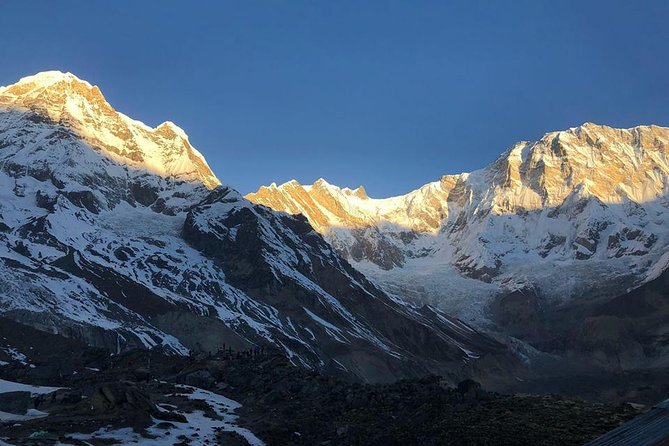
Day eight brings a gradual climb toward Duglha, then a steep push up to the ridge at the top of Chukpo Lari. The highlight mentioned here is emotional and specific: you’ll see memorials dedicated to climbers who died on Mount Everest.
That moment hits because it changes the mood of the trail. Everest can feel like a dream from afar; memorials pull you back into reality. It’s also part of why this trek feels meaningful even when the weather is ordinary.
Day 9: Lobuche to the Glacier Northward (The Big Day Building)
Day nine is described as the most exciting and long-awaited day. Starting from Lobuche, you walk along flat meadow sections, then follow the trail as it moves northwards toward the Khumbu Glacier. There’s also short climbing and then a move onto the lateral moraine.
This is where your “I can keep walking” becomes “I can keep walking even when it gets harder.” The glacier terrain gives you a different kind of focus—less about small village scenery, more about reading the path and managing your breathing.
Day 10: Kalapathar Sunrise, 360-Degree Mountain Views
Day ten starts very early. You climb for about two hours to Kalapathar. Then you’re in position to watch the sunrise over the Himalayas with a near 360-degree view that can include Mount Everest, Nuptse, Lhotse, and other peaks.
This day is one reason people talk about Everest as a once-in-a-lifetime destination. It’s not only the mountain scale—it’s the feeling of being surrounded by it while the world wakes up.
What to expect logistically:
- You’ll be moving before you’re fully awake.
- You’ll want layers, because temperature swings can be intense at early hours.
Day 11: Down Through Sherpa Villages, Back Toward Tengboche
Day eleven is a descent through beautiful Sherpa villages, then you cross into the Dudkosi River area, go into the forest via Dingboche, and climb back up to Tengboche.
This is “transition trekking,” and it helps you reset mentally. You’re not going higher toward the goal now; you’re returning to familiar sections while still staying active and building strength back after the glacier-focused days.
Day 12: Jorsalle, Manjo, Benkar, Phakding, and the Suspension Bridge Mix
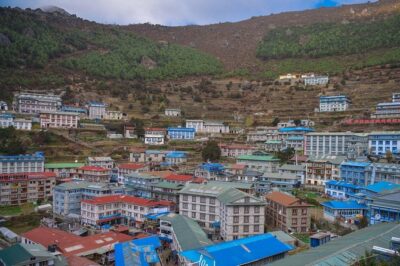
Day twelve sends you descending back along the same overall route you crossed earlier, including Jorsalle, Manjo, Benkar, Phakding, and other small villages. You’ll also cross the Dudh Koshi River using suspension bridges.
Why that matters: the suspension bridge segments tend to break up the monotony of long trail hours. They also remind you how much your body has already done. By this stage, the trek can feel both exhilarating and oddly emotional—like your mind already knows it’s almost done.
Day 13: Fly Back to Kathmandu and Use the Leeway
Day thirteen is a fly back to Kathmandu plus a leisure day. That’s smart planning. You won’t feel fully human the moment you finish trekking, and you don’t want to jump immediately into a packed itinerary.
In Kathmandu, you can eat normally, shower more comfortably (at least if you choose to pay for hot water in the way your schedule allows), and do a relaxed wander around Thamel or elsewhere nearby. It’s also a good day to organize photos and rest without worrying about the next trek day.
Lodges, Meals, and the “Simple Routine” You Should Expect
This trek includes full-board meals: breakfast, lunch, and dinner during the trekking portion, plus accommodations in trekking lodges.
Here’s the trade-off with lodge trekking on routes like this:
- You get predictable meals and a place to sleep without hunting for options.
- The comforts are basic by design. Menus can stay similar across days, and lodge quality can vary by location.
From the broader pattern of feedback tied to this style of trek, one recurring theme is that the experience is still worth it even when some lodging is less comfortable than others. The trail goals and the views do the heavy lifting.
If you care about comfort, bring patience. If you care about the mountains, bring energy.
Safety and Support: Licensed Guide, Diamox, and Emergency Back-Up
A lot of Everest treks are “walking tours” in name only. This package is more structured than that: it includes a licensed guide, a first aid medical kit, and even a basic box that includes Diamox for altitude sickness as stated.
Also included is emergency rescue operation funded by Travel Insurance (as described in the package). That doesn’t mean “no risk.” It means you’re not doing safety planning alone.
One more practical note: your group includes a porter setup for luggage, and you can hire a local porter if you need one. You’ll pay for it separately, but the option is there.
Trekking Tips That Fit This Exact Schedule
This route includes rest days, long trekking days, and an early morning summit push to Kalapathar. So your best strategy is to match your habits to the schedule.
- Plan your days around altitude, not just distance. Even when the trail looks manageable, high altitude can slow you down.
- Start early when the day starts early. Kalapathar sunrise is a pre-dawn effort, and you’ll want your routine down.
- Budget for small purchases. Water/drinks, snacks, Wi‑Fi, and hot showers are not included.
- Keep layers easy to manage. Cold mornings and warmer afternoons are common on mountain routes; you’ll feel it most on sunrise days.
Who Should Book This Everest Base Camp Trek
This is a good fit if you want:
- A small-group Everest Base Camp experience with agency support
- A licensed guide and the paperwork handled
- Included lodges and full-board meals during the trekking period
- A classic itinerary that culminates with Kalapathar sunrise
It may not be ideal if:
- You want a fully customized, flexible route with lots of off-menu changes
- You dislike basic lodging or extra costs for Wi‑Fi, showers, and drinks
- You’re looking for a hike with minimal altitude challenge (because this is built around acclimatization and high-elevation trekking)
Should You Book Alpine Ramble Treks for Everest Base Camp?
If you want the Everest Base Camp experience to feel organized without feeling sterile, I’d say this is a strong choice.
The best reasons to book are the parts that reduce stress: return Lukla flights, licensed guide, paperwork included, and full-board lodge support that covers the core daily needs. The mountain days still take effort, but you’re not doing the trip planning on your own.
My main caution is simple: bring realistic expectations. Lodges are basic, extra costs add up, and you should respect the altitude and pacing. If you can handle that, this trek has the ingredients for a memorable, classic Himalayan story—especially with the Kalapathar sunrise payoff.
FAQ
What is the meeting point and where does the trek end?
The start meeting point is Thamel, Kathmandu 44600, Nepal. The activity ends back at the meeting point in Kathmandu.
Does the package include flights to Lukla?
Yes. It includes round trip flights Kathmandu–Lukla and Lukla–Kathmandu, including departure taxes.
Are meals and lodge accommodations included during the trek?
Yes. The trek includes full-board meals (breakfast, lunch, dinner) during the trekking period, and accommodations in trekking lodges.
What trekking support is included for altitude safety?
The package includes a first aid medical kit, and a basic first aid box including Diamox for altitude sickness, plus emergency rescue operation funded by Travel Insurance (as stated).
What extra costs should I expect during the trek?
You pay for water and drinks, plus Wi‑Fi and hot shower costs if you want them. A local porter is not included if you need one, and tipping/gratitude to guides and staff is also not included.
Can I cancel for a full refund?
Yes, you can cancel for a full refund if you cancel at least 24 hours in advance of the experience’s start time. If you cancel within 24 hours, the amount paid is not refunded.
More Trekking Out of Kathmandu
More Tour Reviews in Kathmandu
Just Reviewed in Kathmandu
- Mountain Bike Tour
★ 5.0 · 3 reviews - Annapurna Panaroma
★ 5.0 · 3 reviews - Mount Everest Scenic Flight 50 Minutes
★ 5.0 · 3 reviews - Kathmandu : Swambhunath & Durbar Square Guided Half Day Tour
★ 3.3 · 3 reviews - Chandragiri Cable Car & Monkey Temple Tour – Private/Group
★ 5.0 · 3 reviews - Kathmandu: Shivapuri National Park Hiking Day Trip
★ 3.3 · 3 reviews
Everest Base Camp Treks, compared.
 ★ 5.0Everest Base Camp Trek – 14 DaysFrom $1,8001,499 reviews
 ★ 5.0Everest Base Camp TrekFrom $1,790842 reviews
 ★ 5.0Everest Base Camp TrekkingFrom $1,350485 reviews
 ★ 5.0Everest Base Camp Trekking – 13 DayFrom $1,399365 reviews
★ 5.0Everest Base Camp TrekFrom $1,445350 reviews
★ 5.0Everest Base Camp Trekking – 13 DayFrom $1,399365 reviews
★ 5.0Everest Base Camp TrekFrom $1,445350 reviews
 ★ 5.012 Days Everest Base Camp TrekFrom $1,099289 reviews
 ★ 5.0Everest Base Camp Trekking – 2025/2026From $1,339199 reviews
★ 5.0Everest Base Camp TrekFrom $1,408193 reviews
★ 5.0Everest Base Camp Trekking – 2025/2026From $1,339199 reviews
★ 5.0Everest Base Camp TrekFrom $1,408193 reviews
Browse the lists this tour appears in