
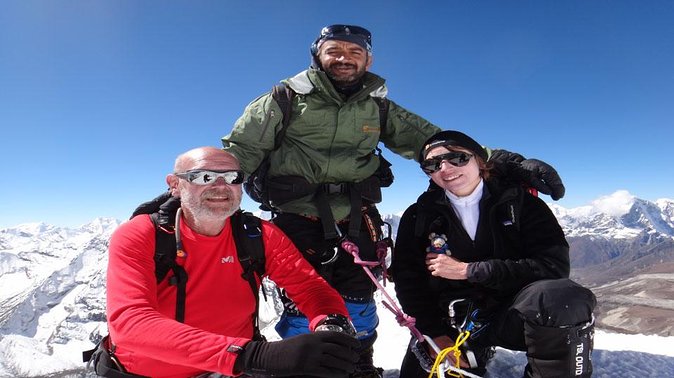
Review · EVEREST BASE CAMP TREKS
Everest Base Camp Trek
Climb into the Everest region with a plan. This guided trek turns the idea of Everest Base Camp into a step-by-step route with round-trip Lukla flights and a support team built for high-altitude hiking. You’ll pass through Sherpa towns, pause for acclimatization, and follow a route that’s designed to help you reach the big milestones without rushing.
What I like most is that your trek life is mostly handled: accommodation and meals are included, and the trekking permits are arranged for you. The second big win is how the itinerary builds time to adjust at altitude around Namche and Dingboche, rather than treating acclimatization like an optional side quest. One thing to consider up front: you’re on an altitude schedule, so if you’re prone to feeling unwell at height, you’ll need to take the slower pace and safety guidance seriously.
In This Review
- Quick hits: what makes this Everest Base Camp trek work
- From Kathmandu to Lukla: logistics that set the tone
- Day 1–2: Lukla to Phakding, then the climb into Namche
- Day 3–4: Namche acclimatization, the Everest View Hotel stop, and a monastery day
- Day 5–6: Dingboche and altitude practice (where pace becomes strategy)
- Day 7–9: Lobuche, Everest Base Camp, and the Kalapatthar finish that everyone remembers
- Day 10–12: retracing the trail back to Namche, Lukla, and Kathmandu
- What you actually get: included meals, accommodation, and permits
- Guides and group size: why support matters in thin air
- Value and price: where the $1,445 really goes
- Who should book this trek (and who should think twice)
- Should you book this Everest Base Camp trek?
- FAQ
- How long is the Everest Base Camp trek?
- Where does the trek start and end?
- Are round-trip flights included?
- What’s included in the price?
- What’s not included?
- How many people are in the group?
- Do I need to provide passport details?
- Is the trek affected by weather?
Quick hits: what makes this Everest Base Camp trek work
- Lukla flights included (round-trip), which removes one of the biggest trip-logistics headaches.
- Permits handled for you, so you’re not stuck chasing paperwork in Kathmandu.
- Meals and accommodation included on the trek, helping you focus on hiking and hydration.
- Small group size (max 12), which usually means more attention and less waiting around.
- Acclimatization days built in around Namche and Dingboche—exactly where altitude can surprise you.
More trails out of Kathmandu, boots ready
- Everest Base Camp Trek – 14 Days★ 5.0 · 1,499 reviews
- Everest Base Camp Trek★ 5.0 · 842 reviews
- Everest Base Camp Trekking★ 5.0 · 485 reviews
- Nagarkot Sunrise View and Day Hiking from Kathmandu★ 5.0 · 471 reviews
From Kathmandu to Lukla: logistics that set the tone
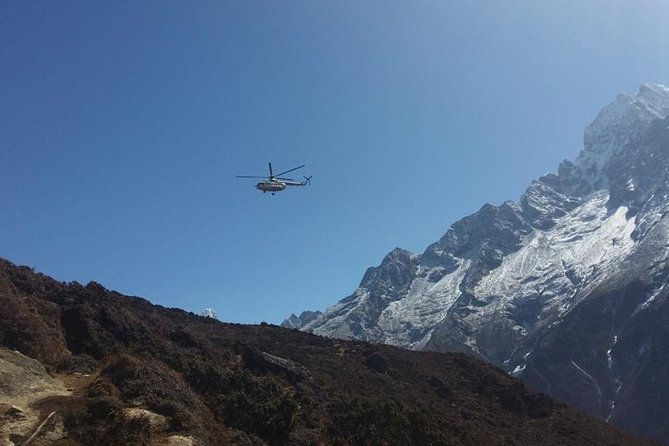
The journey starts with a short flight from Kathmandu to Lukla, and that matters more than people think. Lukla is where the trip stops feeling like a vacation plan and starts feeling like a hiking mission. Because the round-trip flights are included, you’re not juggling separate bookings, schedule changes, or last-minute ticket hunts while you’re already stressed about altitude.
You’re also given a simple, modern check-in approach with a mobile ticket, and pickup is offered. Day 12 includes the reverse flow: you fly back to Kathmandu and get transferred to your hotel. Those “get you there, then get you home” pieces are not glamorous, but they remove friction at the exact moments you want everything to feel calm.
A practical note: you’ll be meeting early (the start time listed is 5:15am). That early push is typical for mountain travel, and it’s one reason I recommend packing as if you’ll be moving fast—have your layers ready, your meds accessible, and your day bag organized before you sleep.
Day 1–2: Lukla to Phakding, then the climb into Namche
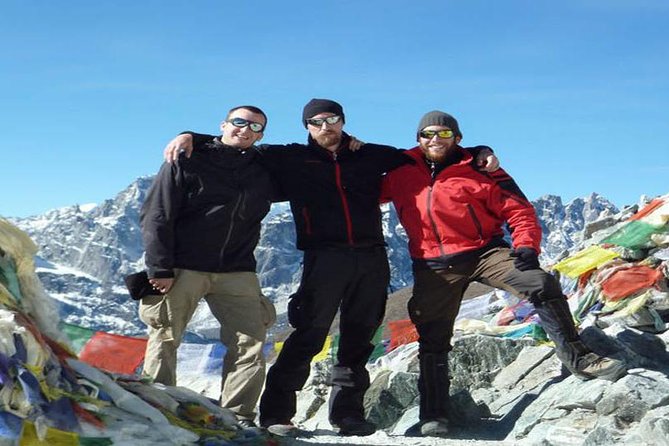
Day 1 begins with that famous Lukla landing and then continues toward Phakding, with about a 3.5-hour hike. This isn’t the hardest day on paper, but it sets the rhythm: steady trekking, watch your breathing, and treat the first hours like warm-up—not a time trial.
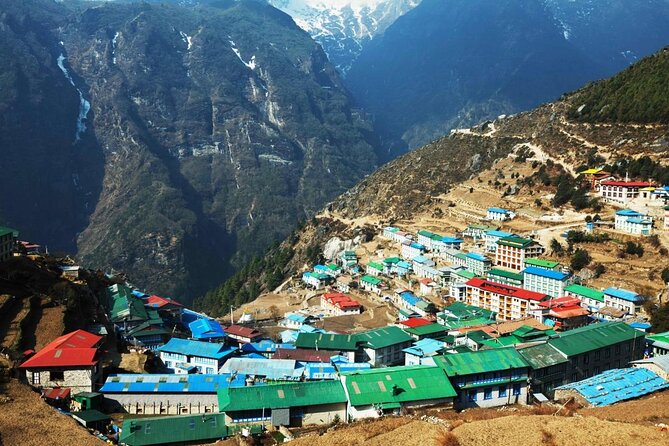
Day 2 is the big push into Namche Bazaar, with around 8 hours of hiking and mostly uphill terrain. Namche is the social hub of the Khumbu region. It’s where you’ll see how the Everest story becomes real: teahouse life, Sherpa-run businesses, and that feeling that you’re entering a long-used trail system. It’s also where altitude begins to matter in a noticeable way, so I like that this trek doesn’t “skip ahead” to high elevation immediately. You build up to it.
Tip I’d follow: keep your effort smooth, not heroic. On Day 2, it’s easy to feel strong early and then pay for it later. If your guide is reminding you to take it slow, listen.
Day 3–4: Namche acclimatization, the Everest View Hotel stop, and a monastery day
Day 3 is an acclimatization day around Namche, including a visit to the Everest View Hotel. This is the kind of stop that’s both practical and satisfying. Practically, it supports your body in the altitude transition. Satisfaction-wise, it gives you a payoff moment with views and orientation in the same day.
Day 4 shifts gears to a monastery trip. This is a change of pace that can be useful when altitude is already working on your brain. A quieter activity helps you keep moving without turning every hour into a workout. It’s also an opportunity to slow down and observe daily life and spiritual culture in the region.
One thing I appreciate about having these days near Namche is that you’re not only trying to reach a destination—you’re learning how to live at altitude for short periods. That skill becomes important later when the hiking days get longer and the air gets thinner.
Day 5–6: Dingboche and altitude practice (where pace becomes strategy)
Day 5 hikes to Dingboche, another long day at about 8 hours. Dingboche sits higher than Namche, and the route there usually feels more demanding because every climb asks for more breath. This day is about consistency: keep walking, don’t spike your pace, and remember that altitude doesn’t care how motivated you feel at the start.
Day 6 is another acclimatization day around Dingboche. The goal here is simple: gain elevation slowly enough that your body can adapt. Even if you’re fit, acclimatization is still work. On a trek like this, your progress is measured by how you feel, not only by how far you walk.
A helpful detail from guide experiences: strong leaders sometimes adjust plans when altitude issues show up. In the past, guides on this route have stepped in when someone had complications and shifted the itinerary approach to keep the group safe. So if you feel symptoms, don’t tough-guy it. Your job is to tell your guide early, not wait until you’re miserable.
Day 7–9: Lobuche, Everest Base Camp, and the Kalapatthar finish that everyone remembers
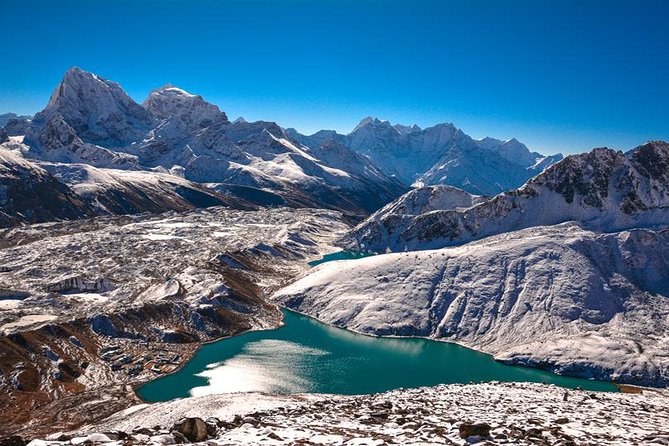
Day 7 takes you to Lobuche. This is a turning-point section: the trail feels more “serious,” and the terrain around you starts to look less like a Himalayan town-to-town walk and more like a high-altitude corridor.
Day 8 is the Everest Base Camp push and the walk back to Gorakshep. Reaching Base Camp is the emotional headline, but Gorakshep matters too because you’ll be sleeping at a high point after a long day. This is where the trek’s pacing decisions from earlier days show up. When acclimatization has gone well, you’re more likely to have the energy to enjoy the moment instead of just surviving it.
Day 9 includes a hike to Kalapatthar and then trekking to Pheriche. Kalapatthar is famous for a reason: it’s one of those viewpoint workouts where the effort pays off with sweeping Everest-area views. But it’s still a hike on thin air, so expect it to feel longer than it looks on paper.
What I’d plan in your head: treat Day 8 and Day 9 as two connected “performance days.” You don’t get a reset between them. That’s why the earlier acclimatization days are not optional fluff—they’re what make those final viewpoints realistic.
Day 10–12: retracing the trail back to Namche, Lukla, and Kathmandu
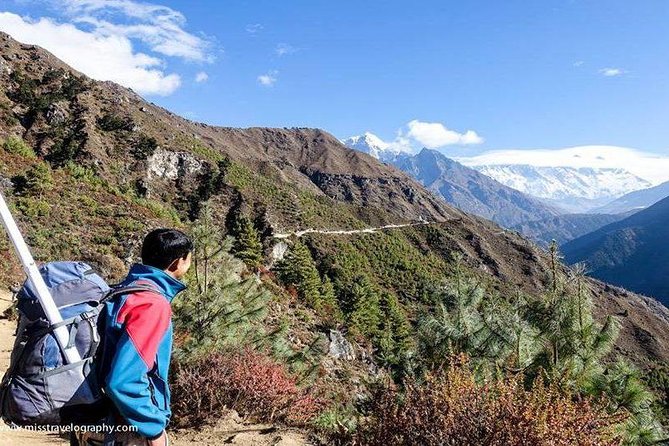
Day 10 is a long return trek back to Namche Bazaar, retracing the route. Day 11 heads back to Lukla. On the way down, the terrain can still be tiring, and muscles can get cranky even when altitude is slightly less stressful than the highest points.
Day 12 finishes with the flight back and a transfer to your Kathmandu hotel. This is when you’ll feel the whiplash of normal life returning—hot showers, softer beds, and the quiet relief that your body is done fighting for each step uphill.
It’s also a good time to be practical about gear. You may have layers you’ll never wear again, and you’ll want to sort your photos, recharge devices, and do a quick inventory check so nothing gets left behind in the mountain scramble.
What you actually get: included meals, accommodation, and permits
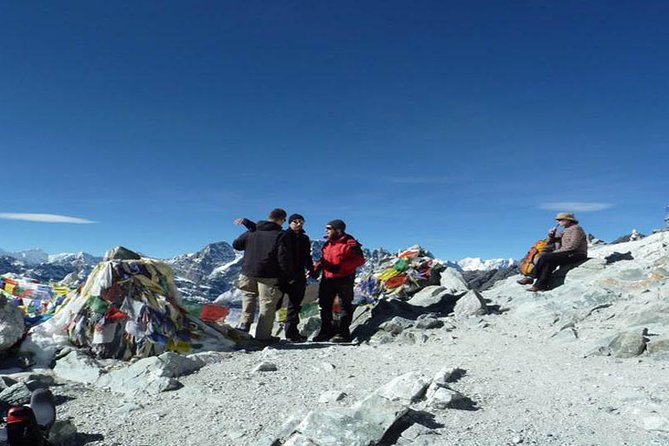
This trek includes accommodation and meals on the trek. You’re also covered for trekking permits, plus the round-trip flights between Kathmandu and Lukla. That bundle is a big part of the value.
It’s also helpful that lunch, dinner, and breakfast are listed as included for 11 days, which lines up with the core trekking portion. The days on either end (Kathmandu start and Kathmandu finish) are part of the trip structure, but the meal plan you get is specifically built around the time you’re hiking.
What’s not included is the stuff that can sneak up on a budget: travel insurance, personal expenses, porter support, and tipping. Even if you’re an experienced walker, I’d still plan your financial cushion around those items so you’re not doing math while you’re trying to enjoy the trail.
Guides and group size: why support matters in thin air
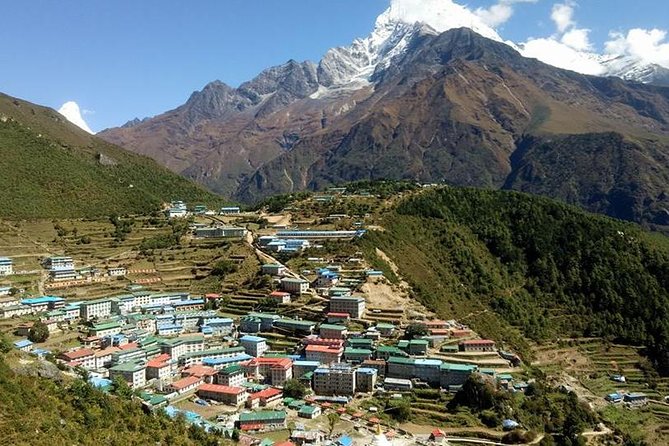
This trek runs with a maximum of 12 travelers. That’s a sweet spot. Large groups can feel like you’re always waiting. Tiny groups can mean you’re constantly negotiating pace. Here, you’re likely to find a rhythm: people moving together, guided decisions being made quickly, and less time spent stuck in a bottleneck.
In the feedback you provided, guides are frequently praised for responsiveness and encouragement. Names that have come up include Nima, Ramesh, Manoj, Madan, Pralhad, and Ngima—plus porters like Unik. More than name-dropping, what matters is the role they played: keeping people safe, explaining what to do, and helping adjust plans when someone needed a different pace due to altitude.
If you’re thinking of traveling with a friend or as a couple, you’ll probably like the way this is set up. If you’re older or returning to trekking after time off, the pacing and attention from a leader can make the difference between feeling confident and feeling stressed.
Value and price: where the $1,445 really goes
At $1,445 per person, this trek is not cheap. But it’s also not just selling a route. The price includes items that are often the biggest “hidden hassle” costs for Everest trips: Lukla flights, trekking permits, and meals plus accommodation during the trekking days.
So when you look at value, don’t only compare to another headline price. Compare to what you’d have to arrange yourself if you booked flights separately and handled permits on your own. Here, the planning is bundled so you can spend your energy where it belongs: acclimatization, hydration, and steady hiking.
Also, the smaller group size can be part of the value. You’re not paying for a fancy itinerary app. You’re paying for decision-making support when weather shifts, when your body reacts differently than expected, and when the group needs to keep moving safely.
Who should book this trek (and who should think twice)
This is ideal for fit travelers who have prepared for high-altitude trekking. The itinerary makes sense for people who can handle long hiking days, especially around Namche to Dingboche and on the later ridge days near Gorakshep and Kalapatthar.
It’s also a good choice if you want guided support rather than self-planning. You’re told permits will be arranged, meals and accommodation are included on trek, and you have a leader and local team handling coordination.
Think twice if:
- You’re unsure how you respond to altitude and you’re not willing to adjust pace immediately.
- You want a casual, easy-walk vacation. This trek is structured, not weightless.
One more practical reality: the trip is listed as operating in all weather conditions. That means you should dress for rain, wind, and cold, and you should expect that mountain conditions can change fast. If you don’t like that idea, Everest may not be your best match.
Should you book this Everest Base Camp trek?
If you want Everest Base Camp with the “important logistics” handled, this is the kind of tour I’d point you toward. The strongest reasons are the included Lukla flights, included trek meals and accommodation, and acclimatization built into the route near Namche and Dingboche. Add a small group size and a leadership team that can respond to altitude needs, and you’ve got a trek that’s designed for safety and steady success.
I’d book it if you’re motivated, physically ready, and you’re willing to follow altitude rules without bargaining. I wouldn’t book it if you’re looking for a relaxed walk with minimal physical effort or if you’re likely to ignore safety guidance when you feel off.
If you do book, focus on the basics: pack for weather, keep a steady pace, report symptoms early, and treat acclimatization days like part of the summit plan, not a break from it.
FAQ
How long is the Everest Base Camp trek?
The duration is listed as about 12 days.
Where does the trek start and end?
It starts in Kathmandu and includes trekking from Lukla onward, then you fly back and transfer to your Kathmandu hotel at the end.
Are round-trip flights included?
Yes. Round-trip flights from Kathmandu to Lukla are included.
What’s included in the price?
Accommodation and meals on the trek are included, trekking permits are arranged, and lunch, dinner, and breakfast are included for the trekking days. Pickup is offered as well.
What’s not included?
Travel insurance, personal expenses, porter support, and tipping are not included.
How many people are in the group?
The trek has a maximum of 12 travelers.
Do I need to provide passport details?
Yes. You must provide passport name, number, expiry date, and country for all participants at booking.
Is the trek affected by weather?
The tour is listed as operating in all weather conditions, so you should dress appropriately for mountain conditions.
More Trekking Out of Kathmandu
More Tour Reviews in Kathmandu
Just Reviewed in Kathmandu
- Mountain Bike Tour
★ 5.0 · 3 reviews - Annapurna Panaroma
★ 5.0 · 3 reviews - Mount Everest Scenic Flight 50 Minutes
★ 5.0 · 3 reviews - Kathmandu : Swambhunath & Durbar Square Guided Half Day Tour
★ 3.3 · 3 reviews - Chandragiri Cable Car & Monkey Temple Tour – Private/Group
★ 5.0 · 3 reviews - Kathmandu: Shivapuri National Park Hiking Day Trip
★ 3.3 · 3 reviews
Everest Base Camp Treks, compared.
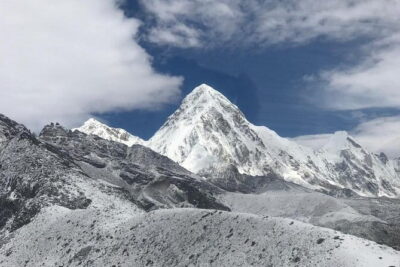 ★ 5.0Everest Base Camp Trek – 14 DaysFrom $1,8001,499 reviews
 ★ 5.0Everest Base Camp TrekFrom $1,790842 reviews
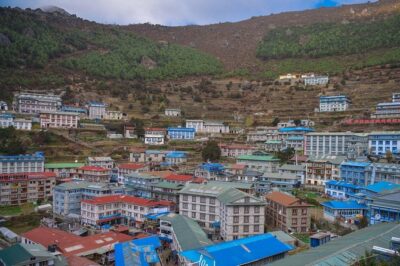 ★ 5.0Everest Base Camp TrekkingFrom $1,350485 reviews
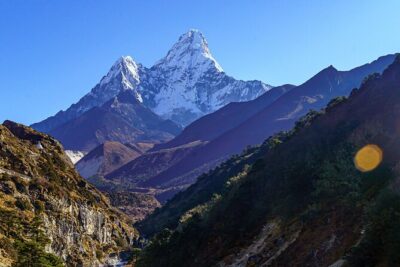 ★ 5.0Everest Base Camp Trekking – 13 DayFrom $1,399365 reviews
★ 5.0Everest Base Camp Trek -14 DaysFrom $1,420321 reviews
★ 5.0Everest Base Camp Trekking – 13 DayFrom $1,399365 reviews
★ 5.0Everest Base Camp Trek -14 DaysFrom $1,420321 reviews
 ★ 5.012 Days Everest Base Camp TrekFrom $1,099289 reviews
 ★ 5.0Everest Base Camp Trekking – 2025/2026From $1,339199 reviews
★ 5.0Everest Base Camp TrekFrom $1,408193 reviews
★ 5.0Everest Base Camp Trekking – 2025/2026From $1,339199 reviews
★ 5.0Everest Base Camp TrekFrom $1,408193 reviews
Browse the lists this tour appears in