
Review · HIKING & TREKKING
Annapurna Full Circuit Trek
This trek keeps surprising you daily. I love how the route starts from Kathmandu and builds from fir and rhododendron forests toward higher altitude, and I love the cultural stop in Manang village where the Manangi lifestyle feels like little Tibet. The one drawback to plan for is altitude and long hiking days, so you’ll want moderate physical fitness and good weather timing.
Roads have reached parts of the Circuit, but this trek is set up to keep you on foot by using trails to bypass jeep tracks in the Marshyandi Valley. Your adventure begins with pickup and a drive out of Kathmandu toward Syange/Jagat via Beshisahar, with a 7:15 am start time.
Once you’re moving, you’re not stuck micromanaging food. Breakfast, lunch, and dinner are included, and private transportation plus a mobile ticket helps keep logistics straightforward. The one thing to watch: bottled water isn’t included, and the experience listing also says scuba equipment is included, so you should ask the operator to clarify what that means for your specific trek.
In This Review
- Key Things That Make This Annapurna Circuit Tick
- From Kathmandu to Syange/Jagat: the first climb into Nepal’s forest world
- Jeep roads are coming. This trek tries to keep you on real footpaths
- Village days: where the culture isn’t a sidebar
- Manang village: where the mountains feel closer and the culture changes
- Thorang-La pass and peak views: the part that tests you
- Meals, water, and the oddly listed scuba equipment
- Private guiding with Adventure Blossom Treks: Sunita, Himal, and Bashu Dev Bagale
- Price and logistics: does $1,952 per person feel fair?
- Who should choose this private Annapurna Full Circuit trek
- Should you book the Annapurna Full Circuit Trek with Adventure Blossom Treks?
- FAQ
- What city does this Annapurna Full Circuit Trek start from?
- How long is the Annapurna Full Circuit Trek?
- What is the meeting/start time?
- Does the tour include pickup?
- What meals are included?
- Is bottled water included?
- Is there a trekking guide included?
- Is this a private tour?
- Are service animals allowed?
- How does cancellation work if weather is poor?
Key Things That Make This Annapurna Circuit Tick
- Manang village feels like little Tibet through the Manangi culture and traditional way of life
- Trails over jeep tracks when roads encroach along the Marshyandi Valley sections
- Guide Himal’s hands-on care described as checking health/appetite/sleep/oxygen each day
- Sunita’s Kathmandu support adds an easier ramp-in before you hit the mountains
- A weird-but-worth-confirming inclusion: use of scuba equipment listed, so verify what you’ll actually need
More trails out of Kathmandu, boots ready
- Everest Base Camp Trek – 14 Days★ 5.0 · 1,499 reviews
- Everest Base Camp Trek★ 5.0 · 842 reviews
- Everest Base Camp Trekking★ 5.0 · 485 reviews
- Nagarkot Sunrise View and Day Hiking from Kathmandu★ 5.0 · 471 reviews
From Kathmandu to Syange/Jagat: the first climb into Nepal’s forest world
Your trek starts in Kathmandu, then you head out by private transportation toward Syange or Jagat, with Beshisahar on the way. That matters because you’re not spending your first day figuring out transit. The route is built to get you moving early, with pickup offered and a 7:15 am start.
The first hiking days (starting from lower altitude) take you through thick fir and rhododendron forests. This is one of the best parts to look forward to if you like trekking that feels varied day to day. Forest walking slows your pace in a good way. Your eyes get a break from constant peak-gazing, and your legs settle into rhythm.
You’ll also start seeing settlements and small communities relatively early. The trek doesn’t feel like you’re just hiking through blank wilderness. Instead, you’re moving through a lived-in region—people are around, paths connect villages, and the trail carries local rhythm.
One practical tip: if you tend to feel anxious about heights, this opening through forest is psychologically helpful. It’s a gentler on-ramp before the higher-altitude mood kicks in.
Jeep roads are coming. This trek tries to keep you on real footpaths
A big detail in how this Circuit is run is the approach to the Marshyandi Valley. Roads have been built along many sections, and the key promise here is that the trek follows the full route while using trails to avoid the jeep tracks.
In plain terms: you’re trying to keep the trek feel intact. Jeep roads can mean dust, engine noise, and a less “in the moment” walking experience. Footpaths tend to be quieter, more scenic in a human way, and better for the steady grind that full circuits demand.
That said, “avoiding jeep tracks” doesn’t mean you’ll never see road influence at all. Nepal’s infrastructure is changing fast, and you might still notice modern edges creeping into the valley. The value is that the trekking sections are designed to keep you walking instead of bouncing along in vehicle mode.
If you care about the authentic hiking feel—measured steps, small bends in the trail, and views that build gradually—this is one of the smartest design choices you can look for in the Annapurna Circuit.
Village days: where the culture isn’t a sidebar
One of the reasons the Annapurna Full Circuit stays famous is that you pass through many human settlements belonging to diverse ethnic groups. This isn’t described as a trek that isolates you from people. Instead, you’ll have chances to meet locals along the way and see how life changes across altitude.
At lower altitude, you’re in forest country with villages nearby. As you climb, the villages you reach help you understand that this is a corridor with real communities, not just a mountain route.
This matters for your experience because it changes the tone of the trek. You’re not only collecting scenery. You’re sharing time with people who live on the same slopes and trading routes you’re walking. Even small moments—talking with someone in a settlement, watching daily routines, seeing how communities adjust to altitude—make the journey feel more grounded.
When you choose a full circuit, you’re signing up for hours on your feet. Village days help balance that with meaning. It’s one of the main “why this is special” factors.
Manang village: where the mountains feel closer and the culture changes
The trek calls out Manang village as a key higher-altitude stop. This is where the vibe shifts, and it’s also where the description leans into what makes the Circuit feel like more than just a hike.
You’ll find the Manangi people with their own culture and traditional lifestyle, and the experience frames it as feeling like little Tibet. That comparison isn’t just marketing language. In many Himalayan regions, cultural practices shift with altitude, trade, and history. On a circuit trek like this, you can feel that shift more clearly than you can on short treks.
For you, Manang is likely to be a highlight if you like connecting the dots between mountains and human life. Views are part of it, sure—but the draw here is also the social and cultural atmosphere.
If you’re worried about altitude fatigue, keep in mind that reaching a place like Manang often means you’re entering the stage where your body asks more from you. This is where a good guide becomes extra valuable—not only for route guidance, but for pacing and comfort.


Thorang-La pass and peak views: the part that tests you
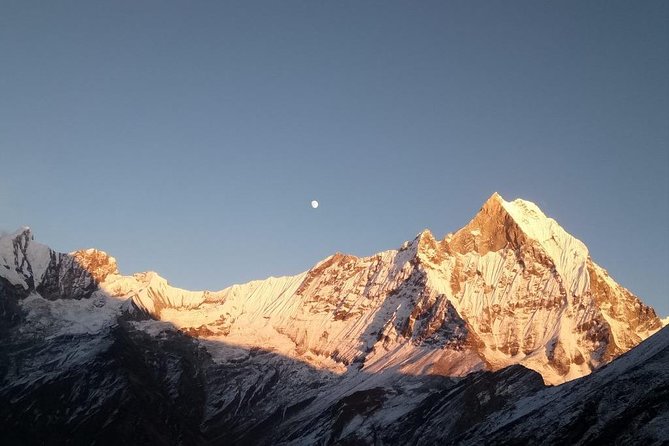
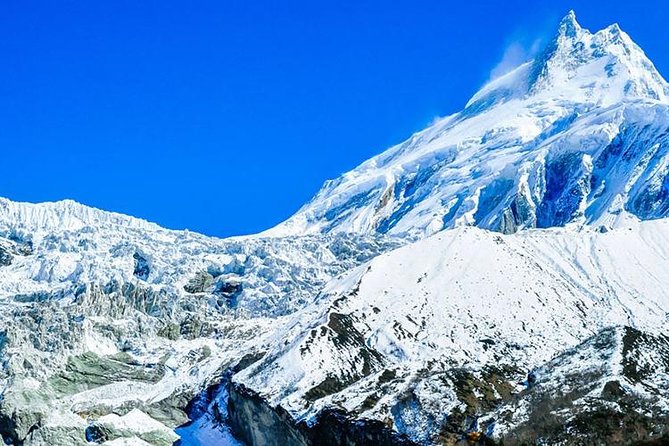
The Annapurna Circuit is famous for major mountain scenery, and in this trek you’re specifically told you’ll enjoy spectacular views of massive Himalayan peaks including Mount Annapurnas and Manaslu. You also have a reference point from a past trip where people trekked with the Thorang-la pass, which fits the overall Annapurna Circuit storyline.
What to expect here is not just a one-time photo moment. Views come in waves as you gain altitude. Some moments feel crisp and dramatic; others arrive after fog lifts or weather shifts. That’s why this experience is flagged as requiring good weather.
Altitude considerations are real. Even if you’re in decent shape, the higher segments can slow your breathing and sap energy. This is also where pacing becomes the difference between a smooth day and a stressful one. You want to walk with control, keep an eye on how you’re feeling, and not treat the climb like a race.
The good news? This kind of trek is exactly where strong guiding matters. In the feedback you provided, guide Himal is praised for daily care—checking health/appetite/sleep/oxygen—so you’re not left guessing how to manage yourself.
Meals, water, and the oddly listed scuba equipment
This experience includes breakfast, lunch, and dinner. That’s a big quality-of-life benefit on a long trek. You can focus on walking and acclimatizing instead of hunting for food logistics. It also helps make your daily planning simpler.
But there’s one clear gap: bottled water isn’t included. On a multi-day trek, that can become one of your biggest cost and weight variables. Plan ahead. If you rely on bottled water, you’ll need to budget for it. If you plan to treat water yourself, double-check what’s feasible where you’ll be walking and eating.
Now for the head-scratcher: the listing says use of SCUBA equipment is included. A land trek on Annapurna would not normally involve scuba gear. I’m not going to assume it’s an error, though. Instead, treat it as a “please confirm” item so you don’t get surprised at the start of the trek.
Practical takeaway: before you go, message the operator and ask plainly what the scuba equipment refers to for your dates. Even if it turns out to be a mistake, a quick clarification now can prevent stress later.
Private guiding with Adventure Blossom Treks: Sunita, Himal, and Bashu Dev Bagale
This trek is private, meaning it’s only your group. That matters in the mountains. It gives your schedule a chance to match your pace and needs rather than forcing you into the rhythm of a larger mixed group.
In the feedback you shared, Himal is repeatedly highlighted as the guide. People describe him as professional, caring, and attentive to daily wellbeing—specifically checking health, appetite, sleep, and oxygen. That kind of monitoring is exactly what you want on a full-circuit trek, where altitude can change how you feel day to day.
There’s also mention of Sunita assisting with Kathmandu and helping set people up with understanding and comfort before the trek begins. That’s underrated value. Kathmandu days can be confusing if you’re short on time or first-timer nervous. A good local intro helps you orient fast and start your mountain phase with less mental clutter.
And finally, the company’s owner Bashu Dev Bagale is described as kind as well. When the owner is genuinely involved, it often means better problem-solving if a schedule or condition changes.
One more logistics plus: pickup is offered, and you’ll use a mobile ticket. It’s not glamorous, but it reduces friction, which on a 20-day itinerary is a big deal.
Price and logistics: does $1,952 per person feel fair?
The price is $1,952.00 per person for about 20 days. That’s not cheap, but on a long trek, it can be reasonable if the services included actually match what you need.
Here’s what you’re getting in the basics:
- Breakfast, lunch, and dinner are included
- A trekking guide is included
- Private transportation is included
- Pickup is offered
- Mobile ticket
What you’re not getting:
- Bottled water
When I judge value, I look at what reduces your burden. Meals included means you spend less time organizing food under fatigue. Private transportation and pickup means you start the trek with less hassle. And a guide matters because it’s not only navigation—it’s also daily care at higher altitude.
If you’re comparing options, don’t focus only on headline cost. Ask what’s included for meals and guidance, and how the operator handles weather. This experience notes that it requires good weather and, if canceled due to poor weather, you’ll be offered another date or a full refund.
For many hikers, that weather reality is the real “hidden variable.” Paying for a service with weather handling can be part of why the price feels worth it.
Who should choose this private Annapurna Full Circuit trek
This trek is geared toward people with moderate physical fitness. “Moderate” here is important. It suggests you don’t need to be a mountain athlete, but you should be ready for sustained walking and changing altitude.
It’s also a good fit if you care about:
- Cultural interaction in villages along the route
- A full Circuit experience rather than a short out-and-back
- Avoiding jeep-track walking where possible
- Having a guide who actively checks how you’re doing
If you’re traveling as a solo hiker, the private setup can also feel calmer. One set of feedback you provided specifically described an Annapurna Circuit solo experience with this operator, and the overall tone was that the team took close care.
If you’re with a group (including friends traveling together), private guiding can be the difference between a trek that feels like a schedule and one that feels like your journey.
Service animals are allowed, and the experience is near public transportation. That’s a helpful note if you’re coordinating city-to-venue movement.
Should you book the Annapurna Full Circuit Trek with Adventure Blossom Treks?
If your goal is a full Circuit experience with culture in the mix—forest walking, village encounters, and a standout higher-altitude stop in Manang—this trek setup sounds like a strong match. The emphasis on avoiding jeep tracks where roads have arrived also points to a hiking-first approach, which I like.
Before you book, do three quick checks:
- Confirm what the included scuba equipment actually means for your dates.
- Plan financially for bottled water since it isn’t included.
- Be honest about altitude readiness. This route climbs into high country and depends on weather.
If those boxes work for you, this is the kind of trek that can deliver more than big mountain photos. You’ll walk through real communities, cross into Manang’s distinct cultural world, and experience the Annapurna Circuit’s classic high points with a guide who watches the details that keep you safe and moving.
FAQ
What city does this Annapurna Full Circuit Trek start from?
It’s based in Kathmandu, Nepal.
How long is the Annapurna Full Circuit Trek?
The duration is about 20 days.
What is the meeting/start time?
The start time is 7:15 am.
Does the tour include pickup?
Yes, pickup is offered.
What meals are included?
Breakfast, lunch, and dinner are included.
Is bottled water included?
No, bottled water is not included.
Is there a trekking guide included?
Yes, a trekking guide is included.
Is this a private tour?
Yes. It’s private, and only your group participates.
Are service animals allowed?
Yes, service animals are allowed.
How does cancellation work if weather is poor?
It requires good weather. If it’s canceled due to poor weather, you’ll be offered a different date or a full refund.
More Trekking Out of Kathmandu






More Tour Reviews in Kathmandu




Just Reviewed in Kathmandu
- Mountain Bike Tour
★ 5.0 · 3 reviews - Annapurna Panaroma
★ 5.0 · 3 reviews - Mount Everest Scenic Flight 50 Minutes
★ 5.0 · 3 reviews - Kathmandu : Swambhunath & Durbar Square Guided Half Day Tour
★ 3.3 · 3 reviews - Chandragiri Cable Car & Monkey Temple Tour – Private/Group
★ 5.0 · 3 reviews - Kathmandu: Shivapuri National Park Hiking Day Trip
★ 3.3 · 3 reviews
Hiking & Trekking, compared.
 ★ 5.0Everest Base Camp Trek – 14 DaysFrom $1,8001,499 reviews
 ★ 5.0Everest Base Camp TrekFrom $1,790842 reviews
 ★ 5.0Everest Base Camp TrekkingFrom $1,350485 reviews
 ★ 5.0Nagarkot Sunrise View and Day Hiking from KathmanduFrom $45471 reviews
 ★ 5.0Annapurna Circuit Trek with Tilicho LakeFrom $1,093368 reviews
 ★ 5.0Everest Base Camp Trekking – 13 DayFrom $1,399365 reviews
★ 5.0Everest Base Camp TrekFrom $1,445350 reviews
★ 5.0Everest Base Camp Trek -14 DaysFrom $1,420321 reviews