
Review · HIKING & TREKKING
Annapurna View Trek
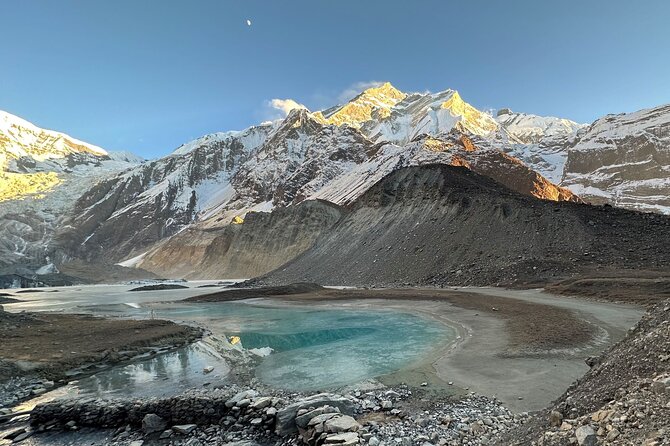
Poon Hill wakes up fast. The Annapurna View Trek is a compact, high-reward walk where you chase big-mountain views without needing big-mountain time, plus you get culture stops like terraced fields and Gurung villages. Two things I really like: the early-morning push to Poon Hill (about 3,210m) for glowing peak views, and the way the route moves through rhododendron forests with chances to spot birds and butterflies. One consideration: even though it is “easy” by Annapurna standards, there are still steep sections and an early start, so you’ll want a basic fitness level and comfort with altitude.
What makes this trek feel special is the mix of comfort and adventure. You’ll sleep in guesthouses, eat simple included meals (breakfast/lunch/dinner on trek days), and follow a guided plan that includes permits and park fees. In real trips, guides like Pasang (and sometimes Dorje) get praised for keeping things calm, organized, and helpful if it is your first multi-day trek.
In This Review
- Key takeaways before you go
- Why the Annapurna View Trek fits short-time Nepal plans
- From Kathmandu to Pokhara: the ride that sets the pace
- Ulleri to Ghorepani: village stairs and the first big feeling
- Poon Hill sunrise: the early climb and how to enjoy it
- Tadapani to Ghandruk and back to Pokhara: culture day with a payoff
- Pokhara to Kathmandu: staying comfortable at the end
- Price and logistics: what $750 buys you (and what it doesn’t)
- How hard is it, really? Altitude, steep bits, and smart pacing
- Guesthouses, meals, and how the day rhythm works
- Who should choose this trek, and who might want a different option
- Should you book the Annapurna View Trek?
- FAQ
- What time does the trek start each day?
- What is the highest point on the Annapurna View Trek?
- Are airport transfers included?
- Are national park fees and trekking permits included?
- What meals are included in the tour?
- Do I need travel or rescue insurance for this trek?
Key takeaways before you go
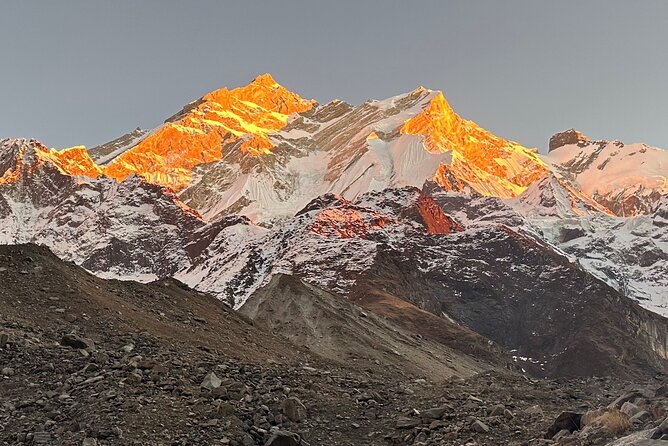
- Poon Hill sunrise: Early climb to the best viewpoint in the Annapurna region area
- Short itinerary: About 5 days, built around classic stops like Ghorepani and Tadapani
- Permits and park fees included: Annapurna Conservation Area + TIMS are part of the package
- Private transfers: Airport pickups and route driving segments handled in a private vehicle
- Cultural villages: A visit to Ghandruk village area with Gurung culture vibes
- Seasonal nature: Rhododendron forests, waterfalls, and wildlife like birds and butterflies during trekking season
More trails out of Kathmandu, boots ready
- Everest Base Camp Trek – 14 Days★ 5.0 · 1,499 reviews
- Everest Base Camp Trek★ 5.0 · 842 reviews
- Everest Base Camp Trekking★ 5.0 · 485 reviews
- Nagarkot Sunrise View and Day Hiking from Kathmandu★ 5.0 · 471 reviews
Why the Annapurna View Trek fits short-time Nepal plans
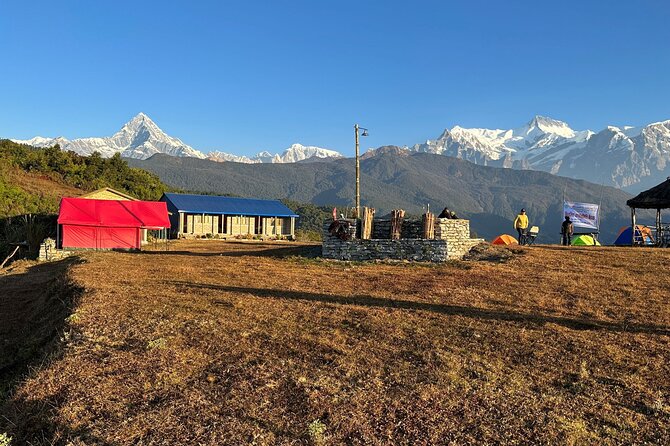
If you only have about a week in Nepal (or you want a first trek that does not chew up your whole vacation), the Annapurna View Trek hits a sweet spot. It is not a summit expedition. It is a view trek. And that matters, because you get the payoff—massive Himalayan scenery—without the weeks of logistics, recovery time, and more serious risk that comes with higher-altitude routes.
You also get variety. The route shifts from village and farmland areas to forested trail sections. Then it opens into viewpoint country at Poon Hill, where weather can turn fast but the reward is there if skies cooperate. Even the names of the stops tell you what kind of day you are in: Ulleri and Ghorepani are about village-to-trail rhythm, Tadapani leans into the forested walking feel, and Ghandruk gives you a real sense of local community.
The guiding approach is part of the value. You are not just buying directions. You’re getting a professional guide (Nepal Government certified) plus a first-aid kit, and the trek is run as a private activity for your group. That typically means fewer awkward surprises and more confidence when timing matters.
One more perk: the company includes key admin items—national park fees, TIMS, and trekking permits—so you are not scrambling to figure out what you need mid-trip.
From Kathmandu to Pokhara: the ride that sets the pace
Day 1 is about repositioning you for the mountains. You travel from Kathmandu to Pokhara either by road (about 7 hours) or flight (optional). I like having this “warm-up” day instead of jumping into steep trail the same afternoon. It gives you time to reset your energy, hydrate, and get your bearings.
Pokhara is also where the trek starts to feel real. Your next step is a drive to Ulleri, but that happens on the following day, so Day 1 keeps stress low. If you are the type who gets cranky when travel is rushed, this pacing helps.
If you’re sensitive to long drives, flights can be an option. The important part is that transfers are included in the package, including airport pickup and drop in a private vehicle. That removes a lot of the “how do we get from the airport to the hotel” guesswork.
Ulleri to Ghorepani: village stairs and the first big feeling
On Day 2, you drive from Pokhara to Ulleri (about 4 hours), then begin trekking to Ghorepani (around 2,640m) for roughly 5–6 hours of walking.
This is the day where you learn the trail’s personality. The route tends to use climbs and descents that feel manageable on paper but can burn your legs if you go too fast. The trick is steady effort. I’d rather see you hike slow early and arrive with energy than sprint uphill and feel tired before the main viewpoint day.
Also, this is where the Annapurna region’s “short trek advantage” shows up. You get terrain variety without needing to commit to a long, multi-week grind. You’re putting in real hiking time, but you’re doing it in a schedule that still leaves room for good rest.
By the time you reach Ghorepani, you’re in the right base for the next morning’s push. Ghorepani is the kind of place where guesthouse life becomes part of the experience: you settle in, eat, and sleep with an early start on the horizon.
Poon Hill sunrise: the early climb and how to enjoy it
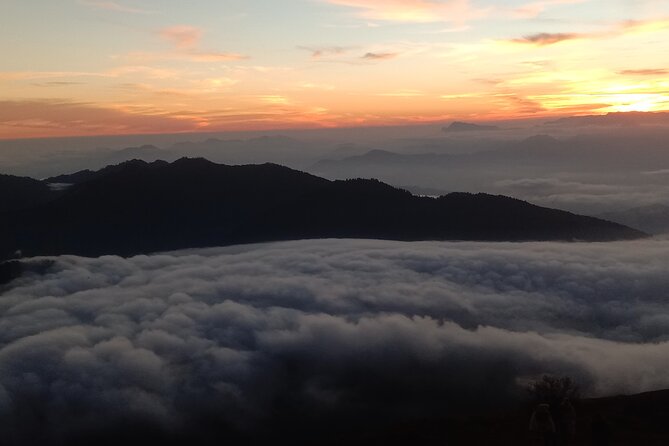
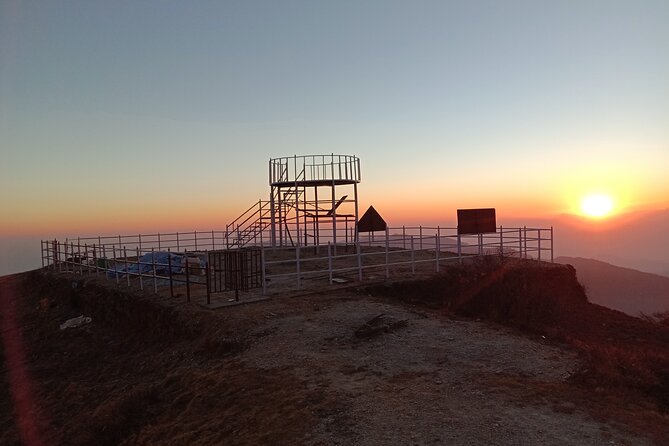
Day 3 is built around the classic Annapurna moment: an early ascent to Poon Hill (about 3,210m). This steep trail is short compared with a big expedition climb, but it still demands effort. You’ll go for sunrise views, then return to Ghorepani.
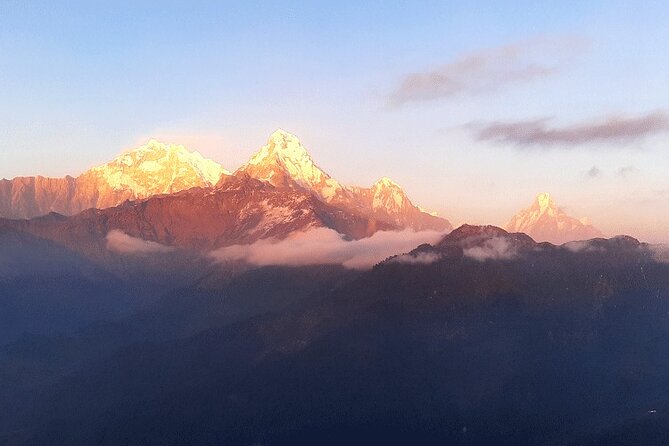
Here is what makes Poon Hill special in practical terms: it is one of the easiest ways to see a huge chunk of the Himalayan range within a very limited trip window. The viewpoint area is famous for showing more than 20 of the highest mountains, with close-up views of the Annapurna and Dhaulagiri ranges, plus broad views that can include Mustang and Pokhara in clear conditions.
After taking photos, you can grab coffee or tea at the viewpoint, then head back down. That little pause matters. It turns the early scramble into an actual experience, not just a workout.
After breakfast, you continue your trek, heading east and climbing a nearby ridge before descending through rhododendron forests. You’ll pass waterfalls along the way and reach Tadapani (around 2,830m) for the night. Tadapani is usually cooler and more forested-feeling than the busy village atmosphere of Ghorepani, so it shifts the mood nicely.


Tadapani to Ghandruk and back to Pokhara: culture day with a payoff
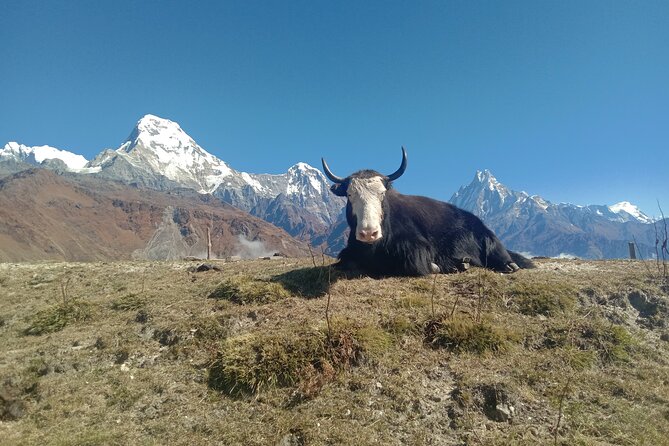
Day 4 changes the pace. You trek to Ghandruk village, then drive back to Pokhara. The walking portion is listed at about 3 hours, followed by a drive of roughly 3 hours.
Ghandruk is where you get a more “place-based” feel. Think terraced fields, village layout, and local architecture—this is not just a trail stop to stretch your legs. It’s a glimpse into the human side of the Annapurna region, often associated with Gurung communities and local life.
You’ll also appreciate that Day 4 is shorter on paper. That is not an accident. Short treks work best when your final hiking day is lighter, so you can enjoy the village without racing the clock. It also helps if your body is still adjusting to altitude after two to three days of climbing.
Then comes the ride back to Pokhara. After being on foot, it can feel like a switch: you stop watching your step and start watching scenery again. This is a good day to shower if available, charge your devices, and eat something warm before your final travel day.
Pokhara to Kathmandu: staying comfortable at the end
Day 5 is straightforward: Pokhara back to Kathmandu by drive or flight (optional). This is the wind-down day. I like that the trek ends with a simple logistics step rather than more hiking.
If you’re planning to keep traveling after Nepal, Day 5 matters for your schedule. You have a clear end point where your body can recover and you can transition into the rest of your trip.
Price and logistics: what $750 buys you (and what it doesn’t)
At $750 per person, this trek is priced like a guided, included-fee package rather than a DIY plan. In practice, the value comes from what is covered:
Included items that usually cost time or headaches if you DIY:
- Accommodation as per the itinerary
- Meals during the trek days (breakfast, lunch, dinner)
- National park fees and TIMS trekking fee
- A Nepal Government certified guide
- A first aid medical kit
- Airport pickups and drops in a private vehicle
- Trek segments handled by private vehicle (Kathmandu–Pokhara–Kathmandu, Pokhara–Ulleri, and Ghandruk–Pokhara)
Also notable: the activity is listed as private, meaning it is only your group. That can be a big deal if you prefer a calmer pace and clearer communication with your guide, especially on early starts.
What is not included (so you can budget without surprises):
- Tips for guide and staff
- Your visa fee
- Travel and rescue insurance
- Alcoholic drinks and personal expenses (like phone use, battery recharge, laundry, and additional water/shower items where applicable)
My take: for a short, well-supported Annapurna trek, this price looks fair when you add up permits, private transfers, guiding, and included meals. If you already have your own equipment and you want to keep everything as simple as possible, it can be good value. If you are the kind of traveler who enjoys planning permits and transport yourself to save money, you might find DIY cheaper—but you trade that convenience for extra work.
How hard is it, really? Altitude, steep bits, and smart pacing
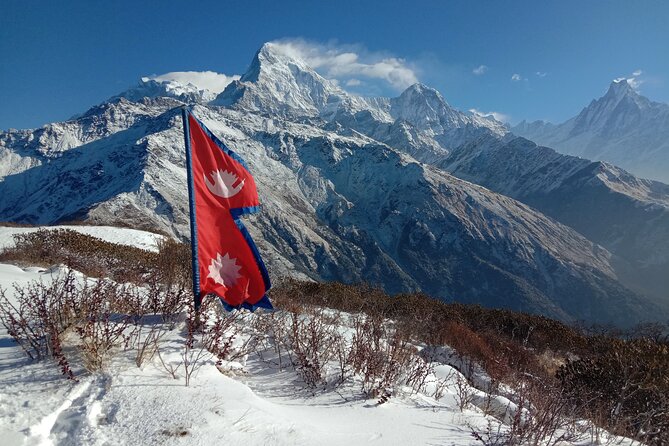
Even a “short and sweet” trek has moments that test you. The package lists the highest viewpoint as about 3,201–3,210m at Poon Hill, which is high enough to make you notice altitude if you push too hard. The good news is that you are not going to the extreme heights of a summit trek.
The other key point is time on your feet:
- Ulleri to Ghorepani: about 5–6 hours
- Ghorepani to Tadapani: about 4–5 hours
- Tadapani to Ghandruk: about 3 hours (plus driving)
So you should expect a couple of solid walking days plus one big morning climb. If you can handle long walks, stairs, and some uphill grind, most people can manage.
Practical advice I’d give you:
- Start slow on the first hiking day from Ulleri to Ghorepani.
- Keep a steady pace on steep sections. You will enjoy the views more when you are not red-lining.
- Plan for cold early morning temperatures on the Poon Hill day. Even if daytime feels mild, mornings can feel sharp at altitude.
Guesthouses, meals, and how the day rhythm works
This trek runs on a predictable rhythm. You walk, you arrive at a guesthouse, you eat a simple included meal, and you settle in for the next day.
Meals included in the itinerary cover breakfast, lunch, and dinner. That matters because it reduces the “what are we eating, where, and how much time does it take” uncertainty. On mountain treks, timing is everything—especially when sunrise comes early.
Guesthouse life is practical here. You are not going to a resort. You’re getting basic mountain comfort: a bed, a warm drink, and a chance to sleep. If you’re picky about quiet sleep or bedding, you might find guesthouses more basic than you like, but they are part of the authentic Annapurna trekking experience.
If you want to keep the vibe right, treat meals as fuel, not a dining destination. Drink water carefully and keep snacks handy if you know you get hungry between meals.
Who should choose this trek, and who might want a different option
This trek suits:
- First-timers who want a guided introduction to Annapurna trekking
- Travelers with limited time who still want serious mountain views
- People who like clear structure: fixed start time, guided pacing, and included permits
- Anyone who wants a taste of Poon Hill without committing to a longer route
You might pick something else if:
- You want a true summit style experience. This is about views and accomplishment through easier altitude goals.
- You hate early mornings. Poon Hill requires an early climb, and you’ll want to be ready for that wake-up call.
- You want fully seamless comfort. The accommodation and food are functional, not fancy.
It’s also listed as suitable for most travelers, and the tour is private. Service animals are allowed, and it’s near public transportation—helpful for some travel styles, though your main movement on trek days is still on foot and private vehicle segments.
Should you book the Annapurna View Trek?
If your goal is a short Annapurna taste with big-view payoff, this is an easy yes to consider. The key strengths for me are the Poon Hill sunrise focus, the included permits and park fees (so you can stop worrying about paperwork), and the structured logistics with private transfers.
I’d book it if you want:
- Himalayan views without a long time commitment
- A guide-led plan from Kathmandu to the trailhead and back
- A realistic trek that fits well into a 5-day window
I’d think twice if early starts and steep trail sections would annoy you more than you can tolerate. But if you can handle a serious sunrise hike and then enjoy guesthouse nights and village walks, you’re in the right place.
FAQ
What time does the trek start each day?
The listed start time is 7:15 am.
What is the highest point on the Annapurna View Trek?
The itinerary highlights Poon Hill at about 3,210m.
Are airport transfers included?
Yes. Airport pickups and drops are included in a private vehicle.
Are national park fees and trekking permits included?
Yes. The package includes Annapurna Conservation Area fees and TIMS.
What meals are included in the tour?
Meals are included as per the itinerary, with breakfast, lunch, and dinner during trek days.
Do I need travel or rescue insurance for this trek?
Yes, travel and rescue insurance is not included, so you should arrange your own.
More Trekking Out of Kathmandu






More Tour Reviews in Kathmandu




Just Reviewed in Kathmandu
- Mountain Bike Tour
★ 5.0 · 3 reviews - Annapurna Panaroma
★ 5.0 · 3 reviews - Mount Everest Scenic Flight 50 Minutes
★ 5.0 · 3 reviews - Kathmandu : Swambhunath & Durbar Square Guided Half Day Tour
★ 3.3 · 3 reviews - Chandragiri Cable Car & Monkey Temple Tour – Private/Group
★ 5.0 · 3 reviews - Kathmandu: Shivapuri National Park Hiking Day Trip
★ 3.3 · 3 reviews
Hiking & Trekking, compared.
 ★ 5.0Everest Base Camp Trek – 14 DaysFrom $1,8001,499 reviews
 ★ 5.0Everest Base Camp TrekFrom $1,790842 reviews
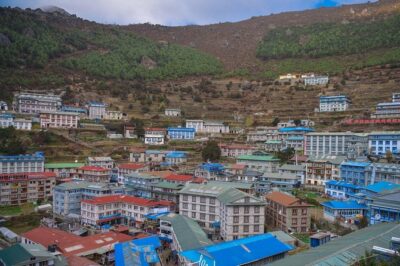 ★ 5.0Everest Base Camp TrekkingFrom $1,350485 reviews
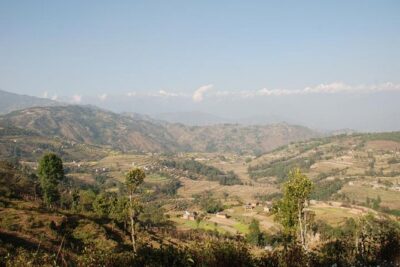 ★ 5.0Nagarkot Sunrise View and Day Hiking from KathmanduFrom $45471 reviews
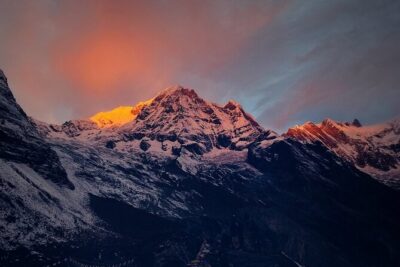 ★ 5.0Annapurna Circuit Trek with Tilicho LakeFrom $1,093368 reviews
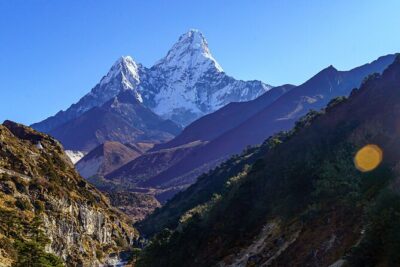 ★ 5.0Everest Base Camp Trekking – 13 DayFrom $1,399365 reviews
★ 5.0Everest Base Camp TrekFrom $1,445350 reviews
★ 5.0Everest Base Camp Trek -14 DaysFrom $1,420321 reviews