

Review · HIKING & TREKKING
annpurna base camp trekking
Your first sunrise in the Himalaya hits fast. This 12-day Annapurna Base Camp route blends classic villages with a clear rhythm of climbs and rests, starting with Kathmandu airport pickup and hotel time before you even hit the trail.
I like the built-in variety: Poon Hill for sunrise views and then steady hiking toward Annapurna Base Camp, plus a stop at Machhapuchhare Base Camp that gives you a different angle on the region. I also like that the plan is very readable day by day, with walking times that help you pace your effort instead of guessing.
One thing to think about: it’s a trekking program with long walking days (often 4–6 hours, and one longer push), and it’s weather-dependent. If you’re prone to motion sickness, fatigue, or tight schedules, you’ll need to be extra realistic about how your body will handle altitude changes.
In This Review
- Key highlights to notice before you go
- Kathmandu arrival: you start with comfort, not stress
- Day 1–2: Kathmandu hotel, then Pokhara to Ulleri
- Day 3: Ulleri to Ghorepani (your first real “trail day”)
- Day 4: Ghorepani to Poon Hill at sunrise, then on to Tadapani
- Day 5: Tadapani to Chhomrong (the trek turns steeper)
- Day 6: Chhomrong to Bamboo (shorter day, still serious work)
- Day 7: Bamboo to Deurali (where the route feels more remote)
- Day 8: Deurali to Machhapuchhare Base Camp
- Day 9: The long push to Annapurna Base Camp (and bamboo)
- Day 10: Bamboo to Jhinu Danda (switch from climbing to descent)
- Day 11: Jhinu Danda to Nayapool, then drive to Pokhara
- Day 12: Tourist bus back to Kathmandu
- Price and value: what $1,100 buys in real trekking terms
- Guides, safety, and the human factor on an Annapurna trek
- Weather, pacing, and who this trek fits best
- Should you book this Annapurna Base Camp trek?
- FAQ
- Where does this trek start and end?
- How long is the Annapurna Base Camp trekking experience?
- What is included for arrival in Kathmandu?
- Is there pickup offered?
- What’s the trekking route like day to day?
- Do you get to see Poon Hill for sunrise?
- Are there private tour details?
- What physical fitness level do you need?
- Is mobile ticketing included?
- What happens if weather is poor?
Key highlights to notice before you go
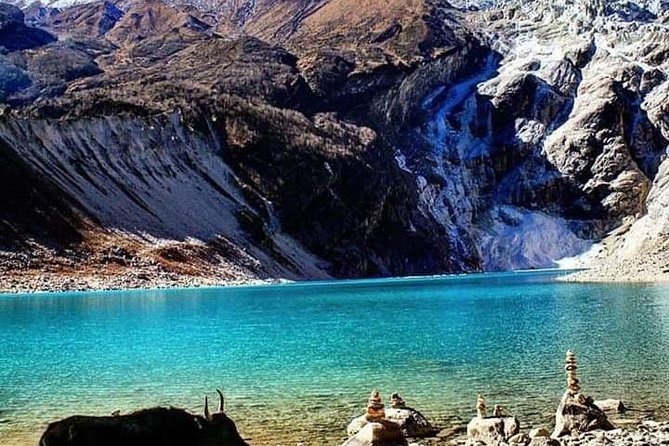
- Kathmandu-to-trail transition: airport pickup plus a hotel stay before hiking starts
- Poon Hill sunrise: a dedicated early start day with views as the reward
- Two base-camp moments: Machhapuchhare Base Camp plus Annapurna Base Camp
- A smart walking schedule: most days sit around 4–6 hours, with a longer day in the middle
- Private group feel: only your group participates, which matters on a multi-day trek
- Guide problem-solving: past Annapurna trips under guides like Ram Shahi (and sometimes with Dan) stand out for safety focus and quick logistics, including medical emergencies
More trails out of Kathmandu, boots ready
- Everest Base Camp Trek – 14 Days★ 5.0 · 1,499 reviews
- Everest Base Camp Trek★ 5.0 · 842 reviews
- Everest Base Camp Trekking★ 5.0 · 485 reviews
- Nagarkot Sunrise View and Day Hiking from Kathmandu★ 5.0 · 471 reviews
Kathmandu arrival: you start with comfort, not stress
Most Nepal trekking trips feel like a scramble on day one. Here, you begin the experience with a pickup at Tribhuvan Airport in Kathmandu and a hotel stay right away. That simple step matters. After flights, you want time to settle, get cash squared away, and make sure your first gear check and packing routine is actually done.
You also have a clear sense of where the program starts and ends: it begins at Tribhuvan Airport and finishes back at the same meeting point. For a trekking route, that reduces the end-of-trip scramble.
One practical note from the route style: this itinerary builds in a full transfer day to get you set up near the trail. That’s good if you want trekking to feel like trekking, not like transport marathons.
Day 1–2: Kathmandu hotel, then Pokhara to Ulleri
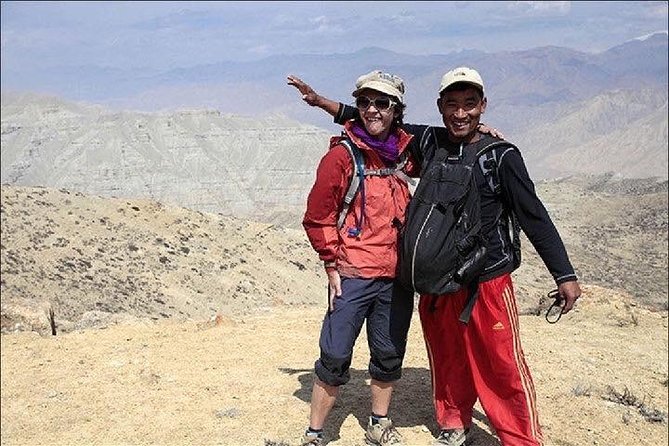
After you land and settle in Kathmandu, day two turns the page with the move toward the trekking start. You travel from Pokhara to Nayapool, then walk from there to Ulleri for about 4 hours.
Why I like this approach: Ulleri isn’t thrown at you like a sudden wall. It’s a warm start that helps you find your rhythm—short enough to feel like progress, long enough to make your legs wake up. You’re also walking through the kind of village rhythm that makes this region feel lived-in, not staged.
Expect this section to be straightforward but still tiring. Even on the first walking day, you’ll feel the combined effect of altitude changes and mountain-side pacing.
Day 3: Ulleri to Ghorepani (your first real “trail day”)
Day three is the next rung up in effort: Ulleri to Ghorepani, about 5 hours. This is where the trek starts to feel more like a routine. You’re on the trail long enough to settle into steady uphill/downhill cadence, with fewer distractions than the earlier transfer-and-walk moments.
Ghorepani also matters because it positions you for the most iconic add-on day: Poon Hill sunrise. If you’ve ever wanted a Himalayan view that feels earned rather than rushed, the trek’s schedule is built to deliver it.
Day 4: Ghorepani to Poon Hill at sunrise, then on to Tadapani
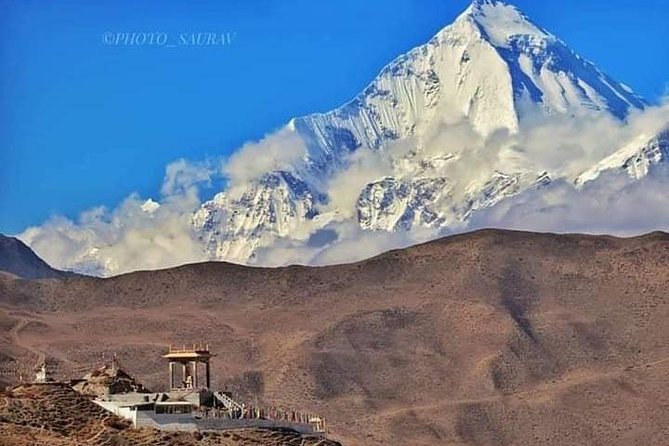
Day four is one of the best “payoff” days in the whole itinerary. You go to Poon Hill early for sunrise, then continue on to Tadapani with about 6 hours of walking.
Here’s the real value: sunrise at Poon Hill is a timing trick. You’re hiking in the dark or early light, then getting a reward when most people are still asleep. That moment sets the tone for the rest of the trek.
The trade-off is obvious: you’ll be up early, and the day keeps going. After the sunrise viewing, you still have hours on your feet. For me, this is a day where your mindset matters more than your speed. Aim for steady, not fast.
If rain or clouds roll in, don’t blame the trek. Weather is part of mountain hiking, and this route is specifically described as requiring good weather.
Day 5: Tadapani to Chhomrong (the trek turns steeper)
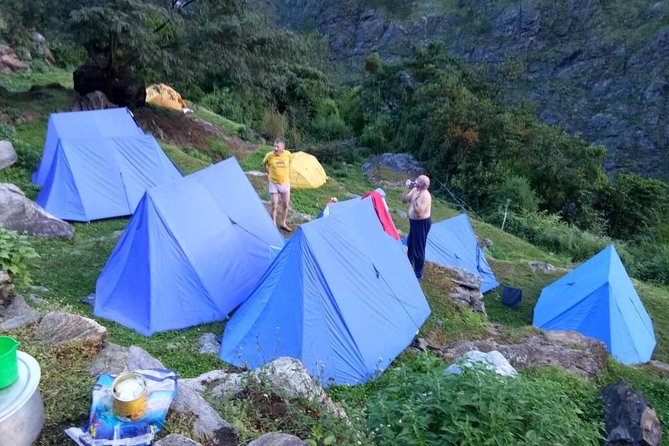
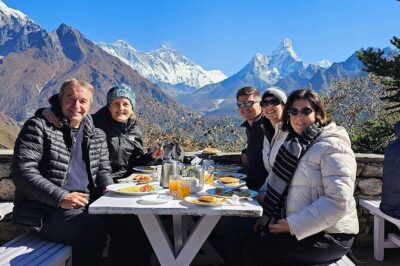
Day five takes you from Tadapani to Chhomrong for about 4 hours. This section is where many people start to feel the trek shift from gentle buildup to a more serious mountain-day pace.
Chhomrong is a key stop because it’s a hinge point in your climb. You’re not just walking; you’re moving deeper into the Annapurna region, and your days start to feel longer in effort even when the clock says “only” a few hours.
Day 6: Chhomrong to Bamboo (shorter day, still serious work)
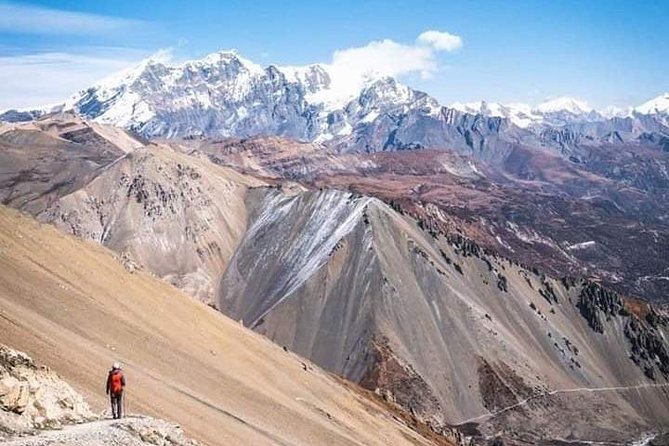
Day six is Chhomrong to Bamboo, about 4 hours. Shorter on paper, yes. But you’re still hiking mountain terrain, and that means your legs work in different ways—downhill control is its own workout, and uphill still shows up where you least expect it.
This is one of the days that helps you recover just enough to keep momentum for the big base-camp blocks later.
Day 7: Bamboo to Deurali (where the route feels more remote)
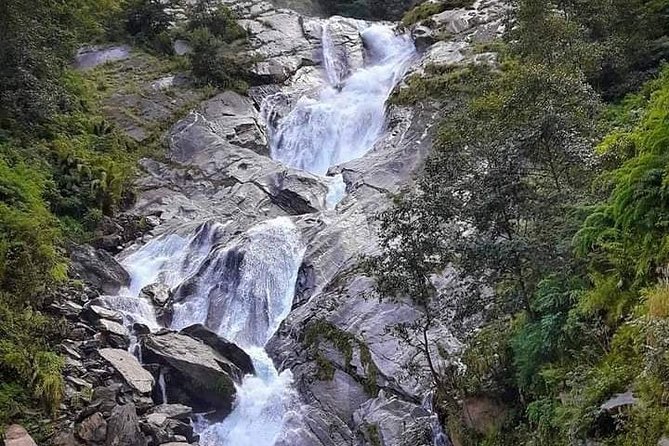
Day seven is Bamboo to Deurali, about 5 hours. At this point, you’re well into the trek’s “mountain mode.” The path keeps unfolding through the valleys and ridges, and each day brings that slow realization: you’re really heading toward the base camps now.
Deurali also matters because it sets you up for the next stage—Machhapuchhare Base Camp, which is a standout in this itinerary.
Day 8: Deurali to Machhapuchhare Base Camp
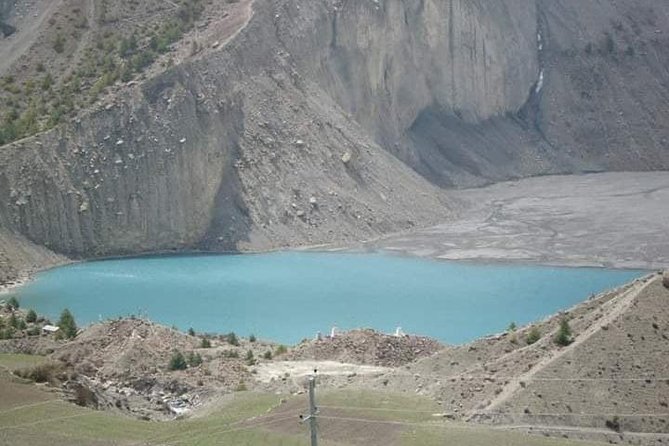
Day eight is one of the signature days: Deurali to Machhapuchhare Base Camp, about 5 hours.
Why this stop earns attention: Machhapuchhare Base Camp gives you another perspective inside the Annapurna world. In other words, it’s not just “go to Annapurna Base Camp and done.” You get an extra staging point that makes the route feel complete, like you’re moving through different chapters rather than following one straight line.
If you’re the type who likes milestones, this is a good one.
Day 9: The long push to Annapurna Base Camp (and bamboo)
Day nine is the longest day in the trekking block: Machhapuchhare Base Camp to Annapurna Base Camp and Bamboo, about 8 hours.
This is the day to plan for. It’s not “hard all the time,” but it is long, and long days change how your body works. If you’ve been pacing well, you’ll manage. If you’ve tried to keep up with faster hikers, this is where it can catch up with you.
The upside is big: after putting in that kind of time, Annapurna Base Camp becomes more than a checkbox. It becomes a moment that feels earned.
Day 10: Bamboo to Jhinu Danda (switch from climbing to descent)
Day ten takes you from Bamboo to Jhinu Danda, about 6 hours.
This day matters because it shifts the trek from “reach” to “return.” Descent days can be tough—your knees and ankles do most of the work—yet they often feel mentally easier. You’re heading home while still moving through dramatic terrain.
Jhinu Danda is also a morale boost stop. It’s the kind of place that signals you’re close to finishing the trekking portion and moving back toward larger hubs.
Day 11: Jhinu Danda to Nayapool, then drive to Pokhara
Day eleven is Jhinu Danda to Nayapool for about 6 hours, then you drive to Pokhara.
This hybrid day is worth noting: it’s still trekking time, but the drive afterward changes the feeling. You go from hiking effort to “transport recovery mode.” That’s useful because you’ve already stacked multiple walking days together, and you’ll want time to reset before the final transfer.
Also, doing the trek-to-vehicle handoff here is practical. It keeps your final day in Kathmandu from turning into another marathon.
Day 12: Tourist bus back to Kathmandu
The final day is a drive by tourist bus back to Kathmandu.
This is a smart finish for many groups because you avoid adding another flight or complicated transfers on the last day. You still end at the original meeting point, which helps keep the whole experience tidy.
Price and value: what $1,100 buys in real trekking terms
At $1,100.00 per person for roughly 12 days, you’re paying for more than a walking route. You’re paying for the full chain: airport pickup in Kathmandu, hotel time in Kathmandu, transfers between cities and trailheads (including Pokhara and Nayapool), and the final transport back to Kathmandu.
You’re also paying for the structure that makes trekking safer and smoother. The route is private—only your group participates—so you’re not forced into random mixing or waiting around for mismatched walking speeds.
Is the price high or low? In the context of a multi-day, multi-transfer trekking experience in Nepal, it’s best viewed as a “whole trip package” cost, not a single-day tour price. If you want a smoother logistics layer while you focus on the walking, this kind of pricing starts to look fair.
Guides, safety, and the human factor on an Annapurna trek
The most praised element in similar Annapurna-style trips is the guide layer. In past experiences on these routes, guides like Ram Shahi have been described as making people feel safe, handling problems fast, and keeping the tone light with humor. Other guides named in related trekking experiences include Resham Gurung, Lok, and Nanda Gurung.
Even more important than friendliness is what that means in practice: quick sleep arrangements, trouble-solving on the trail, and fast action during medical issues. One review story specifically described emergency help and arranging transport quickly after someone got extremely sick—then follow-up coordination to move the person to care.
So if you’re choosing this kind of trek, pick it for the people running the show, not just for the map route.
Weather, pacing, and who this trek fits best
This trek requires good weather. That doesn’t mean you’ll never see cloud cover, but it does mean the schedule depends on conditions. If the trip is canceled due to poor weather, you’ll be offered a different date or a full refund.
On physical readiness, the program asks for a moderate physical fitness level. Translating that into real life: you’re hiking daily with multiple hours on foot, and one day is long at about 8 hours. If you can walk briskly for four to six hours and you recover decently between days, you’re in the right ballpark.
This trek is a good match if you:
- want a classic Annapurna Base Camp goal without an ultra-long route length
- like milestone days (Poon Hill sunrise, Machhapuchhare Base Camp, then Annapurna Base Camp)
- prefer private-group pacing with a guide who handles logistics
If you only want a short walk each day or you hate early mornings, you might find this schedule a bit demanding.
Should you book this Annapurna Base Camp trek?
I’d book if you want the full Annapurna Base Camp story with a schedule that doesn’t waste time and includes big moments like Poon Hill sunrise and Machhapuchhare Base Camp. The private-group setup, airport pickup, hotel night, and the end-to-end transport plan make it feel built for people who want to hike, not negotiate logistics.
I’d think twice if you’re highly sensitive to weather changes, or if the idea of being on the trail for 6–8 hours on multiple days feels like too much. This trek rewards steady effort, not rushed pushing.
If you match that moderate fitness level and you’re flexible with mountain weather, this itinerary looks like a strong value way to reach Annapurna’s most famous destinations.
FAQ
Where does this trek start and end?
It starts at Tribhuvan Airport in Kathmandu, Nepal, and ends back at the same meeting point.
How long is the Annapurna Base Camp trekking experience?
The duration is listed as about 12 days.
What is included for arrival in Kathmandu?
The plan includes pickup at Kathmandu airport and a stay at a hotel.
Is there pickup offered?
Yes, pickup is offered.
What’s the trekking route like day to day?
The trek includes walks such as Pokhara/Nayapool to Ulleri (about 4 hours), Ulleri to Ghorepani (about 5 hours), Ghorepani to Poon Hill sunrise and then to Tadapani (about 6 hours), and later segments including Chhomrong, Bamboo, Deurali, Machhapuchhare Base Camp, Annapurna Base Camp, and Jhinu Danda, with transfers back to Pokhara and then Kathmandu.
Do you get to see Poon Hill for sunrise?
Yes. The itinerary includes a sunrise visit at Poon Hill on the day starting from Ghorepani.
Are there private tour details?
This is a private tour or activity, and only your group will participate.
What physical fitness level do you need?
You should have a moderate physical fitness level.
Is mobile ticketing included?
Mobile ticket is listed as a feature.
What happens if weather is poor?
This experience requires good weather. If it’s canceled due to poor weather, you’ll be offered a different date or a full refund.
More Trekking Out of Kathmandu
More Tour Reviews in Kathmandu

Just Reviewed in Kathmandu
- Mountain Bike Tour
★ 5.0 · 3 reviews - Annapurna Panaroma
★ 5.0 · 3 reviews - Mount Everest Scenic Flight 50 Minutes
★ 5.0 · 3 reviews - Kathmandu : Swambhunath & Durbar Square Guided Half Day Tour
★ 3.3 · 3 reviews - Chandragiri Cable Car & Monkey Temple Tour – Private/Group
★ 5.0 · 3 reviews - Kathmandu: Shivapuri National Park Hiking Day Trip
★ 3.3 · 3 reviews
Hiking & Trekking, compared.
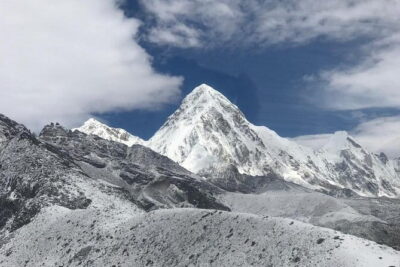 ★ 5.0Everest Base Camp Trek – 14 DaysFrom $1,8001,499 reviews
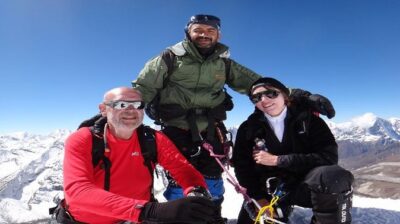 ★ 5.0Everest Base Camp TrekFrom $1,790842 reviews
 ★ 5.0Everest Base Camp TrekkingFrom $1,350485 reviews
 ★ 5.0Nagarkot Sunrise View and Day Hiking from KathmanduFrom $45471 reviews
 ★ 5.0Annapurna Circuit Trek with Tilicho LakeFrom $1,093368 reviews
 ★ 5.0Everest Base Camp Trekking – 13 DayFrom $1,399365 reviews
★ 5.0Everest Base Camp TrekFrom $1,445350 reviews
★ 5.0Everest Base Camp Trek -14 DaysFrom $1,420321 reviews
★ 5.0Everest Base Camp Trekking – 13 DayFrom $1,399365 reviews
★ 5.0Everest Base Camp TrekFrom $1,445350 reviews
★ 5.0Everest Base Camp Trek -14 DaysFrom $1,420321 reviews