
Review · 4-DAY EXPERIENCES
Bhutan 4-Day Private Tour from Kathmandu
Bhutan feels like a polite secret in the mountains. This private 4-day trip from Kathmandu strings together Thimphu, Punakha, and Paro, with big-ticket stops like Tashichho Dzong and the famous Tiger’s Nest. You get a tight plan, but it still feels paced enough to enjoy each place instead of just rushing photos.
I love how the package takes care of the paperwork and logistics: Bhutan visa, travel permits, airport transfers, and an air-conditioned vehicle are all part of the deal. I also like that you can choose your effort level at Paro Taktsang with an optional hike or horse ride. The trade-off is that you need to send passport photo/scans, return flight tickets to Bhutan, and travel insurance to the operator 3–4 days before you go, and the itinerary starts early.
In This Review
- Key highlights and quick takes
- A Bhutan 4-Day Private Tour from Kathmandu in Plain English
- Day 1 in Thimphu: Bridge, Buddha Dordenma, and Tashichho Dzong
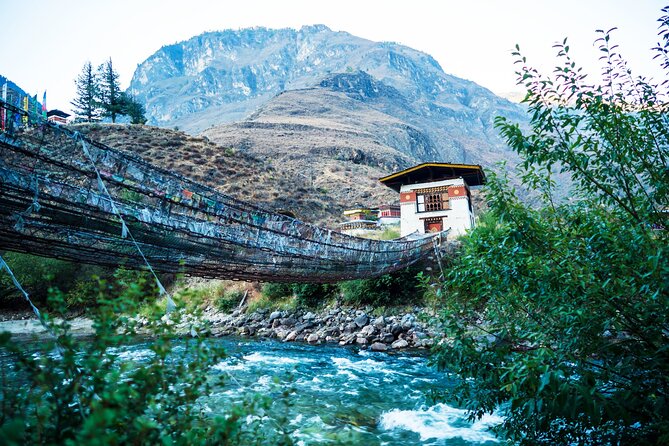
- Tachogang Lhakhang Bridge (easy first stop)
- Buddha Dordenma (a giant Shakyamuni moment)
- Tashichho Dzong (fortress + monastery energy)
- Day 2 to Punakha: Dochula Pass, Chimi Lhakhang, and Punakha Dzong
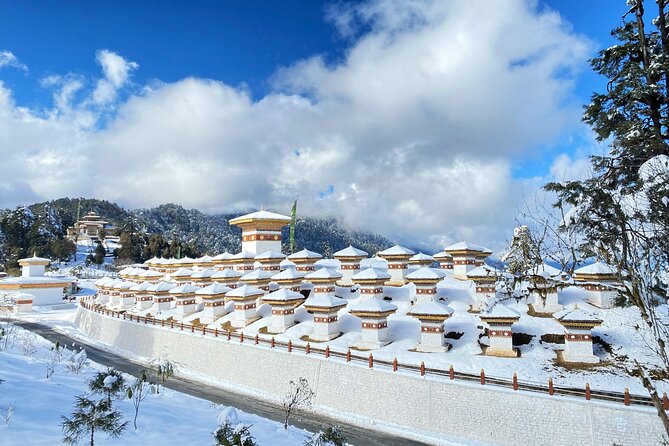
- Dochula Pass (scenic elevation stop)
- Chimi Lhakhang Temple (Punakha District spiritual stop)
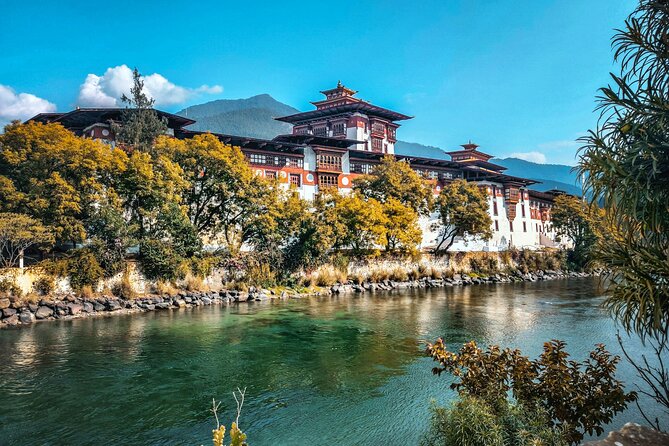
- Punakha Dzong (administration and heritage, built 1637)
- Day 3 in Paro: Tiger’s Nest hike (or horse) plus Kyichu Lhakhang
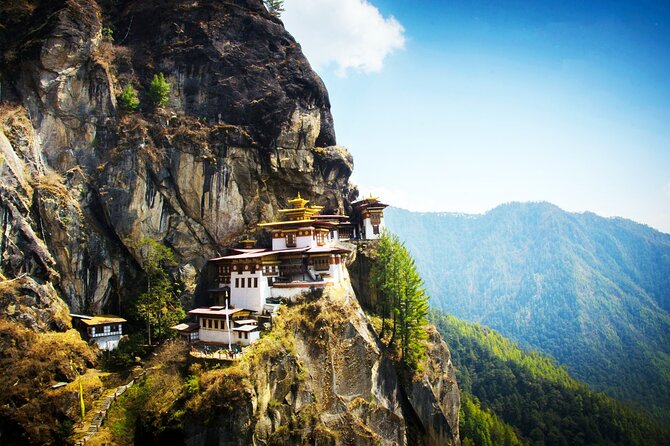
- Paro Taktsang (the emotional peak, with real choice)
- Kyichu Lhakhang (temple calm after the climb)
- Day 4: The easy landing back in Kathmandu
- Price and value: Is $1,180 per person fair?
- The service quality: guides, responsiveness, and real-world support
- What to watch for before you commit
- Who this Bhutan tour suits best
- My practical tips so you enjoy every day
- Should you book this Bhutan 4-Day Private Tour from Kathmandu?
- FAQ
- What time does the tour start in Kathmandu?
- Is this tour private or shared?
- What’s included in the tour price?
- Do I need a Bhutan visa?
- What documents do I need to submit before the trip?
- At Paro Taktsang, do I have to hike?
- What if I need to cancel?
Key highlights and quick takes
- Visa and permits handled for you: less red tape, more time planning socks, shoes, and snacks
- Private group setup: only your group participates, so the pace stays yours
- Thimphu to Punakha to Paro: you see Bhutan’s key cultural hubs in just 4 days
- Paro Taktsang flexibility: hike (2–3 hours) or optional horse ride at the base camp
- Meals + bottled water included: three breakfasts and three lunches/dinners take pressure off daily planning
- Experienced guide support: you’re not stuck trying to interpret dzongs and temples solo
Just your group, at your own pace
- Private Kathmandu Sightseeing Tour | UNESCO World Heritage sites★ 5.0 · 756 reviews
- Kathmandu: Full Day 7 UNESCO Tour with Lunch – Private/Group★ 5.0 · 415 reviews
- Private Bhaktapur and Nagarkot Day Tour From Kathmandu★ 5.0 · 305 reviews
- Kathmandu: Full Day Top 4 UNESCO Tour with Lunch – Private/Group★ 5.0 · 269 reviews
A Bhutan 4-Day Private Tour from Kathmandu in Plain English
This tour is designed for people who want the Bhutan hits—fast—but without turning it into a checklist that leaves you cold. You start in Kathmandu, then you’re guided through the essentials: airport transfers, permits, and a vehicle that keeps you moving between towns.
What makes it work is the mix of stop types. Some moments are brief but meaningful (like a historic bridge or a major statue). Others give you time to slow down with temples and dzongs. And Paro Taktsang is the emotional peak: you can choose the hike or go by horse, which changes the whole day’s feel.
The “private” part matters here. Even though the day structure is fixed, you’re not sharing your guide time with a random crowd. That usually means quicker answers and fewer awkward pauses.
Day 1 in Thimphu: Bridge, Buddha Dordenma, and Tashichho Dzong
Your day begins with pickup in Kathmandu and a move to Tribhuvan International Airport in the morning hours after breakfast. The start time is listed as 6:15am, so it’s not a “sleep in and see what happens” kind of trip. Still, early timing is smart for Bhutan, since you want daylight for the key sights.
Tachogang Lhakhang Bridge (easy first stop)
You start at Tachogang Lhakhang Bridge with an included admission and about two hours at the stop. Think of this as a warm-up. It’s not the hardest cultural moment of the trip, but it gives you that first clear Bhutan signal: religious architecture is part of everyday scenery here. If you’re feeling jet-lagged, this kind of initial stop helps you get your bearings without demanding a big physical effort.
Why it’s valuable: You’re learning Bhutan by location, not by lecture.
Possible drawback: If you hate early starts, this can feel like a long day before it even begins.
Buddha Dordenma (a giant Shakyamuni moment)
Next is Buddha Dordenma, described as the gigantic Shakyamuni Buddha statue. It’s one of those stops that’s hard to fake with a phone photo. Even if you’re not a religious traveler, a huge statue like this communicates scale and devotion in a way small details can’t.
The included time here is about 1.5 hours, which is usually enough to see the main viewpoint and take in the setting without turning it into a “stand in line forever” experience.
Why it’s valuable: It anchors your trip with a major symbol of Buddhist identity.
Possible drawback: If you’re not into big monuments, you might move faster than the average visitor.
Before you lock this one in, a few Kathmandu alternatives:
Tashichho Dzong (fortress + monastery energy)
Then you head to Tashichho Dzong, a Buddhist monastery and fortress on the northern edge of Thimphu, on the western bank of the Wang Chu River. Dzongs are the spiritual-and-political style of Bhutan in stone and strategy. This one is especially interesting because the description itself mixes two roles: monastery and fortress. That gives you a different lens when you look at it.
This stop is timed at about 1.5 hours. You’ll want that time, because dzongs are not just buildings. They’re visual storytelling: symmetry, walls, and religious significance all at once.
Why it’s valuable: You’ll understand Bhutan’s blend of faith and governance through architecture.
Possible drawback: If you prefer totally relaxed days, day one’s intensity can sneak up on you.
Day 2 to Punakha: Dochula Pass, Chimi Lhakhang, and Punakha Dzong
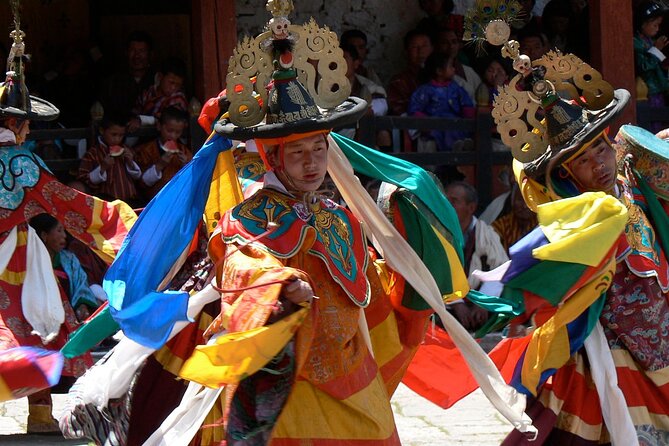
Day two starts with breakfast and then a drive to Dochula Pass. The pass is described as a high crossing over the snow-covered Himalayas within Bhutan. That already tells you what to expect: it’s a viewpoint day, built around elevation and open air.
Dochula Pass (scenic elevation stop)
You’re there for about two hours. The exact features at the pass aren’t detailed in the information you have, but the structure of the day is clear: drive up, pause, and take in the altitude before heading down toward temples and dzongs.
Why it’s valuable: It breaks up the monastery-only rhythm and reminds you Bhutan is a high-altitude country.
Possible drawback: If the weather is poor, viewpoint time can feel shorter than you want. Bring layers even if you think you won’t need them.
Chimi Lhakhang Temple (Punakha District spiritual stop)
After a scenic drive, you go to Chimi Lhakhang Temple in Punakha District, located near Lobesa. It’s described as a Buddhist monastery. This is the kind of stop that feels personal because temples are intimate, not just grand.
You’ll have about 1.5 hours here. That’s enough to appreciate the setting and soak up the quieter tone that temples usually offer.
Why it’s valuable: It adds texture between the big, iconic monuments.
Possible drawback: If you only care about the most famous sites, this can feel like one stop too many.
Punakha Dzong (administration and heritage, built 1637)
The day finishes at Punakha Dzong, the administrative center of Punakha District. The information provided is very specific about its origins: it was constructed by Ngawang Namgyal, 1st Zhabdrung Rinpoche, in 1637–1638. That’s the kind of detail that makes the place feel real.
You’ll have about 1.5 hours at Punakha Dzong. This is one of those stops where you’ll likely slow down without being told. The architecture here is built for meaning and memory.
Why it’s valuable: You get Bhutan’s power-and-faith story in a single place.
Possible drawback: By the end of day two, you may feel the cumulative driving time.
Day 3 in Paro: Tiger’s Nest hike (or horse) plus Kyichu Lhakhang
Day three is your Paro day, and it starts with a one-hour scenic drive from Thimphu to Paro. The main event is Paro Taktsang, also known as Tiger’s Nest.
Paro Taktsang (the emotional peak, with real choice)
At Paro Taktsang, you’re escorted to the base camp. Then you can choose: hike for 2–3 hours or take an optional horse ride (at the base camp). That choice is not small. It changes everything—how you feel when you arrive, how your day flows, and what kind of photos you’ll get without rushing.
The day timing lists about 6 hours for this part, including the ride up, the time at the site, and getting back down.
Why it’s valuable: This is the one stop in Bhutan that most people talk about, and having options makes it workable for more bodies and schedules.
Possible drawback: Even with the horse option, this is still a big effort day. If you’re not comfortable with stairs, steep paths, or uneven ground, plan your energy early.
Kyichu Lhakhang (temple calm after the climb)
After you hike to and from Paro Taktsang—and yes, it’s described as exhausting—you drive to Kyichu Lhakhang. It’s an important Himalayan Buddhist temple located in Lango Gewog of Paro Dzoongkhag (as listed).
You’ll spend about 1.5 hours here, and this stop makes the day feel complete. It’s a quieter contrast to Tiger’s Nest. After a climb-heavy morning, a temple visit can feel like the breath after the sprint.
Why it’s valuable: It gives you a second temple experience in Paro, so the day isn’t just one viewpoint.
Possible drawback: If you go hard on Tiger’s Nest, you may want to move slowly at Kyichu Lhakhang.
Day 4: The easy landing back in Kathmandu
Day four is lighter. You start with a final breakfast in Bhutan, then you’re escorted back to Paro International Airport for departure to Kathmandu.
This is the kind of final day you appreciate because you don’t end with another big cultural sprint. It’s built for recovery and smooth logistics: less last-minute scrambling, more time to think about what you actually loved.
Why it’s valuable: It keeps the trip from feeling like one long grind.
Price and value: Is $1,180 per person fair?
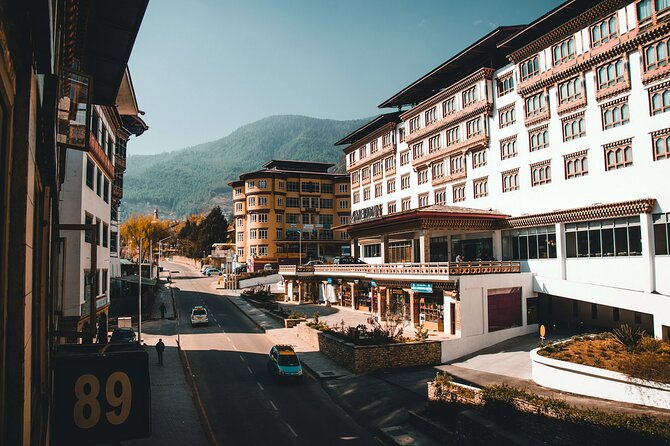
At $1,180 per person, the price is not cheap. Bhutan trips often cost more than Nepal or India because the country is smaller, access is regulated, and the visa/permitting process is part of the package. What helps here is that the tour doesn’t nickel-and-dime you for the core essentials.
You’re told these are included:
- All fees and taxes
- Bhutan visa
- Travel permits
- Air-conditioned vehicle
- Airport transfers
- 3-star accommodation
- Experienced tour guide
- Tea/coffee and bottled drinking water
- Meals: 3 breakfasts, 3 lunches, 3 dinners
- Admission tickets for the main stops listed
When you look at it that way, you’re paying for structure. You’re not just buying transportation between temples—you’re buying the admin work, the guide’s time, and the day-to-day “we’ve got you” factor. That’s worth something, especially if you’re coming from Kathmandu and don’t want to negotiate transfers, tickets, and permits on your own.
What’s not included matters too:
- International flights to and from Bhutan
- Cold drinks/alcohol
- Personal expenses
So the biggest “value question” for you is whether you want help with logistics and tickets. If yes, this price starts to look like you’re buying peace of mind. If you love DIY planning and already know how you’ll handle permits and travel in Bhutan, you might find cheaper routes—but you’d be taking on more uncertainty.
The service quality: guides, responsiveness, and real-world support
One thing I genuinely appreciate in this kind of trip is how quickly questions get answered. In past feedback tied to this operator, people highlighted responsiveness and patience—especially when they had lots of questions. Names come up too: Rameshwar is mentioned as answering questions patiently and being reachable via email and WhatsApp, day and night.
That matters because Bhutan planning often includes details you don’t want to mess up, like submitting the right documents ahead of time. A guide and support team that’s steady helps you avoid last-minute stress.
For the on-the-ground side, the tour is listed with an experienced tour guide and specific included transfers. That usually translates to smoother timing and fewer “Where do we go now?” moments.
What to watch for before you commit
This tour is best for people who can handle a tight schedule and some physical effort.
Here are the main considerations I’d plan around:
- Early start: pickup timing is set, with 6:15am as the start time listed.
- Paro Taktsang effort: even with horse ride as an option, the site day is described as involving an exhausting hike for many. Choose based on your comfort, not your ego.
- Pre-trip paperwork deadline: you must provide passport photo, color scanned passport copy, return flight tickets to Bhutan, and travel insurance 3–4 days prior.
- Driving days add up: day-to-day transitions between Thimphu, Punakha, and Paro can feel like a lot if you don’t like being in a vehicle for long stretches.
Who this Bhutan tour suits best
You’ll probably love this if:
- You want the big Bhutan cultural sights in 4 days from Kathmandu
- You like having a plan, guide help, and included entry tickets
- You’re comfortable with at least one physically demanding day (Paro Taktsang)
- You value private-group pacing instead of sharing your schedule with strangers
You might want to skip or adapt it if:
- You hate early mornings and early logistics
- You want a slow travel rhythm with lots of free time in each town
- You’re not comfortable with uneven paths or steep segments, even if the horse ride is available
My practical tips so you enjoy every day
- Decide your Paro Taktsang choice in advance based on your comfort level. The hike is described as 2–3 hours; the horse ride is an option. Either way, treat it as your main effort day.
- Wear shoes you can trust on uneven ground. A great day can still feel rough if your feet are unhappy.
- Keep your Bhutan documents organized. You’re sending passport photo and scans plus return flight and insurance details ahead of time.
- Pack a layer. High places like Dochula Pass can feel colder than you expect, even when the city feels warm.
Should you book this Bhutan 4-Day Private Tour from Kathmandu?
If you want a structured, guided Bhutan intro that hits Thimphu, Punakha, and Paro—including Tashichho Dzong and Paro Taktsang—this is a solid choice. The best part is not a single sight. It’s the way the tour handles the hard parts: permits, visa, transfers, admissions, meals, and a real guide so you can focus on the places.
I’d book it if you’re the type who hates administrative surprises and wants a smooth trip with clear timing. I’d hesitate if you want maximum freedom, deep downtime, or you know you’ll struggle with the physical demands of Tiger’s Nest day.
FAQ
What time does the tour start in Kathmandu?
The listed start time is 6:15am, with pickup from your hotel in Kathmandu in the morning hours.
Is this tour private or shared?
It’s described as a private tour/activity, and only your group participates.
What’s included in the tour price?
Included are all fees and taxes, Bhutan visa, travel permits, an air-conditioned vehicle, 3-star accommodation, an experienced tour guide, airport transfers, tea/coffee, bottled drinking water, and meals (3 breakfasts, 3 lunches, 3 dinners), plus admission tickets for the stops listed in the itinerary.
Do I need a Bhutan visa?
Yes. Bhutan visa is included as part of the tour package.
What documents do I need to submit before the trip?
You’ll need to submit a passport-size photo, a color scanned copy of your valid passport, return flight tickets to Bhutan, and travel insurance to the operator 3–4 days prior to your trip.
At Paro Taktsang, do I have to hike?
No. You can choose to hike (2–3 hours) or take an optional horse ride from the base camp.
What if I need to cancel?
The policy states free cancellation is available if you cancel up to 24 hours in advance for a full refund.
Private Days, Your Group Only


More Tours in Kathmandu


More Tour Reviews in Kathmandu




Just Reviewed in Kathmandu
- Mountain Bike Tour
★ 5.0 · 3 reviews - Annapurna Panaroma
★ 5.0 · 3 reviews - Mount Everest Scenic Flight 50 Minutes
★ 5.0 · 3 reviews - Kathmandu : Swambhunath & Durbar Square Guided Half Day Tour
★ 3.3 · 3 reviews - Chandragiri Cable Car & Monkey Temple Tour – Private/Group
★ 5.0 · 3 reviews - Kathmandu: Shivapuri National Park Hiking Day Trip
★ 3.3 · 3 reviews
4-Day Experiences, compared.
 ★ 5.04 Days Poon Hill TrekFrom $40594 reviews
 ★ 5.04-day Poon Hill TrekFrom $40074 reviews
 ★ 5.03 Nights 4 Days Chitwan National Park with Tower Night StayFrom $35041 reviews
 ★ 5.03 night 4 Day Yoga & Ayurveda Retreat to Detox the Body & Mind, NepalFrom $30037 reviews
 ★ 4.82, 3, or 4-Day Chitwan Jungle SafariFrom $3524 reviews
 ★ 5.04 Days Mardi Himal Base Camp Trek – 4500 MetersFrom $2609 reviews
 ★ 5.04 Days Poonhill Trek From Pokhara To PokharaFrom $2948 reviews
 ★ 5.0Bhutan Tour- 4 DAYS 3 NIGHTSFrom $1,8996 reviews