

Review · HIKING & TREKKING
Birding Hike: Day Birdwatching in Kathmandu
Bird calls start the day in Kathmandu. This is a private day birding hike with guide Krishna Thapa and other local experts, built around Nepal’s bird sounds and the feel of hiking through real hill-forest trails. I like that you can go beyond “just spotting birds” and also take in the panoramic Himalayan range to the north while watching the Kathmandu Valley spread out below.
My favorite part is the setting: Nagarjun and nearby protected areas are known for lots of bird life, including the chance to see Nepal’s endemic Spiny Babbler, plus the trails are famous for the sound of birds and leaves. One thing to consider: the tour price does not include lunch, bottled water, or coffee/tea, so you’ll want to plan food and hydration for a 4 to 9 hour day.
In This Review
- Key Things That Make This Birding Day Work
- A Birding Day in Kathmandu’s Hill Forests: What You’re Really Doing
- Meeting Point, Timing, and How Long You’ll Be Outside
- Nagarjun and Shivapuri National Park: The Bird Soundtrack in Motion
- Phulchoki Protected Forest and Champadevi Hills: Better Light, Better Chances
- Sankhu, Sundarijal, and Suryabinayak Forest: Valley Life You Don’t Need to Leave Behind
- Manohara and Optional Temple Stops: A Mindful Hike With Real-World Stops
- Guide Power: How Krishna Thapa and Prem Shape Your Sightings
- Price and Value: Is $220 Fair for a Private Birding Day?
- What’s Not Included: Food, Water, and the Small Costs That Add Up
- Practical Birding Tips for This Route (So You Don’t Miss the Moments)
- Who This Birding Hike Suits Best
- Should You Book This Day Birding Near Kathmandu?
- FAQ
- Where does the birding hike start and end?
- How long is the tour?
- What does the tour cost?
- Is this a private tour?
- What areas around Kathmandu are included?
- Can the hike include spiritual sites?
- What birds is this area known for?
- What’s included in the price?
- What’s not included?
- What if the weather is bad or plans change?
Key Things That Make This Birding Day Work
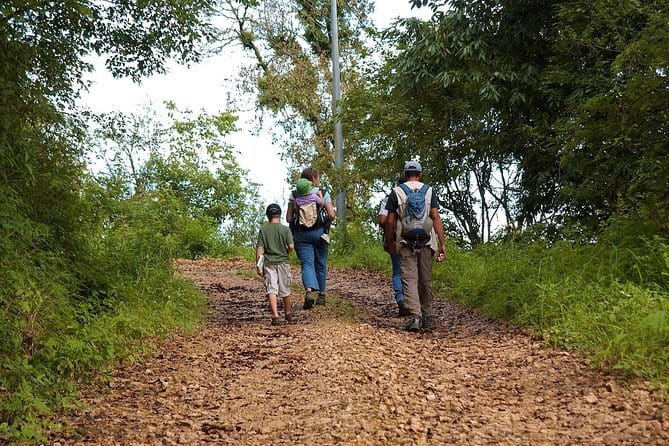
- High odds for standout birds: the area is linked with Spiny Babbler, Nepal’s endemic species.
- Hill-forest bird sound: trails are known for the mix of bird calls and leaf rustle.
- Views that reward effort: Himalayan panorama north and a bird’s-eye look at the terraced Kathmandu Valley.
- A route that can include spirituality: some days also fold in temple stops.
- Private group, private transportation: you move around efficiently rather than waiting in a big group.
More trails out of Kathmandu, boots ready
- Everest Base Camp Trek – 14 Days★ 5.0 · 1,499 reviews
- Everest Base Camp Trek★ 5.0 · 842 reviews
- Everest Base Camp Trekking★ 5.0 · 485 reviews
- Nagarkot Sunrise View and Day Hiking from Kathmandu★ 5.0 · 471 reviews
A Birding Day in Kathmandu’s Hill Forests: What You’re Really Doing
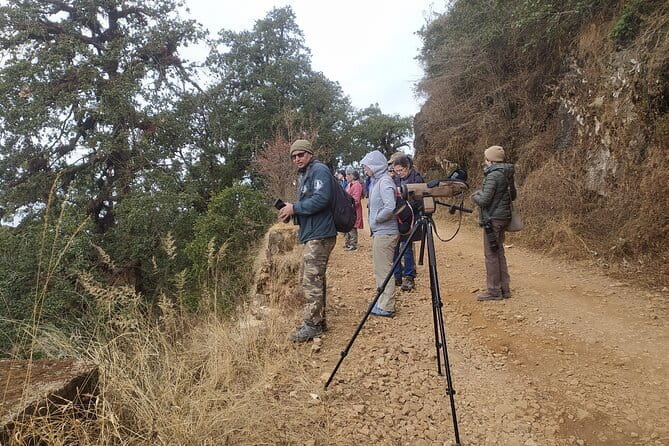
This birding hike is not about sprinting from one landmark to the next. It’s about spending your morning and/or late afternoon listening, scanning, and walking at a pace that fits your group. You’ll be in a chain of forested areas in and around Kathmandu where birds show up because the habitat is right and the trails run through real cover, not just open viewpoints.
The “smart” part is how the day is built. It uses a mix of walking trails and drives to get you to better spots in the Kathmandu hills, including areas like Shivapuri National Park and Phulchoki Protected Forest. Then it uses those vantage points—plus the forest edges and paths—to give you both kinds of birding: the ones that call from the understory and the ones that show up higher.
And yes, the views matter here. When you get the Himalayan range to the north in your line of sight, it changes how you experience the day. You’re not just counting birds; you’re getting oriented in a valley that feels like a quilt of terraces, ridges, and settlements.
Meeting Point, Timing, and How Long You’ll Be Outside
You’ll start and end at Amrit Marg, Kathmandu 44600. The activity finishes back at the same meeting point, so you’re not stuck figuring out the final leg of the trip when you’re tired.
Hours run daily from 6:45 AM to 4:45 PM, with the birding hike offered seven days a week on request. The time on the ground is listed as about 4 to 9 hours. That wide range usually means your route and walking time can flex based on bird activity, weather, and what your group wants to focus on.
If you’re the kind of person who enjoys a slower, listening-heavy outing, you’ll likely love the natural rhythm of the hill forest. If you’re short on time, you should still be fine, but you’ll want to book a window that matches your schedule—especially because day hiking in Nepal is sensitive to light and weather.
Nagarjun and Shivapuri National Park: The Bird Soundtrack in Motion
Nagarjun and Shivapuri National Park are the heart of this “birding by habitat” idea. This is an important bird and biodiversity area, with over 311 bird species recorded there, including 117 species of migratory birds. That’s a big number, and it matters because it means the day isn’t dependent on just one or two lucky targets.
You’re also going into a hill forest where the trails are best known for the sound of birds and leaves. That detail is more than trivia. It’s a practical guide to what your experience will feel like. Even when you can’t immediately see a bird, you’ll likely hear it—often close—while you walk. That makes birding here feel alive, not just observational.
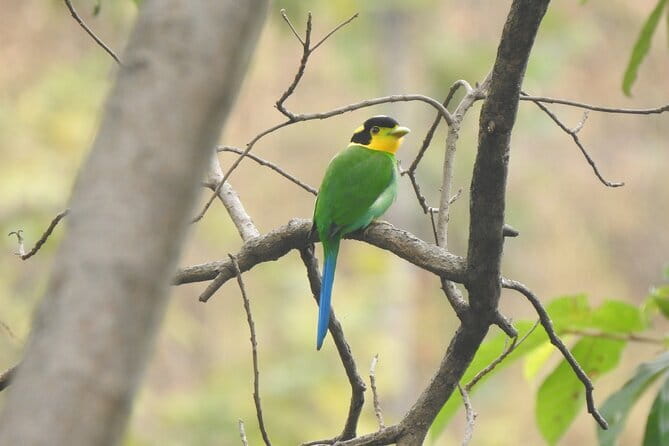
You’ll also get the chance to aim for an endemic highlight tied to this region: Spiny Babbler, the only endemic bird of Nepal. Nobody can guarantee a sighting of a specific species on a specific day, but having that target connected to the area gives your day structure and motivation.
Phulchoki Protected Forest and Champadevi Hills: Better Light, Better Chances
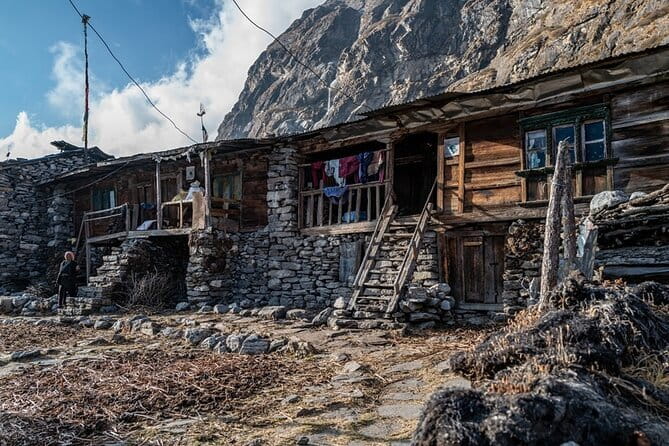
Phulchoki Protected Forest and Champadevi Hills add the “high point” part of the day. The tour description promises spectacular panoramic views of the Himalayan range to the north, and that’s exactly what you’ll be chasing when your route climbs and your eyes lift from the understory to the slopes.
Phulchoki is also called out as a place where birding can be especially strong, and the guides you’ll work with tend to treat the walk as search-and-confirm rather than sightseeing. In real terms, this usually means slow scanning, careful listening, and repositioning when the birds respond.
Champadevi Hills fit well into this mix because they act like a bridge between viewpoint birding and forest birding. You get chances to observe birds from angles and elevations that differ from the valley edges, and that can matter for species that move at different heights through the day.


Sankhu, Sundarijal, and Suryabinayak Forest: Valley Life You Don’t Need to Leave Behind
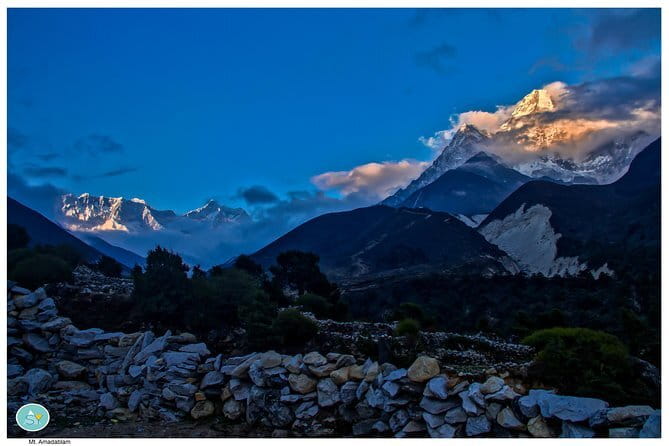
One of the best parts of this hike is how it connects to everyday Kathmandu Valley life. Along the route, you may pass through places like Sankhu and Sundarijal, then continue toward Suryabinayak Forest and similar areas.
Even when you’re focused on birds, these stops matter because you’re moving through real communities and landscapes that locals use and understand. The tour description specifically says the birders gain insight into the everyday lives of locals, which is a polite way of saying you’re not only in “nature”—you’re in a living region.
This is also where your guide’s local instincts become useful. Birds shift with disturbance, weather, and human activity. A guide who understands how the hills work can help you time your movement and keep your searching efficient.
Manohara and Optional Temple Stops: A Mindful Hike With Real-World Stops
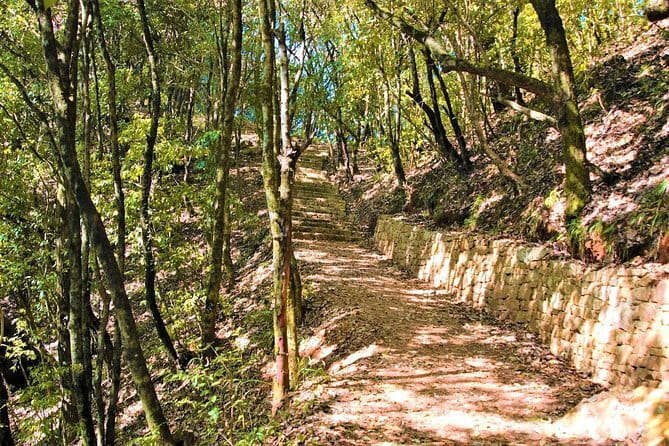
The day can also include spiritual sites. That’s not “extra,” it’s part of the Kathmandu Valley way of moving through the hills: temples, viewpoints, and small ceremonial areas show up on routes, not just in separate sightseeing plans.
Stops connected with Manohara and temple areas can turn a pure birding outing into something more grounded. You get a break from scanning, you reset your senses, and you come back out to the forest with fresh attention—useful when bird calls start to blend together after a couple hours.
If you’re traveling with kids or school-aged students, those short pauses can be a win. This tour is described as recommended for families and students, and the mix of nature plus calm stops tends to keep attention from burning out.
Guide Power: How Krishna Thapa and Prem Shape Your Sightings
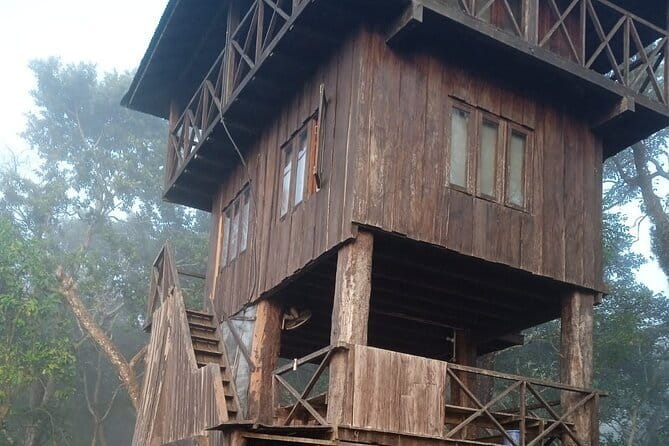
The guide you get can make or break a birding day, and the strong pattern here is that the guides are active finders, not just friendly companions.
Krishna Thapa is mentioned as a guide who leads with enthusiasm and practical expertise, including patience while searching. One review highlights that Krishna did walking and driving to reach a top area outside Kathmandu and also included a visit to a temple area—so the day feels like a real outing, not a checklist. Another review calls out Krishna’s experience and attentiveness, plus his ability to identify birds well enough that even more serious birders came away impressed.
Prem shows up as another standout guide, described as knowing the birds well and knowing how to attract them. That’s a meaningful skill in birding: it’s not about gimmicks, it’s about knowing the local soundscape and using timing and technique to improve your odds. Even if you don’t treat it like a “magic trick,” it can help you turn distant calls into clearer moments.
If you’re an experienced birder, you may still feel challenged in a good way. The best guides here help you spot what you might otherwise miss, and they help you confirm what you’re seeing without rushing your day.
Price and Value: Is $220 Fair for a Private Birding Day?
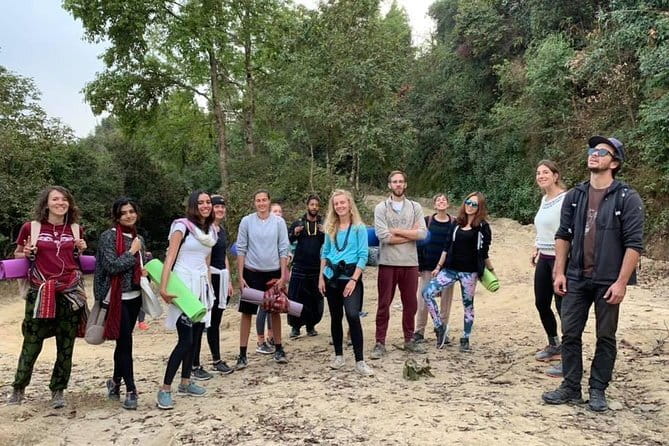
At $220 per person, this isn’t a budget activity. But it’s also not just a casual walk with a friend. You’re paying for a private setup with private transportation, all fees and taxes, and guide fees.
The value logic looks like this:
- You avoid the time sink of public transport for multiple hill areas.
- You get a guide who can interpret the habitat and the bird sounds.
- You’re paying for a day structured around real birding zones in and around Kathmandu.
The price makes most sense if:
- you want a private group (not shared with strangers),
- you want efficient movement across several birding areas,
- you care about identification and listening, not only views.
If you’re traveling solo with strong birding motivation, it can still be good value, since you won’t be competing with other people for the guide’s attention. If you’re purely sightseeing and don’t care about birds much, you might feel the cost more than the payoff.
What’s Not Included: Food, Water, and the Small Costs That Add Up
The tour does not include:
- lunch
- breakfast
- bottled water
- coffee and/or tea
- alcoholic beverages
That’s important for a 4 to 9 hour day. In the hills around Kathmandu, your biggest comfort problem is usually not the hike itself—it’s dehydration and energy dips that happen when you skip meals or forget to bring enough water.
So I’d plan for:
- buying or packing lunch
- carrying extra water for the time you’re outside
- bringing a layer for morning and late afternoon shifts (even when the daytime sun feels warm)
If you’re the type who likes tea breaks, you’ll want to factor that into your day budget, since it’s not covered.
Practical Birding Tips for This Route (So You Don’t Miss the Moments)
You’ll get the best experience by acting like a listener first and a scanner second. This route is known for bird sound and leaf rustle, so your “attention muscle” matters.
A few practical habits I’d use:
- Start by listening for patterns. Calls that repeat are often your best lead.
- Keep moving slowly when you switch spots. Sudden stops and sudden starts can ruin your ability to hear what’s nearby.
- Be ready to look in more than one height level: forest edges and understory are very different from open viewpoint areas.
- Bring whatever helps you see clearly at distance. If you use binoculars, this is the kind of day you’ll use them.
Also, a small mental note: your goal isn’t only to “collect species,” it’s to understand the day’s ecosystem—forest, ridge, terraces, and the human edges where birds feed and call.
Who This Birding Hike Suits Best
This experience is a strong match for:
- families with kids and school students (it’s set up for day pacing and includes breaks tied to the route)
- nature lovers who want a guided way to understand bird sounds and local habitat
- birders of mixed levels who want identification support and a route through known bird zones
If you’re traveling with someone who loves birds but isn’t sure they can handle a long hike, the private transportation and flexible timing can help. If you hate walking, you might feel limited because the core experience is still a hike through hill-forest trails. But the day’s mix of viewpoints and travel pauses often makes it manageable.
Should You Book This Day Birding Near Kathmandu?
I’d book it if you want a guided birding day that combines chance for real bird species (including the endemic Spiny Babbler tied to the area), big Himalayan views, and a route that feels connected to local life. The private format also makes it easier to stay focused on your group’s pace.
I wouldn’t book it if you’re looking for a low-effort, guaranteed “see everything” experience. Nobody can promise specific sightings, and the tour also asks you to handle food and water on your own.
If your heart is in birds—especially listening for calls in hill forest—this is one of the more satisfying ways to spend a day from Kathmandu.
FAQ
Where does the birding hike start and end?
It starts at Amrit Marg, Kathmandu 44600, Nepal and ends back at the same meeting point.
How long is the tour?
The duration is approximately 4 to 9 hours.
What does the tour cost?
The price is $220.00 per person.
Is this a private tour?
Yes. It’s a private tour/activity, and only your group participates.
What areas around Kathmandu are included?
The day birding hike covers areas including Nagarjun, Shivapuri National Park, Phulchoki Protected Forest, Champadevi Hills, Sankhu, Sundarijal, Suryabinayak Forest, and Manohara in the Kathmandu Valley.
Can the hike include spiritual sites?
Yes. The hike can also cover spiritual sites.
What birds is this area known for?
The areas include over 311 bird species, with 117 migratory species noted, and the endemic Spiny Babbler can be sighted in this area.
What’s included in the price?
Private transportation, all fees and taxes, and guide fees are included.
What’s not included?
Lunch, breakfast, bottled water, coffee and/or tea, and alcoholic beverages are not included.
What if the weather is bad or plans change?
The experience requires good weather. If it’s canceled due to poor weather, you’ll be offered a different date or a full refund. You can cancel for a full refund up to 24 hours in advance of the experience’s start time.
More Trekking Out of Kathmandu






More Tour Reviews in Kathmandu




Just Reviewed in Kathmandu
- Mountain Bike Tour
★ 5.0 · 3 reviews - Annapurna Panaroma
★ 5.0 · 3 reviews - Mount Everest Scenic Flight 50 Minutes
★ 5.0 · 3 reviews - Kathmandu : Swambhunath & Durbar Square Guided Half Day Tour
★ 3.3 · 3 reviews - Chandragiri Cable Car & Monkey Temple Tour – Private/Group
★ 5.0 · 3 reviews - Kathmandu: Shivapuri National Park Hiking Day Trip
★ 3.3 · 3 reviews
Hiking & Trekking, compared.
 ★ 5.0Everest Base Camp Trek – 14 DaysFrom $1,8001,499 reviews
 ★ 5.0Everest Base Camp TrekFrom $1,790842 reviews
 ★ 5.0Everest Base Camp TrekkingFrom $1,350485 reviews
 ★ 5.0Nagarkot Sunrise View and Day Hiking from KathmanduFrom $45471 reviews
 ★ 5.0Annapurna Circuit Trek with Tilicho LakeFrom $1,093368 reviews
 ★ 5.0Everest Base Camp Trekking – 13 DayFrom $1,399365 reviews
★ 5.0Everest Base Camp TrekFrom $1,445350 reviews
★ 5.0Everest Base Camp Trek -14 DaysFrom $1,420321 reviews